
Winter is the perfect time for putting cardboard in your compost pile – and can it ever have impressive benefits to your finished compost next spring and summer!
For starters, there is often more cardboard available in the winter than at any other time of year. Holiday gifts arrive in boxes. By the dozens! And many homes stack up cardboard as December deliveries roll in. But instead of sending those materials to the trash or your local recycling center, most boxes can be put to even better use in your compost pile!
Cardboard is a carbon-rich material. And compost piles always need carbon to balance kitchen scraps and other green materials. Winter compost piles struggle when that balance becomes uneven. The good news is that cardboard solves that problem and provides steady carbon during the cold months.
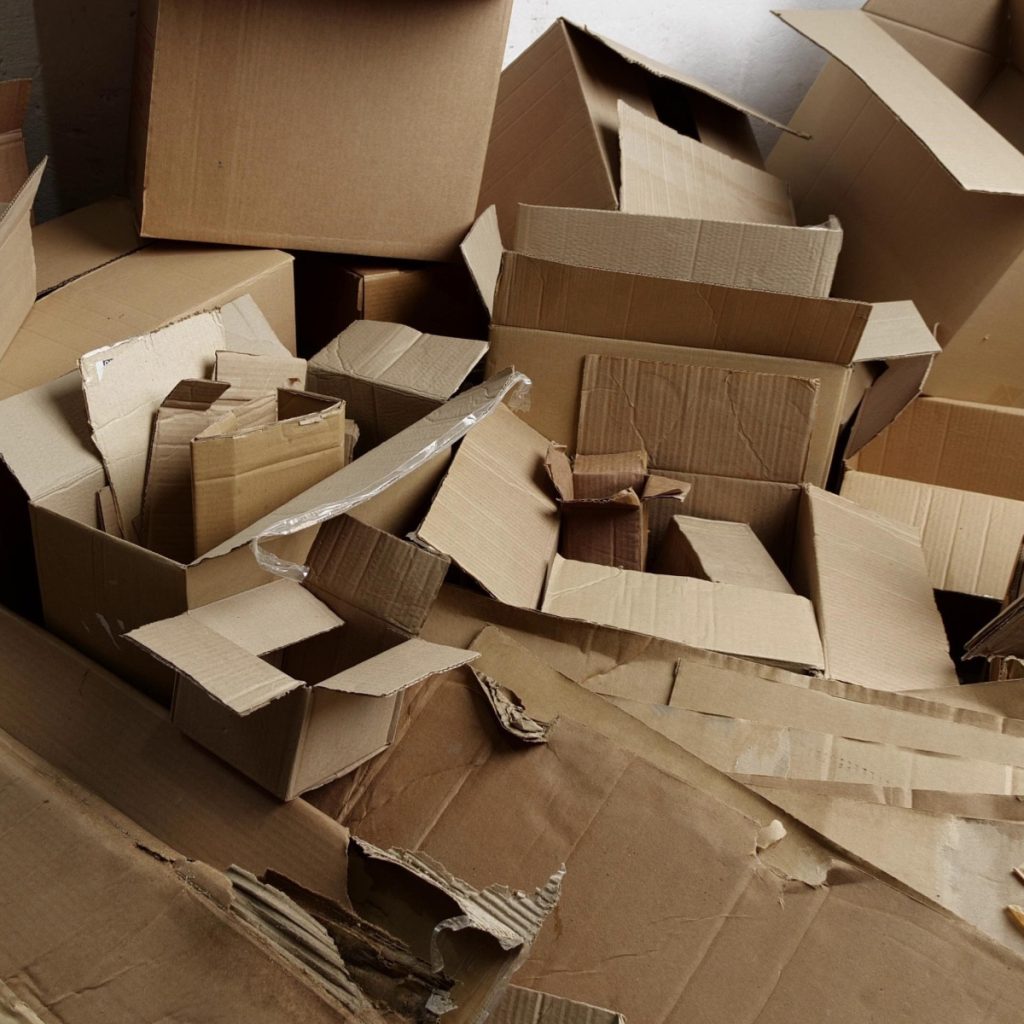
How To Compost Cardboard
How To Tell If Cardboard Can Be Composted
Most cardboard found during the holiday season can be composted. Many boxes are simple brown corrugated cardboard. Most shipping sleeves and packaging inserts are plain kraft paperboard. These all break down well and add incredible structure to a winter compost pile.
But it’s important to know that not all cardboard is compost friendly. Most plain brown cardboard is safe to add. These boxes usually use natural glues and contain no dyes. They are labeled as corrugated cardboard or kraft paper. They break down fast when shredded. And they absorb moisture and give a pile aeration and texture.
However, some cardboard should stay out of your pile. Cardboard with shiny coatings should never be used. These coatings often contain plastic. Plastic does not break down. It can contaminate your compost. Wax-coated boxes are also not suitable. Wax slows breakdown and can clog your pile. Frozen food boxes often have these coatings. They look like cardboard but are not a good choice.
Avoid Bright Cardboard Packaging
Cardboard with colorful printing is also questionable. Many inks used today are vegetable-based. They are safe. But some bright colors may contain heavy metals or petroleum products. These inks do not belong in your compost. They can cause contamination and poor soil quality later.
Lat but not least, glue can be an issue as well. Most shipping boxes use a simple starch-based glue. These glues are safe for composting. However, some retail packaging contains stronger adhesives. If the glue feels rubbery or sticky, avoid composting it. Many gift boxes and specialty packaging use these tougher glues. They break down slowly. They can create mats in the compost pile.
If you are unsure, do a quick test. Tear the cardboard. Plain cardboard tears cleanly with a fibrous edge. Coated cardboard often feels slick. It may not rip easily. If it resists tearing or feels waxy, keep it out of your pile.
On a side note, if you use cardboard for stopping weeds, the same cautions apply. See our article: How To Eliminate Flowerbed Weeds With Cardboard – And Have Beautiful Beds!
Why Cardboard Works So Well In Winter Compost Piles
Composting slows in winter. The pile loses heat to the cold air. Microbes become less active. Moisture turns to ice. Cardboard fights these issues with natural insulating power.
When you add cardboard to a compost pile, it holds moisture just long enough. It prevents drying out during cold, windy days. At the same time, it prevents the pile from becoming waterlogged during winter thaws.
Cardboard also gives the pile more bulk. A larger volume can hold heat better than a small pile. This is important in winter when freezing temperatures slow decomposition. When cardboard gets wet and begins to break down, it creates tiny pockets of insulation. These pockets trap warmth and allow microbes to stay active longer. That activity is the heart of successful winter composting.
Cardboard traps warm air inside the pile. This is key to maintaining microbial activity. Microbes need heat to work. Without heat, the pile can turn dormant. When cardboard absorbs moisture and softens, it creates layers. These layers protect the warm core from freezing temperatures.
Cardboard also feeds the microbes. Winter piles often lack carbon. Kitchen scraps produce a lot of nitrogen. Without carbon, decomposition slows. Cardboard gives the pile the balance it needs. Balanced piles heat better and stay warmer longer.


Using Cardboard To Cover A Winter Pile
One of the best winter uses for cardboard is as a cover. Compost piles must stay protected from heavy snow and freezing rain. A wet pile loses heat quickly. A frozen pile stops breaking down. Cardboard helps shield the pile from the elements.
Large pieces of cardboard work well as a simple lid. Place a few flattened boxes over the top of the pile. Overlap the edges to prevent wind from blowing them away. Add a few heavy sticks or stones to hold them in place. This creates a natural roof for your compost.
This roof keeps precipitation out of the pile. It blocks snow from packing down the material. It reduces the amount of freezing that happens near the surface. More importantly, it helps hold heat inside the pile. Warm air rises. Without a cover, that heat escapes. Cardboard acts like a blanket and reduces heat loss.
Cardboard can also help block winter winds. If your compost pile sits in an exposed area, lean cardboard sheets along the sides. This shields the pile from wind that can dry it out and cool it down. A windbreak helps the pile stay warmer and more active.
As the cardboard gets wet, it will begin to break down. This is normal and helpful. As it softens, it forms a barrier. This barrier keeps the cold air from reaching the warm core below. As the top layer breaks down, work it into your pile and put more on top.
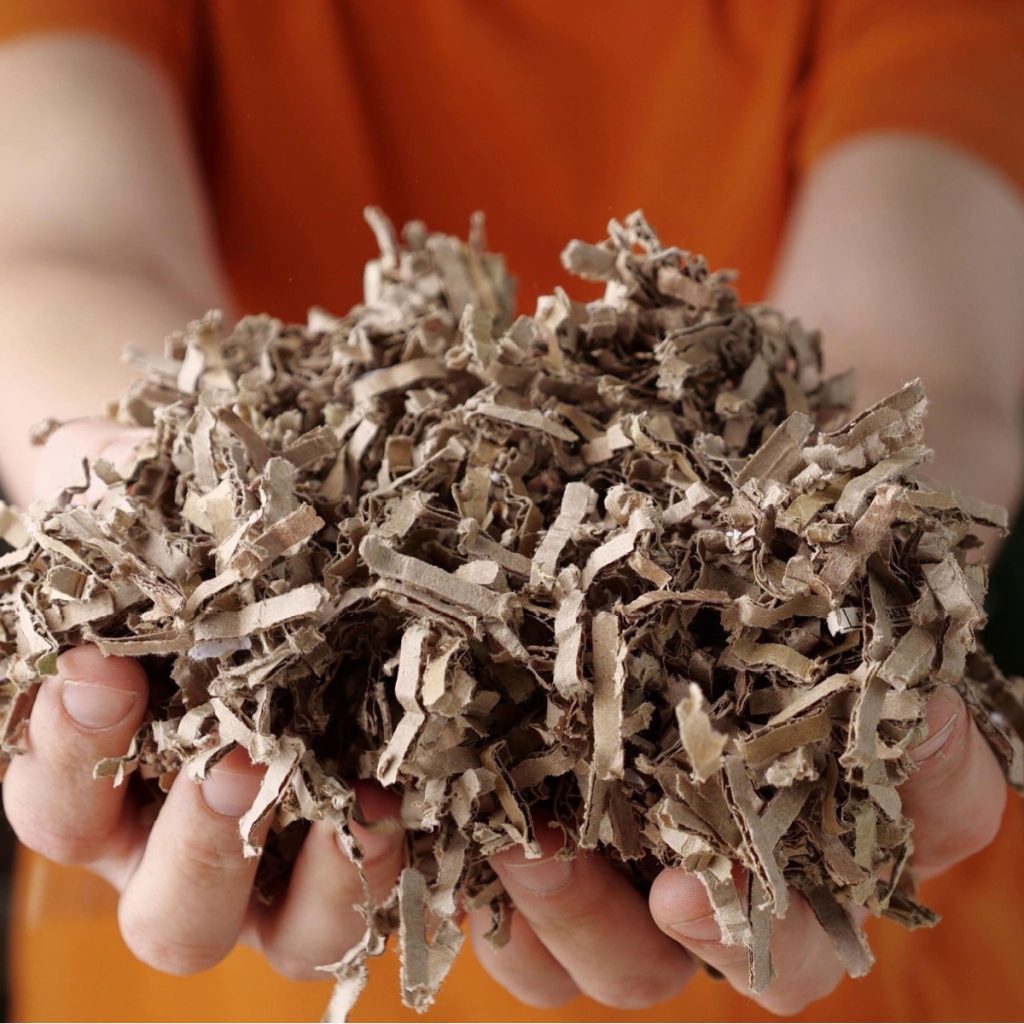
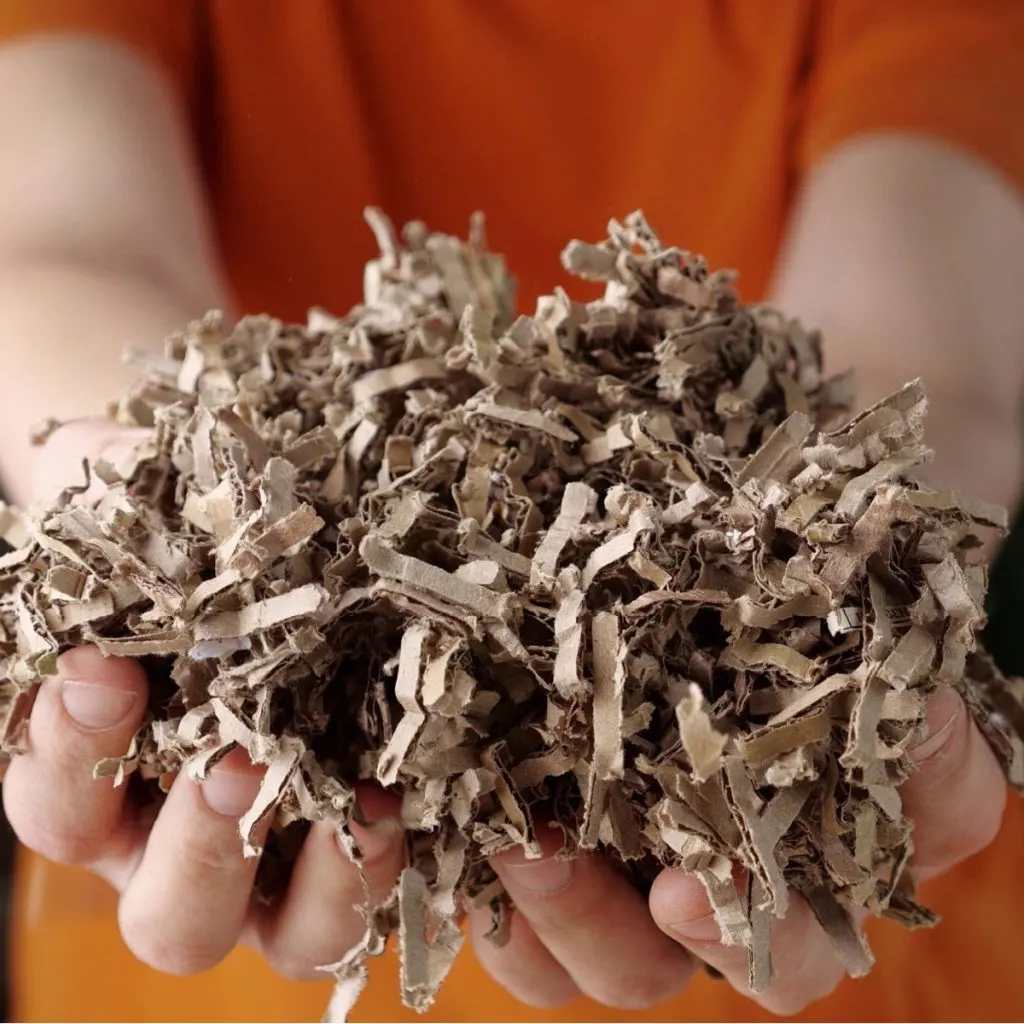
Shredding Cardboard For Better Winter Decomposition
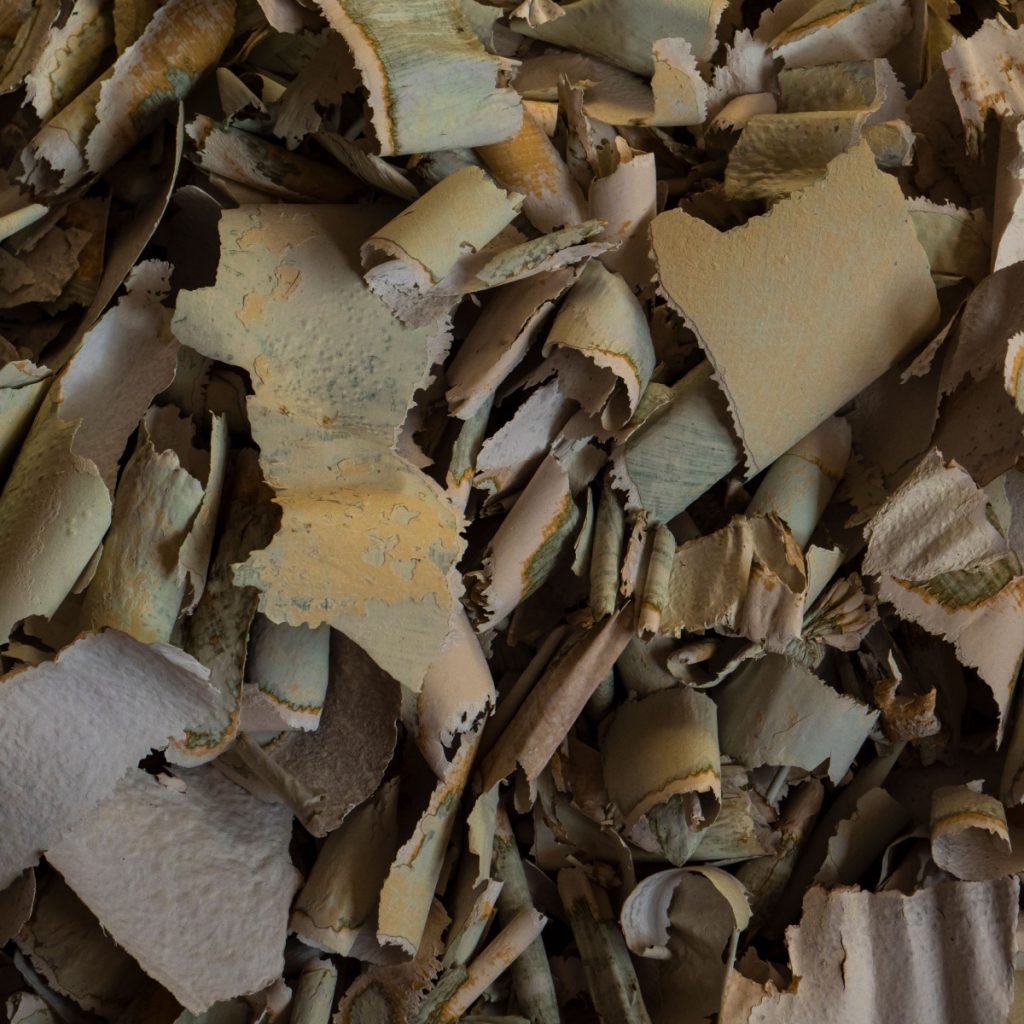
Shredding cardboard for the center of your pile is the way to go. Smaller pieces break down faster. They also mix better with kitchen scraps and other materials. Shredding increases the surface area. This gives microbes more places to work. More microbial activity means more heat.
Shredded cardboard helps the center of the pile stay warm. When you mix it with fresh scraps, the pile becomes more porous. Air flows better. Heat moves through the pile more evenly.
To shred cardboard, tear or cut it into small pieces. You can use scissors, a box cutter, or your hands. Some people soak cardboard in water first. This makes it easier to tear. However, do not make it too wet before adding it. Too much water cools the pile. Slightly damp pieces work well.
Layer shredded cardboard into the compost pile. Add a few inches of cardboard pieces. Then add kitchen scraps or other green materials. Continue layering. This creates a balanced and warm mixture. The shredded material absorbs extra moisture. It prevents slimy spots. It keeps the pile fluffy enough for air to circulate.
A Few Final Thoughts
One more reason to use cardboard is that it also helps with odor control. Winter piles sometimes smell because decomposition slows. Cardboard helps absorb odors. It keeps the pile drier near the surface and reduces the chance of strong smells.
One thing is for sure, cardboard is one of the most overlooked compost materials. In winter, it becomes especially valuable. It boosts heat retention and balances the pile. It also keeps decomposition moving even when the weather is cold. Here is to using cardboard in your pile this year – and having better compost next spring because of it!
This Is My Garden
Follow Our Facebook Page For Great Gardening Tips And Advice! This Is My Garden Facebook Page
This Is My Garden is a garden website created by gardeners, for gardeners. Jim and Mary Competti have been writing gardening, DIY and recipe articles and books and speaking for over 15 years from their 46 acre Ohio farm. They publish three articles every week, 52 weeks a year. Sign up today to follow via email, or follow along!