
Did you know that you could change the color of your hydrangea blooms – all by adding the most basic of organic materials to the soil around where your bush grows?
It’s actually possible to change a hydrangea bush that used to bloom in blue to now bloom in pink. Likewise, a hydrangea bush that use to produce purple flowers can now be made to create the most beautiful blue blooms as well. All with basic organic materials!
As incredible as it sounds, you can use anything from egg shells, green pine needles, the ashes from your wood stove, lime – or even coffee grounds to change the color of how your hydrangea’s flowers. Not only is the process simple, it can change the look of your landscape without any need for replanting. And perhaps even more, it’s just fun to do!
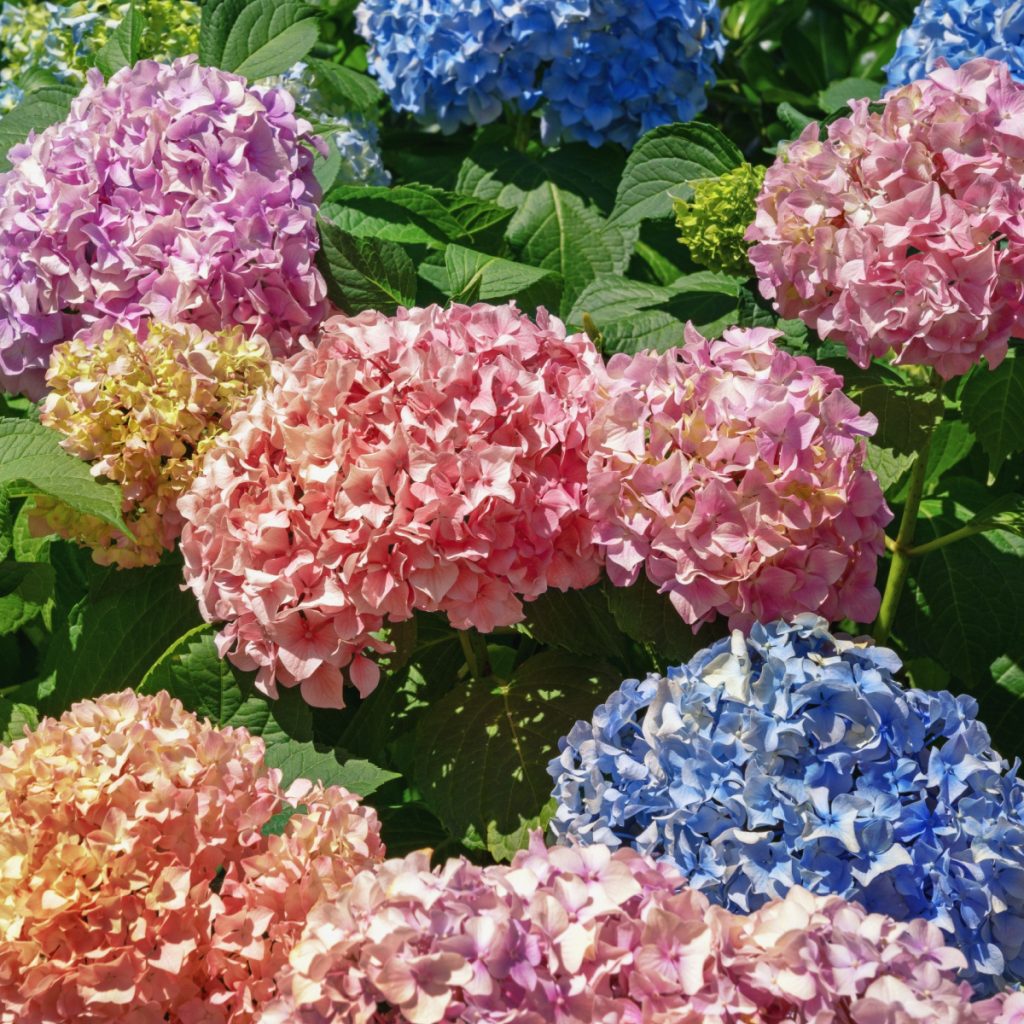
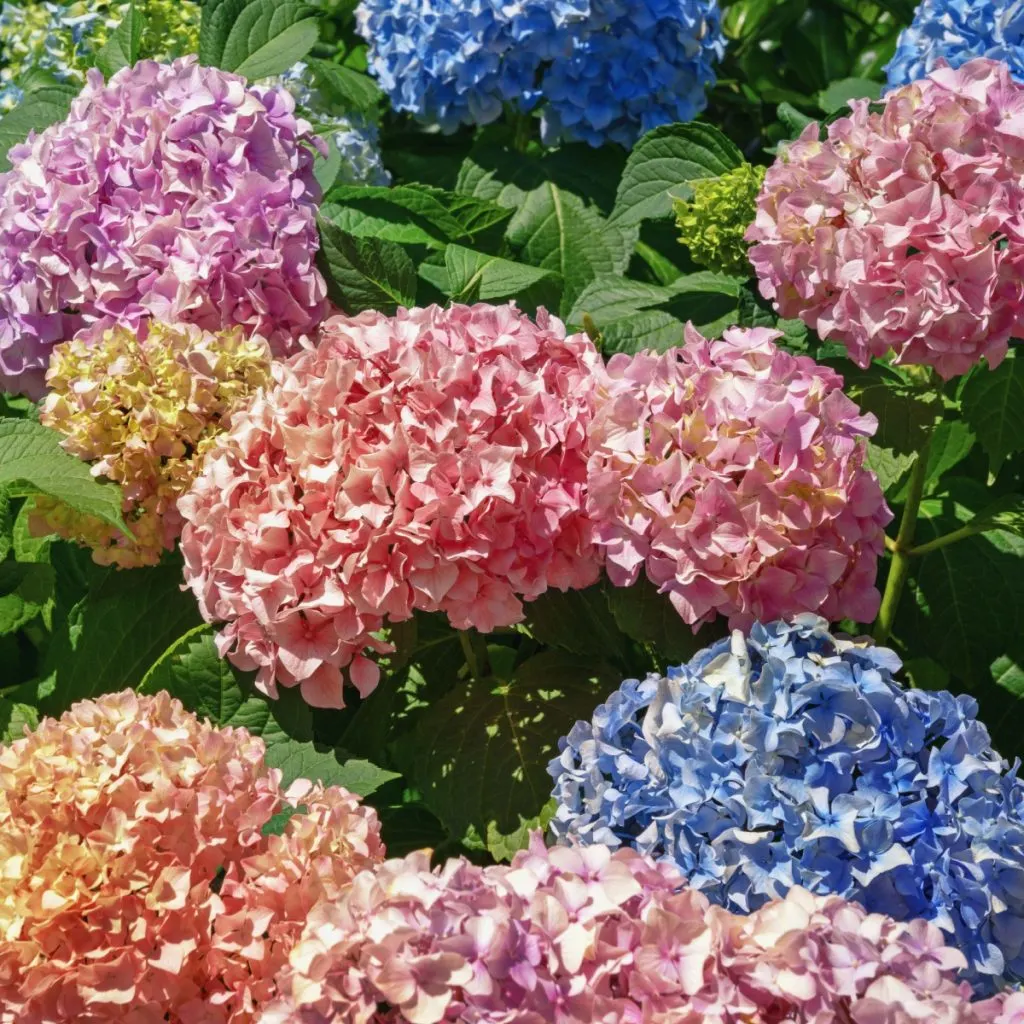
So how is it possible to have your hydrangeas bloom in a different shade? As it turns out, the color of a hydrangea’s blooms is directly related to two factors. And both have to do with the makeup of the soil where the bush grows.
The first is the available amount of aluminum in the soil. The second is the pH of the soil. Or, more specifically, whether it leans more to the acidic side or alkaline side. And it’s how those two factors work together with one another that ultimately determines the color of bloom that will appear.
How To Make Your Hydrangeas Bloom In A Different Color
The Role Of Aluminum & pH With Hydrangeas
The color of a hydrangea’s bloom depends on how much aluminum the roots of the bush can or cannot absorb from the soil. The more aluminum the bush can take in, the more likely the blooms will be blue. On the other hand, if the bush is unable to absorb enough aluminum, the blooms will be pink or purple.
Plain and simple, the pH of the soil where a hydrangea grows affects how much aluminum the bush can or can’t absorb. More specifically, when soil is more acidic, hydrangeas have an easy time absorbing aluminum. But when soil is more alkaline, it blocks up the available aluminum.
When the soil is alkaline, it is impossible for hydrangeas to take it in – even when there is already plenty of aluminum in the soil in the first place. This is exactly why adding supplemental aluminum won’t work alone to change colors.
But, with that knowledge in mind, if you change the pH of the soil around your hydrangea – you can almost always make it flower in a different color. Why almost always? Because there are a few colors and varieties of hydrangeas that do not change their bloom hues at all.
Which Hydrangeas You Can Change To Bloom In A Different Color – And Which You Can’t
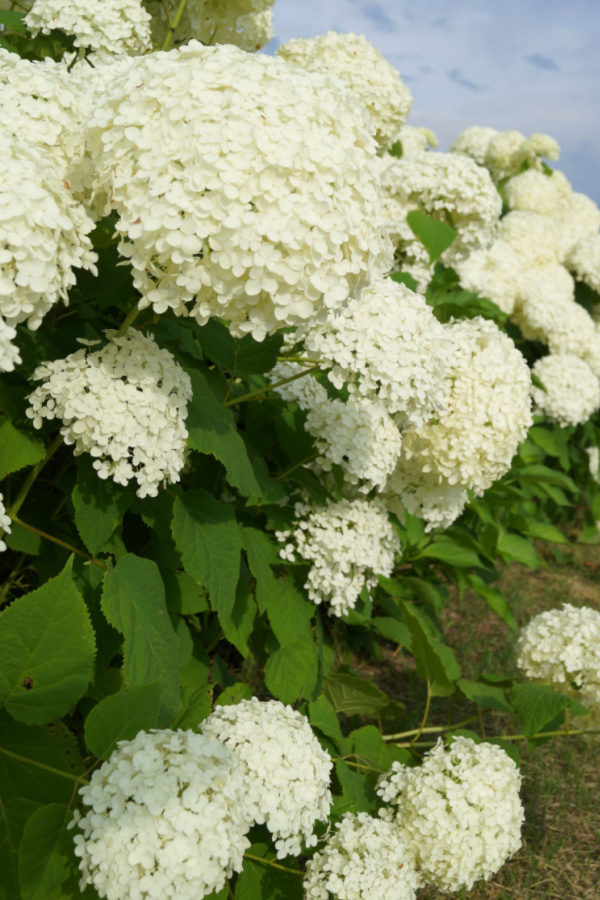
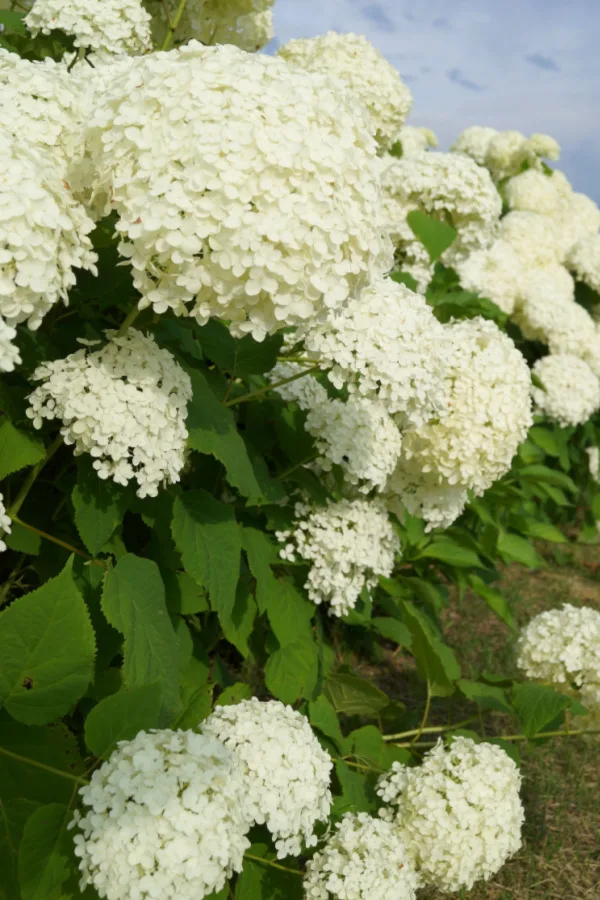
It’s important to note that not all varieties of hydrangeas are able to switch bloom hues. For starters, two types that cannot are Oakleaf and Smooth hydrangeas. In addition, if you are growing a white hydrangea bush, it is always going to bloom white. And the same goes for ones that bloom in deep scarlet red. The blooms of all of these are not related to pH or aluminum in the soil.
So what varieties can and will change color? At the top of the list are Bigleaf hydrangeas. This family includes mophead style blooms, whose massive blooms have exploded in popularity in the last decade or so. You can also change Lacecap varieties of hydrangeas as well.
Now that we’ve covered which hydrangeas you can change – let’s take a look at how to do it with ease.


Changing The pH
As mentioned earlier, the color of a hydrangea’s blooms relates directly to the soil’s pH. The colors can range a bit due to the variety, but in general, if your soil is more acidic and registers between 4.5 to 6.0, your hydrangea will bloom from deep blue to purplish-pink.
The closer the pH is to 4.5, the more deep blue the bloom. The more it ranges closer to 6.0, the flower will bloom closer to bluish to purplish-pink
If the pH is less acidic and ranges from 6.0 to 7.0, the blooms will then flower in hues from purplish-pink to deep pink. Again, the closer to 6.0, the more purplish-pink, the closer to 7.0, the deeper the pink will be.
Armed with this knowledge, now all you need to do is test the pH of your soil, add the materials needed to change the pH in the soil to the desired result, and wait for it to bloom in a new color!
How To Lower or Raise Soil pH For Hydrangeas
To find your soil’s existing pH, the easiest way is to use an inexpensive instant read soil probe pH meter. These can usually be found for around $20. Even better, many also include the ability to measure soil moisture and temperature as well, making them useful everywhere in the garden. Affiliate Link: 3-in-1 Soil Test Kit, Soil Moisture Meter/Soil ph Meter

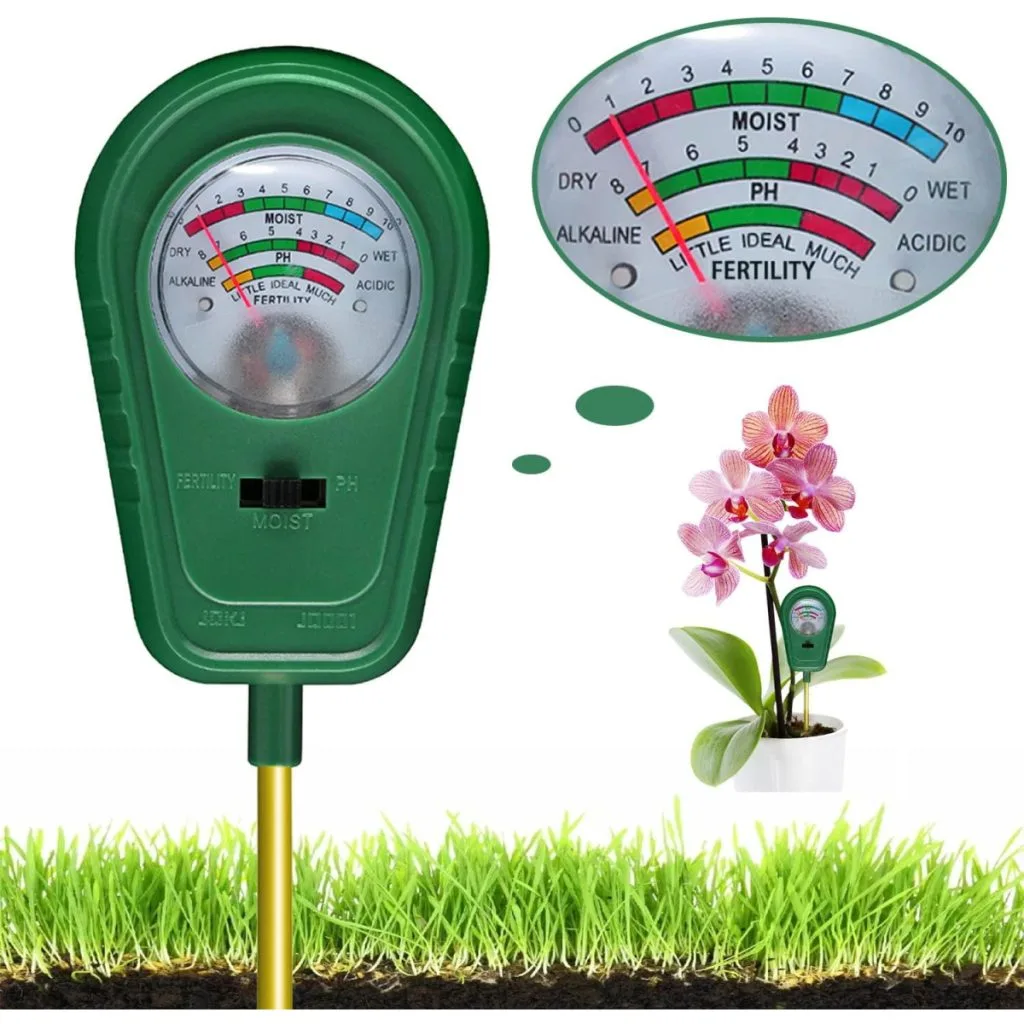
Using an instant read pH meter is as easy as sticking the probe or probes in the ground. Within a few seconds, the meter will tell you the soil’s pH. Once you know the pH, you can then add the ingredients to help take it whichever way you want.
Lowering The Soil’s pH To Change The Color Of Hydrangea Blooms
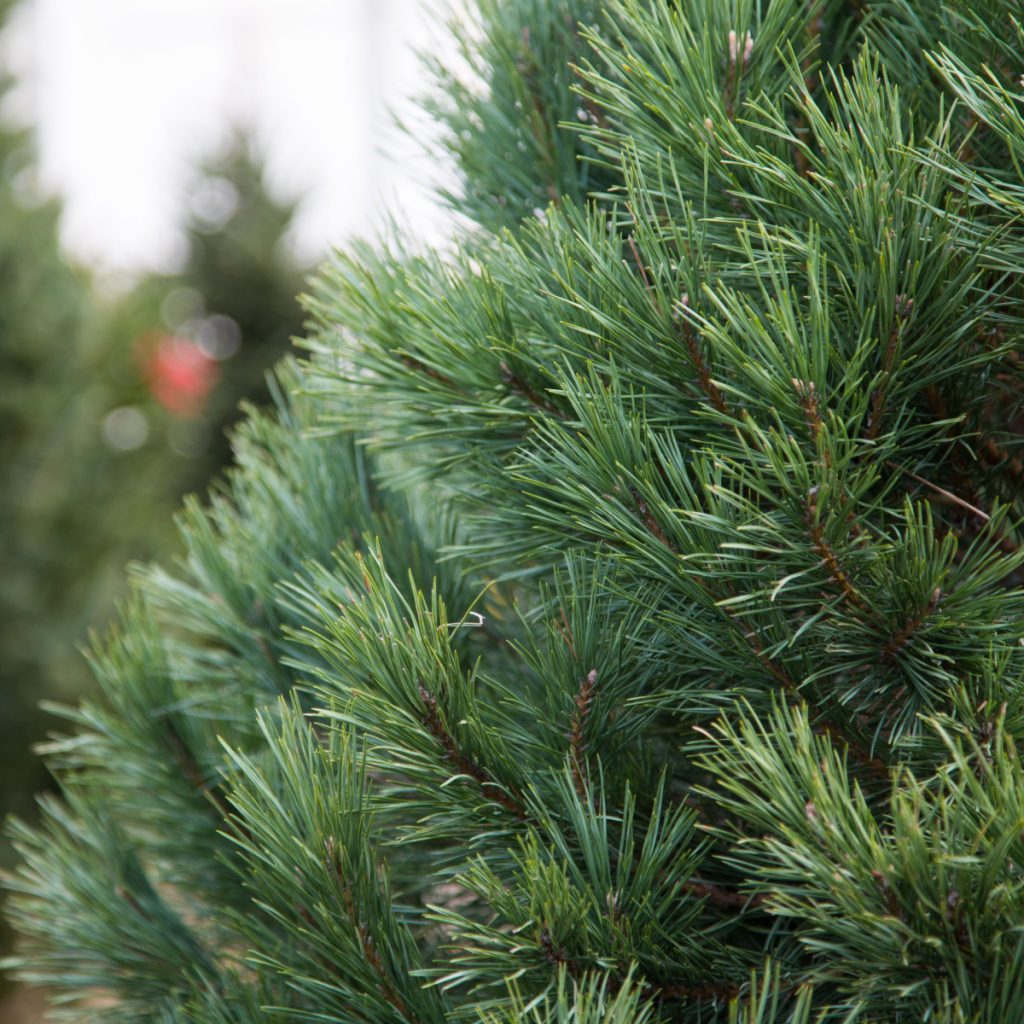
If you want to lower the pH, you are in effect trying to make your soil more acidic. The best and easiest way to do this is with green pine needles.
Green pine needles contain much more acid than brown, dead needles. In fact, once needles drop from a tree, they are almost close to neutral.
For this reason, it is better to work a 5 gallon bucket full of fresh needles into the soil around your hydrangea. You will want to do this several times a year to keep the acidity level up. See also: The Best Ways To Use Pine Needles In Your Flowerbeds & Garden.
In addition, covering the top few inches with a mulch of fresh needles will help to release more acid into the soil as well. The combination of the two is usually more than enough to change the bloom color in a single season.
You can also use aluminum sulfate as a powder to raise the acidity level. Again, working it into the soil will have a much quicker effect than simply sprinkling it on top. Affiliate Link: Hoffman Aluminum Sulfate Soil
Raising The Soil’s pH To Change The Color Of Hydrangea Blooms
One of the easiest and most natural ways to raise the soil’s pH around your hydrangea is by using wood ashes.
To use wood ashes, work a few 1 gallon pails of ashes into the soil and then top coat with an inch or so around the bush. Do this in early spring, mid-summer, and in early fall each year to help keep the soil more alkaline – which will raise the pH to help get more purplish-pink blooms.
Another natural material that can work is crushed or pulverized egg shells. They too take the pH to a more alkaline level. With egg shells, grinding them into a fine powder will help speed up the process.
Here is to having a little fun with your hydrangeas and their colorful blooms this year and beyond!
This Is My Garden
Follow Our Facebook Page For Great Gardening Tips And Advice! This Is My Garden Facebook Page
This Is My Garden is a garden website created by gardeners, for gardeners. Jim and Mary Competti have been writing gardening, DIY and recipe articles and books and speaking for over 15 years from their 46 acre Ohio farm. They publish three articles every week, 52 weeks a year. Sign up today to follow via email, or follow along!