Plant These 5 Perennials - And Watch Bees, Butterflies & Pollinators Flock To Your Yard!
Looking for some of the best perennials to plant to bring in bees, butterflies and other incredible pollinators?
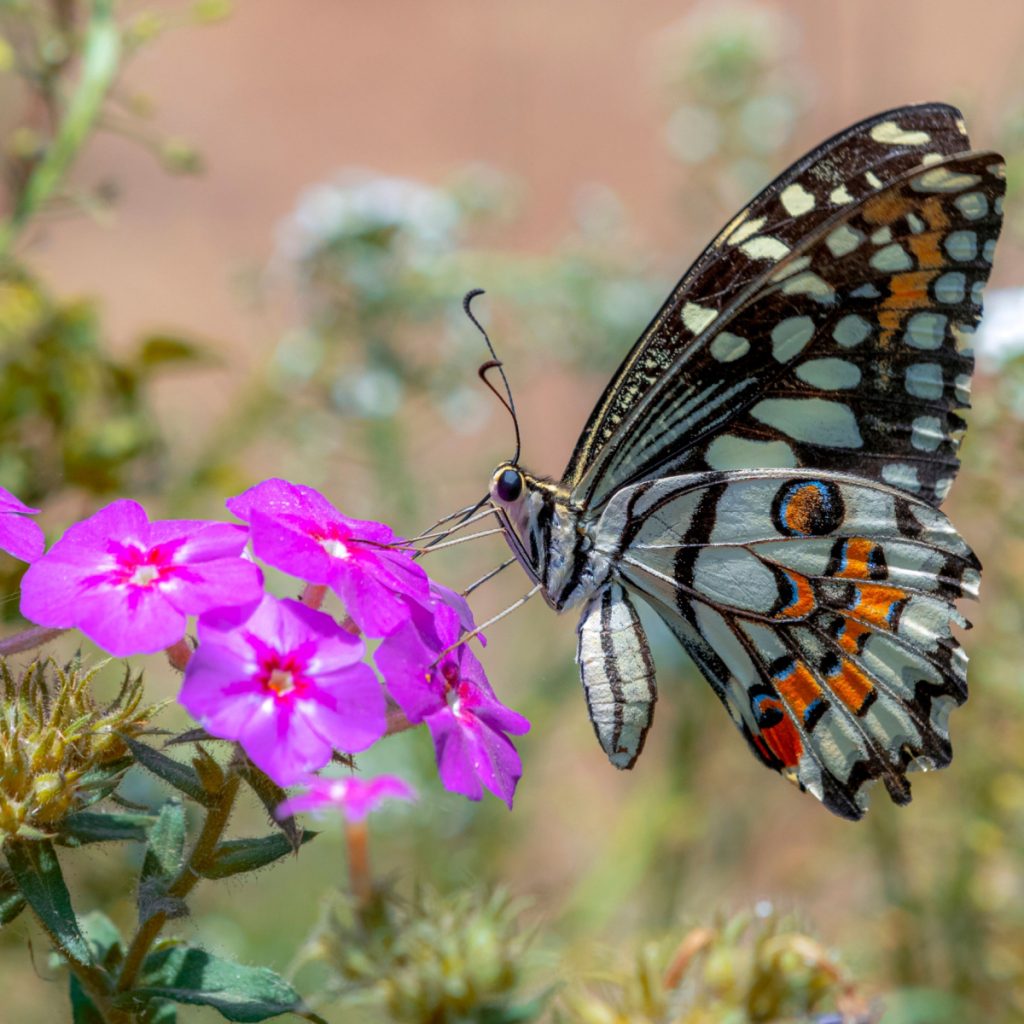
There is nothing quite like watching nature come alive in your very own backyard. Whether its watching the graceful strokes of a butterfly fluttering through the air, a honey bee gently working a delicate bloom, or a hummingbird zipping from plant to plant, nature is amazing to take in.
But birds, bees and butterflies are more than just beautiful to behold, they are also incredible pollinators. And they are incredible for helping to bring more vegetables to our gardens, more flowers to our flowerbeds, and even more fruit and nuts to our trees!
5 Perennials That Bring In Bees, Butterflies & Pollinators
Why Attracting Pollinators To Your Yard Is So Important
Pollinators are extremely important for gardens, flowerbeds and more. As they move from flower to flower collecting nectar, they transfer pollen that allows plants to produce fruits, vegetables, and seeds. Without pollinators, many of the crops and flowers we enjoy would struggle to grow and produce.
Pollinators also help keep gardens and natural spaces healthy and full of life. Their work helps plants reproduce, which supports birds, wildlife, and many other beneficial insects. When pollinators are active in a yard or garden, plants tend to grow stronger and produce better.
Planting flowers and perennials that provide nectar and pollen is one of the best ways to help them. Even a small garden filled with pollinator-friendly plants can attract bees, butterflies, and other helpful insects throughout the growing season.
With that in mind, here is a look at five low-maintenance, easy-care perennials to grow to attract bees, butterflies, birds and more. Not only are these plants durable and simple to care for, they also can bring big color to your landscape. And, of course, along with it, pollinators!
The Beauty Of Lavender
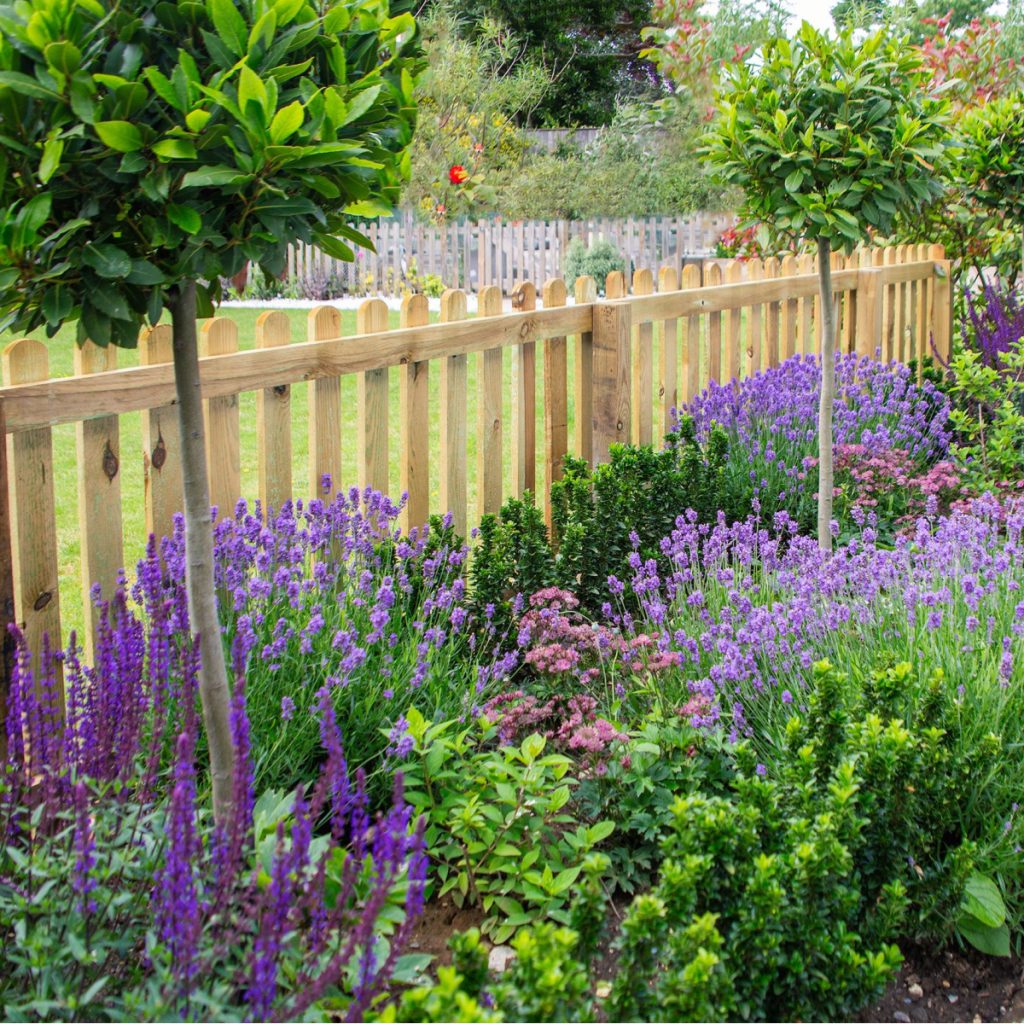
Lavender is not only one of the most beautiful and useful perennials to grow, it also is a major attraction for bees and butterflies. In fact, when it comes to attracting bees, lavender might just be at the top of the list.
Lavender has many medicinal uses, and is well known for it’s wondrous fragrance too. And if that wasn’t enough, although it attracts bees in droves, it also repels aphids, moths and mosquitoes. Talk about an all-purpose perennial!
But the benefits don’t stop there. Lavender is a full sun plant that handles drought well. It is also extremely pest resistant, and will fill your flowerbeds with massive amounts of color in the summer months. See: Why You Should Be Growing Lavender
Bee Balm - One Of The Best Perennials For Attracting Bees & Pollinators
Bee balm in an incredible perennial that wins the trifecta award for attracting pollinators! It is loved by butterflies, birds and bees alike, and truly is a rock star of pollinating plants.
When you first encounter the showy blooms of bee balm, it is easy to see why. It’s gorgeous, aromatic blooms add a big punch of bright hues and fragrance to any landscape. And when it comes to color, there are a lot of varieties to choose from!

From white, pink and red, to bluish-purple, bee balm blooms in a wide spectrum of interesting hues. And much like lavender, it handles full sun, drought, and pests in stride. As a side note, if you looking to bring in hummingbirds to your landscape, bee balm is a great place to start. The tiny birds love working the spiked blooms, and will revisit often for a quick meal.
Although bee balm is a member of the mint family, it is not nearly as invasive as other mint family members. It usually spreads slowly, and by digging extended growth every few years it will stay in shape. Affiliate Seed Link: Bee Balm Seeds
Cone Flower
The daisy-like blooms of the cone flower attract bees from miles around - but butterflies actually love flocking to this colorful mid-summer blooming perennial as well. In fact, cone flowers have long been known to be one of the most effective plants at helping to establish butterfly populations in an area.
Bees and hummingbirds enjoy working the flowers as well in season, but as the seed heads dry in late summer, the perennial’s aging flower heads become a big source of food for all types of birds.
Perhaps best of all, cone flower is one of the easiest perennials of all to grow. Highly drought resistant and able to withstand all day sun, it will come back year after year in full force with little care.

Black-Eyed Susan
This old-time favorite is another perennial that attracts all three of the pollinating all-stars! Drought resistant and hardy, black-eyed Susan will be visited over and over again by butterflies and bees when their beautiful blooms open up throughout the summer months. And when those seed heads start to turn, just like with cone flower, they will begin to attract all sorts of birds too.
Planted in massed groups, black-eyed Susan can provide a big pop of color to the landscape,. They are also easy to maintain by simply cutting back to the ground each fall after they have died back. Affiliate Seed Link: Created By Nature Black-Eyed Susan Wildflower Seeds

Russian Sage
Russian Sage is a wonderful addition to any landscape. The fragrant, two-to-three foot tall spiked and wispy blooms can fill an entire area with a burst of color. Not as well known as the other pollinating plants on our list, it packs a big punch for little effort.
Russian sage grows well in poor or rocky soil, making it an excellent choice for areas that might not have the best growing conditions. Even better, it blooms nearly all summer, so bees love to visit it time and time again. It's loved equally as well by hummingbirds and butterflies.
Here is to planting pollinating loving perennials in your flowerbeds this year - and to seeing bees, butterflies and more flock to your yard!
This Is My Garden
Follow Our Facebook Page For Great Gardening Tips And Advice! This Is My Garden Facebook Page
This Is My Garden is a garden website created by gardeners, for gardeners. Jim and Mary Competti have been writing gardening, DIY and recipe articles and books and speaking for over 15 years from their 46 acre Ohio farm. They publish three articles every week, 52 weeks a year. Sign up today to follow via email, or follow along!

More Uncategorized
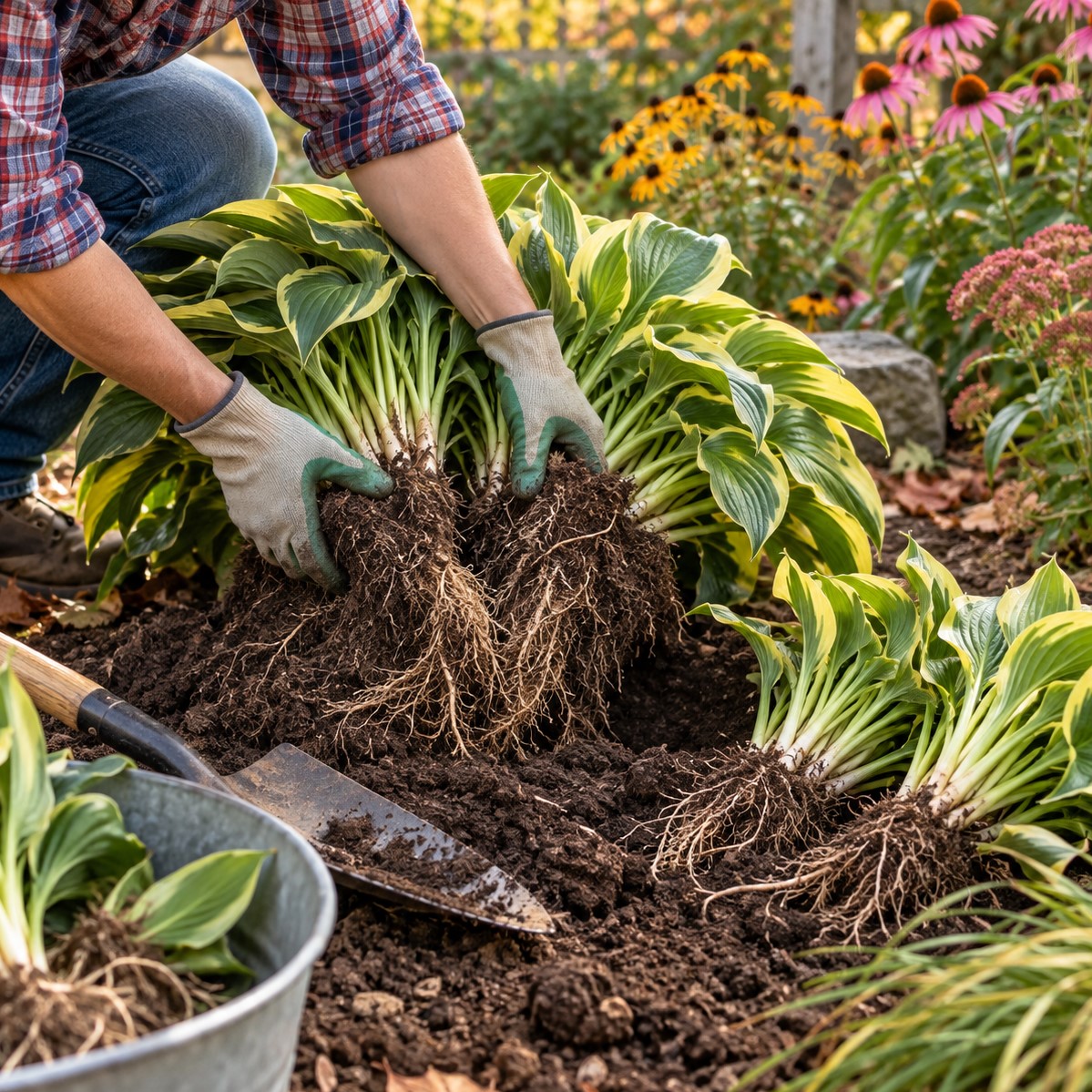
- 7 Perennials You Should Divide In Early September – Get More Flowers For Free Now!
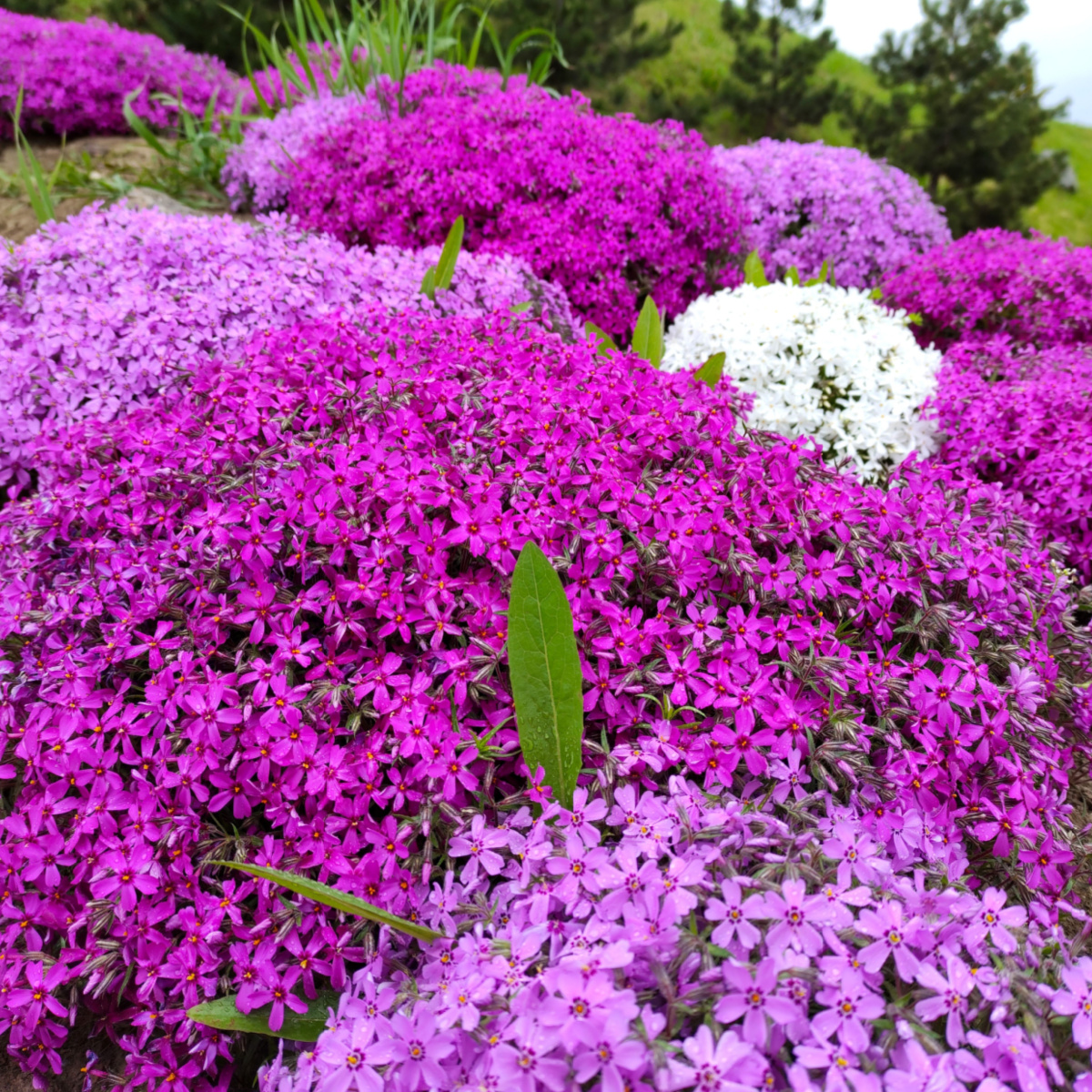
- How To Fertilize Creeping Phlox In Early Spring For Massive, Show-Stopping Blooms!
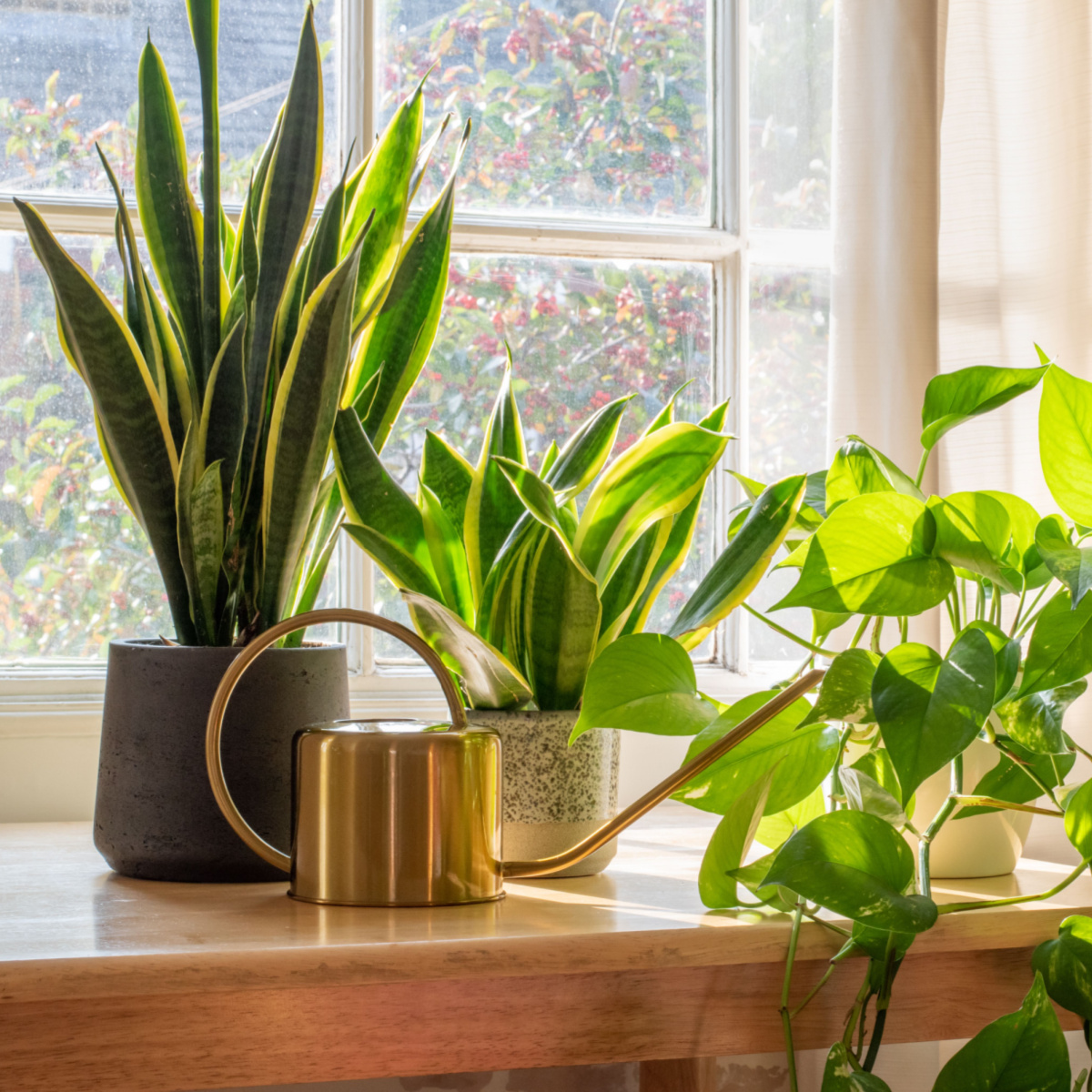
- The Easiest Houseplants To Grow - 8 Plants Anyone Can Keep Alive!
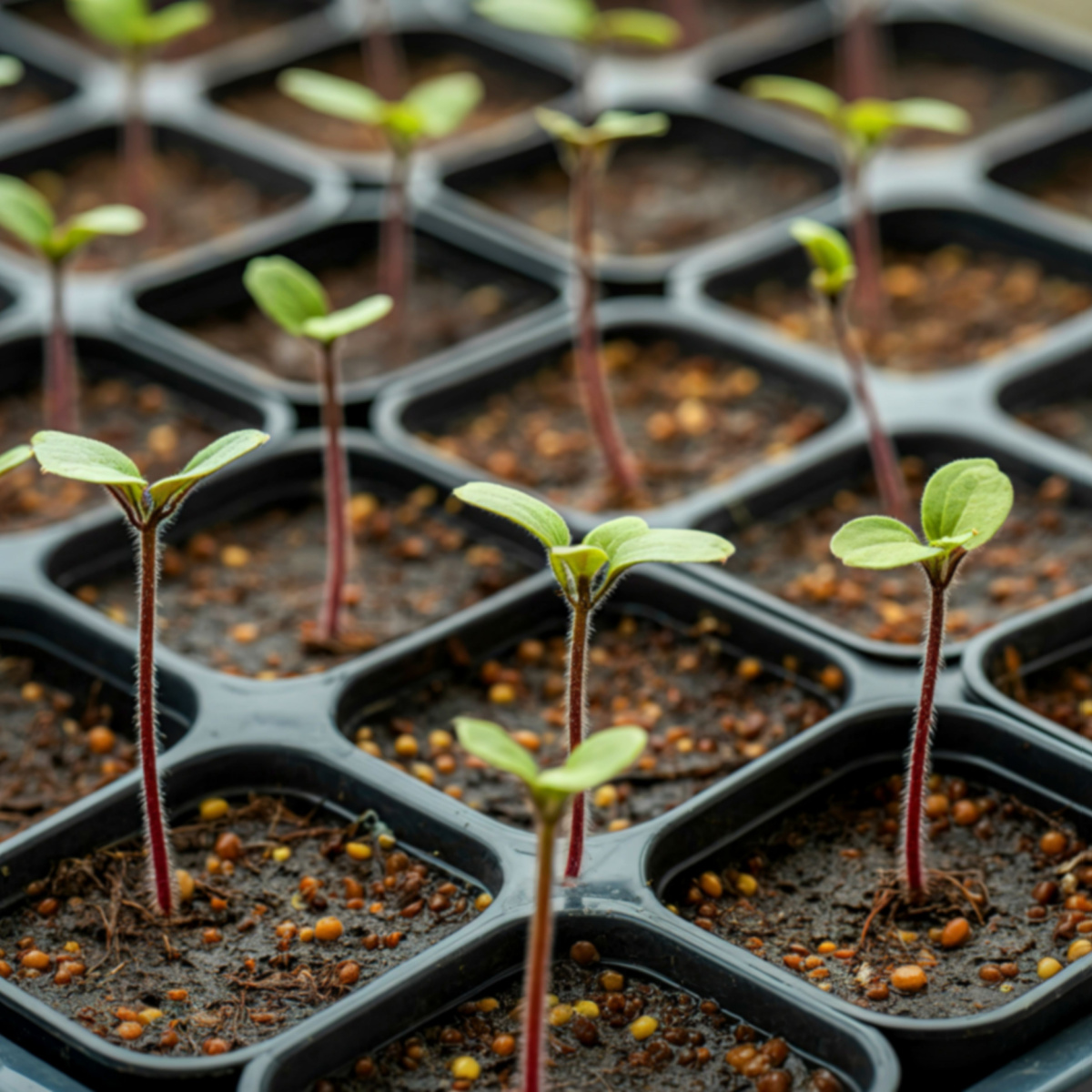
- The Best Way To Feed Indoor Seedlings - How To Get Your Transplants Growing Fast!