3 Simple Ways To Keep A Compost Pile Going In The Winter!
When cold weather settles in, it can feel nearly impossible to keep a compost pile going in winter. Freezing temperatures slow everything down. Kitchen scraps seem to just sit on the pile. And even worse, the top layer of the pile can harden into a block of frozen soil.
But the good news is that a compost pile can stay active even in the coldest months of the year. All you need to do is give it a little help! Winter composting takes a different approach than summer or fall composting. And with just a few simple strategies, you can keep your pile warm, working and breaking down all of those valuable materials.
Keeping compost going in the winter matters more than most people realize. Even though decomposition slows down, it never fully stops. Microorganisms still work deep inside the pile where temperatures are warmer. That slow, steady breakdown helps you build up a rich supply of compost. And, one that will be ready to use in your garden beds as soon as spring arrives!

The key to maintaining an active pile in cold weather comes down to three things: keeping the pile insulated, giving the microorganisms enough food and air, and managing moisture so it doesn’t freeze solid.
How To Keep A Compost Pile Going In The Winter!
Why Compost Slows Down So Much In Winter
The first big hurdle in winter composting is understanding why a pile slows down. Tiny organisms are the driving force behind decomposition, and those organisms need heat to stay active. As the weather cools, their activity naturally slows. When temperatures fall below freezing, the outside of the pile can freeze completely. It can make it look like everything inside the bin has stopped as well.
But even when the outer edges freeze, the inner core of a compost pile can stay much warmer. A large pile traps heat better than a small one, and well-balanced materials with greens (nitrogen) and browns (carbon) generate internal warmth as they break down. The more you help the inner core stay warm and protected, the easier it becomes to keep a compost pile going in winter.
This is also why the size of the pile matters. A small 2×2 pile will freeze much faster than a 3×3 or 4×4 pile. Larger piles simply hold heat better. The good news is that even if your pile is on the smaller side, insulation and proper layering can still keep it working.

How To Insulate A Pile To Protect It From Freezing
Insulation is the biggest secret of all when it comes to keeping a compost pile active in cold weather. If you want to keep a compost pile going in winter, focus on insulating it from top to bottom.
One of the easiest ways to do this is by surrounding the outside of the pile with a thick layer of leaves or straw. Leaves work especially well because they trap air and act as a natural blanket. Piling leaves around the sides, on top, and even underneath the pile can prevent cold winds from stealing away the heat a pile generates.
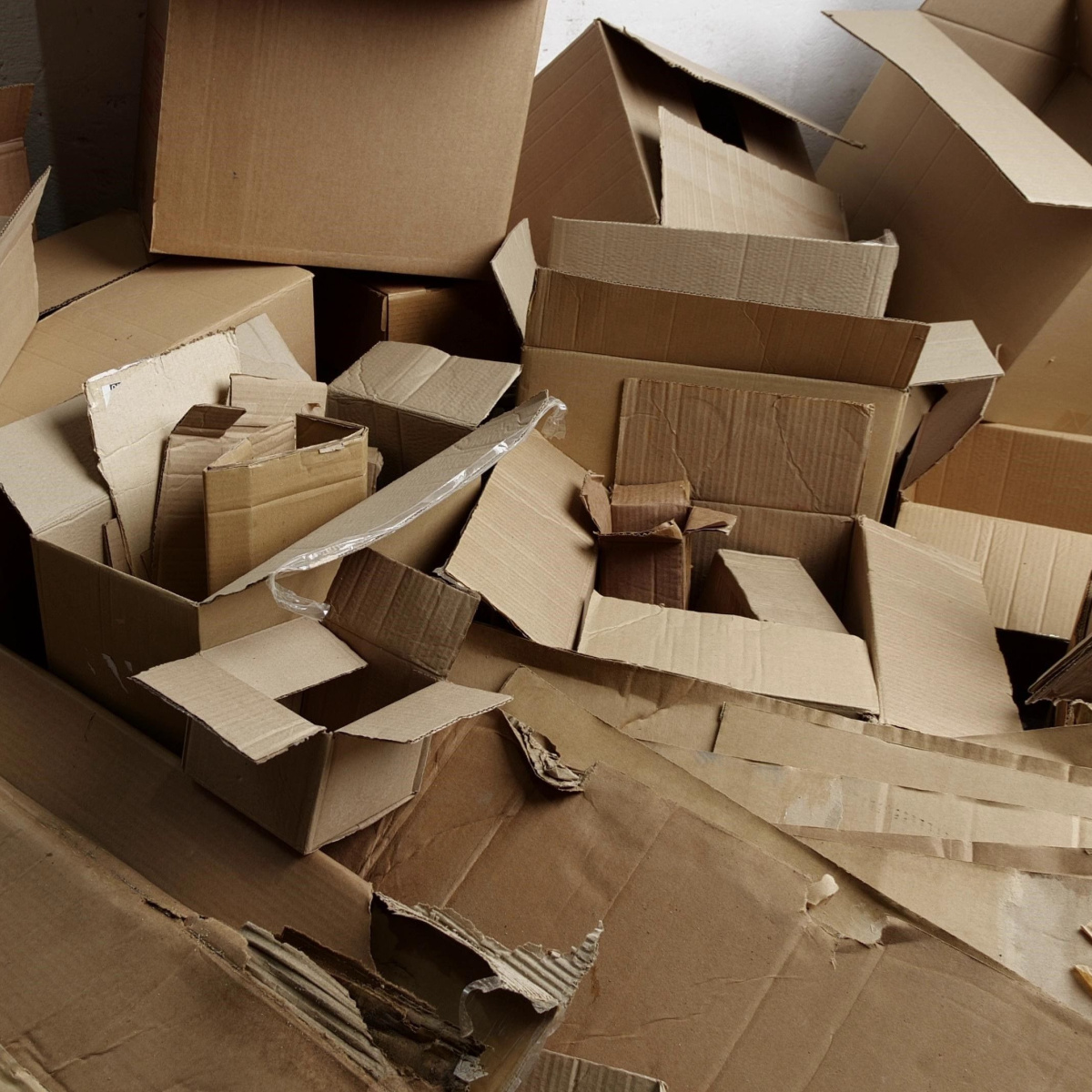
If your compost bin has openings or gaps, try lining the inside with cardboard or pieces of old carpet to help trap warmth. Even placing a few wooden pallets around the outside can create a windbreak. This will help protect the pile from harsh weather.
Another helpful trick is to cover the top of the pile. You can do this with burlap, old blankets, a tarp, or even pieces of cardboard. This doesn’t just hold in warmth. It also keeps rain, sleet, and snow from soaking the pile.
And if you have more than one active pile, winter is a great time to combine them. Merging two smaller piles into one larger one increases internal heat, helps microbes stay active, and makes the pile easier to insulate.

A Winter Trick - Use More Browns Than Usual
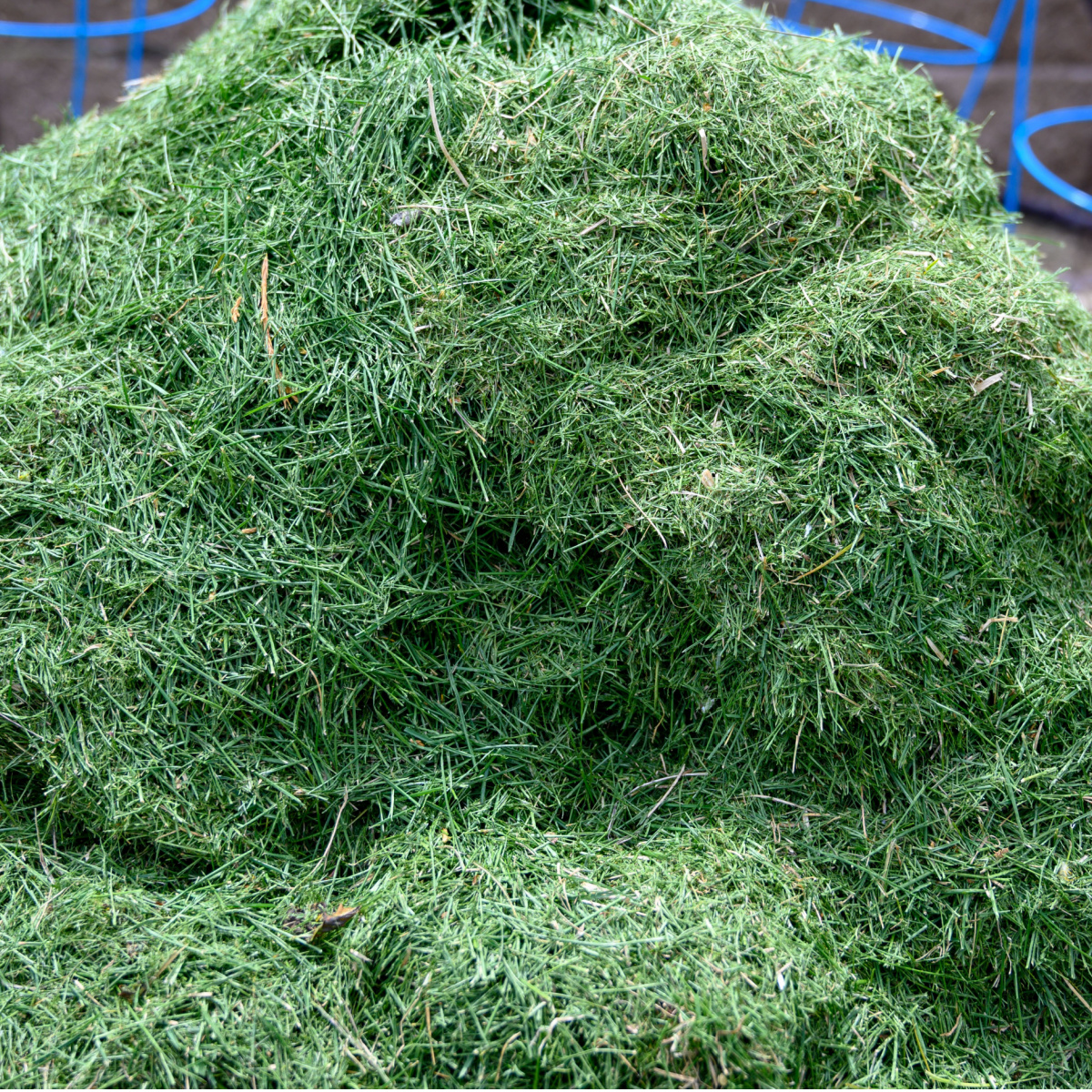
The balance of materials you add in winter needs to be slightly different than what works in summer. To keep a compost pile going in winter, you need a higher ratio of browns (carbon-rich materials) than you do during warmer seasons. Browns include dry leaves, shredded cardboard, paper, dried grass, straw, wood chips, and sawdust.
Kitchen scraps (mainly greens), tend to freeze quickly near the surface. But when mixed with browns in smaller portions, they warm up faster and break down easier. Browns help trap heat, keep the pile from becoming soggy, and prevent bad odors that can occur when food scraps sit too long in the cold.
If you have a bag or two of shredded leaves, winter is the perfect time to use them. Store them in a bin, a barrel, or a large garbage bag. Then, use them to cover every layer of food waste you add. A thick layer of leaves or cardboard over each addition helps protect the fresh scraps from freezing and keeps heat inside the pile.
Even better, browns help create small pockets of air inside the pile. Those pockets keep the pile from becoming too dense and allow oxygen to circulate. This is a big benefit when cold weather makes it harder for organisms to stay active.
Keep Feeding The Pile – But Do It The Right Way
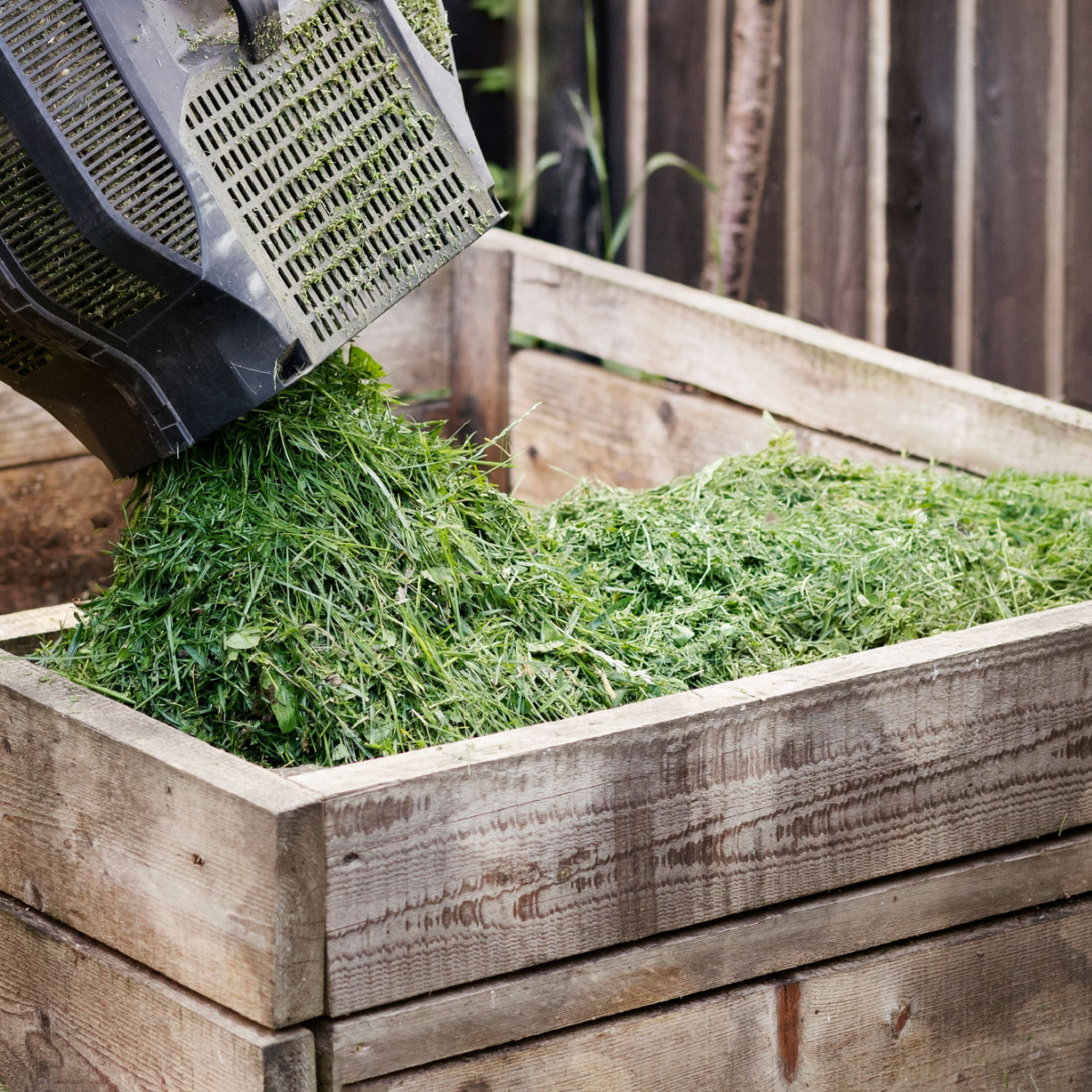
Adding kitchen scraps is an important part of keeping the pile active, but how you add them through the winter makes a big difference. To keep a compost pile going in winter, always bury new scraps deep in the warmest part of the pile, not on top where they will freeze instantly.

During winter, dig a small hole into the center of the pile, drop in your scraps, and cover them completely with a mix of browns. This keeps odors down, protects the scraps from freezing air, and places them right where the microbes are most active.
If your pile is frozen solid on top, use a shovel to break through the crust or pull back a corner of the cover. Once you reach the softer material inside, add your scraps and cover the hole again. Even just keeping one small section that you open regularly is enough to keep the pile fed all winter long.
Some gardeners use a small bucket or kitchen pail to collect scraps for a few days at a time, then take one larger load out to the pile. This keeps you from having to dig into the compost every day and reduces how much cold air reaches the center.
Keep An Eye On Moisture Levels
Winter moisture is another common issue when trying to keep a compost pile going in winter. Too much snow or freezing rain can soak the pile, turn it heavy, and create thick frozen layers that trap cold air. On the flip side, a pile that dries out in cold wind will also slow down.
The goal is to keep the pile slightly damp - like a wrung-out sponge - but never wet and never bone-dry. A cover is the easiest way to control this. A tarp, piece of heavy fabric, or any waterproof cover keeps snow out while still allowing some air to move underneath.
If the pile becomes too wet, add more browns. Dry leaves, shredded cardboard, and sawdust are your best winter moisture balancers. If the pile seems too dry, pour a small amount of warm water down a center hole. Then, cover it quickly so the warmth stays trapped inside.
Compost piles don’t need frequent turning in winter. Turning exposes warm inner material to cold air and slows everything down. Instead, focus on layering scraps and browns, keeping the pile insulated, and adding moisture only when necessary.

It's All Worth The Effort!
Even though winter composting requires a few adjustments, the payoff is huge. By keeping a compost pile going in winter, you build up a valuable supply of nutrient-rich compost long before spring planting begins. That early compost can be used to top-dress garden beds, start seedlings, fill containers, and recharge tired soil.
Winter composting also cuts down on kitchen waste. And it keeps you in the habit of composting year-round. Instead of letting scraps go to waste, you build soil even on the coldest days of the year.
With the right insulation, good layering, proper moisture control, and consistent feeding, you truly can keep a compost pile going in winter with ease. For more winter composting ideas, check out our article: How To Compost Indoors All Winter Long With Ease – With An Electric Compost Machine!
This Is My Garden
Follow Our Facebook Page For Great Gardening Tips And Advice! This Is My Garden Facebook Page
This Is My Garden is a garden website created by gardeners, for gardeners. Jim and Mary Competti have been writing gardening, DIY and recipe articles and books and speaking for over 15 years from their 46 acre Ohio farm. They publish three articles every week, 52 weeks a year. Sign up today to follow via email, or follow along!