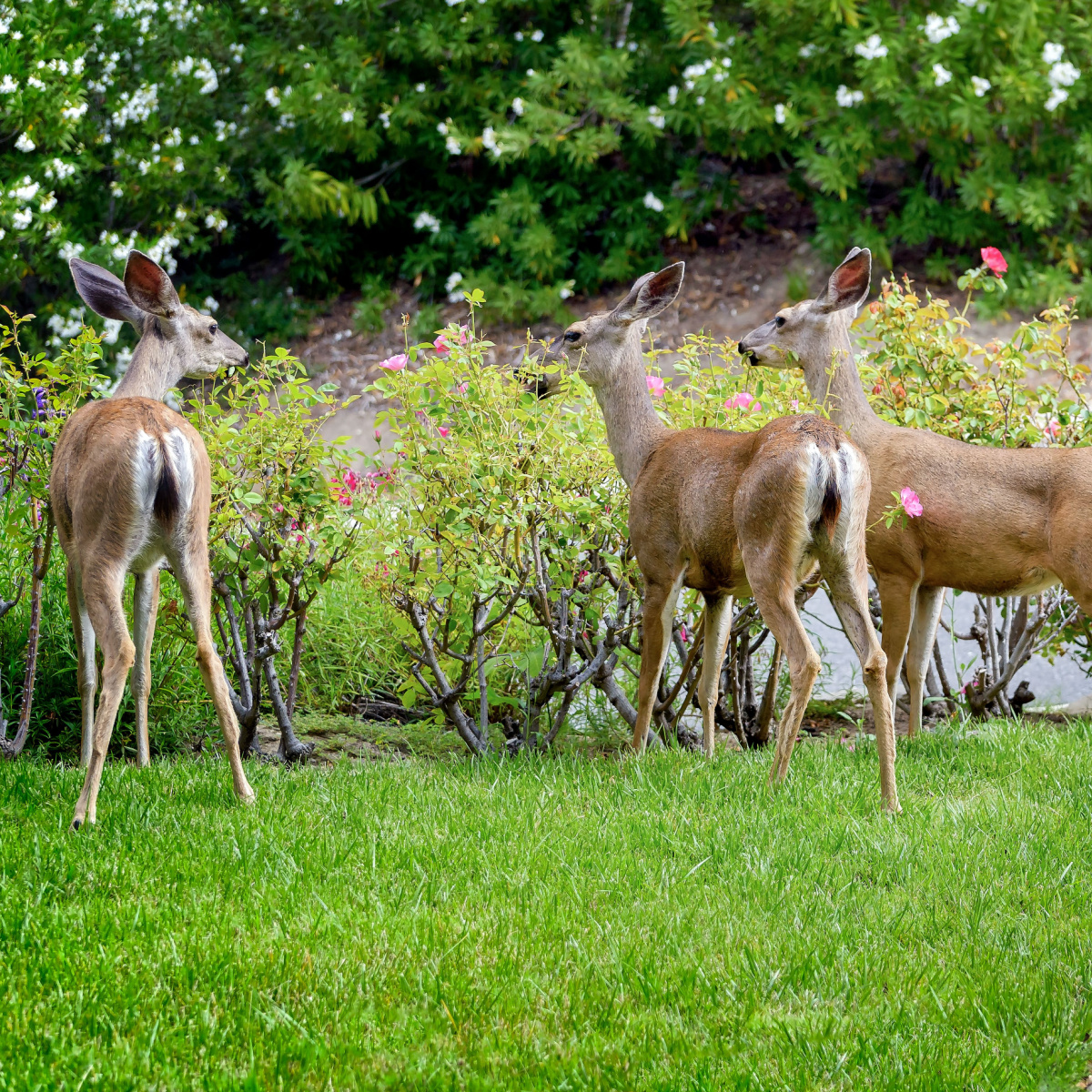
3 Annual Flowers Deer Won't Eat - How To Add Deer Resistant Color To Your Landscape!
Looking to grow a few annual flowers that hungry deer won't devour and eat this year?
If you garden anywhere deer roam, you already know the frustration. One day your flower beds look full, colorful, and thriving. The next morning, it can feel like an all-you-can-eat buffet swept through overnight.
While no plant is ever 100% deer-proof, the good news is that there are several annual flowers that deer tend to avoid almost entirely. Deer rely heavily on scent and taste when choosing what to eat. By filling your landscape with annuals deer dislike, you can enjoy season-long color without constantly worrying about plants being nibbled to the ground.
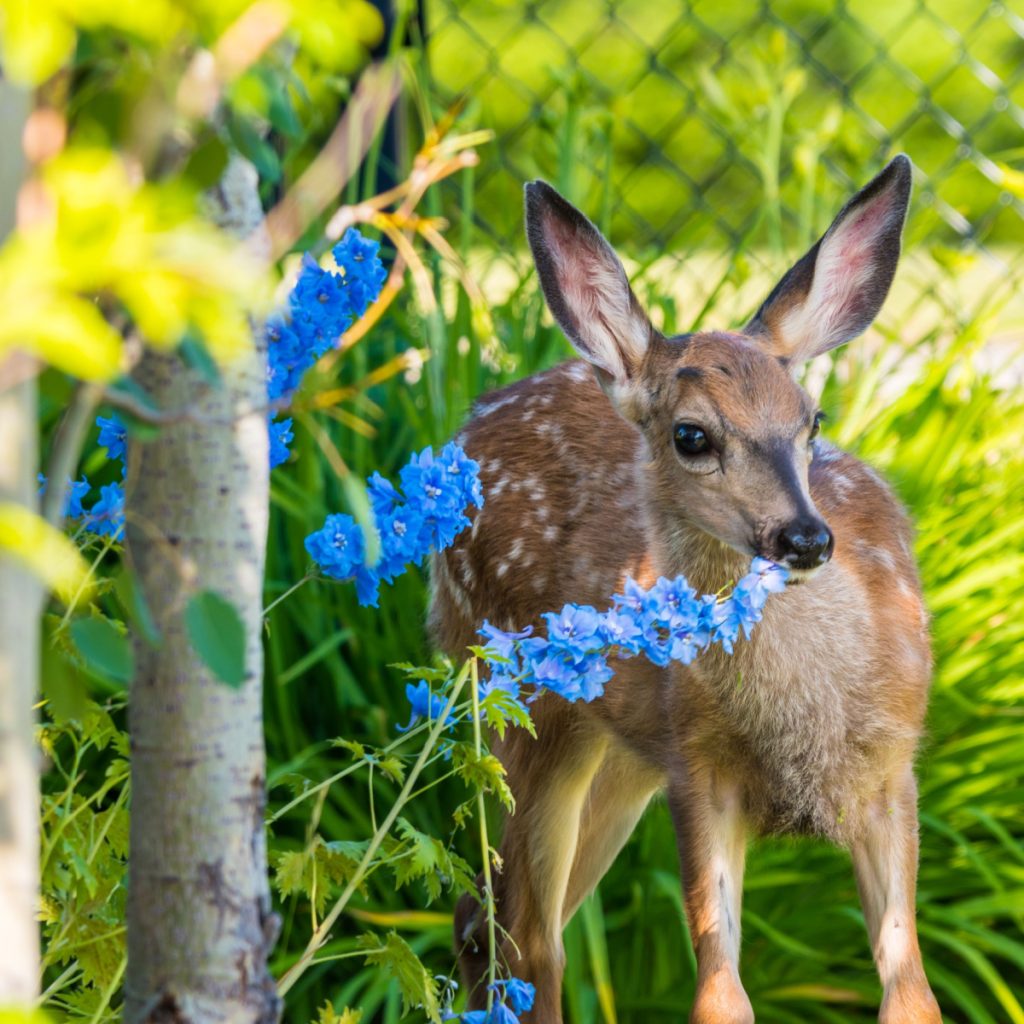
Three annuals stand out as reliable choices for adding bold color while keeping deer at bay: marigolds, zinnias, and coleus. Each one brings something different to the landscape, and together they can create stunning, deer-resistant flower beds from spring through fall.
3 Annual Flowers Deer Won't Eat
Why Deer Tend To Avoid Certain Annual Flowers
Before diving into the plants themselves, it helps to understand why deer avoid some flowers and devour others. Deer are browsers, not grazers. They pick and choose tender growth, especially plants with mild flavors and high moisture content. That is why perennial hostas and dayillies are often the first to disappear. As our annuals such as petunias, impatiens and geraniums.
Annuals that deer avoid usually have one or more characteristics working in their favor. Strong scents are a big deterrent, as deer rely heavily on smell. Bitter or unpleasant-tasting foliage also plays a role. In some cases, texture matters too, as fuzzy or thick leaves aren’t appealing to deer.
Marigolds, zinnias, and coleus check several of these boxes. While hungry deer might sample almost anything during drought or food shortages, these three annuals are consistently left alone in most landscapes.
Marigolds – Bright Color With A Strong Scent Deer Hate
Marigolds are one of the most dependable deer-resistant annuals you can grow. Their strong, pungent scent is the main reason deer steer clear. While gardeners often associate marigolds with cheerful color and easy care, deer experience them very differently.

From the moment marigolds are planted, they release a distinct aroma that deer find unpleasant. Even brushing against the foliage releases more scent, reinforcing the message that this plant isn’t worth eating.
Marigolds come in a wide range of sizes and growth habits, making them incredibly versatile. Compact varieties work well along walkways and borders, while taller types can anchor the back of flower beds. Their bright yellow, orange, and red blooms provide nonstop color from late spring until frost.
Another advantage of marigolds is how well they perform in tough conditions and how easy they are to grow from seed. They thrive in full sun, tolerate heat, and don’t require constant watering once established. That durability makes them ideal for high-exposure areas where deer pressure is often highest. Affiliate Seed Link: NatureZ Edge Marigold Seeds Mix
Marigolds are also excellent companion plants. When used around vegetable gardens or mixed into landscape beds, they help discourage not only deer but also certain insect pests. Planting marigolds along the edges of flower beds can create a natural deterrent border that helps protect more vulnerable plants nearby.
Zinnias – Bold Blooms That Deer Don't Like To Eat
Zinnias are another annual flower that consistently performs well in deer-heavy areas. While their bright blooms might look tempting to gardeners, deer usually won't eat the flowering annuals. The slightly rough foliage and lack of appealing scent make zinnias an uninteresting snack for deer.
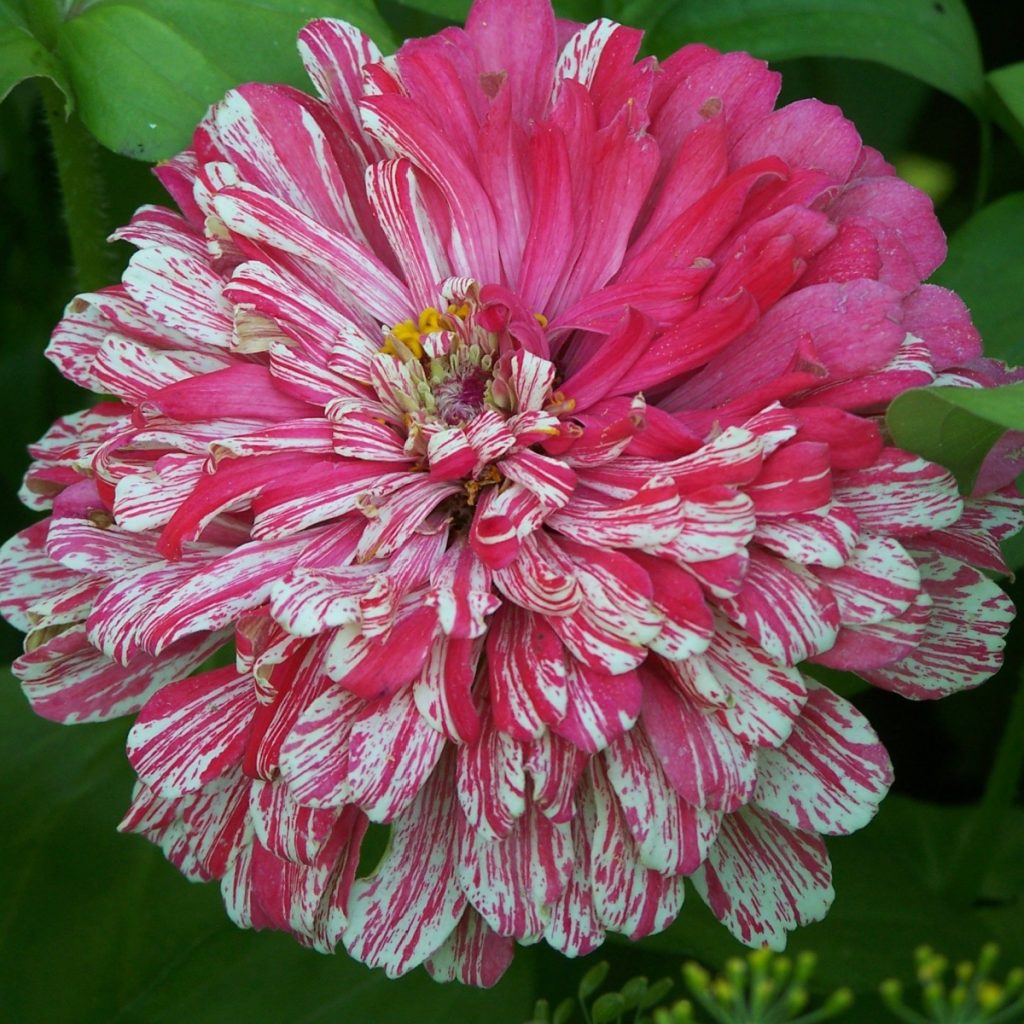
One of the biggest benefits of zinnias is how much color they provide with very little effort. From early summer through fall, zinnias produce an endless supply of blooms in shades of red, pink, orange, yellow, purple, and white. Cutting flowers actually encourages more blooms, making them a favorite for both landscape color and fresh bouquets.
Zinnias grow best in full sun and well-draining soil. Once established, they are surprisingly drought tolerant, which makes them ideal for large beds, meadow-style plantings, and sunny borders. Because deer often browse in open areas during early morning and evening, having a reliable flower that thrives in those conditions is a big advantage.
Another reason zinnias work so well in deer-resistant landscapes is their upright growth habit. They don’t have the soft, lush foliage deer tend to prefer. Instead, they grow tall and sturdy, holding flowers high above the foliage where deer are less inclined to browse. Affiliate Link: NatureZ Edge Zinnia Seeds
Zinnias also mix beautifully with ornamental grasses, other annuals, and perennials. When planted in groups, they create a bold visual impact that fills space quickly while remaining low maintenance all season long. See our article: Why To Grow Zinnias In Your Vegetable Garden This Year – The Ultimate Companion Plant!
Coleus – Colorful Foliage Deer Rarely Touch
Coleus may not produce showy flowers like marigolds and zinnias, but when it comes to deer resistance, it more than holds its own. Deer generally avoid coleus because of its strong flavor and slightly bitter foliage.
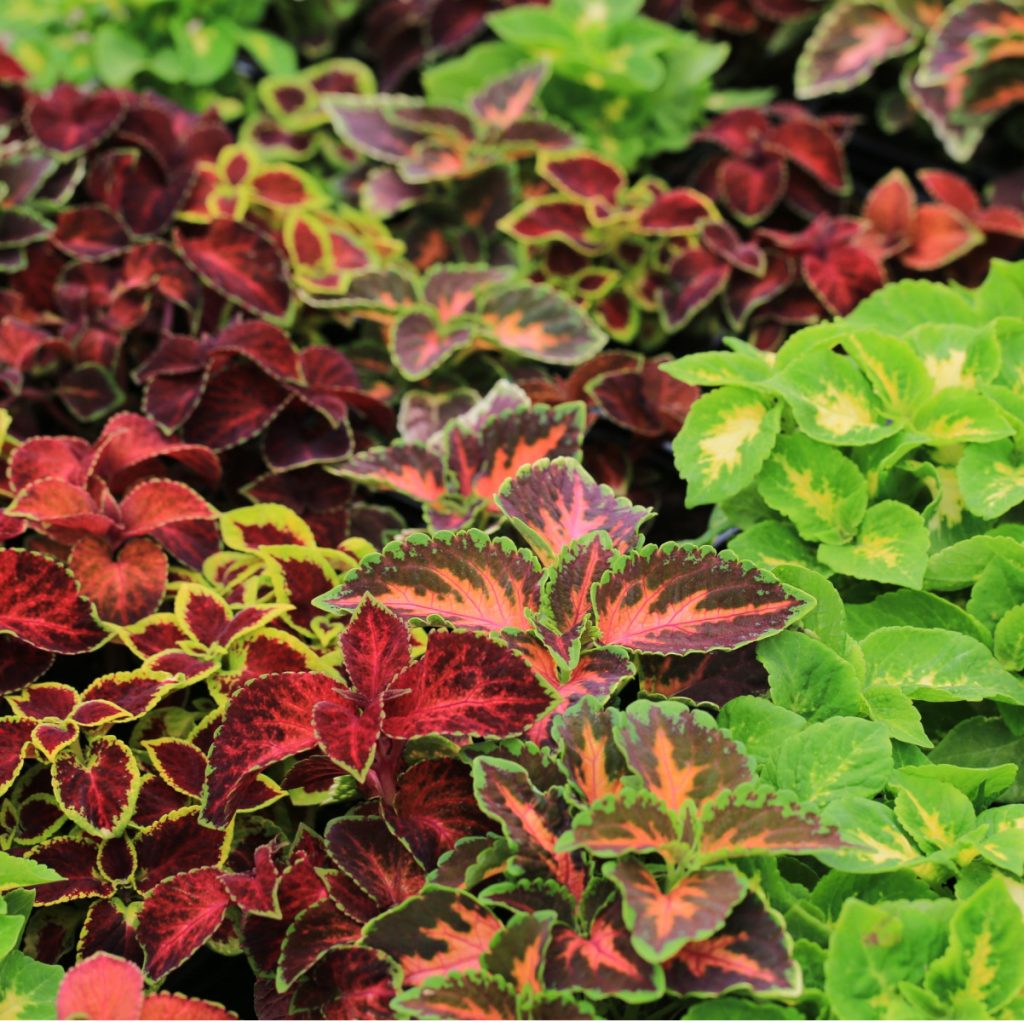
What makes coleus especially valuable is the color it brings through its leaves rather than flowers. Shades of burgundy, lime green, pink, purple, and deep red can brighten shady or sunny areas where flowering annuals sometimes struggle.
Coleus thrives in containers, borders, and mixed plantings. It works particularly well near patios, entryways, and high-traffic areas where deer are more likely to wander. Even in areas with consistent deer pressure, coleus plants are rarely damaged.
Another benefit of coleus is its versatility with light conditions. Many modern varieties perform well in both sun and shade, allowing you to add deer-resistant color across the entire landscape. This makes it easier to design beds that remain cohesive without relying on plants deer love to eat.
Coleus also grows quickly, filling in empty spaces early in the season. This rapid growth helps reduce open areas that might otherwise attract deer searching for fresh growth. Once established, coleus requires minimal maintenance aside from regular watering and occasional trimming.

Tips For Success With Deer Resistant Annual Flowers
Even with deer-resistant annuals, good gardening practices make a difference. It’s important to remember that deer behavior can change based on food availability. During extreme drought or late fall, deer may sample plants they usually avoid.
Using deer-resistant annuals as the backbone of your landscape helps minimize damage during those times. Rotating plant locations from year to year can also prevent deer from developing browsing habits. While marigolds, zinnias, and coleus are generally ignored, keeping plantings fresh and varied helps reinforce deer avoidance!
This Is My Garden
Follow Our Facebook Page For Great Gardening Tips And Advice! This Is My Garden Facebook Page
This Is My Garden is a garden website created by gardeners, for gardeners. Jim and Mary Competti have been writing gardening, DIY and recipe articles and books and speaking for over 15 years from their 46 acre Ohio farm. They publish three articles every week, 52 weeks a year. Sign up today to follow via email, or follow along!