
How To Recharge Your Raised Bed Soil This Fall - Rejuvenate And Bring Your Soil Back To Life!
Looking to recharge and rejuvenate your tired raised bed soil this fall and bring it back to life? As it turns out, fall is actually the perfect time to restore the nutrients and structure your soil needs for next year.
A full growing season can take a big toll on raised bed soil. Vegetables, flowers and herbs pull a steady supply of nutrients from the ground to grow strong roots, healthy foliage and productive blooms and harvests.
Unfortunately, raised beds contain a limited amount of soil. When plants grow in that same soil year after year, they can quickly deplete its nutrients and leave it tired, weak and far less productive.
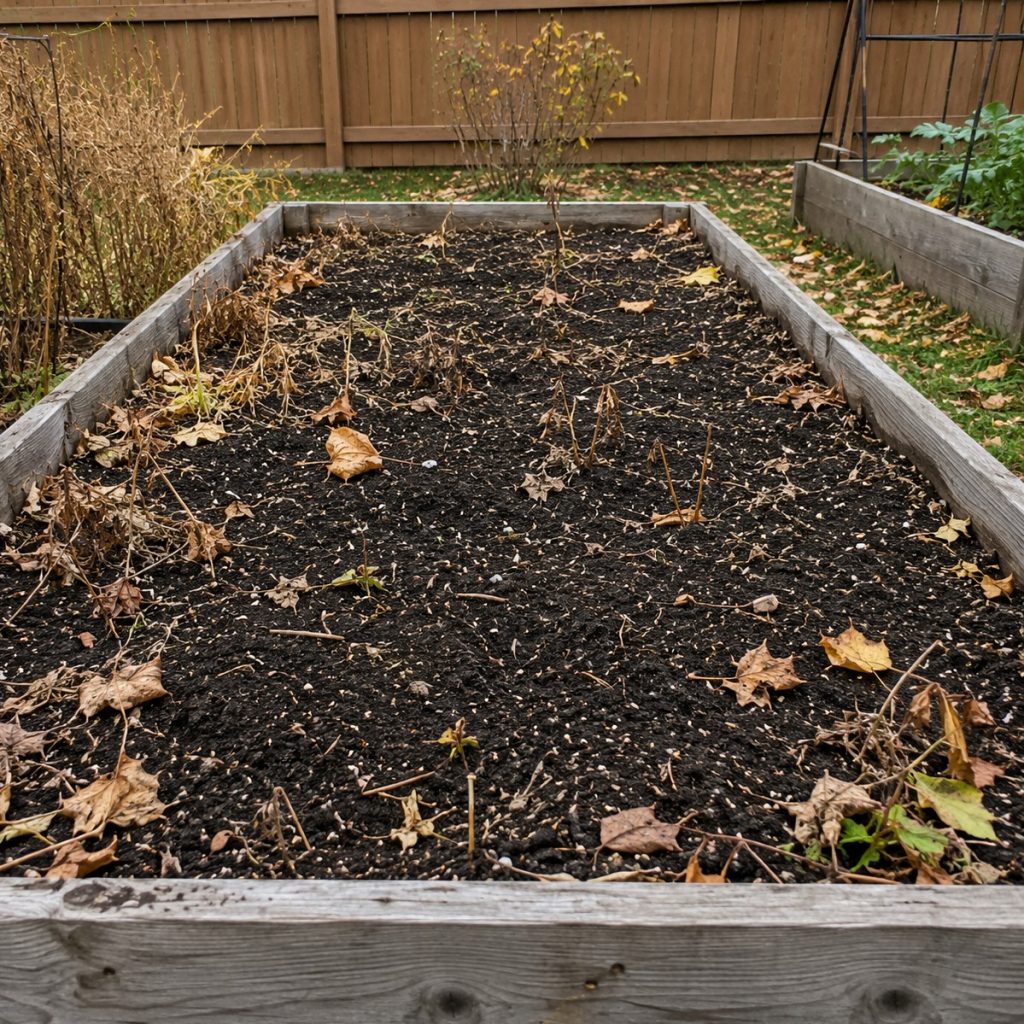
But nutrient loss isn't the only problem. Over time, the soil's structure can also break down. What was once loose, rich soil filled with organic matter can become compacted, dry and lifeless.
The good news is that fall gives you plenty of time to fix it! With a few simple additions and a little attention now, you can recharge your raised bed soil and have it ready to power healthy, productive plants next spring.
How To Recharge & Rejuvenate Raised Bed Soil This Fall
Why You Need More Than Just Fertilizer
One of the biggest misconceptions of raised bed gardening is that you can simply add fertilizer to the soil to keep it healthy and active. Unfortunately, it just isn’t the case.
Without adding valuable humus and organic matter on a regular basis, soil will become lifeless and sterile. And when that happens, your plants are going to pay the price – with less growth and far less yields. But here is the good news – recharging your soil naturally in the fall is easy to do.
By simply employing a few of the methods below, you can power up your soil this fall. Not only will these methods re-energize the soil, but they will also protect it from winter’s fury. And in the process, have your ready to grow big in the spring! With that in mind, here is a look at how to get your raised bed soil in shape this fall.

The Simple Steps To Recharge Raised Bed Soil In The Fall
Step 1 – Clear Away The Plants
First and foremost, one of the most important things you can do for the health and longevity of your raised bed soil is to clear out your plants as they begin to fade. Leaving plants to die and wither away in your raised beds is asking for disaster.
Decaying plants are a haven for disease and pests to take hold and overwinter. Not only will they increase their populations, but they take up residence right where you will be growing next year. Even more, allowing your old plants to remain continues to deplete your soil of nutrients.
As soon as your plants begin to fade, clear them out, roots and all. Leaving roots in the soil of raised beds will cause the same issues as leaving the foliage up top. They both can harbor pests and disease.
The good news is most if not all of the foliage and roots of plants are a great addition to your fall compost pile – so they can still serve a great final purpose.
#2 Add Compost
There is no better way to recharge tired garden soil than with a big dose of compost. Compost is teeming with life. And the active microbes and organic matter in compost re-fills raised beds with intense energy.
From life-supporting nutrients such as calcium, nitrogen and potassium, to a multitude of other trace minerals and elements, compost adds big power to the soil. Even more, compost also adds an incredible amount of humus and structure to the soil. And that structure is vital to helping next year’s plants to absorb nutrients and water.

Topping your beds with a few inches of compost before winter is one of the best ways to bring back life to the soil. The compost can slowly incorporate into the soil over winter, and by spring, your soil will have more life than ever.
#3 Plant A Cover Crop
Think cover crops are just for traditional gardens? Think again! Cover crops are a great way to protect and recharge your raised beds soil over winter. Not only do they cover the soil and keep erosion from occurring, the roots drive deep down to help loosen and aerate.
aised bed soil left bare for the winter months will fill with weeds and weed seeds. They also lose a sizable amount of nutrients through erosion. But by planting a cover crop such as oats or annual rye, the soil has a natural “green” cover to protect it all winter long. Affiliate Cover Crop Seed Link : Oat Seed For Cover Crops
Even better, when the cover crop dies off in the spring, it gives its nutrients back to the soil. Adding not only energy, but loads of organic matter too.
For raised beds, oats are one of the best cover crops of all. They die off with the winter frost, but the decaying foliage protects the soil all winter long. You can then trim it down in the spring and plant away! For more, see our article: How To Recharge Raised Beds With A Fall Cover Crop – An Easy, Low Cost Way To Rejuvenate Soil!

Additional Ways To Rejuvenate Raised Bed Soil In The Fall
Using Manure
If you are not going to plant a cover crop, another great way to both protect and power your beds is with a mulching of animal manure. Animal manures (chicken, rabbit, cow and horse are among the best) are full of nutrients. Incorporating just a few inches of manure can really help to energize your soil.
Although fresh manure will burn plants if placed in the beds during or immediately after planting, by mixing it into the soil in the fall, it has time to leach through the soil. It can be a bit odorous, and for that reason, aged manure is usually the better choice.
Using Shredded Leaves
Last but not least, don’t forget about all of those falling leaves that are free for the taking in the cool Autumn season. Leaves are an incredibly easy, powerful, and free source for recharging your raised bed garden soil.
Finely shredded leaves are perfect for mixing into the soil in late fall to add both structure and trace nutrients. Once you have mixed in shredded leaves to your soil, you can then use whole or partially shredded leaves to cover the surface.
They form a protective barrier to keep soil loss from wind, snow and erosion. Even better, as they break down, they give nutrients back to the soil. Once winter rolls around, there are even more steps you can take to keep your soil powered and ready to grow big next year: How To Recharge Raised Bed Soil Over Winter With 3 Simple Kitchen Scraps!
Here is to recharging your raised bed soil this fall – and to growing better than ever next year!
This Is My Garden
Follow Our Facebook Page For Great Gardening Tips And Advice! This Is My Garden Facebook Page
This Is My Garden is a garden website created by gardeners, for gardeners. Jim and Mary Competti have been writing gardening, DIY and recipe articles and books and speaking for over 15 years from their 46 acre Ohio farm. They publish three articles every week, 52 weeks a year. Sign up today to follow via email, or follow along!