The Best Way To Compost Leaves - How To Get Leaves To Break Down Fast!
Want to learn the best way to compost leaves fast - without waiting a year or more for them to break down? Believe it or not - with a few simple tricks, you can put those leaves to work now and have great compost ready for next spring’s planting season!
Autumn's leaves are one of the best free resources you can collect for building better soil. A yard full of leaves can supply the foundation for a large compost pile without costing a penny. But how you build and care for that pile makes all the difference.
Left whole in a thick, compacted heap, leaves can take a long time to decompose. Prepared properly and mixed with the right materials, they can break down incredibly fast.
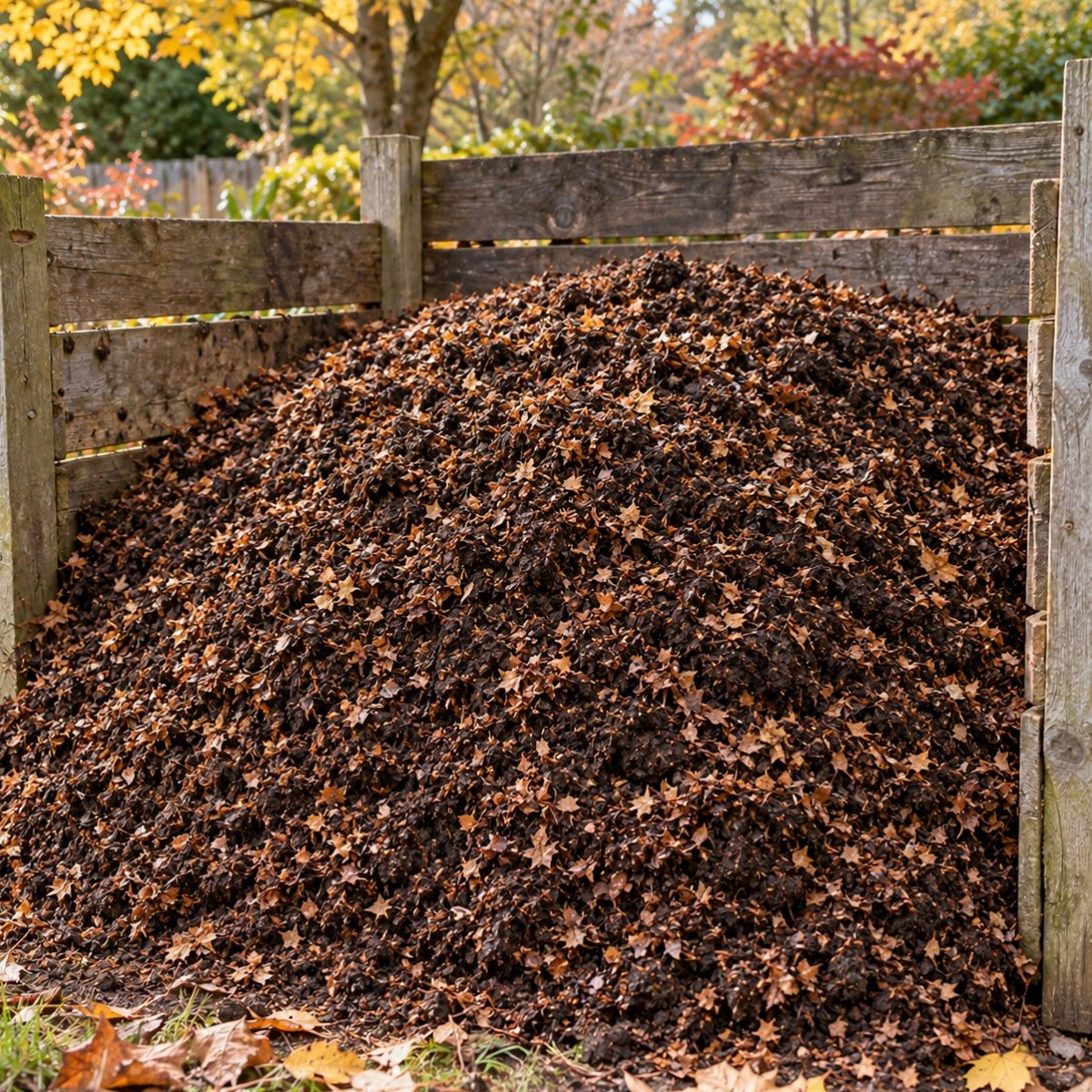
The good news? Speeding up the process doesn’t require expensive equipment or hours of work. With a few easy, tried-and-true steps, you can get your pile heating up and turn this fall’s cleanup into a generous supply of compost for next year’s spring gardening!
The Best Way To Compost Leaves Fast
1. Select The Right Leaves
The first big secret to making leaf compost quickly is selecting the right leaves. Although nearly all leaves will eventually decompose, some break down far more easily than others. And when your goal is finished compost by spring, starting with leaves that decompose readily gives your pile a big advantage.
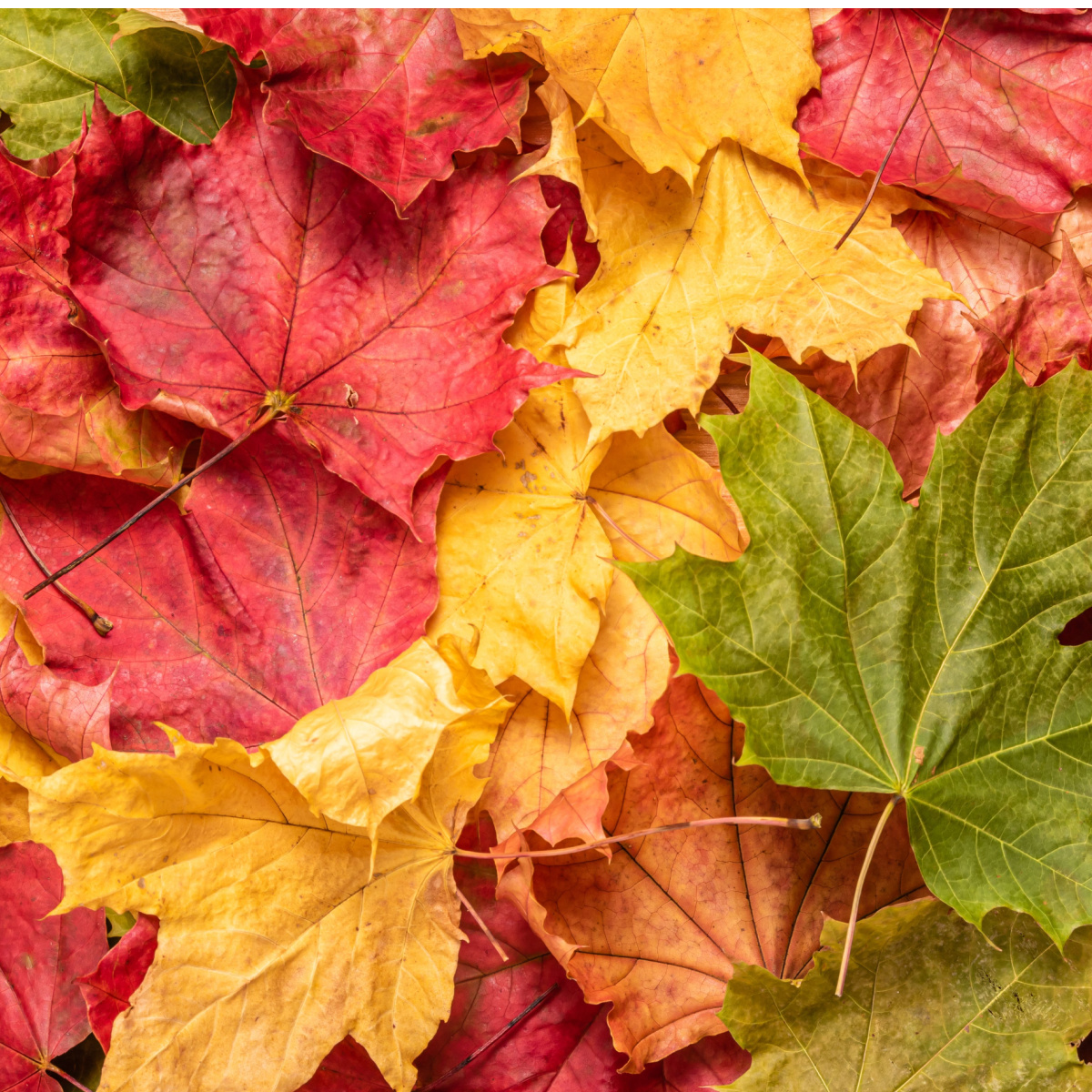
Thin, non-waxy leaves are your best choice. Maple leaves are excellent, as are the leaves from many fruit trees, including apple, pear and peach. Their thinner structure makes them easier to shred and allows moisture and decomposing organisms to get to work quickly.
Collecting a mixture of these leaves is even better than relying on only one type. You don’t need to sort every leaf that falls in your yard. Simply concentrate on gathering mostly thin leaves that crumble easily once dry.
Oak leaves can go into your pile as well, but use them in moderate amounts. Not only are they a little waxy, they also tend to be on the more acidic side and too many can affect the pH of a finished compost pile.
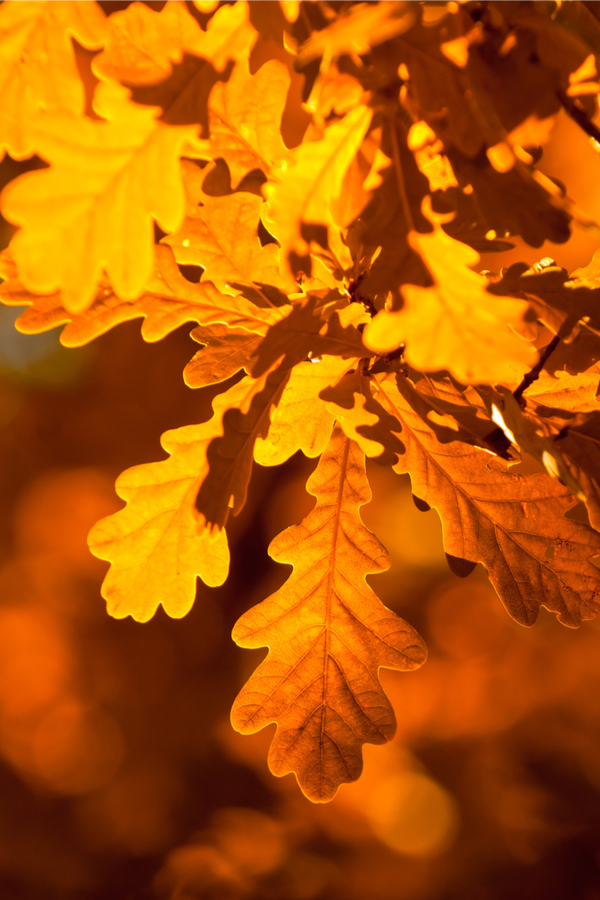
That doesn’t mean you need to waste the oak leaves you collect. Shred them thoroughly and mix them throughout a larger supply of thinner leaves. The goal is to keep them from becoming the main ingredient. For best results, keep them to about 20% of a pile's make-up.
Which Leaves To Leave Out
For the fastest results, leave thick, leathery or heavily waxy leaves out of this particular pile. Magnolia and holly leaves, for example, resist breaking down and may remain recognizable long after softer leaves have decomposed.
Pine needles are another material to save for a different use. They will eventually compost, but their tough structure makes them a poor choice when speed is the goal. Use them as mulch where appropriate, or place them in a separate pile that can decompose more slowly.
It also helps to collect leaves before they become packed into wet, heavy layers. Freshly fallen leaves are usually easier to gather, shred and mix. Avoid collecting roadside leaves that may contain litter or other unwanted debris, and keep visibly diseased fruit tree leaves out of a home compost pile that may not heat evenly.
Listen In To Our Garden Podcast Below!
2. Chop And Shred Your Leaves
The second big secret is shredding your leaves as finely as practical before building your pile. If there is one step that can dramatically shorten the process, this is it!
Whole leaves have relatively little exposed surface compared with the many small pieces created by shredding. Breaking them apart gives decomposing organisms more places to work. Instead of slowly working through an entire leaf, they can attack many smaller pieces at once.
Whole leaves also tend to overlap and stick together when wet. These layers can form dense mats that keep air from moving through the pile. Even leaves that normally decompose easily can break down slowly when packed into a soggy clump.
Shredding helps prevent that matting while making the leaves much easier to mix with other compost ingredients. Aim for small pieces instead of a pile filled with mostly intact leaves. You don’t need to turn them into powder - just reduce their size substantially.
Using A Mower To Shred Leaves
A leaf shredder makes quick work of the job, but a lawn mower with a bagging attachment works wonderfully too. In fact, it allows you to collect and chop your leaves in a single pass. Affiliate Link: WORX 13 Amp Electric Leaf Mulcher for Yard Leaf & Waste Shredding, WG430
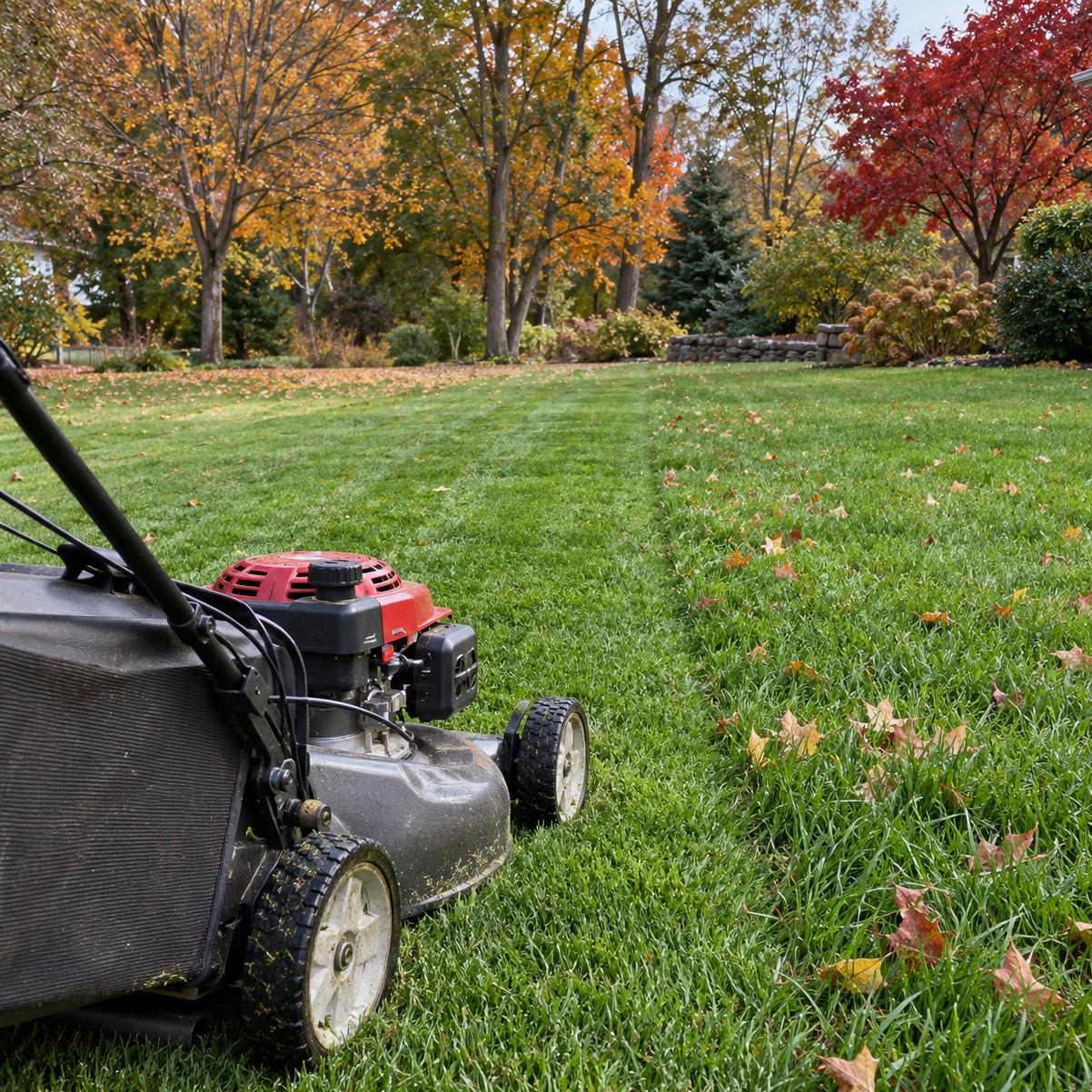
Spread leaves in a shallow layer and mow over them with the bagger attached. Avoid trying to push through deep drifts, which can clog the mower and leave many leaves uncut. Slightly dry leaves generally shred more easily than wet, matted ones.
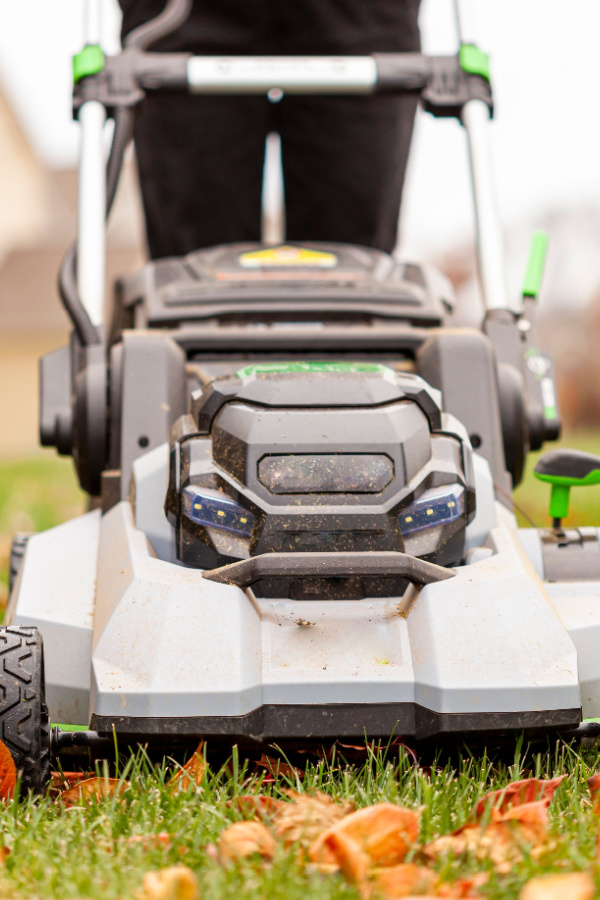
If the collected leaves are still fairly large, spread them out and make another pass. That extra chopping can make a noticeable difference in how quickly your compost pile gets going.
A mower may also pick up a little fresh grass along with the leaves. That is a helpful addition, provided the grass hasn’t been treated with products that restrict using the clippings in compost. Fresh grass supplies nitrogen - something a pile of fall leaves needs to decompose efficiently.
3. Balance Your Greens, Moisture & Air To Best Compost Leaves
The third big secret is giving your shredded leaves the right balance of green materials, moisture and air. Shredding alone helps, but a pile made only from dry leaves will usually break down slowly.
Leaves are considered a brown compost ingredient because they supply plenty of carbon. To get a pile heating up, you also need nitrogen-rich green materials. These feed the microorganisms responsible for much of the decomposition.
Fresh grass clippings, vegetable scraps, used coffee grounds and fresh garden trimmings are all useful additions. Despite their brown appearance, used coffee grounds count as a green compost material. Paper coffee filters can go in too, but they count toward the browns.
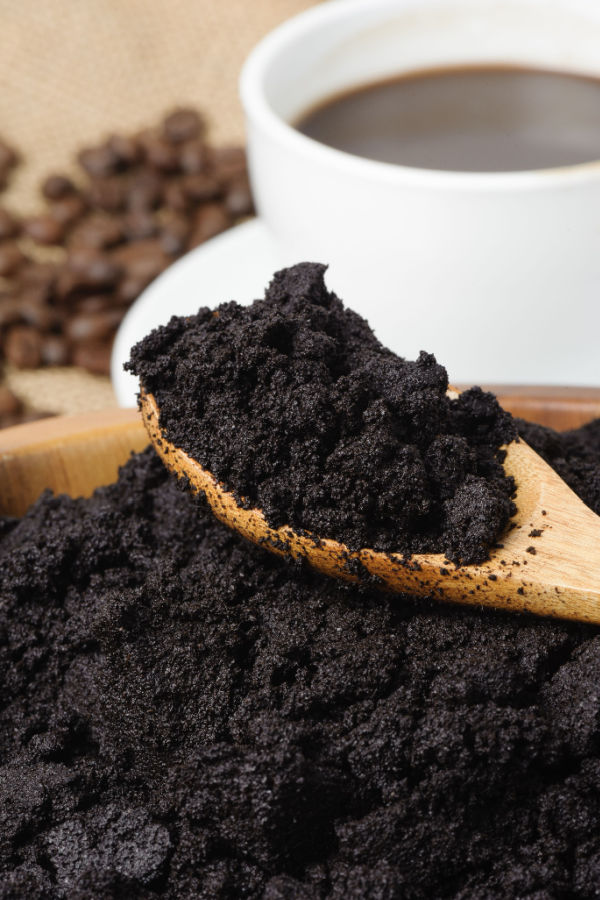
As a starting point, mix roughly two to three loose buckets of shredded leaves with one bucket of green materials. The ideal amount varies with your ingredients, so use that ratio as a guide and watch how the pile responds.
Mix everything together instead of leaving thick layers of grass or kitchen scraps between the leaves. Grass clippings in particular can become a slimy mat if added in large clumps. Distributing the greens throughout the leaves helps the whole pile decompose more evenly.
Build your pile about three feet wide, three feet deep and three feet tall when possible. That provides enough volume to help retain heat while remaining manageable to turn. See our article: The Perfect DIY Compost Bin - Easy, Affordable, And Built To Last!
Keep Your Compost Pile Moist
Moisture is just as important as the ingredients. Your pile should feel like a wrung-out sponge - damp throughout, but not dripping wet. Dry leaves often need water added as you build the pile, even when the ground around them is damp.
Moisten the leaves in stages while mixing them with your greens. Watering only the top of a finished pile can leave the center surprisingly dry. Check beneath the surface occasionally, and add water if the material feels dry or papery.
Too much water can create problems as well. When a pile becomes saturated, air has trouble reaching the organisms working inside it. If heavy rain keeps soaking your pile, loosely cover the top while leaving the sides open for airflow.
Turn Your Pile To Keep It Working
Air completes the equation. Turn the pile about once a week while it is actively decomposing, moving material from the outside into the center. Break apart any clumps as you work. This supplies oxygen and gives the outer leaves a chance to spend time in the warmer middle.
If the pile smells sour or rotten, it may be too wet or compacted. Turn it and mix in additional dry, shredded leaves. If it remains cool, check its moisture, size and supply of greens. Cold weather can slow even a well-built pile, so finishing time will depend on conditions.
Finished compost should be dark, crumbly and earthy smelling, with most original ingredients no longer recognizable. Let it cure for a few weeks after active decomposition stops before using it around plants.
By choosing the right leaves, shredding them well and keeping your pile balanced, you can turn fall’s biggest cleanup chore into a valuable head start on spring!
This Is My Garden
Follow Our Facebook Page For Great Gardening Tips And Advice! This Is My Garden Facebook Page
This Is My Garden is a garden website created by gardeners, for gardeners. Jim and Mary Competti have been writing gardening, DIY and recipe articles and books and speaking for over 15 years from their 46 acre Ohio farm. They publish three articles every week, 52 weeks a year. Sign up today to follow via email, or follow along!

More Fall Garden And Landscape
- The 3 Best Things You Can Do For Your Lawn In October!
- The Biggest Mistake Gardeners Make Planting Tulips In The Fall – And How To Avoid It!
- Should You Cut Off Old Hydrangea Blooms In The Fall? What To Know Before You Snip!
- Don’t Let Your Potted Geraniums Die – How To Save Geraniums Indoors This Winter!