3 Popular Perennials You Should Not Cut Back In Late Fall - And Why!
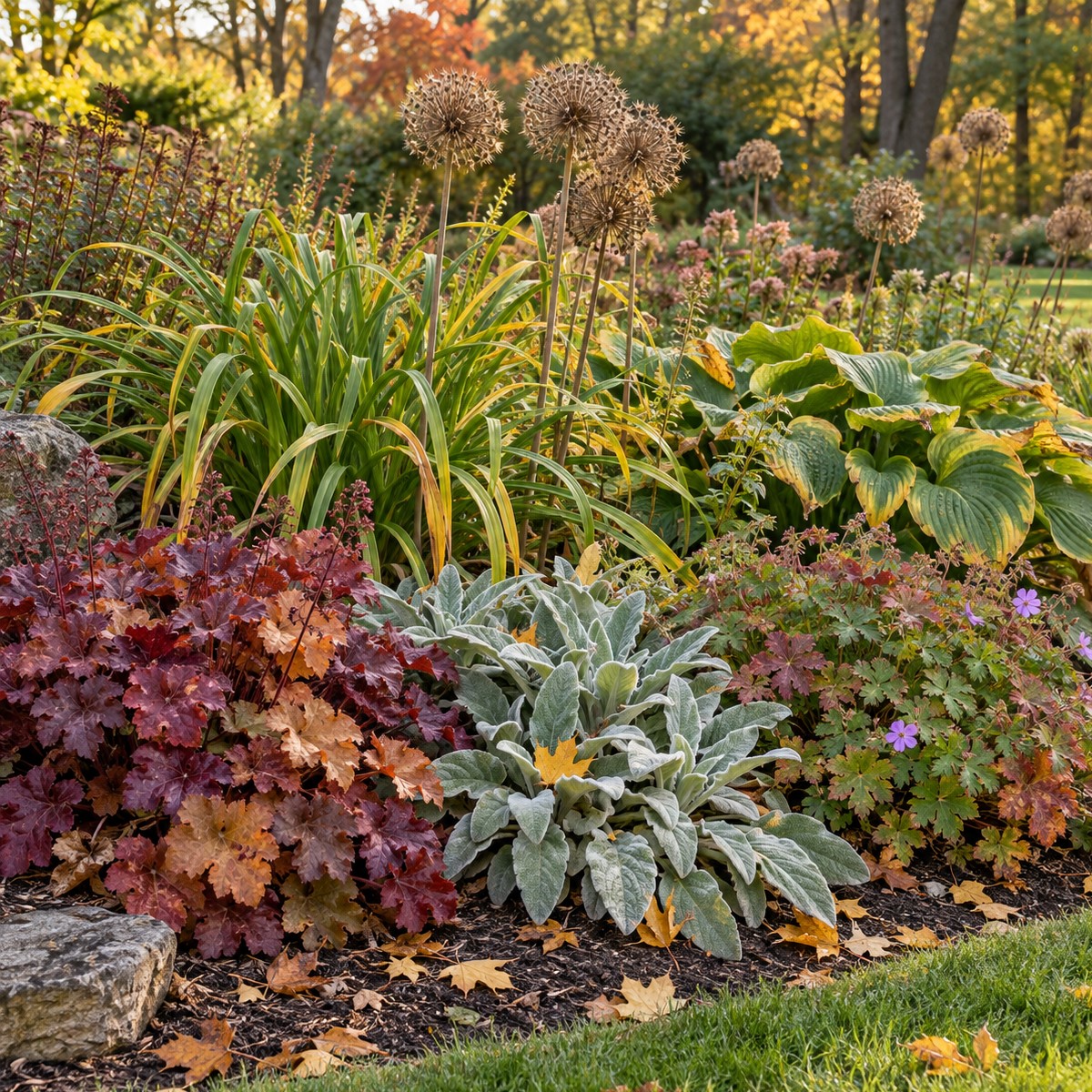
Before you head outside with your pruning shears to clean up your flowerbeds, there are three popular perennials you should leave alone and not cut back in late fall - sedum, mums and asters!
These late-season favorites bring incredible color to the landscape just as many other plants are fading away. But once their flowers finally finish and freezing temperatures turn their foliage brown, it can be tempting to cut everything down to the ground.
Although that might give your beds a tidy appearance, it also removes stems and spent foliage that can provide useful winter protection. For these plants, leaving healthy growth standing until spring is often the better choice.
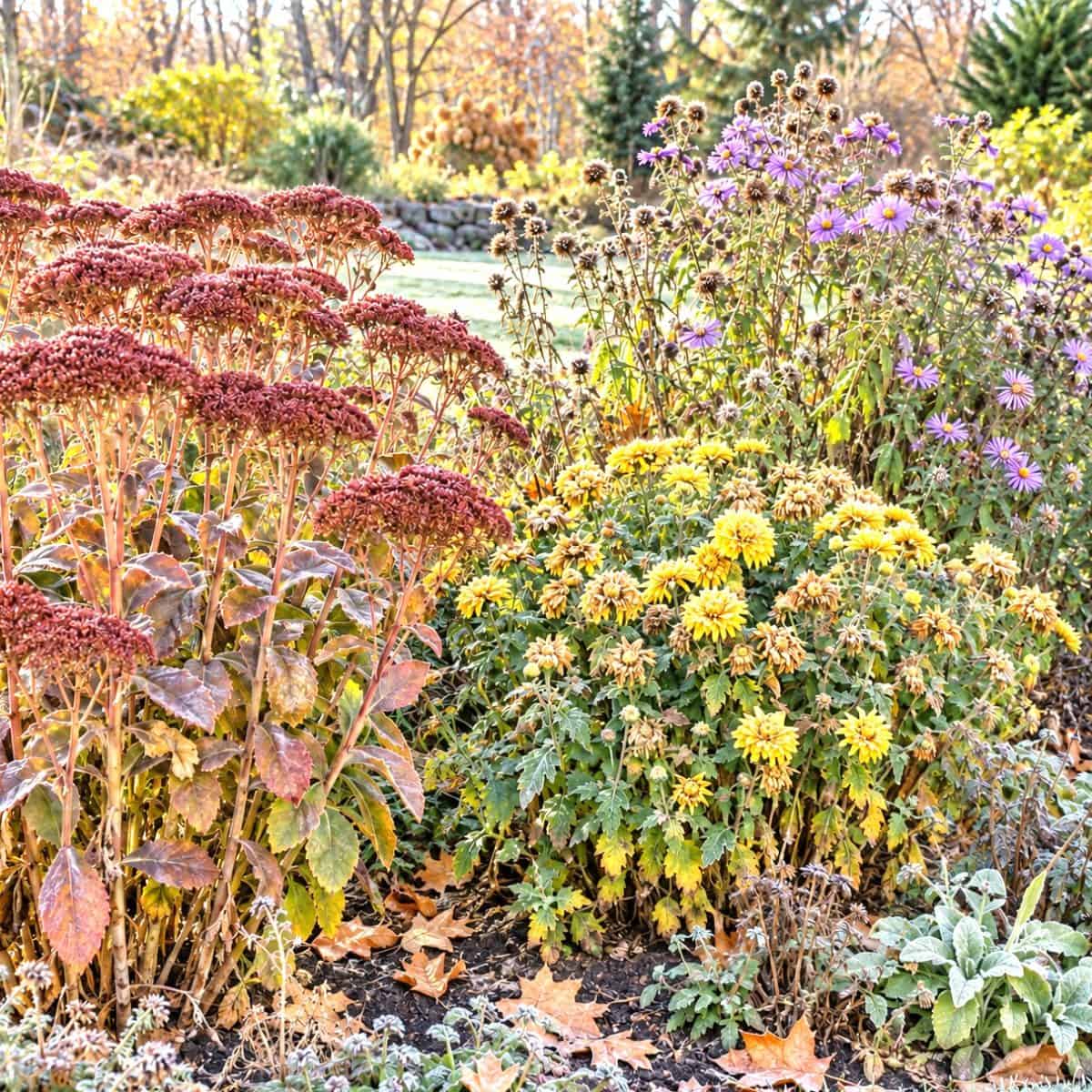
That does not mean their old leaves will stay alive all winter or keep feeding the roots after they turn brown. But the remaining plant structure can help catch insulating snow, hold a little loose protective material around the base and shelter the crown. And along the way, it can add winter interest and provide valuable habitat for wildlife!
Perennials You Should Not Cut Back In Late Fall
Why Leaving Some Perennials Standing Helps
Not every perennial benefits from the same fall cleanup routine. Plants with diseased foliage often need attention before winter, while healthy plants with sturdy stems can frequently remain standing until spring.
With sedum, mums and asters, there is usually little reason to rush outside and remove their tops as soon as the flowers fade. While leaves remain green, they are still capturing sunlight and helping the plant build reserves. Cutting them off early interrupts that process.
Once the foliage dies, its role changes. Standing stems can catch snow that would otherwise blow across an open flowerbed. That snow helps insulate the soil and moderate temperature swings around the plant’s crown - the area where stems and roots meet.
Those swings matter. Repeated freezing and thawing can push shallow-rooted or newly planted perennials upward, exposing their roots to drying air.
Of course, leaving plants standing is only part of good winter care. Proper drainage, suitable varieties and healthy roots matter far more than a few inches of old stems. But when combined with the right growing conditions, waiting until spring to cut these three plants back makes good sense.
1. Sedum - Leave Those Sturdy Stems In Place
Upright, fall-blooming sedums are some of the easiest perennials to leave standing through winter. Their thick stems and broad flower heads often hold their shape long after freezing weather arrives.
Instead of collapsing immediately, the dried blooms turn shades of rusty brown and bronze. With frost or a light coating of snow, they can be just as attractive in winter as they were during the growing season.
Those sturdy stems also help catch snow around the plant’s base. Although an established, cold-hardy sedum generally needs little winter protection, there is no need to remove that useful structure simply to make the bed look bare.
Leaving the flower heads also preserves any remaining seeds for small birds. The old growth can offer shelter for beneficial insects as well.
The biggest winter concern for sedum is often excess moisture. These plants store water in their fleshy tissues and perform best in soil that drains well. Wet soil and a soggy pile of leaves packed over the crown can cause far more trouble than cold weather.

Leave healthy stems standing, but remove heavy mats of wet debris from the base. Avoid burying the crown beneath thick mulch. This advice applies to upright sedums - low-growing, ground-cover types generally do not need a routine cutback at all.
2. Mums - Another Of The Popular Perennials You Should Not Cut Back In Late Fall
If there is one plant gardeners are quick to trim after its flowers fade, it is the garden mum. After weeks of beautiful fall color, the blooms turn brown and the once-rounded plant begins looking tired.
But for hardy mums planted in the ground, leaving the stems and spent foliage in place until spring is usually a smart move.
The remaining growth helps catch snow and loose leaves around the crown, providing some additional shelter through winter. That can be especially helpful for plants facing their first cold season.
For established hardy mums, leave the tops intact and add a loose layer of mulch around the plants after the ground begins freezing. Keep it airy instead of packing wet leaves tightly against the crown.
Mums still need well-drained soil. Leaving their foliage standing helps provide shelter, but keeping roots from sitting in winter water is just as important.
Check out our latest podcast below...

3. Asters - Keep Their Late-Season Growth Standing
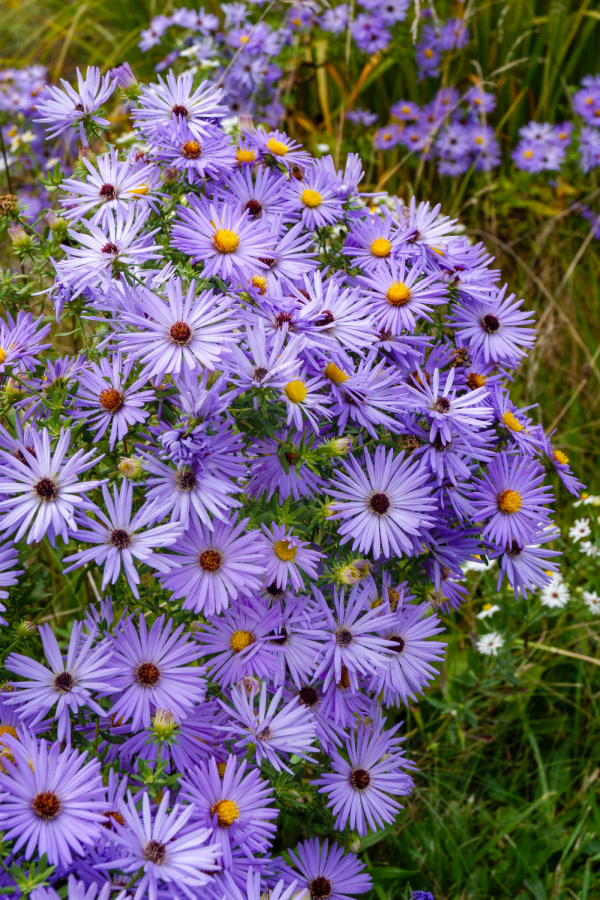
Asters bring a burst of purple, pink, blue or white to flowerbeds when many summer perennials have already finished. Depending on the variety and weather, they can continue flowering well into fall.
That late bloom time is exactly they are another of the popular perennials you should not cut back in late fall. Cutting back a plant that is still flowering removes food for pollinators taking advantage of mild autumn days. And removing healthy green leaves reduces the plant’s remaining opportunity to capture sunlight.
After the tops die, healthy aster stems can remain standing through winter. Like sedum and mums, their branching growth helps catch snow and provides some shelter around the base.
Their seed heads offer another benefit. Birds can pick through them during the colder months, while stems and surrounding plant material provide hiding places for insects.
There is one exception gardeners should watch for - disease. Asters can develop powdery mildew and other foliage problems. If your plants finish the season with heavily diseased leaves, remove and dispose of the affected material instead of leaving it around the crown.
Healthy plants, however, can wait for spring cleanup. If a few stems break and fall across a walkway, trim those individually. There is no need to cut the entire clump down just because part of it has become untidy.
When To Cut Them Back In Spring
Once winter begins loosening its grip, watch the base of each plant for new growth. Spring cleanup is easiest before fresh shoots become tangled in the old stems.
Use clean, sharp pruners to remove dead growth a few inches above the soil, taking care around emerging buds. Avoid pulling or twisting the old stalks out, which can damage the crown or loosen roots.
For sedum, look closely for the small, fleshy shoots clustered at ground level. With mums and asters, watch for fresh growth developing around the base.
Leaving these three perennials standing is a simple way to finish the gardening season with less work. You get winter texture, extra wildlife value and some useful shelter around your plants - all by saving the pruning for spring! For more fall gardening info - check out our article: The 3 Best Things You Can Do For Your Lawn In October!
This Is My Garden
Follow Our Facebook Page For Great Gardening Tips And Advice! This Is My Garden Facebook Page
This Is My Garden is a garden website created by gardeners, for gardeners. Jim and Mary Competti have been writing gardening, DIY and recipe articles and books and speaking for over 15 years from their 46 acre Ohio farm. They publish three articles every week, 52 weeks a year. Sign up today to follow via email, or follow along!

More Blog
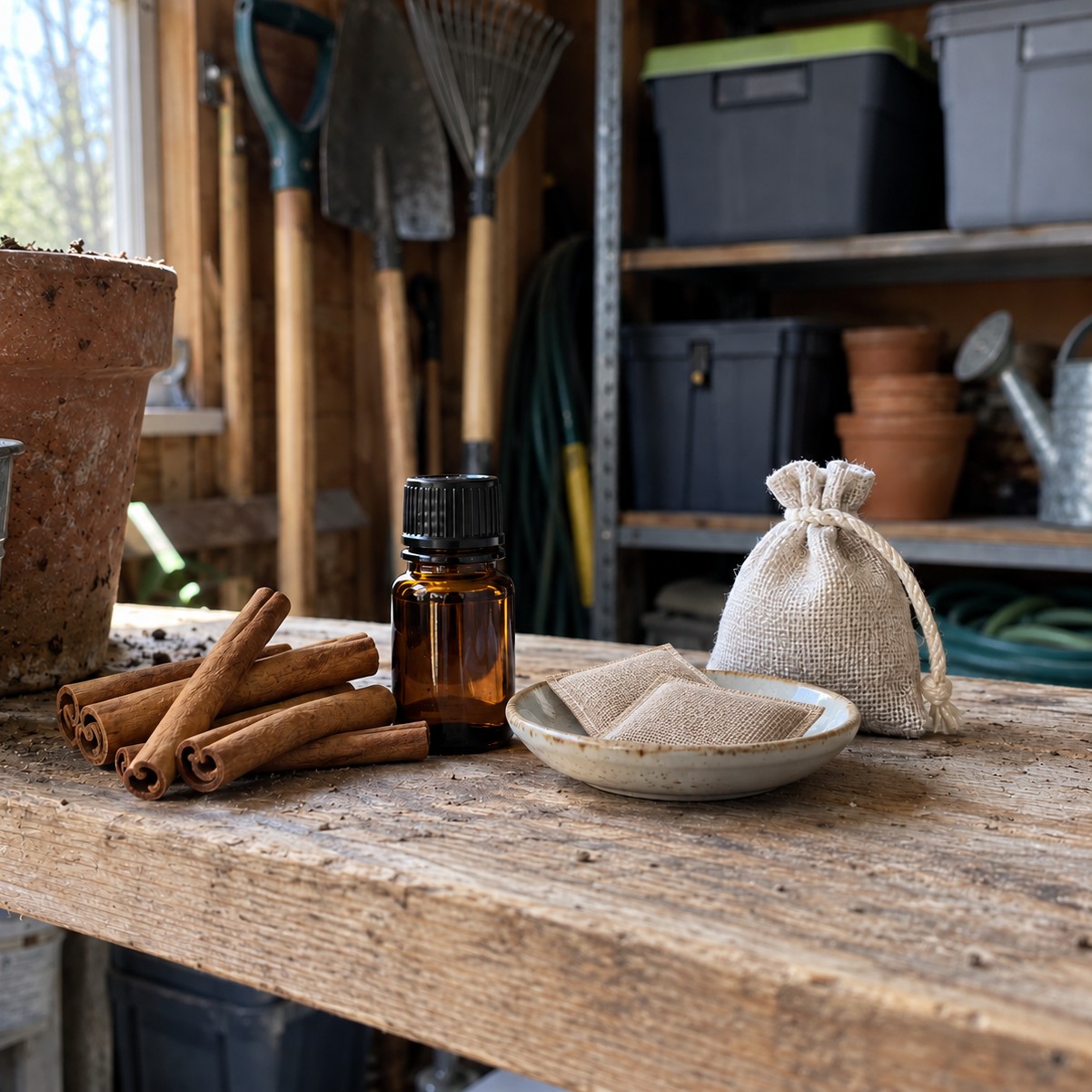
- How To Use Cinnamon To Keep Mice Out Of Your Garage, Sheds & More This Fall & Winter!
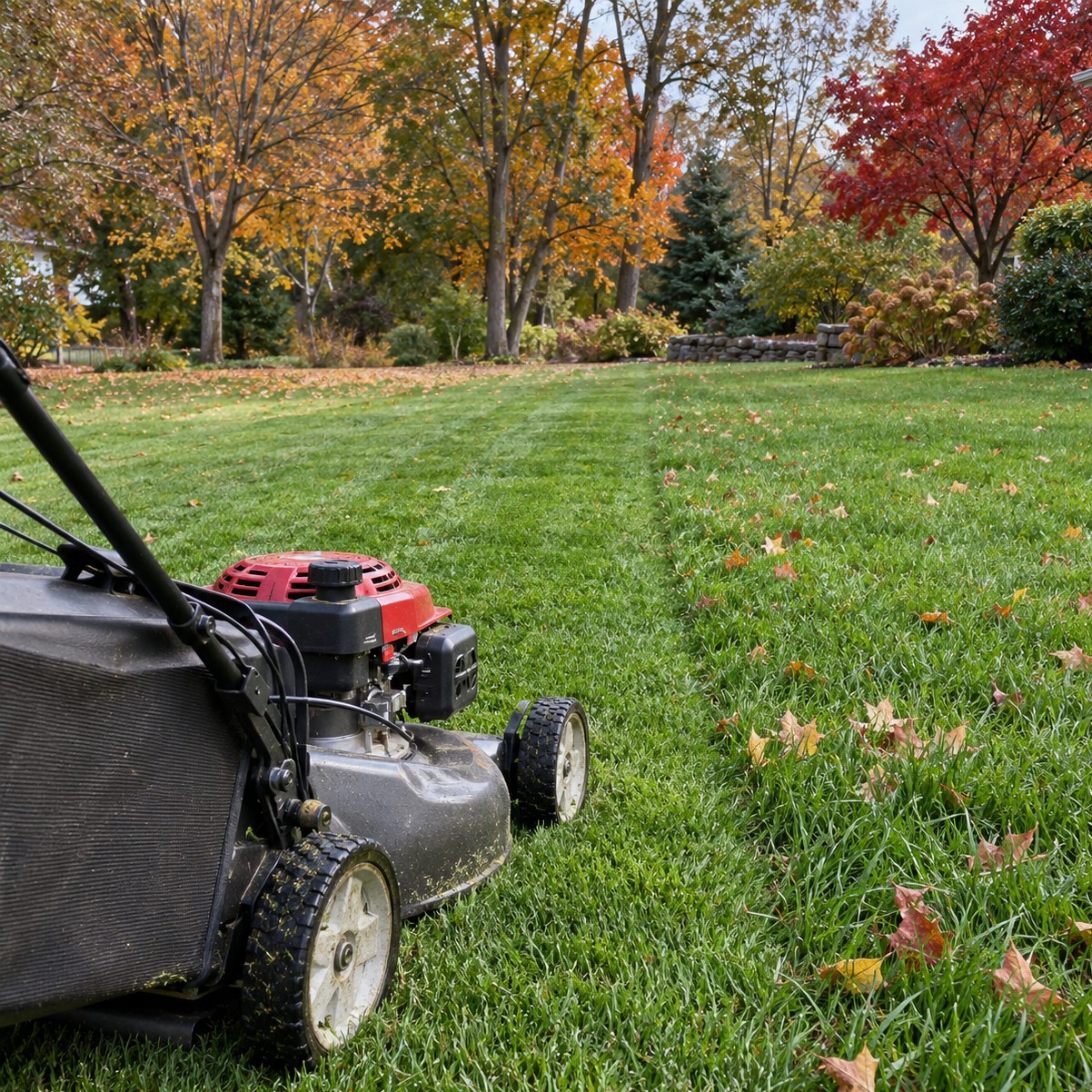
- The 3 Best Things You Can Do For Your Lawn In October!
- 6 Perennials You Can Still Divide In October – Fill Your Flowerbeds With More Plants For Free Before Spring!
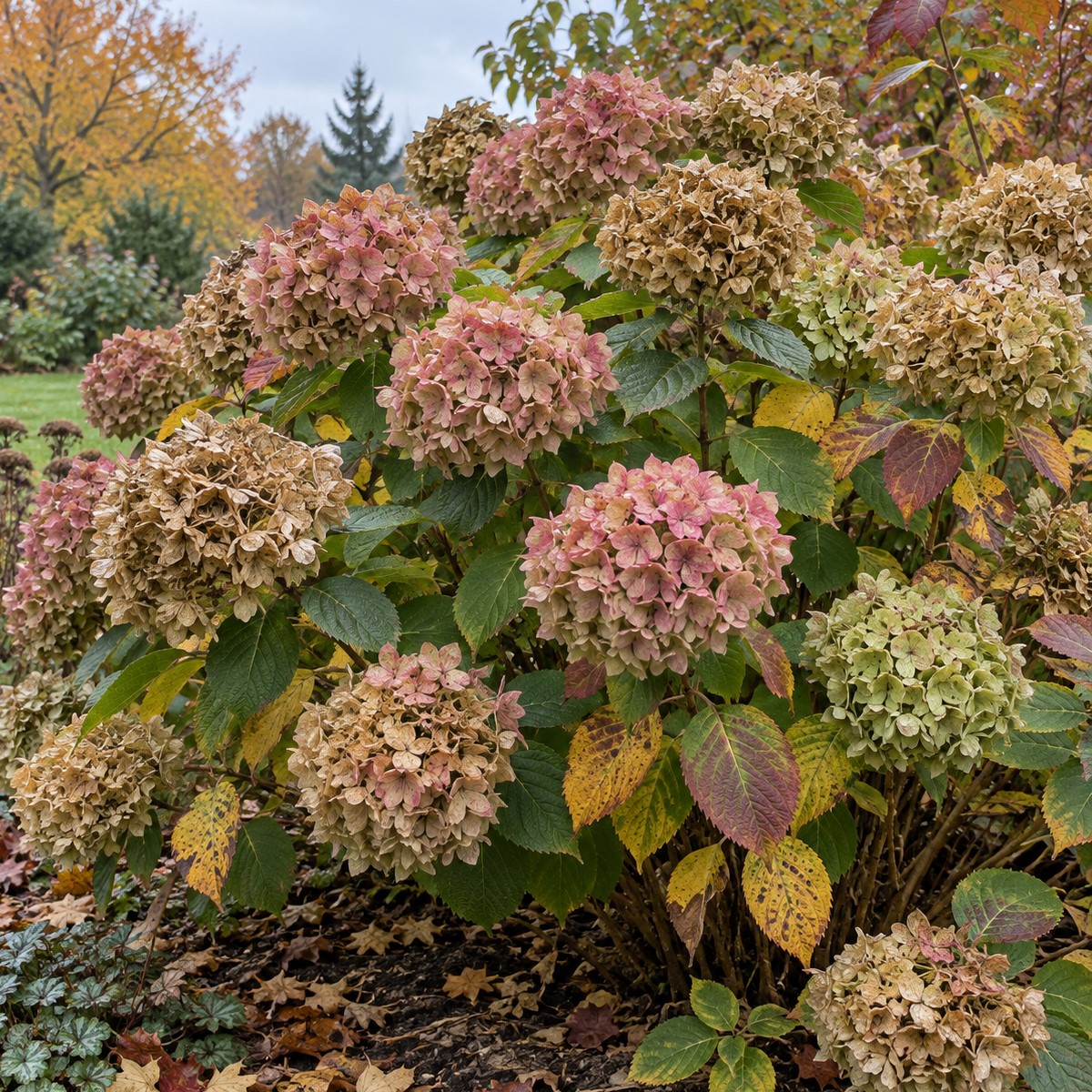
- Should You Cut Off Old Hydrangea Blooms In The Fall? What To Know Before You Snip!