How To Winterize Your Strawberry Plants In October For A Bigger Harvest Next Year!
Want to know how to winterize your strawberry plants this October to help them survive winter and come back ready for a bigger harvest next year?
One of the best things you can do for strawberry plants is to protect them in fall - but knowing when to cover your plants is just as important as knowing what to use!
Strawberries are perennial plants that can produce fruit for several growing seasons. But although they return year after year, their shallow roots and exposed crowns can suffer when winter brings bitter temperatures, drying winds and constantly changing weather.
For June-bearing strawberries, there is even more at stake. These plants develop the flower buds for next year’s harvest before winter arrives. If those buds or the crowns supporting them suffer damage, your plants may return in spring with far less fruit to offer.
The good news? Winterizing strawberries doesn’t require expensive supplies or hours of work. With a little cleanup, proper moisture and a protective layer of straw applied at the right time, you can give your plants a much better chance of coming back strong!
How To Winterize Your Strawberry Plants In October
Why Strawberry Plants Need Protection
The most important part of a strawberry plant is its crown. This short, thick structure sits near the soil surface, connecting the leaves above with the roots below. Because the crown is close to the surface, it is vulnerable to extreme cold. Winter injury can weaken it, damage developing flower buds or kill the plant entirely.
But bitter temperatures aren’t the only concern. Repeated freezing and thawing can cause the soil to shift and lift plants upward. Known as frost heaving, this movement can expose roots to cold air and drying winds.
A winter covering helps moderate those temperature swings and protect the shallow root zone. The goal isn’t to keep strawberries warm and growing. It is to help dormant plants remain protected until spring.
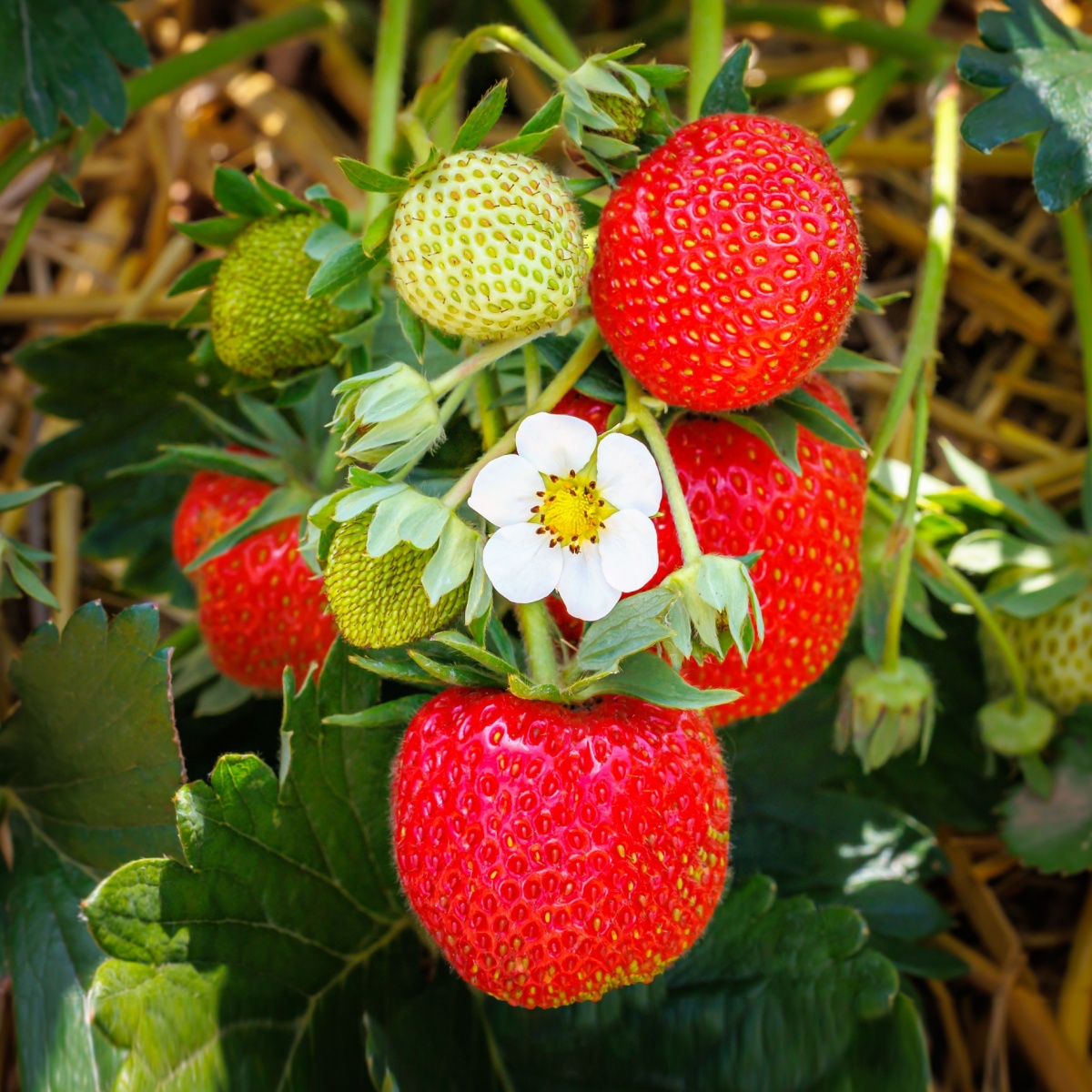
Snow can provide insulation, but it isn’t dependable everywhere. A layer of straw helps protect plants when snow arrives late, melts early or never provides much coverage.
Clean Up Your Strawberry Patch First
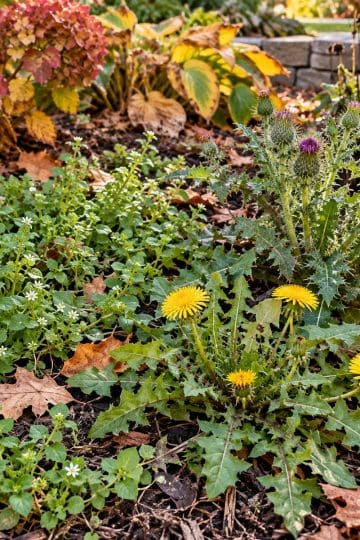
October is one of the best times of all to winterize your strawberry plants. Spend a little time removing weeds, rotten berries and clearly diseased foliage from the bed.
Weeds compete with strawberry plants for moisture and space. Removing them before covering the patch also prevents them from getting a head start when warmer weather returns.
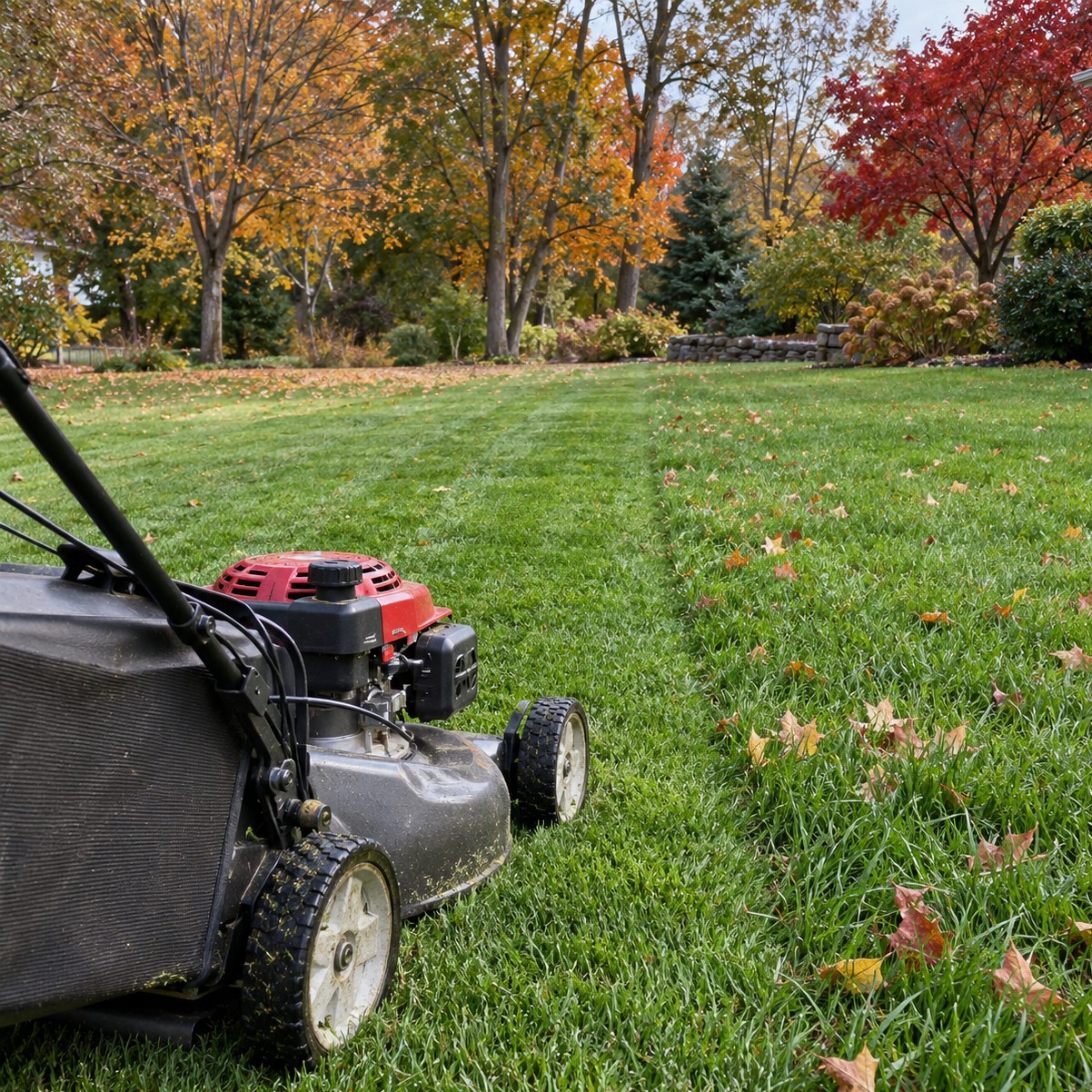
But don’t confuse a light fall cleanup with a major renovation. Late fall is not the time to mow the patch or cut every strawberry plant down to the ground.
For June-bearing strawberries, renovation generally takes place shortly after the summer harvest. Cutting plants back heavily in late fall can remove useful foliage just as they prepare for winter. See: What To Do With Strawberry Plants In The Summer - After Your Harvest Is Over!
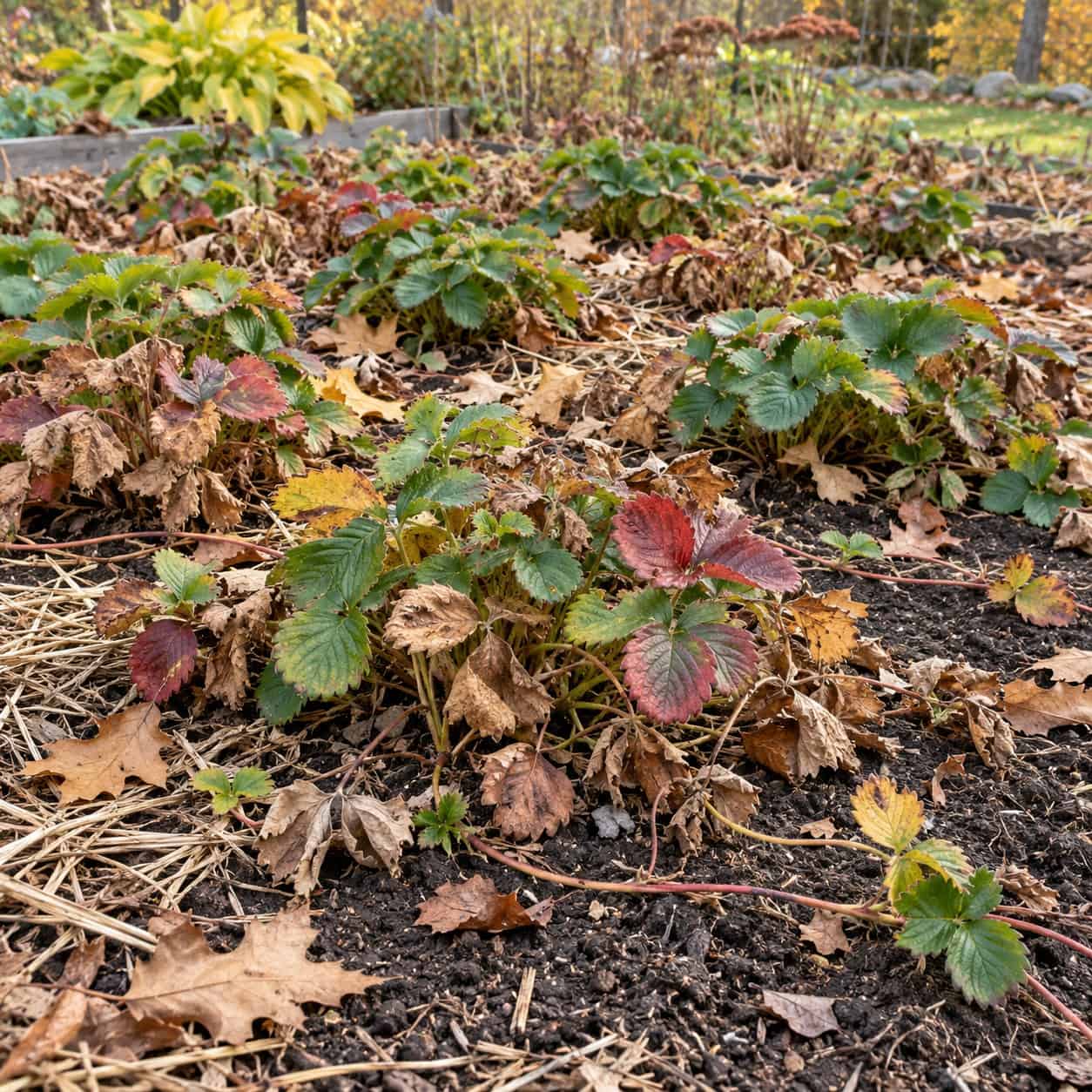
Leave healthy leaves attached. Some will flatten, darken or develop reddish coloring as temperatures drop, and that seasonal change doesn’t automatically mean they need to be removed.
Listen To Our Garden Podcast Below!

Keep Roots From Going Into Winter Dry
Cooler weather often means less watering, but strawberry plants can still struggle through a dry fall. Their shallow roots depend on moisture in the upper soil. If that soil becomes extremely dry before winter, plants enter the cold season already stressed.
Check the bed during stretches without rain. Push a finger or small trowel a few inches into the soil to see whether the root zone needs moisture.
When watering is necessary, apply it slowly at soil level. Allow it to soak in rather than running off the bed or splashing foliage.The goal is moist soil, not saturated ground.
Applying Mulch In Late October / Early November
When the first chilly nights arrive, it can be tempting to cover your strawberries immediately. But mulching too early can cause problems.
Strawberry plants need exposure to cooling temperatures to acclimate and enter dormancy. Covering them while they are still actively growing can interfere with that transition. A thick covering also blocks sunlight from leaves that may still be helping the plant prepare for winter.
Instead of following a specific calendar date, watch the plants and weather. Growth should have slowed to a stop, and leaves often begin lying flatter against the soil.
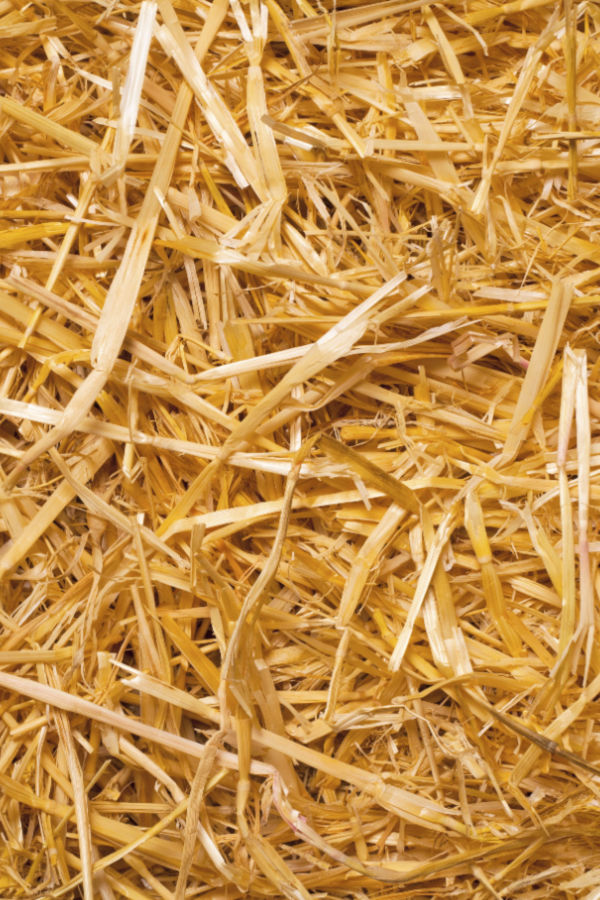
A useful guideline is to wait until soil temperatures remain around 40°F or below several inches beneath the surface. That usually follows a period of consistently cold weather rather than one frosty night.
Have your straw ready so you can cover the patch once plants are dormant and before severe winter cold arrives. Depending on your climate, that may be late fall or early winter.
Use Straw To Winterize Your Strawberry Plants In October
Clean straw is one of the best choices for winter strawberry protection.
Its loose structure traps insulating air without creating a heavy, solid covering. Water can move through it, and it is easy to pull back when spring growth begins. Once your plants are dormant, spread approximately four to six inches of loose straw over the patch.
That may look like a lot at first, but the material will settle. Don’t press it down or pack it tightly around plants. Unlike summer mulching, winter mulching should cover the dormant plants themselves. Protecting only the spaces between plants leaves their crowns exposed.
There is no need to keep uncovering the plants throughout winter. Once the protective layer is in place, leave it alone except for occasional adjustments.
Protect Strawberries Growing In Containers
Strawberries in pots, hanging baskets and towers need more protection than plants growing in the ground. Cold air reaches the container’s sides as well as its surface. That allows the root ball to become much colder than roots surrounded by garden soil.

Simply adding straw over the top may not provide enough protection in a cold climate. One option is to sink a suitable pot into a well-drained garden location before the ground freezes. Keep the container’s soil surface near ground level, then mulch the dormant plants.
You can also move manageable containers into a protected, unheated location that stays cold enough to maintain dormancy while sheltering roots from extreme temperatures.
Check stored pots periodically. Water lightly when necessary to prevent the soil from drying completely, but don’t keep it soggy. Avoid a warm room that encourages plants to begin growing before outdoor conditions are suitable.
Know When To Uncover Plants In Spring
Removing winter mulch at the right time is the final part of protecting your harvest. Don’t pull everything away just because one afternoon feels like spring. Uncovering too early can encourage growth that is vulnerable to returning cold.
But leaving a thick covering in place too long can block light as new leaves emerge. Check underneath the straw periodically when spring approaches. Once plants begin showing new growth, gently move the covering away from their crowns.
A little patience in fall and spring can make a big difference. Protect your strawberries after they become dormant, maintain their winter covering and uncover them as growth returns - and you’ll give next year’s harvest a much better start!
This Is My Garden
Follow Our Facebook Page For Great Gardening Tips And Advice! This Is My Garden Facebook Page
This Is My Garden is a garden website created by gardeners, for gardeners. Jim and Mary Competti have been writing gardening, DIY and recipe articles and books and speaking for over 15 years from their 46 acre Ohio farm. They publish three articles every week, 52 weeks a year. Sign up today to follow via email, or follow along!