How Short Should You Mow Your Lawn Before Winter?
Wondering how short to mow your lawn before winter arrives – and whether it really needs one last cut? That final mowing can do far more than tidy up your yard. Done correctly, it can help your grass head into winter in better condition and set the stage for a healthier lawn next spring!
As temperatures drop and grass growth slows, it’s easy to put the mower away and turn your attention to other fall chores. But the height you leave your lawn can make a difference. Grass left too tall can bend and mat down, trapping moisture against the turf. Cut it too short, however, and you can leave your lawn stressed just as it heads into winter.
The goal is to give your lawn a final cut at the right height for the type of grass you grow – without scalping it. And timing matters, too! Rather than mowing simply because the calendar says it’s time, watch your lawn’s growth and plan that last trim as it winds down for the season.
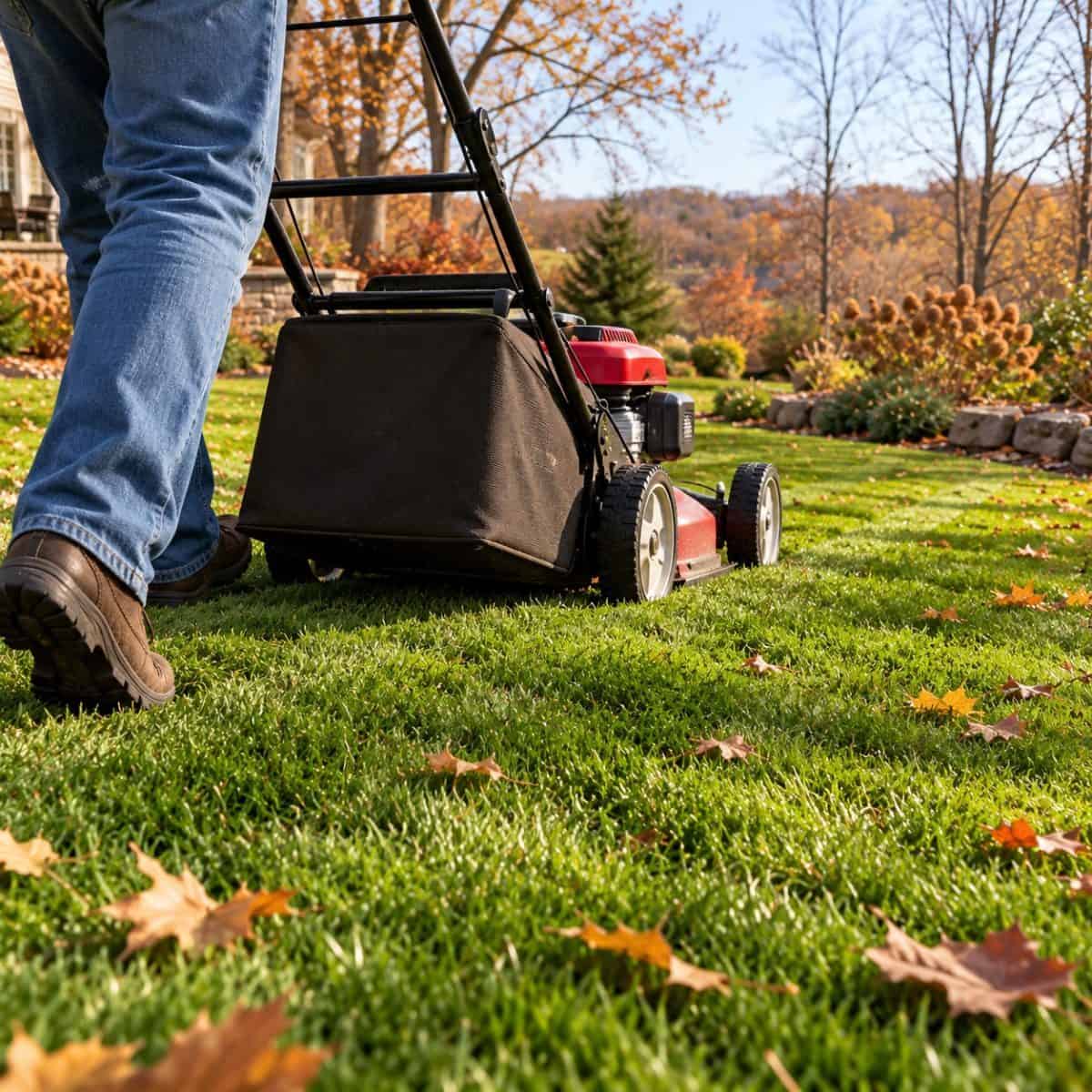
With the right mowing height and a little extra attention to fallen leaves, you can help your lawn make it through winter and be ready to grow when warmer weather returns!
How Short To Mow Your Lawn For The Last Time - Before Winter Arrives!
The Final Mow
In the spring and summer, lawns should always be mowed and kept at a taller height. A good mowing height for spring and summer lawns is somewhere between 3-½″ to 4″ inches tall. This allows the turf enough height to provide shade to the soil and roots below.
And that shade is key to conserving moisture in the soil, which in turn helps keep lawns green and healthy. Mowing a bit higher during the warmer months also helps keep weed seeds from finding a home in bare soil, and more importantly, from having enough sunlight to germinate.
So why not keep that mowing height for your lawn through the winter? Because as winter approaches, the advantages to taller turf begin to diminish. Instead of conserving moisture, that tall cover of turf never allows the grass to dry out completely. Especially in the damp, cool conditions that autumn provides.
Overly tall and thick lawns are a prime target for mold, fungus and other turf diseases. In addition, they can also become a refuge for insects and pests to overwinter. Last but not least, a tall lawn can mat together and be damaged by heavy winter snowfalls and ice.

But believe it or not, by simply mowing a little bit lower before fall, you can help fend off all of the above. And in the process, set the stage for a better lawn next spring as well.
When & How Low To Mow Your Lawn For The Last Time Before Winter
So when should you mow your lawn for the last time? And what is the ideal height to mow it at before winter arrives?
The ideal time to mow your lawn for the last time is after it has gone completely dormant. This is usually after a few hard frosts and a freeze have finally turned the turf to a pale green or brownish-green. Once this occurs - it's time to lower that mower and trim off your grass to winter height.
Although tall turf can cause serious issues, scalping a lawn can certainly cause problems as well. Mowing a lawn too close to the ground will leave roots vulnerable to freezing out. It can also leave soil overly exposed to weed seeds blowing in and taking root.
With that said, the ideal winter height for a lawn should be close to 2-½″ in height. This allows enough turf to still protect roots through winter, without leaving too much on top to invite problems.
Listen To Our Garden Podcast Below

Beyond The Final Mowing
Once you mow for the final time before winter - it's important to make sure your lawn doesn't suffer from other late season issues that also cause serious damage and stress. And the biggest issue for late season lawns is leaves. Especially whole leaves.
Leaves that pile too deeply on the surface of a lawn can quickly suffocate grass and the roots below. Not only can it leave yards with bare spots by spring - those same leaves can also harbor insects and disease as well.
The result is a spotty spring lawn with plenty of bare spots where the turf has been killed off. Much like the tall turf in the fall, a heavy coat of leaves can also keep moisture present. And that leads to the threat of mold and fungus.
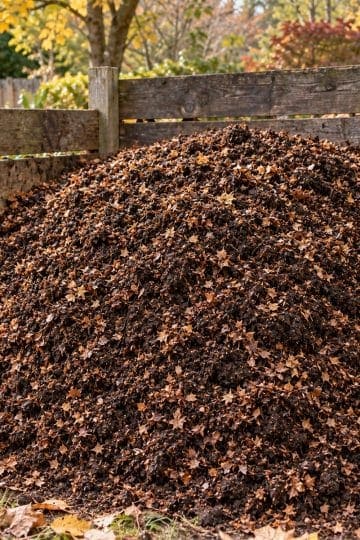
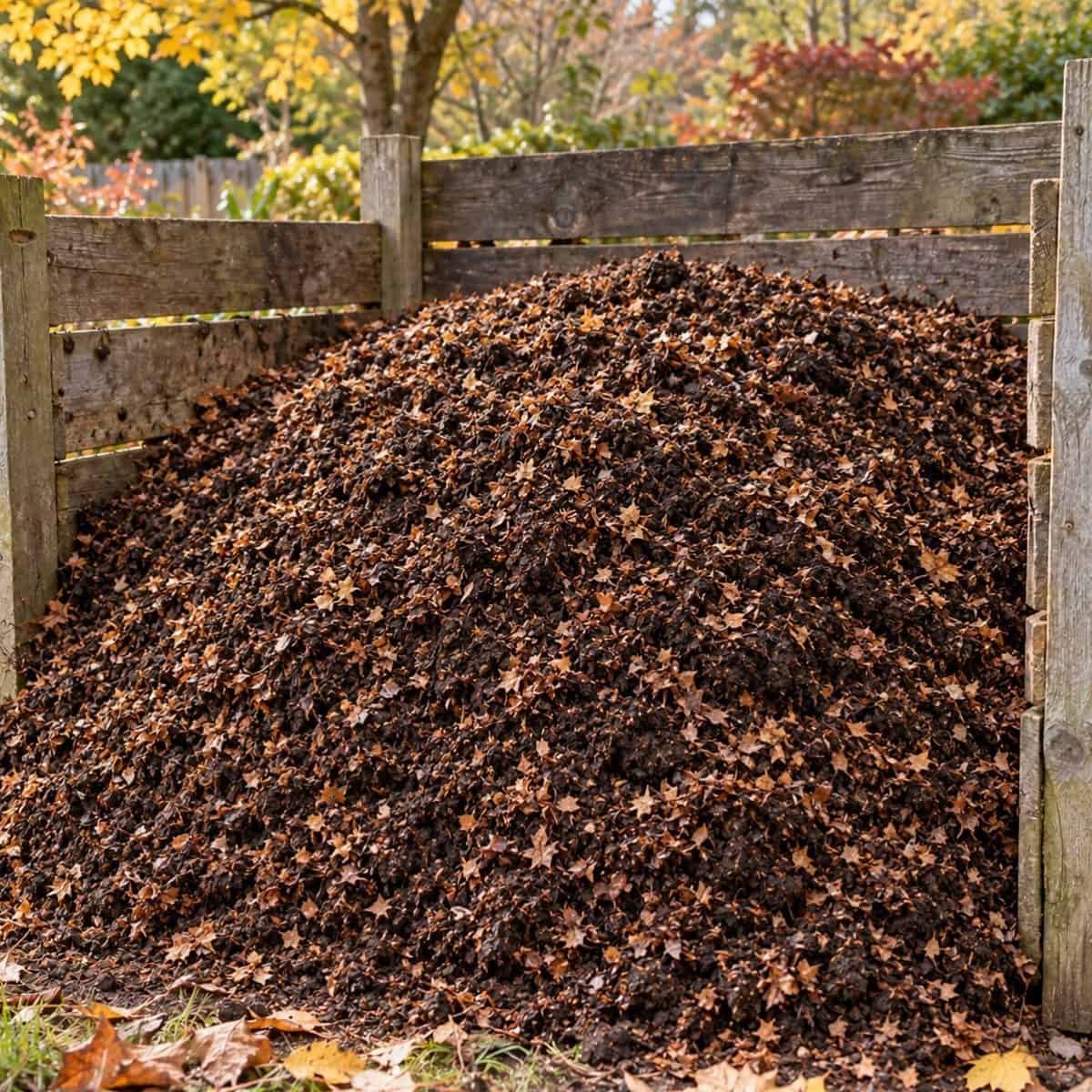
After you mow your lawn for the last time before winter - do not allow leaves to pile up. Shredding the leaves with a mower on a consistent basis, or raking them regularly can pay big dividends for your grass. Not only are all of those whole leaves good to get off of your lawn, they also happen to be perfect for creating the perfect fall compost pile! The Best Way To Compost Leaves Fast – 4 Secrets To Turn Leaves Into Great Compost This Fall!
Preparing Your Mower For Winter
Last but not least, not only does your lawn need to prepare for winter, but so does your lawn mower. Take time this fall to clean the deck, sharpen the blades and grease any fittings. It's far easier to do all of these things now - and not in the spring when you will be mowing and gardening at full tilt!
In addition, be sure to either run your mower out of fuel, or add a fuel stabilizer to keep the gas from going bad over winter. Affiliate Link: STA-BIL Storage Fuel Stabilizer | Keeps Fuel Fresh for 24 Months
Here is to taking the time to mow your lawn for the last time before winter at just the right height. And - to an even better lawn next spring!
This Is My Garden
Follow Our Facebook Page For Great Gardening Tips And Advice! This Is My Garden Facebook Page
This Is My Garden is a garden website created by gardeners, for gardeners. Jim and Mary Competti have been writing gardening, DIY and recipe articles and books and speaking for over 15 years from their 46 acre Ohio farm. They publish three articles every week, 52 weeks a year. Sign up today to follow via email, or follow along!

More Fall Garden And Landscape
- How To Winterize Your Strawberry Plants In October For A Bigger Harvest Next Year!
- 3 Popular Perennials You Should Not Cut Back In Late Fall - And Why!
- Why Fall Is The Perfect Time To Get Rid Of Stubborn Weeds Like Thistles, Chickweed, Dandelions & More!
- The Best Way To Compost Leaves - How To Get Leaves To Break Down Fast!