
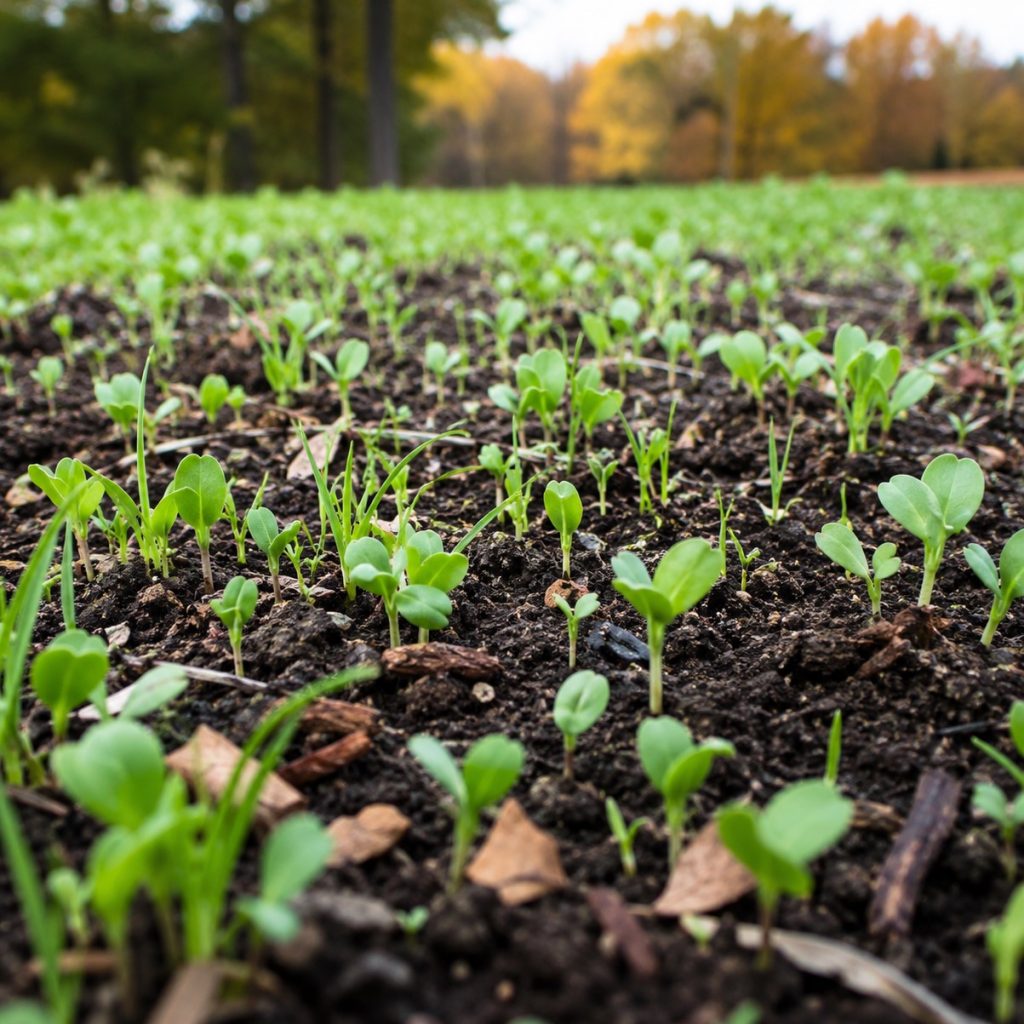
The best thing you can do for your garden this fall is to plant a cover crop. In fact, this one simple fall task can protect your garden from weeds, stop soil erosion, improve tired soil – and set the stage for healthier plants and a bigger harvest next year!
Cover crops are incredibly easy to plant, but the benefits they provide are almost endless. Once growing, they create a thick blanket of vegetation over the soil. That living cover is extremely important, especially once your vegetable plants have been pulled and large areas of bare soil are exposed.
Unfortunately, leaving garden soil bare throughout fall and winter is like putting out a welcome mat for weeds. Seeds from thistle, dandelions and countless other weeds can blow in and settle into the open soil. Then, when spring arrives, those seeds quickly come to life – creating an entire season of unwanted weeding chores.
Why You Need To Plant A Cover Crop In Your Garden This Fall
Protecting & Rebuilding Your Soil
Keeping weeds out is only the beginning of what a cover crop can do. As its roots grow deep into the ground, they loosen compacted soil and create channels for air, water and nutrients. That improved soil structure makes it much easier for next year’s vegetable plants to develop strong, deep root systems.
Even better, when the cover crop dies back or is turned into the garden in spring, all of that plant material begins to break down. In the process, it adds valuable organic matter and nutrients back into the soil – naturally recharging your garden for another growing season.
And if that wasn’t enough, a thick cover crop also protects valuable topsoil from washing or blowing away during the harsh weather of late fall and winter. With so many benefits from one easy planting, it’s hard to imagine a better way to put your garden to bed this fall!
When To Plant A Fall Cover Crop
The best time to plant a fall cover crop is the exact moment you clear your crops from a space. The great thing with cover crops are that you don’t have to plant them all at once over an entire garden. You can actually plant as each portion of your garden finishes off.
Some crops finish far earlier than others during the growing season. Beans might end producing in early August. Sweet corn usually does as well. And as you pull these crops from the ground, it’s a perfect time to follow with a cover crop.
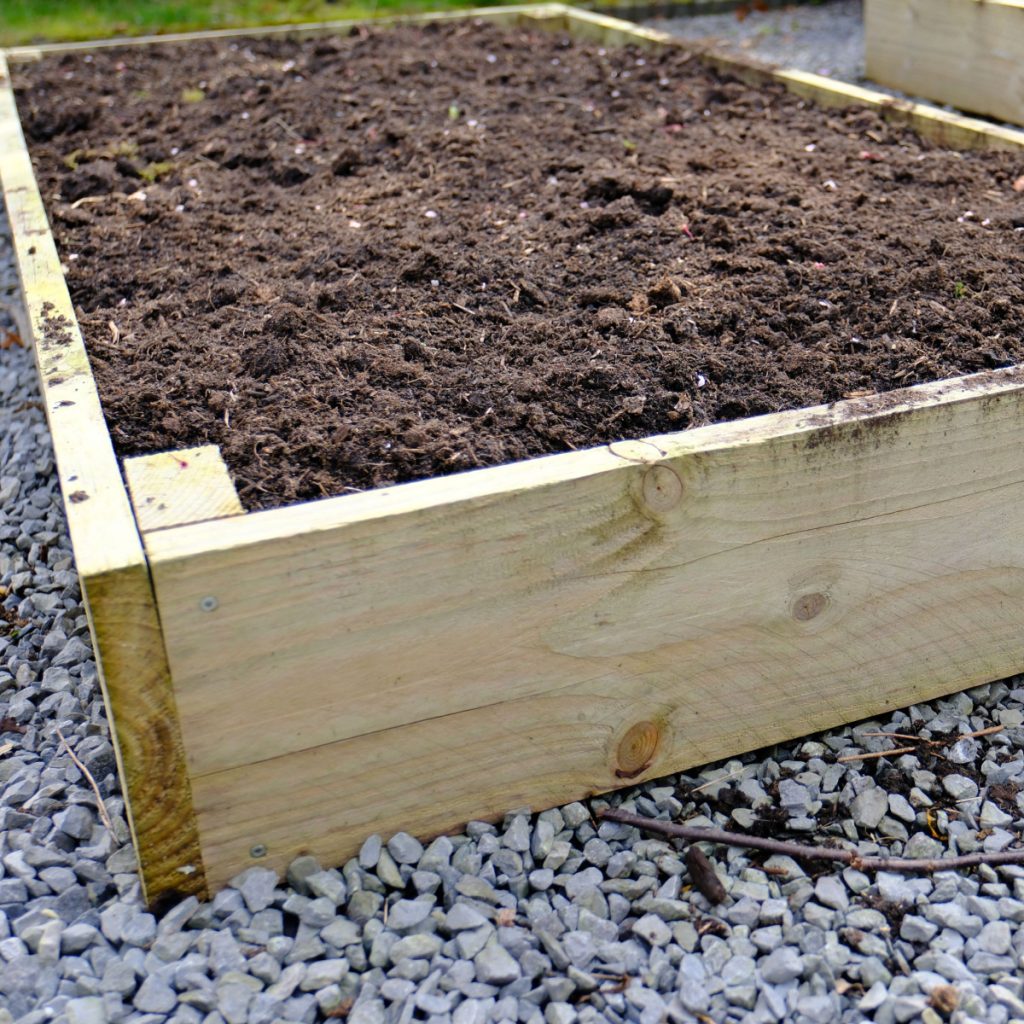
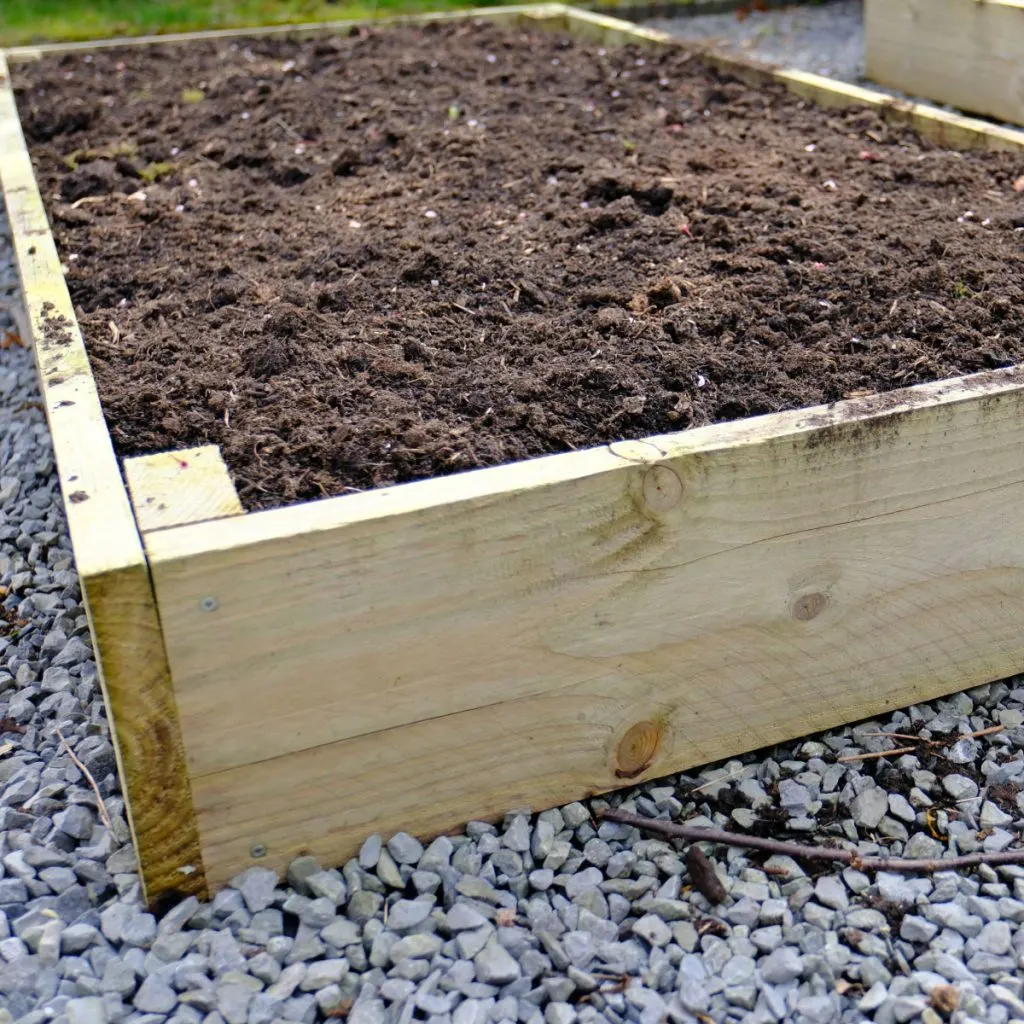
First and foremost, this method breaks the chore down into manageable tasks. But it also ensures that your soil will never be bare, protecting it from weeds the entire time. You can use this same method when cover cropping raised beds spaces too.
What To Plant
There are a lot of choices when it comes to choosing a cover crop. The choice really depends on whether you will be tilling your crop in or want a no-till option.
At the top of the list for no till crops are annual rye and oats. Both cover the garden soil in a thick coat of bright green grass-like blades. Underneath the soil, their roots take hold to help break up hard soils. Even better, both also help to fix nitrogen levels in the soil. And that can be huge for helping nitrogen loving vegetable plants like tomatoes and peppers next year!
Annual rye and oats are cereal grain cover crops. You want to make sure when purchasing you are not buying annual rye grass, but the grain seed. Cereal annual rye will go dormant in the winter and come back to life in early spring. But by mowing it off early it will then die off before planting in late spring.
Oats on the other hand will die off with the first winter hard freeze. The vegetation stays in place to cover the soil. You can then mow it off in the spring and plant without the need for tilling. Affiliate Product Link : No-Till Garden Farm and Garden Cover Crop Mix
If cereal rye or oats are not an option, hairy vetch, buckwheat, field peas and red clover are also excellent choices for a fall cover crop. Some crops will need to be tilled in to terminate, so it’s important to keep that in mind when planting. See our article: How To Plant Peas As The Perfect Garden Cover Crop – An Easy, No-Till Way To Recharge Your Garden!
How To Plant A Cover Crop In The Fall
Planting a cover crop is one of the easiest garden chores of all. There is no need to till or re-till the garden when planting. Simply rake the soil gently and apply the seed, either by hand, or with a broadcast spreader. You spread cover crop seeds exactly as you would grass seed.
Listen To Our Podcast Below On Planting Cover Crops!
Once the seed is down, gently rake seed into the soil. You do not have to cover the seed with soil, but raking to “set” the seed in will help protect it from hungry birds. A light coating of straw is helpful. Not only will it hold in moisture for seed, it also protects from birds and protects the soil from weed seeds blowing in until the cover crop comes up.
Cover crops germinate quickly in the warm soil of late summer and early fall. Only water if extremely dry. Usually within a few weeks, the garden will begin to be completely covered in a protective blanket. And once up – you garden has all-winter protection!
Maintaining A Cover Crop
The best news of all is how easy it is to maintain a cover crop. In fact, after planting, cover crops require little maintenance through the fall and winter months. The only real rule for maintaining a cover crop is to never allow it to go to seed in the garden.
Crops that go to seed can create weeding issues as the seeds germinate during the growing season. If the crop grows too large and begins to develop seed heads, simply mow it off. This will eliminate any worry of reseeding.
In the spring, you can turn your cover crop over (with a shovel or by tilling), or allow it to die off and then plant through it. The no-till method requires the least amount of work when it comes to utilizing cover crops. Again, some crops do not work as no-till options as they will continue growing until you turn them over.
Whether tilling in or using the no-till method, the entire crop is given back to the soil. In the process, it enriches and energizes it for the coming year’s garden to reap the benefits. Here is to protecting and recharging your garden this fall with an incredible cover crop!
This Is My Garden
Follow Our Facebook Page For Great Gardening Tips And Advice! This Is My Garden Facebook Page
This Is My Garden is a garden website created by gardeners, for gardeners. Jim and Mary Competti have been writing gardening, DIY and recipe articles and books and speaking for over 15 years from their 46 acre Ohio farm. They publish three articles every week, 52 weeks a year. Sign up today to follow via email, or follow along!