
Did you know there are several perennials that should never be cut back in late summer or fall?
When fall arrives and flowerbeds begin to fade, it can be tempting to grab the pruning shears and start cutting every perennial down to the ground. But when it comes to getting your flowerbeds ready for winter, some plants are far better off when you simply leave them alone!
Although cutting back certain perennials in the fall can help tidy beds and remove diseased foliage, other plants benefit greatly from keeping their stems, leaves and seed heads in place through winter. In fact, cutting these plants back too early can sometimes make it harder for them to survive the cold – or eliminate valuable winter protection and interest.
6 Perennials To Never Cut Back In The Fall
More Reasons Not To Cut Back
Leaving perennial growth in place can provide insulation for the plant’s crown and roots. Old foliage and stems help catch leaves and snow around the base of plants, creating a natural protective blanket against repeated freezing and thawing.
There is another big benefit as well. Seed heads and stems can provide winter food and shelter for birds and beneficial insects. With that in mind, here are six perennials that are usually better left standing in the fall – along with when and how to trim them instead.
Peonies – Don’t Cut Back Too Early!
Peonies are another perennial where timing matters when it comes to fall pruning. However, unlike the others on this list, there is an important distinction.
Healthy peony foliage should be allowed to remain on the plant until it has completely died back naturally. Cutting green peony foliage too early in late summer or early fall prevents the plant from continuing to absorb sunlight and store energy in its roots for next year’s growth and blooms.
As long as the foliage remains green, leave it alone. Once repeated frosts have caused the foliage to yellow, brown and die back completely, it can then be removed. At that point, cut the stems down close to ground level.
Peonies are also prone to fungal diseases such as botrytis blight and powdery mildew. For this reason, dead peony foliage should not be left lying around the crown all winter.
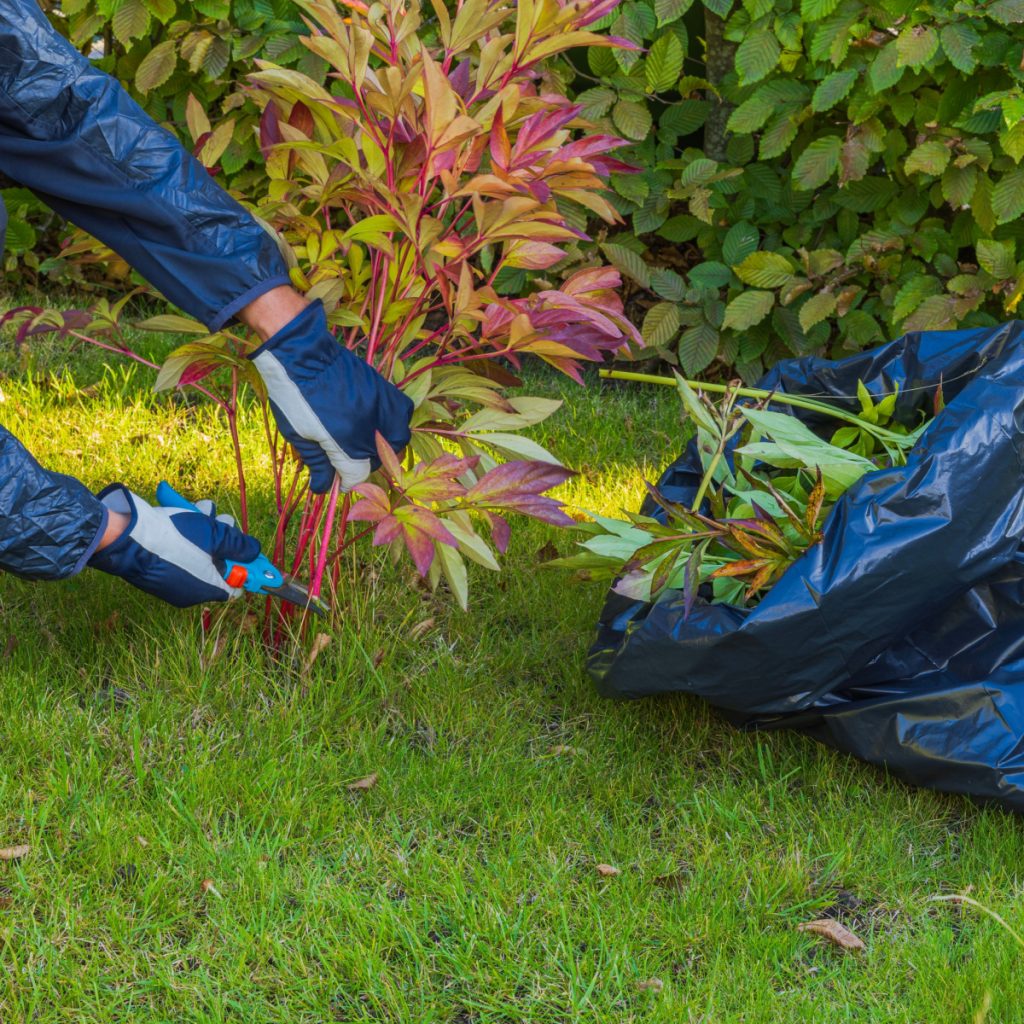
The key is not to cut peonies back simply because summer is ending. Give the foliage time to finish its job first. Waiting until the plant has naturally gone dormant helps ensure the roots have stored as much energy as possible for the following spring.
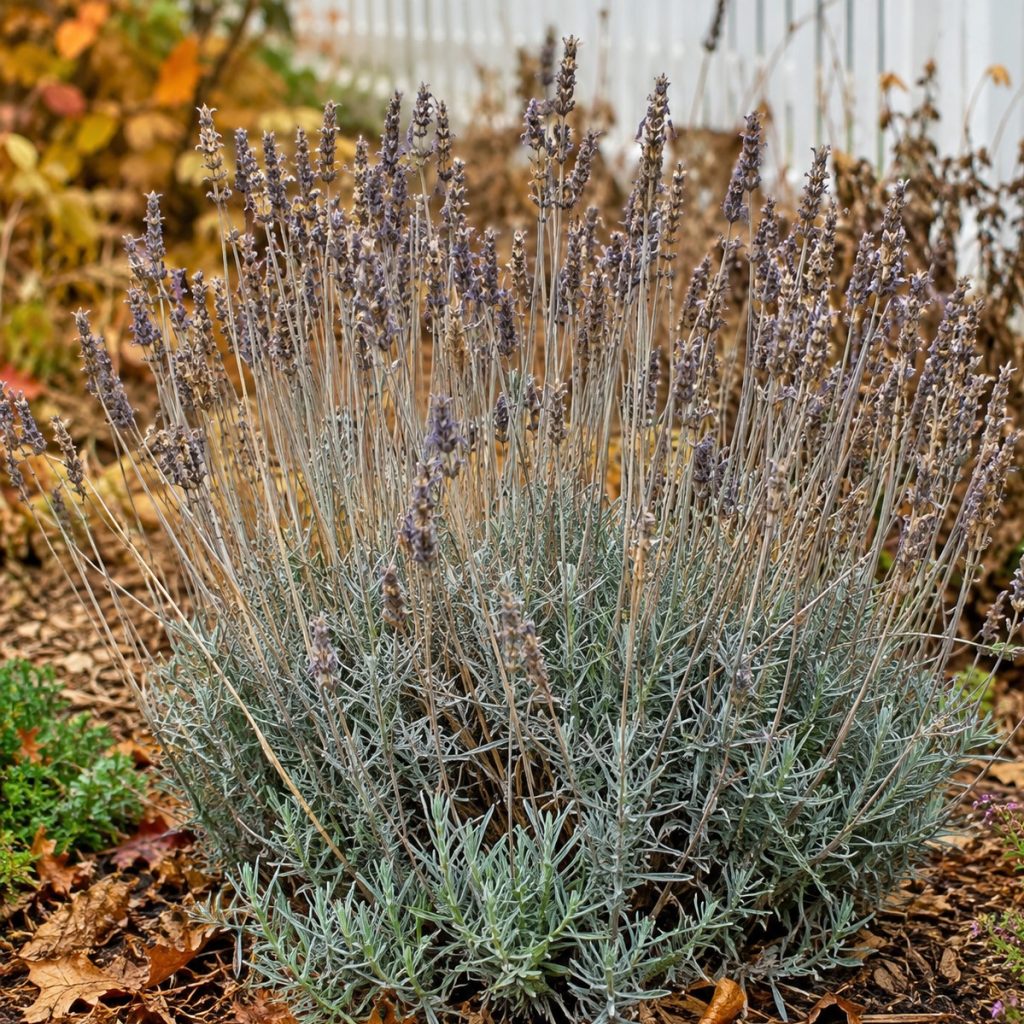
Leaving Lavender Alone
One of the easiest ways to damage lavender is to cut it back too hard late in the season. Lavender develops woody stems as it matures. Although light trimming during the growing season can help keep plants compact and tidy, a heavy fall pruning can encourage tender new growth at exactly the wrong time.
That fresh growth may not have enough time to harden before freezing temperatures arrive. In addition, cutting deeply into old woody growth can make it difficult for the plant to recover. Instead, allow lavender to head into winter with most of its foliage and stems intact.
You can remove spent flower stalks and lightly shape an unruly plant in late summer, but avoid a major pruning as fall approaches.
Wait until spring to perform more substantial pruning. Once you can see fresh green growth beginning, remove dead or damaged portions and lightly shape the plant. Always leave green growth on the stems rather than cutting all the way back into old, bare wood. See: How To Prune Lavender In The Spring – And Get Bigger Blooms This Year!
Why To Never Cut Back Russian Sage In The Fall
Russian sage is incredibly tough once established, but fall is not the best time to give this perennial a major haircut. The woody stems of Russian sage help protect the plant’s crown through winter. Cutting the plant too low in autumn can leave the crown more exposed to cold temperatures and repeated freezing and thawing.
This can be especially important for younger plants that are still developing a strong root system. Instead, allow Russian sage to remain standing throughout winter. Its silvery stems and dried flower heads can provide texture and interest in winter flowerbeds long after most other plants have disappeared.
Check out our latest podcast below…


Once spring arrives and you begin to see signs of new growth, it is time to prune. Cut the old stems back to around 6 to 12 inches above the ground. This encourages strong new growth from the base while allowing you to see which portions of the plant made it through winter successfully.
What To Do With Coral Bells
Coral bells are a little different from many flowering perennials because their foliage is one of their biggest attractions. Depending on the variety, their leaves can be green, burgundy, purple, caramel, silver or nearly black. And that foliage is very important – which is exactly why you don’t want to cut back coral bell perennials in the fall.
Coral bells are semi-evergreen in many climates. Their leaves continue to help protect the crown of the plant throughout winter. Removing all of that foliage in autumn can leave the crown unnecessarily exposed to harsh winter weather.
Coral bells can also be susceptible to frost heaving. This occurs when repeated freezing and thawing pushes the shallow crown and roots upward and out of the soil. Leaving the foliage in place provides an extra layer of protection. Adding a light layer of mulch around the plant after the ground begins to cool can help even more.
In spring, remove only leaves that are brown, damaged or dead. As temperatures warm, fresh foliage will quickly emerge from the center of the plant.
Leaving Up Ornamental Grasses In The Fall
Few plants provide more winter interest than ornamental grasses – which is just one reason to avoid cutting them down in the fall. Whether you grow maiden grass, switchgrass or other perennial ornamental varieties, their dried foliage and seed heads can remain beautiful throughout winter.
The tall foliage can also provide valuable shelter for birds and beneficial insects. In addition, leaving the blades intact helps protect the crown of the grass from winter weather.
There is another benefit as well. Tall ornamental grasses catch snow around their base. That snow provides natural insulation for the roots and crown below.
Instead of cutting grasses down in autumn, leave them standing through winter. If they tend to flop or blow around, you can loosely tie the foliage together.
In late winter or very early spring, before fresh green blades begin emerging, cut the old foliage back to around 4 to 8 inches above the ground.
The Beauty Of Sedum In The Fall
If there is one perennial that can look just as interesting in winter as it does in summer and fall, it’s sedum. Tall varieties such as Autumn Joy develop large clusters of flowers that slowly change color as the growing season progresses. By late fall, the blooms dry into sturdy brown seed heads that can remain upright through much of winter.
There is simply no need to cut back these perennials in the fall. In fact, leaving the dried flower heads standing provides wonderful texture in an otherwise empty winter flowerbed.
The seed heads can also collect snow, creating an eye-catching display after a winter storm. Birds may visit the dried plants as well. Leaving the stems intact also helps mark exactly where the plant is located, which can be useful when working in beds before new growth appears in spring.
Once temperatures begin warming and new growth starts emerging from the base, simply cut the old stems down close to the ground. New stems will quickly take their place.
When You Should Cut Perennials Back In The Fall
Although many perennials benefit from remaining standing, there are situations when fall cleanup is the better choice.
The biggest reason is disease. If a perennial suffered heavily from powdery mildew, fungal leaf spot or another recurring disease, leaving infected foliage in the flowerbed can allow spores and pathogens to overwinter.
In these cases, remove the diseased foliage and dispose of it away from your compost pile. Keeping infected plant material out of your compost can help prevent spreading problems throughout your landscape later.
Pest infestations can be another reason to clean up a plant. If damaged foliage is harboring destructive pests or their eggs, removing it may be beneficial. The key is to avoid cutting back healthy perennials simply because the growing season has ended. Sometimes, one of the best fall gardening chores is the one you don’t do!
This Is My Garden
Follow Our Facebook Page For Great Gardening Tips And Advice! This Is My Garden Facebook Page
This Is My Garden is a garden website created by gardeners, for gardeners. Jim and Mary Competti have been writing gardening, DIY and recipe articles and books and speaking for over 15 years from their 46 acre Ohio farm. They publish three articles every week, 52 weeks a year. Sign up today to follow via email, or follow along!