
Looking for some of the best herbs to grow indoors on your windowsill or counter for delicious winter cooking?
When the days get cold and dark, fresh food from the garden can feel far away. But that doesn’t mean you have to give up using fresh flavors in the kitchen. Why? Because winter is actually the perfect time to grow your own small herb garden right inside your home!
A sunny windowsill can become a powerful cooking tool when it holds a few small pots of herbs. With just a little care, herbs can supply bright, bold flavor to soups, casseroles, roasts, eggs, pasta, and more all winter long. And is it ever simple and easy to do!

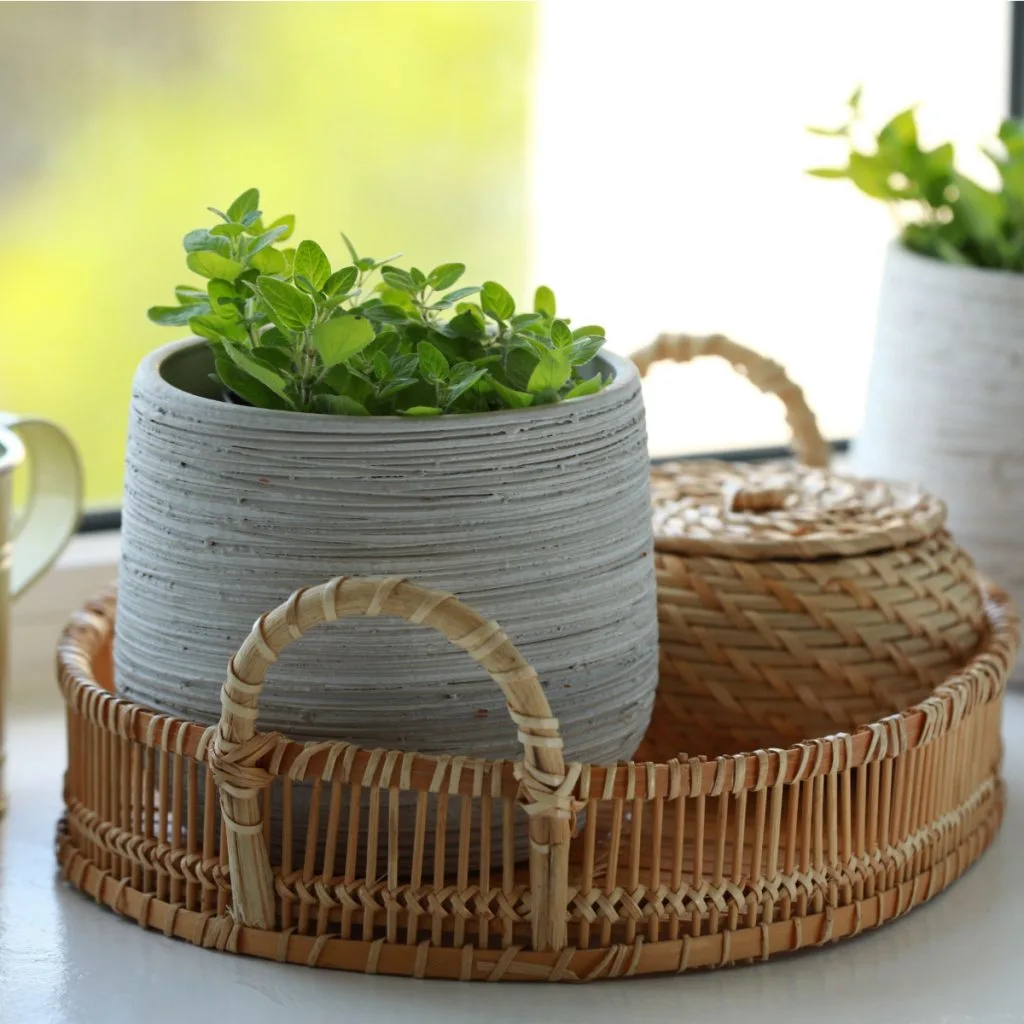
Growing herbs indoors is easier than many people think. Herbs are naturally tough plants. Many come from warm, sunny climates and are used to less-than-perfect soil. As long as you give them light, a little warmth, and proper watering, they will thrive inside.
Below are five of the best herbs to grow indoors during winter. Each one offers strong flavor, simple care, and big cooking potential. They are ideal for beginners and experienced gardeners alike.
The 5 Best Herbs To Grow Indoors For Winter
Basil – Fresh Summer Flavor In The Middle Of Winter
Basil might just be the most popular herb to grow indoors in the winter. It brings the taste of summer right into your winter kitchen. The leaves are soft, bright green, and full of fragrance. A simple pinch of basil can change basic meals into something special.
To grow basil indoors, light is the most important factor. Basil loves sunlight and warmth. A bright south-facing window is perfect. If you do not have great natural light, a small grow light can help. Keep basil in temperatures above 65 degrees if possible. Cold drafts can harm it, so avoid setting pots near drafty windows or doors.
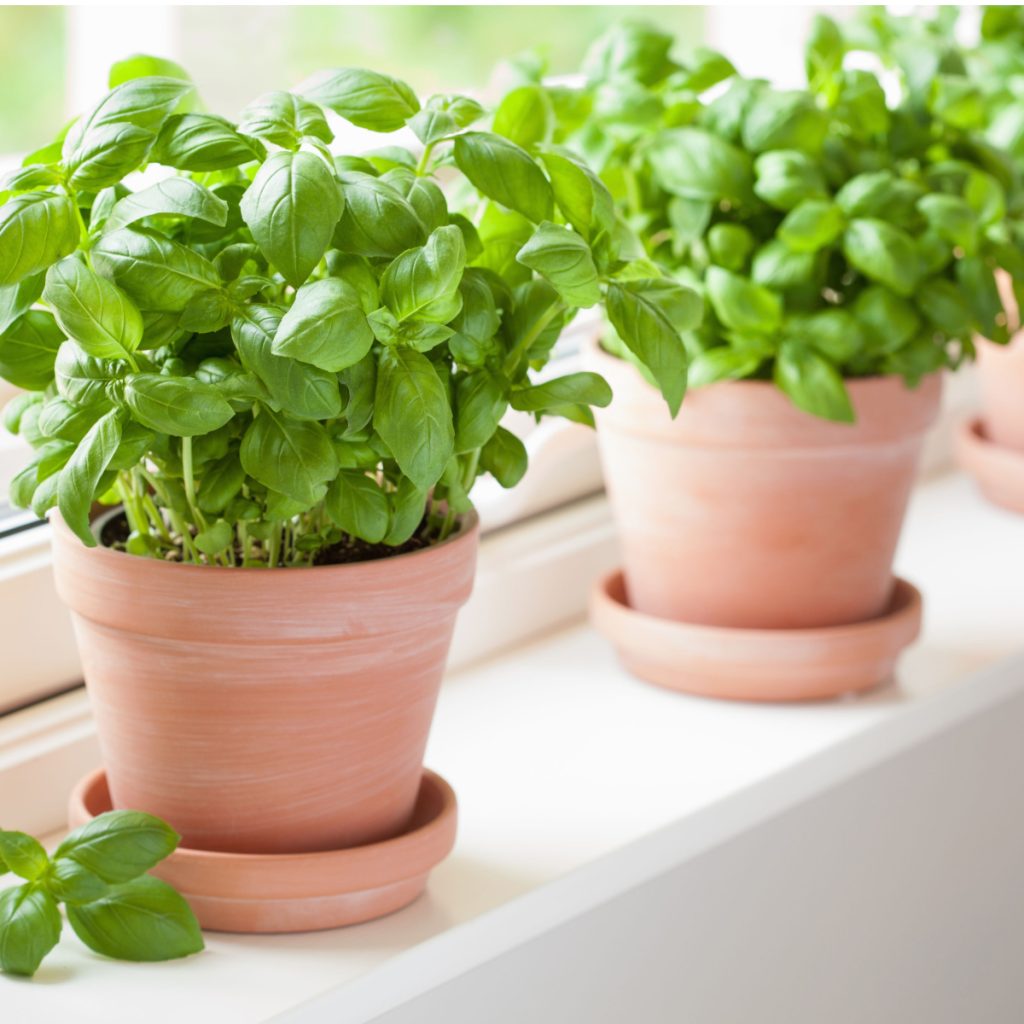
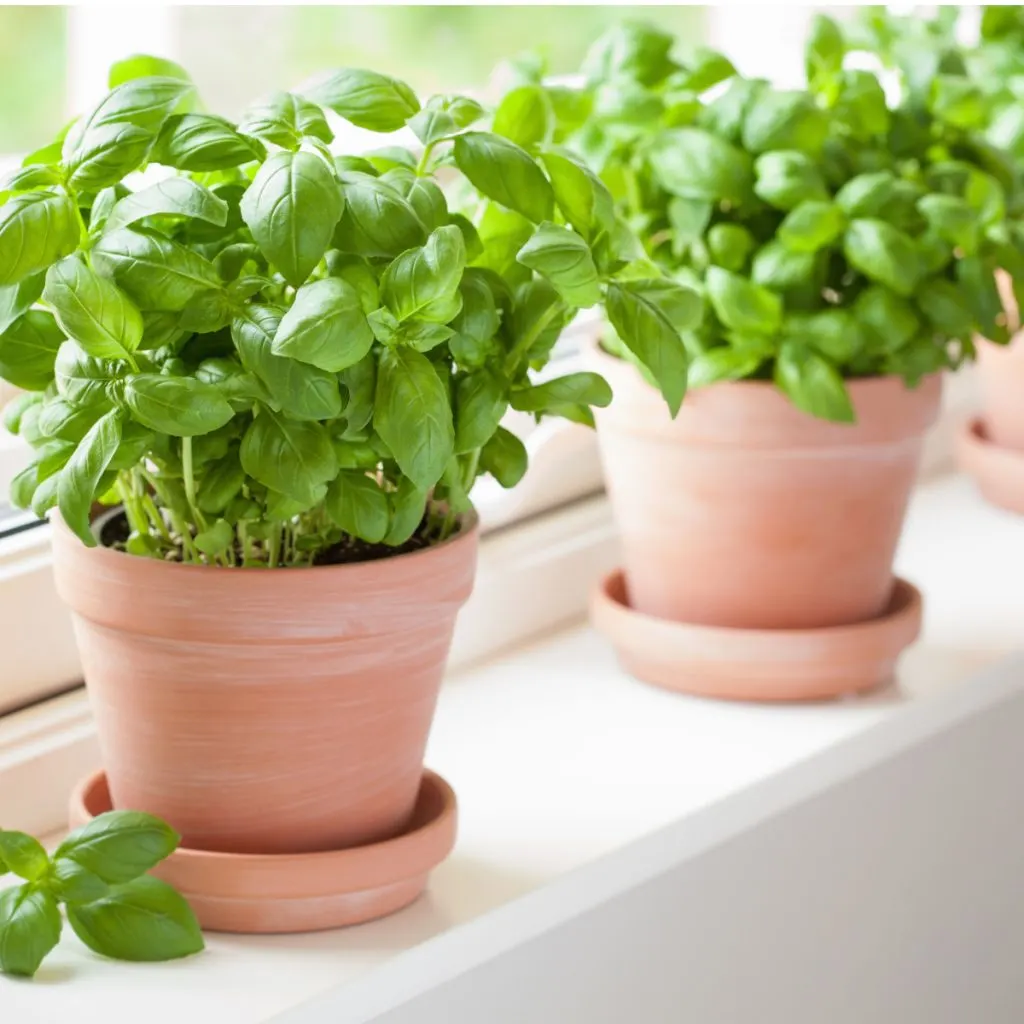
Use well-draining potting soil and a container with drainage holes. Basil does not like soggy roots. Water when the top of the soil feels dry, but never let it sit in water. Basil grows fast from seed. By trimming the tops often, it will help it stay full and bushy. Affiliate Link: Genovese Basil Seeds
When you cut stems, new growth forms below the cut. This means more leaves to harvest later. For more on basil indoors, check out our article: How To Grow Fresh Basil Indoors All Winter – As A Houseplant!
Chives – The Easy Herb To Grow Indoors In The Winter!
Chives are one of the simplest and most forgiving herbs to grow indoors for winter. They are hardy, dependable, and produce a steady supply of thin, onion-flavored leaves.
Chives grow in small clumps, and you simply snip the long green stems as needed. They are perfect for topping baked potatoes, mixing into soups, sprinkling over eggs, and blending into dips and salads.
Chives grow well in moderate light, so they are great even for kitchens that do not get all-day sun. A bright window with a few hours of light is usually enough. Chives like slightly moist soil but do not want to be soaked. Water when the soil begins to dry, and do not let the pot sit in standing water.

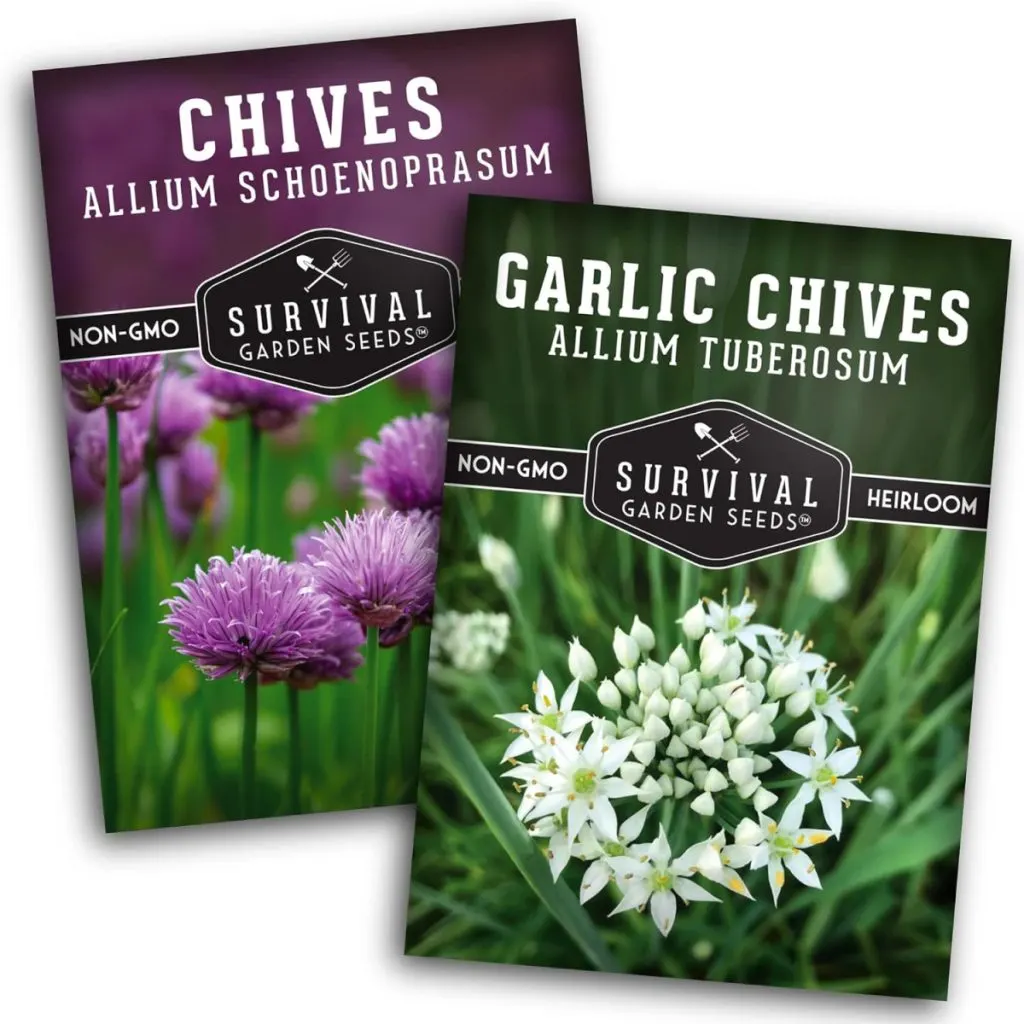
One of the best parts of growing chives indoors is how well they recover after cutting. You can trim them back regularly and they will continue to grow new shoots. Cutting actually helps encourage fresh growth. Simply use clean scissors to snip what you need, cutting about one inch above the soil line. Affiliate Link: Chive Seed Collection – Common & Garlic Chives
Oregano – Bold Flavor For Winter Comfort Foods
If you enjoy hearty winter dishes, oregano is a must-have herb on your indoor windowsill. Oregano has strong, earthy flavor and is a key part of Italian, Greek, and Mediterranean cooking. It works beautifully in tomato sauces, casseroles, pizzas, roasted vegetables, meats, and stews.
Growing oregano indoors is fairly simple. It prefers bright light, so place it near a sunny window if possible. Like basil, oregano enjoys warmth and does not like cold drafts. A light potting mix works best so the roots do not stay wet. Allow the soil to dry slightly between waterings. Oregano is more tolerant of dry soil than overly wet soil.
Trim oregano regularly to keep it shaped and encourage fresh leaf growth. The leaves have the best flavor before the stems get too woody. You can harvest small amounts as needed or cut stems and dry them for longer storage. Oregano also dries very well, allowing you to keep extra flavor on hand.


The Bright Flavor Of Parsley
Parsley is often seen as just a garnish, but it is so much more! Fresh parsley adds bright, clean, slightly peppery flavor to dishes. It balances heavy winter meals by bringing freshness and color. It works well in soups, stews, roasts, pasta, salads, sauces, and meat dishes.
Parsley is a great indoor herb because it adapts well to container growing. It prefers bright light but can tolerate medium light if needed. Soil should be kept slightly moist but never soggy. A pot with drainage holes is important, as with all herbs. Parsley grows slowly at first, but once established, it provides a steady supply of leaves.
You can choose either flat-leaf parsley or curly parsley. Flat-leaf parsley often has stronger flavor, while curly parsley has a softer taste and decorative look. Both grow well indoors. To harvest, cut stems near the base instead of only picking leaves. This encourages healthier, fuller growth.
Thyme – Small Leaves With Huge Winter Cooking Power
Thyme is another fantastic indoor herb for winter because it pairs so well with classic cold-weather foods. It has tiny leaves but powerful flavor. Thyme adds warmth, earthiness, and depth to dishes. It is also a natural fit with roasted vegetables and winter comfort foods.
Thyme loves sunlight, so place it in a bright window where it can receive several hours of light each day. It also likes well-draining soil and does not want to stay wet. Allow the soil to dry slightly before watering again. Thyme naturally grows as a small, bushy plant, making it easy to keep indoors without taking up much space. Affiliate Link: Indoor Herb Garden Starter Kit
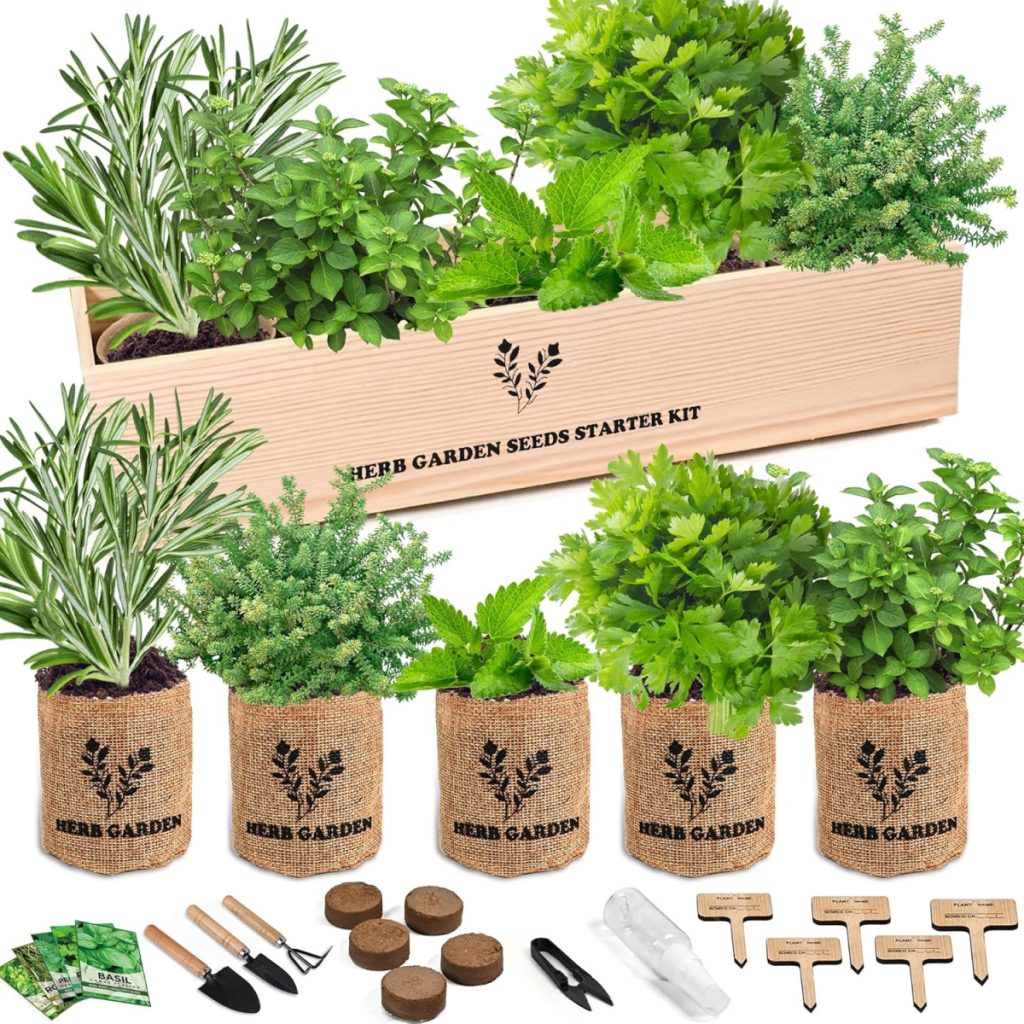

To harvest thyme, snip small stems and strip the leaves by sliding your fingers down the stem. You can use the leaves fresh or dry them for storage. Thyme holds its flavor well during cooking, so you can add it early in soups and stews. It slowly releases flavor as the dish cooks, creating a rich, layered taste.
Simple Tips For Success With Indoor Winter Herbs
To keep all of these herbs healthy during winter, there are a few helpful guidelines to follow. Light is always the most important factor. Most herbs need at least 5 to 6 hours of light each day.
A south- or west-facing window is usually best. If natural light is limited, a small grow light can make a huge difference and help your plants stay strong and productive.
Good drainage is also critical. Use regular potting soil, not garden soil, and always select containers with drainage holes. Herbs do not like sitting in water, and soggy roots can cause plants to fail. Water when the top of the soil begins to feel dry. In winter, indoor heating can dry plants faster, so check them often but avoid overwatering.
Finally, keep herbs away from cold drafts and very hot air from heating vents. Stable, comfortable room temperature is perfect for herbs to grow indoors all winter long!
This Is My Garden
Follow Our Facebook Page For Great Gardening Tips And Advice! This Is My Garden Facebook Page
This Is My Garden is a garden website created by gardeners, for gardeners. Jim and Mary Competti have been writing gardening, DIY and recipe articles and books and speaking for over 15 years from their 46 acre Ohio farm. They publish three articles every week, 52 weeks a year. Sign up today to follow via email, or follow along!