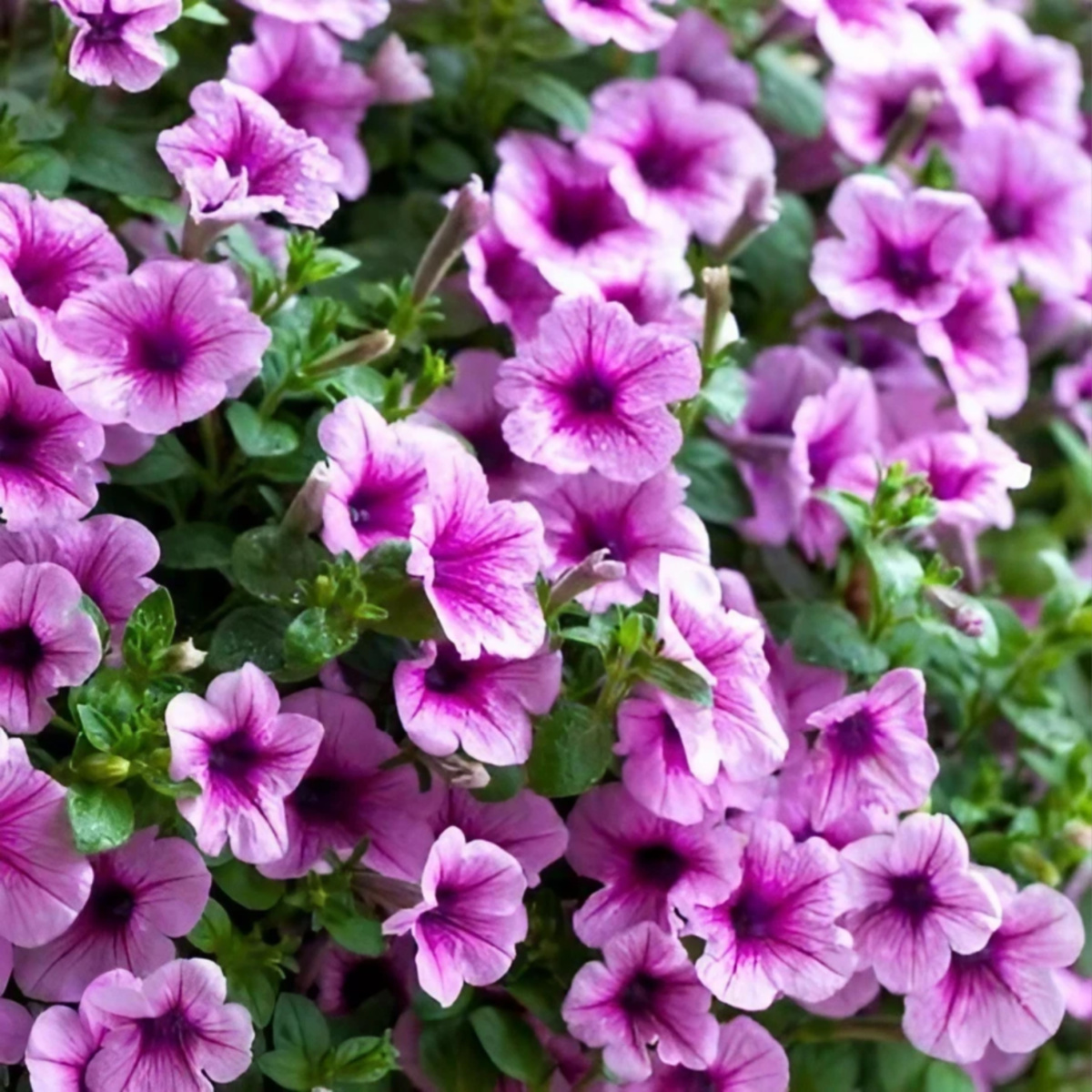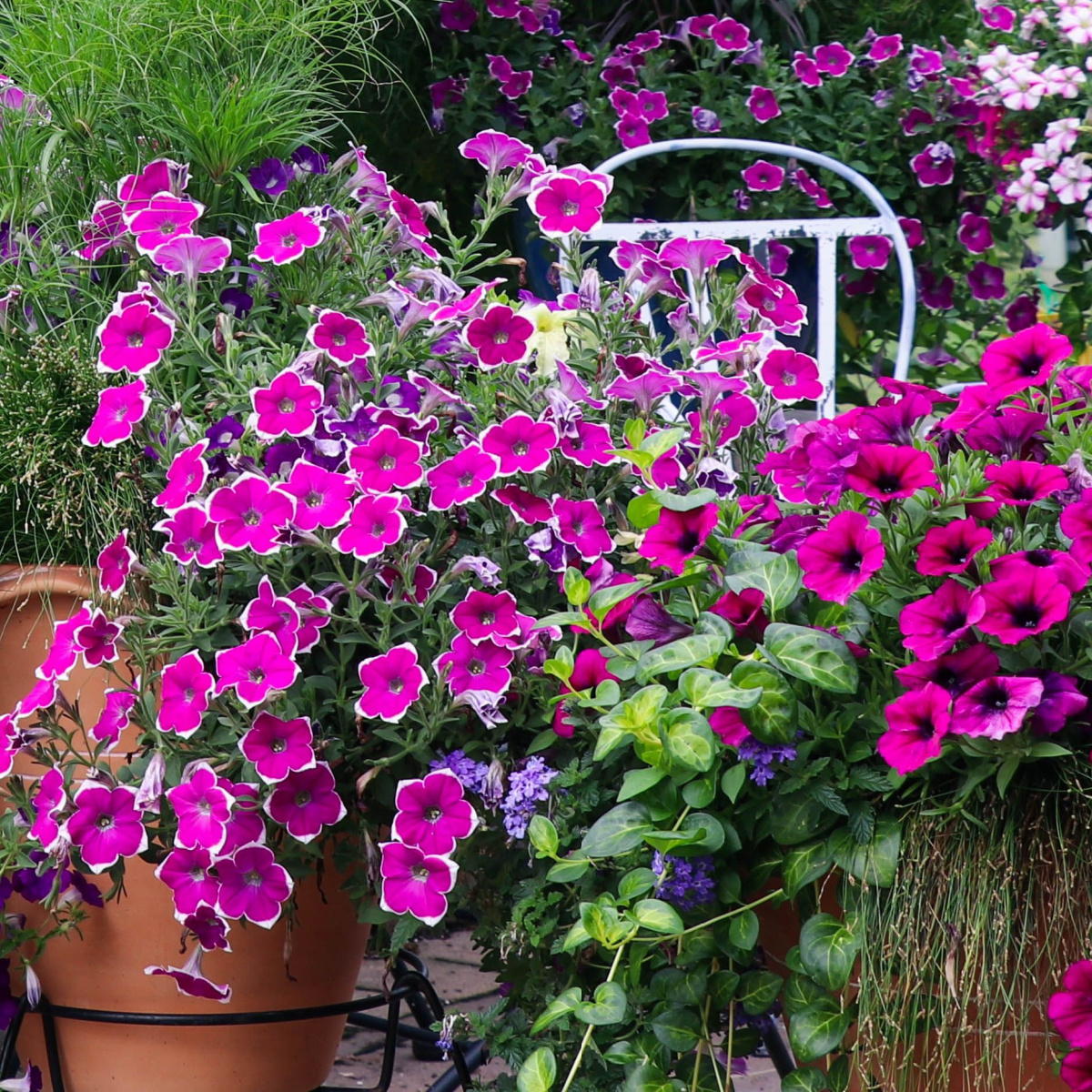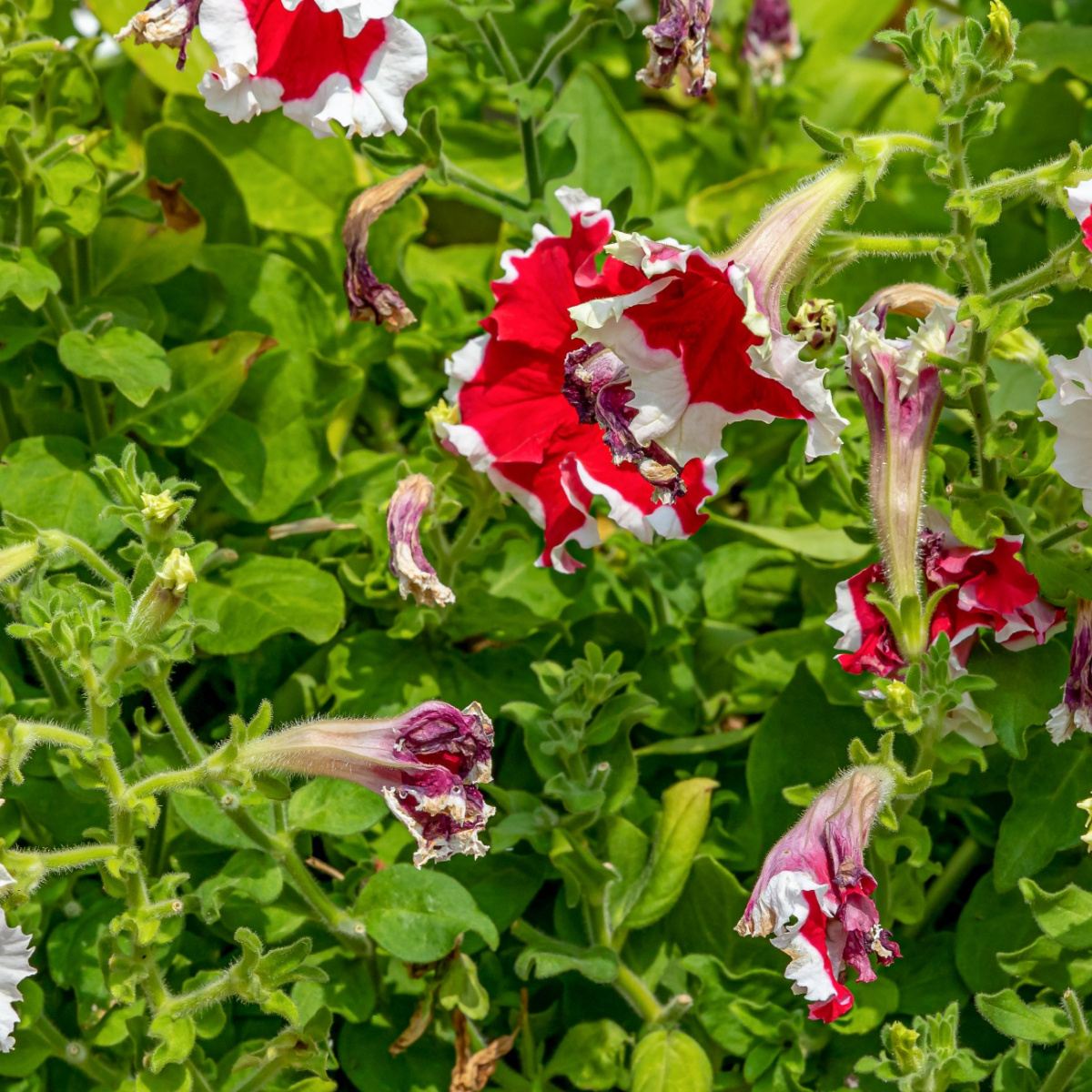
The Best Way To Fertilize Wave Petunias – How To Bring Your Wave Petunias Back To Life!
Looking for the best way to fertilize your wave petunias to get them blooming big and bright once again this summer?
With hundreds of bright, trumpet-shaped blooms, Wave petunias can create a stunning blanket of color wherever they grow. But even though fast-growing wave petunias are famous for their incredible flower power, one thing is for sure, they need regular feeding to keep producing the energy required for nonstop blooming from spring until fall.
All too often, gardeners begin to see their petunias begin to fade away by mid-summer. Not only do the amount of blooms decrease significantly, the foliage of the plant begins to dull and brown off too. And the reason more often than not is simply a lack of nutrients - and that is exactly where fertilizing can save the day!
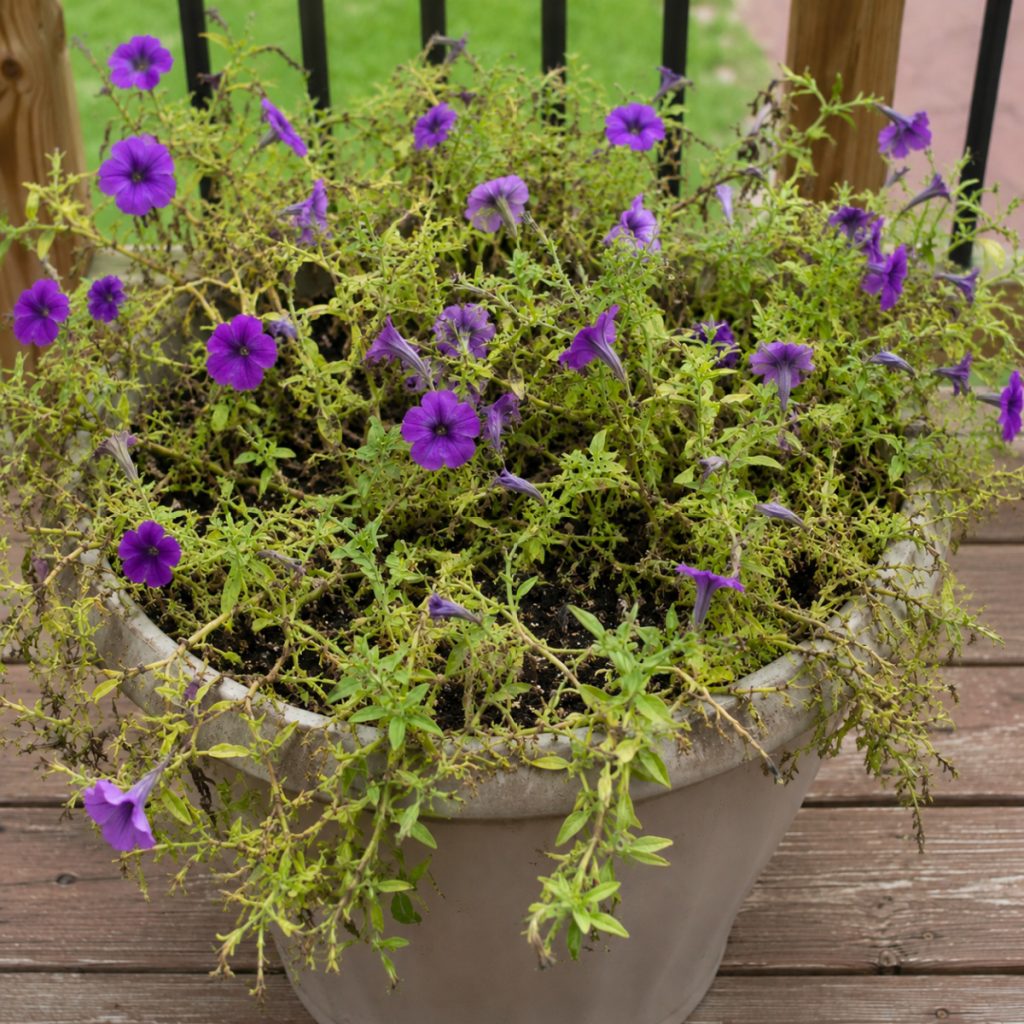
The Best Way To Fertilize Wave Petunias To Bring Them Back To Life
Fertilizing Wave petunias in just the right way and with just the right set of nutrients is the reviving struggling plants and to keep blooms coming on strong all season long.
Quite simply, fertilizing is a must when it comes to keeping Waves flowering late into summer and early fall. No matter how rich your potting soil or garden soil is, Wave petunias require a constant supply of nutrients to produce the massive amount of blooms and flowers that make them so spectacular.
The Right Way To Fertilize Petunias
To keep Wave petunias blooming strong, you should be giving them a light dose of power every seven to ten days. But take notice that the key word here is lightly! Smaller but more frequent doses are better at keeping a slow and steady supply of nutrients coming to the plant.
Unfortunately, too many nutrients or the wrong set of nutrients given all at once will cause excessive growth above and below ground. That, in turn, leads to root-bound plants that will produce tons of foliage, but very few blooms. In the end, it also leads to plants that simply die off way too early in the season.
So what are the best choices when it comes to powering your Wave petunias? For true flower power, liquid fertilizing is the best option when it comes to any annual flowering plant, including Waves. Liquid fertilizers feed plants in two unique ways – through their roots and through their foliage. This fast acting dual fertilizing is perfect when it comes to supplying the nutrients for powering blooms.

Getting The Right Nutrient Mix For Big Blooms
The type of nutrients in that liquid fertilizer matter greatly. To power bloom sets and flowers, Wave petunias need a fertilizer heavy on nitrogen and potassium – and not phosphorous.
Nitrogen is for powering growth. It can be helpful to keep your petunias green and healthy. Potassium is key for Waves to set blooms and power flowers. And the more they get of each, the more blooms your Wave petunias will produce.
Because of this, you should be feeding your plants a liquid fertilizer that has double to triple the amount of nitorgen and potassium. Affiliate Product Link: Jack's Classic 20-6-22 Petunia Feed Water-Soluble Fertilizer
Feed Lightly But More Often When You Fertilize Wave Petunias
Feeding Wave petunias consistently is vital to keep the flowering process going. By fertilizing every 7 to 10 days, your plants always have the nutrients they need at hand.
In order to feed this way and this often, you need to dilute the liquid fertilizer to half strength. This will prevent the plant from getting too many nutrients all at once. Remember that steady and slow is the recipe for long lasting flower power!
One final little fertilizing secret that can really help your petunias is to also give them a monthly dose of worm castings on top of the soil. This is especially true for Wave’s growing in hanging baskets or containers. Worm castings give wave petunias a base of slow feeding nutrients that keep the foliage green and allow the plant to absorb more water and nutrients from the liquid fertilizer feeding. See: Why You Need To Use Worm Castings – The Miracle Fertilizer For Gardens, Flowerbeds & More!
To feed, simply add a half cup of worm castings to the top of the plant each month. Just sprinkle it around the soil base to help deliver extra key trace nutrients every time you water as the power in the worm castings leach to the plant’s roots. Affiliate Link: 100% Pure Worm Castings
Water & Sunlight – The Final Secrets To Success
The amount of water and sunlight your wave petunias are the final 2 secrets to success to keep them growing strong and blooming big.
Petunias, especially those in containers and baskets, require frequent water to both survive and thrive. But the key is only watering plants when the moisture level is just beginning to fade. Too much water for a wave petunia can lead to soggy roots and a weak plant.
If your plant’s foliage begins to turn yellow, it is usually a sure sign that the plant’s roots are most likely waterlogged and you are watering too often. On the other hand, if the foliage is dry and curling, it most likely needs hydrated.
Before watering, place your finger down into the soil to a depth of at least an inch. If dirt is still sticking to your finger, then moisture is still present and watering is not needed
One of the best and easiest ways to test soil moisture is with an inexpensive soil probe. It can tell you in an instant if plants require watering at the root level. Product link : Long Probe Deep Use Soil Moisture Meter
Sunlight Matters!
Although Wave petunias will tolerate a bit of shade, they prefer full sun. In fact, the more sun they get, the more your petunias will bloom.
For maximizing bloom potential, Wave petunias need to get at least 8 hours of full sun each day. This allows the plant to use the process of photosynthesis, turning sunlight into instant energy. The good news is that Wave petunias can handle the heat. With that in mind, they are perfect for placing in wide open areas that get bright, hot mid-day sun.
For many plants, mid-day sun can spell disaster. But with the Wave’s high tolerance for both heat and humidity, it’s a great fit. Although morning and evening sun are good too, make sure your plants are in a location where they at least receive a portion of the mid-day sunlight.
One thing you won’t have to do for your Wave petunias is deadhead them. Unlike traditional petunias, they don’t require constant deadheading or pinching back of their spent blooms to keep on producing. And they also happen to be extremely resistant to pests and disease as well!
Here is to finding the best way to fertilize your Wave petunias to perfection this year – and to long lasting blooms!
This Is My Garden
Follow Our Facebook Page For Great Gardening Tips And Advice! This Is My Garden Facebook Page
This Is My Garden is a garden website created by gardeners, for gardeners. Jim and Mary Competti have been writing gardening, DIY and recipe articles and books and speaking for over 15 years from their 46 acre Ohio farm. They publish three articles every week, 52 weeks a year. Sign up today to follow via email, or follow along!