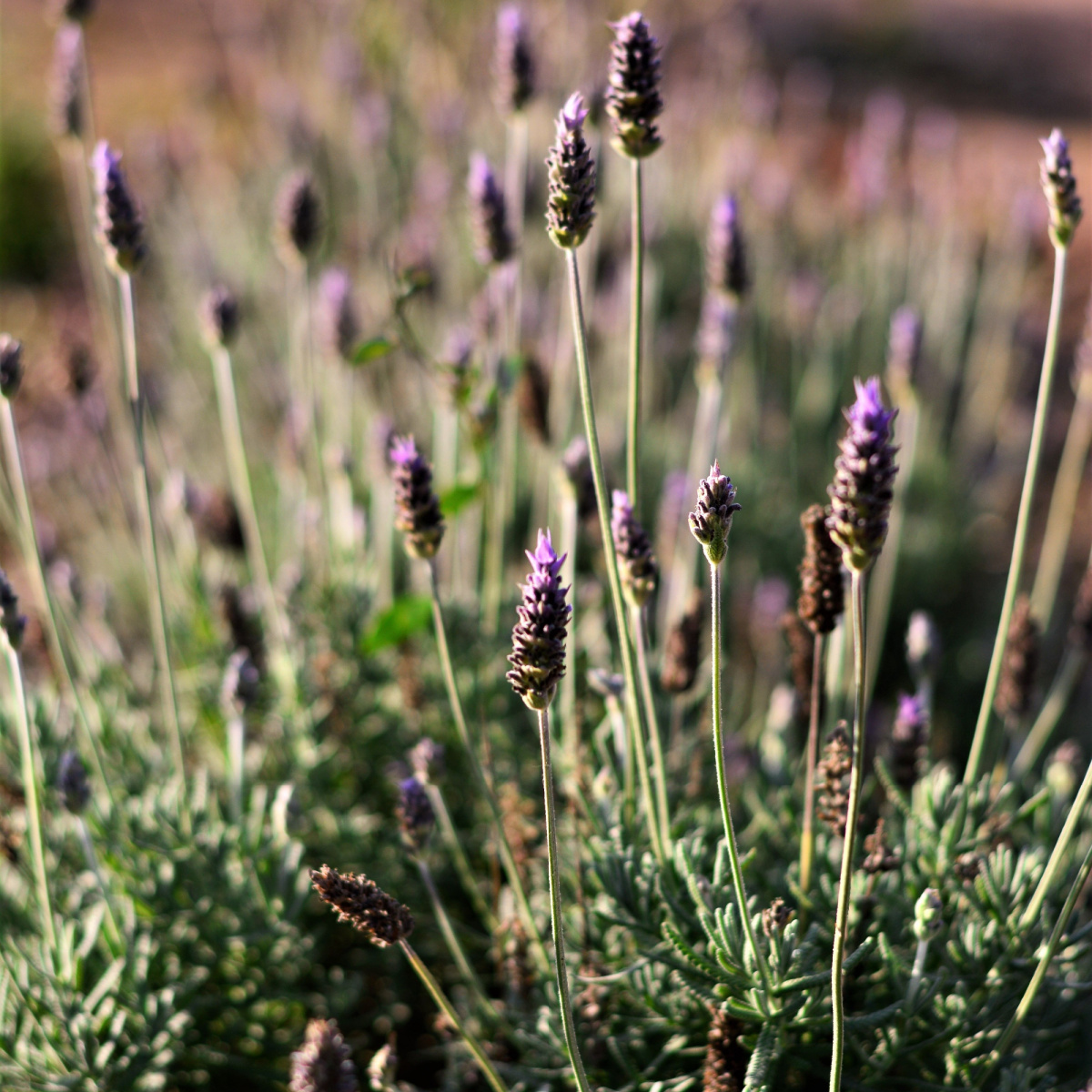
What To Do To Lavender After It Blooms To Make It Bloom Again!
Wondering what to do to your lavender after it blooms to make it bloom again this summer? One of the best things about growing lavender is that with a little timely care after it flowers, you can often enjoy a second round of beautiful blooms before the growing season comes to an end.
Lavender typically begins blooming anywhere from May through the middle of June, depending on your climate. Its tall spikes of fragrant purple flowers not only fill the landscape with vibrant color, but also release the unmistakable scent that makes the plant such a favorite in gardens everywhere.
The first flush of blooms usually lasts three to four weeks before the flowers begin to fade. When that happens, it's the perfect time to give your plants a little attention. By taking a few simple steps as the blooms finish, you can encourage lavender to flower again later in the season—and in ideal growing conditions, you might even be rewarded with a third round of blooms.
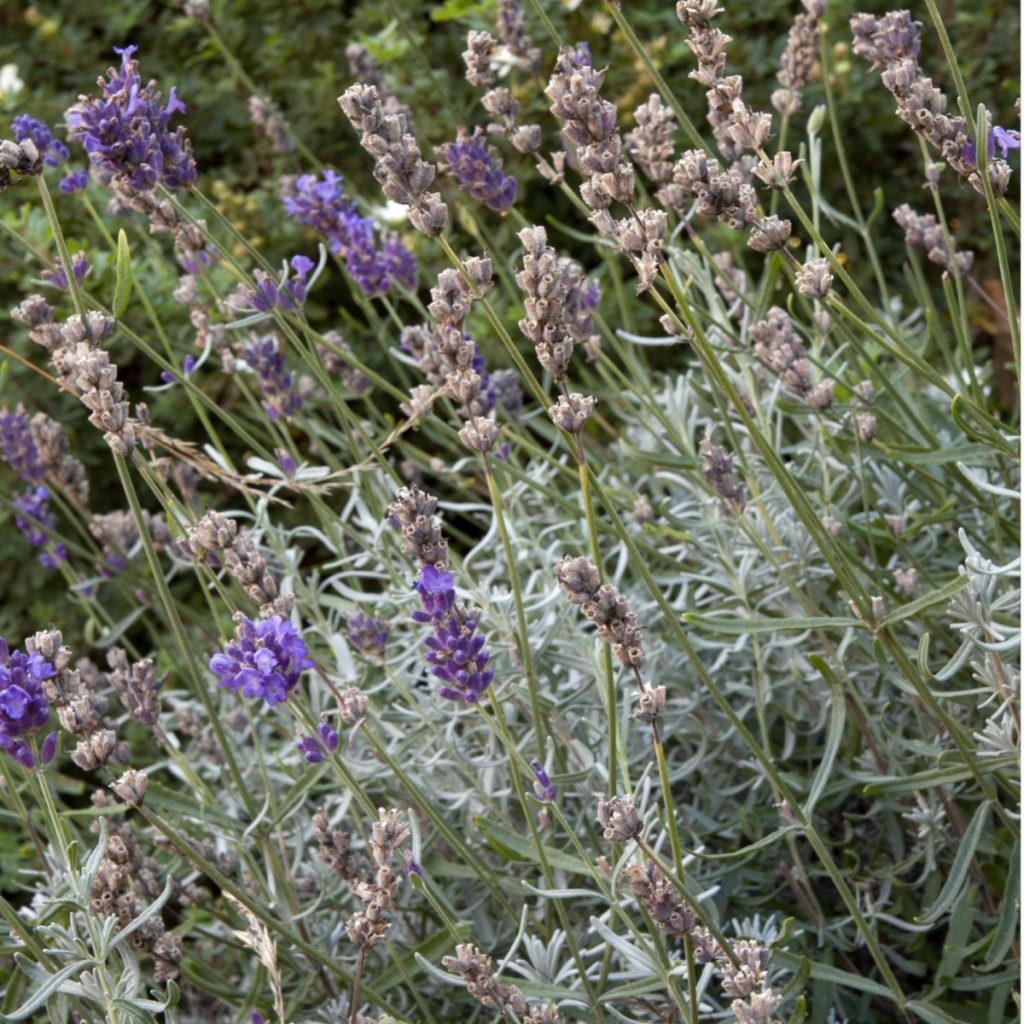
What To Do To Lavender After It Blooms
Getting Lavender To Bloom Again
The key with getting lavender to bloom one or two more times in a single growing season all comes down to two important factors.
The first is the age of the plant. As long as lavender plants are between one and five years of age, they will have little issue blooming multiple times in a season. As lavender starts to age, it also begins to get a bit more woody. And when that occurs, multiple bloom sets can be a bit harder to come by without major pruning or division. We will cover that issue a little later in the article.
The second biggest factor in getting multiple blooms is how quickly the old blooms are removed from the plant. Deadheading, which is the practice of removing or shearing off old blooms, is one of the biggest keys of all in getting your lavender to rebloom.
The simple fact of the matter is that once lavender blooms start to fade, the longer those old blooms stay on the plant, the more energy they take from it. Unfortunately, even though no amount of nutrients can heal dying blooms, the plant will still send energy to try to heal them.
That is exactly why deadheading as soon as your lavender blooms pass the “pretty” stage is vital to re-blooming.

How To Prune Lavender After It Blooms To Make It Bloom Again
How you deadhead or prune your lavender back all depends on its size. Very young lavender plants usually have a very small but tight set of blooms.
To remove, simply snip below the bloom stems back to the first set of healthy leaves. These are usually quite easy to remove with a pair of garden scissors or light pruning shears. Affiliate Product Link: 3 Pack Garden Pruning Shears, Stainless Steel Garden Shears
For more mature lavender plants with a lot of blooms covering a large surface area – pruning with gardens scissors or pruners can be a time intensive process. For these larger plants, it’s usually easier and faster to use a sharp pair of hedge shears.
Simply cut off below the canopy of blooms to healthy leaves. Do not cut the bush back far, just snip off below the bloom lines to shape the plant. This will instantly stop the drain of resources the plant is using on old blooms. Instead, it will start preparing to set new blooms.
Watering & Fertilizing
Here is the great news when trying to get lavender to bloom again – deadheading is not only the most important chore – it’s really the only important chore!
Why? Because unlike many other flowering perennial plants, lavender does not need to be fertilized after it blooms to get it to bloom again. In fact, fertilizing your plants actually will give it less chance to flower for a second time.
Listen To Our Latest Podcast Below!

Lavender simply doesn’t require nutrient dense soil to perform. And when it gets too many nutrients, it actually will shut down the process of creating new blooms.
Even better, lavender also happens to be highly drought tolerant. And because of that it, it prefers drier soil to frequent waterings. Much in the same way that too many nutrients can cause lavender to stop blooming, so can too much water.
Only water lavender plants if you are experiencing extreme drought like conditions. If and when you do have to water, water fairly lightly and allow the soil to completely dry out before watering again. Again, less is more when it comes to water for lavender.
One thing you can do for your plants is to make sure they are getting adequate sunlight. Lavender needs at least six hours of full sunlight to bloom best. That is why when planting in beds, always plant in the sunniest locations of your landscape. And if growing in pots – place them in a full sun area that gets at least 6 hours of direct sunlight.
Bring Older Lavender Plants Back To Life
So what can you do with older lavender plants to help bring them back to life? Unfortunately, lavender plants become quite woody and overgrown as they start to age past five to six years.
As the stems grow longer and longer, they also start to split. When this occurs, it can severely impact its blooming ability. The only way to help the plant at this point is with major pruning. This is best done in early to late fall for mature lavender plants. See: How To Care For Lavender Plants In The Fall – Preparing Lavender For Winter!
With major pruning, it’s best to cut back the plant to within 2 to 3 inches above where the stems are woody. If the plant is completely out of control, you can cut back more. It will take a bit more time to recover for blooming, but sometimes it’s the only option to gain back control.
Here is to knowing what to do with lavender after it blooms - and to helping your plants bloom again this summer!
This Is My Garden
Follow Our Facebook Page For Great Gardening Tips And Advice! This Is My Garden Facebook Page
This Is My Garden is a garden website created by gardeners, for gardeners. Jim and Mary Competti have been writing gardening, DIY and recipe articles and books and speaking for over 15 years from their 46 acre Ohio farm. They publish three articles every week, 52 weeks a year. Sign up today to follow via email, or follow along!