Why Tomatoes Split As They Ripen - And How To Stop It From Happening This Summer!
Tired of watching your tomatoes split and crack as they ripen on your plants?
There is nothing more frustrating than watching a beautiful crop of tomatoes begin to ripen - only to suddenly see them crack and split on the vine. Not only does it make the fruit look less appealing, it can also damage and even ruin an otherwise perfect tomato.
Once a tomato splits, its tender flesh is exposed and begins losing moisture and flavor. Even worse, the open cracks can quickly attract insects and other pests - and leave the fruit more vulnerable to rot and decay.
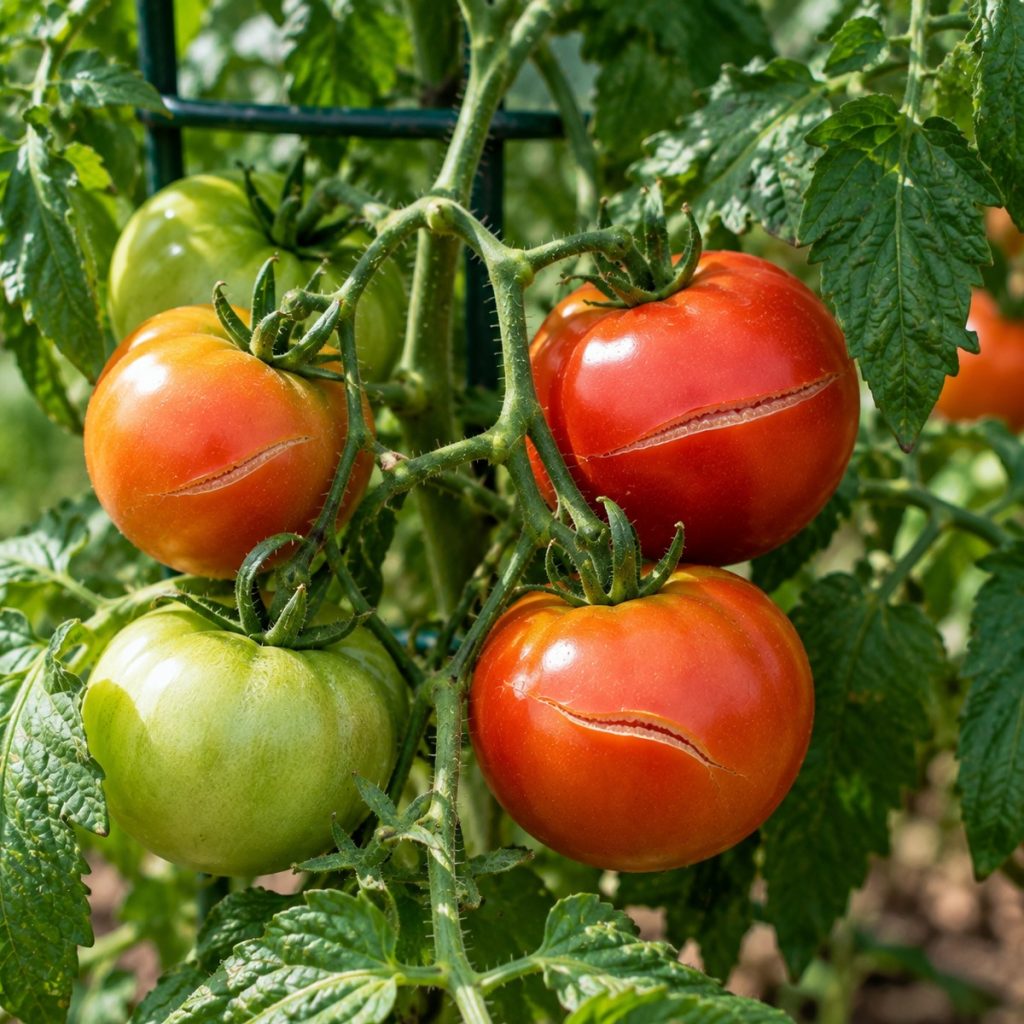
Why Tomatoes Split & Crack
So what causes tomatoes to crack and split? Contrary to popular belief, it has nothing to do with a lack of nutrients in the soil. In fact, applying more fertilizer and nutrients will not help them stop cracking in the least. Cracking and splitting is also not the result of a pest or disease issue.
Instead, the issue is a direct result of large swings or fluctuations in the moisture a tomato plant receives. As in plants getting too much water all at once – or far too little over an extended period of time.
Although you certainly can’t control what nature brings to your tomato crop in the form of rain or drought, there are a few simple tips that can go a long way in helping to prevent moisture issues from blistering and ruining your tomato crop. And as you will see below, the real key to success is to jump into action as soon as you see the first signs of your tomatoes starting to blister!
How To Stop Tomatoes From Splitting & Cracking
Without a doubt, how and when you water your plants is one of the biggest factors in keeping them safe from blistering.
When it comes to proper moisture for tomato plants, on average, a plant should receive between 1 to 1.25 inches of rain per week. That is enough water to keep the roots of your plants moist, allowing them to easily absorb the moisture and nutrients they need.
So how do you know if your plants need water? The best way is to check the soil down about three to four inches in depth. To do this, you can use a wooden skewer or an inexpensive soil moisture meter.

If the skewer comes up with a bit of soil sticking to it, it is a good indication that there is still moisture around the roots. The moisture meter, of course, is far more accurate. It can give you an instant reading of exactly how much moisture is right at the root level. Affiliate Product Link: Soil Moisture Meter Probe
The moisture level around the roots of tomato plants should be somewhere between 40% and 70%. Any more or less for an extended time can lead to a tomato starting to split or crack. So what is the best way to water your plants to make sure you give them exactly what they need? It all starts by watering less often – but deeper into the soil!
The Best Way To Water Tomatoes
One of the biggest mistakes gardeners often make it to water their plants too often and too shallow. Watering just a little every day may keep the plants supplied with water, but it causes long term issues for the plant.
Shallow watering keeps the roots of tomato plants near the surface. When that happens, it leaves them more vulnerable to drying out too quick, or becoming overly soggy when too much rain occurs.
When watering, water deep. Allow enough water to get down farther into the soil to develop strong, deep roots. This is also one more reason to plant your tomatoes deep in the soil. The deeper you plant, the more roots develop down in the soil where they are less vulnerable to watering issues.
Listen In To Our Latest Podcast

The Importance Of Mulching Your Tomato Plants
One of the best ways to help your watering efforts is by always mulching your tomato plants. A thick layer of organic mulch (straw, grass clippings, etc.) will do wonders for your tomato plants. Especially when it comes to making sure your tomatoes don't split or crack.
Mulch helps to regulate the soil temperature and moisture levels. It keeps the soil from drying out too fast, which is excellent during drought-like conditions. But it also helps shed away excess water during hard storms or heavy rains.
With a more balanced soil temperature and moisture level, the plants do not suffer the stress that can lead to the fruit blistering.
So how much mulch is enough? It’s best to apply at least 4 inches around the plant, making sure to mulch wide enough enough to cover the root zone. Not only will it help to keep them from splitting, it will also keep away competing weeds too!
Pick Early & Often
Last but not least, always, always, always pick your tomatoes early off of your plants! Picking tomatoes when they first start to turn and letting them ripen off the vine is a great way to prevent cracking. And no – it will not affect the flavor or taste. In fact, it can often improve it! See: How To Get Your Tomatoes To Ripen Faster – 4 Simple Secrets To Speed Up Ripening!
Once tomatoes slightly start to turn from the unripe, solid green stage, the ripening process has begun. And once this happens, they do not need to stay on the plant to complete the ripening process.
The good news is that once you take them off the plant – the stress of moisture or heat is gone. And as long as you ripen them in a cooler place out of the sun, you will never have to worry about whether or not your tomatoes are going to split or crack.
This Is My Garden
Follow Our Facebook Page For Great Gardening Tips And Advice! This Is My Garden Facebook Page
This Is My Garden is a garden website created by gardeners, for gardeners. Jim and Mary Competti have been writing gardening, DIY and recipe articles and books and speaking for over 15 years from their 46 acre Ohio farm. They publish three articles every week, 52 weeks a year. Sign up today to follow via email, or follow along!

More Vegetable Garden
- The Biggest Fall Vegetable Garden Mistake - What Not To Do In Your Garden This Fall!
- How To Plant Garlic In Fall – 5 Secrets To Growing Big, Healthy Bulbs!
- Why You Need To Plant A Cover Crop In Your Garden This Fall – Stop Weeds & Build Better Soil!
- How To Save Vegetable Seeds In Late Summer – Grow Next Year’s Garden For Free!