Why Fall Is The Perfect Time To Get Rid Of Stubborn Weeds Like Thistles, Chickweed, Dandelions & More!
Want to finally get rid of stubborn weeds like thistles, dandelions and chickweed that keep coming back in your lawn, flowerbeds, and landscape? Believe it or not, autumn is one of the best times of all to tackle these tough weeds – and keep them from returning next spring!
When most gardeners think about weed control, they usually think about spring and summer. After all, that's when weeds seem to grow everywhere, popping up in lawns, taking over flowerbeds, and competing with vegetables and flowers for valuable nutrients and moisture.
But here's the problem. By the time spring arrives, many perennial weeds are already growing strong. Their roots have survived the winter, and they are ready to send up new growth as soon as temperatures warm.
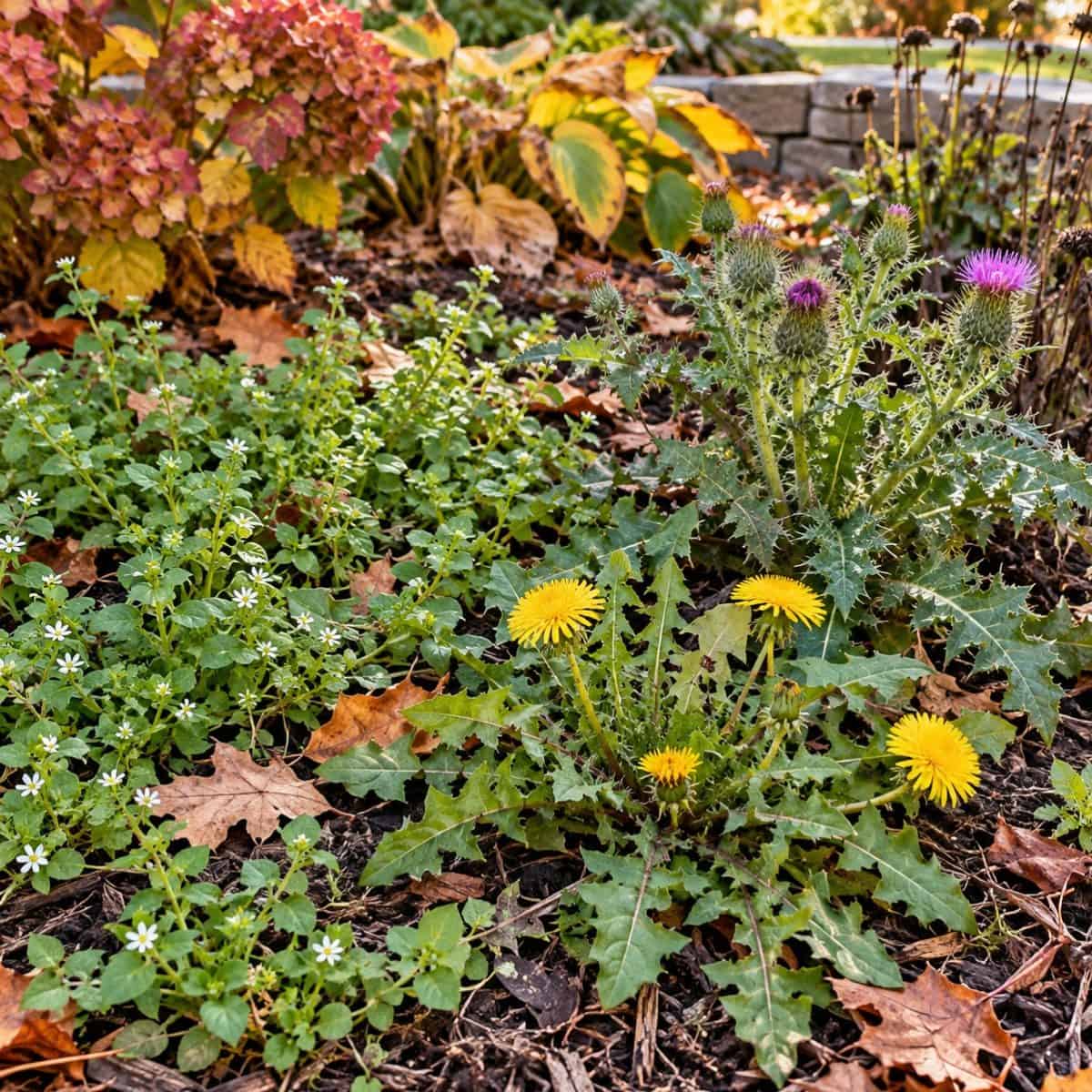
The good news? You don't have to wait until spring to fight back. In fact, fall offers a unique opportunity to weaken and eliminate many of the toughest perennial weeds. And with a few simple steps now, you can make a huge difference in how many weeds you have to deal with next year!
Why Fall Is Such A Great Time To Get Rid Of Stubborn Weeds
Get Weeds While They Are Vulnerable
One of the biggest reasons autumn is so effective for controlling perennial weeds is what happens beneath the soil as temperatures begin to cool.
During spring and summer, plants use much of their energy to produce new leaves, stems, and flowers. But as fall arrives and daylight hours shorten, many perennial plants begin shifting their energy toward their roots.
This includes some of the most troublesome weeds around, such as dandelions, Canada thistle, broadleaf plantain, and field bindweed.
As these weeds prepare for winter, they move sugars and other stored energy into their roots. This helps them survive freezing temperatures and return the following spring.
Unfortunately for the weeds, this also makes autumn an excellent time to attack their root systems. Whether you are removing weeds by hand or using an appropriate systemic weed treatment, targeting them while they are actively preparing for dormancy can be especially effective.
And there's another big advantage to fall weed control. With cooler temperatures and more consistent soil moisture, the ground is often easier to work. That makes removing deep-rooted weeds much less difficult than trying to dig them out of hard, dry summer soil.
How To Get Rid Of Thistles In Autumn
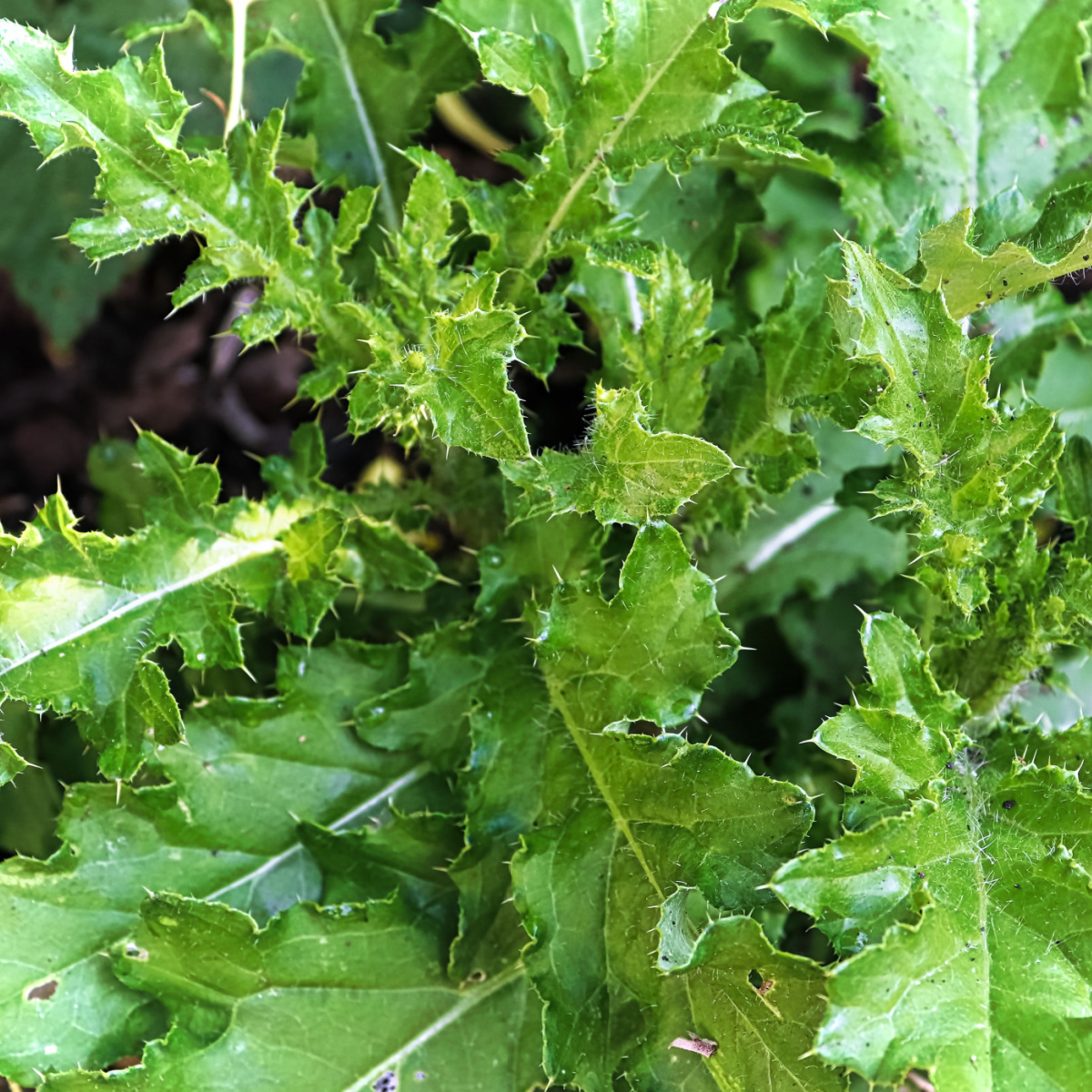
Thistles are at the top of the list of stubborn weeds that are hard to get rid of. Their sharp, prickly leaves make them unpleasant to handle, and some varieties have extensive root systems that allow them to return year after year. But not all thistles grow the same way.
Bull thistle, for example, is a biennial weed that usually grows as a low rosette during its first year before producing tall flowering stems during its second year.
Canada thistle, on the other hand, is a perennial weed that spreads through an extensive network of underground roots. These roots can produce new shoots several feet away from the original plant.

For bull thistle and other rosette-forming thistles, fall is an excellent time to dig out young plants before they have a chance to flower and produce seeds the following year.
Use a sharp spade to cut below the crown of the plant, removing the growing point along with the upper portion of the root. Be sure to wear thick gloves to protect your hands from the sharp spines.
Getting Rid Of Canadian Thistle
Canada thistle requires a different approach. Because its underground root system is so extensive, simply pulling or digging out a single stem rarely eliminates the entire plant.
For small patches, repeated cutting or removal of new shoots can gradually weaken the root system. The key is persistence. Every time the plant produces new leaves, it begins replenishing its energy reserves.
To get rid of stubborn weeds, you can also spray the roots and leaves with horticultural vinegar.
Removing that growth repeatedly forces the roots to use more stored energy to produce additional shoots. Over time, this can weaken the plant significantly. Meanwhile, strong vinegar kills off the roots as it spreads through them. See: A Simple Way To Get Rid Of Thistles In Flowerbeds & Gardens With Vinegar.
Getting Rid Of Dandelions In The Fall
Dandelions are among the most common perennial weeds in lawns and flowerbeds. Although their bright yellow flowers can look attractive, they can quickly spread throughout a lawn and become difficult to control.
The biggest problem with dandelions is their long, thick taproot. These roots can extend many inches into the soil, allowing the plant to survive drought, freezing temperatures, and even repeated mowing.
Simply cutting off the leaves or mowing down the flowers won't eliminate the plant. As long as enough of the root remains alive, the dandelion can regrow.
But autumn is a great time to remove dandelions because their roots are actively storing energy for winter. In addition, their broad leaves often remain green and easy to spot even as surrounding vegetation begins to fade.
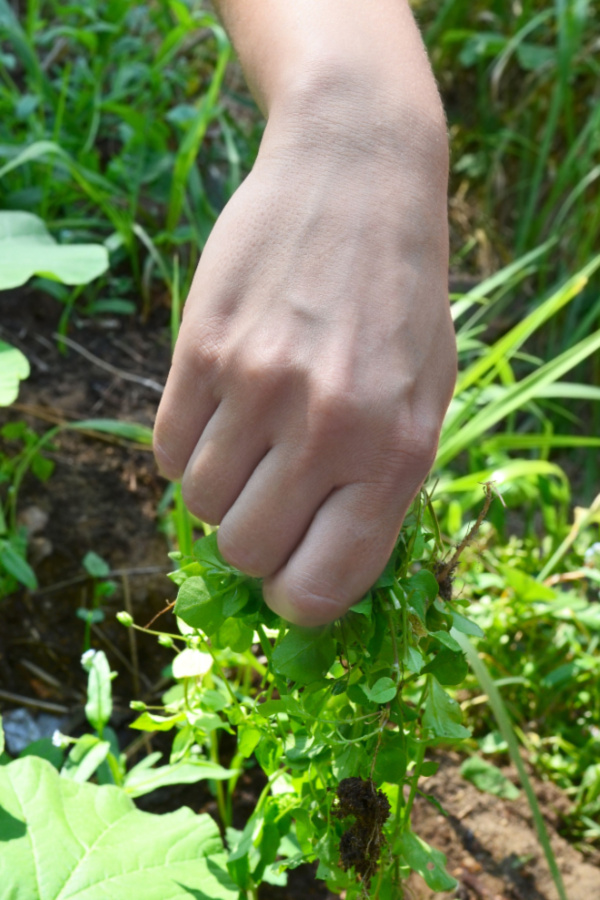
For small infestations, one of the best ways to eliminate dandelions is with a long, narrow weeding tool. Insert the tool beside the root, loosen the surrounding soil, and gently lift the plant out.
Try to remove as much of the taproot as possible. Although tiny root fragments don't always produce new plants, leaving a substantial portion of the root behind can allow the dandelion to return. Dandelions can also be spot treated with industrial vinegar to help finish them off. Affiliate Link: 45% Pure Vinegar - Concentrated Industrial Grade (1-Gallon)
How To Get Rid Of Other Stubborn Weeds In The Fall
Dandelions and thistles aren't the only weeds that can be controlled effectively during autumn.
Broadleaf plantain is another common perennial weed that thrives in compacted lawns and disturbed soil. Its low-growing leaves form a thick rosette, often crowding out surrounding grass.
Fortunately, plantain has a relatively compact crown and root system compared to some other perennial weeds. In moist fall soil, individual plants can often be removed with a hand weeding tool.
Field bindweed is another troublesome perennial, but it is much more difficult to eliminate. Its deep roots and spreading underground system allow it to return even after the visible vines have been removed.
For bindweed, repeated removal of new shoots is important. Removing the vines once won't eliminate an established root system, but consistently preventing new growth can help exhaust its reserves over time.
Fall is also a good time to remove perennial weeds such as curly dock and common burdock. Young plants are often easier to dig than older, well-established ones.
The important thing is to identify which weeds you're dealing with. Some can be eliminated with a single thorough digging, while others require repeated attention to prevent their roots from producing new growth.
Don't Forget To Cover Bare Soil After Removing Weeds!
One of the biggest mistakes gardeners make when trying to get rid of stubborn weeds in the fall is leaving the newly exposed soil bare.
Although eliminating mature weeds is an important first step, open soil creates an ideal place for new weed seeds to germinate. And unfortunately, many weed seeds can survive in the soil for years, waiting for the right conditions to sprout.
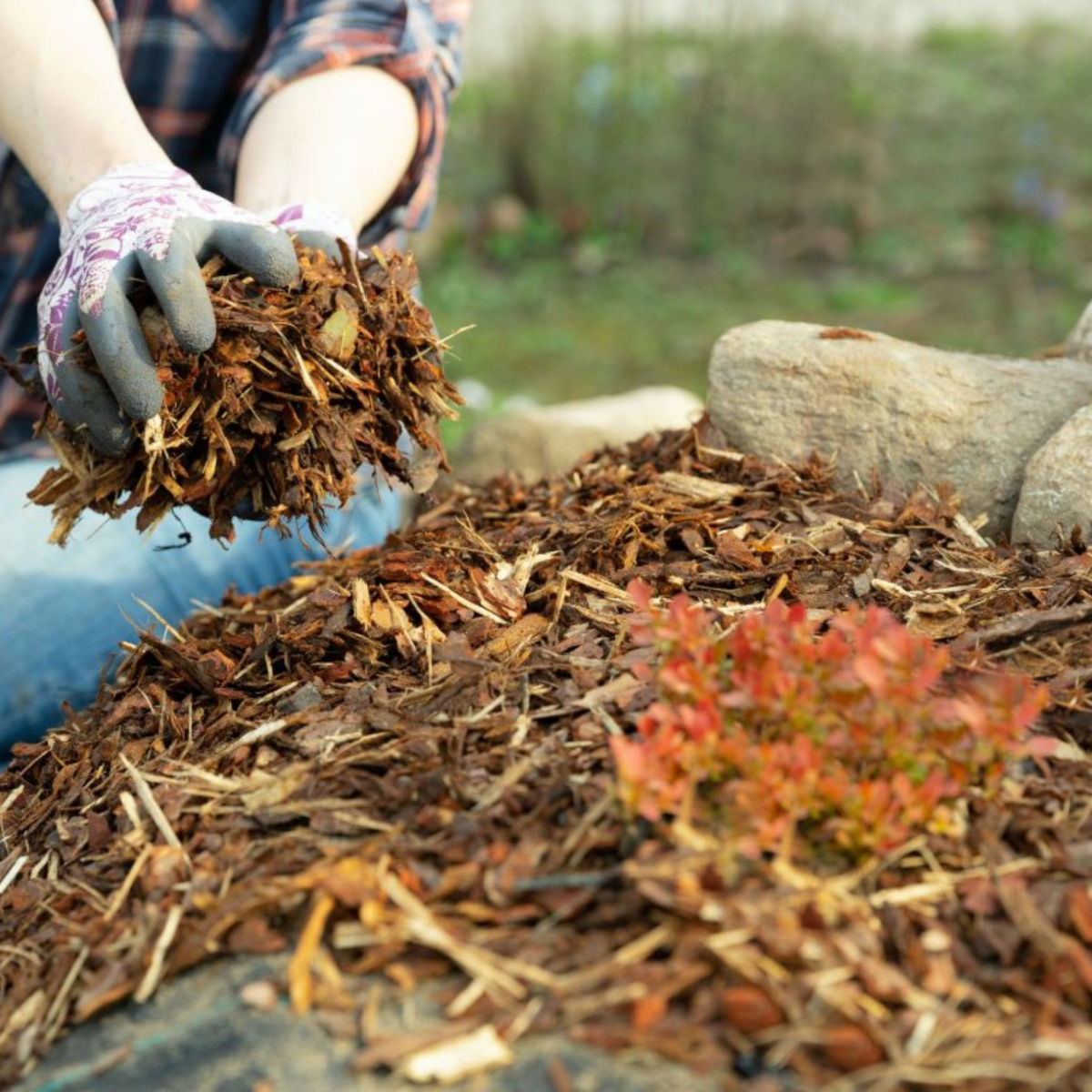
In flowerbeds, one of the easiest ways to prevent new weeds is to cover exposed soil with three to four inches of shredded leaves, bark mulch, or another organic mulch.
Mulch helps block sunlight from reaching weed seeds, reducing their ability to germinate. It also helps protect the soil from erosion and temperature fluctuations during winter.
For lawns, reseeding bare patches is an excellent way to prevent future weed problems. Thick, healthy turf leaves fewer open spaces for weeds to establish. Here is to getting rid of stubborn weeds once and for all this fall!
This Is My Garden
Follow Our Facebook Page For Great Gardening Tips And Advice! This Is My Garden Facebook Page
This Is My Garden is a garden website created by gardeners, for gardeners. Jim and Mary Competti have been writing gardening, DIY and recipe articles and books and speaking for over 15 years from their 46 acre Ohio farm. They publish three articles every week, 52 weeks a year. Sign up today to follow via email, or follow along!