Everything you need to know about fertilizing – all in one page! From making your own organic compost tea, to using worm castings, compost and more – here are all of our best articles on using fertilizers effectively in your gardens, flowerbeds and landscapes.
Fertilizing
Fertilizer
When you use worm castings on annuals, vegetables, potted plants, hanging baskets and perennials – good things happen!
Worm castings have become a popular choice for home gardeners looking for an all natural solution to fertilizing. And with good reason, they work incredibly well!
Not only are they 100 percent organic, they also contain the perfect balance of nutrients to power plants. Even better, they also improve your soil while powering your plants.

Every time you mix worm castings into your soil, its overall structure improves. Worm castings help in keeping soil loose, all while improving drainage and holding moisture where it is needed most – right around the roots.
Here is a look at just exactly what worm castings are, and how you can use them to power the plants in your landscape with ease.
How To Use Worm Castings To Grow Better!
What Are Worm Castings?
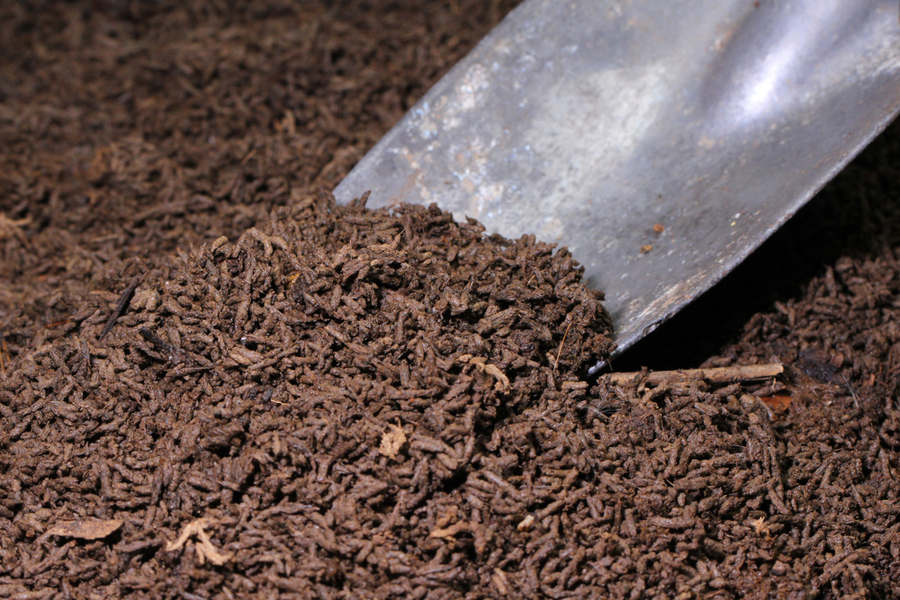
Worm castings (vermicast) is a glamorous name for worm manure. As worms work through soil, they chew through all types of organic material.
As they do, the bits of organic material break down as they make their way through the digestive system of the worms. The end result is worm castings. And it is one of the most magical, rich and pure forms of manure that can be found!
Much like the manures of chicken, rabbit and other animals, worm castings are loaded with nutrients. Nutrients like calcium, nitrogen, magnesium, potassium and phosphorus.

As the castings break down, they release the minerals to recharge the soil and power plants. But all manures are not the same. And what makes worm castings more impressive than other manure choices is that they are much more stable and balanced.
Worm Castings vs. Animal Manure
Animal manure has long been used to recharge soil and power plants. And it certainly has many advantages when using it in gardens and flowerbeds. But you have to be careful. Especially when it is fresh!
If you were to put fresh chicken manure on a tomato plant, it would burn and kill the plant. Manure needs to be aged, diluted or composted before it can be used as a fertilizer. It is simply too “hot” with nutrients at the fresh stage.
But not the manure of worms. In fact, worm castings are not “hot” at all. And they can be used immediately, without any danger to the plants.
Check out our Podcast on Worm Castings!
Even better, they slowly release their nutrients over time, and not in one big dose. And when it comes to growing plants, low and slow is the absolute best way to go!
Although you can create homemade worm castings by having your own worms and worm bin, most opt to purchase their castings. But when selecting, always be sure to buy castings that are rated as 100% castings.
With the increase in popularity, many companies are now making castings with more filler than castings. Although it still provides some power, it can’t compare to the 100 percent castings. Product Link : 100% Worm Castings

How And Where To Use Worm Castings
Castings can be used in a myriad of ways throughout the landscape – both as a dry additive, or in a liquid form known as worm casting tea. Here is a quick breakdown of where and how to use both to help power your plants:
Vegetable Plants & Annual Flowers
When transplanting vegetable plants and flowers , set your plants up for power by adding a quarter cup of castings in every planting hole. Worm castings are the perfect slow-release fertilizer to get young transplants off to thriving start.

Hanging Baskets / Containers
You can use castings to power container plants and hanging baskets in several ways. When planting your own pots and containers, mix 1 cup of castings for every 4 cups of potting soil to make an incredibly rich growing soil.
For purchased plants, add a quarter to a half cup of castings to the top of the soil in the container or basket. Every time you water or it rains on the plants, the castings will leach their power into the roots. You can reapply the castings to the soil every month to plants to keep the power going.
Perennials
When planting perennials, mix a half cup of castings into the planting hole. Finish with another half cup on top of the soil to provide leaching nutrients for the plant as it adjusts into its new environment. This can help greatly with avoiding transplant shock for plants.
Seeds & Seedlings
To power seedlings when planting in the garden or flowerbeds, fill your planting hole or trench with a half inch of castings around the seed. It will help to hold moisture around the seeds and aids in faster sprouting. In addition, as the seedling grows, it can draw nutrients from the castings.
Starting Seeds Indoors
When starting seeds indoors, mix 1 cup of castings with 1 cup of potting or seed starting soil to fill your seed trays. The resulting soil mix will not only aid in germination, but in growing healthier transplants.
Worm Casting Tea
Soaking worm castings in water also creates an amazing liquid fertilizer. The liquid can then be applied to the foliage and soil around plants for a more “instant” power source.

Much like compost tea, worm casting tea is perfect for using on hanging basket and container plants to keep them blooming strong. It also can help young vegetable plants power up quickly too. In fact, it’s hard to find a plant that can’t benefit from a little worm casting tea!
To make, mix one-half to one cup of castings with 1 gallon of water. Let it soak for 24 hours, and then use to fertilize vegetable plants, hanging baskets, containers or flowerbeds. To use, simply water your plants as normal with the solution – leaves and all. The nutrients will absorb both through the leaves and roots.
Best of all, it works without danger of burning the plants at all. Here is to powering your plants up naturally!
Follow Our Facebook Page For Great Gardening Tips And Advice! This Is My Garden Facebook Page
This Is My Garden is a garden website created by gardeners, for gardeners. Jim and Mary Competti have been writing gardening, DIY and recipe articles and books and speaking for over 15 years from their 46 acre Ohio farm. They publish three articles every week, 52 weeks a year. Sign up today to follow via email, or follow along!
Fertilizer
When it comes to powering plants naturally, organic fertilizers are the perfect choice for boosting vegetable plants and flowers.
But in the process, they also provide an incredible secondary benefit – they build better soil!
Natural fertilizers, unlike synthetic counterparts, add humus, structure and important elements and minerals to the soil. All of which work to create a better growing medium for plants with each passing year.

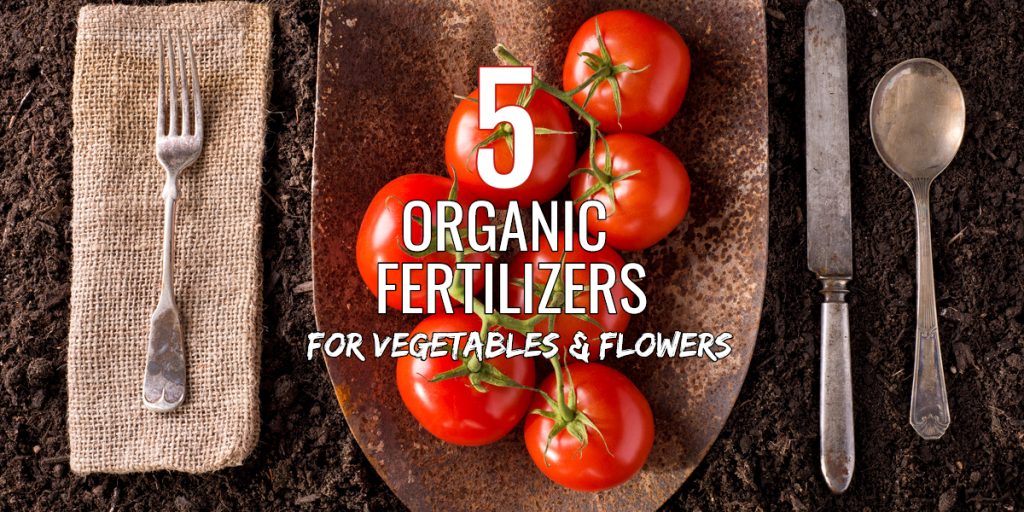
Here is a look at 5 of the best organic fertilizers to use to power your plants – and your soil:
5 Organic Fertilizers To Power Plants
# 1 Compost
Compost is one of the best natural sources of fertilizer around. And it also happens to be an incredible soil builder too.
Compost is teeming with minerals and nutrients. It is perfect for working into planting holes for vegetable plants, annual flowers and perennials.

And it is equally helpful in the planting holes of trees, shrubs and bushes too.
Compost can also be used on top of the soil around plants as an energizing mulch. Not only will it keep out weeds and help retain moisture, but it will also leach nutrients directly into the soil.
#2 Worm Castings
When it comes to organic fertilizers, worm castings are an amazing source of nutrients for plants.
Worms leave behind a perfectly balanced blend of organic nutrients as they chew through soil. These droppings, or castings as they are called, work like magic to power plants.

Adding a quarter cup of castings per planting hole provides a slow-release of nutrients to flowers and vegetables. They can also be worked into the top soil layer of baskets and containers for the same effect. Product Link : Unco Pure Worm Castings
#3 Compost / Casting Tea – Liquid Organic Fertilizers
Although compost and worm castings are amazing by themselves, they can also create powerful fertilizing teas. Ones that gives quick strength to plants with absorption of nutrients through the soil, and the foliage of plants.
And it couldn’t be easier to make!
All it takes is a little water, and a bit of compost or worm castings. Simply steep the ingredients in water, and then use the tea when watering. The liquid provides a quick boost of nutrients that plants soak up. See : How To Make Compost Tea
# 4 Spent Coffee Grounds
Believe it or not, those coffee grounds left behind from your morning cup of Joe have serious power.
In fact, they are one of the best organic fertilizers around!

Coffee grounds contain nitrogen and other trace minerals that help to build soil vitality. And vegetable plants, as well as perennial and annual flowers use that nitrogen to bloom and produce.
To use, either work into the ground when planting, or spread grounds around the base of plants as they grow.
#5 Manure Chicken / Rabbit / Cow / Horse
It doesn’t get more natural and organic with fertilizers than manure! But the manure from chickens, rabbits, cows and horses can be a tremendous source of natural fertilizer for all kinds of plants. That is, when used correctly.
Manure is great for working into soil to build in long-term nutrients. But be sure to never use fresh around plants.

Fresh manure can be so full of nutrients they can actually overpower and burn plants. But by letting the manure age and dry, the nutrients become far more stable.
Fresh manure can be steeped in water to create a powerful liquid fertilizer. But it should be applied in limited amounts, and only around the root zones of plants, and not the foliage.
The best time to apply manure to the soil is in the fall or early spring, when it has time to break down before planting begins.
Here is to powering your plants to new heights with organic fertilizers this year! And more importantly, knowing what is, and what isn’t going into your soil.

This Is My Garden is a website dedicated to spreading the love and knowledge of gardening around the world. We publish two new garden articles each week. This article may contain affiliate links.
Fertilizer
So what is the real scoop when it comes to using Epsom Salt on plants?
Does it truly help plants grow bigger? And will it really help keep pests away? What about it’s power as the ultimate fertilizer?
The myth of the incredible power of Epsom Salt has grown furiously in the last few years. To the point that some claim it to be THE magical end-all treatment for everything growing in the garden.

In fact, it is amazing how every year, it seems to help solve more gardening issues than the year before!
Unfortunately, nearly all of those claims are not all they are cracked up to be. And, as you will see below, there are even cases where using Epsom Salt can be harmful to the plants
Here is a brief look at the science behind Epsom Salt in the garden, and why it’s not all it’s cracked up to be.
The Facts About Using Epsom Salt On Plants
To start, it is important to establish what ingredients make up Epsom Salt in order to know it’s potential benefit to plants.
And those ingredients are 3 simple ones: magnesium, water and sulfate.

Now that we know the ingredients, lets take a look at how they correlate to some of the claimed benefits.
Epsom Salt As A Fertilizer
We have all heard that putting Epsom Salt around the base of plants will make them grow huge! And that couldn’t be further from the truth.
When it comes to big growth from fertilizing, nitrogen, potassium and phosphorous are the big players.

And of course, nitrogen, phosphorous and potassium are all absent from Epsom Salt.
The only thing that adding Epsom Salt will do to your soil is increase the level of magnesium. And although it is indeed a tiny nutrient need for plants, it is not one that increases yields or massive growth.
In this case, skip the Epsom Salt and reach for the compost instead! See : How To Create The Perfect Compost Pile
Pest Control
So what about helping control or repel pests?

Again, it all boils down to more legend than facts.
When it comes to pest prevention, there is simply no known component of magnesium, sulfate, or water for that matter that helps in the defense of pests.
Other than that a healthy spray of water is great for knocking off aphids. But it doesn’t need any of those ingredients to help it accomplish that!
But Can’t Epsom Salt Help Cure Blossom End Rot?
This common thought is one of the most widely passed along benefits of using Epsom Salt on plants.
And unfortunately, again, it is completely unfounded!

In fact, using Epsom Salt on tomato plants is actually more likely to cause blossom end rot than cure it. How so? Blossom end rot is caused by a deficiency in calcium, not magnesium.
And, by adding Epsom Salt, you can create an over-abundance of magnesium in the soil. An abundance that the plant will take up in place of the calcium it needs for protection from end blossom rot.
It all adds up to just one more reason to reach for that compost instead. Not only is it all-natural, it gives plants everything needed to thrive and survive! Affiliate Link : Charlies Compost 10lb Bag

This Is My Garden is a website dedicated to spreading the love and knowledge of gardening around the world. We publish two new garden articles each week. This article may contain affiliate links.
Fertilizer
When and how you fertilize vegetable plants can make a huge difference in both the health of your plants, and the size of the harvest.
Vegetable plants need a steady supply of nutrients to grow and produce.
Whether grown in a traditional backyard garden setting, or in raised beds or rows, plants can quickly devour the nutrients available in the soil. And even more so when grown in containers.

Especially when it comes to heavy feeding vegetable crops like tomatoes, cucumbers, peppers and corn.
Crops such as these benefit greatly from a dose of fertilizer now and then to help boost health and vitality.
But the key to total success lies in knowing when, how much, and how often to apply that fertilizer.
How To Fertilize Vegetable Plants
When To Fertilize
Timing is everything when it comes to fertilizing vegetables.
Young plants, especially transplants like tomatoes and peppers, have a hard time adjusting to the shock of outdoor life.
Applying fertilizer too early can easily burn the tender young roots and foliage of transplants or seedlings.

But fertilizing too late can be an issue as well. Plants that receive additional nutrients too late in the growing season are unable to use the resources to produce blooms.
Instead, they use the excess energy into growing more foliage, and not more vegetables.
The Right Time To Boost Plants
A good rule of thumb is to hold off fertilizing seedling and transplants until they have had at least two weeks to adjust to the soil and weather conditions.
Then, once plants have settled in, apply a light dosage of fertilizer every few weeks. A more frequent but lighter application is a much better choice than applying just a few high doses.

Why? It allows plants to have a slow and steady diet of nutrients. This in turn leads to better root growth, more blooms, and increased fruit set.
Usually, 4 applications over the course of 8 weeks is more than enough to work wonders for boosting crops.
By mid-summer, as the blooms and fruit set begin to appear in full force, it’s time to discontinue fertilizing and simply begin to harvest!
What Are The Best Fertilizers To Use For Vegetable Gardens?
There are a lot of choices when it comes to fertilizing vegetable plants.
Many prefer to take an organic route, especially since they will be consuming their harvest. See : 4 Natural Fertilizers To Power Your Garden
Liquid Applications
One of the best ways to fertilize vegetable plants in the garden or in containers is with a liquid application of fertilizer.

Liquid fertilizers work quickly to deliver nutrients into the roots and foliage of plants.
You can make an incredible, all-purpose liquid fertilizer right at home by steeping compost or worm castings in water for a few days. (See : How To Make Compost Tea)
The resulting liquid can then be used to water plants every few weeks for a steady dose of powerful nutrients.
There are also many organic all-purpose liquid fertilizers available commercially. Nearly all can easily be mixed with water to apply. Product Link : Jobes All Purpose Organic Plant Food Mix
Dry Fertilizing Options
Another option for fertilizing plants is to mulch plants with a fresh supply of compost every few weeks.

The fresh supply of compost leaches nutrients into the soil every time it rains or plants or watered.
Worm castings can be used in much the same fashion, by working in a quarter cup of castings around the base of each plant every few weeks.
No matter how you choose to fertilize, the key is a slow and steady approach!

This Is My Garden is a website dedicated to spreading the love and knowledge of gardening around the world. We publish two new garden articles each week. This article may contain affiliate links.
Fertilizer
When it comes to providing a little oomph to your plants this year, it’s time to think about fertilizing naturally!
Using organic solutions to boost plants can actually help build soil quality over time.
Organic fertilizers, unlike man-made versions, replenish soil naturally as they break down. They add valuable minerals and nutrients back into the soil, all while improving soil structure.
That in turn creates a more productive garden every year you plant!
But perhaps best of all, going organic can save big money on your garden budget!
Many of the organic fertilizing solutions can be made inexpensively in your own back yard. Others can even be found for free! Who knew fertilizing naturally could be such a win-win?!
One final note on using any fertilizers, whether organic or not. Remember that too much of a good thing can be a problem for anything, including plants.
Over-fertilizing can lead to plants that spend too much of their energy developing their foliage, and not enough on producing vegetables or flowers.
With that said, here are 7 great solutions to providing your plants with an all-natural boost this year.
Fertilizing Naturally – 7 Great Methods To Boost Your Plants
Compost – The grand-daddy of all natural fertilizers, nothing can compare to using compost throughout the garden. Working compost into planting holes is one of the best solutions to providing plants with all of the nutrients they need to survive and thrive.
Compost can also be used as an excellent power mulch around plants. Not only does it help keep weeds down and protect the soil, it also leaches nutrients into the soil over time.
Compost Tea – One of the best “Instant-Fertilizers” around, compost tea is made by steeping water in fresh or aged compost. The resulting compost tea can be used when watering, or applied to the foliage of plants.
The nutrients are then absorbed through the roots and foliage – providing high powered energy to plants. See : How To Make Compost Tea
Manure Works…
Aged Manure – If you have chickens or livestock, you probably already know the power of manure for the garden.
Aged manure is manure that has been left to “dry-out” over time. By aging, the manure is still a potent fertilizer for plants, but not too strong to burn the foliage or roots.
A pile of chicken, rabbit, cow or horse manure should be aged a minimum of 3 to 6 months before working into the soil, or using as a side dressing for plants.
Manure Tea – Manure tea is another excellent alternative for those that have access to droppings from chickens, rabbits, cattle or horse. Manure tea is made with the same method as compost tea – by steeping manure in water.
Fertilizing Naturally – Grass, Coffee and Worms!
Fresh Grass Clippings – Fresh, bright green grass clippings are full of nitrogen and other nutrients. By using clippings as a mulch around vegetable plants, the nutrients will leach to the soil below.
This provides a quick, all-natural boost to plants. Grass clipping mulch also serves as an excellent weed suppressor.
Coffee Grounds – Spent coffee grounds are a wonderful source of nitrogen for plants. Sprinkle a few teaspoons of spent grounds at the base of plants.
The grounds then act as a slow release fertilizer as they decay. Coffee grounds are an great choice to add to planting holes as well when transplanting flowers and vegetable starts in the spring.
Some beleive that coffee grounds are too acidic for plants, but in reality, the PH of coffee grounds are very close to neutral.
Worm Castings
One of the absolute most amazing natural fertilizers around – worm castings simply work like magic to provide nutrients to flowers, vegetables, containers and hanging baskets.
Worm castings are the manure of worms. When worms chew through soil, they digest and process bits of organic material.
The resulting “material” that comes out the other end is the most amazing all-natural fertilizer and soil builder in the world. See : Worms Castings
Share Your Gardening Advice With The World!
Do you have a great gardening tip? Or perhaps you would like to share a few pictures and a story about your own personal paradise? Then email us today at info@thisismygarden.com. You can also use the “Feature My Garden Tip”button at the top of the website for your entry.
Help make This Is My Garden the best garden site around and share your garden knowledge with fellow gardeners! This article may contain affiliate links.