
Looking to save seeds from your vegetable plants this year so you can grow your favorite varieties again next spring? Late summer is the perfect time to start collecting – and the seeds you save now can actually help you grow an even better garden next year!
Saving vegetable seeds is certainly a great way to cut down on the cost of planting your garden. Instead of purchasing new seed packets every spring, you can collect, dry and store seeds from many of the vegetables you are already growing. But as it turns out, saving your own seeds has benefits that go far beyond simply saving money.
When you collect seeds from your healthiest, strongest and most productive vegetable plants, you begin building a better seed stock for your garden. By selecting seeds from plants that performed especially well, you can increase your chances of growing strong, productive plants again the following season.
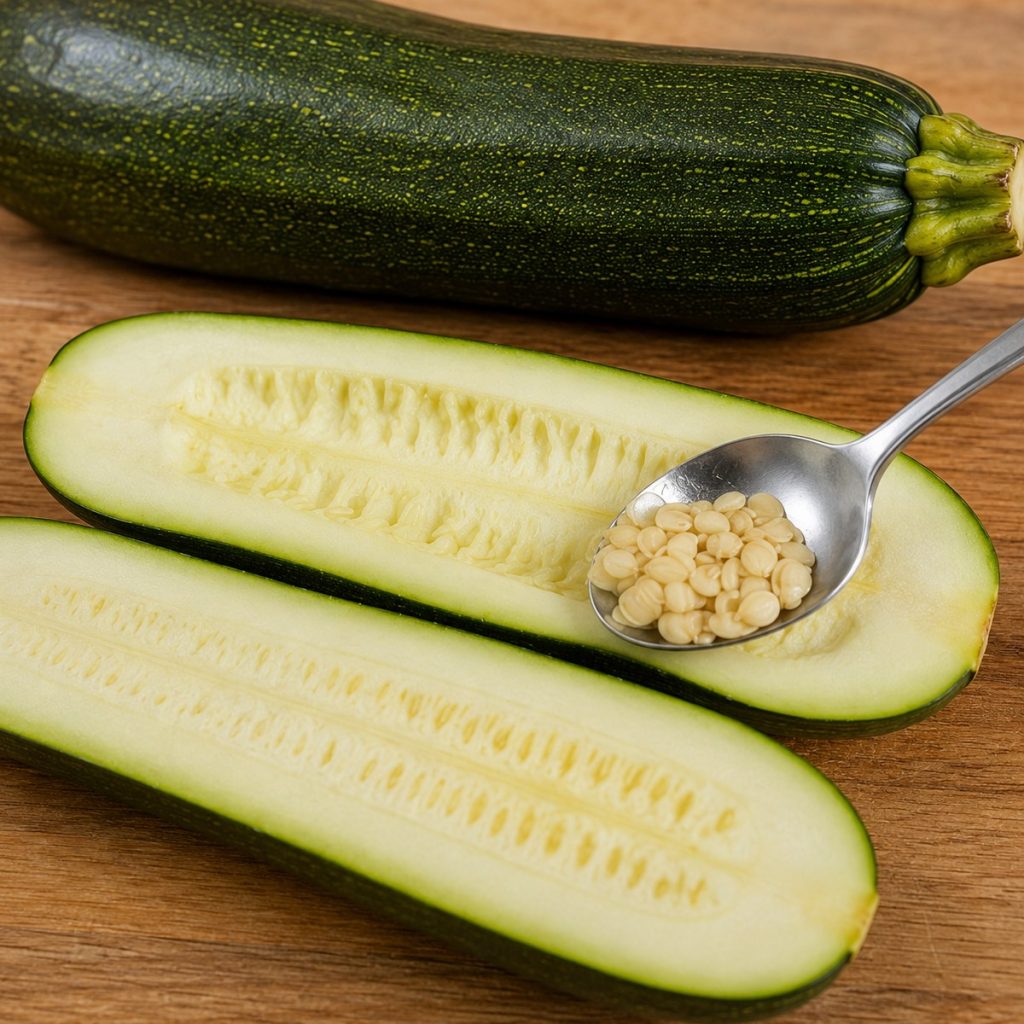
And the more years you continue to save seeds from your best-performing plants, the better those seeds can become adapted to the unique growing conditions in your garden. Best of all, late summer is when many vegetable plants are loaded with mature fruit and seeds – making now the perfect time to start saving!
How To Save Vegetable Seeds In Late Summer – Grow Next Year’s Garden For Free!
Why Mid To Late Summer Is The Time To Save Vegetable Seeds!
It’s simple fact that a productive plant gets its start from a healthy, fertile seed. If a seed is weak, old or comes from a less than desirable plant, it is likely the seed will produce a weak and feeble plant as well.
That is exactly why you want to select the healthiest and strongest vegetables to harvest your seeds from. A strong, vibrant plant has the best chance of producing good seed stock. Especially when you take seeds from the fruit when the plant is at it’s peak. And that is exactly why mid to late summer is the perfect time for saving seeds!
The first fruits and vegetables produced on plants tend to be very small and a bit immature. Most of the seeds that form early are likewise not as developed. Because of this, they do not make good candidates for saving.
Late season fall fruits are not the best choice either, but for a few different reasons. Late in the year, the seeds in fruit often have more of a chance to be cross-pollinated from other varieties and crops. That means you can end up saving a seed that is not going to replicate your current plant. That leaves mid to late summer as the absolute best time for seed collecting!
Keeping The Right Seeds From The Right Plants
For starters, always make sure you are picking from the healthiest and most productive plants in the garden. Plants that show signs of disease or stress can have less than ideal seeds. In addition, select fully mature vegetables that are ripe. This will ensure that the seeds within the fruit are also mature and have the best chance of germinating.
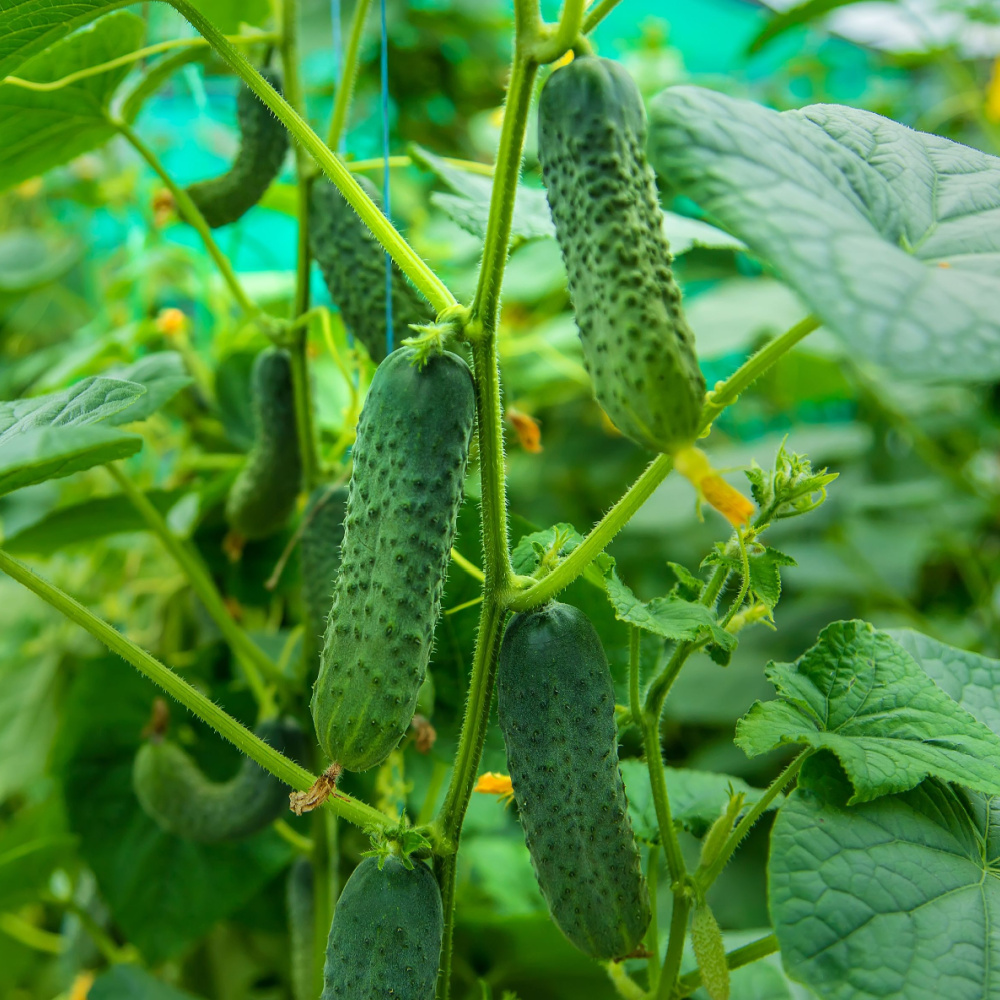
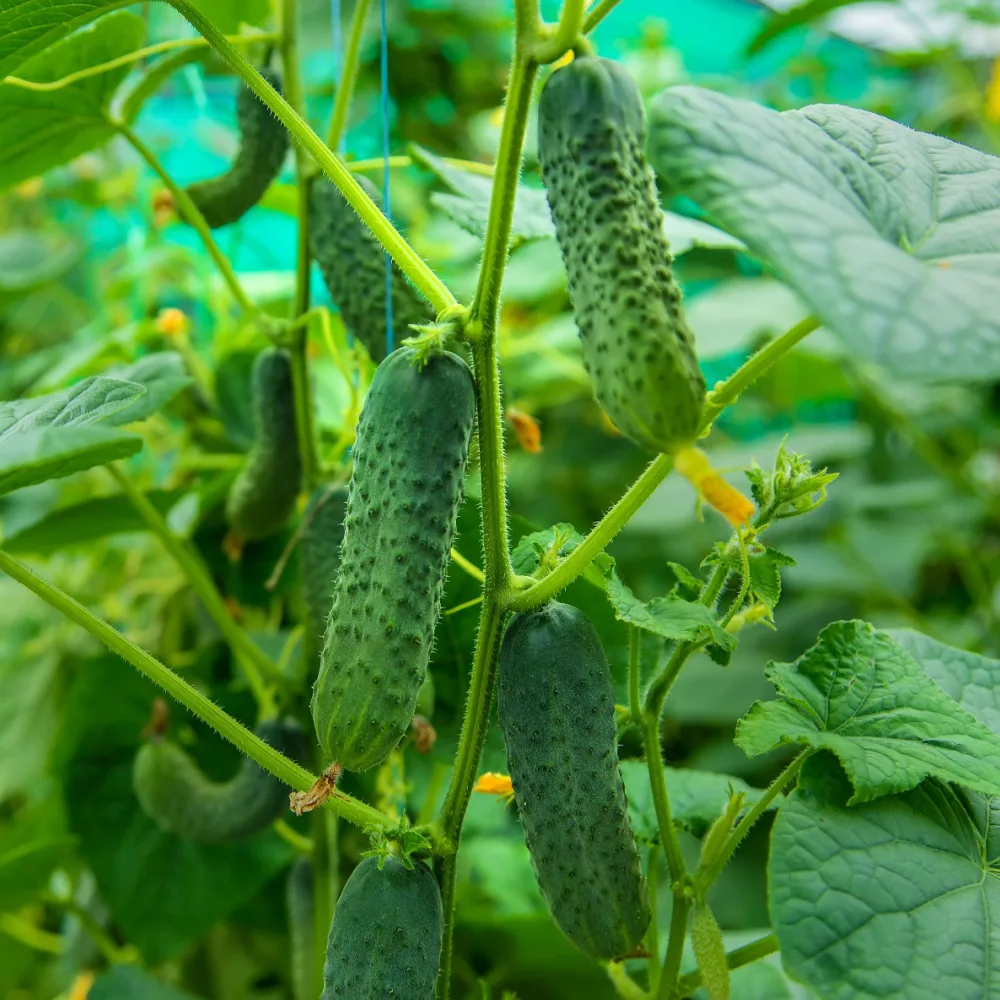
When saving seeds, it’s important to know that not all seeds from every plant can be saved. The best seeds to save are heirloom open-pollinated seeds.
An open-pollinated seed is one that develops within the fruit of the plant, and will continue to produce the same crop and the same exact seed, year after year. You can find open-pollinating varieties of seed for nearly every vegetable under the sun. Unfortunately, you cannot save the seeds from all vegetable plants. And at the top of this list of the non-saves are hybrid plants.
Hybrid plants are created by crossing two or more varieties of a vegetable plant to produce a new plant with new qualities. They can be fantastic plants and produce wonderful results. But the only issue is that the seeds from these plants will not produce the same plant the following year.
Instead, when seeds of these plants are saved, they usually will revert back to grow a version of one of the original plants. In some cases, the plant will produce the original fruit, or because of the mutation, no fruit at all. The other trick to saving seeds is when dealing with tomatoes – and we will cover that later in the article.
How To Save Seeds From Vegetable Plants
After selecting your vegetable, begin by cutting it in half. Next, gently scrape the seeds from the core, being careful not to damage the seed coating with your knife or scraper.
Next, lay the seeds on a dry paper towel, and place in warm, sunny location to dry. It will usually take a few weeks for seeds to dry out completely. Once dried, take a new piece of a paper towel, and fold the seeds up inside of it. The paper towel is great for absorbing any moisture that might still be in the seed. It will also help protect the seed from any damage from light.
Listen In To Our Latest Podcast Below


Store in an airtight container or plastic bag, and keep in a cool and dry location. You can keep your seeds in the refrigerator for a longer shelf life. However, if you will be using the seeds the following season, cold storage is not necessary.
If you really want to organize, you can even use a helpful seed storage kit! Affiliate Product Link: 70 Slots Seed Storage Organizer, Garden Seeds Saver kit Seed Organizer
About Those Tomatoes…
Saving tomato seeds is not difficult but it does take a few extra steps to ensure success. Tomatoes have a natural, protective coat around their seed. And without helping the seed break down that outer coating, they struggle to germinate. But fortunately, the process to break down the coating is simple and easy. It all boils down to letting the seeds rot or ferment.
Start by selecting the tomatoes you would like to save, and then scrape the pulp and seeds into a small jar or container. Let the container sit for a few days until it develops a bit of mold on top. Although it might look a bit funky, it is the mold that works to break down the protective coat.
It is a good idea to store the container away a bit as it can produce a bit of odor. After a few days, simply rinse the seeds off with water and allow them to dry out like the other vegetable seeds. For more on tomato seed saving, check out our article: How To Save Tomato Seeds Now For Next Year – With Ease!
Here is to saving seeds from your vegetable garden this year – and to saving big on your garden budget!
This Is My Garden
Follow Our Facebook Page For Great Gardening Tips And Advice! This Is My Garden Facebook Page
This Is My Garden is a garden website created by gardeners, for gardeners. Jim and Mary Competti have been writing gardening, DIY and recipe articles and books and speaking for over 15 years from their 46 acre Ohio farm. They publish three articles every week, 52 weeks a year. Sign up today to follow via email, or follow along!