
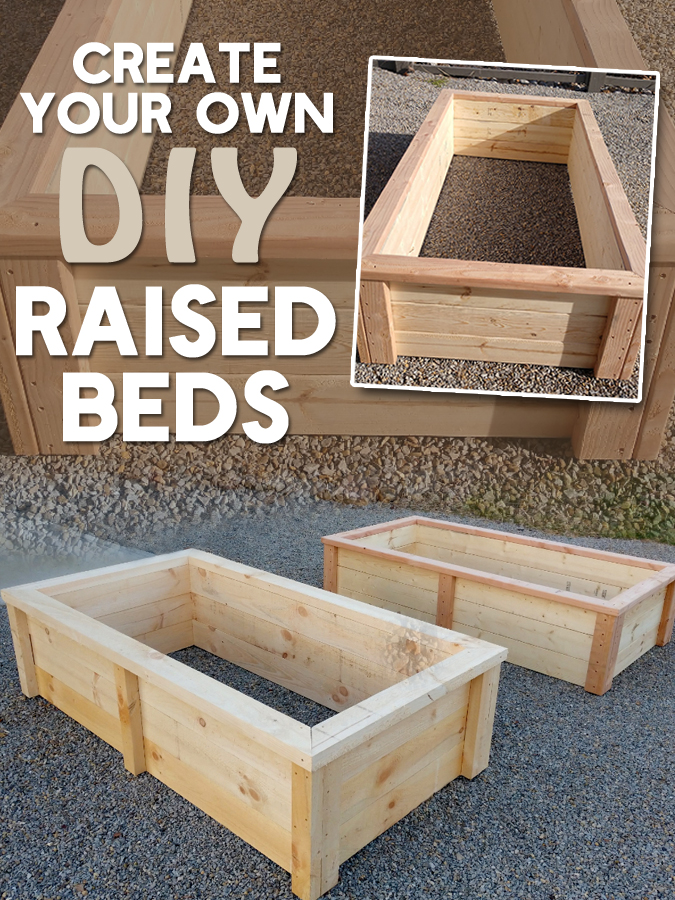
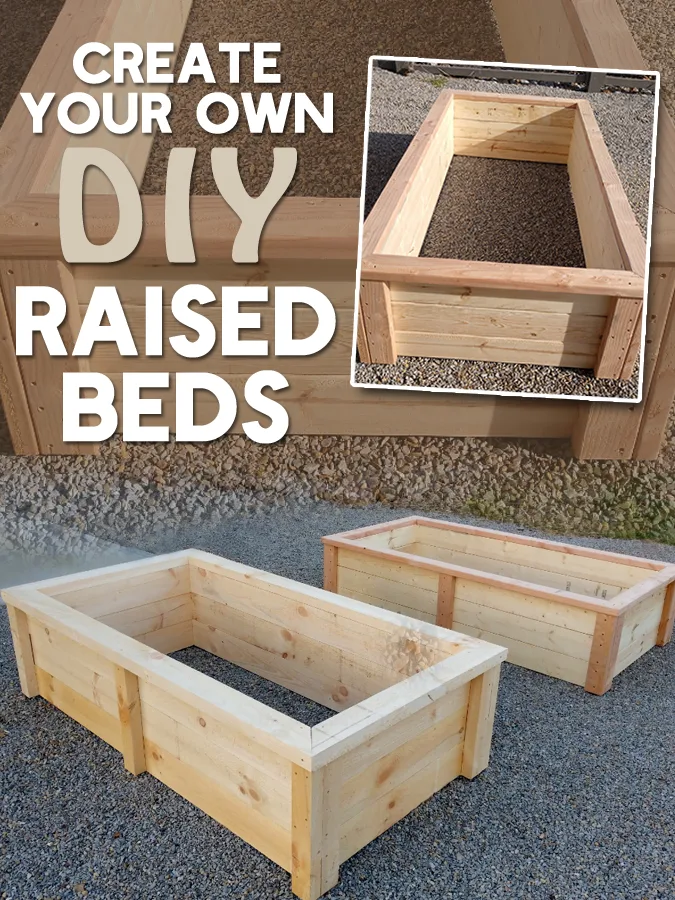
Looking to build a few long lasting raised beds this year from wood? Believe it or not, when it comes to creating safe, beautiful, long-lasting, and economical raised beds – wood is still the best option around!
One thing is for sure, raised beds can be built or purchased from nearly any material you can imagine. From plastic, brick and metal, to cement block, stone, wood and more. In fact, the choices seem to go and on forever. But when it comes down to which material is truly best, it really is hard to beat the benefits of wood.
Not only is wood still an extremely affordable option, it also has a long list of additional benefits as well. For starters, wood is easy one of the easiest materials of all for a DIY’er to work with. It’s readily available, and can be cut, shaped and assembled with the most basic of tools. It also allows the soil to breathe.

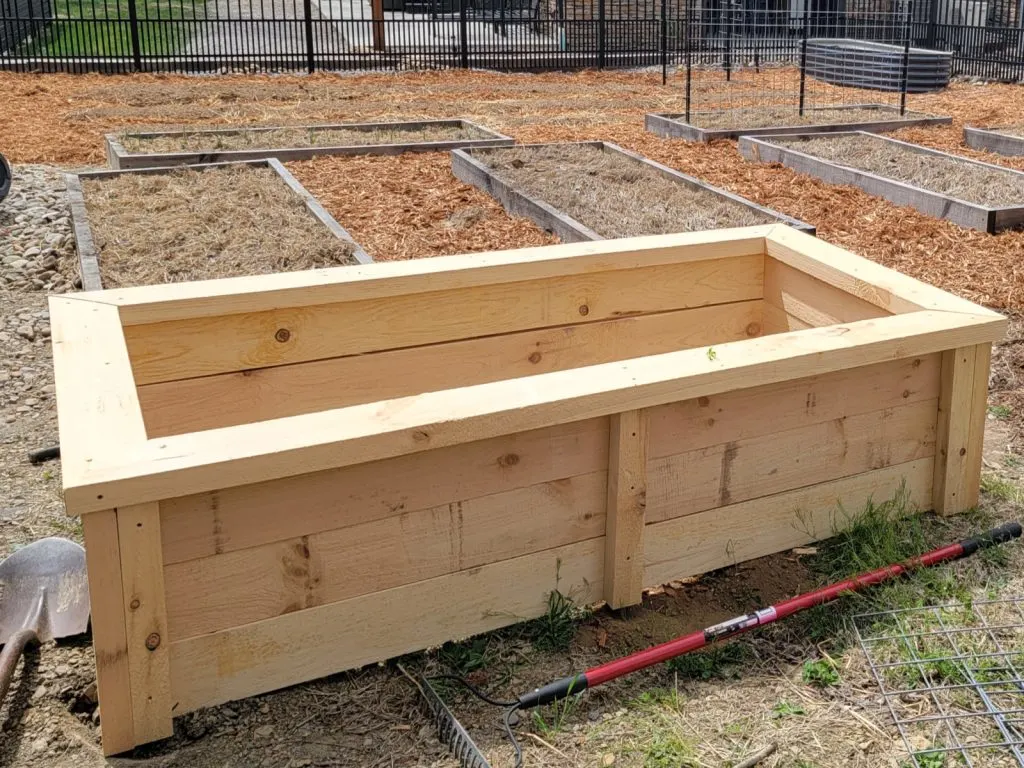
Perhaps best of all, wood, especially untreated wood, also has the advantage of being an extremely safe option. Both during the building process, and for growing plants within its walls. But the key to success when building raised beds from wood is knowing what type to use – and how to create your beds to last for years and years. And believe it or not – it’s easier than you might ever think!
How To Build Long Lasting Raised Beds From Wood
The good news is that with minimal building skills and tools, you can create great looking raised beds from wood in a single afternoon.
Whether building your own raised beds from scratch, or using simple step by step plans such as our popular Raised Bed Box Plans, there are a few key secrets to knowing how to create sturdy, long-lasting beds from wood.
With that in mind, here are a few very important tips to help create wood beds that are attractive, long lasting, and most importantly, help you grow all of the vegetables and flowers you want with ease!
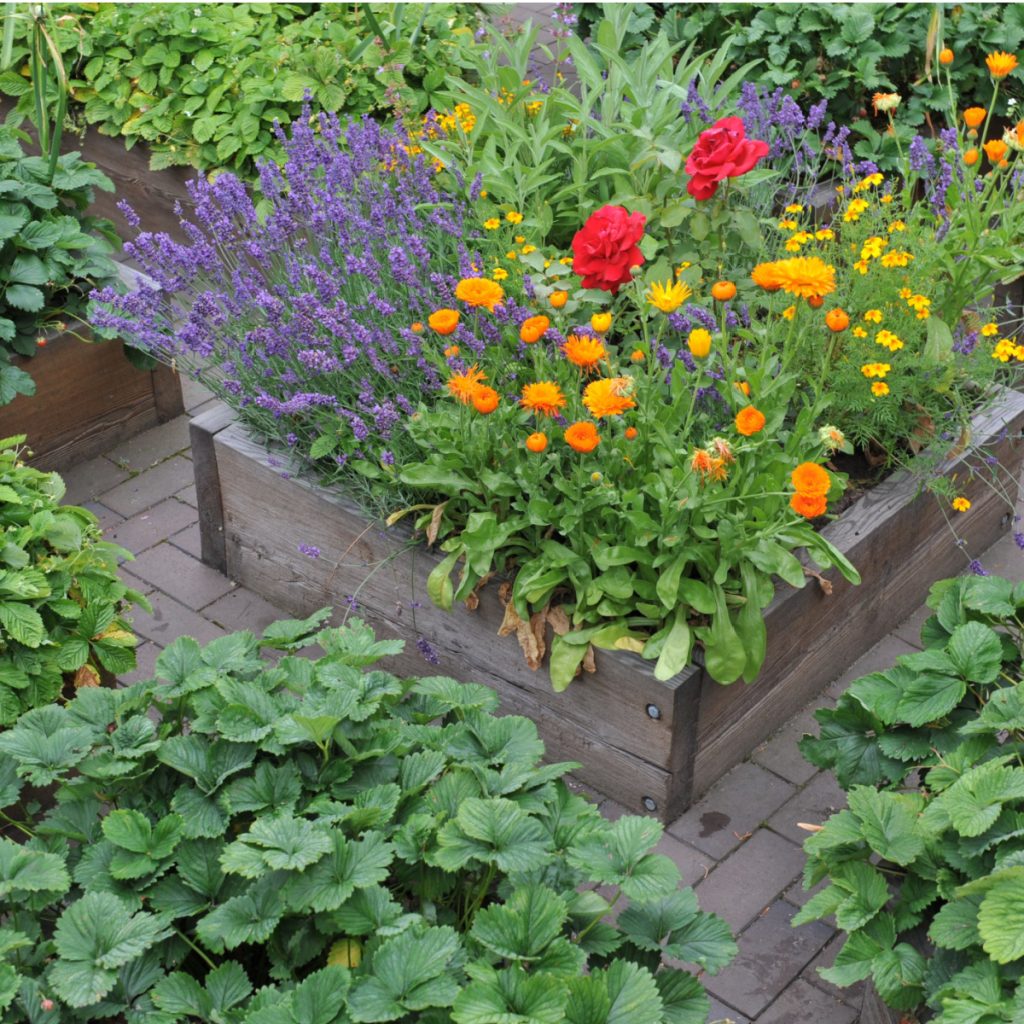
Selecting The Right Wood
Building great raised beds all starts with using the right type of lumber and the right thickness of lumber.
If you will be growing consumable vegetables or herbs, always be sure to stay clear of treated lumber. Treated lumber contains a long list of chemicals and toxins. All of which can easily leach into the soil. And then, into your plants and vegetables too.
So what is the best choice of wood? Although cedar and teak are both wonderful for their insect and anti-rotting properties, they can both be quite expensive. With that in mind, untreated pine is actually one of the best and most economical choices of all. But the thickness of that pine matters!
One of the most important keys to long term success with using any type of wood for raised beds is its thickness. For long-lasting raised beds, thicker is always better! Stay clear of any wood boards with a thickness of 1″ or less. They simply won’t hold up over time, no matter the species of wood.
The Best Choices For Wood
There are two types of pine wood that work excellent for raised beds. The first is untreated 2x construction-grade pine lumber. For starters, it is still fairly economical. And surprisingly, it holds up for years and years of use. At 1.5 inches of thickness, it won’t warp like thinner pine boards will.

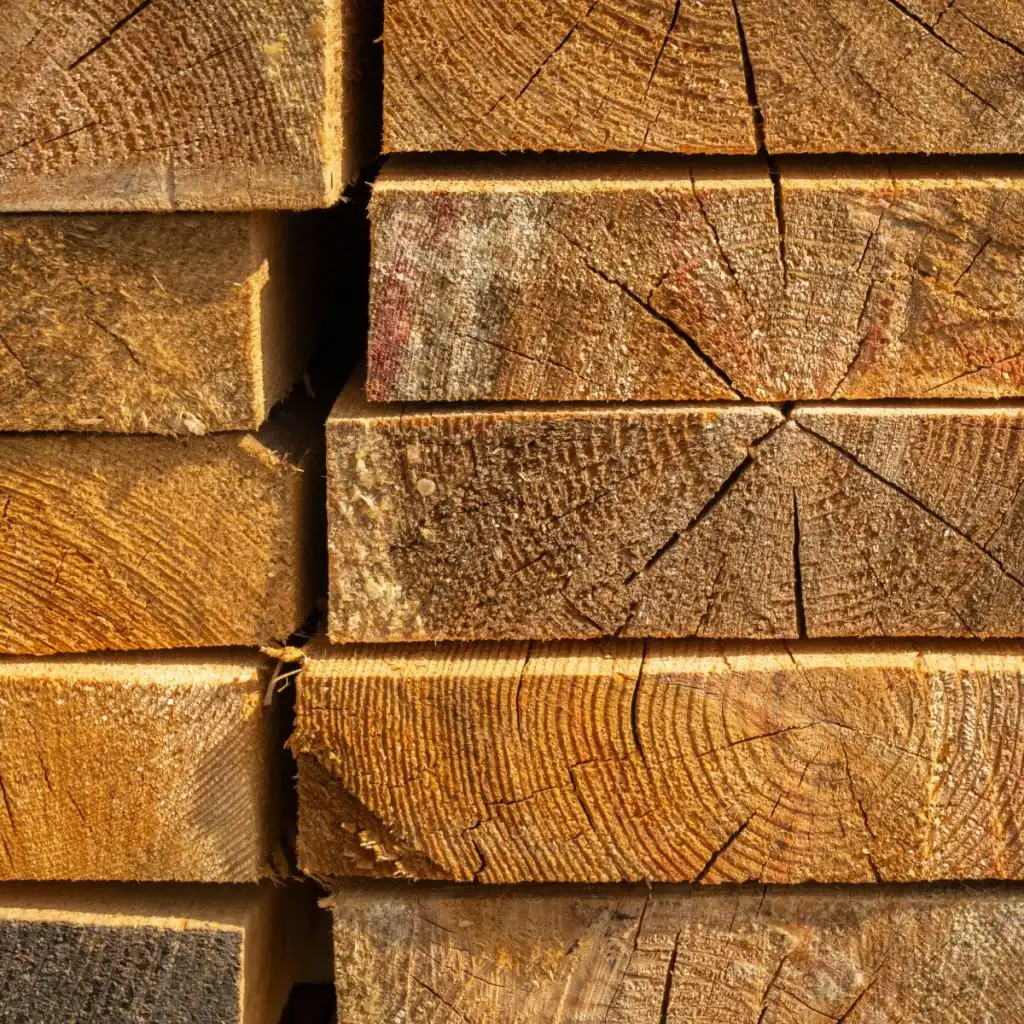
The second choice for pine is green, rough-sawn pine. If you are lucky enough to live near a local sawmill, this is an even better option than traditional 2x construction lumber.
Green lumber is lumber that has not been kiln or air-dried. It is, as the name implies, freshly cut. The rougher saw cuts that are left on the board actually help it to hold up longer over time against rot. Rough-sawn, green lumber can usually be purchased at a significant discount from traditional store-bought lumber. Even better, it is usually a true 2 inches thick!
The Taller The Better!
Another major key to success when building raised beds is to make sure your beds can hold enough soil for proper plant growth. Most vegetable plants need a minimum of 10 to 12 inches of soil depth to develop good roots. For best results, 16 to 18 inches of depth is actually ideal.
At that depth, roots of even large tomato and pepper plants can mature fully. A thicker soil depth also means your soil will have more stable temperatures and moisture levels. Both of which are a huge part of your plants having growing success!


Building Raised Beds For Long Lasting Success
When assembling your raised beds from wood, always use screws in place of nails. Nails can easily fall out from the pressure of the soil. It will result in beds that bow, bend and crack. Screws will hold the wood tight and keep the wood far straighter.
Pay special attention to securing corners with longer screws. The corners will always have the most pressure of all, and a few extra screws there will keep your boxes holding their shape for years. If needed, you can purchase metal corner supports for even more support.
Remember that good drainage is a must for success! If beds are going to go on top of an impermeable surface such as concrete or rock, be sure to create a few drainage holes along the bottom of the sides. This will allow your beds to shed excess water during heavy rains. Without proper drainage, plants can easily become waterlogged.
Filling Your Beds With Soil
No matter how well built and durable your beds are, the real secret to growing success is filling it with amazing soil.
Always fill your raised beds with a light, nutrient filled growing soil mix. One that can drain well and allow for easy root growth. See our article: How To Create Great Raised Bed Soil – 4 Must Add Ingredients To Power Your Beds!
Remember as well, as the seasons progress, you will need to keep re-energizing your soil. Adding compost, composted manure, or growing a fall cover crop in the beds are all great ways to add nutrients every year and keep them full of energy.
Protecting Your Beds Long Term
When it comes to painting, staining or protecting the wood in your raised beds, there are a couple of key things to consider. Painting or staining the outside of the raised beds are fine, as the soil will not come in contact with it. As for the inside of the wood, avoid paints and stains should as they can leach into the soil.
You can use linseed oil as an all-natural option for treating the wood. It can be applied both inside and out without worry. We actually just let our beds weather naturally. And by using the 2 inch thick green, rough-sawn wood – they are now 6 years old and still look great!
This Is My Garden
Follow Our Facebook Page For Great Gardening Tips And Advice! This Is My Garden Facebook Page
This Is My Garden is a garden website created by gardeners, for gardeners. Jim and Mary Competti have been writing gardening, DIY and recipe articles and books and speaking for over 15 years from their 46 acre Ohio farm. They publish three articles every week, 52 weeks a year. Sign up today to follow via email, or follow along!