How To Fertilize Creeping Phlox In Early Spring For Massive, Show-Stopping Blooms!
When you fertilize your creeping phlox in the early spring - amazing things happen!
When it comes to getting phlox to explode with color and fill your garden with vibrant blooms, success doesn’t just happen by chance. It all starts early in the season with how and when you feed your plants. In fact, fertilizing your phlox in early spring is one of the most important steps you can take to build strong plants, lush foliage - and the kind of show stopping blooms that truly stand out!
The good news is that feeding this east care perennial is not complicated at all. With just a couple of well-timed feedings and the right fertilizer, you can set your plants up for an incredible growing season. Even better, when you follow a simple feeding schedule, you’re not just helping your plants bloom this year. You are also setting them up to come back stronger and fuller next season too.
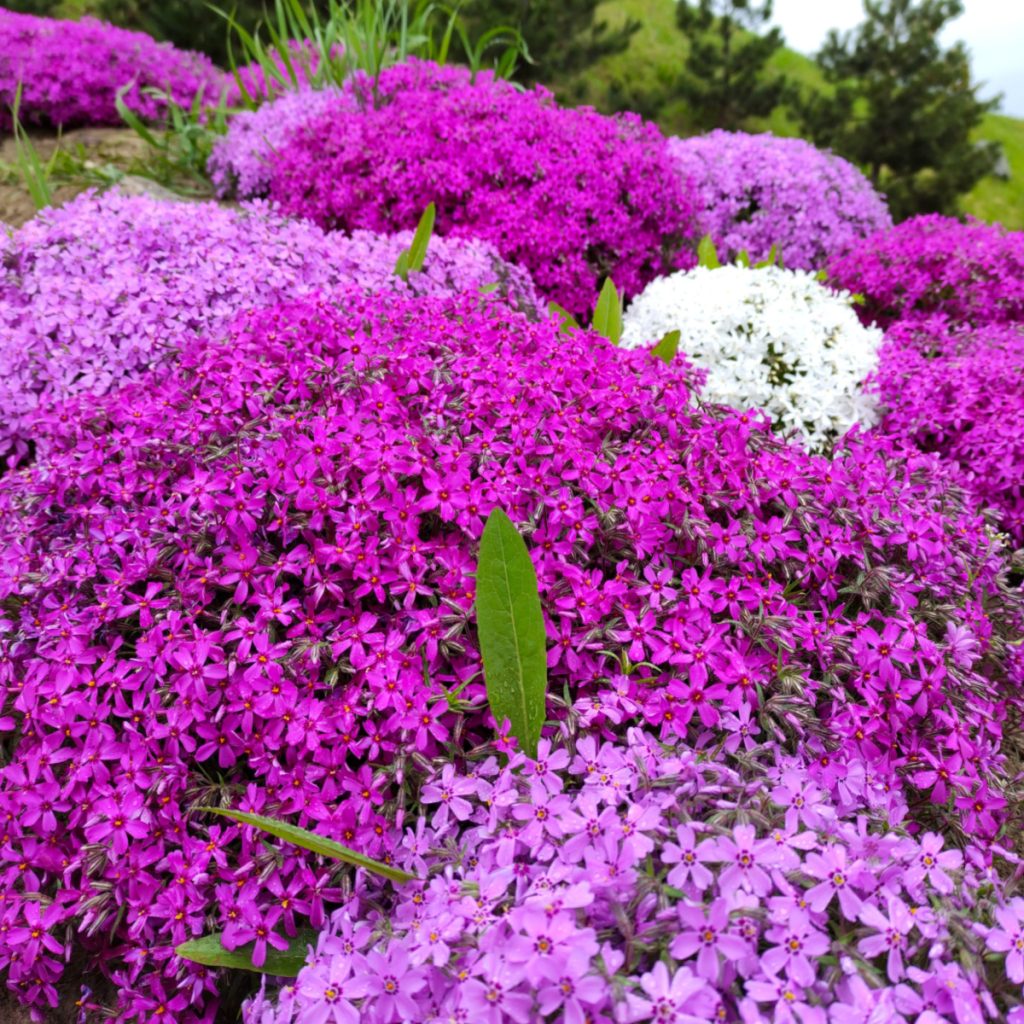
How To Fertilize Creeping Phlox In Early Spring
Why Early Spring Feeding Matters So Much
As winter fades away and temperatures begin to warm, phlox plants start waking up from dormancy. Beneath the soil, their root systems are already becoming active, preparing to push out fresh growth. This is the exact moment when they need nutrients the most.
If nutrients are missing at this stage, plants will still grow, but often with weaker stems, thinner foliage, and fewer blooms. On the other hand, when phlox receives the proper nutrients early, it builds a strong foundation that supports everything that comes later.
Early feeding fuels leaf production, root expansion, and bud development. All three are essential for producing thick, healthy plants that are capable of holding up large clusters of blooms without flopping or fading quickly.
It also helps plants resist stress from changing spring weather. Sudden temperature swings, heavy rains, and even dry spells are much easier for a well-fed plant to handle than one that is struggling to get nutrients from depleted soil.
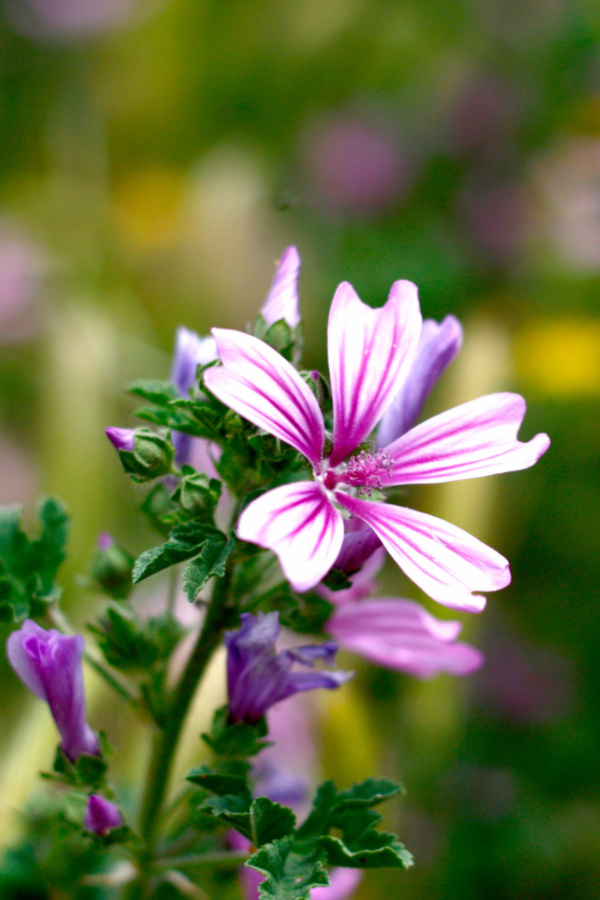
The Best Way To Fertilize Phlox In Early Spring
One of the biggest mistakes gardeners make is overthinking fertilizer. Phlox doesn’t need anything fancy or overly complicated to perform well. In fact, a balanced fertilizer is often the best choice.
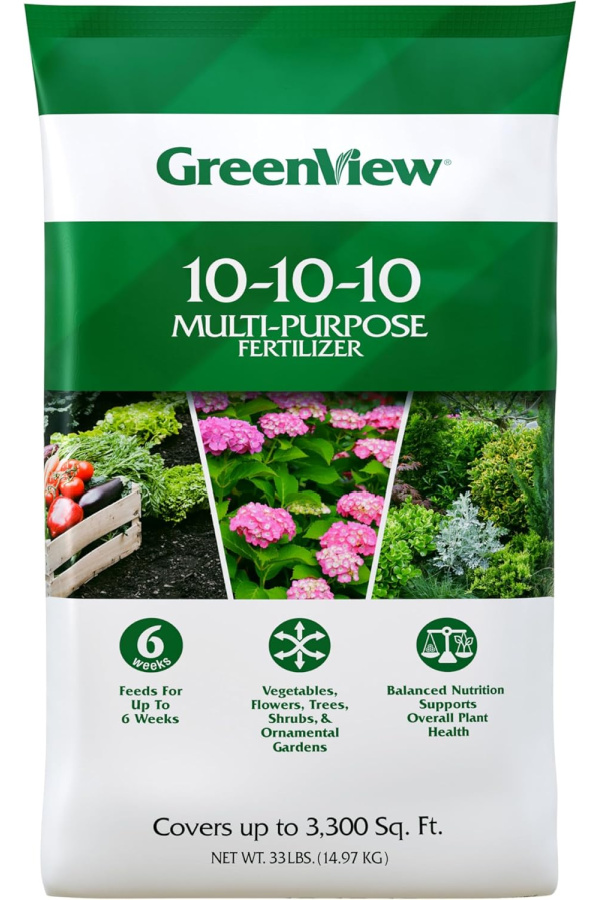
Using a fertilizer with equal parts nitrogen, phosphorus, and potassium - such as a 5-5-5 or 10-10-10 blend will provide everything your plant needs in the right proportions. Affiliate Link: GreenView Multi-Purpose Fertilizer, NPK 10-10-10; 33 lb. Bag - Plant Food
Nitrogen helps produce lush, green foliage that powers the plant to strong growth. Phosphorus plays a major role in developing strong roots and encouraging bloom production. And potassium? It's actually important to the overall plant health, improving its durability and disease resistance.
A simple, even blend keeps everything in balance, allowing your plant to grow strong and bloom heavily. Too much nitrogen alone can lead to leafy plants with fewer blooms, while too little can result in weak growth. By using a balanced fertilizer, you give your phlox a complete feeding without pushing too much growth in one direction.

When & How To Apply Your First Feeding
Timing is everything when you fertilize phlox in the spring. The first application should happen in early spring, just as new growth begins to emerge from the soil. This is usually when you start to see small green shoots pushing through around the base of the plant.
Waiting too long means missing that critical window when the plant is actively building its structure for the season. To apply fertilizer, start by clearing away any old mulch or debris around the base of the plant. This ensures the nutrients can reach the soil instead of getting blocked.
Sprinkle the fertilizer evenly around the root zone, keeping it a few inches away from the crown of the plant. Avoid placing fertilizer directly on the stems or leaves, as this can cause damage.
Once applied, gently work it into the top inch of soil if possible. Then water the area thoroughly. This helps dissolve the nutrients and carry them down to the roots where they can be absorbed. Now it's time to sit back and watch your phlox bloom like never before. But after it does, it's time for one more feeding!
The Importance Of A Second Feeding After Blooming
While the early spring feeding gets most of the attention, the second feeding is just as important - if not more - for long-term success.
After your phlox finishes blooming, it begins shifting its energy. Instead of producing flowers, the plant focuses on strengthening its roots and building up reserves for the following year. This is the perfect time to fertilize again.
Applying another round of a balanced fertilizer after blooming helps the plant thicken its foliage and strengthen its overall structure. It encourages the plant to fill out, creating a fuller, more compact shape. More importantly, it helps prepare the plant for next year’s blooms.
The energy stored during this period directly impacts how well your phlox performs in the following season. Skipping this step often results in plants that come back thinner and produce fewer flowers over time. But with that second feeding, you can keep your phlox getting better year after year.
Avoiding Common Fertilizing Mistakes
Even though fertilizing phlox in the spring and summer is simple, a few common mistakes can limit your results. One of the biggest is over-fertilizing. More is not better. Applying too much fertilizer can lead to excessive foliage growth at the expense of blooms. It can also damage roots and reduce the plant’s overall health.
Another mistake is fertilizing too late in the season. Late applications can encourage new growth that doesn’t have time to harden off before cooler temperatures arrive. This can leave plants more vulnerable going into winter.
It’s also important to avoid placing fertilizer directly against the crown of the plant. This can cause burning and lead to rot issues over time. By sticking to two well-timed feedings and using a balanced fertilizer, you can avoid these problems entirely.
When you combine early spring feeding with a second application after blooming, you create a powerful one-two punch that keeps your phlox performing at its best. All that is left it to make sure to care of your phlox in the fall - and for more on that, check out our article: What To Do With Creeping Phlox In The Fall – How To Cut Back, Divide & More!
This Is My Garden
Follow Our Facebook Page For Great Gardening Tips And Advice! This Is My Garden Facebook Page
This Is My Garden is a garden website created by gardeners, for gardeners. Jim and Mary Competti have been writing gardening, DIY and recipe articles and books and speaking for over 15 years from their 46 acre Ohio farm. They publish three articles every week, 52 weeks a year. Sign up today to follow via email, or follow along!

More Uncategorized
- 7 Perennials You Should Divide In Early September – Get More Flowers For Free Now!
- Plant These 5 Perennials - And Watch Bees, Butterflies & Pollinators Flock To Your Yard!
- The Easiest Houseplants To Grow - 8 Plants Anyone Can Keep Alive!
- The Best Way To Feed Indoor Seedlings - How To Get Your Transplants Growing Fast!