
One thing is for sure – if you want to plant a perennial that truly stands out in the landscape while requiring very little care, torch lily is one of the best choices around!
With its tall flower spikes bursting in fiery shades of red, orange and yellow, it instantly brings bold color and dramatic height to flowerbeds and gardens. Often called red hot poker, torch lily produces unique blooms that appear almost flame-like as they rise above the plant’s foliage.
The vibrant flowers look like glowing torches standing tall above the landscape, making them one of the most eye-catching perennials you can grow. But beauty is only part of the reason gardeners love torch lily. This plant is incredibly durable. Once established, it handles hot weather, dry conditions and blazing sunlight with ease. In fact, it is considered one of the most drought-tolerant flowering perennials around!
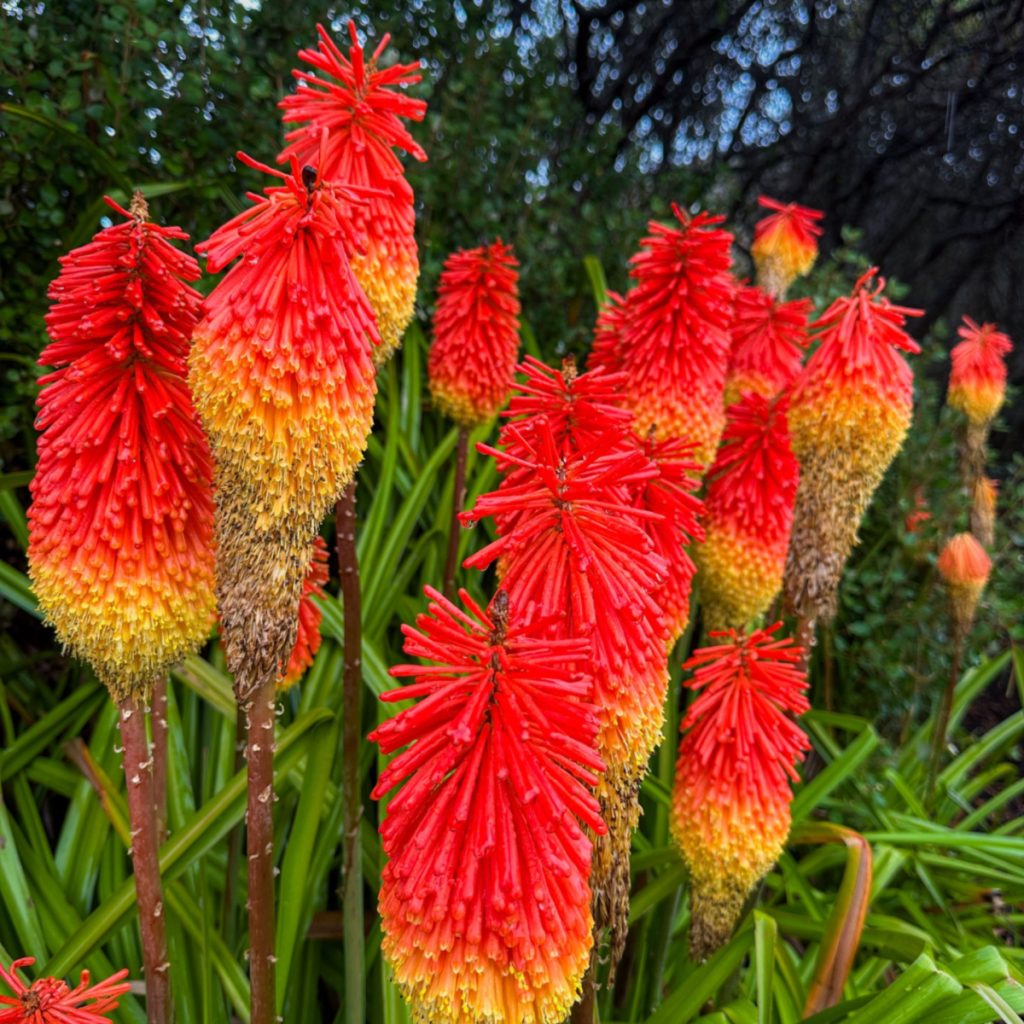
Even better, torch lilies attract bees, butterflies and birds while remaining resistant to deer and rabbits. That combination makes them an excellent choice for gardeners looking for both beauty and toughness in their landscape plants.
The Unique Beauty Of Torch Lily
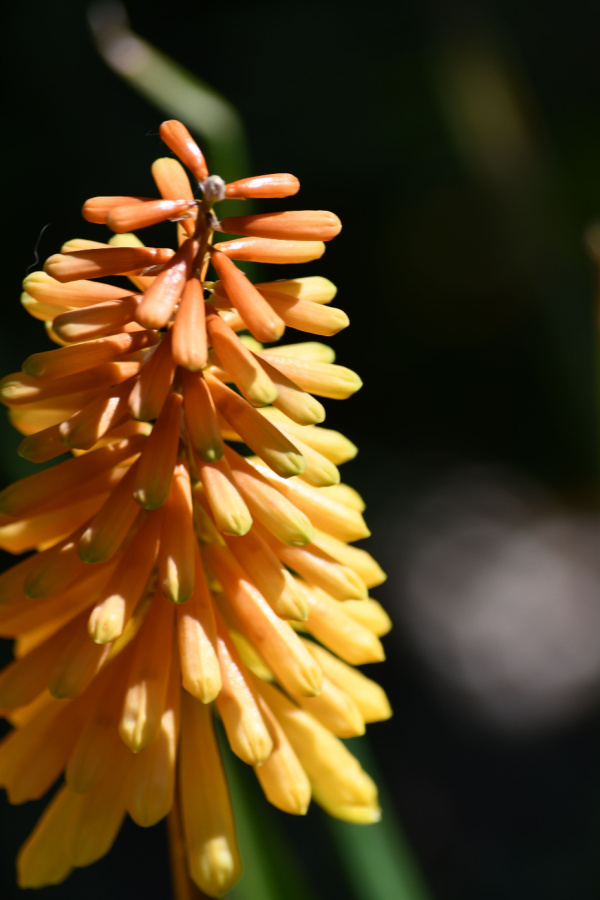
Torch lily is a herbaceous perennial that produces tall flower spikes filled with clusters of tubular blooms. The flowers gradually open along the stem, creating a stunning display that resembles flames flickering above the plant.
The colors are what truly make this plant special. Most varieties bloom in fiery shades of red, orange and yellow that blend together beautifully as the flowers develop. When several plants bloom together, the effect can be absolutely stunning.
There are also many different varieties to choose from. In fact, there are more than 70 types of torch lily available for gardeners to grow. Some varieties grow extremely tall, reaching heights of five to six feet when fully mature. Others remain much more compact, with dwarf varieties growing only eight inches tall.
Because of the wide range of sizes available, torch lilies can work in many different areas of the landscape. Taller varieties make excellent background plants in flowerbeds, while shorter varieties are ideal for borders or smaller garden spaces.
A Favorite For Pollinators
Another major advantage of growing torch lily is how attractive the blooms are to pollinators. The bright flowers produce nectar that draws in bees, butterflies and even birds.
At the same time, these plants are rarely bothered by animals that often cause problems for gardeners. Deer and rabbits typically avoid torch lily, which makes it a great addition to landscapes where browsing animals are common.
Because of this, torch lily is often used in flowerbeds that struggle to survive heavy deer or rabbit activity.
How To Plant & Grow Torch Lily
Torch lily is hardy in growing zones 5 through 9, making it suitable for many regions across the country. There are several ways to grow torch lily plants. They can be started from seed, planted from transplants, or grown by dividing existing plants.
Starting from seed is certainly possible, but it does require patience. Seed-grown plants can take quite a bit of time before they develop into large flowering plants. For that reason, many gardeners prefer to grow torch lily from divisions or established plants. Affiliate Link: 2 Bareroot Red Hot Poker/Torch Lily/Kniphofia/Poker Lily
Choosing The Right Growing Location
For the best performance, torch lilies should be planted in a location that receives full sunlight. Although they can tolerate a small amount of afternoon shade in very warm climates, they still need plenty of direct sunlight during the morning and early afternoon hours to produce strong blooms.


Good drainage is also extremely important. Torch lilies do not perform well in soggy soil. As long as the soil drains well, they are not overly particular about soil pH levels. If your soil is poor or lacking nutrients, it’s best to mix compost into the planting to improve the soil structure and fertility.
When planting torch lilies, be sure not to bury the crown too deeply. The crown should remain close to the soil surface. Planting deeper than about three inches can cause problems with plant growth. After planting, water the soil thoroughly to help settle the roots.
Watering & Mulching
One of the biggest advantages of torch lilies is their ability to survive dry conditions. When plants are first planted, they may need watering every few days while they establish their root system.
Once established, however, torch lilies rarely require additional watering. The plants grow from rhizomes that store water, allowing them to survive long periods without rainfall. Because of this, overwatering can actually become more of a problem than underwatering. Excess moisture can lead to root rot, which is one of the few issues that can harm these plants.
Mulching around torch lily plants provides several benefits throughout the year. During the summer months, mulch helps suppress weeds and hold moisture in the soil. This helps reduce competition and keeps the soil environment more stable.


In winter, mulch helps protect the shallow rhizomes from freezing temperatures. Materials such as shredded leaves, straw, grass clippings or pine needles work very well as mulch around torch lilies. In colder climates, it is also helpful to leave the plant’s foliage in place during fall. The leaves help insulate the plant and protect the crown from harsh winter conditions.
Fertilizing, Deadheading & Pruning Torch Lily
Torch lilies generally do not require much fertilizer to grow successfully. If the plants are growing in rich, fertile soil, additional feeding usually is not necessary.
However, in poorer soils, applying compost or a light dose of an all-purpose fertilizer before blooming begins can help improve flowering and overall plant strength. Compost tea is another option that can provide gentle nutrients to help support bloom production.
Torch lily blooms open gradually along the flower stalk, beginning at the bottom and moving upward. As the blooms at the base of the stalk begin to fade, the upper flowers continue to develop. Removing spent flower stalks helps conserve the plant’s energy and encourages stronger growth for the remaining blooms.
To deadhead torch lilies, simply cut the faded flower stalk at its base using clean pruning shears. Pruning should also be done in early spring to remove any dead growth left from the previous season. Clearing away old foliage will then allow the fresh new growth to emerge easily.
For more great perennials to grow in your landscape, be sure to check out : Plant These 5 Perennials – And Watch Bees, Butterflies & Pollinators Flock To Your Yard!
This Is My Garden
Follow Our Facebook Page For Great Gardening Tips And Advice! This Is My Garden Facebook Page
This Is My Garden is a garden website created by gardeners, for gardeners. Jim and Mary Competti have been writing gardening, DIY and recipe articles and books and speaking for over 15 years from their 46 acre Ohio farm. They publish three articles every week, 52 weeks a year. Sign up today to follow via email, or follow along!