How To Attract More Cardinals To Your Feeders This Fall & Winter - What Cardinals Love To Eat!
Want to attract and see more bright red cardinals visiting your feeders this fall and winter? The secret starts with what you put on the menu!
There is nothing quite like spotting a cardinal against a backdrop of bare branches or freshly fallen snow. Their brilliant color and cheerful songs bring life to the landscape just when it needs it most. And once they discover a dependable source of their favorite foods, they can become regular visitors to your backyard.
But filling your feeders does more than give you a beautiful view. As temperatures drop and natural food sources become harder to find, cardinals need energy to help them through long, cold nights. Offering the right foods gives them a reliable place to refuel - especially when snow and ice cover seeds and berries.
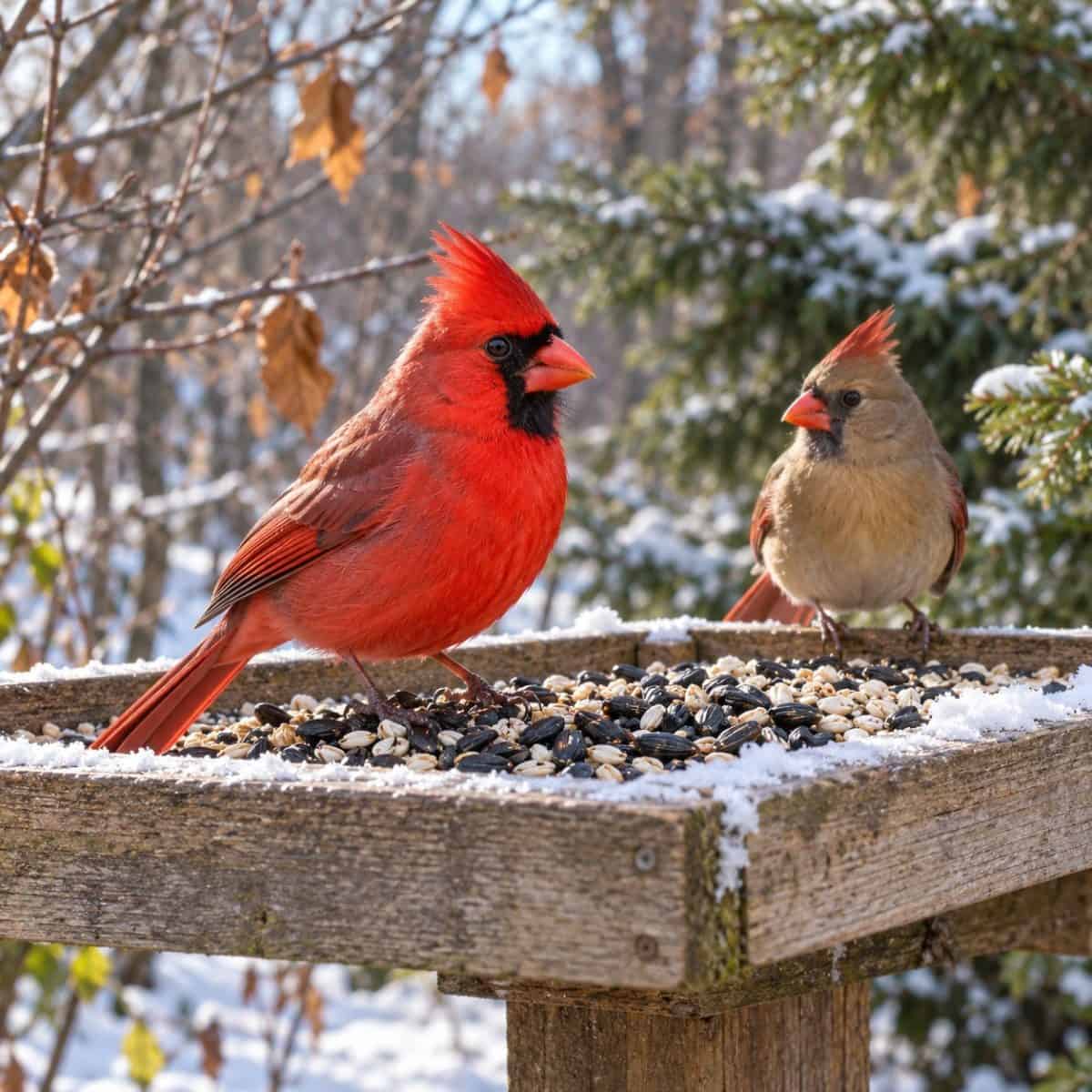
The good news? Attracting cardinals doesn’t require an expensive feeder or a complicated feeding routine. It starts with serving foods they love to eat. With that in mind, here are five of the best seeds and feeds to bring more cardinals to your backyard - and keep them coming back all winter long!
How To Attract More Cardinals To Your Feeders
The Seeds & Feeds Cardinals Love Most
Although all of the food sources listed below are great for cardinals, when feeding, it's always a good idea to mix one or more of them together. This not only increases their want to visit, but provides them an overall healthier winter diet.
With that said, one of the best food sources of all to feed cardinals are black oil sunflower seeds. And that is exactly why they are number one on today's list!
Black Oil Sunflower Seeds
One of the most nutritious seeds to offer cardinals is black-oil sunflower seeds. These seeds are a top choice for cardinals due to their thin shells, which are easier for them to crack open compared to other types of sunflower seeds.
But even better, the high oil content provides much needed energy to help cardinals survive chilly winter days and frigid nights. Black oil sunflower seeds are also rich in fat and protein, making them a great energy source for birds.
Perhaps best of all, while cardinals love them, these seeds also attract other birds like chickadees, finches, and nuthatches. All of which need winter calories and energy as well!

Black oil sunflower seeds work best in a bird feeder with a tray or hopper design. With cardinals being a larger bird, they are more comfortable feeding from flat surfaces rather than hanging feeders, which can be difficult for them to perch on. Affiliate Link: Wagner's Black Oil Sunflower Seed Wild Bird Food
Attract Cardinals With Safflower Seeds
If you’re looking to attract cardinals while deterring less desirable visitors such as squirrels and chipmunks, safflower seeds are an excellent choice. Cardinals love safflower seeds, but most squirrels and chipmunks do not find them appealing in the least. Why? Because they have a slightly bitter taste - but a taste birds cannot detect.
Safflower seeds are highly nutritious for cardinals. They are packed with healthy fats and proteins that help cardinals maintain their energy levels during winter.
In addition to not attracting squirrels, many larger, more aggressive birds avoid safflower seeds as well. This gives cardinals and some of the smaller bird varieties more feeding opportunities. Affiliate Link: Wagner's Safflower Seed Wild Bird Food.
Much as with black oil sunflower seeds, safflower seeds work well in traditional tray or hopper feeders. In fact the two are great to mix together.
Listen To Our Garden Podcast Below!

White Millet Seed
Another great seed that attracts cardinals during the winter is white millet. While many people associate millet with smaller birds like sparrows, cardinals enjoy foraging for it on the ground. The grain provides cardinals with valuable carbs, which is a key energy source during colder weather.
It is a simple, straightforward food that cardinals can easily consume. In addition, millet is usually less expensive than many other seeds, making it a more affordable option for filling feeders.
As for where to feed millet, cardinals are known to forage for it best while it's on the ground. For this reason, most bird enthusiasts scatter millet beneath their feeders or near shrubs where the birds have natural protection.
Millet is also perfect for mixing in with other seed varieties in a platform feeder. Affiliate Link: White Millet Wild Bird Seed For Outside Feeding.
Cracked Corn
Cracked corn is another affordable and nutritious food that cardinals really enjoy. The corn kernels are broken down into smaller pieces, making them easier for cardinals to consume. While whole corn is typically too large for cardinals, cracked corn is perfect for their medium-sized beaks.

Cracked corn is rich in carbohydrates, which is crucial for sustaining cardinals' energy during cold spells. It is also very versatile. You can use it as part of a seed mix or offer it completely on its own. Though it is a favorite of cardinals, cracked corn will also supply a long list of other winter birds with much needed energy.
Cracked corn can be fed to cardinals on platform and hopper feeders or scattered on the ground. You can usually find cracked corn at local feed stores in bulk.
Don't Forget The Peanuts!
Peanuts provide a protein-rich snack that cardinals relish. In the winter, when food is harder to come by, the dense energy that peanuts provide can be lifesaving for these birds. When feeding cardinals, it's best to always use unsalted, shelled peanuts.
Peanuts are an excellent source of protein and healthy fats, which are essential for the birds’ muscle maintenance and energy. The high energy source is wonderful for helping cardinals maintain body heat and energy levels during freezing temperatures.
Since peanuts are relatively large and filling, less food is wasted compared to smaller seeds that might spill or be overlooked.
Cardinals love peanuts in a tray or platform feeder, where they can perch comfortably while eating. You can also crush the peanuts and mix them with other seeds or scatter them on the ground.
Additional Help For Cardinals In The Fall & Winter
In addition to food, making sure there is a supply of fresh water nearby is critical for cardinals. Birdbaths can freeze in the winter, so consider using a heated birdbath to provide cardinals with a drinkable water source.
For their protection, always try to place feeders near trees or dense shrubs that offer shelter from harsh winds and predators. Evergreens are particularly useful for providing safe hiding spots and coverage during storms.
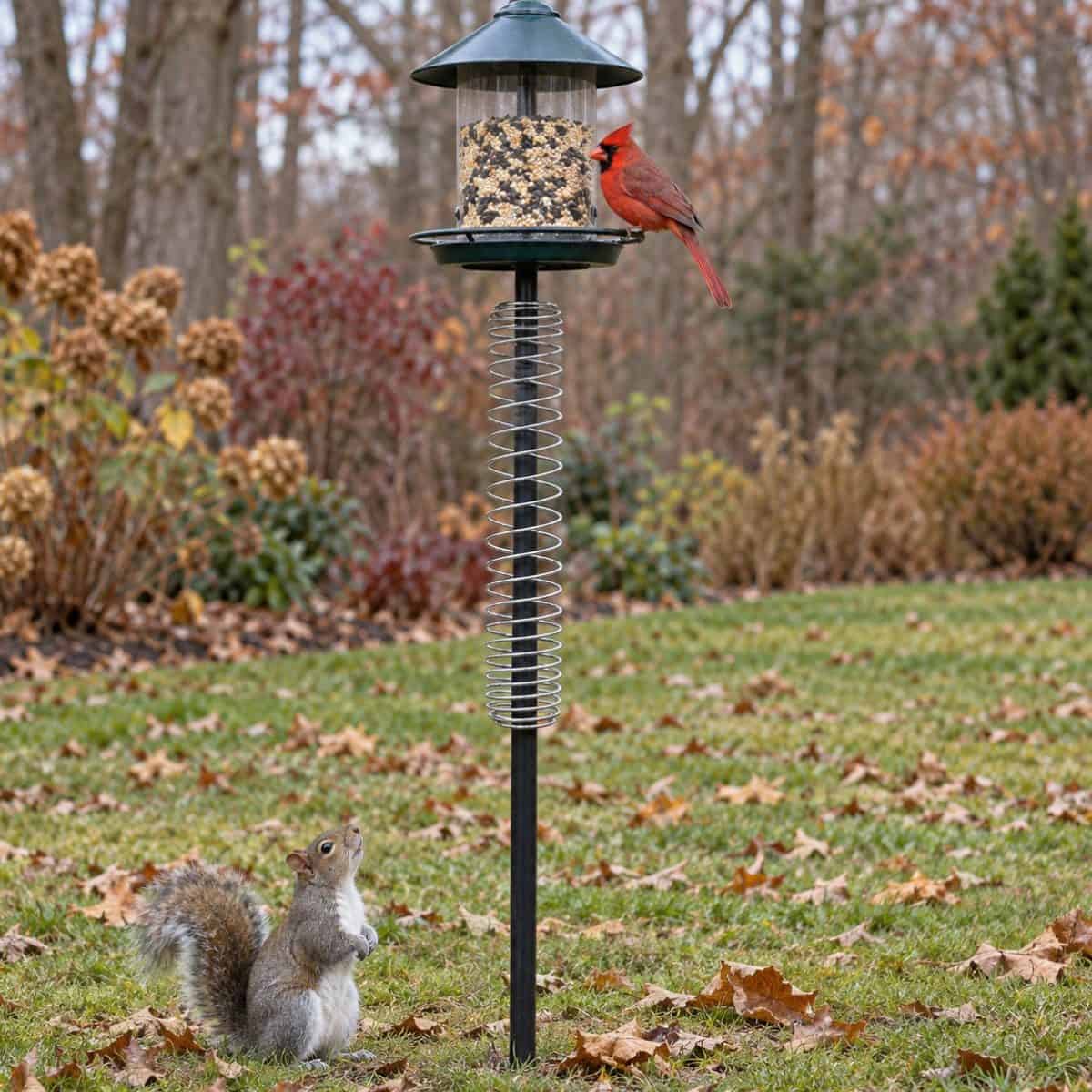
If squirrels are a problem, there are some simple and easy solutions to protect your feeders. One of the easiest is using a slinky on the pole to keep them from climbing! For more, see our article: 2 Simple Tricks That Work Wonders To Protect Bird Feeders From Squirrels!
Last but not least, stay consistent with feeding. Once you start feeding cardinals, try to maintain a steady supply of food throughout the winter. Cardinals, like many birds, are creatures of habit and will return to reliable food sources.
This Is My Garden
Follow Our Facebook Page For Great Gardening Tips And Advice! This Is My Garden Facebook Page
This Is My Garden is a garden website created by gardeners, for gardeners. Jim and Mary Competti have been writing gardening, DIY and recipe articles and books and speaking for over 15 years from their 46 acre Ohio farm. They publish three articles every week, 52 weeks a year. Sign up today to follow via email, or follow along!

More Fall Garden And Landscape
- How Short Should You Mow Your Lawn Before Winter?
- How To Winterize Your Strawberry Plants In October For A Bigger Harvest Next Year!
- 3 Popular Perennials You Should Not Cut Back In Late Fall - And Why!
- Why Fall Is The Perfect Time To Get Rid Of Stubborn Weeds Like Thistles, Chickweed, Dandelions & More!