The Best Way To Fertilize Marigolds - And Keep Them Loaded With Flowers!
Looking for the best way to fertilize marigolds to keep them blooming bigger, brighter and longer than ever this year?
From compact French marigolds that stay covered in small blooms to giant African marigolds with softball-sized flowers, there is a marigold variety for nearly every growing space imaginable. But no matter what type you grow, one thing is certain – if you want nonstop blooms all summer long, your plants need consistent nutrients to keep producing.
Unfortunately, many gardeners unknowingly fertilize marigolds the wrong way. Some apply too much fertilizer too often, while others use the wrong type entirely. And when that happens, marigolds usually respond by growing larger leaves and stems instead of creating more flowers.
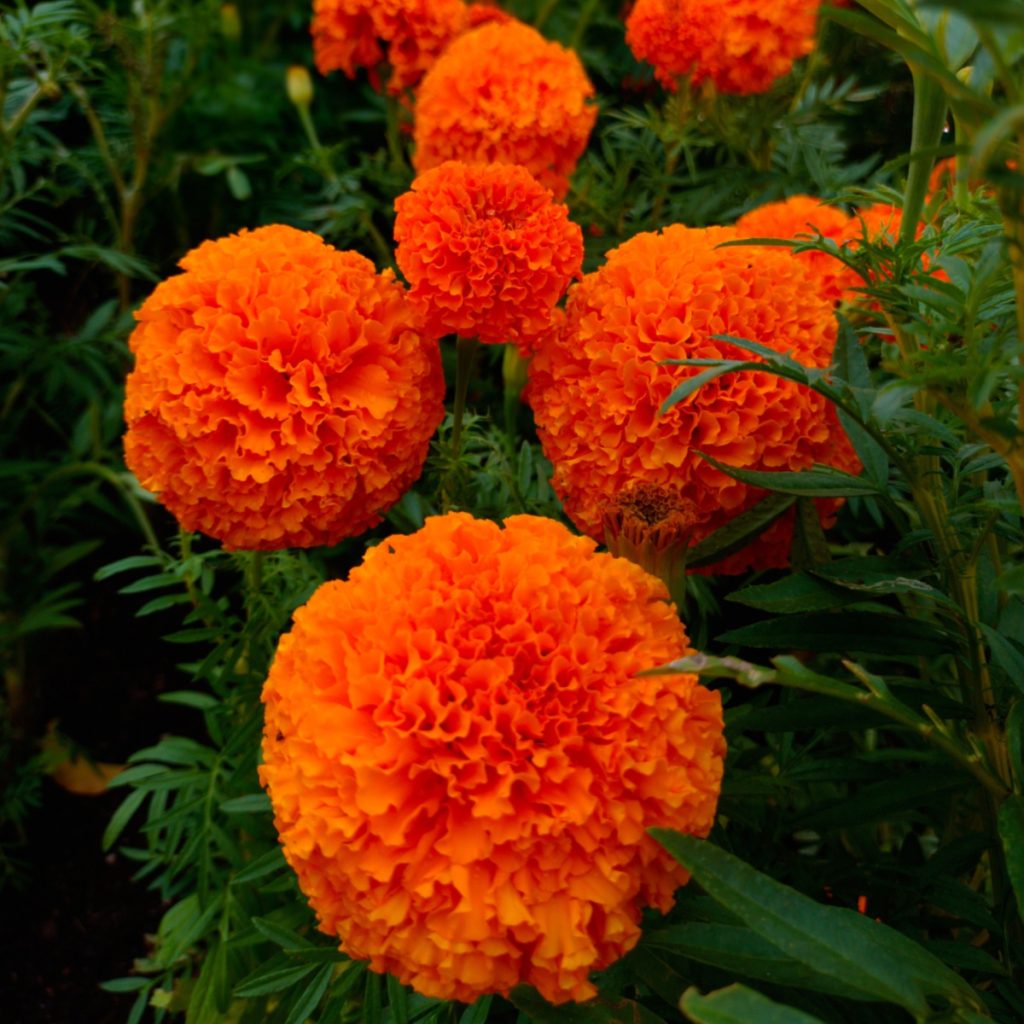
The good news is that keeping marigolds blooming strong is actually quite simple once you understand what the plants truly need. With the right fertilizer, applied at the right strength and at the right time, marigolds can bloom heavily from late spring all the way until frost.
The Best Way To Fertilize Marigolds - And Keep Them Loaded With Flowers!
Why Marigolds Need Extra Nutrients
Marigolds are naturally heavy bloomers. A healthy plant can produce dozens upon dozens of blooms over the course of a single season. But all of that flowering takes energy.
Every bloom a marigold creates requires nutrients from the soil. And as the plant continues producing more flowers week after week, it slowly drains those nutrients away. If the nutrients are not replenished, blooming will eventually slow down.
This is especially true for marigolds growing in containers and hanging baskets. Pots and baskets have a limited amount of soil, which means nutrients disappear much faster. But even marigolds growing in flowerbeds and gardens will eventually use up available nutrients as the season progresses.

That is exactly why regular fertilizing is so important. Supplying marigolds with a steady source of nutrients keeps plants healthy, vibrant and constantly producing new buds and blooms.
The Best Fertilizer For Marigolds
One of the biggest secrets to fertilizing marigolds successfully is choosing the correct type of fertilizer. And when it comes to marigolds, liquid fertilizers are almost always the best choice.
Liquid fertilizers work quickly because nutrients are already dissolved and immediately available to plants. Instead of waiting for granules to slowly break down in the soil, marigolds can absorb liquid nutrients through both their roots and foliage.
This quick absorption is extremely important for flowering plants. Marigolds need a steady flow of nutrients to continue producing blooms. Liquid fertilizers help provide that constant energy source far better than most dry granular fertilizers.
Granular fertilizers certainly have their place in gardening. They work well for slowly feeding plants over time and encouraging steady growth. But marigolds benefit more from quick access to nutrients that help power flower production.
That fast-acting power is what helps marigolds continually form new buds and blossoms instead of slowing down during hot summer weather.

Avoid Fertilizers High In Nitrogen
Another huge key to success is understanding the numbers listed on fertilizer labels. Every fertilizer package displays three numbers. These numbers represent nitrogen, phosphorus and potassium – often called the N-P-K ratio.
Nitrogen helps plants grow green leaves and stems. Phosphorus helps plants develop roots and flowers. Potassium helps overall plant strength, bloom production and disease resistance. For marigolds, too much nitrogen can actually become a problem.
When marigolds receive excessive nitrogen, they put most of their energy into growing larger and bushier foliage. Although the plants may appear healthy and green, they often produce very few blooms.
That is why bloom fertilizers work best for marigolds. Bloom fertilizers contain higher amounts of phosphorus and potassium and lower amounts of nitrogen. Those nutrients help direct the plant’s energy toward flower production instead of excessive leaf growth.
Many fertilizers labeled as “Bloom Booster” fertilizers are ideal for marigolds. These fertilizers are specifically designed to help flowering plants create more buds and stronger blooms. A fertilizer with a ratio where phosphorus and potassium numbers are higher than nitrogen is usually the best option. Affiliate Link: Farmer’s Secret Fruit & Bloom Booster Fertilizer (32oz) - Super Concentrated

How Often To Fertilize Marigolds
How often you fertilize marigolds matters just as much as what fertilizer you use.
One of the most common mistakes gardeners make is feeding marigolds too heavily all at once. Large doses of fertilizer can overwhelm plants and once again encourage excessive foliage growth instead of blooming.
Instead of feeding heavily every few weeks, it is far better to feed marigolds lighter doses more frequently. The easiest way to do this is to dilute your liquid fertilizer with extra water. Rather than mixing at full strength, mix the fertilizer at about half strength. This allows you to apply it more regularly without overpowering the plants.
A light feeding every seven to ten days works extremely well for marigolds. The smaller but consistent supply of nutrients helps plants continue setting fresh buds and blooms throughout the entire growing season.
This steady approach also keeps plants healthier overall because they never experience long periods without nutrients.
Fertilizing Marigolds In Containers
Marigolds growing in containers need even more attention when it comes to fertilizing. Every time you water a container plant, nutrients slowly wash out through the drainage holes. By mid-summer, much of the original nutrition in the potting soil is gone.

That is why potted marigolds usually benefit from weekly feeding. A diluted liquid fertilizer applied once every seven days can make a huge difference in bloom production.
Consistent watering is also critical for container marigolds. Plants that dry out repeatedly often stop blooming altogether. Keeping the soil evenly moist while fertilizing regularly will help container marigolds stay healthy and productive.
Don’t Forget To Deadhead
Even the best fertilizing routine cannot completely overcome faded blooms left on the plant.
Deadheading is one of the simplest ways to encourage marigolds to keep blooming heavily. Removing old flowers prevents the plant from wasting energy trying to form seeds.
As long as old blooms remain attached, the plant continues sending nutrients and energy toward those aging flowers. But once you remove them, the plant redirects its power toward creating fresh buds.
Deadheading marigolds only takes a few minutes every week, but it can dramatically increase the number of blooms your plants produce. Simply pinch or snip faded flowers off just above the next set of leaves. The cleaner you keep your marigold plants, the more blooms they will continue producing.

Marigolds Are More Than Just Beautiful
One of the best reasons to grow marigolds is that they do far more than simply add beauty to a garden. See: The 3 Best Marigolds To Plant In Your Flowerbeds & Garden This Year.
Marigolds are excellent companion plants for vegetable gardens. Their scent can help deter pests, and their blooms attract pollinators and beneficial insects. Here is to fertilizing your marigolds the right way this year – and enjoying bigger, brighter blooms from spring all the way until frost!
This Is My Garden
Follow Our Facebook Page For Great Gardening Tips And Advice! This Is My Garden Facebook Page
This Is My Garden is a garden website created by gardeners, for gardeners. Jim and Mary Competti have been writing gardening, DIY and recipe articles and books and speaking for over 15 years from their 46 acre Ohio farm. They publish three articles every week, 52 weeks a year. Sign up today to follow via email, or follow along!

More marigolds
- The 3 Best Marigolds To Plant In Your Flowerbeds & Garden This Year!
- Why Summer Is The Best Time To Save Marigold Seeds - Start Saving Seeds Now!
- How To Keep Marigolds Blooming Big In The Summer - 3 Simple Secrets For More Blooms!
- The Best Marigolds To Grow To Repel Pests, Attract Pollinators - And Add Big Color!