4 Great Ways To Use Grass Clippings In Gardens, Flowerbeds & More!
Looking for a few great ways to use all of those grass clippings coming from your yard this spring and summer?
If there is one thing most homeowners have plenty of during the growing season, it’s grass clippings. And although many people bag them up and send them to the curb, those fresh green clippings can actually become one of the most useful resources around for powering vegetable gardens, flowerbeds and even compost piles.
Grass clippings are loaded with nutrients. In fact, fresh clippings contain a surprising amount of nitrogen, along with smaller amounts of potassium and phosphorus. As the clippings break down, they slowly return those nutrients back to the soil. But beyond feeding the soil, grass clippings can also help conserve moisture, suppress weeds, protect plant roots from heat, and improve soil structure. The key is knowing how to use them correctly!

4 Great Ways To Use Grass Clippings
Making Sure Your Grass Clippings Are Safe To Use
One important thing to remember before using any grass clippings around plants is that they should come from lawns that have not been treated with weed killers, herbicides, pesticides or fertilizer products. This is especially important when using clippings around vegetables, herbs or flowers.
Many lawn weed control products contain chemicals that can remain active in grass clippings for weeks. If those clippings are spread around plants, the chemicals can leach into the soil and damage or even kill sensitive plants. Tomatoes, peppers, beans and many flowering annuals are especially vulnerable to herbicide contamination.
Freshly fertilized lawns can also create issues. High nitrogen fertilizers can burn plants or overload the soil with too many nutrients. That is why it’s always best to use only clean, untreated grass clippings in gardens and flowerbeds. With that in mind, here is a look at four great ways to put those grass clippings to work!
Use Clippings As Mulch Around Vegetable Plants
One of the best uses for grass clippings is using them as mulch around vegetable plants. In fact, few mulches work better for tomatoes, peppers, cucumbers, zucchini and many other garden crops.
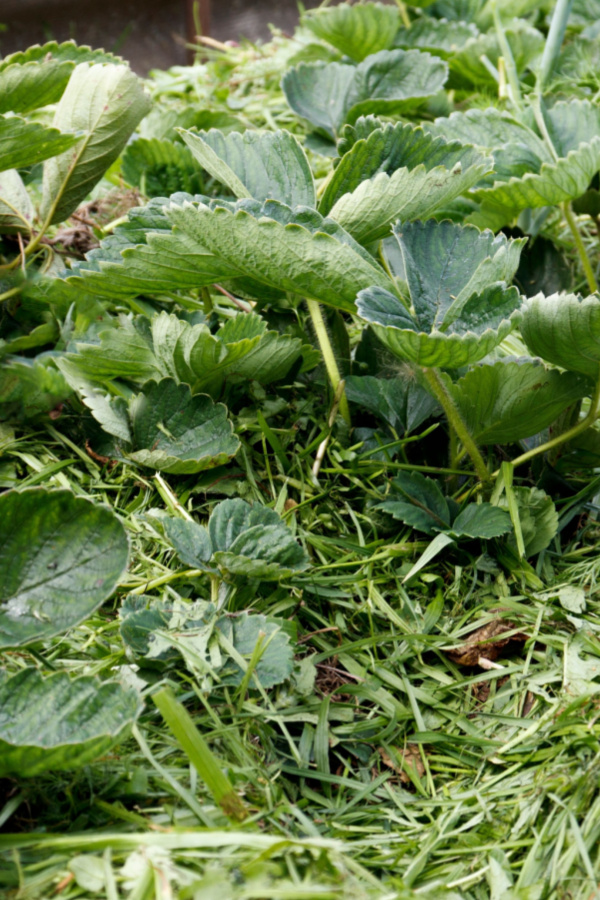
A good layer of mulch around vegetable plants helps regulate soil temperatures and keeps moisture from evaporating too quickly. During the heat of summer, mulch can make a huge difference in helping plants stay healthy and productive.
Grass clippings also do an excellent job of stopping weeds. When weeds compete with vegetable plants for water and nutrients, production often drops. A thick layer of clippings blocks sunlight from reaching weed seeds and prevents many weeds from sprouting in the first place.
Apply In Thin Layers
The best way to use grass clippings as mulch is to apply them in thin layers. Never pile fresh clippings too thick all at once. Thick piles can mat together and create a slimy layer that prevents water and air from reaching the soil.
Instead, spread clippings in layers of one to two inches at a time. Allow each layer to dry slightly before adding more. Over time, you can build up a mulch layer that is four to six inches thick around plants.
Tomato plants especially benefit from grass clipping mulch. The mulch helps keep soil from splashing onto leaves during rainstorms and watering. This can greatly reduce the spread of soil-borne diseases like blight.
Pepper plants also thrive with clipping mulch because it helps maintain even soil moisture. Peppers struggle when soil repeatedly dries out and becomes overly wet again. Mulch helps stabilize those moisture levels.
Grass clippings can even help cool the roots of lettuce, spinach and other cooler weather crops during warmer temperatures. That extra protection can often extend harvests by several weeks.
Check Out Our Latest Podcast Below!

Adding Clippings To Planting Holes
Grass clippings can be a great addition to planting holes for vegetables and annual flowers. As they break down, they release nitrogen and organic matter into the soil. Always use untreated clippings that are free from weed killers and lawn fertilizers, as chemicals can harm young plants.
To use them, place a small handful of clippings in the bottom of the planting hole and cover with a little soil before transplanting. This keeps roots from touching fresh clippings directly while still allowing nutrients to feed the plant as the grass decomposes.
Grass clippings work especially well for tomatoes, peppers, cucumbers, zucchini, marigolds, petunias, and zinnias. The decomposing grass also helps attract earthworms and beneficial microbes that improve soil health and help roots grow stronger.
Only use a small amount in each hole, as too many fresh clippings can mat together and hold excess moisture. Mixing clippings with compost or worm castings creates an even better planting blend and helps plants get off to a fast start.
Add Grass Clippings To Compost Piles
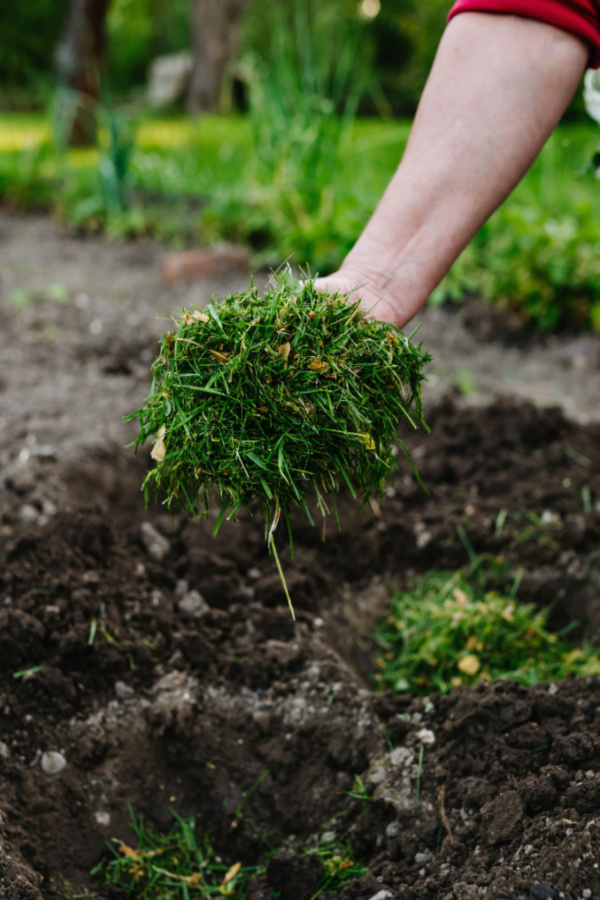
Grass clippings are also one of the best ingredients for powering a compost pile. Because they are considered a “green” material, they contain high amounts of nitrogen that help compost piles heat up and break down quickly. See: How To Make Great Compost – The 4 Simple Secrets To Success!
A healthy compost pile needs a balance of green materials and brown materials. Green materials include things like grass clippings, vegetable scraps and coffee grounds. Brown materials include dry leaves, straw, shredded cardboard and small twigs.
When too many brown materials are added without enough greens, compost piles break down very slowly. Grass clippings can help speed up the process dramatically. The key is mixing clippings properly. Never add huge thick layers of fresh grass clippings alone to a compost pile. They can compact together and create a wet, smelly mess that limits airflow.
Instead, mix thin layers of grass clippings between dry leaves, shredded paper or straw. This creates airflow while still supplying valuable nitrogen to the pile. And when starting a new pile, always use a compost starter to get things cooking fast! Affiliate Link: Roebic CA-1 Bacterial Compost Accelerator
Use Cut Grass To Feed Flowerbeds
Flowerbeds can benefit greatly from clippings as well. Just as in the vegetable garden, grass clippings help conserve moisture and suppress weeds around flowering plants. Many annual flowers struggle during hot summer weather because shallow roots dry out quickly. Mulching with grass clippings helps keep the soil cooler and prevents rapid moisture loss.
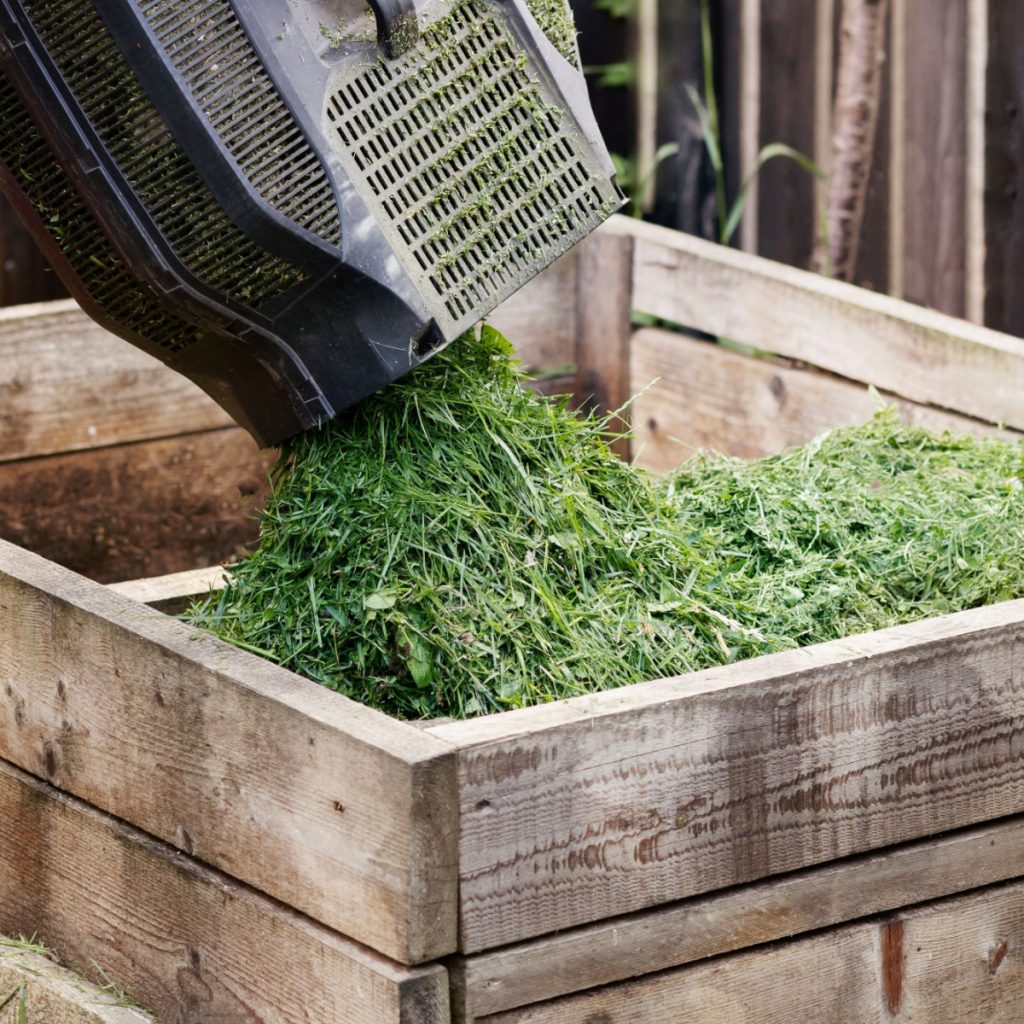
Clippings work especially well around marigolds, zinnias, petunias, and other sun-loving annuals. Perennials such as hostas, black-eyed Susans and coneflowers can benefit too.
As the clippings slowly decompose, they release nutrients directly into the soil. This slow feeding process can help flowering plants maintain stronger growth and more consistent blooms throughout summer.
Again, the key is using thin layers. Thick wet layers around flowers can hold too much moisture against stems and potentially lead to rot or fungal issues. Keep the clippings a few inches away from the base of plants and spread them evenly around the root zone instead. Over time, the mulch will naturally break down and improve the soil underneath.
Grass clippings can also reduce how often flowerbeds need watered. During long stretches of hot weather, mulched flowerbeds often require far less supplemental watering than bare soil beds.
A Free Way To Better Plants & Soil
When used correctly, grass clippings can become one of the most valuable resources for gardeners. Instead of throwing them away, they can help build healthier soil, stronger plants, fewer weeds and better harvests all season long.
By simply recycling those clippings back into the landscape, it’s possible to improve gardens naturally while reducing waste at the same time.
This Is My Garden
Follow Our Facebook Page For Great Gardening Tips And Advice! This Is My Garden Facebook Page
This Is My Garden is a garden website created by gardeners, for gardeners. Jim and Mary Competti have been writing gardening, DIY and recipe articles and books and speaking for over 15 years from their 46 acre Ohio farm. They publish three articles every week, 52 weeks a year. Sign up today to follow via email, or follow along!

More lawn
- How Short Should You Mow Your Lawn Before Winter?
- Why Fall Is The Perfect Time To Get Rid Of Stubborn Weeds Like Thistles, Chickweed, Dandelions & More!
- The 3 Best Things You Can Do For Your Lawn In October!
- The Best Way To Fill In Bare Spots In Your Lawn With Grass Seed - 2 Big Secrets For Thick, Fast Growth!