The Best Way To Fill In Bare Spots In Your Lawn With Grass Seed - 2 Big Secrets For Thick, Fast Growth!
Have a few bare spots in your lawn that you want to fill in by planting grass seed?
Whether the damage is from pets, heavy foot traffic, drought, or disease, bare spots can quickly make an otherwise beautiful lawn look worn and neglected. Even worse, those open areas are the perfect place for weeds to take hold if they aren't repaired quickly.
The good news is that filling in bare spots doesn't have to be difficult. With the right timing and a few simple planting techniques, you can get new grass seed to germinate quickly, establish strong roots, and blend seamlessly into the rest of your lawn. Best of all, it's an affordable way to restore your yard without having to renovate the entire lawn.
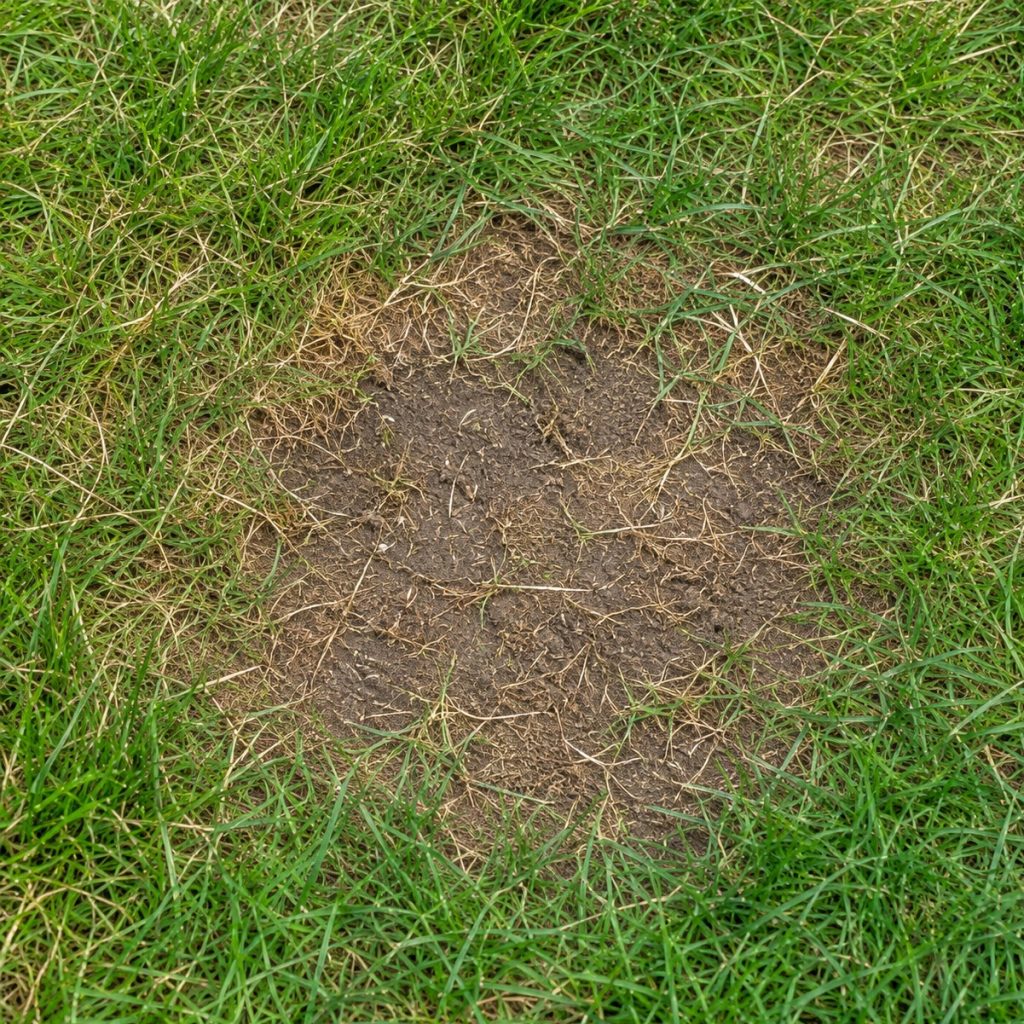
The Best Way To Fill In Bare Spots In Your Lawn With Grass Seed
Why Grass Seed Blends Are Best To Fill In Bare Spots In A Lawn
One of the biggest secrets to success when sowing grass seed is using not only good seed, but the right type of seed.
When planting grass seed, it’s always better to select a grass seed blend than a single type of seed. Blends contain a mixture of varieties that grow in harmony to fill in for a thicker, more robust lawn. Even better, blends are far less likely to fall victim to disease.
A single variety of grass seed takes the same set of nutrients from the soil to grow. Unfortunately, that means it can quickly deplete those nutrients and begin to struggle. In addition, if a single variety is attacked by a disease or a pest, it will decimate the entire lawn. But with bare spots, blends also allow the grass to fill in and look far better and uniform with existing grass. Affiliate Grass Seed Link: Pennington Multi Use Tall Fescue Grass Seed Mix
Why Grass Seed Blends Are The Way To Go – How To Plant Grass Seed
By using a blend, there is less risk of depleting all of the nutrients in the soil at once. There is also much less of a risk of disease or pests destroying the entire yard. Even better, good blends will have a mixture of seed, some of which have deeper roots, some more shallow.
Above the soil, some seed varieties will grow thick and taller, while some will thicken at a lower level. All of this diversity means that your lawn fills in everywhere with better results.

One last important note on the topic of selecting seed – it’s critical to always pick varieties that are designed and bred to grow well in your area. A hot grass seed blend designed for Florida will not perform well in Minnesota. Likewise, a grass that would grow well in the northern, cooler states will never hold up in the more humid and hot southern states.
The Big Secret - Adding Cover Crop Seed To Your Seed Mix!
Now on to the second and most important secret of all when it comes to the best way to fill in the bare spots in your lawn – no matter what seed blend you select, always add in a portion of annual cover crop seed with it as you plant.
This one trick can help your seed blend germinate better. It will also have you watering it less – and keep weed seeds from finding a home early on in your new lawn! The two best cover crop choices for this method are annual cereal rye or annual cereal oats. Both are a larger grain style of seed, and both germinate fast!
How Cover Crop Seed Helps Grass Seed Fill In Bare Spots In Your Lawn Fast!
Why is adding cover crop seed so important? Because the cover crop seed will germinate quickly in the soil. This not only provides shade for the seed blend to establish, it also helps cover bare soil. This makes it hard for weed seeds to blow in and establish.
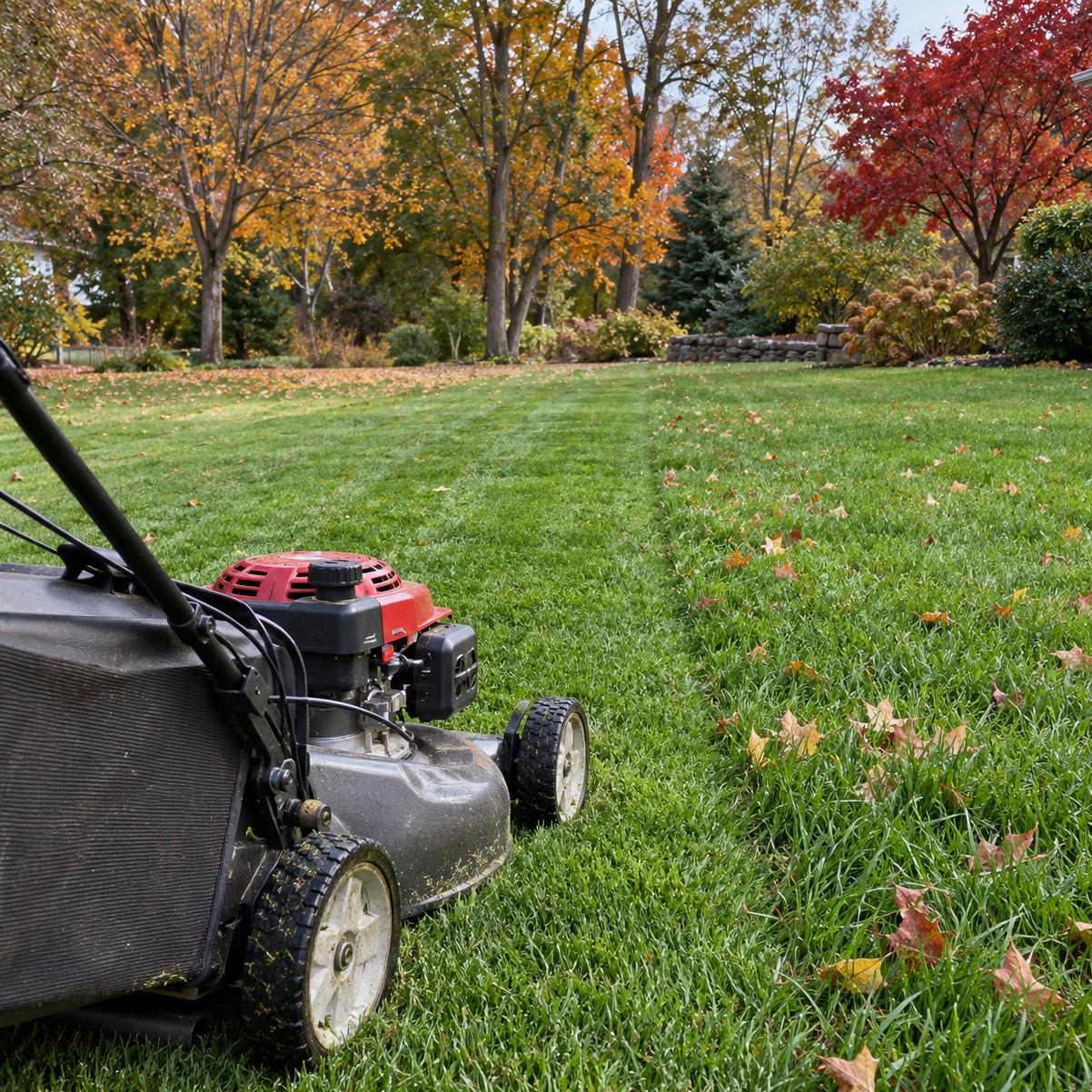
As the grass seed establishes, the cover crop continues to help shelter and protect the tender lawn seed as it begins to grow. Then, as an annual cover crop seed will do, after it is mowed a few times, it begins to die off, allowing the lawn to thicken in around it.
Even better, as the cover crop roots and grass die off, they add nutrients to the soil that your lawn can then use to power up even more. It truly is a match made in heaven for starting grass seed!
For best results, mix in 1 pound of cover crop seed for every 3 to 4 pounds of grass seed. It is important to make sure you are purchasing an annual cover crop seed, and not a perennial version. The seed is a much larger grain style seed and does not look like traditional grass seed. Affiliate Link: Mountain Valley Seed Co No-Till Annual Rye Grass Seed
Check out our latest podcast below!

Putting It All Together
When you plant your grass seed can play a huge role in how well it develops and fills in. One thing is for sure, if at all possible, early summer should be avoided - but late summer and early fall works very well.
One of the toughest times of all to grow new grass seed is in early summer. For starters, the hot and dry conditions make it tough for new seeds to establish. Not only does it require constant watering to get the seeds to germinate, the tender young seeds often fail trying to cope with the sun’s intense rays that have to go all through the summer.
So what is the best time for planting? Well, there are actually two great times to plant seed – early spring and late summer/ early fall. Of the two, late summer and early fall is the better time. Not only are the temperatures going to get cooler, but the grass does not have to immediately go through all of the hot summer months. Instead, it can go dormant, and have another cool season of spring to establish with little stress.
The Late Winter Trick
If you are trying to simply thicken up a lawn, late winter / very early spring can also be a perfect time to spread a bit of seed. Especially if there happens to be a light covering of snow on the ground! Spreading seed on top of a late winter / early spring snowfall can do wonders for thickening up lawns.
The seed melts into the ground with the snow, and has plenty of time to germinate and grow before your first spring mowing. Here is to taking time late this summer and fall to fill in the bare spots in your lawn - and to a great lawn next year!
For more great information on lawn care - be sure to check out our article: 3 Simple Tips & Tricks To A Lush, Green Lawn – With Little Work Or Cost!
This Is My Garden
Follow Our Facebook Page For Great Gardening Tips And Advice! This Is My Garden Facebook Page
This Is My Garden is a garden website created by gardeners, for gardeners. Jim and Mary Competti have been writing gardening, DIY and recipe articles and books and speaking for over 15 years from their 46 acre Ohio farm. They publish three articles every week, 52 weeks a year. Sign up today to follow via email, or follow along!