How Much Wood Ash Should You Use In Your Garden And Raised Beds This Fall & Winter?
Wondering how much wood ash from your fireplace or fire pit you should use in your garden or raised beds this winter to help recharge the soil? Or if you should even put them in at all?
One thing is for sure, wood ash can be a useful soil amendment. It contains calcium, potassium and smaller amounts of other minerals that plants use. And instead of sending it out with the trash, you may be able to put a little of it to work where you grow vegetables.
But with wood ash, more is certainly not better! In fact, spreading too much can create problems that last far longer than the fire that produced it. That is especially true in raised beds, where a small growing space can receive a surprisingly heavy dose from just a few scoops.
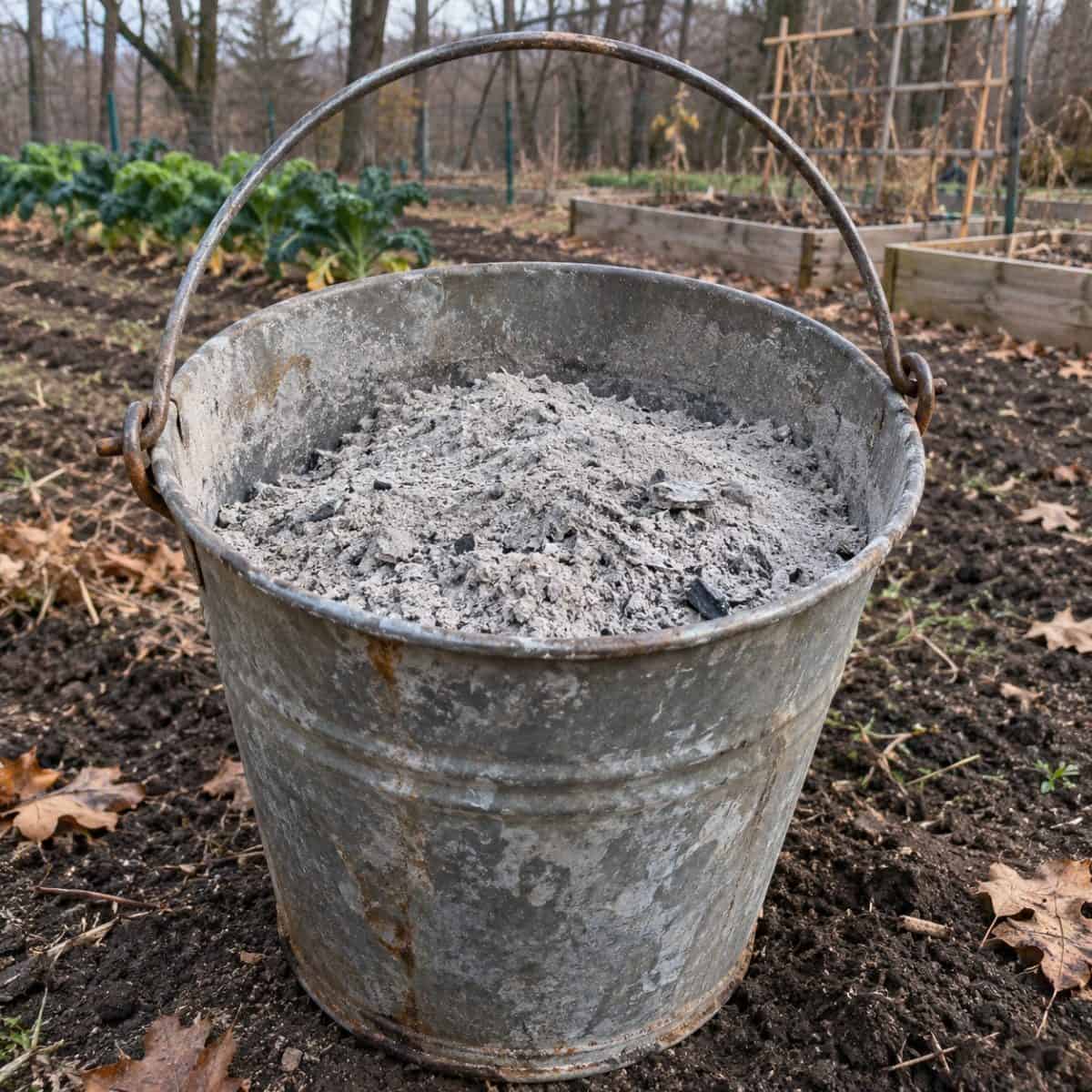
The secret is understanding how wood ash changes soil, knowing what you need, and measuring before you spread it!
How Much Wood Ash Should You Use In Gardens & Raised Beds
What Ash Actually Does For Your Soil
Wood ash contains some of the minerals that remain after wood burns. Two of the most useful are calcium and potassium.
Potassium helps plants regulate water and supports many processes involved in healthy growth. Calcium plays an important role in cell walls and developing plant tissues. But wood ash does something else that is just as important to understand. It raises soil pH, making acidic soil less acidic.
That can be helpful when soil needs that adjustment. But when soil is already near neutral or alkaline, adding ash can push conditions in the wrong direction. As pH climbs too high, some nutrients become harder for plants to absorb.
Wood ash also contains soluble salts. A concentrated application can injure roots and seedlings, particularly when it collects in a small area. And although ash contains minerals, it isn’t a complete fertilizer. It supplies essentially no nitrogen and doesn’t replace the organic matter that compost adds.
This is why continuing to add other organic amendments all through the winter to your soil is always a good idea! See our article: 3 Easy Ways To Use Coffee Grounds This Fall To Recharge The Soil In Your Flowerbeds & Garden!

How Much Wood Ash Can You Apply?
There is no single amount that every garden or raised bed needs. The right amount depends on the soil’s existing pH, its ability to resist pH changes and what you plan to grow.
For soil that needs a modest application, a conservative upper limit is about five pounds of wood ash per 1,000 square feet over an entire year. That is a ceiling for cautious use, not a goal to reach. Some gardens need less. Others should receive none.
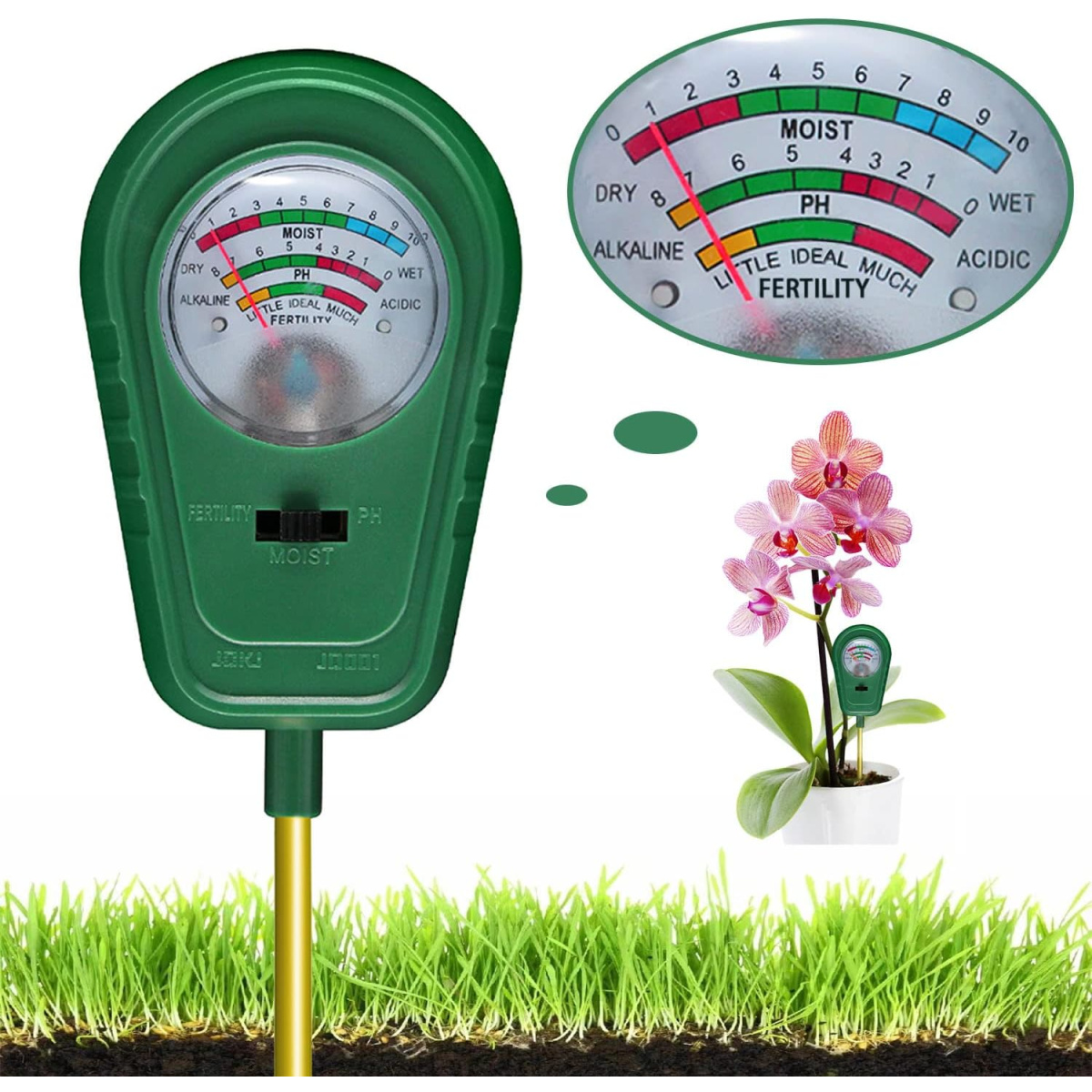
A pH soil meter is the most reliable way to determine whether ash belongs in your beds. They are inexpensive and easy to use. If the soil is already around pH 6.5 to 7.0 or higher, skip routine applications unless a specific recommendation supports them. Affiliate Link: SONKIR Soil pH Meter, MS02 3-in-1 Soil Moisture/Light/pH Tester
Also account for anything you have already added. If you recently applied garden lime, don’t automatically follow it with wood ash. Both materials can raise pH, and their effects add together. The same goes for repeated winter applications. A little after every fire can become a lot by spring.
Measuring Wood Ash For Raised Beds
Raised beds make careful measuring especially important. A bucket that seems small beside a large garden may be far too much for one bed.
Using the conservative annual amount of five pounds per 1,000 square feet, a 4-by-8-foot raised bed would receive only about 2.6 ounces by weight.
A 4-by-12-foot bed would receive about 3.8 ounces. A 100-square-foot growing area would receive eight ounces. Those are small quantities!
Use a scale rather than measuring by the bucket or assuming every cup weighs the same. Ash varies in density depending on the wood, how completely it burned and how much charcoal remains.
If you don’t have a practical way to weigh a small amount, don’t guess with a generous scoop. Set the ash aside until you can measure it.
Raised beds filled with purchased soil blends and compost may already have a suitable pH and plenty of certain nutrients. Their small size doesn’t make ash more necessary. It simply makes overapplication easier.
Only Use Ash From Clean, Untreated Wood
The source of the wood ash matters just as much as the amount when using in a garden or raised beds.
Use only ash from clean, untreated, unpainted wood. Hardwood and softwood ashes can both contain useful minerals, although their composition varies.
Never spread ashes from pressure-treated lumber, painted wood, plywood, particleboard or burned trash. These materials can introduce unwanted contaminants into soil where you grow food.
Listen To Our Garden Podcast Below

Coal ash and barbecue briquette ash also don’t belong in your vegetable garden. If you aren’t sure what went into a fire, keep its ashes out of your growing beds. A small potential benefit isn’t worth adding material of unknown composition.
When To Apply Wood Ash This Winter
Winter can provide an opportunity to amend an empty bed, but the condition of the soil matters more than the calendar. Don’t spread wood ashes in the garden or raised beds over snow, frozen ground or saturated soil. It can wash away during rain or snowmelt instead of remaining where you intended.
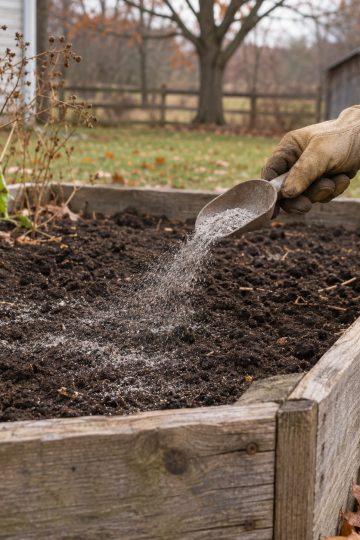
Choose a calm day when the ground is workable and reasonably dry. Fine ash blows easily, making even coverage difficult in windy weather. Spread the measured amount thinly across the entire area. Avoid piles, stripes and concentrated patches.
On an empty bed, lightly mix it into the upper few inches of soil where practical. You don’t need to deeply turn the entire garden.
If you use a winter mulch, pull it aside before applying ash rather than leaving ash sitting in a layer on top. Replace the mulch afterward.
Where You Shouldn’t Use Wood Ash
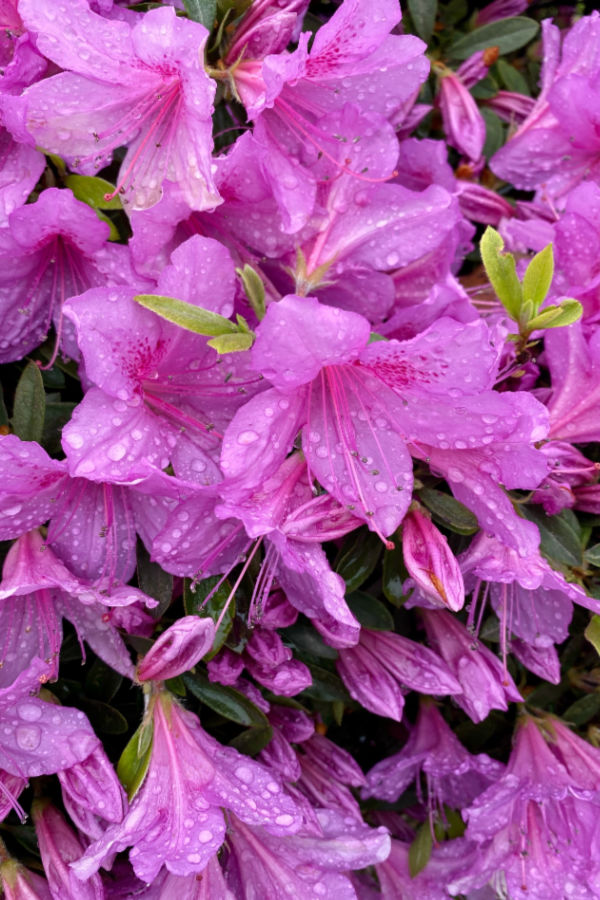
Some plants prefer acidic soil and are poor candidates for ash applications. Keep it away from blueberries, azaleas, rhododendrons and other acid-loving plants. Raising the pH around their roots can make growing conditions less suitable.
Avoid applying it to a bed where you plan to grow potatoes. Higher soil pH can favor common scab, a disease that causes rough, corky patches on potato skins.
Don’t sprinkle ash into seed-starting containers or add a handful to transplant holes. Small roots are particularly vulnerable to concentrated salts and abrupt changes in soil chemistry.
And never assume that a struggling plant needs ash. Yellow leaves and weak growth can have many causes. Adding an alkaline amendment without knowing the problem can make recovery more difficult.
Don’t Mix Ash With Everything Else
You can add wood ashes to other things beside your garden - like a compost pile. But keep it to occasional, very light dustings distributed among plenty of other materials. Remember that the finished compost will eventually carry those minerals into your garden.
Composting doesn’t make a large amount of ash disappear or turn it into a harmless amendment for every soil.
Last but not least - always wear gloves, protect your eyes and avoid breathing the fine dust when handling or spreading it. Ash certainly has a place to help soil - but using it in moderation is the biggest key to success!
This Is My Garden
Follow Our Facebook Page For Great Gardening Tips And Advice! This Is My Garden Facebook Page
This Is My Garden is a garden website created by gardeners, for gardeners. Jim and Mary Competti have been writing gardening, DIY and recipe articles and books and speaking for over 15 years from their 46 acre Ohio farm. They publish three articles every week, 52 weeks a year. Sign up today to follow via email, or follow along!

More Vegetable Garden
- How To "Cover Crop” Your Garden With Leaves - Protect & Power Your Soil Over Winter!
- How To Use Wood Ashes To Recharge Raised Beds & Garden Soil! This Fall!
- The Biggest Fall Vegetable Garden Mistake - What Not To Do In Your Garden This Fall!
- How To Plant Garlic In Fall – 5 Secrets To Growing Big, Healthy Bulbs!