
One thing is for sure, one of the hottest landscaping trends right now is installing a Japanese Rake Garden – and you won’t believe how simple and easy it can be to create your own right in your backyard!
When it comes to bringing peace, calm, and quiet beauty right to your home. Japanese Rake gardens are small garden spaces that are also often called Zen gardens or dry gardens. The gardens are designed to feel soothing, relaxing, and simple.
But unlike most gardens that consist of flowers or large plants being the main focus, in a rake garden, smooth gravel, soft patterns, rocks, and a few key features work together to create a space that feels peaceful the moment you see it. And the very act of raking the garden into new designs can bring even more peace and calm!

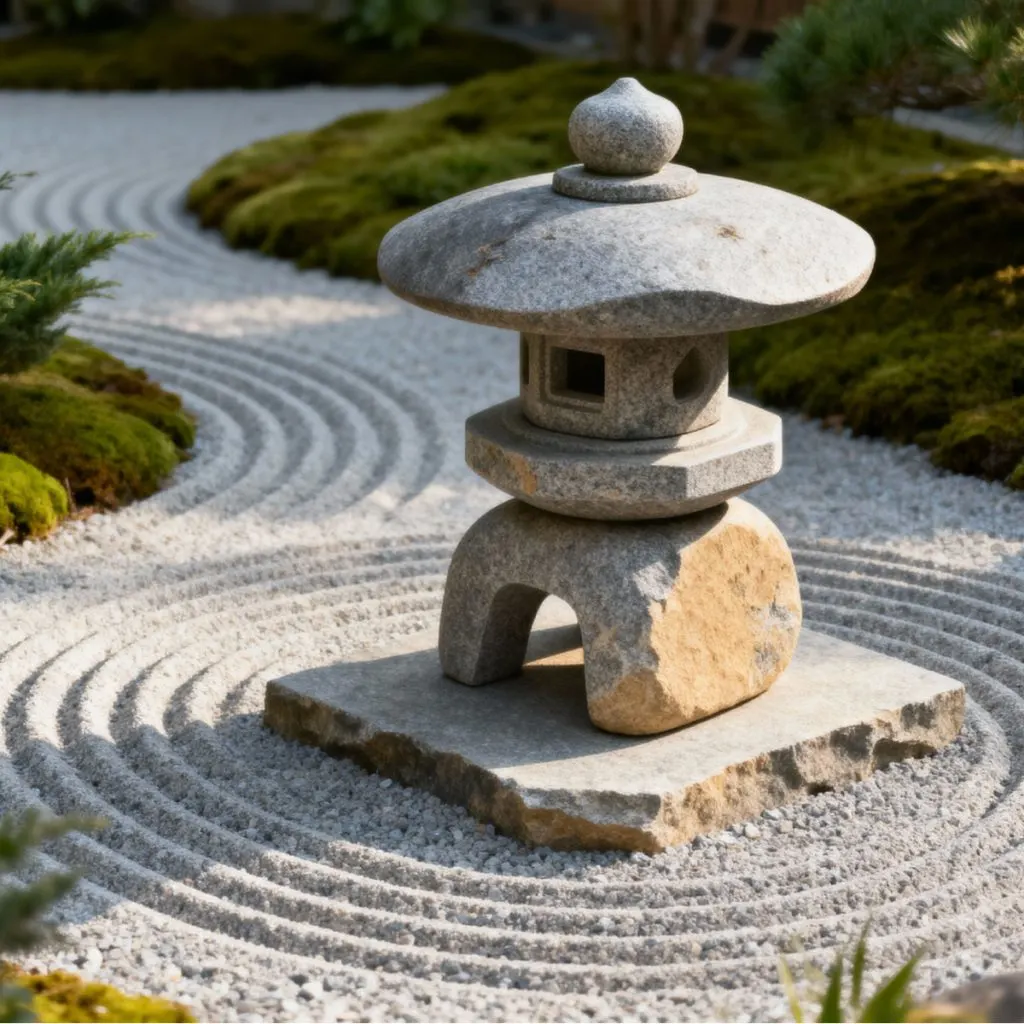
Maybe the best feature of all is that Japanese rake gardens do not need to be complicated or expensive to build. In fact, with just a little planning and a few basic materials, you can create one that fits perfectly into your own backyard.
How To Create A Simple Japanese Rake Garden
The Peaceful & Relaxing Task Of Raking
One of the most calming parts of having a Japanese rake garden is the act of raking itself. Many people find that gently pulling a rake through gravel or sand is incredibly soothing. It slows the mind, eases stress, and gives your hands something peaceful to do.
Instead of thinking about work, chores, or daily worries, your mind begins to focus on the soft lines forming in front of you. The motion is slow and simple, yet it feels meaningful. And it can be very meditative.
For many people, this small daily or weekly ritual becomes their quiet time to relax, breathe, and mentally reset. This is one of the biggest reasons these gardens are becoming so popular. In a world full of noise, screens, and constant busyness, having a calm place where you can slow down and do something gentle can feel almost magical.
And the rakes themselves are simple. Usually made of wood – the simple ends create all kinds of lines that spur the imagination. All with a calming affect on the mind!

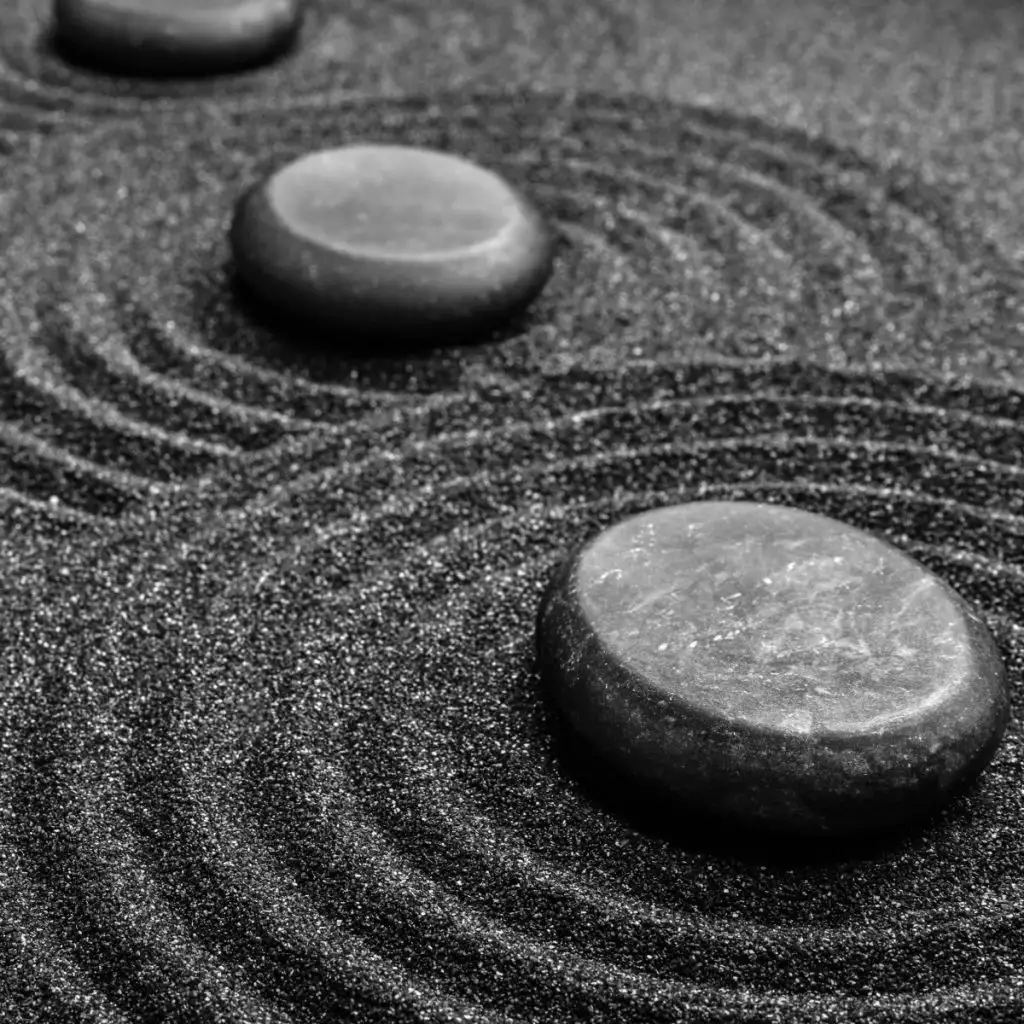
The History Of Japanese Rake Gardens
Japanese rake gardens have been used for centuries as places of reflection and calm. Today, more homeowners are adding them to their yards because they are both peaceful and practical. They are easy to care for, look beautiful all year long, and do not require the constant maintenance that flower beds or lawns need.
You do not need to worry about watering schedules, trimming plants, or replanting every season. Another big reason for their popularity is flexibility. A rake garden can be big or small. It can fill a corner, sit along a walkway, or become a main focal point in your landscape.
Even a 6-foot by 8-foot space can feel special and inviting. And they can stay attractive through every season – even winter! With a simple fresh raking, they always look neat and peaceful.
The Simple Secrets To Create Your Very Own Japanese Rake Garden
Location is a big key to success with a Japanese Rake Garden. Start by finding an area that already feels somewhat quiet or could easily become a peaceful space. Corners of the yard, areas near trees, spots next to patios, or places near a sitting area all work great.
The garden does not need to be large to feel meaningful. Small, well-designed spaces often feel the most calming. Privacy can also make the space feel more relaxing. If you live close to neighbors, placing the garden where it does not feel exposed can make it easier to unwind.


Preparing The Area
Good preparation is another big key to success. Once your spot is chosen, clear away grass, weeds, roots, and rocks. Smooth out the soil so the base is level. A good layer of limestone dust or screenings can help pack the area down and make it easy to smooth out.
Many people like to place a strong weed barrier fabric over this layer before adding gravel or sand. This step is not required, but it can greatly reduce weed growth and maintenance in the future.
Next, it’s time to outline the garden with edging. Edging will help hold the gravel or sand in place and gives the area a neat and defined look. Simple wood edging, metal edging strips, bricks, or stone borders all work well.
When you create a Japanese Rake garden, the edging also helps visually separate it from the rest of your yard, making it feel more like its own peaceful space.
The Best Materials To Use For A Rake Garden
The main surface of a Japanese rake garden is usually made from gravel, crushed stone, or sand. Each material works well, but each has a slightly different feel and look.
Pea gravel or fine crushed stone is one of the most popular choices because it stays in place well and is easy to rake. Light-colored gravel gives the garden a bright, peaceful look and allows rake lines to show clearly. Crushed granite is another favorite because it is small, uniform, and rakes beautifully.
Sand is also traditional but should be a heavier, more stable landscaping sand rather than soft play sand. Play sand shifts easily and can blow away in the wind. Coarser sand or a sand-and-gravel mix works much better. The most important thing is choosing a material that shows lines well and stays fairly compact when raked.
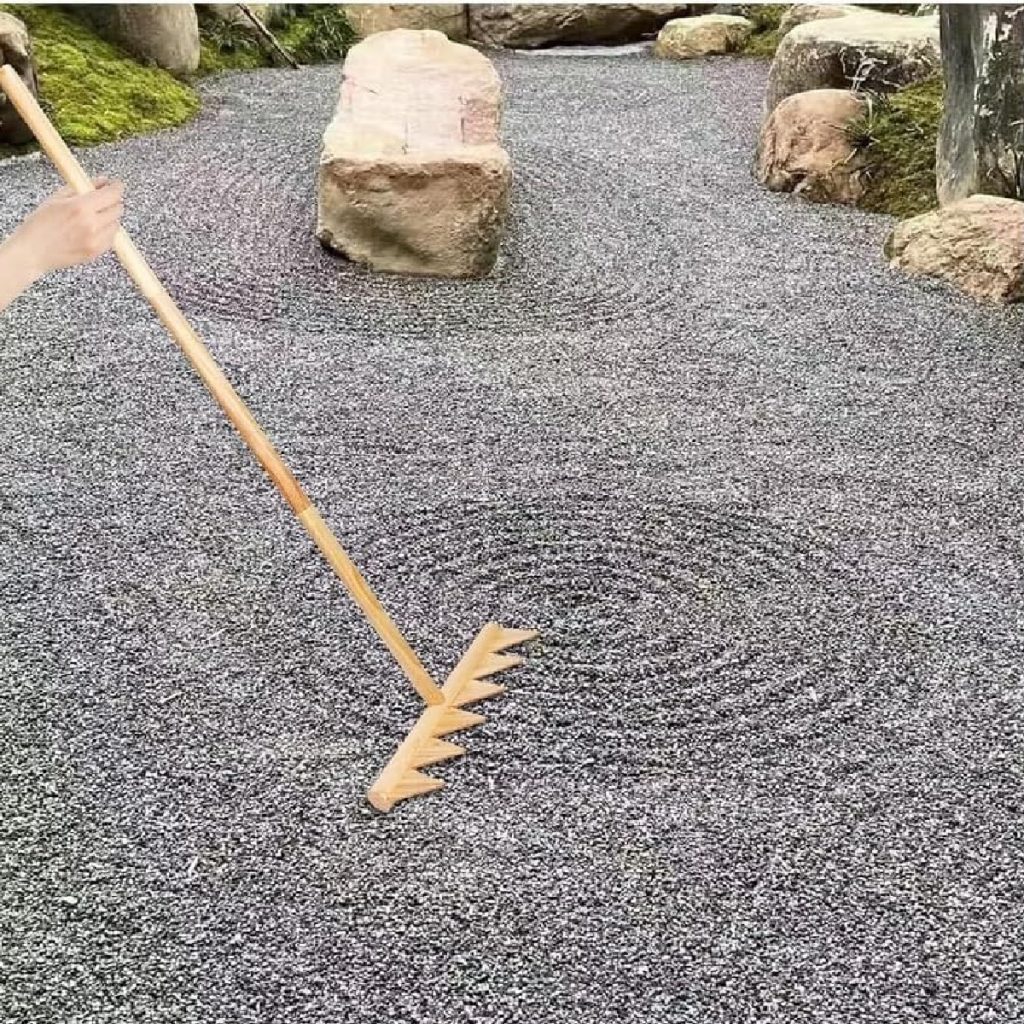
Spread your chosen material about 2 to 3 inches deep across the space. This is usually enough to rake without exposing the ground or fabric below. Smooth it out well so you have a clean, flat “canvas” to begin working with.
Using Rocks And Features To Create Peaceful Beauty
Rocks are an important part of most Japanese rake gardens because they add strength, balance, and natural beauty. Large rocks often represent mountains or grounded earth. Medium and smaller rocks can represent land, islands, or natural shapes in nature. They are usually placed in odd-number groups such as one, three, or five to keep the garden visually balanced.
Some people also like to add soft touches of nature with plants. Moss, small evergreen shrubs, or simple ornamental grasses can blend well without overpowering the garden. See our article: The Best Ornamental Grass Varieties To Plant For Easy Care & Big Interest!
A stone lantern, small bridge feature, or a single sculpture can also work if kept simple. The goal is always calm and simplicity, not clutter.
Raking Your Garden
Once your garden is arranged, the most enjoyable part begins: raking. A wide-tooth rake, wooden rake, or simple garden rake works fine. The lines you create often represent flowing water, wind, or gentle movement in nature. Affiliate Link: Wide Toothed Japanese Garden Rake
You can drag straight lines from one side to the other, create soft waves across the surface, or form circles and ripples around rocks. There is no right or wrong way to do it. If you make a mistake, simply smooth the area and start again. That is part of the calming beauty of the process.
Raking often becomes a relaxing habit. Many people enjoy doing it early in the morning, in the evening, or whenever they need a little peace. And if you want to do it indoors on an even smaller scale – there are some great tabletop mini rake gardens you can purchase to rake right on your desk! Affiliate Link: Soulchen 8 Pcs Mini Zen Garden Kit for Table Decor DIY Your Own Zen Garden
This Is My Garden
Follow Our Facebook Page For Great Gardening Tips And Advice! This Is My Garden Facebook Page
This Is My Garden is a garden website created by gardeners, for gardeners. Jim and Mary Competti have been writing gardening, DIY and recipe articles and books and speaking for over 15 years from their 46 acre Ohio farm. They publish three articles every week, 52 weeks a year. Sign up today to follow via email, or follow along!