
You might be surprised to find out that the biggest fall vegetable garden mistake made each and every year by gardeners is one that many think is a good thing!
As the growing season comes to an end, it can be tempting to simply walk away from your vegetable garden and deal with everything next spring. After all, most of the plants have stopped producing, the weeds are slowing down, and there are plenty of other fall chores to complete before winter arrives.
Unfortunately, leaving old vegetable plants standing through winter is a big mistake. Decaying plants can harbor pests and disease, spread weed seeds and create a tangled mess that becomes even harder to clean up in the spring. But believe it or not, there is an even bigger mistake gardeners often make after clearing their garden – tilling the soil and leaving it completely bare all winter long!
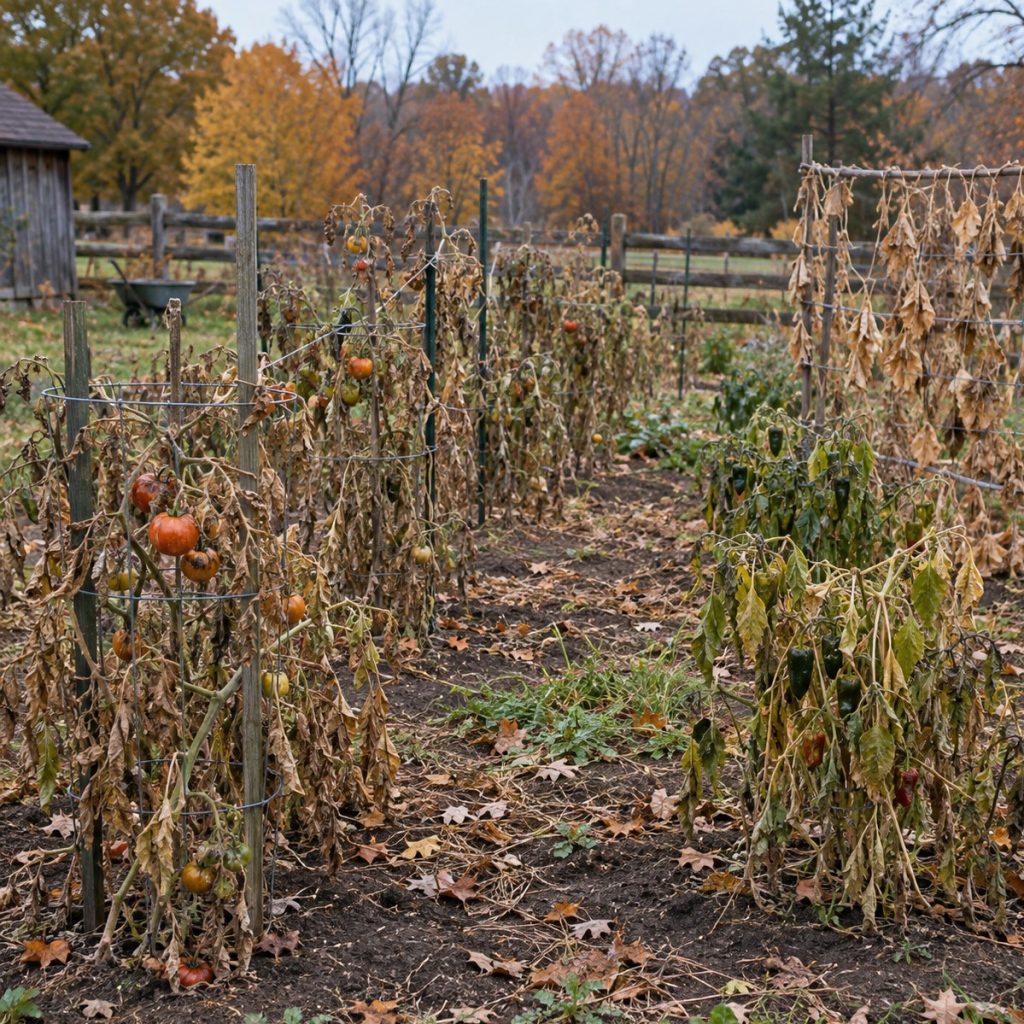
Bare soil is vulnerable soil. Without plants or roots to protect it, wind, rain, snow and ice can carry away valuable topsoil and nutrients. Even worse, uncovered soil provides the perfect place for weed seeds to settle in and take over.
The good news is that putting your garden to bed correctly is simple. All you need to do is remove the old plants and weeds, then plant a no-till cover crop of oats or annual rye. And there is no need to till the soil before planting – or afterward!
The Biggest Fall Vegetable Garden Mistake
Why You Should Never Leave Old Vegetable Plants Standing
The first step to properly putting your vegetable garden to bed is removing all of the old plants. Tomato vines, pepper plants, cucumber vines and other spent vegetable plants should never be allowed to remain in the garden through winter.
Old plants provide a protected place for insects to overwinter. Pest eggs, larvae and adults can hide beneath decaying foliage, inside hollow stems or in the soil directly below the plants. When spring arrives, those pests are already in place and ready to attack the next crop.
Spent plants can also carry disease into the following growing season. Tomato and pepper plants are especially prone to blight, mildew and other soil-borne diseases. As infected foliage and fruit decompose, spores can remain in the garden and create problems for next year’s plants.
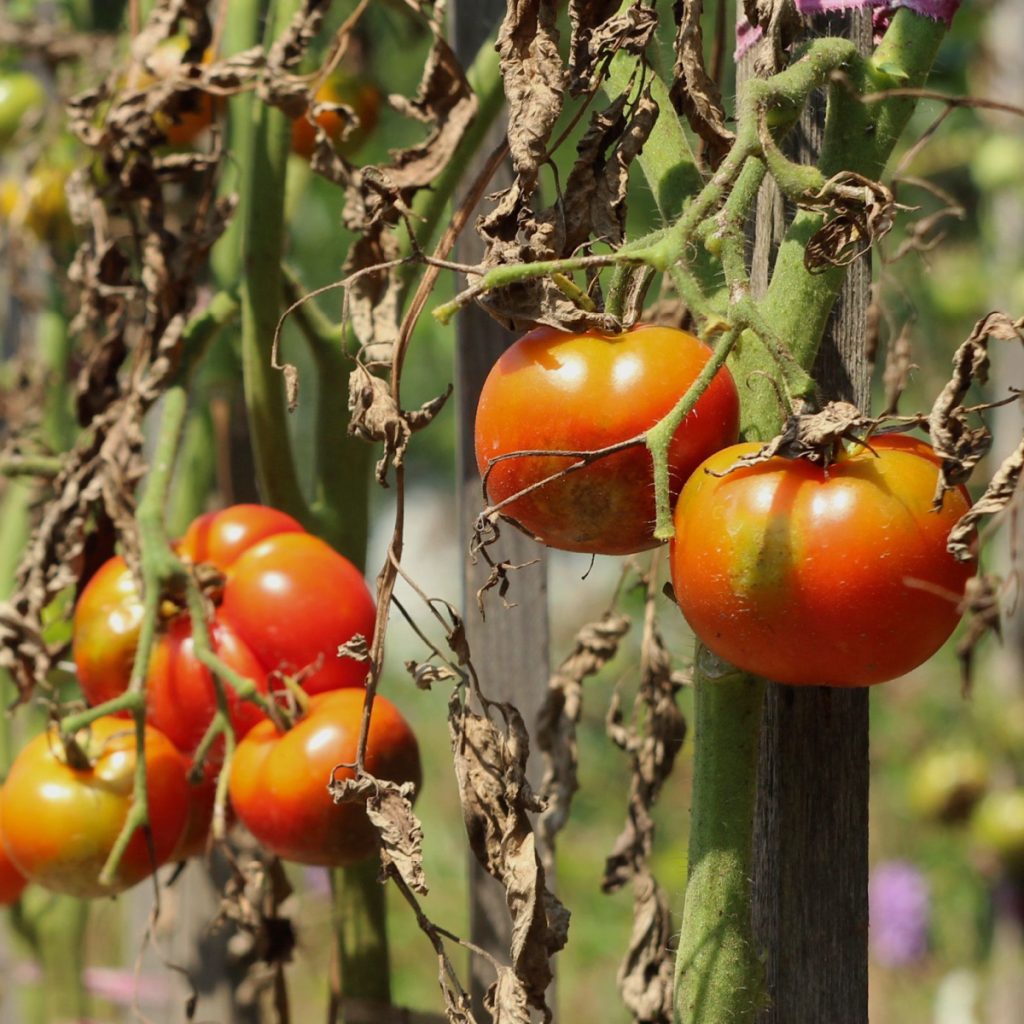
Remove plants as soon as they stop producing. Healthy plant material can be added to a hot compost pile, but diseased plants should be removed from the garden entirely. Do not compost plants that show signs of blight, severe mildew or other infections unless you know your compost pile becomes hot enough to destroy the pathogens.
The Biggest Fall Vegetable Garden Mistake – Tilling And Leaving Soil Bare
For years, tilling was considered the traditional way to close down a vegetable garden. Gardeners would remove the plants, run a tiller through the soil and leave behind a neat-looking plot of freshly worked earth.
Although the garden may look clean, bare tilled soil is anything but protected. Tilling destroys the soil’s structure and leaves loose particles exposed to the elements. Heavy rain can wash the finest and most fertile soil away. Strong winter winds can carry it away as well.
Bare soil also loses moisture and nutrients more easily. Without roots and plant material covering the surface, precipitation can compact the ground or run off instead of soaking in. Valuable nutrients can leach away long before next year’s vegetables need them.
Tilling also brings buried weed seeds to the surface, where they receive the light and moisture necessary to germinate. The loose, uncovered soil then provides those weeds with an ideal place to take root.
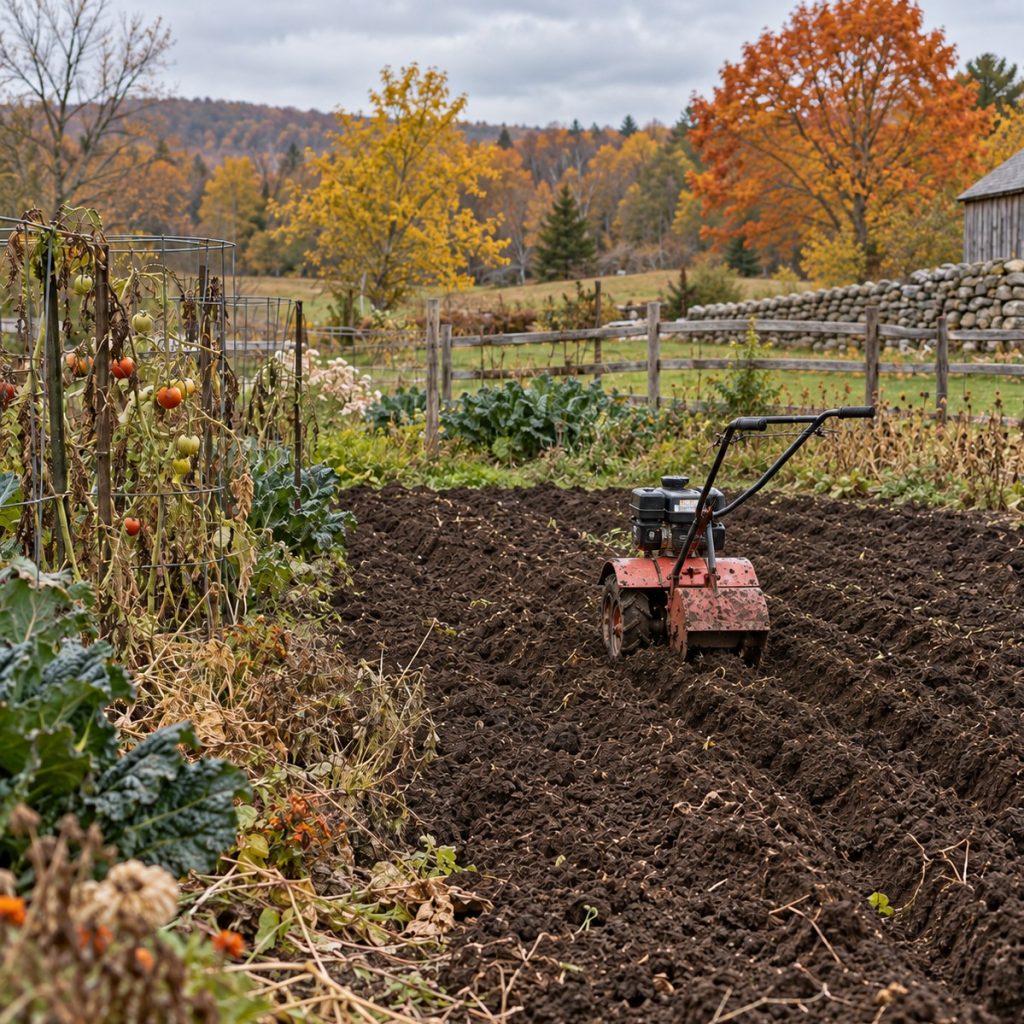
Perhaps worst of all, repeated tilling disrupts earthworms, beneficial fungi and microorganisms that help create healthy soil. Instead of improving the garden, it can weaken the natural soil ecosystem that vegetable plants depend on.
Why A No-Till Cover Crop Is The Best Solution
Once the old plants and weeds have been removed, the best way to protect your garden is by planting a cover crop. A cover crop acts as a living blanket over the soil throughout fall and, depending on the crop, part or all of winter.
Cover crop roots hold soil in place and help prevent erosion. Their foliage shields the surface from pounding rain, snow and wind. At the same time, the roots travel through the soil, creating channels that allow water and air to move more easily.
Cover crops also help suppress weeds. As the crop fills in, it shades the soil and takes away the open space weeds need to grow. This can greatly reduce the number of weeds that appear in fall and again the following spring.
Best of all, a cover crop adds organic matter back to the garden. When its roots and foliage break down, they feed earthworms and beneficial microorganisms. That decaying plant material improves soil structure and helps the ground retain both moisture and nutrients.
And contrary to popular belief, you do not need to till the soil to plant a cover crop. In fact, planting it without tilling protects the soil structure and keeps buried weed seeds safely underground.


Planting Oats As A Fall Cover Crop
Oats are one of the easiest cover crops for beginning gardeners. They germinate quickly in warm fall soil and establish a thick stand of growth before winter.
In colder climates, freezing temperatures usually kill oats during winter. The dead foliage then collapses over the soil, creating a natural mulch that continues protecting the garden until spring. Affiliate Link: 5 lb Oat Seed | Cover Crop, Forage, Food Plots & Soil Improvement
Because oats winter-kill, there is usually no need to cut them down or terminate them in spring. Simply rake back or mow off any remaining growth and plant directly through the decaying material. There is no need to till it under.
Plant oats early enough to allow them to establish before repeated hard freezes arrive. In many areas, late summer through early fall is ideal. Oats are a great choice when you want fast growth and an easy-to-manage cover crop that will not survive to become troublesome in spring.
Oats also happen to be an excellent choice for cover cropping raised beds too! See our article: Why Oats Are The Perfect Cover Crop For Your Raised Beds This Fall.
How To Plant A Cover Crop Without Tilling
Planting a no-till cover crop could not be easier. After removing the vegetable plants and weeds, rake the garden surface lightly. The goal is not to dig deeply, but simply to scratch up the top quarter-inch of soil.
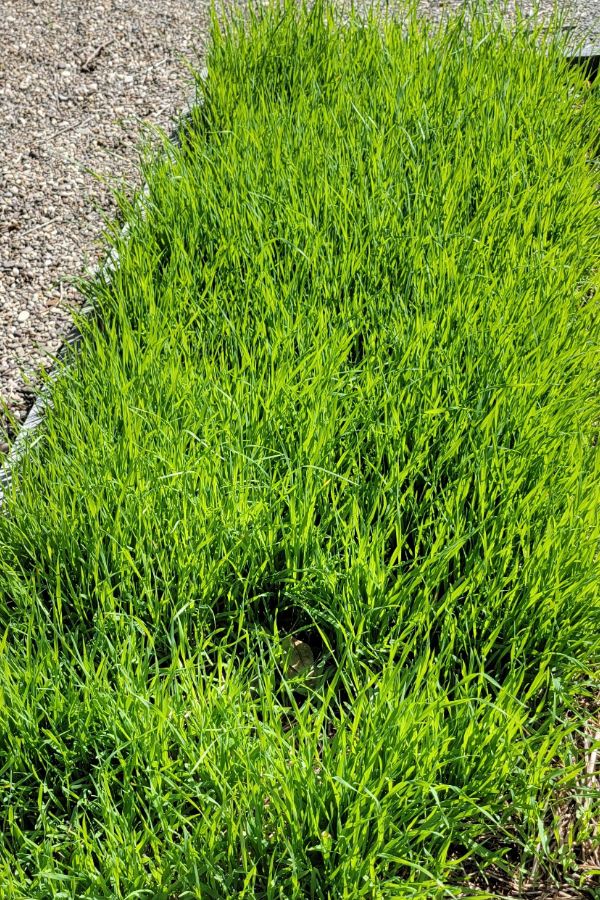
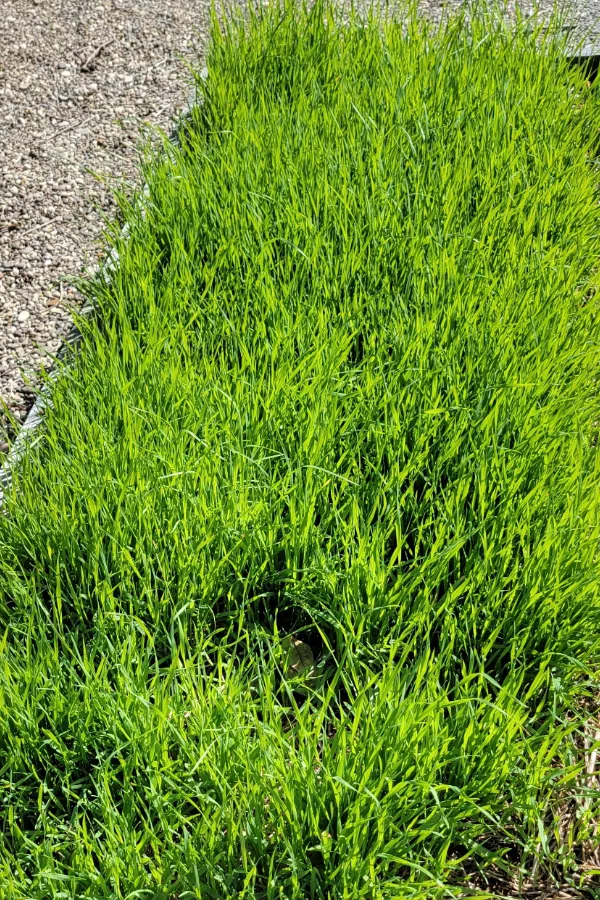
Broadcast the cover crop seed evenly over the garden. Follow the rate listed on the seed package, because planting too lightly can leave enough open soil for weeds to grow.
After spreading the seed, rake the garden again to work the seed gently into the surface. Most cover crop seed only needs light soil contact to germinate. Walking over the area or tamping it lightly with the back of a rake can help ensure good contact.
Finish by watering the garden thoroughly. Keep the soil slightly moist until the seed germinates and begins to grow. Once established, fall rainfall is usually enough to keep the crop healthy.
That is all there is to it – no tiller, no digging and no bare soil. By removing old plants and planting a no-till cover crop, you can avoid the biggest fall vegetable garden mistake and protect and improve your garden all winter long – and have healthier soil waiting for you next spring!
This Is My Garden
Follow Our Facebook Page For Great Gardening Tips And Advice! This Is My Garden Facebook Page
This Is My Garden is a garden website created by gardeners, for gardeners. Jim and Mary Competti have been writing gardening, DIY and recipe articles and books and speaking for over 15 years from their 46 acre Ohio farm. They publish three articles every week, 52 weeks a year. Sign up today to follow via email, or follow along!