How To Use Wood Ashes To Recharge Raised Beds & Garden Soil! This Fall!
Did you know that a little wood ashes from your fireplace, wood stove or bonfire can help replenish and recharge the nutrients in the soil in your raised beds and garden this fall?
The fine gray particles in ashes contain potassium, calcium and several other minerals that can go back into the soil after a long season of growing vegetables. And they also help to add to the overall soil structure of the soil - which can be crucial for strong vegetable and flower growth.
The trick is to go light with the ashes and then be generous with other additives like compost, coffee grounds, egg shells and even banana peels!
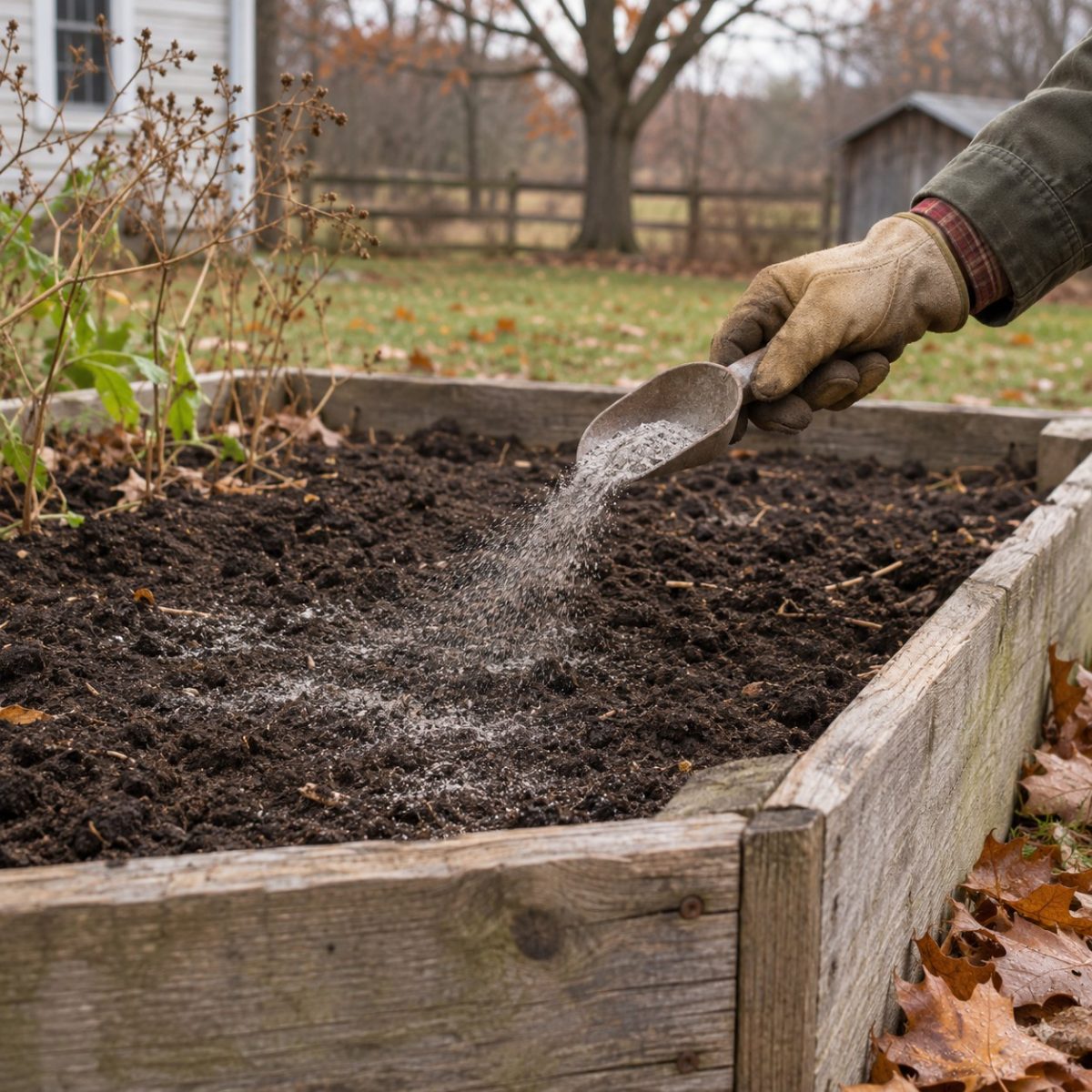
How To Use Wood Ashes To Recharge Raised Beds & Gardens
What Wood Ash Brings To Your Garden Soil
One of the best reasons to save a little wood ash is for its potassium. Plants use potassium to regulate water and support healthy growth. Some of it leaves the garden every time you carry a basket of vegetables back to the kitchen.
Wood ash can return a portion of that potassium to the soil. It also adds calcium and smaller amounts of minerals such as magnesium and phosphorus.
The calcium compounds in wood ash have a liming effect, which can help in acidic soil. That same effect makes it easy to overdo. When the pH rises too far, plants can have a harder time taking up certain nutrients, even when those nutrients are present in the soil.
How Much To Use
To use wood ashes to recharge raised beds and gardens, about 1½ pounds of dry ash per 100 square feet makes a light fall application. That works out to roughly 4 ounces by weight for a 4-by-4 raised bed, 8 ounces for a 4-by-8 bed and 12 ounces for a 4-by-12 bed.
So how much is that? A cup of loose, fluffy ash will usually weigh right around 2 ounces - so for a typical 4-by-4 raised bed it would require 2 cups. Likewise, a 4-by-8 bed would need four cups. For gardens, simply expand to one cup spread out for every four-by-four area.
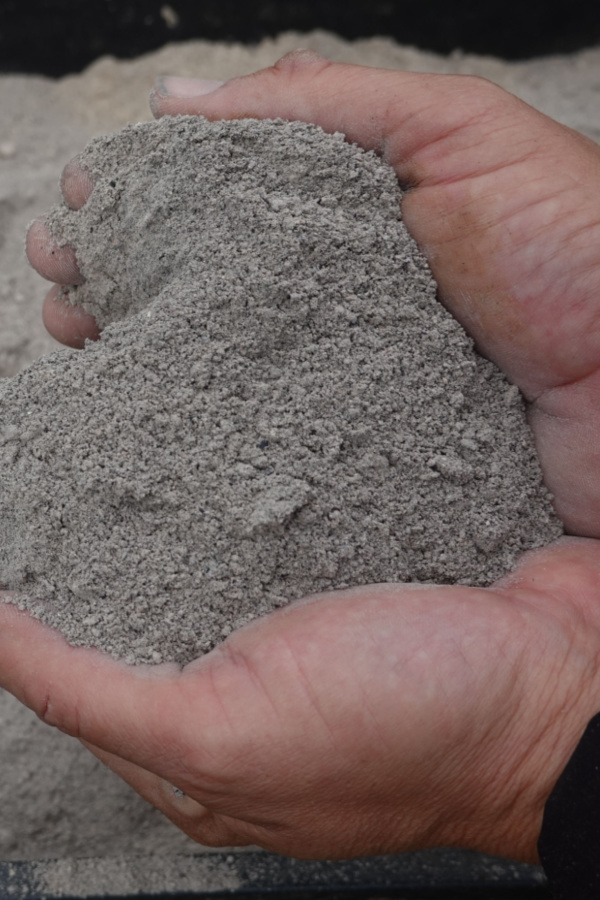
Use completely cooled ashes from clean, untreated firewood. Keep ashes from charcoal briquettes, painted or treated lumber, plywood and burned trash out of the garden. Store your wood ash in a dry spot until you’re ready to use it. Rain can wash away some of the soluble potassium you’re trying to put back into the soil.
How To Spread Wood Ashes In The Fall To Recharge Raised Beds & Gardens
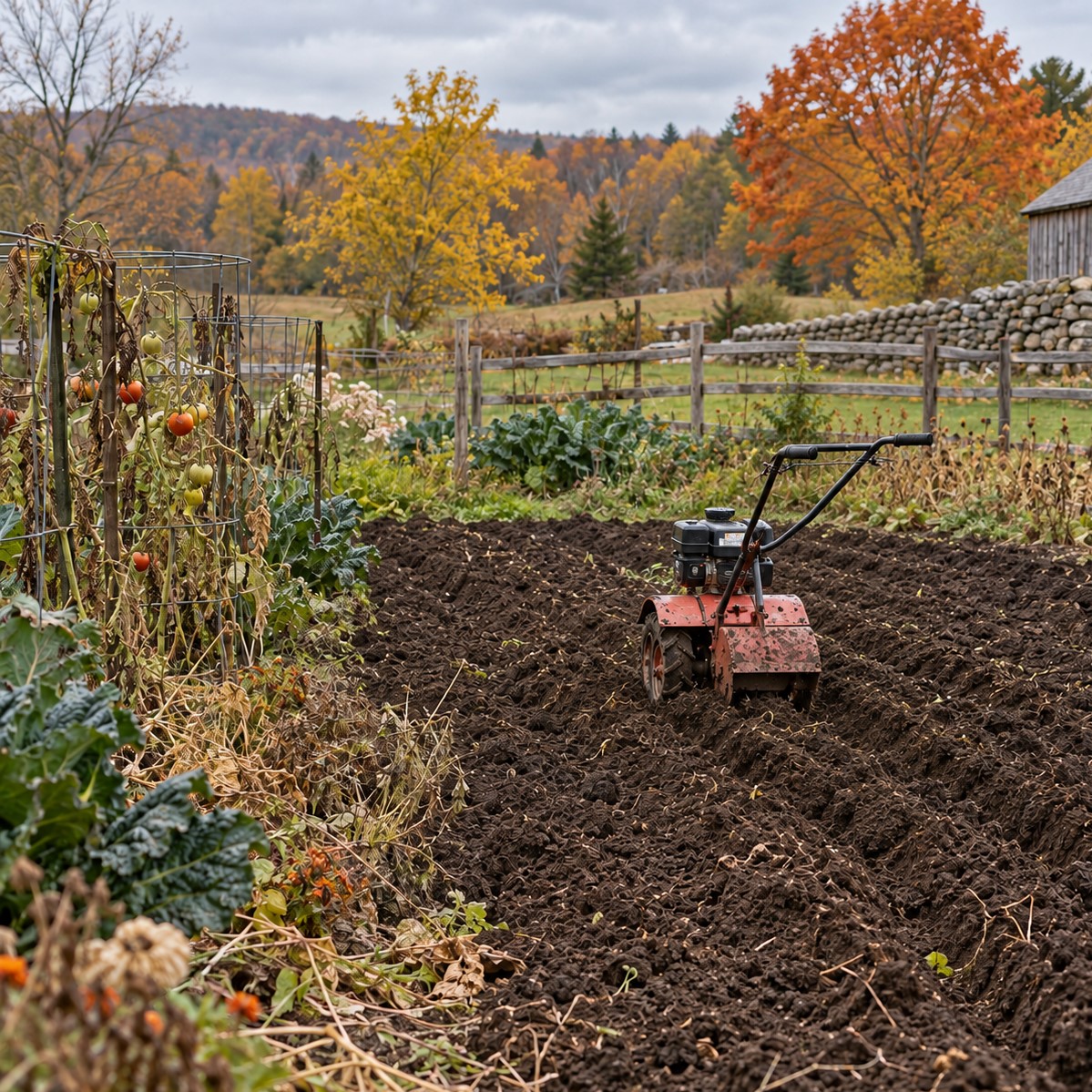
Pick a calm day when the soil is slightly damp. Wear gloves and eye protection, then scatter the measured ash in a thin dusting across the cleared bed. Slightly damp soil helps keep the fine particles from blowing around as you work.
Rake out any gray piles and lightly work the ash into the top few inches of soil. Keep it off plant foliage and away from seedlings and freshly sown rows. One light application is plenty for the season. If you burn wood all winter, measure what the garden can use and set the rest aside.
Add Finished Compost To Give The Soil A Bigger Boost
In addition to the ash, it is important to power up other nutrients like nitrogen too. This is where compost can help!
After raking in the ash, spread about an inch of finished compost over the bed. For a four-by-eight raised bed, that takes just under three cubic feet. If the soil has settled considerably over the summer, you can go closer to two inches.
Listen To Our Garden Podcast Below

Finished compost should smell earthy and crumble easily in your hands. Its organic matter helps sandy soil hold moisture and gives heavier soil a looser, more crumbly texture over time. It also releases nutrients as it continues to break down.
You can leave the compost on the surface or lightly scratch it into the top layer with a rake or garden fork.
Mix In A Little Spent Coffee Grounds
Coffee grounds are also an excellent addition to raised beds and gardens. They have all kinds of nutrients and also build better soil structure. See our article: 3 Easy Ways To Use Coffee Grounds This Fall To Recharge The Soil In Your Flowerbeds & Garden!
If you have a handful or two of spent coffee grounds, crumble them into the finished compost as you spread it. That distributes the grounds through the bed and keeps them from forming a dense, wet layer on the surface.
You can continue to do this throughout the fall and winter as temperatures allow. The key is to disperse them lightly all over the soil.
If you save grounds by the bucket, put most of them in the compost pile. Coffee grounds count as a green ingredient, and fall leaves make an easy brown ingredient to mix with them. If the grounds are still in plain paper filters, tear up the filters and toss those into the pile as well.

Put Eggshell Powder To Work In The Garden
If you’ve ever turned a compost pile and found eggshell pieces you recognized from months earlier, you’ve seen how slowly coarse shells break down. Grinding the shells into a fine powder gives them more surface area and makes them much easier to spread evenly. This also makes them great for putting right into the soil in raised beds and gardens.
Rinse your eggshells, let them dry completely and grind them into a powder. Mix a small amount into the compost as you spread it. Eggshells are mostly calcium carbonate, so think of the powder as a slow-release calcium addition.
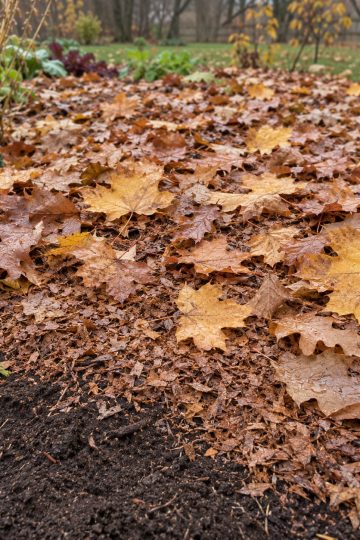
Once the compost is down, cover any bare soil with shredded leaves or clean straw. That cover helps protect the surface from winter rain and erosion. When it’s time to plant in spring, pull the mulch back where you need to sow seeds or set out transplants.
Don't Forget The Banana Peels!
Banana peels are another kitchen scrap you can put to work in your raised beds and garden. As they break down, they add a little organic matter and release nutrients, including potassium. Chop the peels into small pieces and bury a few in an empty bed this fall, then cover them completely with several inches of soil to help keep curious critters away.
If you go through a lot of bananas, toss most of the peels into your compost pile with shredded leaves. By spring, any compost that’s finished can go right back onto your raised beds and garden.
A few peels add a little potassium, while a layer of finished compost does more to improve soil texture and help it hold moisture. Here is to rebuilding your raised bed and garden soil this fall and winter!
This Is My Garden
Follow Our Facebook Page For Great Gardening Tips And Advice! This Is My Garden Facebook Page
This Is My Garden is a garden website created by gardeners, for gardeners. Jim and Mary Competti have been writing gardening, DIY and recipe articles and books and speaking for over 15 years from their 46 acre Ohio farm. They publish three articles every week, 52 weeks a year. Sign up today to follow via email, or follow along!

More Vegetable Garden
- How To "Cover Crop” Your Garden With Leaves - Protect & Power Your Soil Over Winter!
- The Biggest Fall Vegetable Garden Mistake - What Not To Do In Your Garden This Fall!
- How To Plant Garlic In Fall – 5 Secrets To Growing Big, Healthy Bulbs!
- Why You Need To Plant A Cover Crop In Your Garden This Fall – Stop Weeds & Build Better Soil!