How To "Cover Crop” Your Garden With Leaves - Protect & Power Your Soil Over Winter!
If you didn’t get a cover crop planted this fall, there is still a simple way to protect and improve your garden before winter arrives – cover it with leaves!
Although leaves are not a true cover crop, they can provide several of the same benefits. They protect exposed soil, help reduce erosion, discourage weeds and add valuable organic matter as they break down. And when you already have leaves falling in your yard, that protection doesn’t have to cost a thing!
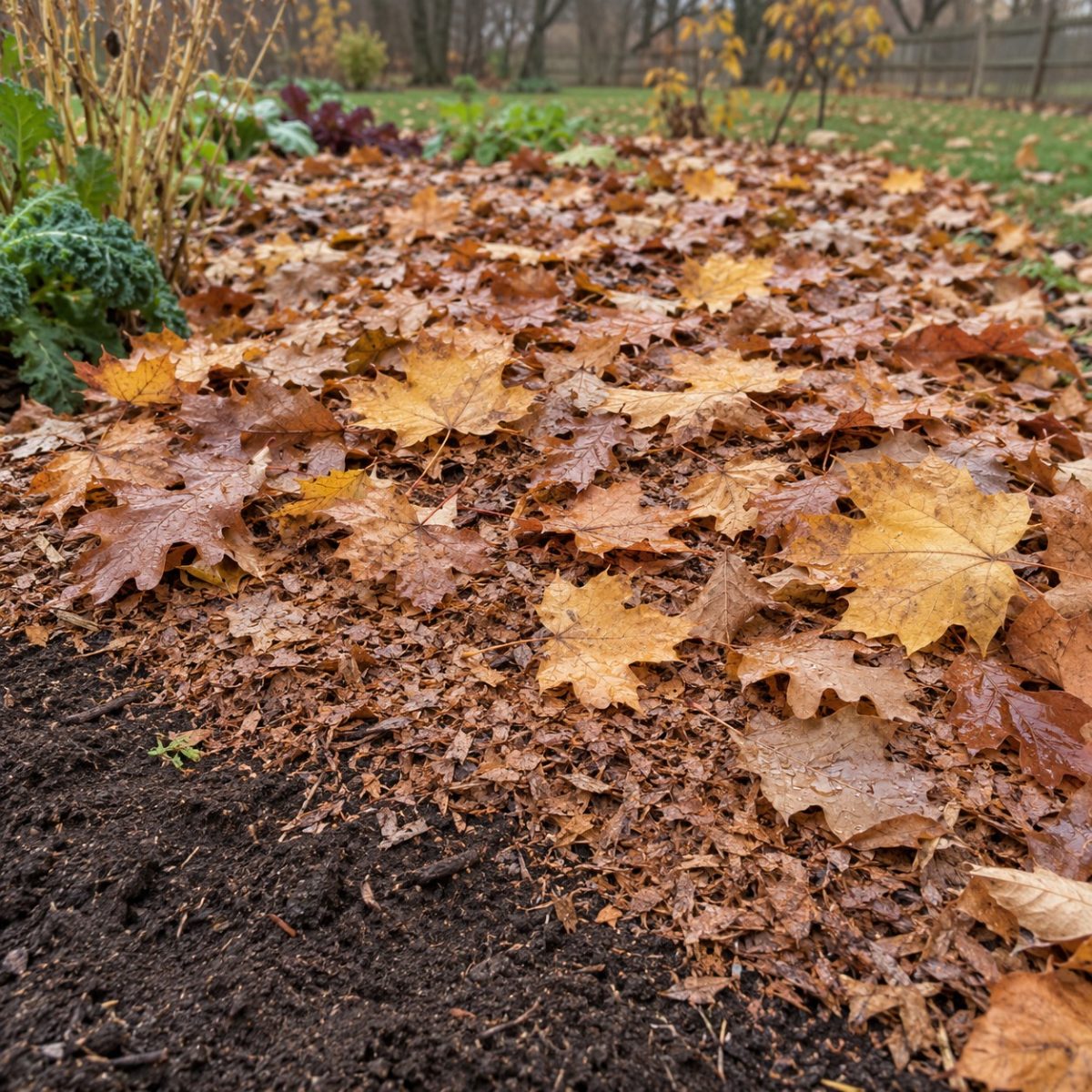
The secret is using two layers. First, a layer of shredded leaves that can begin breaking down against the soil. Then, a lighter covering of whole leaves to help protect the shredded material underneath. It really is that easy!
How To "Cover Crop” Your Garden With Leaves
Why Leaves Make Such A Great Winter Garden Cover
Bare garden soil takes a beating during the colder months. Heavy rain can wash away loose soil. Wind can carry off dry particles. And repeated freezing and thawing can leave the surface exposed and vulnerable.
A covering of leaves helps soften those effects. Instead of raindrops striking bare dirt, they hit the leaves first. That covering slows water movement and helps keep valuable garden soil where it belongs.
Leaves also shade the soil surface. That makes it harder for many weed seeds to receive the light they need to sprout. Although leaf mulch will not eliminate every weed, it can greatly reduce the number waiting for you when spring arrives.
Just as helpful, leaves provide food for earthworms, fungi and other organisms that help break down organic material. As those organisms work, they gradually turn fallen leaves into material that improves the soil.
How Leaves Help Power Your Garden
Leaves contain nutrients trees have taken up during the growing season. As the leaves decompose, some of those nutrients gradually return to the soil.
But their biggest contribution is organic matter. Decomposed leaves help sandy soil hold moisture and nutrients more effectively. In heavier soil, they can help improve structure over time, making it easier for roots, water and air to move through.
This is a gradual process. A leaf covering will not turn poor soil into perfect garden soil over one winter. But repeating the practice each fall can make a noticeable difference.
Unlike a living cover crop, leaves do not send roots into the soil or actively capture nutrients while growing. They also do not fix nitrogen. Think of them as a protective mulch that slowly becomes a soil amendment – a useful alternative when planting a fall cover crop is no longer practical.
Start By Cleaning Up The Garden
Before spreading leaves, remove old vegetable plants, fallen fruit, stakes and other leftover garden debris. Pull existing weeds as well, especially any carrying seeds.
Covering a weedy garden does not guarantee those weeds will disappear. Established perennial weeds can push through mulch, and seed heads left underneath can create problems later.
There is no need to till the garden just to add a leaf covering. In fact, leaving the soil undisturbed helps preserve its structure and avoids bringing buried weed seeds to the surface.
If you have finished compost available, you can spread a thin layer before adding leaves. But it is optional. The leaves alone can provide a useful winter covering.
Use this method over empty garden rows and harvested raised beds. Keep thick leaf layers away from the crowns and foliage of vegetables or other plants you are still growing.
Shred The First Layer Of Leaves
For the bottom layer, shredding makes a big difference when using leaves to cover crop a garden. Whole leaves have relatively little exposed surface area compared with chopped leaves. Their outer surfaces can resist breakdown, and broad leaves may stick together when wet.
Shredding opens them up and creates smaller pieces that decomposers can work on more easily. Those pieces also settle closer to the soil, where moisture and soil organisms help decomposition get started.
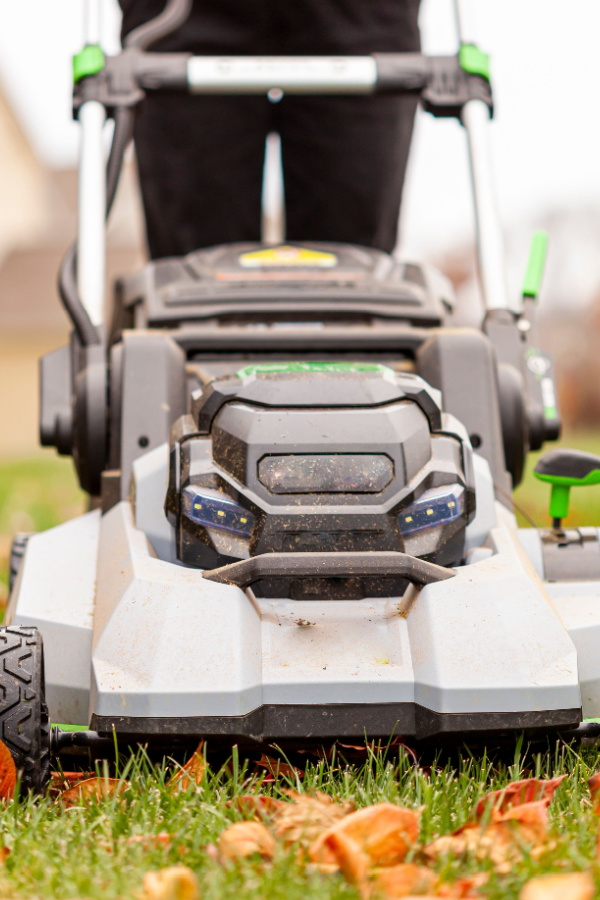
A lawn mower with a bagging attachment is one of the easiest tools for the job. Mow over a shallow layer of leaves and collect the chopped material. If the pieces are still large, another pass can help.
A leaf shredder works well too. You do not need to grind leaves into powder. Small flakes and pieces are perfectly fine.
Listen To Our Garden Podcast Below!

Apply A Few Inches Of Shredded Leaves
Spread the shredded leaves evenly across the exposed garden soil, aiming for a loose layer about two to three inches thick. That is enough to cover the surface while allowing moisture and air to move through. Avoid dumping large piles in one spot and leaving other areas nearly bare.
Pay attention to the edges of raised beds and the ends of garden rows. Those exposed areas need protection too.
Leave the shredded leaves on the surface instead of digging a large quantity of fresh material into the soil. On the surface, the leaves can decompose gradually without requiring you to disturb the entire bed. You can always add more later if the covering settles enough to expose the soil.
Add Whole Leaves Over The Top
Once the shredded layer is in place, add a light layer of whole leaves over it. The shredded material underneath is there to make close contact with the soil and begin breaking down. The whole leaves above provide another layer of protection and help shelter the smaller pieces.
Spread the upper layer loosely and evenly. If the leaves begin forming a dense sheet later in the season, loosen that surface layer with a rake or remove some. Water the finished covering with a gentle spray until the leaves are damp to hold them in place.
Which Leaves Are Best To Use As A Cover Crop?
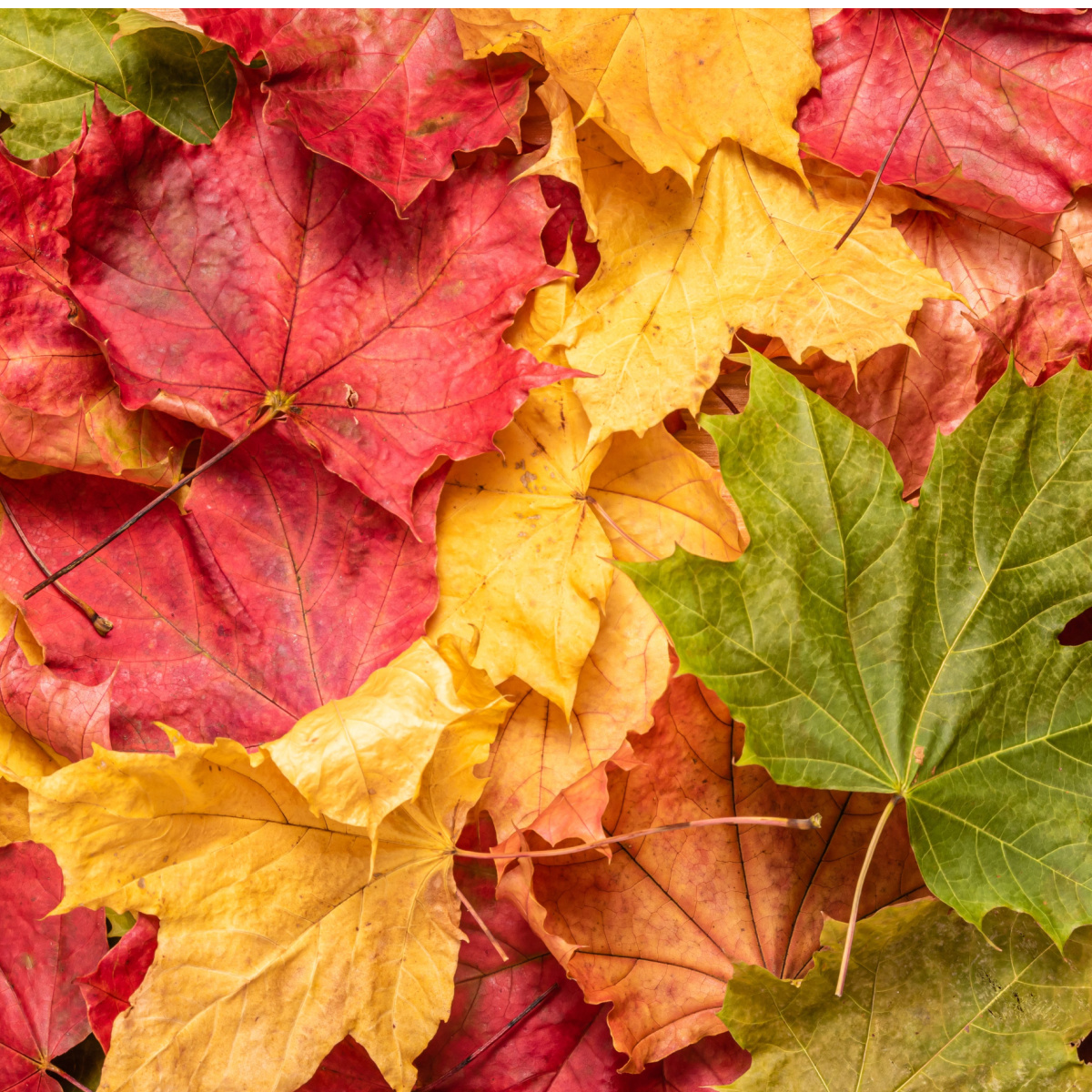
Maple, birch, elm, poplar and leaves from many common fruit trees work well, particularly when shredded. A mixture of leaves is an excellent choice.
Oak leaves are useful too. They tend to break down more slowly, so chopping them is especially helpful. Despite a common concern, using oak leaves as mulch generally has little effect on garden soil pH.
Thick, leathery leaves, such as magnolia, also decompose slowly. Shred them thoroughly or use them as a smaller part of a mixed covering.
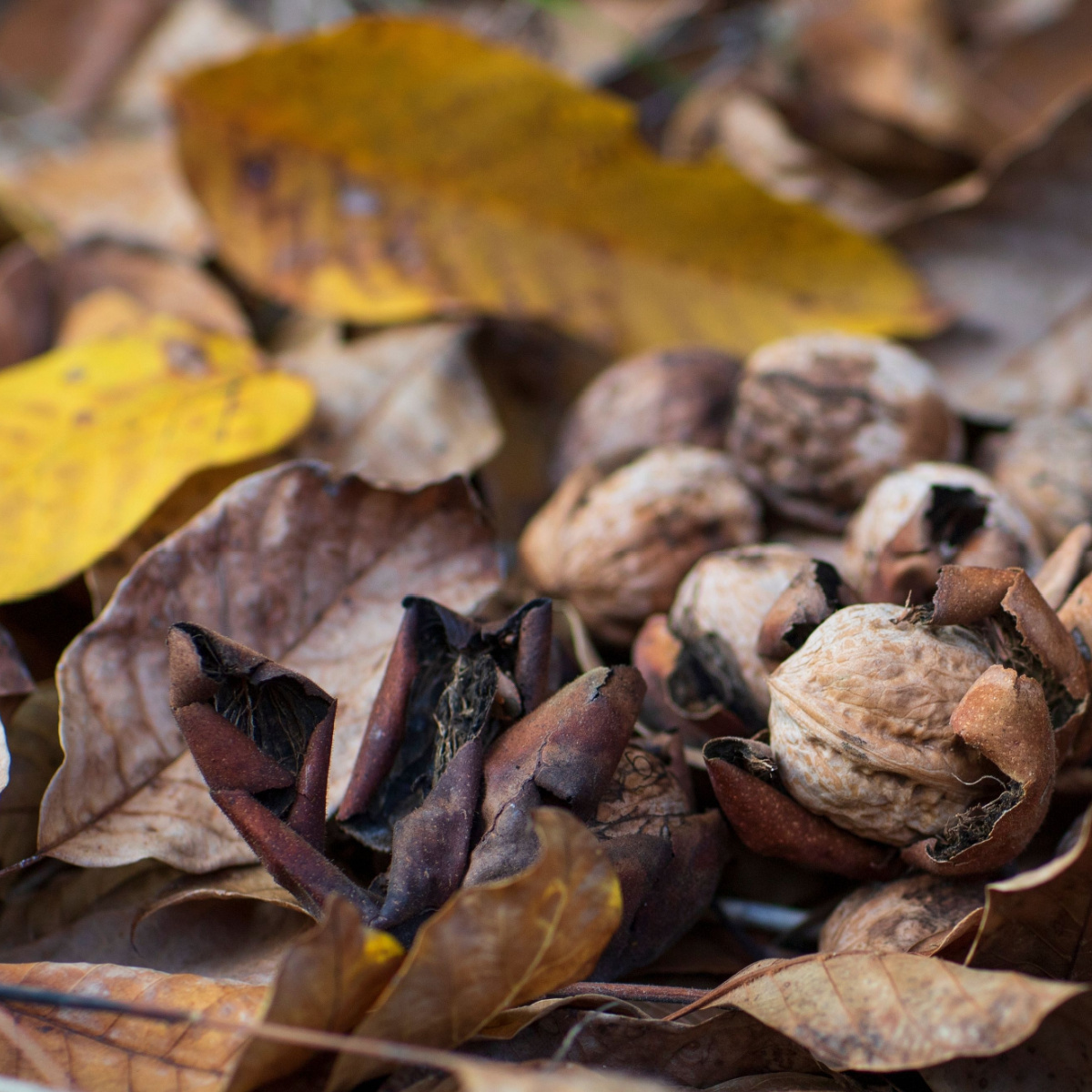
For a straightforward vegetable garden approach, skip fresh black walnut leaves and keep walnut hulls, bark and wood out of the covering, especially where you grow tomatoes, peppers, potatoes or eggplant. See our article: 3 Leaves You Should Never Compost Or Use In Gardens & Flowerbeds!
What To Do With The Leaves In Spring
When spring arrives, check the soil beneath the covering before planting. Some shredded leaves may have softened considerably, while much of the whole-leaf layer may still be recognizable.
Rake back the covering where you plan to sow seeds or set transplants. This gives the soil a chance to warm and creates a clear planting area.
Leave partially decomposed leaves between rows as mulch, or move excess material to the compost pile. Avoid burying a thick layer of fresh-looking leaves immediately before planting.
As the season progresses, the remaining mulch can continue conserving moisture, discouraging weeds and adding organic matter – extending the value of those free fall leaves well into the next growing season!
This Is My Garden
Follow Our Facebook Page For Great Gardening Tips And Advice! This Is My Garden Facebook Page
This Is My Garden is a garden website created by gardeners, for gardeners. Jim and Mary Competti have been writing gardening, DIY and recipe articles and books and speaking for over 15 years from their 46 acre Ohio farm. They publish three articles every week, 52 weeks a year. Sign up today to follow via email, or follow along!

More Vegetable Garden
- How To Use Wood Ashes To Recharge Raised Beds & Garden Soil! This Fall!
- The Biggest Fall Vegetable Garden Mistake - What Not To Do In Your Garden This Fall!
- How To Plant Garlic In Fall – 5 Secrets To Growing Big, Healthy Bulbs!
- Why You Need To Plant A Cover Crop In Your Garden This Fall – Stop Weeds & Build Better Soil!