Don't Cut Back Ornamental Grasses Too Soon In The Fall! When & How To Cut Back Grasses
If there is one mistake many gardeners make with their ornamental grasses - it's that they cut them down way too soon in the fall.
As fall winds down and flowerbeds begin to fade, it can be tempting to cut back ornamental grasses along with everything else. Their once-green blades turn shades of tan and gold, the plumes begin to dry, and the entire clump may look ready for a little cleanup.
But those grasses still have plenty to offer your landscape! And as it turns out, for most ornamental grasses that go dormant and turn brown for winter, the best time to cut them back is late winter or early spring, just before new growth begins.
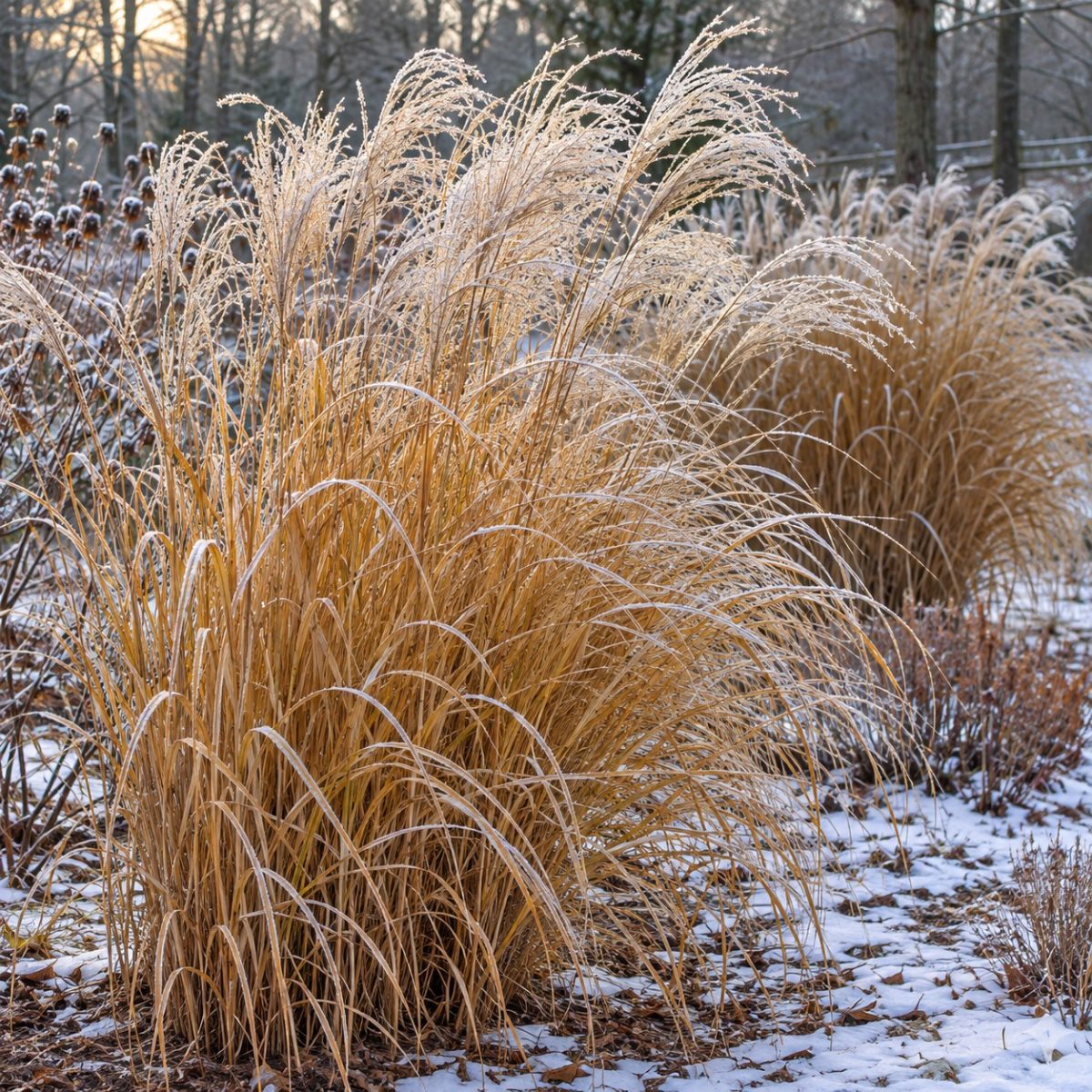
That doesn’t mean cutting a dormant grass in fall will automatically kill it. Established, winter-hardy grasses often tolerate fall cleanup. But when the foliage is healthy and the clump is standing well, there are several good reasons to put the shears away and wait.
Why Not To Cut Back Ornamental Grasses Too Soon
Why Brown Foliage Doesn’t Mean It’s Time To Cut
Many popular ornamental grasses are warm-season perennials. Switchgrass, little bluestem and prairie dropseed grow actively during warm weather, then go dormant as temperatures fall.
Although their foliage dies back, the crown and roots remain alive. The crown is the area near the soil surface where next year’s shoots develop. Once the foliage is completely brown, it is no longer collecting sunlight to feed the plant. However, those dry blades and stems still provide structure, shelter and seasonal protection.
If your grass still has green foliage, there is even less reason to rush. Healthy green leaves may still be contributing to the plant’s energy reserves.
Let the seasons do their work. A grass changing color in autumn is following its normal growth cycle, and that change alone does not signal a need for immediate pruning.
Don't Cut Back Ornamental Grasses Too Soon To Provide Winter Shelter For Wildlife
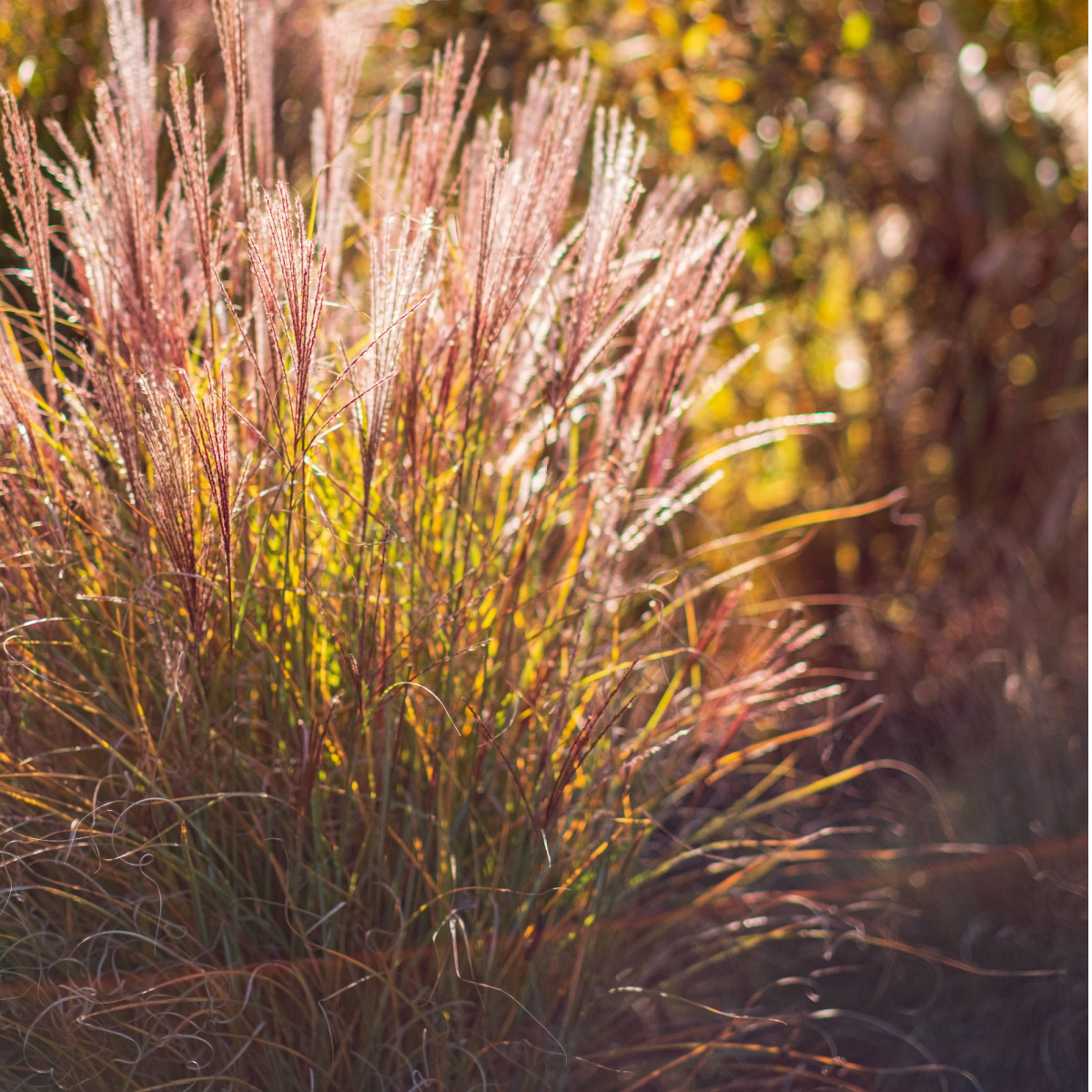
One of the biggest benefits of leaving ornamental grasses standing is the shelter they provide.
A thick clump creates a protected space close to the ground. Birds can move among the stems, finding cover from wind and a place to retreat when disturbed. Other small wildlife may also use the sheltered spaces around the base.
Native bunchgrasses are especially valuable when included in a landscape with other native plants. Their dense growth adds habitat at a time when many gardens have been cleared down to bare ground.
Overwintering insects may also shelter in the foliage, stems or plant litter around a clump. Removing all of that material in fall reduces the places available for them to spend the cold months.
You don’t have to leave every corner of the yard untouched. By simply not cutting down just a few ornamental grasses - they can be great for providing this habitat while still looking attractive in a maintained landscape.
Listen To Our Garden Podcast Below

Seed Heads Can Help Feed Birds
Depending on the species and whether it produces viable seed, ornamental grasses can also offer a winter food source.
Birds may visit the seed heads directly or search the ground beneath them for fallen seed. Native grasses such as switchgrass and little bluestem can contribute to this seasonal food supply.
Not every ornamental grass provides the same benefit. Some cultivated varieties produce little seed, and sterile selections may offer cover without providing a meaningful seed crop. But they can still add that winter beauty!
Leaving Grasses Standing Can Help Protect The Crown
Standing foliage also helps create a more sheltered environment around the plant’s base.
The stems slow wind near the crown and can catch snow. That snow acts as insulation, helping buffer the soil against rapid temperature changes. This matters during winters that swing repeatedly between freezing weather and milder temperatures.
Frost heaving happens when freezing and thawing soil shifts upward, potentially lifting a plant and exposing roots. Newly planted grasses and plants with poorly established root systems are generally more vulnerable than mature, deeply rooted clumps.
Enjoy Their Beauty Through Winter
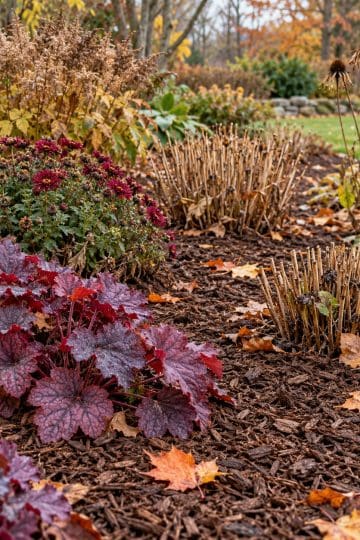
When you don't cut back ornamental grasses early- they offer something many other plants cannot: movement and structure after the growing season ends.
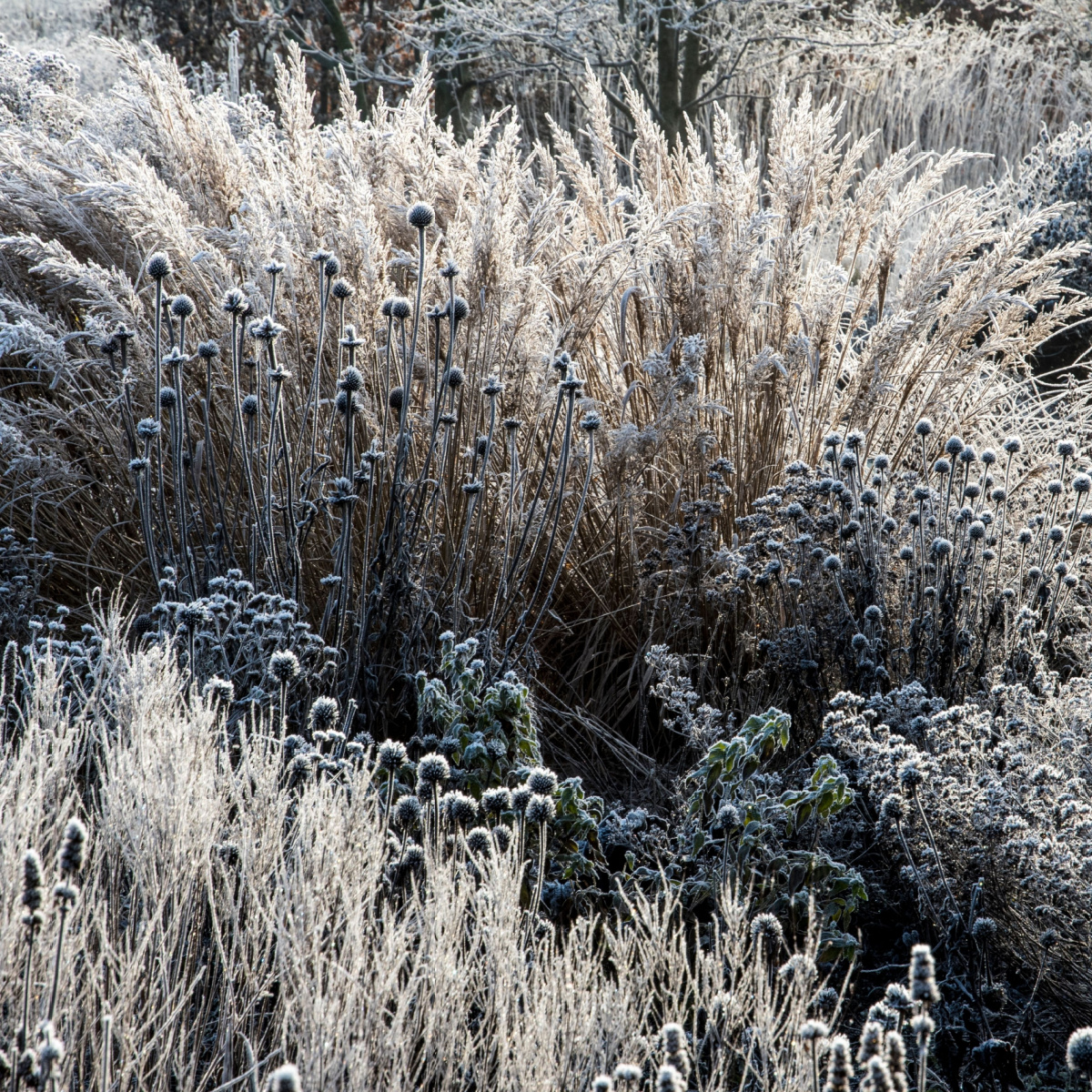
Their golden blades brighten gray days. Frost outlines the stems, snow settles on the plumes, and a breeze brings motion to otherwise still flowerbeds. Taller grasses can also continue screening a view or softening the appearance of fences and buildings.
Cutting them back in fall removes all of those benefits months before it is necessary.
If you planted grasses partly for their appearance, winter is an opportunity to enjoy another stage of their display. The dry foliage is part of their seasonal character, rather than simply debris waiting to be removed.
When Is The Best Time To Cut Them Back?
For most deciduous ornamental grasses, plan to cut back in late winter or early spring before fresh shoots grow up through the old foliage. March is often a good time to begin checking plants. The actual timing depends on the grass, your location and how quickly spring arrives.
Cool-season grasses begin growing earlier and may need attention sooner. Warm-season grasses usually remain dormant longer, giving you a little more time.
Watch the plant instead of relying entirely on the calendar. Gently move the old foliage aside and look near the crown for emerging green shoots.
You do not need to wait until the last spring frost. Waiting that long can allow new growth to become tangled with the old stems, making cleanup much more difficult.
How To Cut Back Ornamental Grasses
Before cutting, put on sturdy gloves, long sleeves and eye protection. Grass blades can have sharp edges, and dry stems may scatter as you work.
For a large clump, gather the foliage into a loose bundle and secure it with twine. This keeps the stems together and makes removal easier. Use sharp hand pruners, hedge shears or a suitable hedge trimmer, depending on the size and toughness of the clump.
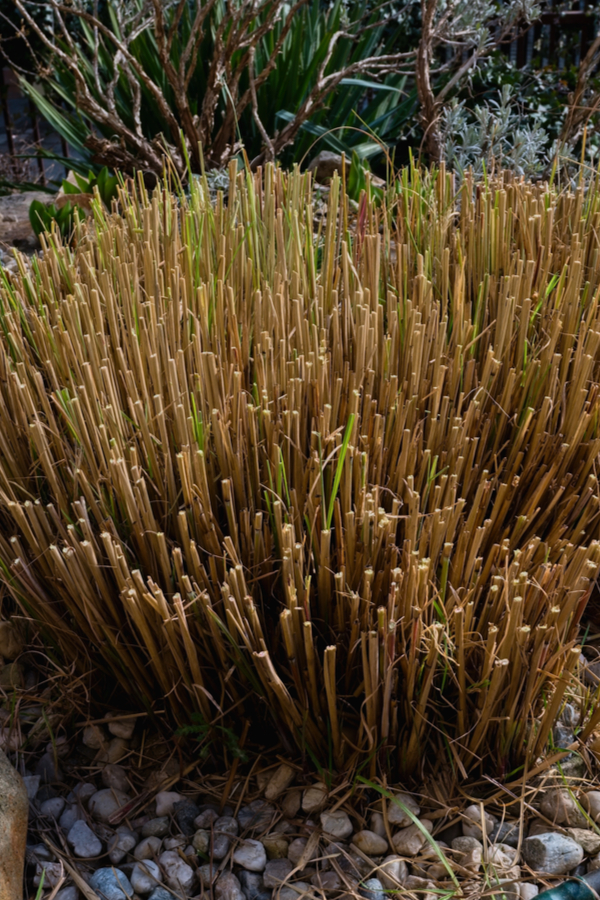
For many medium and tall deciduous grasses, leaving approximately four to six inches of old stems works well. Very large clumps may need a little more height. Follow the needs of the particular grass rather than cutting every variety to the same level. Avoid cutting flush to the ground. See our article: How To Divide Ornamental Grasses Before Spring Arrives.
If new shoots have already appeared, keep your cuts above them and work carefully. Cutting their tips can leave the fresh foliage looking blunt or ragged.
This Is My Garden
Follow Our Facebook Page For Great Gardening Tips And Advice! This Is My Garden Facebook Page
This Is My Garden is a garden website created by gardeners, for gardeners. Jim and Mary Competti have been writing gardening, DIY and recipe articles and books and speaking for over 15 years from their 46 acre Ohio farm. They publish three articles every week, 52 weeks a year. Sign up today to follow via email, or follow along!