3 Beautiful Birds You Can Attract To Your Yard With Suet In November
If you want to attract and bring more birds into your yard this November - one of the easiest ways to get some beautiful visitors is to hang a suet feeder!
Although sunflower seeds and other birdseed mixes attract plenty of attention, suet can bring a different kind of activity to your backyard. Instead of simply landing on a perch to grab a seed, birds will cling, climb and even hang upside down to get a bite.
And November is a wonderful time to start offering it. As temperatures drop and daylight hours shrink, birds have less time to find the food they need. A dependable source of energy can make your yard a welcome stop on their daily feeding rounds.

Three birds especially worth watching for are downy woodpeckers, chickadees and white-breasted nuthatches. All visit suet feeders, and each brings its own personality to the backyard. Which ones appear will depend on your location and nearby habitat.
Best of all, you don’t need a large yard or an expensive feeding station to get started. A simple wire suet cage, a fresh cake of suet and a good location can be enough to catch their attention.
How To Attract Birds To Your Yard With Suet
Why Suet Works So Well In November
Suet is hard animal fat, traditionally beef fat, that provides concentrated energy. Commercial suet cakes often combine that fat with ingredients such as peanuts, seeds or dried insects.
That makes it a useful addition to a cold-weather feeding station. Birds burn energy maintaining their body temperature, and a small amount of fat packs a substantial amount of fuel.
Suet also appeals to birds that naturally search tree trunks, branches and bark crevices for food. A hanging cage gives these birds a place to cling while they feed, much as they would while exploring a tree. Woodpeckers, nuthatches and chickadees are among the birds well suited to this style of feeder.
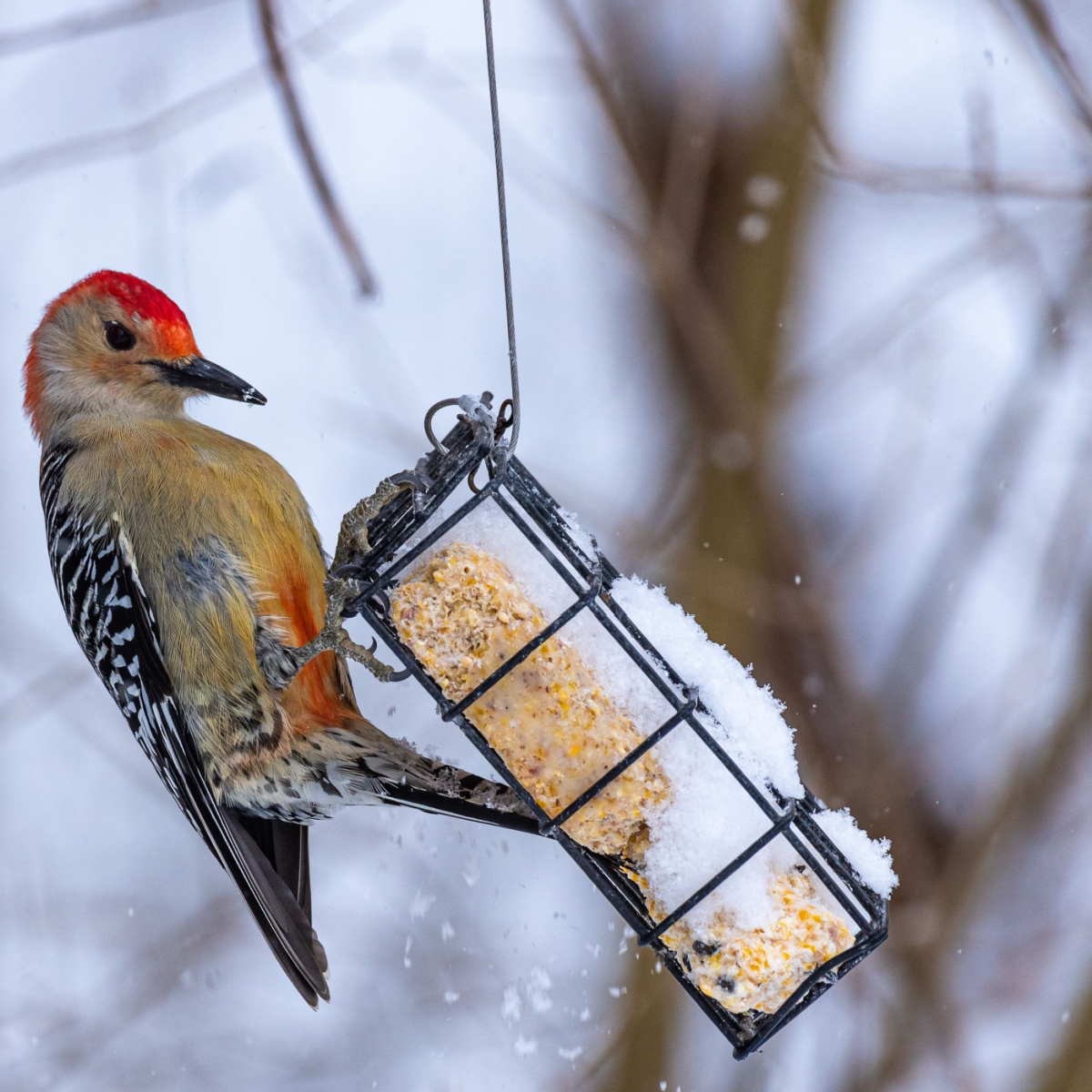
You don’t have to wait for snow to put one out. Offering suet during November gives birds time to discover your feeder before more severe winter weather arrives.
Downy Woodpeckers - Small Birds With Plenty Of Personality
If you have never attracted a woodpecker to your yard, a downy woodpecker is a wonderful first visitor to watch for.
These small woodpeckers have bold black-and-white markings, a white stripe down the back and a surprisingly short bill. Males also have a small red patch on the back of the head. Females lack that red patch.
One helpful identification clue is their size. A downy is much smaller than many people expect a woodpecker to be. Its larger look-alike, the hairy woodpecker, has a noticeably longer, stronger bill.
They are frequent suet visitors and often join other small birds during winter feeding rounds. To make your feeder inviting, hang it near a mature tree or wooded edge. A secure mounting helps keep the cage from swinging excessively while a bird feeds.

A basic cage works well for downies. You can also use a feeder with a tail support, which gives woodpeckers a surface to brace against as they eat. Affiliate Link: All-Metal Double Suet Bird Feeder for Outdoors Hanging
Chickadees - Tiny Visitors That Keep Things Moving
Few birds bring more energy to a backyard than chickadees! With their dark caps, black throat patches and bright white cheeks, the little birds are easy to love.
Depending on where you live, you may see black-capped chickadees, Carolina chickadees or another regional species. Black-capped and Carolina chickadees look especially similar, so location and calls can help with identification.
Chickadees readily visit feeders for foods such as sunflower seeds, peanuts and suet. Their small size lets them cling to a cage and pick off little bites before moving to nearby cover.
Avoid placing the feeder directly above dense ground-level vegetation where a cat could hide. Nearby cover is helpful, but birds also need a clear view around the feeding area. Affiliate Link: Wildlife Sciences High Energy Suet Cake 10 Pack
To attract them, position your suet feeder near small trees or shrubs that offer convenient landing places. They should have a clear approach to the food, with shelter a short flight away.
Listen To Our Garden Podcast Below
White-Breasted Nuthatches - The Birds That Walk Headfirst Down Trees
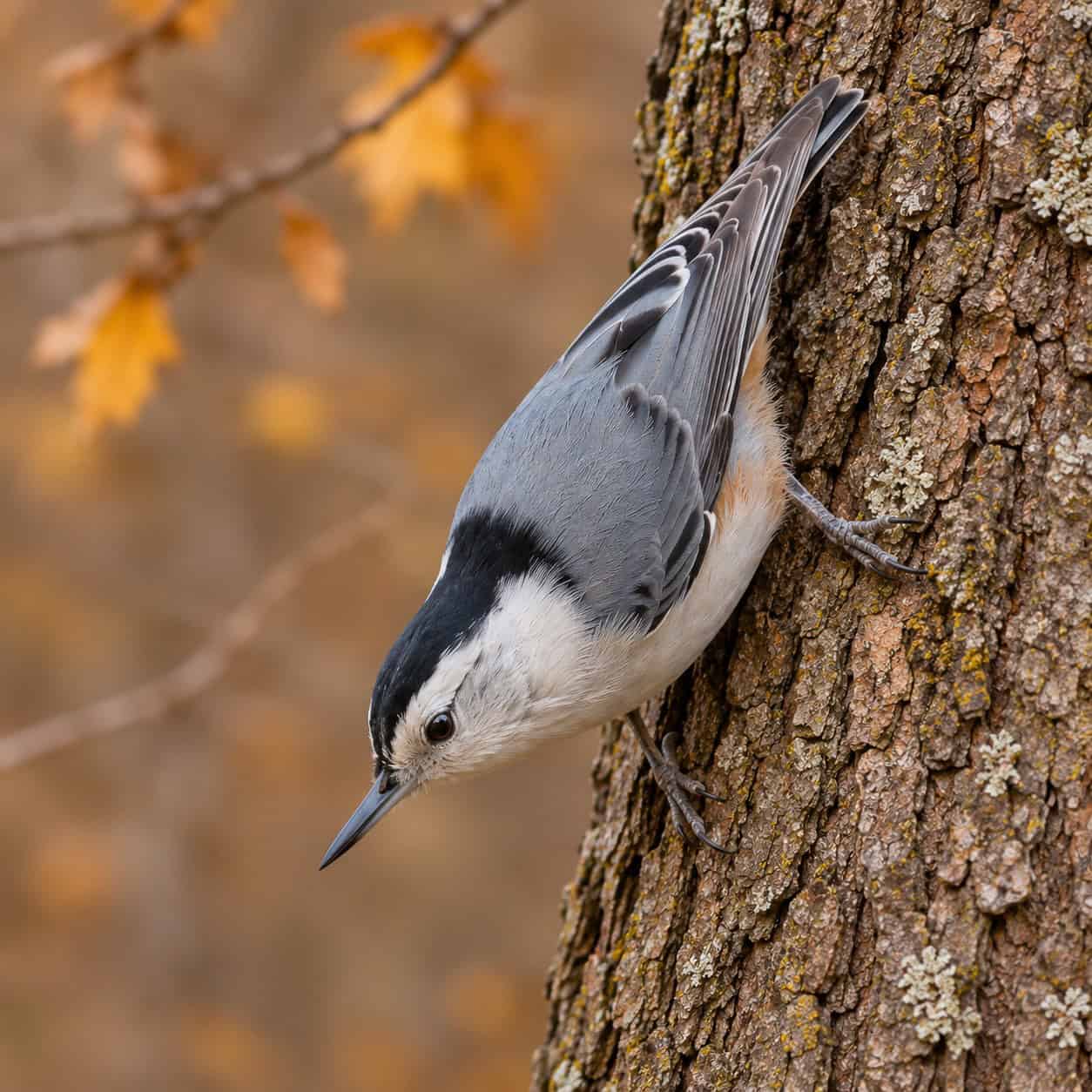
For pure backyard entertainment, it's hard to beat a white-breasted nuthatch. These birds have blue-gray backs, pale faces and underparts, and a dark cap. Their long, pointed bills and short tails give them a distinctive shape.
But their movements often identify them before their markings do. A nuthatch can travel headfirst down a tree trunk, pausing to inspect bark crevices along the way.
That climbing ability makes a suet cage a comfortable place to feed. They can grip the wire from different angles and reach in for small bites.
White-breasted nuthatches are especially worth watching for in yards with mature trees. In winter, they often travel in mixed groups with chickadees or titmice. If you notice one of those groups passing through, keep an eye on your suet feeder.
Mounting a cage near a tree trunk can make it easy for a nuthatch to move between natural feeding surfaces and the suet.
Don’t be surprised if a nuthatch makes repeated trips between a feeder and a tree. These birds sometimes tuck food into bark crevices to retrieve later. A busy visitor may be stocking its pantry as well as eating!
Choosing A Good Suet Feeder To Attract Birds To Your Yard
A simple, sturdy wire cage is enough to get started. Look for one that opens easily for cleaning and closes securely after you add a cake.
Avoid offering suet in loose plastic mesh bags. A purpose-built cage provides a more suitable feeding surface without loose strands around birds’ feet.
A small roof can help shield the cake from rain and snow. Positioning the feeder in shade also helps keep the suet in better condition during unexpectedly warm November weather.
If starlings are consuming the suet before smaller birds get a chance, an upside-down feeder may help reduce their access. Woodpeckers, chickadees and nuthatches are comfortable clinging beneath a feeding surface, although no feeder design excludes every unwanted visitor.
Start with one cake and see how quickly it gets eaten. Putting out more than birds can consume simply increases the chance of leftovers deteriorating.
A Few Final Tips To Attract Birds To Your Yard With Suet
Fresh drinking water can make the area even more useful. Keep a shallow birdbath clean and replenish it regularly. As freezing weather arrives, a birdbath heater designed for outdoor use can help maintain access to liquid water.
You can also quite easily make your own suet right at home. It is a great way to save money and give the birds in your yard just what they want! See our article: How To Make Homemade Bird Suet - Help Birds Survive Winter!
With fresh suet, nearby shelter and a little patience, your November feeding station can become a regular stop for some of the most entertaining birds in the yard.
This Is My Garden
Follow Our Facebook Page For Great Gardening Tips And Advice! This Is My Garden Facebook Page
This Is My Garden is a garden website created by gardeners, for gardeners. Jim and Mary Competti have been writing gardening, DIY and recipe articles and books and speaking for over 15 years from their 46 acre Ohio farm. They publish three articles every week, 52 weeks a year. Sign up today to follow via email, or follow along!

More Birds, Bees And Insects
- How To Attract More Cardinals To Your Feeders This Fall & Winter - What Cardinals Love To Eat!
- 2 Simple Tricks That Work Wonders To Protect Bird Feeders From Squirrels!
- The Secret To Stopping Japanese Beetles – How To Protect Your Plants From Summer Destruction!
- Plant These 5 Perennials - And Watch Bees, Butterflies & Pollinators Flock To Your Yard!