Whether it be insects or animals, pests can cause big headaches in the garden. Check out our latest articles below on how to handle pests in your backyard!


Whether it be insects or animals, pests can cause big headaches in the garden. Check out our latest articles below on how to handle pests in your backyard!
Not all bugs are bad to have in your yard – in fact, it can actually be quite beneficial to attract a few varieties of insects that help keep your garden, flowerbeds and landscape healthy and thriving.
When gardeners start talking insects, it’s usually not a positive conversation. Quite often, it’s about slugs attacking their hostas, cabbage worms riddling their vegetable plants in the garden, or Japanese beetles devouring their roses.
But although all of those scenarios involve the bad side of insects and pests – there are actually many insects that can be quite helpful to the home gardener. Not only can these beneficial insects help to control the “bad” pests, but many even help to pollinate crops and flowers as well, providing even more beauty and interest to your landscape.

One thing is for sure, a healthy balance of insects in your garden can keep the need for pesticides at bay. Creating an inviting environment for helpful insects can help keep invasions from aphids, hornworms and other pests in check. And more importantly – 100 percent naturally!
The simple truth is, the “good” insects need a fair amount of the “bad” insects as a food source. And unfortunately, when you begin to eliminate one or more entirely by spraying, it simply paves the way for an invasion of other insects that now have no predators.
Attracting helpful insects to your landscape isn’t difficult. In fact, it’s quite easy. What it really boils down to is providing the food and shelter these insects need for survival.
In most cases, that means planting varieties of plants and flowers that can either be a food source, or a host to the insects they like to dine on.
In addition, if you make sure they have a reliable water source and create an environment where they can live – they will start visiting your landscape. And quite often, begin calling it home!
With that in mind, here is a look at 5 of the best of the best of beneficial insects – and what it takes to attract them to your yard. Not only can they help keep your pest population under control, but many can aid in helping to keep your plants blooming and booming too.
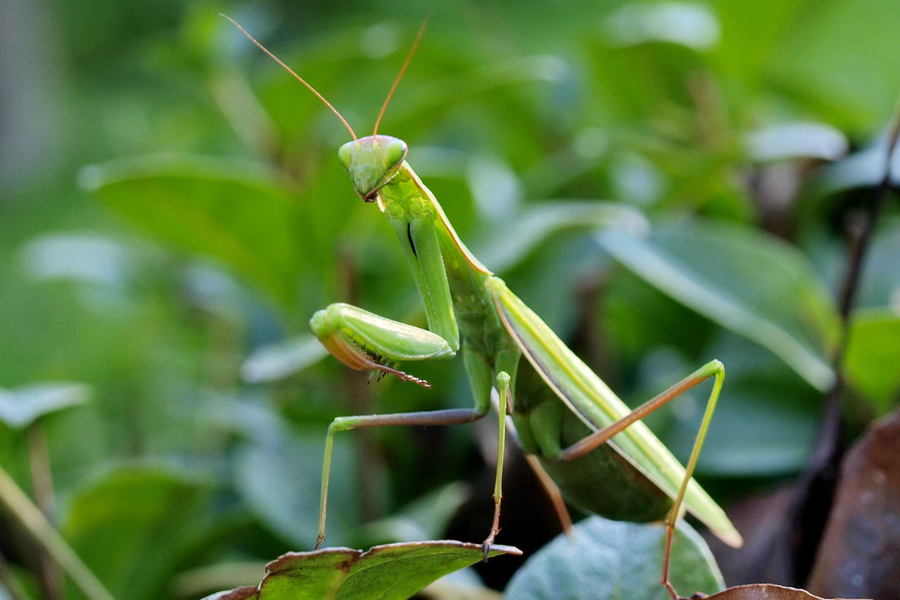
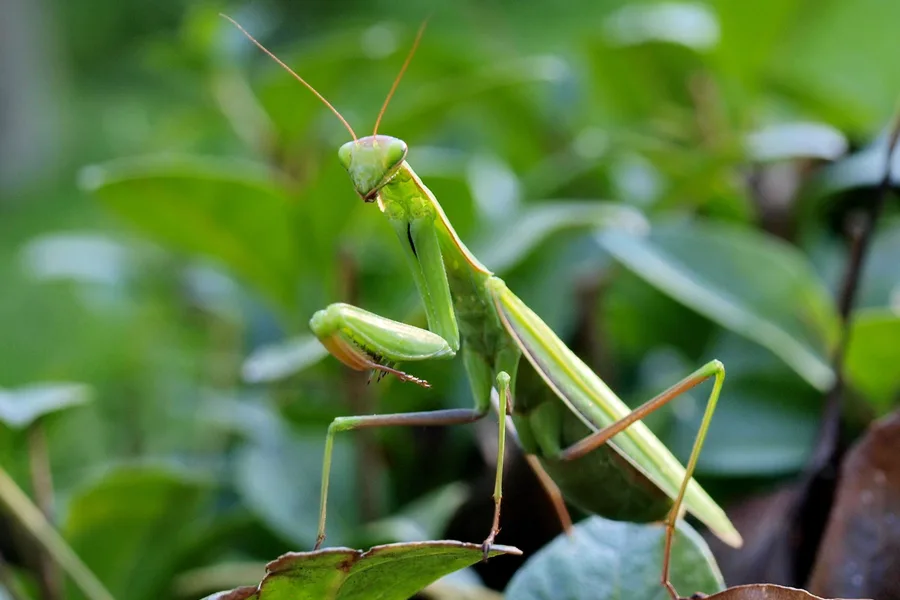
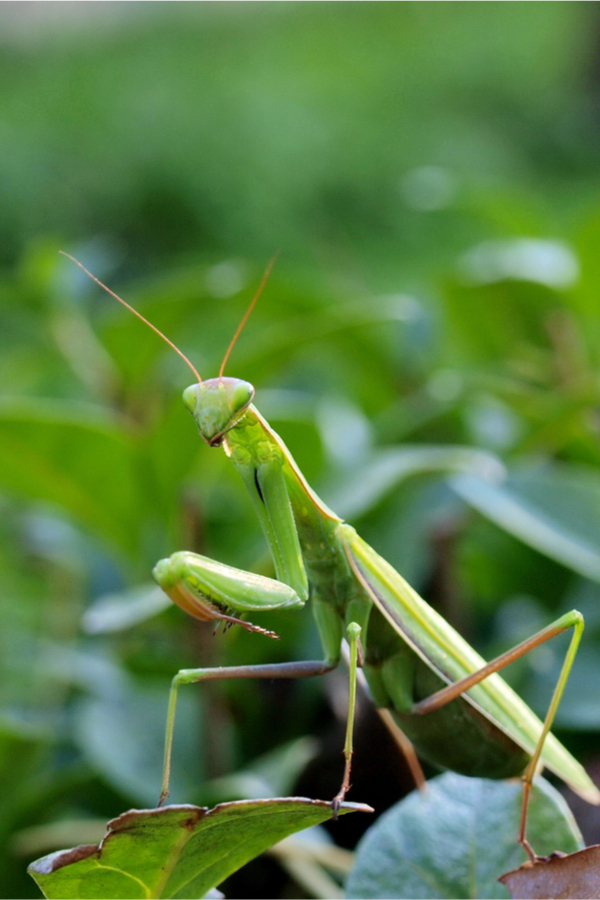
With its awkwardly lanky, stick-like body and triangular head, the praying mantis can look quite menacing. But this harmless-to-humans insect is actually a gardener’s best friend. The praying mantis is one high-powered insect eating machine!
Praying mantis are incredibly adept at disguising their long body, and then pouncing on their prey in an instant. They dine on everything from beetles, mosquitoes and slugs – to crickets, spiders and grasshoppers.
Unfortunately, the praying mantis will not discriminate in the garden. They are pure predators, and will eat all kinds of bugs – both good and bad. But it’s important to note, they are great for keeping all insect populations under control. That is true of even there own species, as they will even attack other praying mantis!


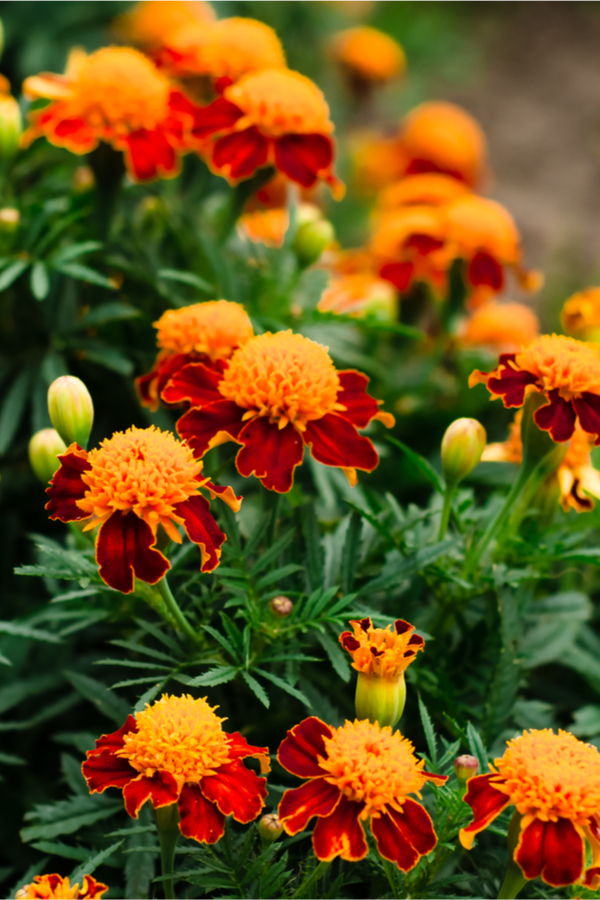
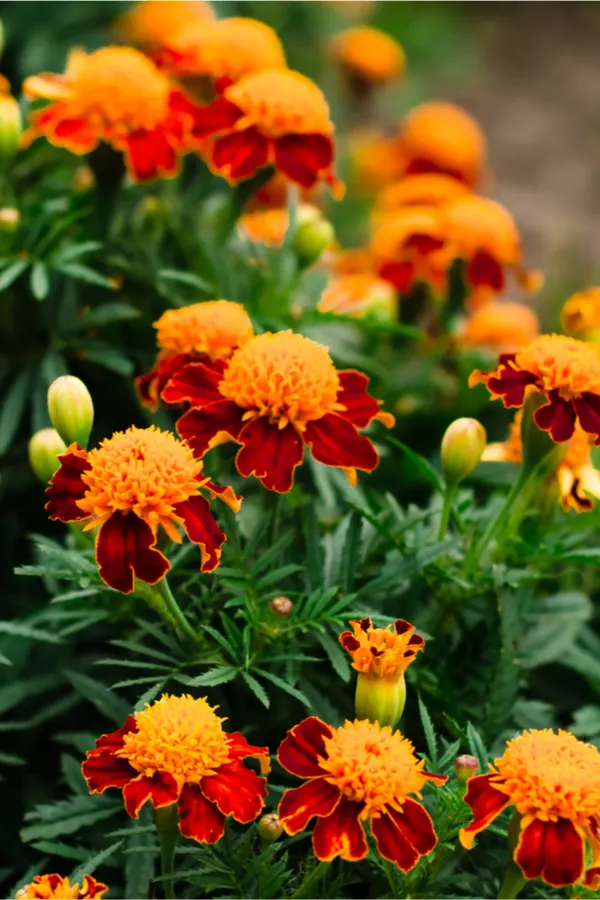
To attract praying mantis, plant plenty of low growing, shady ground cover. Hostas work well, as do sedum and ornamental grasses. Mantis also love both dill and marigolds and are attracted to their unique scents.
Braconid wasps are one of the most under-appreciated heroes of the garden. Although they have somewhat of a bad reputation from the danger of their sting, for the most part, these flying beauties really don’t want to mess with humans
One thing is for sure, the benefits they bring to your yard are impressive. Wasps are actually an incredible dual-ally of the gardener.
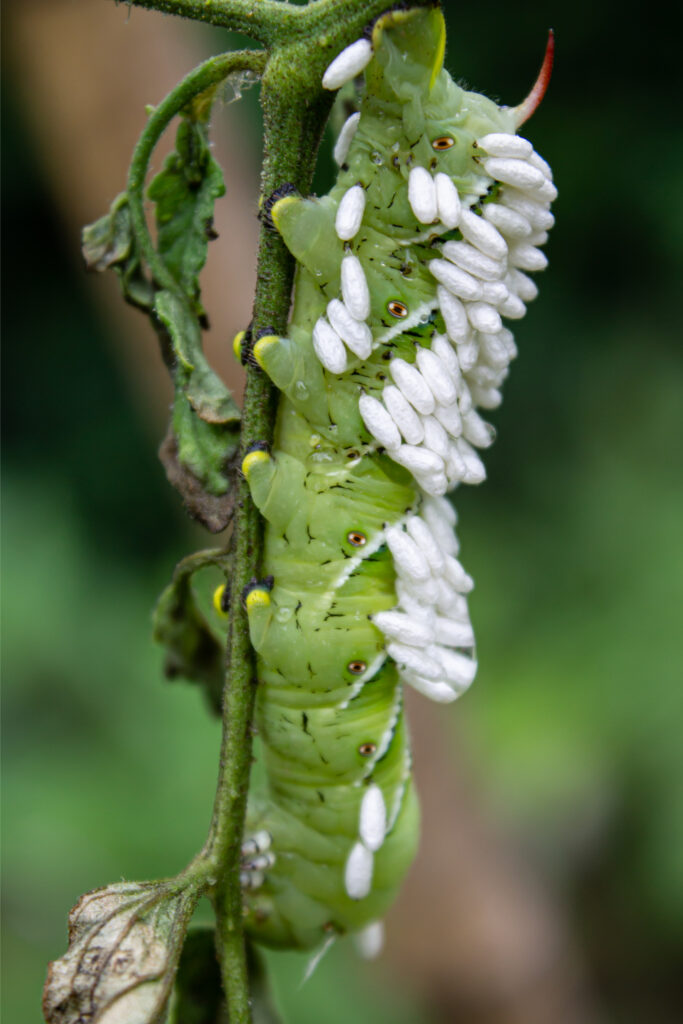
For starters, they are a big help in the fight against caterpillars and hornworms. Wasps lay their eggs on the backs of these garden pests. The resulting larvae then slowly feed on them, killing them in the process.
But above and beyond their pest control, wasps also help to increase pollination levels of many self-pollinating crops. Two of their favorites are tomato and pepper plants. In fact, a surprising fact to many gardeners are that wasps are the leading pollinator of tomatoes!
Wasps love to drink nectar from flowers. As they work the flowers of self-pollinating plants, they scatter pollen with their fast flapping wings. Some call it flipping, others call it buzzing. But in the end, all of that movement creates more chances for crops to become pollinated and produce.
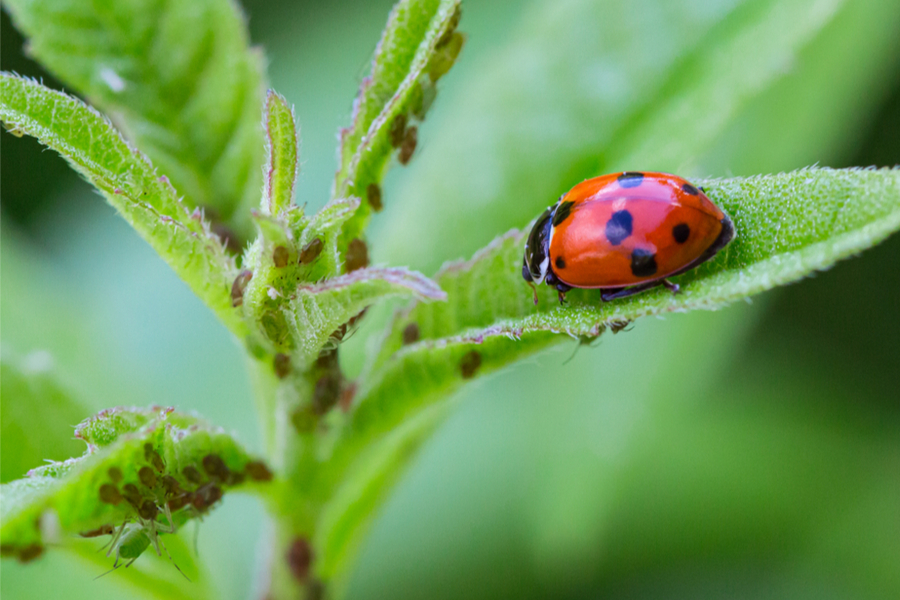
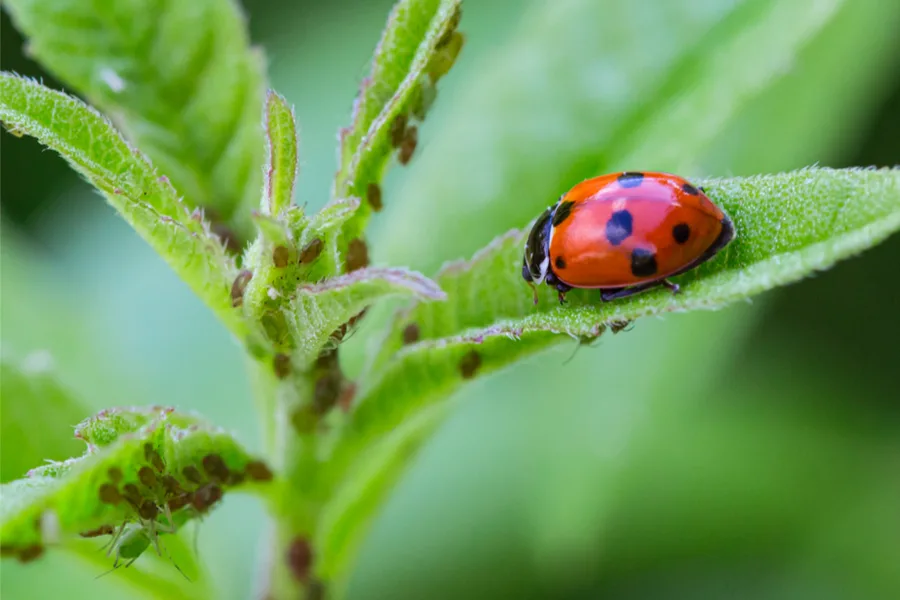
Not to be confused with the Asian beetle, lady bugs are one of the most beneficial insects of all to attract to your garden and flowerbeds.
Although they look quite methodical as they mosey along, ladybugs have a voracious appetite for aphids, whiteflies, mealybugs, potato beetles, mites, fleas and more.
If you want to attract more ladybugs to your garden, plant a little dill or yarrow along the edges. Both of these plants are highly attractive to the spotted creatures, and will have them visiting often. See: How To Attract Ladybugs To Your Garden – And Control Pests Naturally!
Green lacewings are another great addition to have visiting your flowerbed and garden areas. Often confused by many to be an enemy of the garden, they actually help keep a large number of pests in check.
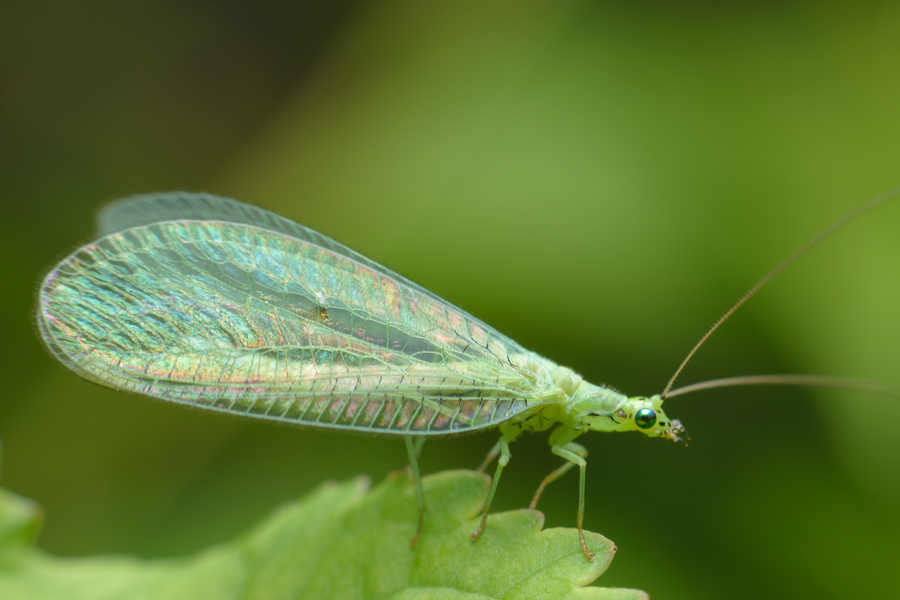
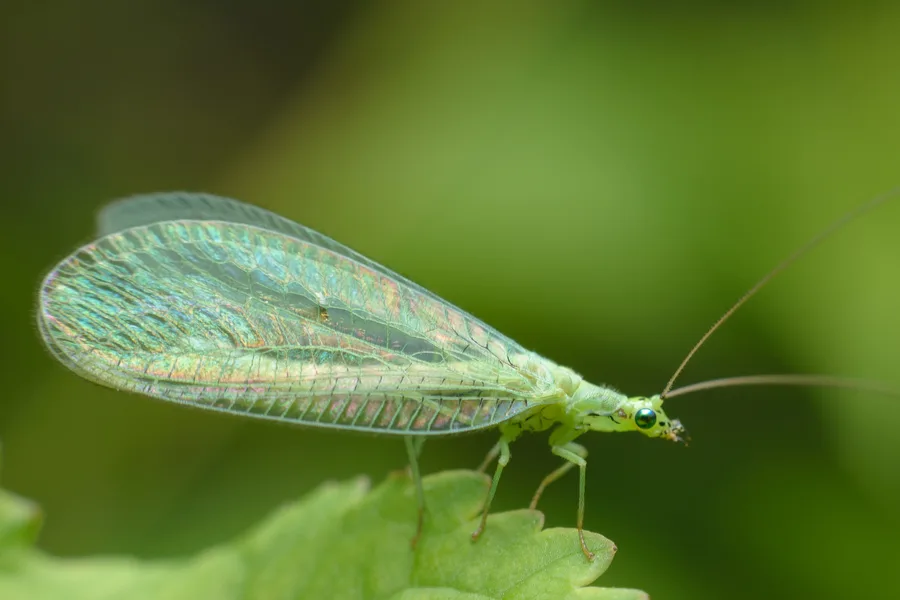
Green lacewings love to dine on aphids, mealybugs, whiteflies and leafhoppers – all of which can cause serious garden damage. With their bright green, neon-like color and their compound eyes, they are easy to spot.
They are especially attracted to herbs, and will visit dill, coriander and coreopsis plants frequently. They also love cosmos, sunflowers and even dandelions.
Ground beetles are incredible for controlling all kinds of garden enemies. Not to be confused with many other species of beetles that attack plants (Japanese beetle, cucumber beetle, etc.), ground beetles are quite helpful in gardens and flowerbeds.
They love to eat cutworms, snails, caterpillars, and one of the ultimate garden and flowerbed pests – slugs!
To attract ground beetles, it is important to provide them plenty of cool, moist, protective cover. They love to take up residence in thick ground mulch, or underneath plants with heavy foliage. Most ground beetles are glossy black with a groove on their backs. If you see them patrolling the ground – let them be – they are certainly a welcome sight!
Here is to attracting more beneficial insects to your yard this year, and keeping the balance of nature on your side!
Follow Our Facebook Page For Great Gardening Tips And Advice! This Is My Garden Facebook Page
This Is My Garden is a garden website created by gardeners, for gardeners. Jim and Mary Competti have been writing gardening, DIY and recipe articles and books and speaking for over 15 years from their 46 acre Ohio farm. They publish three articles every week, 52 weeks a year. Sign up today to follow via email, or follow along!


There is no better way to control pest problems naturally in your garden, flowerbeds and landscape than by attracting ladybugs to your outdoor spaces!
Ladybugs are one of the most efficient methods for pest control around. Not only do they consume thousands upon thousands of insects in their lifetime, they also feed on the larva of insects, preventing the next wave of damage as well.
As for the pests they help to control, the list is long. But at the top of the ladybug’s “favorites” list is the dreaded aphid. And controlling aphid populations is certainly a plus for any gardener.
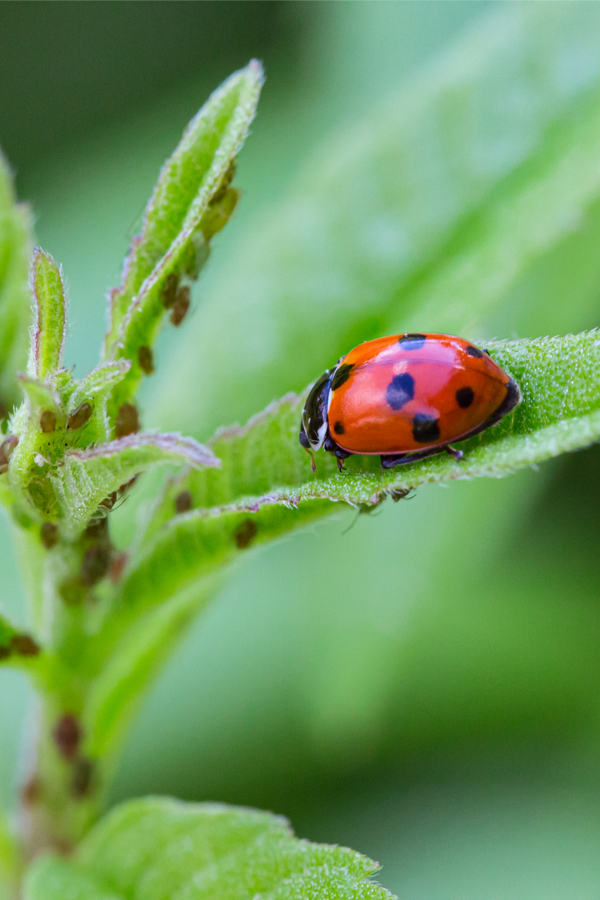
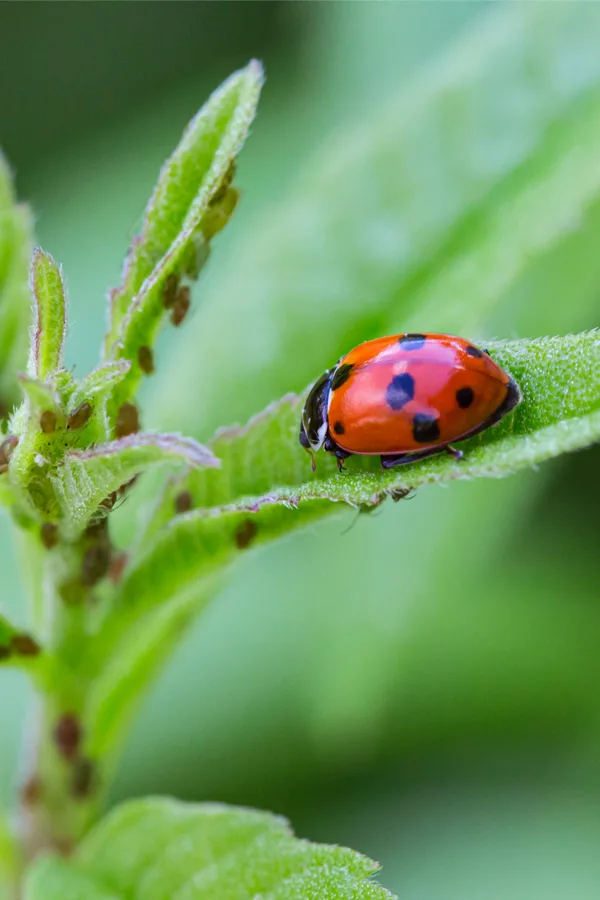
Aphids feed on the the sap within the stems and leaves of both vegetable plants and flowers. Left unchecked, their population can swell in just days. When that happens, it can spell the end of the line for plants. Especially younger tender garden vegetable plants and annuals!
But with a small army of ladybugs on the job, aphids have trouble establishing enough of a presence to cause any real harm. And ladybugs don’t stop with just aphids, they also love to forage for mites, mealy bugs, leafhoppers and a whole host of other insects.
With all of that insect control power, it’s easy to see why attracting them to your landscape can have big rewards. With that in mind, here is a look at a few key tips to getting ladybugs to take up full time residence in your backyard!
First and foremost, the use of pesticides not only kills the ladybugs you are trying to attract, it also kills off all of their food sources.
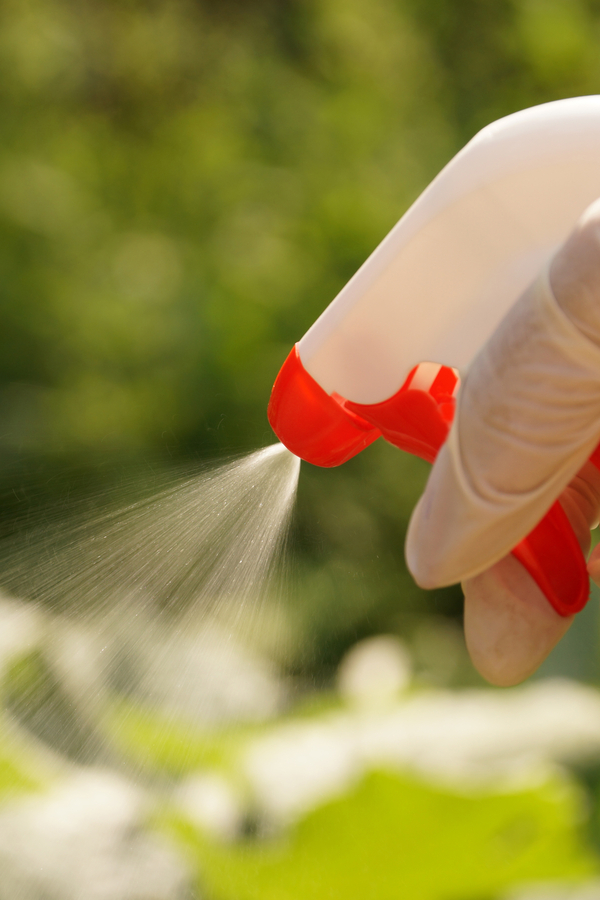
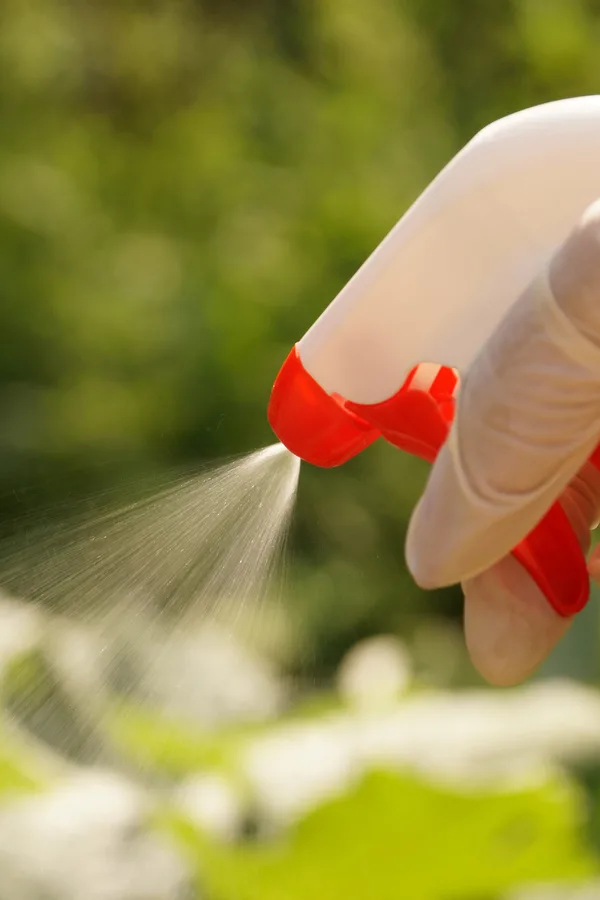
The simple fact is, most pest populations are kept in check by the natural balance that nature provides. Unfortunately, pesticides do not discriminate between good bugs and bad bugs. And even worse, when applied, they can wipe out the pollinators you need right along with the pests causing the issue.
Ladybugs, along with honey bees, butterflies and all insects are important to your garden and flowerbeds. They help to pollinate plants, and without them there would be little vegetables, flowers or fruit. See: How To Attract Pollinators To Your Yard
Even pests like aphids and mites are important in their regular numbers. Why? Because they provide food for great pests like the ladybug. So if you want to have good insects around, eliminating the use of pesticides is the first thing you need to do.
Ladybugs love both insects and pollen. In fact, together, they are the main two staples of their diet. And as it just so happens, growing the plants they love to visit can give them both!
When it comes to flowers, ladybugs are extremely partial to cosmos, calendula and marigolds. These three annuals attract ladybugs in large numbers, and planting them in your flowerbeds and gardens can play a major role in keeping ladybugs around and pests under control.
Ladybugs also love a wide range of perennial flowers and herbs too. Sweet Alyssum, Coneflower, Dill, Cilantro and Chives are all favorites of the ladybug.
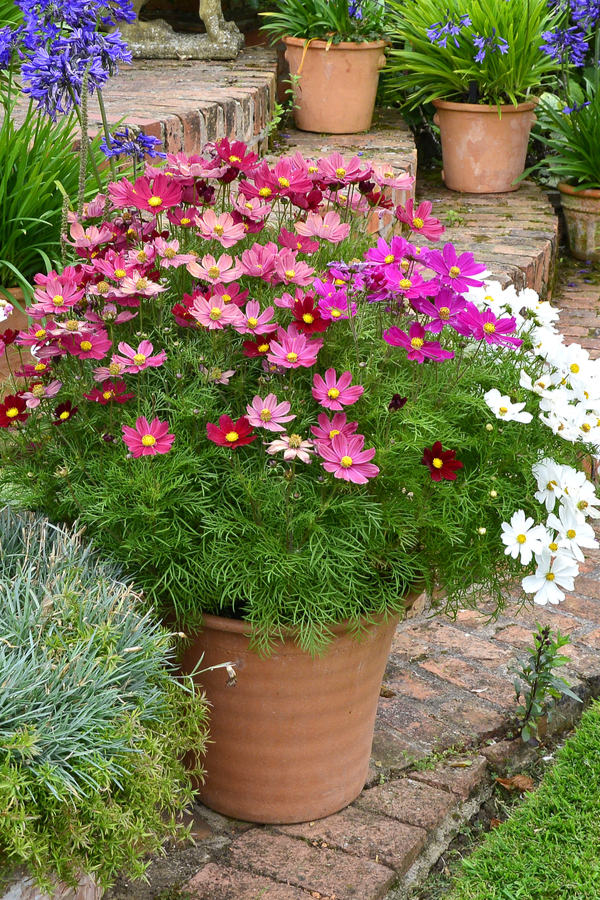
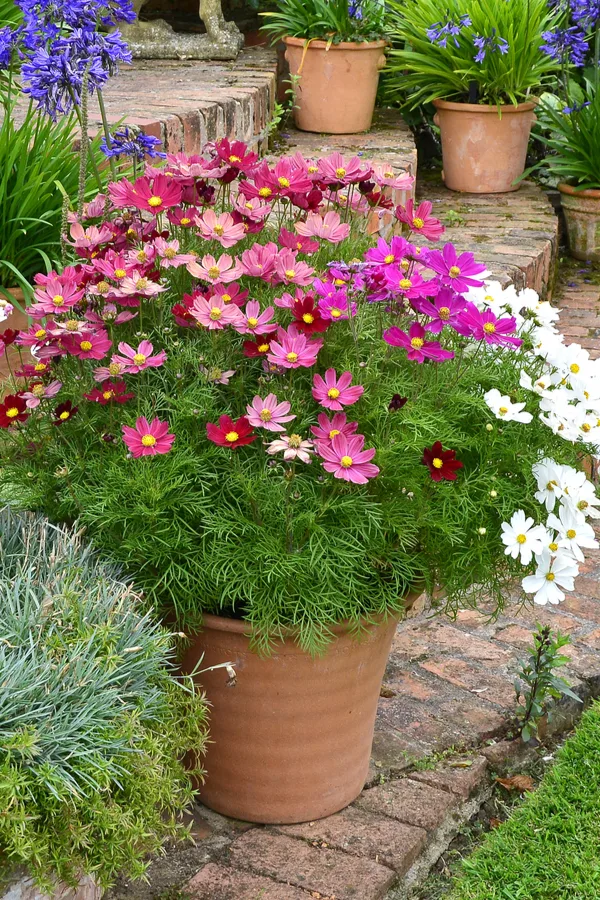
But it is in the vegetable garden where ladybugs usually find their home. Ladybugs love to visit common pest-prone plants such as cabbage, cucumbers, peppers and tomatoes. It is here that they can find a steady supply of the pest they love to eat. And in the process, of course, help keep them safe!
Ladybugs, just like every living creature, need water to survive. Ladybugs “drink” by lapping up the dew and moisture on plants, or in small puddles or pools of water.
It you happen to live an area with heavy morning or evening dew, conditions are most likely perfect for attracting ladybugs.
If you live in a more arid and dry climate, you may need to provide additional water and moisture. Spraying the foliage of plants in the early morning can help, as can making sure your plants and garden beds are covered in mulch.
Mulch helps to keep moisture trapped in the soil below, which is one of the reasons it is so vital for plant life. But it also helps insects like aphids. Not only can they seek shelter in the mulch, they can also absorb moisture within it as a source of water.
Other sources of water such as bird baths and fountains can play a role in helping aphids as well. As always, with these sources of water, be sure not to keep the water standing for long periods of time. Unfortunately, that will attract mosquito larvae, which ladybugs do not eat!
With a bit of attention to the steps above, you can usually create a habitat where ladybugs love not only to visit, but call it home. With that said though, some gardeners like to take the extra step of creating a ladybug house to provide an actual place for them to reside.
Building your own ladybug house is actually a very simple and easy project. In fact, it is a great project if you have young children or grandchildren. It can teach them both about insects, and DIY’ing too!


The best material to use for a ladybug house is wood. Wood naturally holds moisture, which of course is beneficial to ladybugs. You can build your house in any shape, as ladybugs are not partial to size or the aesthetics.
For those that are not partial to the DIY approach, you can find a wide range of ladybug houses online. Product Link: Lulu Home Wooden Insect & Ladybug House
The real key is to create a solid back, with open tubes or slots in the front. This will give the ladybugs plenty of shelter inside. Once built, hang the house in a tree or in a shrub off of the ground – and that’s it! No need to provide food or water, it’s the shelter they will appreciate more than anything.
Here is to attracting ladybugs to your landscape, and to keeping your pests under control naturally!
Follow Our Facebook Page For Great Gardening Tips And Advice! This Is My Garden Facebook Page
This Is My Garden is a garden website created by gardeners, for gardeners. Jim and Mary Competti have been writing gardening, DIY and recipe articles and books and speaking for over 15 years from their 46 acre Ohio farm. They publish three articles every week, 52 weeks a year. Sign up today to follow via email, or follow along!
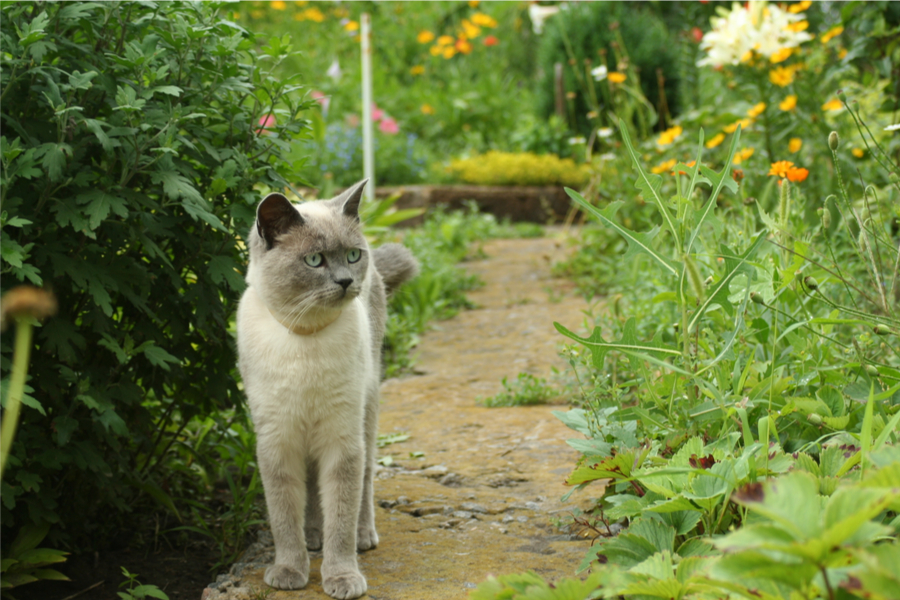
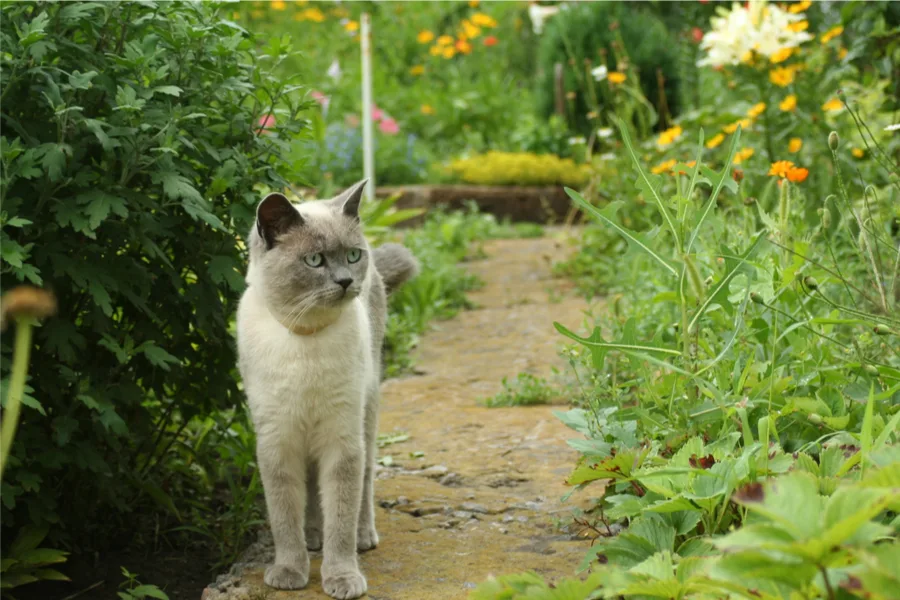
Looking for a few tips and tricks to keep cats out of your garden and flowerbeds?
When it comes to pets, cats are one of the best. They can protect your house from mice, snakes and more, not to mention become a great companion for the whole family. Even better, they can even help protect your yard from pests like moles, voles and rabbits.
But being said, cats themselves can also bring problems to gardens and flowerbeds. They often look at open soil or even mulched soil as a giant outdoor little box. In addition, cats will often chew on the foliage of plants, and love using plant pots as a comfortable sleeping place.
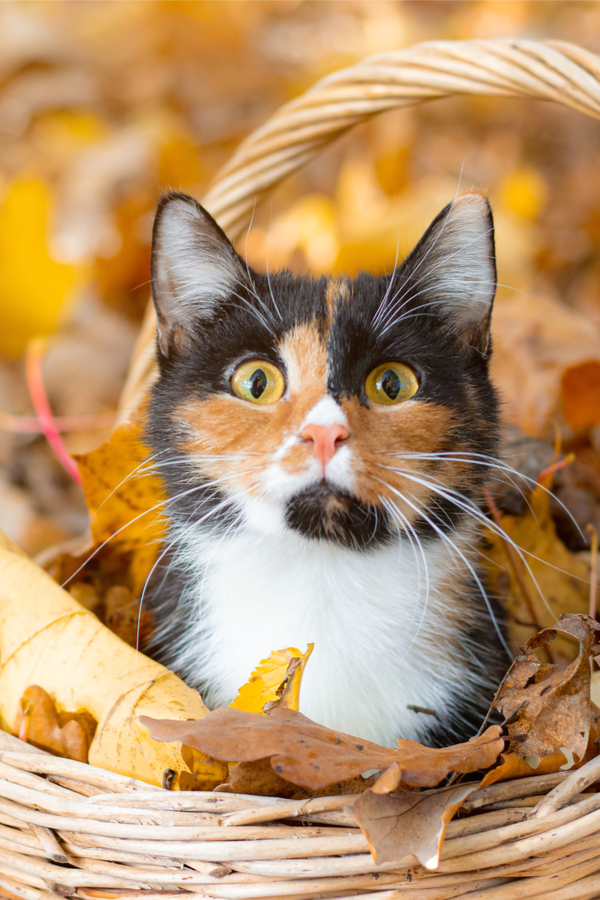
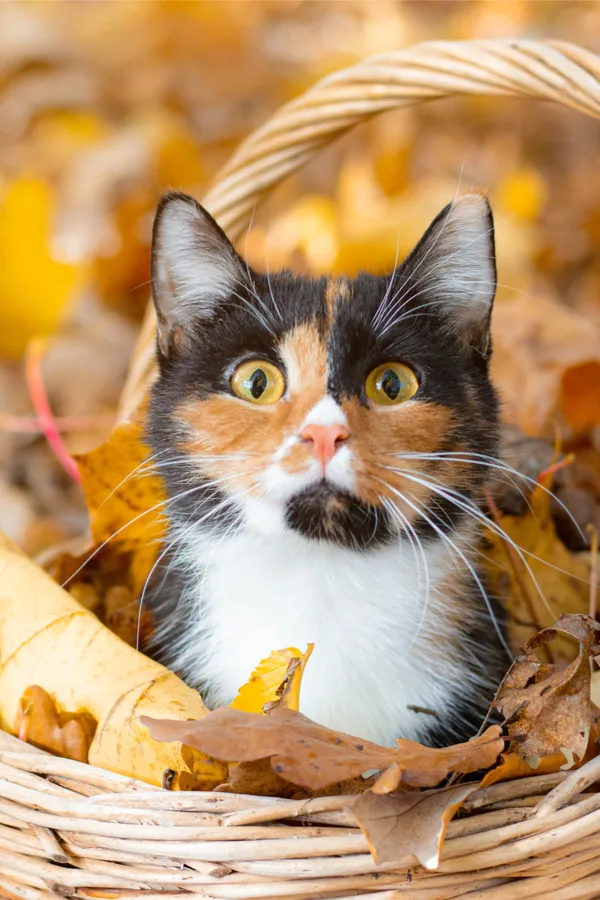
Unfortunately, many homeowners can often train their own cats to stop most of the destructive behavior. But that doesn’t help when neighboring or stray cats move in – and they can certainly leave a swath of destruction behind.
The good news is that armed with a few key tips and tricks, you can stop cats from ruining your plants and landscape. With that in mind, here are some of the best methods for keeping cats out naturally.
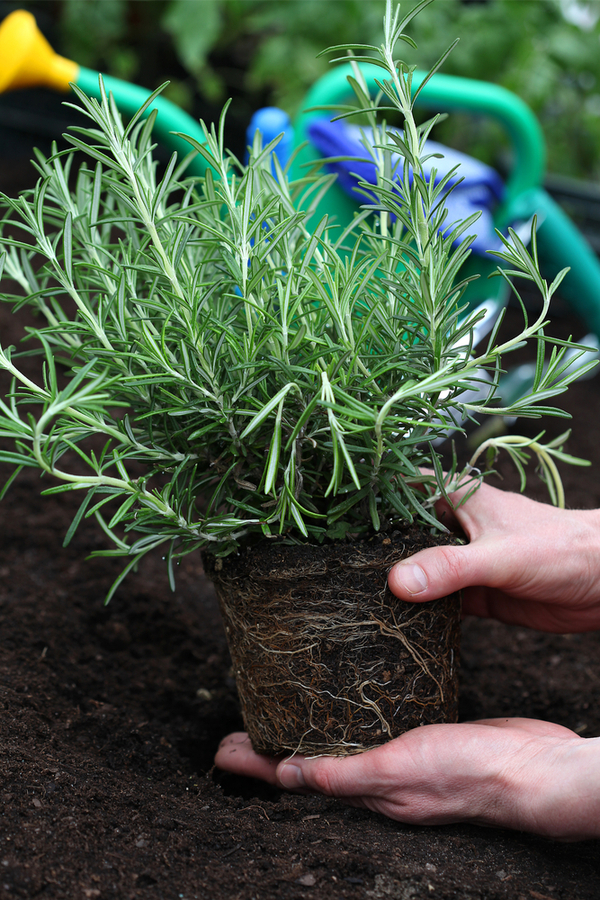
If there is one herb that cats simply detest, it is rosemary. The herb does require soil with good drainage, but it can stand a lot of sunlight, a little shade, or a mix of both. So the good news is that its quite easy to grow anywhere you need protection from cats.
With proper pruning, rosemary can also serve as low height borders or hedges in your garden. You will want to plant some in the ground in a row to get this benefit.
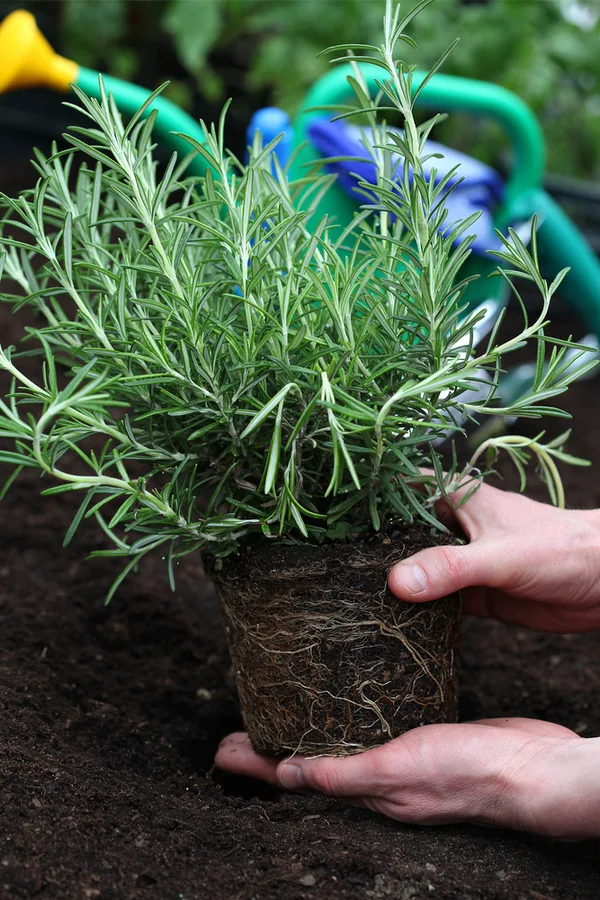
As essential oils, rosemary is even more effective in keeping cats out of your garden and flowerbeds. In this case, we use the kitties’ strong sense of smell – which is about 16 times sharper than that of humans – against themselves.
The smell of the rosemary herb around your garden and flowerbeds is unpleasant to cats, so it will prevent them from entering the area. Product link : Rosemary Essential Oil
This is one of the popular cat-be-gone tricks that any gardener can easily use. All you need is a cup of water mixed with 11 drops of rosemary essential oil. Spray the mixture all over the area in your front yard and your plants will be free of cat problems for up to two weeks or more.
As crazy as it sounds, good old-fashioned tape can surprise cats and stop them from entering your garden. It’s also affordable and non toxic, making it a perfect choice for plant protection.
You can make tape balls out of duct tape or masking tape, then put them on the soil near your plants. This method works great for window boxes or urns that the cat has chosen as a lookout post.
The cat will try to jump up one or two times before giving up due to the irritating cling-ons preventing it to get to its landing spot. It is amazing how well this works for keeping cats out of containers.
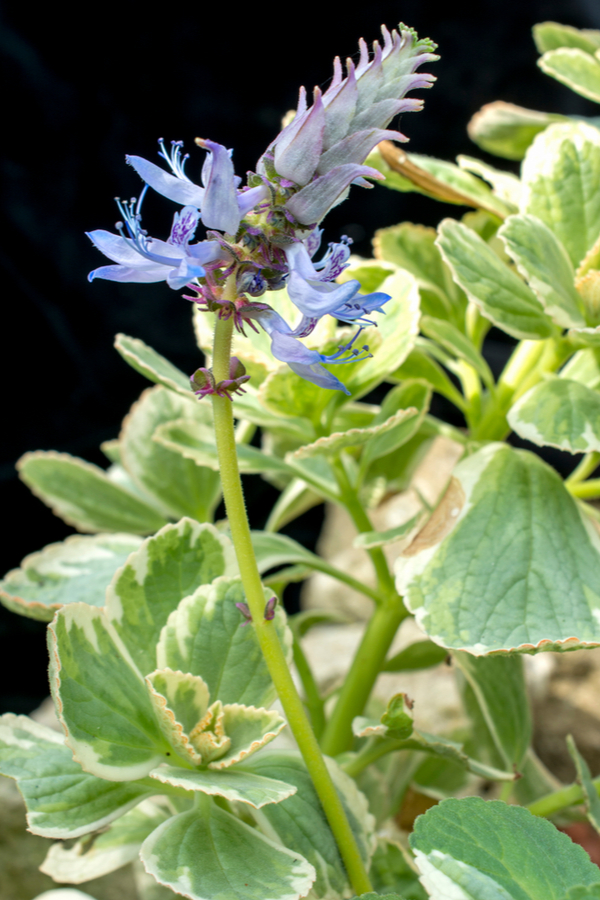
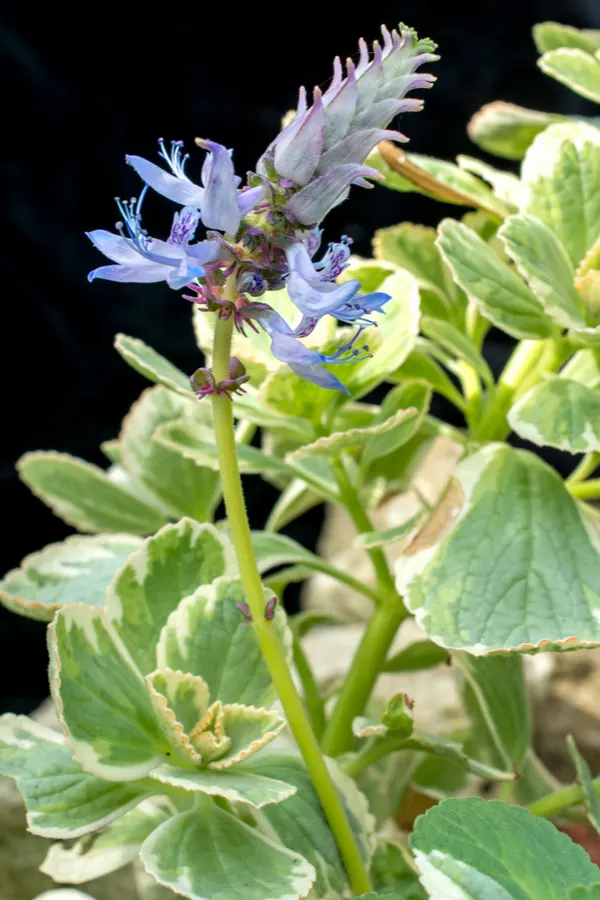
Any plant that goes by the name Scaredy Cat Plant has to be good for keeping cats away! The Coleus Caninus plant has long been known to deter cats and dogs as well.
The repelling capability is attributed to its offensive odor. That is certainly something to consider if you too are offended by its smell. Coleus Caninus smells like urine, causing cats and dogs to stay far away from it.
On the good side, the plant is easy to take care of. Simply plant it in the area that a cat is trying to use for litter, and you will see it remain clean as the animal doesn’t want to pee there anymore.
Cats love to mess around, but they don’t really like challenges. And chicken wire is way too challenging for them to mess with! Using this material is a sure way to keep cats off your flowerbeds.
You can shop for it at most hardware stores as well as on-line. To deter kitties, lay the wire on top of your soil, allowing open spaces where your plants grow. It can also go down the walking rows of garden paths to keep them from entering any space.
In addition, chicken wire is excellent for creating a garden cover or fence. Cats hate the feel it gives to the pads of their paws so they won’t insist on climbing it to enter your garden.
If your garden has become a favorite playground for a cat, don’t panic. Instead, use what you have in your kitchen to make the perfect repellent. Many kitchen spices are perfect for using to deter a cat. The most common option you can pick is none other than hot pepper flakes.
What cats hate about pepper is, of course, its pungent smell. It also happens to be simple and easy with so many options to use it.
You can make a spray from it or just sprinkle it in your garden. Both will stop cats from popping up and playing in the area. We have an entire article and recipe for hot pepper spray on the site here : How To Make & Use Hot Pepper Spray.
With plastic garden fencing, you will be able to create a strong border for your garden quickly and easily. Among the advantages of plastic fencing is you won’t have to worry about sharp edges, rust or splinters. On top of that, it will keep looking as good as new despite the passage of time.
Plastic garden fencing is the favorite method of many gardeners who want to keep cats away from their plants. You can either use it as a vertical fence or cut it into one-foot square pieces and lay them in the raised beds around your plants, then you can remove or reorganize them to match the growth of the plants.
The presence of the fence discourages cats from coming inside. Not only do they not like climbing on mesh, the confined space makes them feel uncomfortable. Product Link : Motion Activated Sprinkler
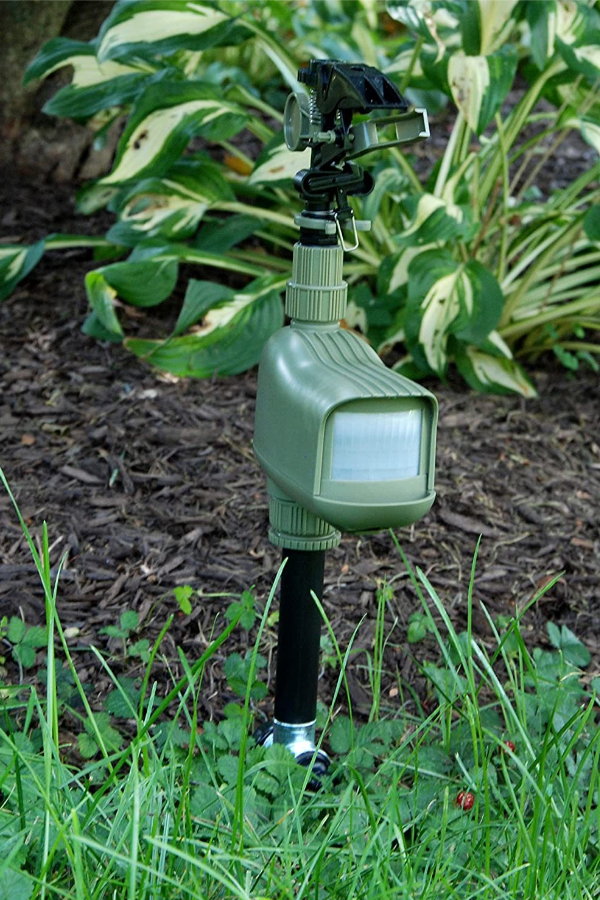
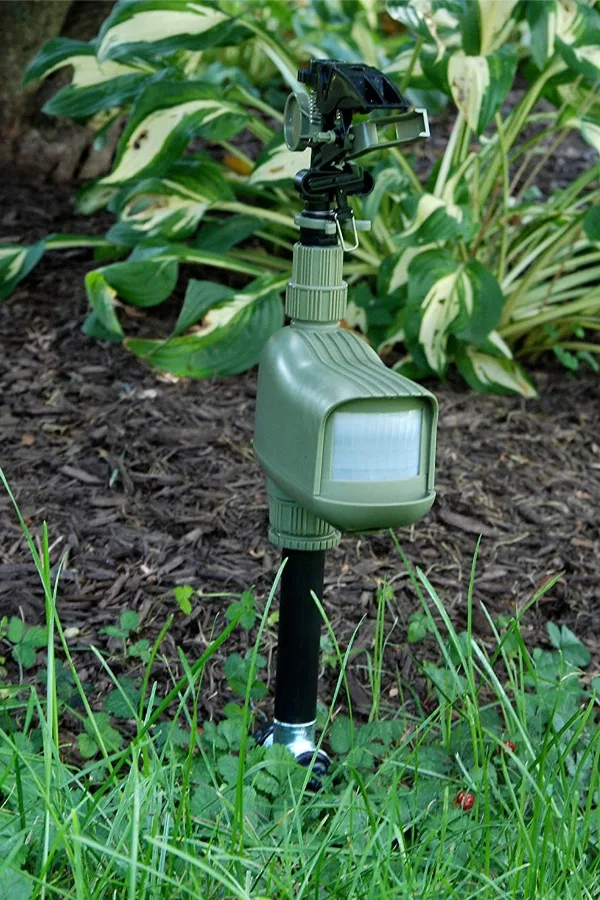
Last but not least, motion sprinklers can be a powerful means of defense for your garden. Especially when you’re facing feral cats that are ready to mess with your plants anytime you let your guard down.
With a motion activated sprinkler, your plants will be safe from the feline marauders even when you sleep. Because the system is designed to work automatically in repelling cats by spraying water suddenly when they get close. As a plus, this will also give your plants a drink each time an unwanted visitor approaches.
Here is to keeping cats out of your landscape this year!
Follow Our Facebook Page For Great Gardening Tips And Advice! This Is My Garden Facebook Page
This Is My Garden is a garden website created by gardeners, for gardeners. Jim and Mary Competti have been writing gardening, DIY and recipe articles and books and speaking for over 15 years from their 46 acre Ohio farm. They publish three articles every week, 52 weeks a year. Sign up today to follow via email, or follow along!
If you are looking for an all natural, organic solution for protecting your plants – using neem oil just might be the answer! Today’s article is all about the many benefits of using neem oil, and how to make your own homemade spray to use on plants.
Neem oil is made by pressing the seeds from within the fruit of the neem tree. And that oil has some pretty amazing qualities when it comes to controlling pests and disease. Even more, it can do so while keeping many other living creatures safe.
Unlike man-made pesticides and many natural-based pest remedies, neem oil does not pose a danger to nearly everything it comes in contact with.
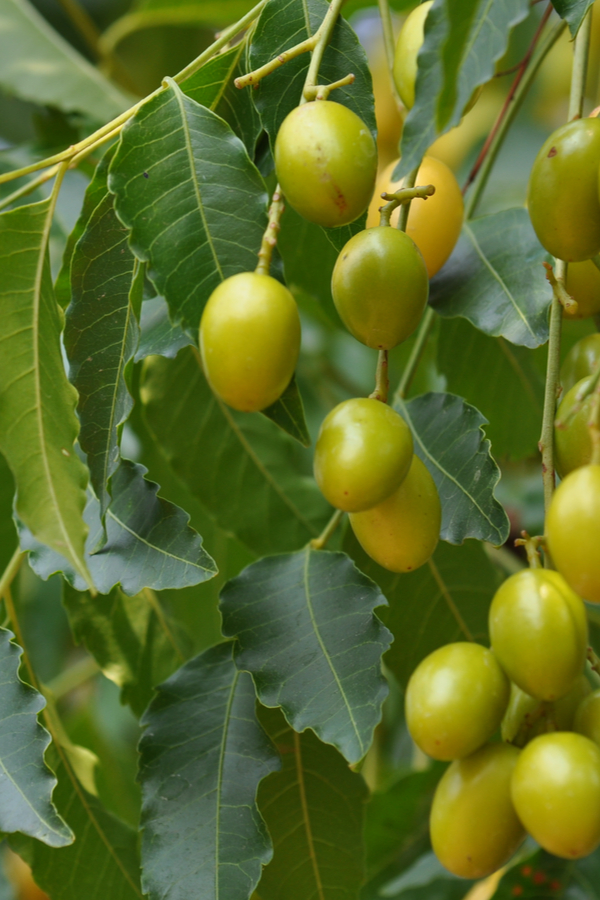
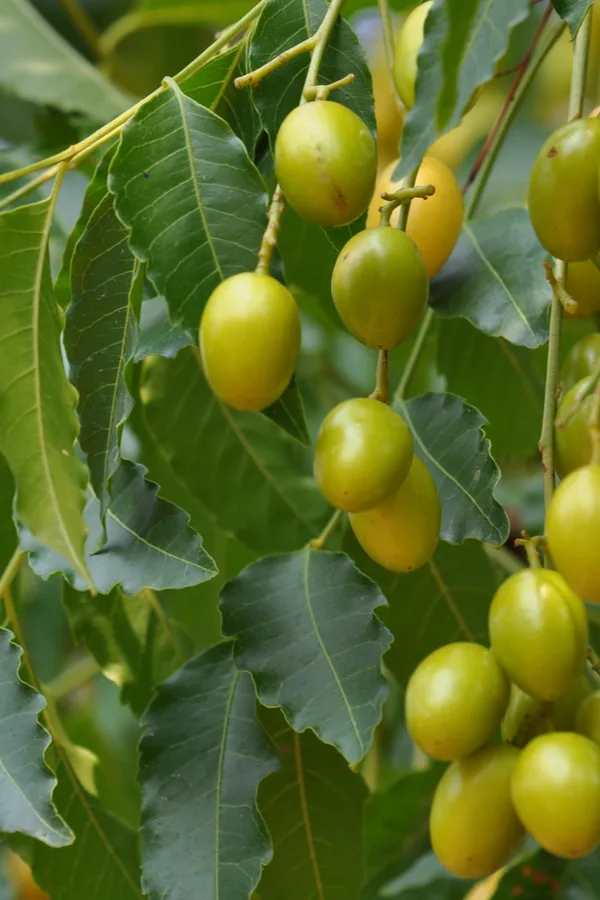
In fact, although neem oil helps control many common garden pests like aphids, mites, beetles, whiteflies, moths and more, it thankfully does not harm important pollinators.
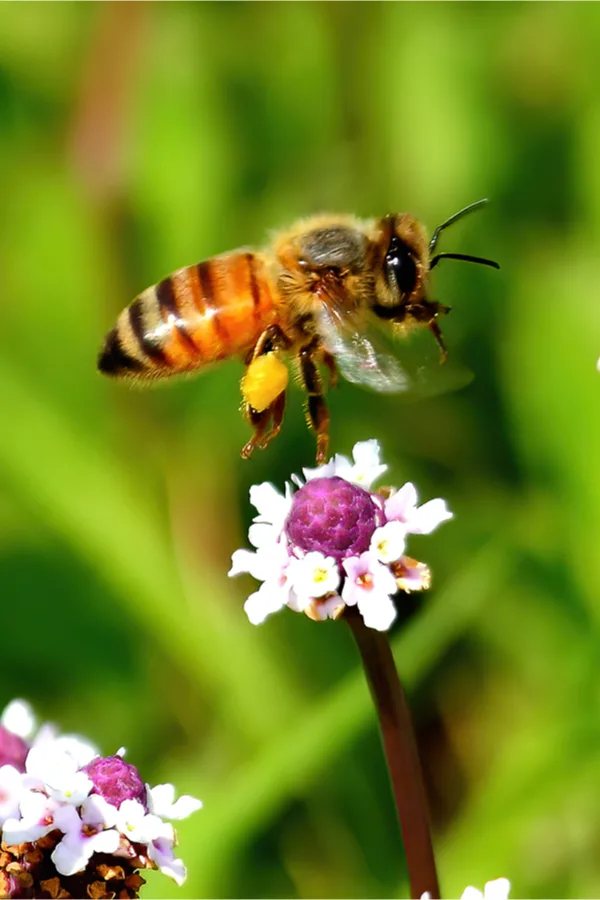
Beneficial pollinators such as bees, ladybugs and butterflies suffer no ill-effects from the oil. Nor are birds, pets or humans. And that alone makes it one of the best choices around when controlling garden and flower pests becomes a necessity.
Neem oil is certainly not new in the world of organic pesticides. It was actually the first choice for many farmers back before synthetic pesticides became widespread.
And now that many worry about the dangers of the man-made versions, it has come back in as a great all-natural solution for many pest and disease issues.
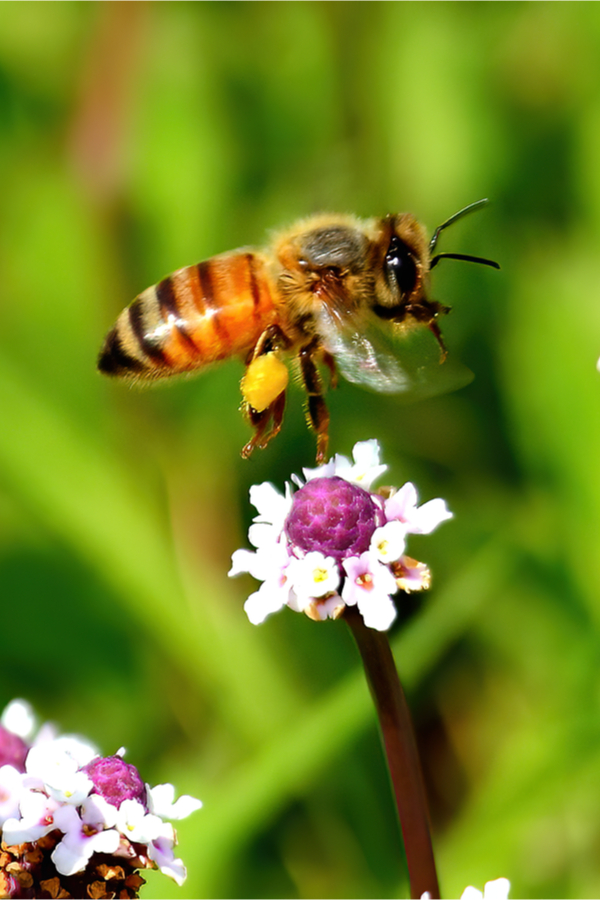
As an insecticide, neem oil works by disrupting the life stages of the insects it targets. The oil contains a highly active compound called azadirachtin. And azadirachtin can all but disable an insect’s ability to eat, mate and lay eggs. The result of which can stop an infestation in its tracks.
But the oil also has an ingredient that has the ability to protect plants, trees, and bushes from disease. Protection from mildew, rust, leaf spot and scab can all occur by applying neem oil.
For these very qualities, neem oil is often sprayed early in the growing season on berry bushes, fruit trees, and grape vines. Not only can it help prevent debilitating diseases, it can of course also keep insects off of the plants as well.
So what all can this magical oil help protect? Well, the list is long for sure! As a general pest insecticide, you can mix and spray it on the foliage of vegetable plants, annuals, and perennials. It also works extremely well on trees, vines, and shrubs.
For controlling pests on annuals, vegetables, and perennials, spraying should occur every few weeks for maximum effect. For most insects, spraying the oil at any point in their life cycle will result in good control.
That is a huge plus when dealing with infestations of aphids or whiteflies. It not only controls the adults that are currently damaging your plants, but it can wipe out larvae and eggs. Talk about eliminating future issues all at one time!
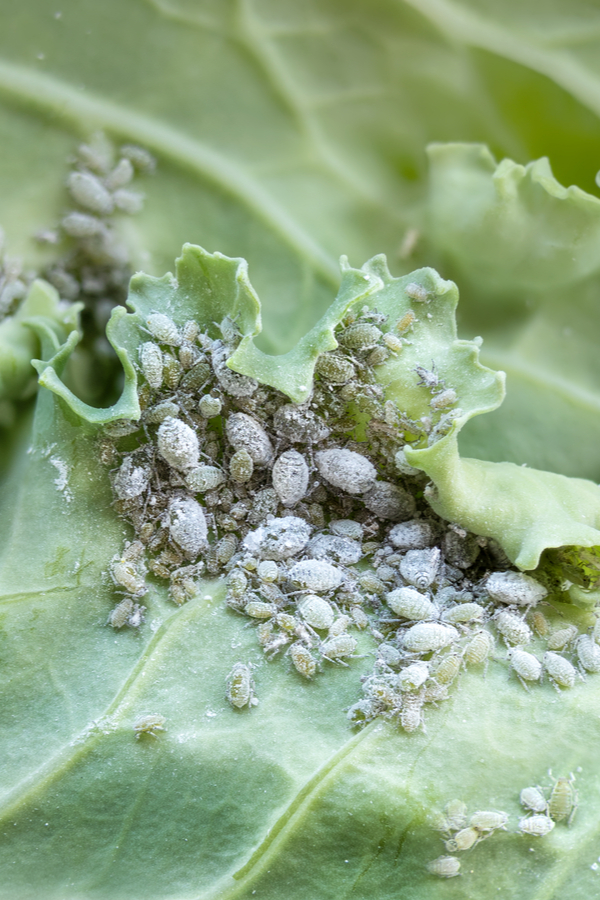
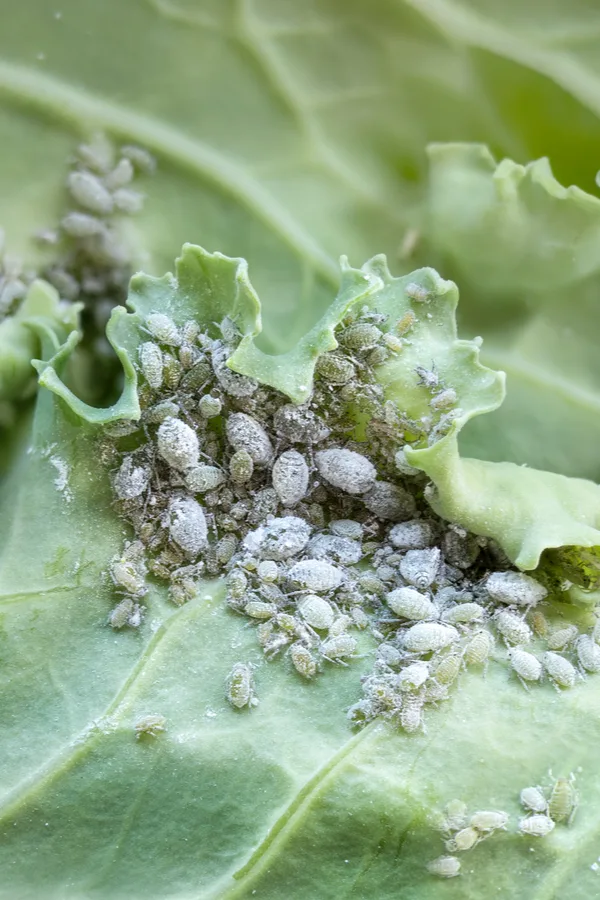
The one exception is in dealing with Japanese beetles. Neem oil is much more effective at controlling the larvae and egg production of Japanese Beetles than the adult population. For this reason, it is important to use it early on against young beetles before they have the chance to mate.
Neem Oil can also be quite effective in helping to control fungal issues, disease and pests on fruit trees.
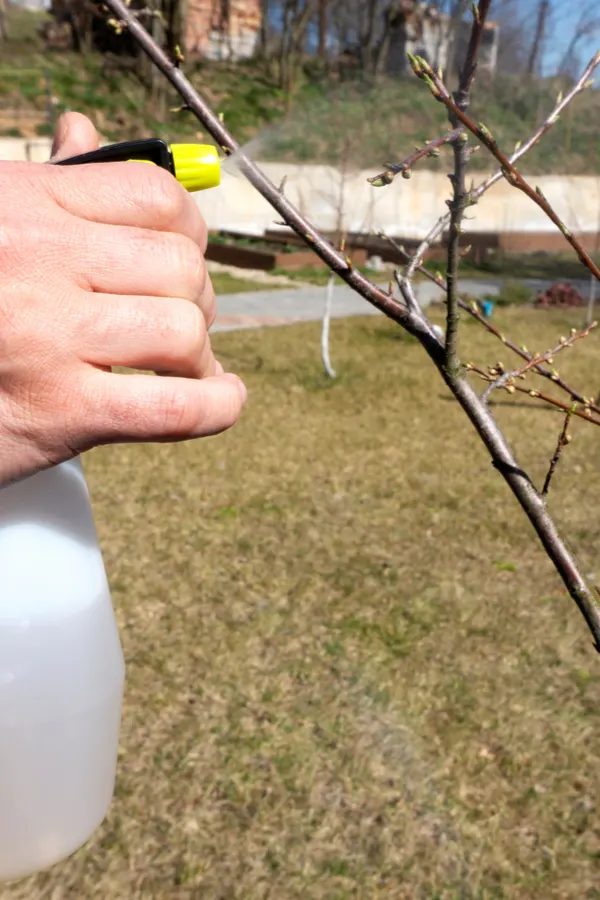
You can spray neem in the dormant months on trees to help prevent scab, rust leaf spot, black spot, leaf spot and more. Again, all without the worry about harming beneficial insects at the same time.
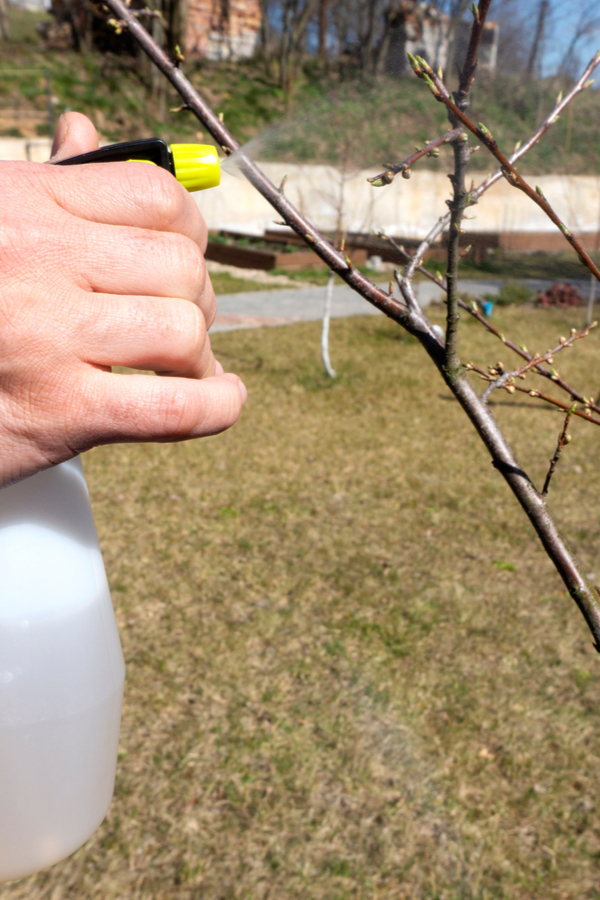
In addition, you can spray neem oil on the soil to help control nematodes, and grub worms as well. In fact, neem is an excellent all-natural solution for those looking to rid their yards of ground moles. After all, once you eliminate the ground moles food source (grubs), they won’t stick around for long!
Creating an effective Neem pesticide can occur with just 3 simple ingredients. All it takes is pure neem oil, water, and a few drops of dish soap. The dish soap works to help the substance cling to foliage and branches as spraying occurs.
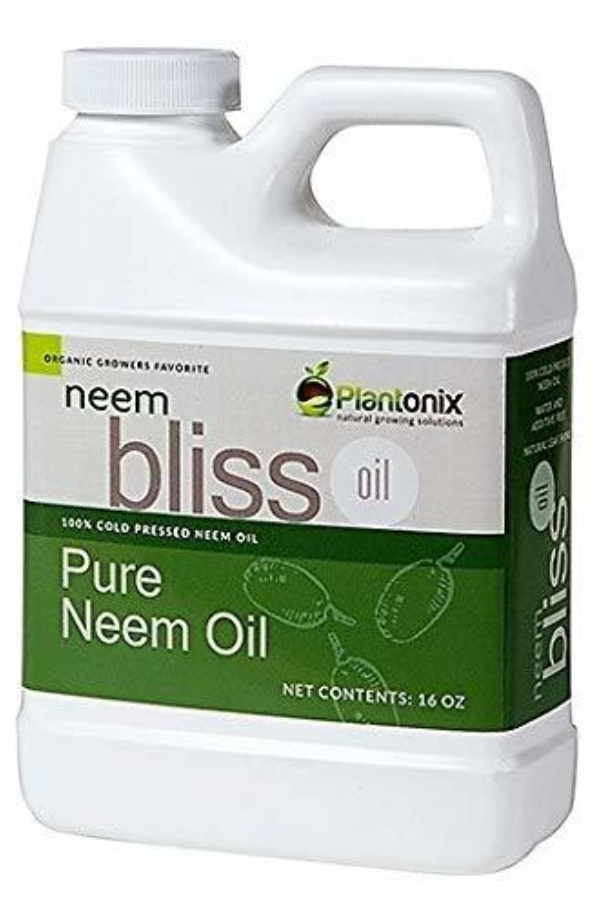
Be sure you select a pure neem oil product. This will be entirely organic and should carry the OMRI seal as a verified organic product. We use and have had a lot of success with Neem Bliss, and it is 100% pure and carries the OMRI seal. Product Link : Pure Neem Bliss
To mix, use one (1) ounce of neem oil for every gallon of water. Add in a few drops of liquid dish soap to the mix and stir. The dish soap helps allow the mixture to adhere to the foliage and stems of plants, acting as an oil agent.
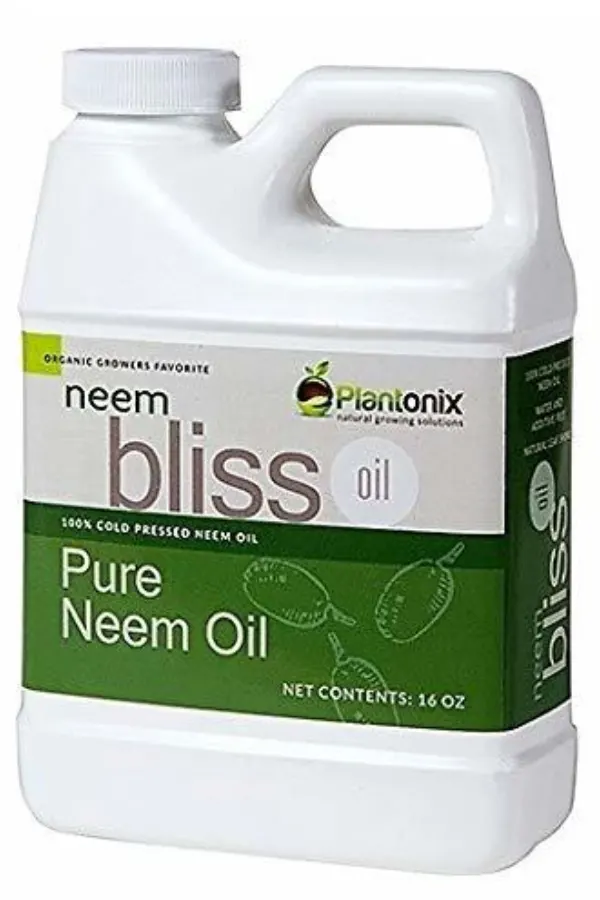
For large areas a backpack sprayer works wonders to quickly treat an entire area. For more specific targeting, a hand-help spray bottle works wonders to treat small plants or areas.
One thing is for sure, neem oil can certainly play a big role in keeping your garden free of pests naturally. For more methods of natural pest control, be sure to check out our Pest Control Section on the website. The section contains all types of natural solutions for controlling pests all over the landscape.
Follow Our Facebook Page For Great Gardening Tips And Advice! This Is My Garden Facebook Page
This Is My Garden is a garden website created by gardeners, for gardeners. Jim and Mary Competti have been writing gardening, DIY and recipe articles and books and speaking for over 15 years from their 46 acre Ohio farm. They publish three articles every week, 52 weeks a year. Sign up today to follow via email, or follow along!
Looking for a way to stop aphids from destroying your flower and vegetable plants without spraying harsh chemicals?
Aphids cause major damage to vegetable gardens, flower beds, and perennial plants. And in quick fashion. Of the thousands of aphid types, there are well over 200 species that are harmful to plants.
One thing aphids all have in common is that they reproduce quickly. In fact, aphid populations that are left to their own accord can double or triple in just a few days.
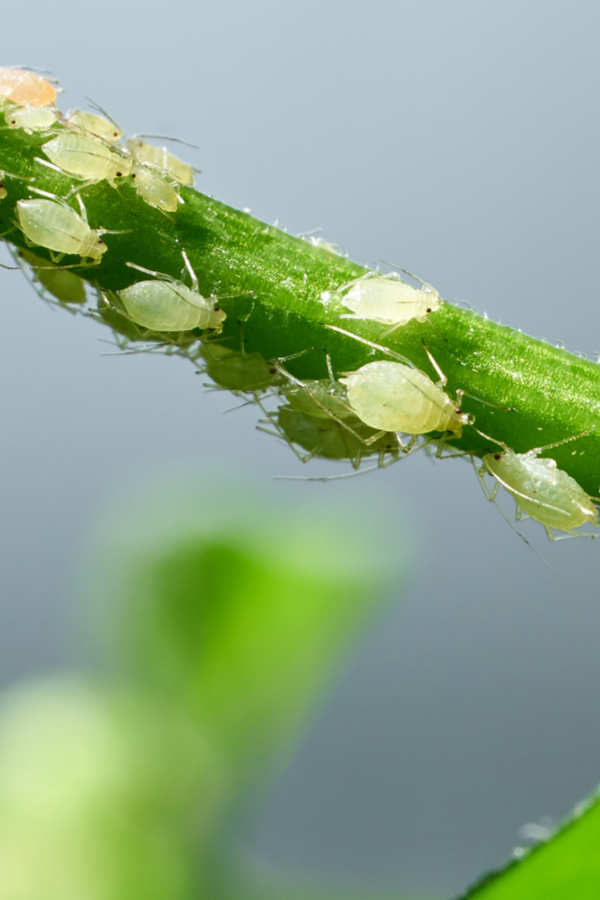
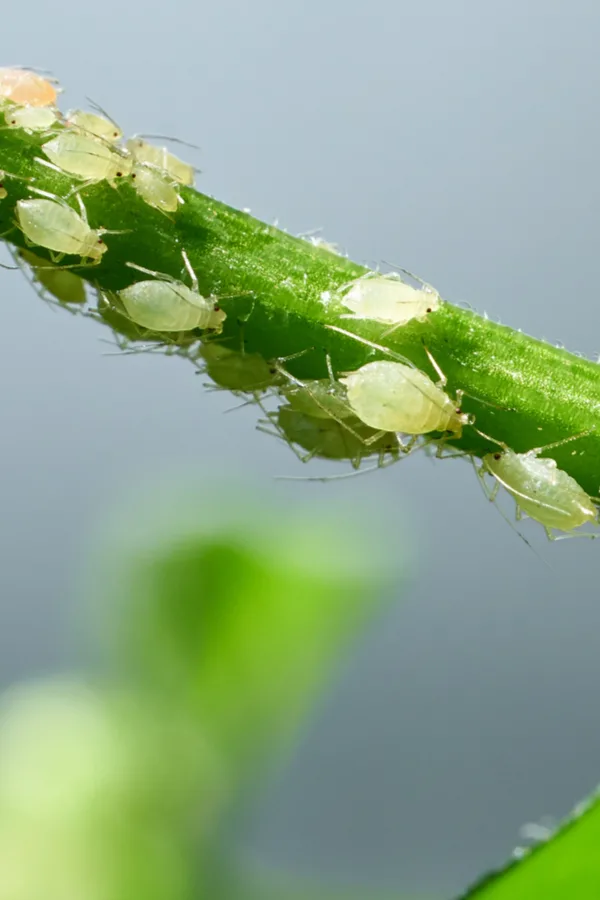
Making it even more difficult, these tiny creatures are nearly invisible to the naked eye. Especially when it comes to the young offspring of adults, called nymphs. Many times, by the time they are found, the damage is already severe.
Both young and older aphids feed on plants. Although they can attack anywhere, they usually enjoy foraging on the tender new shoots, stems and foliage of plants. It is here where they can easily penetrate the outer skin of plants to feed on the sap.
That sap, of course, carries nutrients throughout the plant. Without it, plants can quickly become frail and lifeless.
Adding to the problem, aphids can carry and spread a whole host of disease. With each and every nibble, they can wreak havoc throughout the landscape.
Luckily, there are a few simple, and effective methods you can use to control aphids naturally.
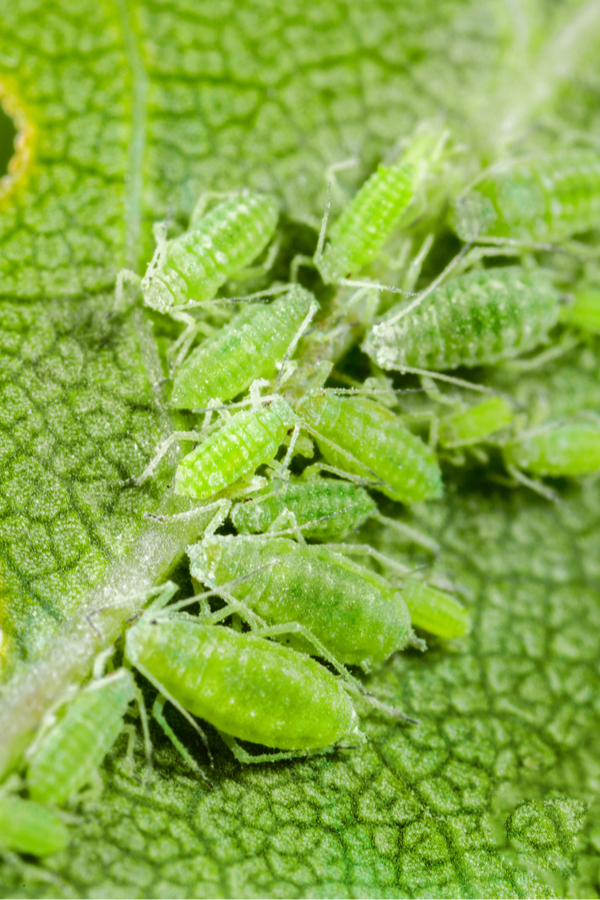
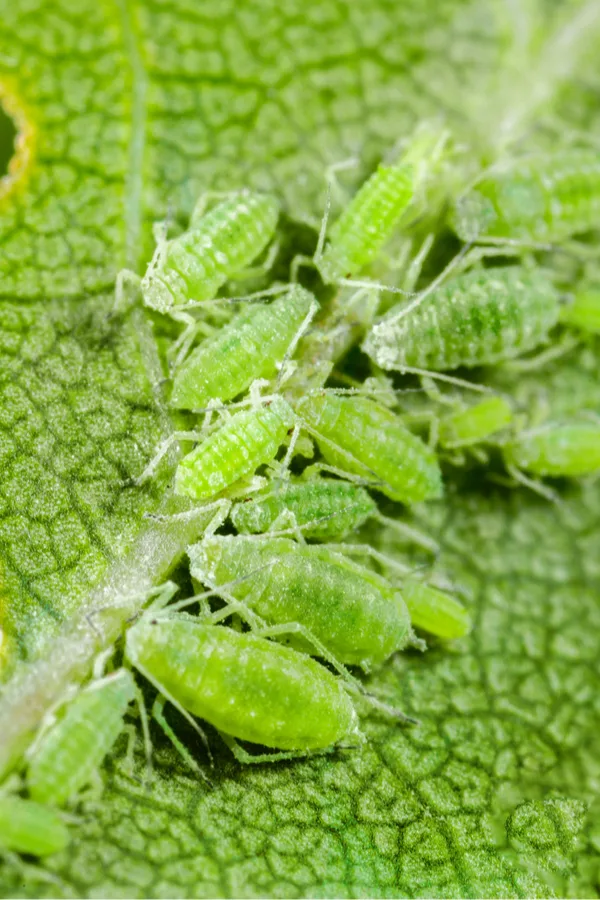
In fact, you might be surprised just how effective natural and organic methods can work to stop aphids. Even better, many of them can be made for little to no cost! Here is a look at 4 organic solutions to keep aphids from damaging your plants.
One of the fastest and easiest methods to stop aphid damage immediately is to spray down your plants with a powerful stream of water.
Aphids do not have strong bodies or the ability to cling to plants well A simple blast of water can easily dislodge them from plants and stop their damage in quick fashion.
Although it will not kill the aphids directly, a daily spraying can usually control an aphid problem and keep damage to a minimum. When spraying, be sure to hit the underside of plants with water as well.
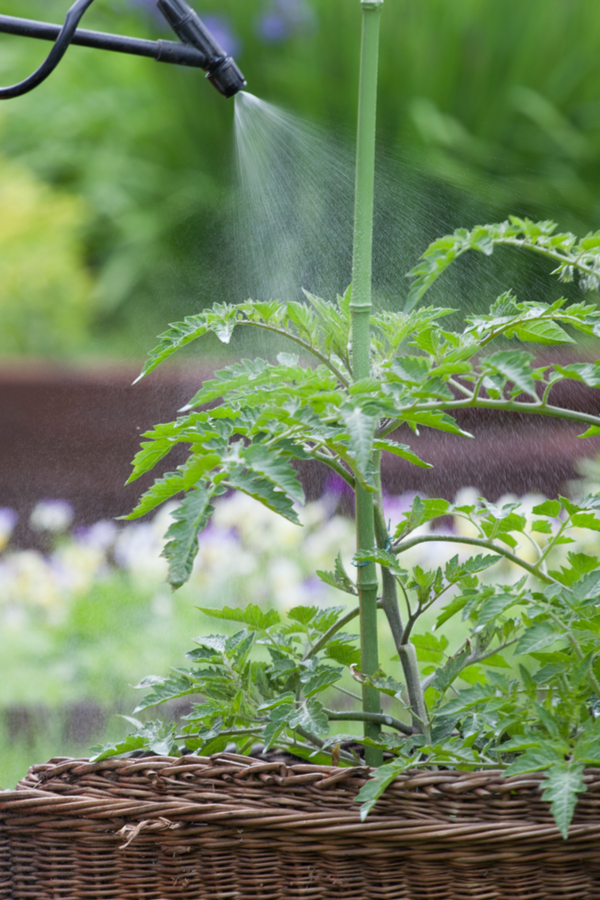
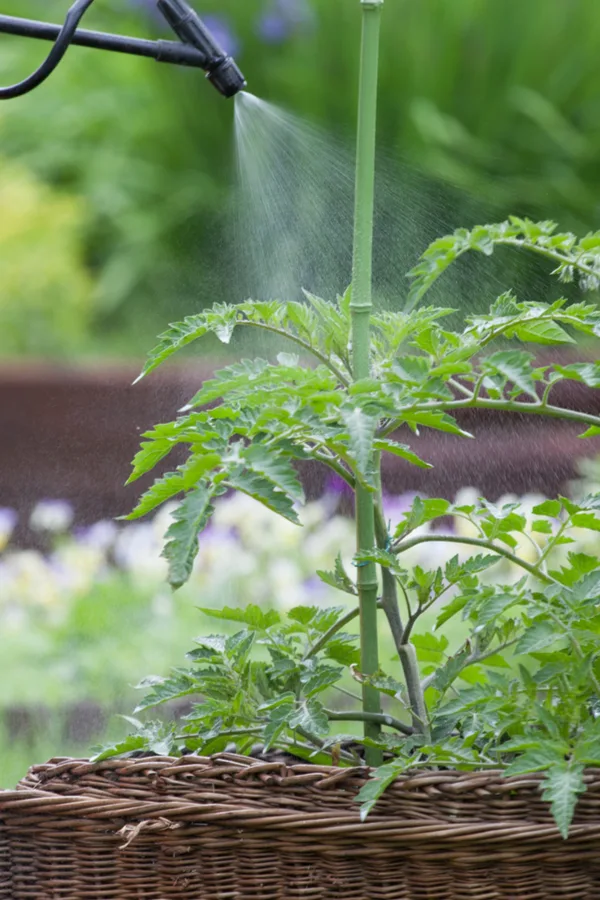
Aphids like to congregate under the cover of foliage to avoid being easy prey to predators. But a quick spray underneath can send them flying from plants quickly.
There are a whole host of beneficial insects and creatures that can help keep aphid populations under control. And by attracting these insects to your flowerbed and garden areas, you can keep aphids in check.
Lady bugs are the most notorious enemy of aphids. They can eat thousands of them in a single year. Lacewings are also prolific controllers of aphid populations.
So how do you attract these helpful insects to your garden? Planting herb such as Dill, Oregano, Yarrow and Coriander is a great start.
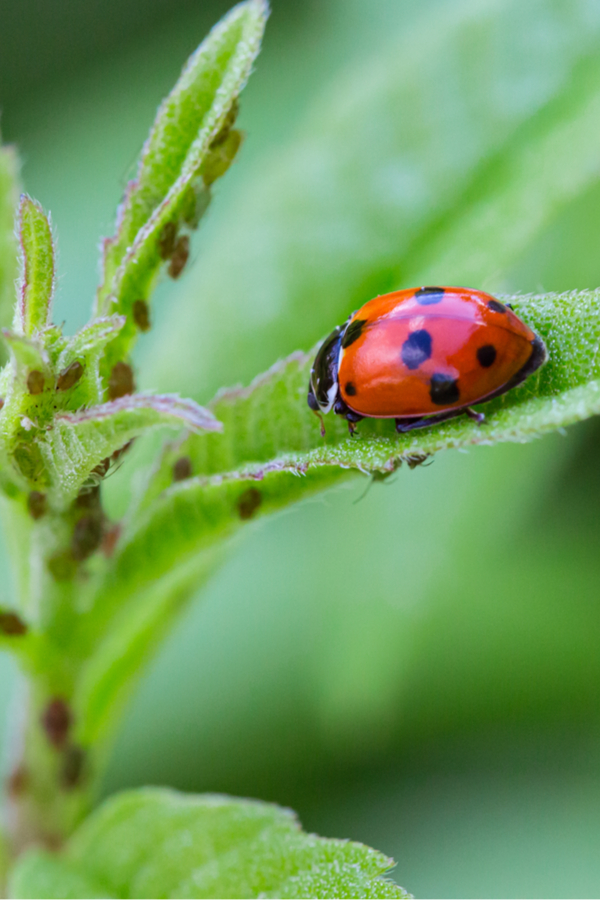
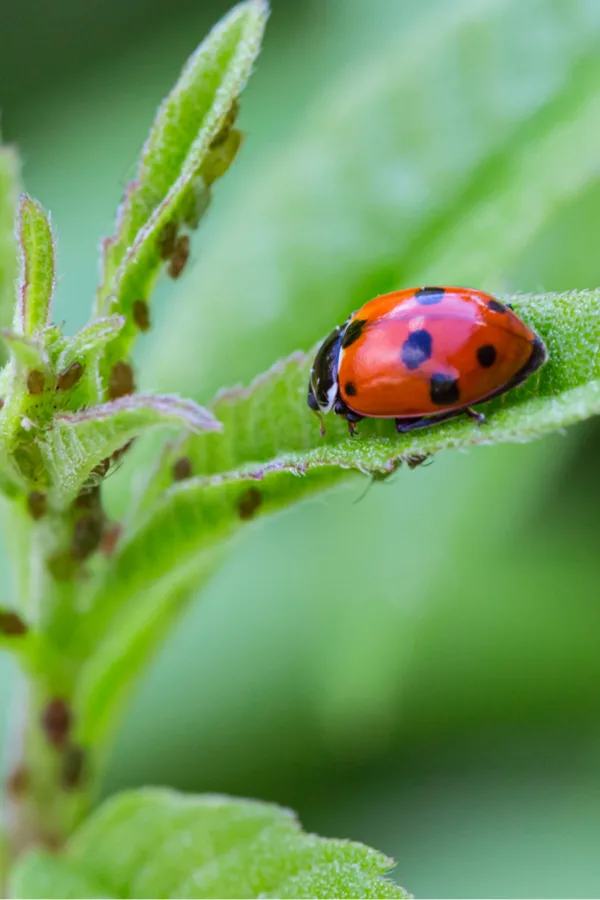
Both ladybugs and lacewings are attracted to these plants. Plants such as dill and coriander are wonderful to plant in small patches in gardens and flowerbeds to add both interest, food, and aphid protection.
In the bird category, chickadees are known to dine on aphids at will. Bird feeders will do a good job of attracting these fun little birds, especially if you fill them with sunflower seeds or peanuts.
In addition to growing a few crops that attract aphid predators, there are also plants you can grow that repel aphids on their own.
Garlic, onions and chives are all well-known to deter aphids. Dill and Fennel, in addition to attracting beneficial insects to the garden, are also excellent for repelling aphids as well.
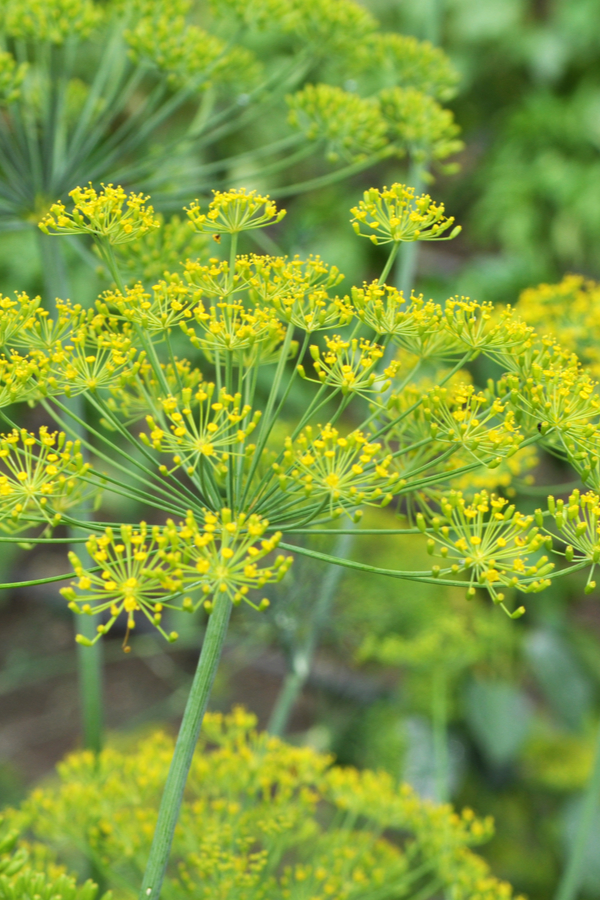
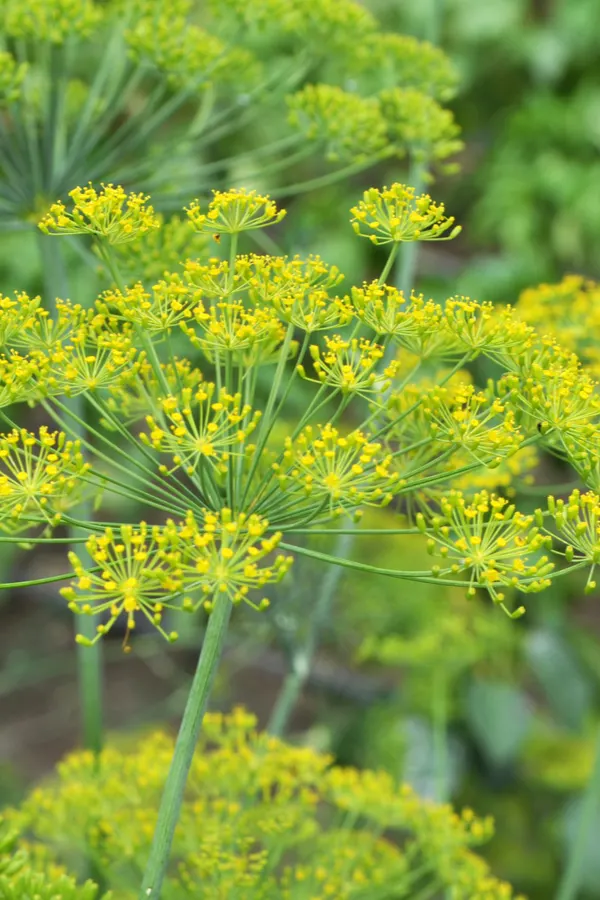
The tiny creatures simply do not like these plants, and tend to move on to forage on to other plants in other locations. One companion plant the jury is still out on are Marigolds.
Although marigolds have many beneficial properties as a companion plant, when it comes to aphids, there are many who think they actually attract more to an area instead of repelling them.
And finally, there is neem oil as organic alternative to controlling aphids on plants.
Neem oil has been used for hundreds of years in the battle to control aphids. It is an all-natural extract derived from Neem trees. When mixed with water and applied to plants, it naturally repels aphids.
Coincidentally, it also works well in repelling beetles, leaf miners, ants and cabbage worms as well. To use, mix 1 teaspoon of Neem oil with 1 quart of water. Apply with hand-held pump or bottle sprayer to the foliage of affected plants. Product Link : Neem Oil
One additional benefit to using neem oil – it is also non-toxic to birds, fish, bees, and mammals. But remember, even though it is organic, pesticide sprays of any kind are also non-discriminatory.
That means they will kill many good insects as well. It is exactly why using Neem oil or any other natural insecticide spray should be a last resort for the most serious of infestations.
Here is to stopping aphids naturally in your landscape. For more information on natural pest control, check out our Pests Control Tips Category on the blog.
Follow Our Facebook Page For Great Gardening Tips And Advice! This Is My Garden Facebook Page
This Is My Garden is a garden website created by gardeners, for gardeners. Jim and Mary Competti have been writing gardening, DIY and recipe articles and books and speaking for over 15 years from their 46 acre Ohio farm. They publish three articles every week, 52 weeks a year. Sign up today to follow via email, or follow along!
When it comes to preventing damage from pests in the garden, stopping cabbage worms is usually near the top of the list for backyard gardeners.
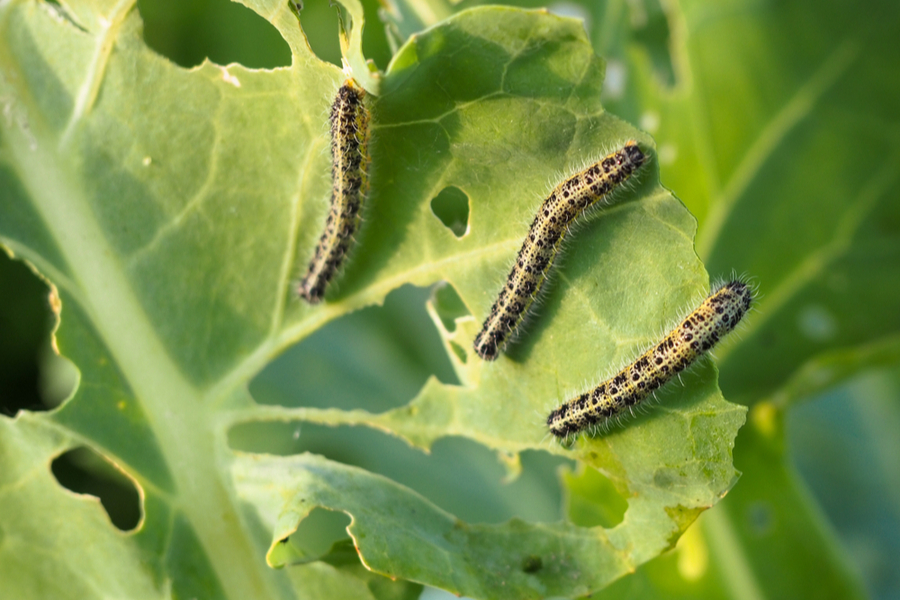
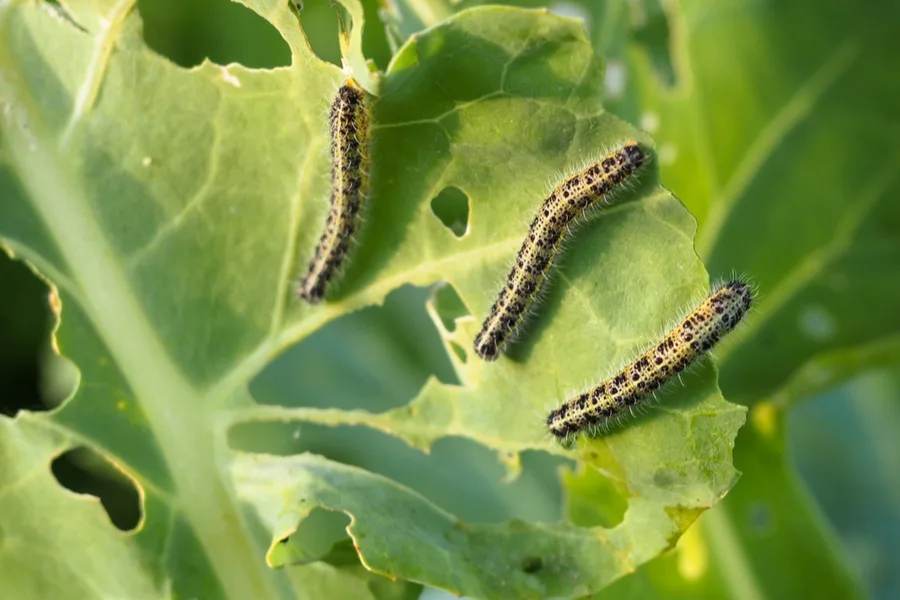
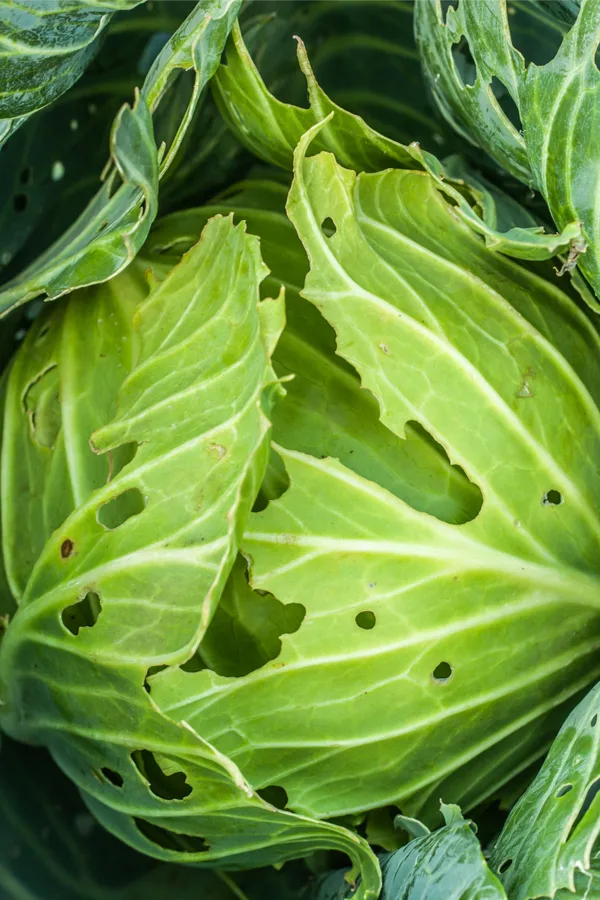
Cabbage worms can all but decimate not just cabbage, but broccoli, cauliflower, and many other vegetable plants as well. And the Swiss-cheese like holes they leave in the foliage of plants are only the beginning of the damage they cause.
If left unchecked, cabbage worms will eat their way through an entire plant. And that includes the meaty portions of the vegetable in addition to devouring all of the leaves. In fact, without intervention, the only thing left behind is usually the thick center stem of the plant!
But as would luck would have it, controlling cabbage is not as difficult as it may seem. And even better, it can all be done without using harsh pesticides on the vegetables you harvest and consume.
Here is a look at how to spot early signs of cabbage worms, and how to protect your harvest from damage.
As with many garden pests, the key to preventing serious damage from cabbage worms begins with early detection. And that means keeping a close eye on two tell-tale signs of their presence – eggs and small fecal matter.
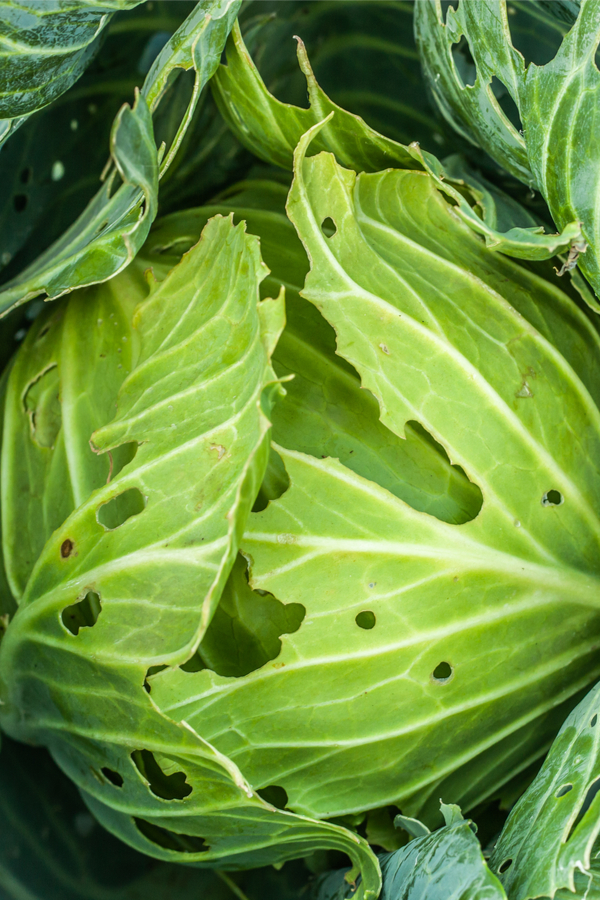
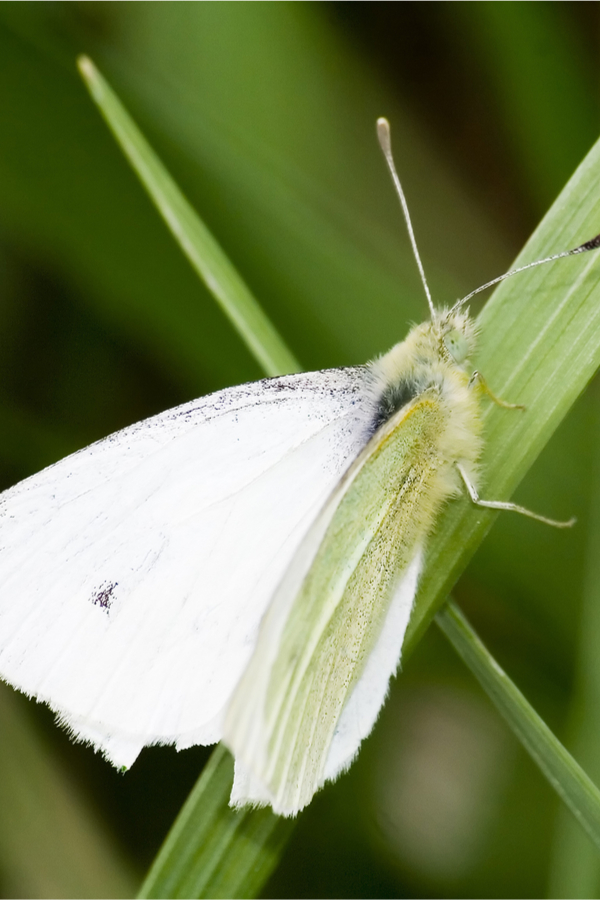
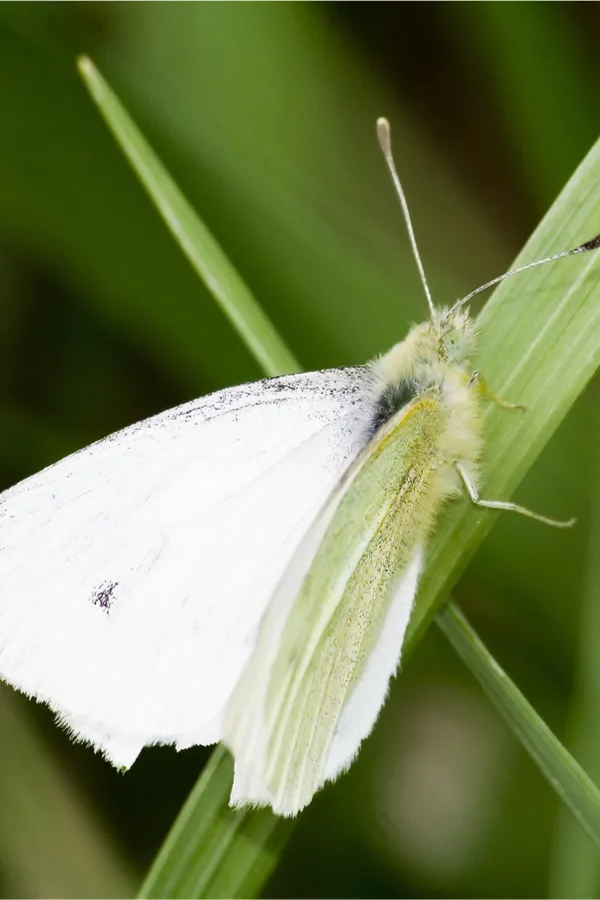
Cabbage worms first arrive on plants in the form of eggs laid from the cabbage moth. Many novice gardeners mistake these white moths as butterflies as they float about the garden.
Although the moths do feed on blooms and nectar, their real purpose is to lay their eggs on the undersides of large leafy plants. And it just so happens that the oversized foliage of cabbage, kale, broccoli and cauliflower are their favorite target.
The single biggest factor for success in stopping cabbage worms is to take a consistent approach. To spot early signs of cabbage worms, walk your plant rows daily. It is amazing how fast they can progress if a few days pass between checks.
To spot early signs, look for small yellow, brown or greenish lumps of manure deposits.. This is the excrement of the small moths, and is usually fairly easy to spot on the green leaves.
The good news is at this point, little damage occurs to plants with just the eggs. And by finding them and removing them early, it will keep overall damage and infestation quite low.
At the first sign of any fecal matter, turn the leaves of plants over. Look for single, small white to yellowish eggs. Also be sure to check down into the tops of any heads forming on the plants for eggs.
Brush the eggs into a solution of water and a few drops of dish soap and continue to monitor your plants for any new signs of eggs or droppings from the moths.
It is always a good idea to remove the fecal matter as well so that you can spot new evidence of a visit. It is stunning how by simply making this a daily chore, you can eliminate most infestations.
Even with the best of efforts, sometimes cabbage worms do find their way to their adult “worm” stage. When this occurs, there are several effective natural methods for control.
It is always important to realize that any spray, whether organic or not, will harm many good bugs in the process of killing off the bad ones. With that in mind, spraying should always be a last resort to keep balance in the garden.
After all, ladybugs, butterflies and parasitic wasps help patrol against many invaders. And killing these off can be just as detrimental to the overall health of your garden.
Here is a look at four of the most effective natural methods for control:
There are several herbs that are quite effective in repelling moths from visiting your plants. Thyme and dill are certainly two of the best at stopping cabbage worms from entering the space.
The moths simply do not like their fragrant leaves, and usually move on to better spaces. Dill can be seeded in the rows, and thyme can be grown in pots or the rows as a deterrent.
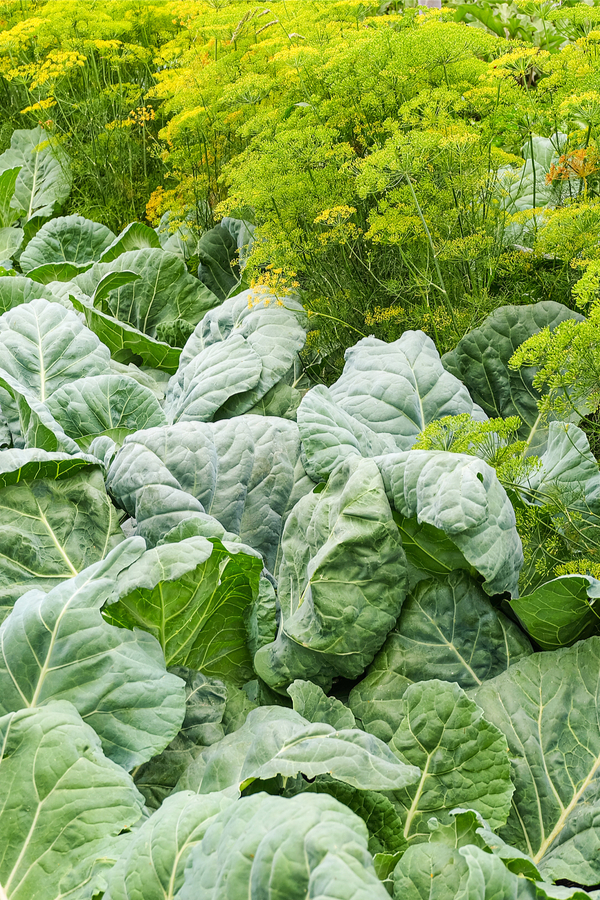
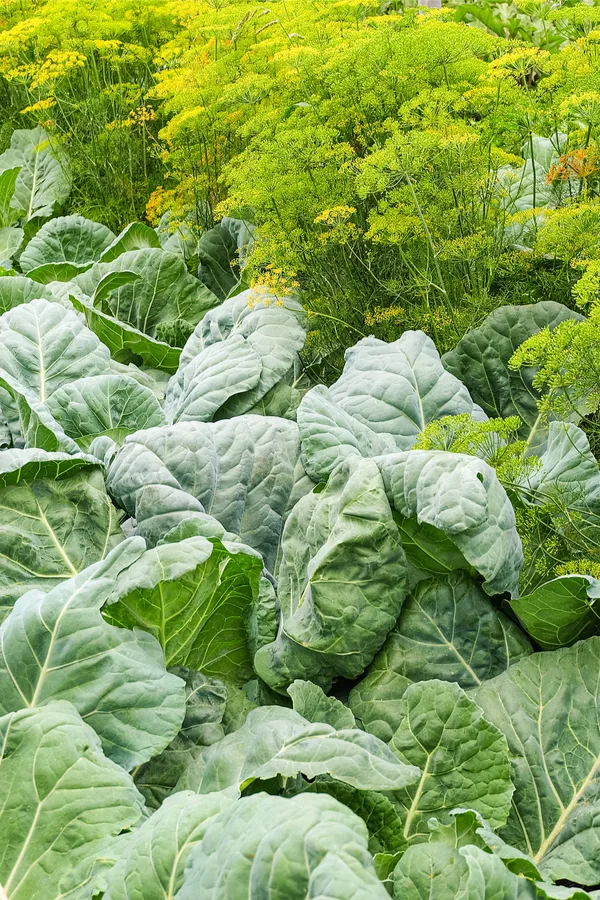
Mint is also quite effective when growing nearby to repel moths, although you will want to keep it in pots as it can be quite invasive in the ground.
Another great option for deterrent planting are marigolds. Planting marigold seeds around cabbage and other leafy plants will not only protect against moths and cabbage worms as the grow and flower, but also add beautiful color to the garden.
Much like the above-mentioned herbs, the scent of a marigold is quite offensive to the moths. In addition it can also keep many other pests and even mosquitoes away. See: How To Use Companion Planting In The Vegetable Garden
When it comes to stopping cabbage worms with 100% total effectiveness, it’s hard to beat row covers. When placed over cabbage and other leafy crops early in the season, row covers prevent the moths laying their eggs all together. And no eggs means no cabbage worms!
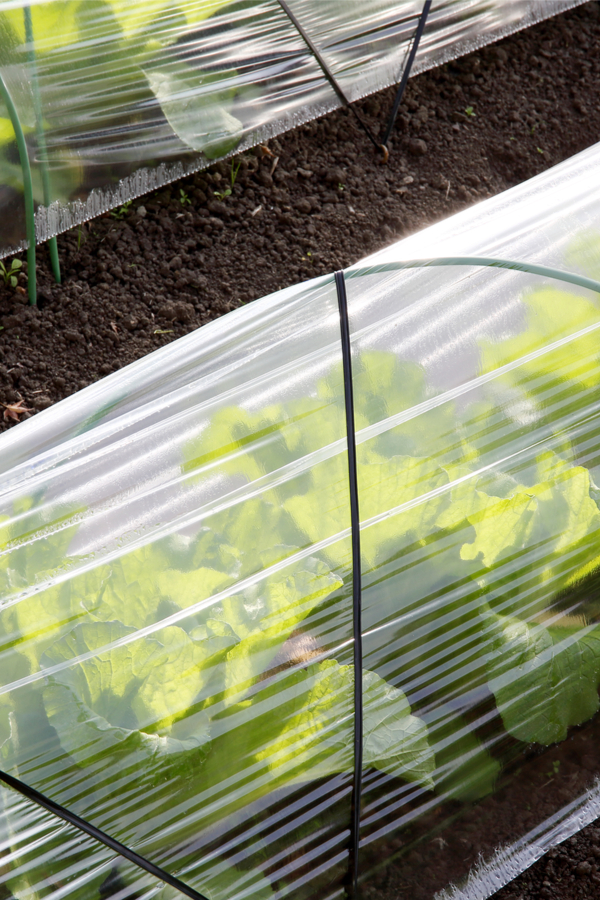
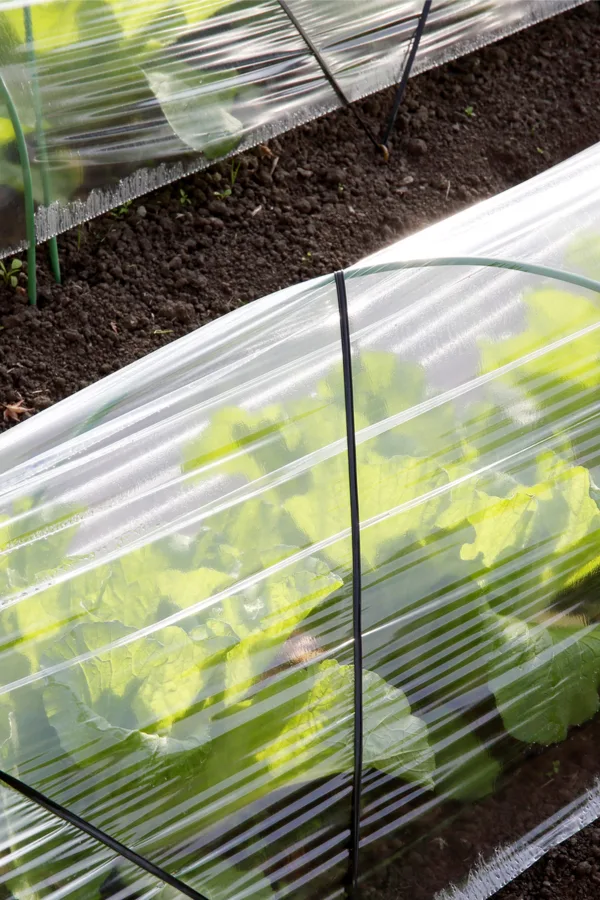
Row covers can be found in all sizes and lengths, and can be draped over rows to prevent damage. They can be a bit of an investment, but can be re-used year after year.
For plants that are already hosting a few cabbage worms, you can use flour or cornmeal as an effective natural pesticide. Simply sprinkle your plants and the cabbage heads with a bit of flour or cornmeal.
The cabbage worms ingest the flour and it then swells and kills the worms in their tracks. You will need to reapply after heavy dew or rain to keep effectiveness high for this method.
Neem oil is another all natural pesticide that can help stop and control cabbage worms. Made from pressing the seeds from neem trees, neem oil is 100% organic.
Neem oil acts as both a pesticide for the cabbage worms, and as a repellent to help keep the moths from laying eggs on the plants.
Keep in mind that it will also kill other insects as well, although it is far less harmful than a broad-based pesticide. It is, however, a good option if your crop is under heavy attack
Here is to stopping cabbage worms in your garden this year, and to protecting your harvest!
Follow Our Facebook Page For Great Gardening Tips And Advice! This Is My Garden Facebook Page
This Is My Garden is a garden website created by gardeners, for gardeners. Jim and Mary Competti have been writing gardening, DIY and recipe articles and books and speaking for over 15 years from their 46 acre Ohio farm. They publish three articles every week, 52 weeks a year. Sign up today to follow via email, or follow along!
As summer arrives and your garden plants begins to grow, it’s time to start thinking about tomato hornworms, and more importantly, stopping them before they cause serious damage to your crops.
Tomato and tobacco hornworms are notorious for devouring foliage, stems and even the fruit of tomato plants. But they also attack and destroy pepper, eggplant, and even potato plants as well.
Unfortunately, if left unchecked, they can seriously impact a garden’s health and production levels. Knowing how to stop them all begins with understanding their life cycle, and knowing how and when they attack.
There are actually two types of common hornworms, the tobacco hornworm, and the tomato hornworm, and unfortunately, both varieties need to be stopped.
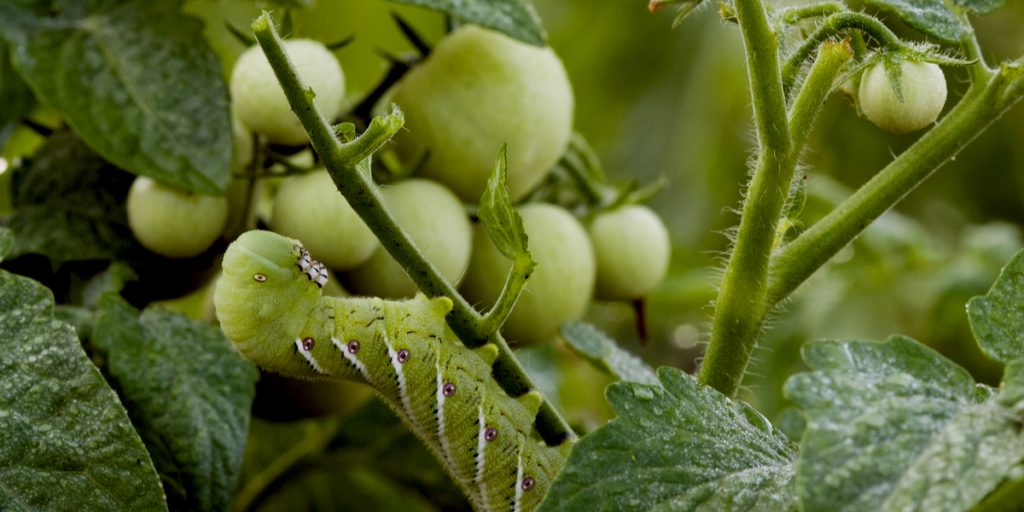
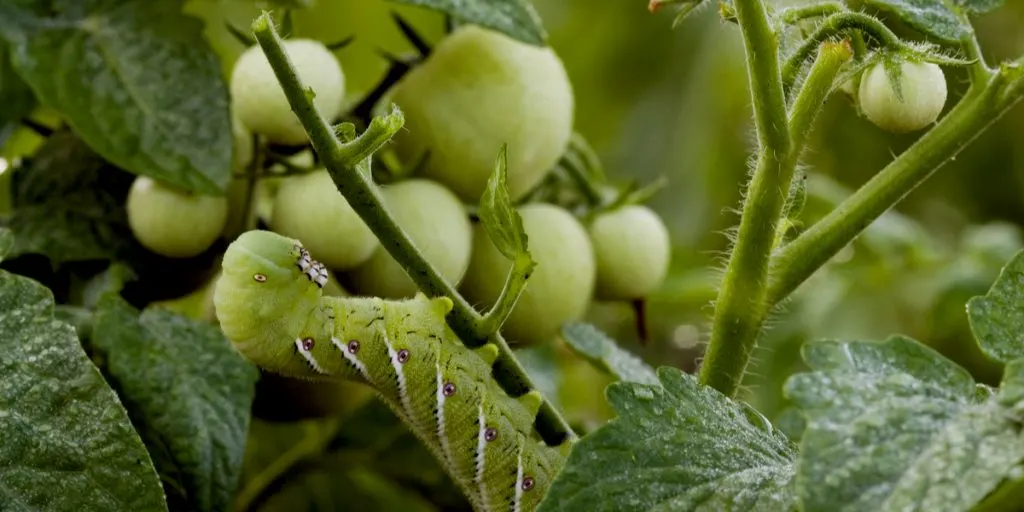
Tobacco hornworms have a small red spike protruding from the top of their body, and 7 white stripes. Tomato hornworms, on the other hand, have a brown spike on top and 8 stripes.
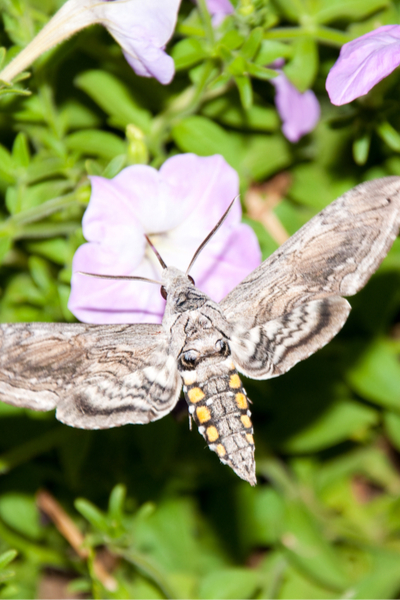
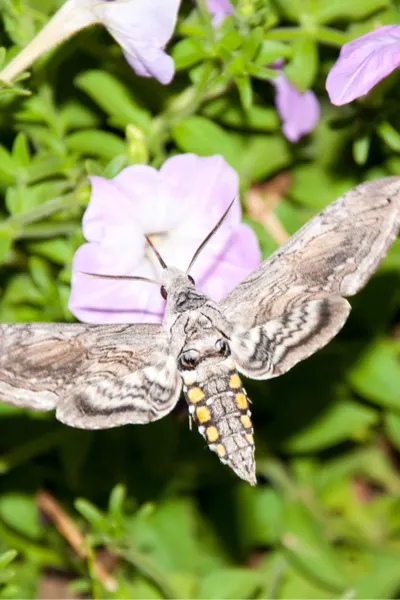
Hornworms begin their life cycle as a moth emerging from a pupa state in the ground in early spring. The moths are magnificently large creatures, and are incredibly adept at flying.
Once they emerge, they feed on the nectar of flowering plants. As they do, time, they also deposit tiny eggs on the foliage of young, tender vegetable plants. Once laid, the eggs hatch within days into the catepillar (hornworm) stage.
Not only does the cycle occur in the spring, but it can also happen a few more times suring the summer too! And unless stopped, the hornworm damage begins!
The best line of defense for controlling tomato hornworms and their damage is early detection.
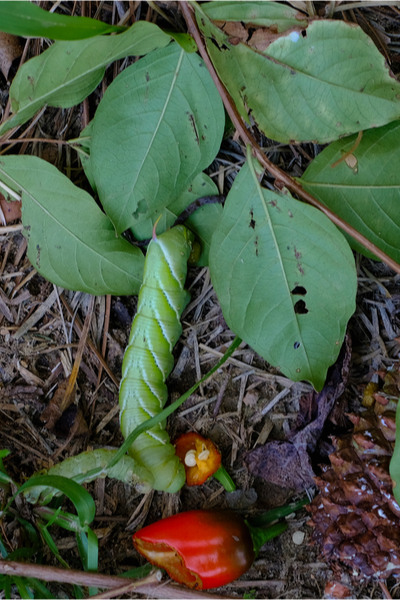
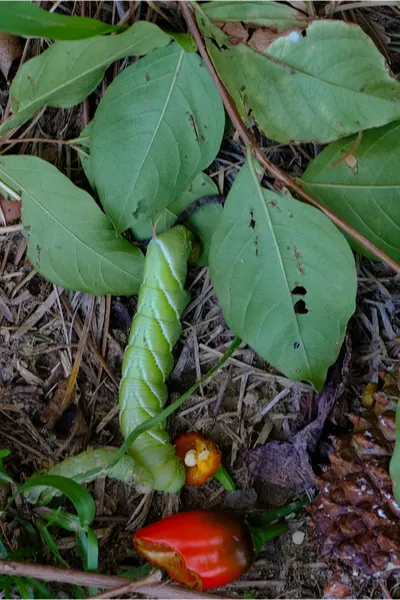
The moths, with their lightening fast flying habits, are nearly impossible to catch. That leaves finding them early on plants as the best line of defense for stopping tomato hornworms. And that can certainly be tricky!
Although both species adult hornworms can reach lengths of up to four inches, they can still be hard to spot. Their body is perfectly camouflaged to blend in with the green foliage, and they seem to become one with the plants.
But there are a few secrets to making finding and removing hornworms a bit easier.
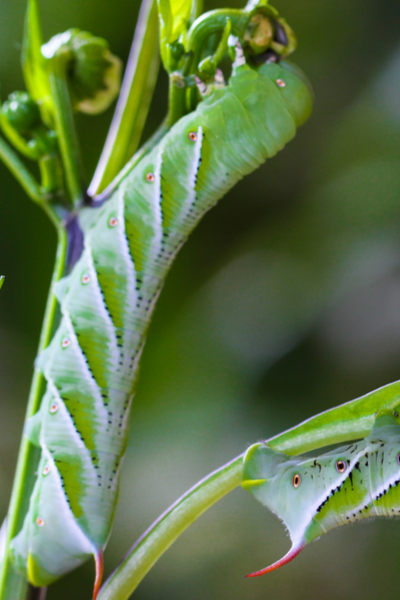
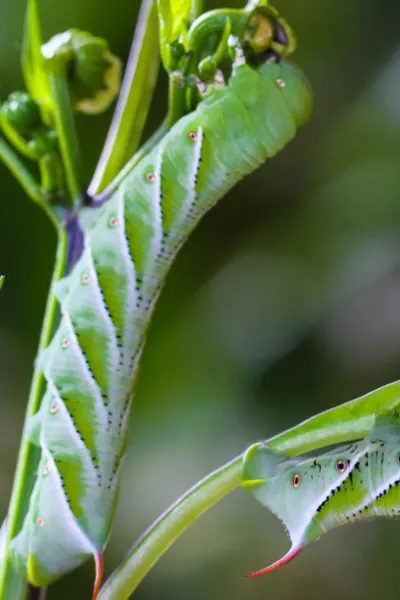
Daily patrols of your garden to look for damage and signs is the real key to stopping tomato hornworms. A hornworm can and will devour large portions of a plant in a single day.
As you walk, look for the two most common signs that a hornworm is present – plant damage, and the presence of green manure.
Hornworms will chew and strip the limbs and foliage. If you spot the nubs of a branch, there is likely a hornworm nearby. An even better way to find and stop tomato hornworms earlier is to look for their manure on the leaves of plants. Small, green lumps indicate fresh manure, and the nearby presence of a tomato hornworm.
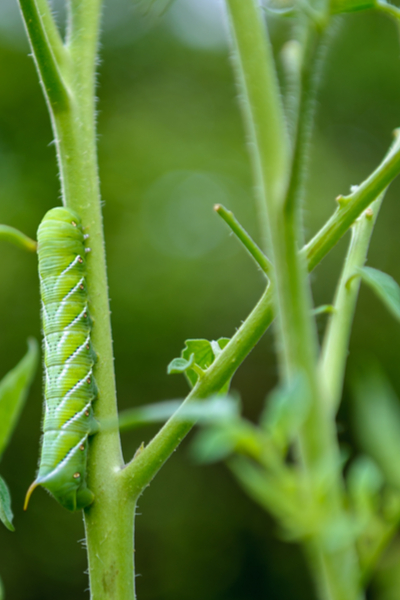
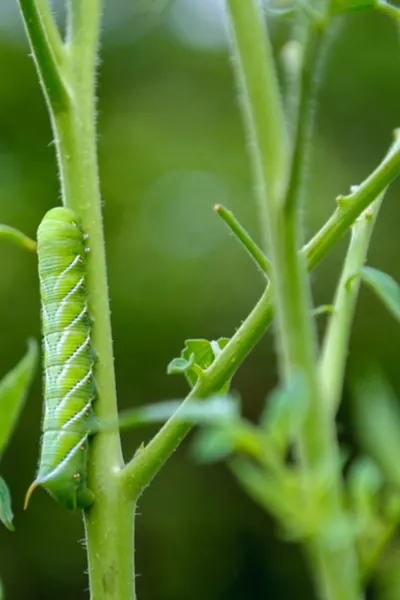
If you spot the manure, scan the nearby branches and leaves, and you are sure to find a tomato hornworm lurking.
Another great method for finding hornworms involves the simple use of a black light at night. The translucent body of the hornworm glows bright green under a black light.
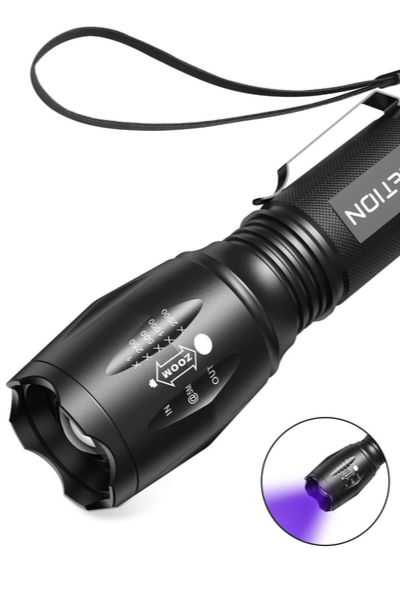
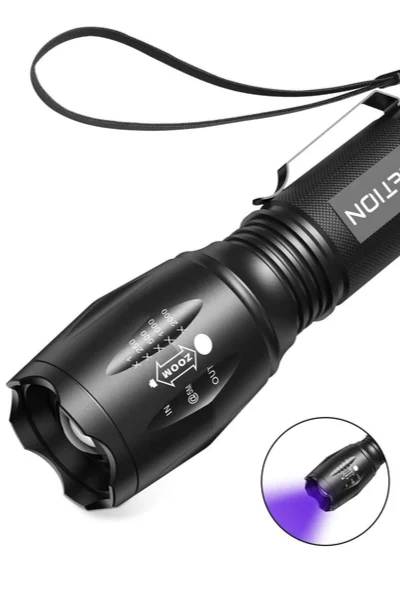
Simply take a nighttime stroll through your garden using an inexpensive black light flashlight. As you shine the light on your plants, the hornworms light up, making them easy to spot and remove. (Product Link : Letion UV LED Blacklight)
It can certainly be a far easier method for stopping tomato hornworms than trying to find their camouflaged bodies during the day!
There is a bit of natural help in stopping hornworms as well, and it comes from the paper wasps that frequent the garden.
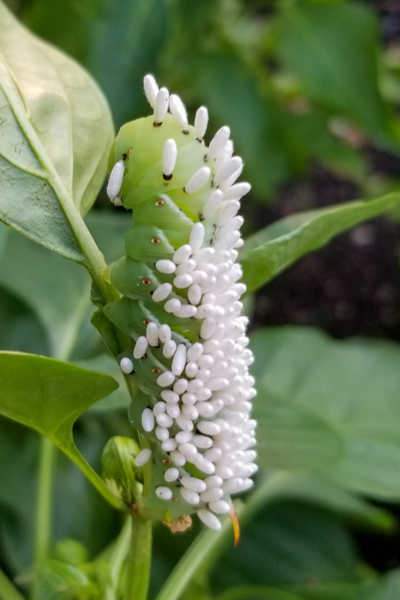
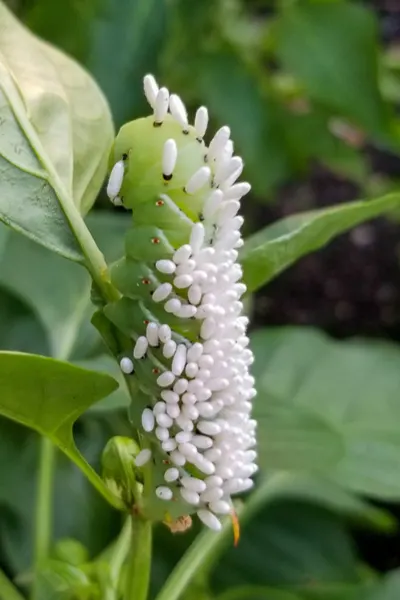
Braconid, or common paper wasps actually deposit their eggs on the back of hornworms, and it eventually destroys the hornworm as they hatch. If you spot a hornworm with white eggs on its back, it is a sure sign you are getting a little help from your wasp friends!
Here is to stopping tomato hornworms from damaging your vegetable plants – for more information on controlling pests in the garden, check out our Garden Pests section on the blog.
This Is My Garden is a website dedicated to spreading the love and knowledge of gardening around the world. We publish two new garden articles each week. This article may contain affiliate links.
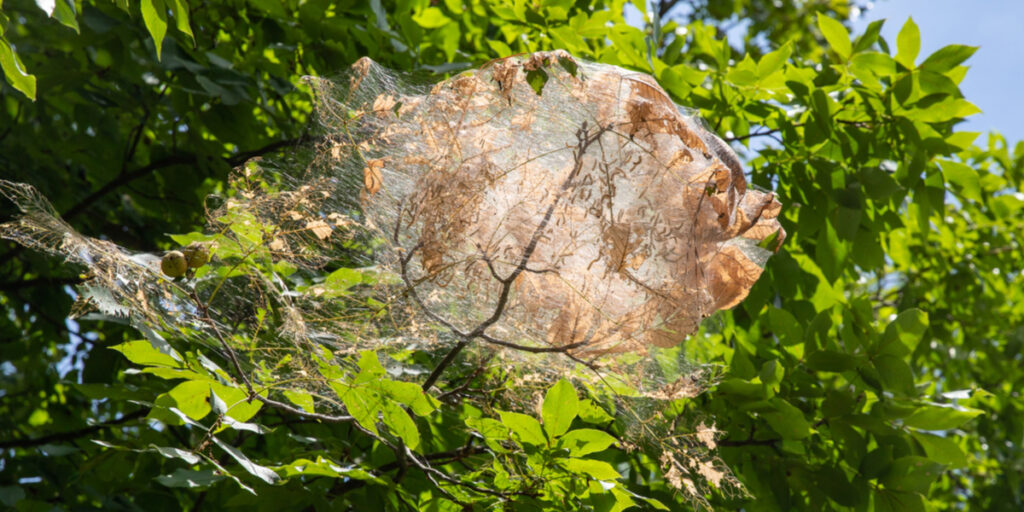
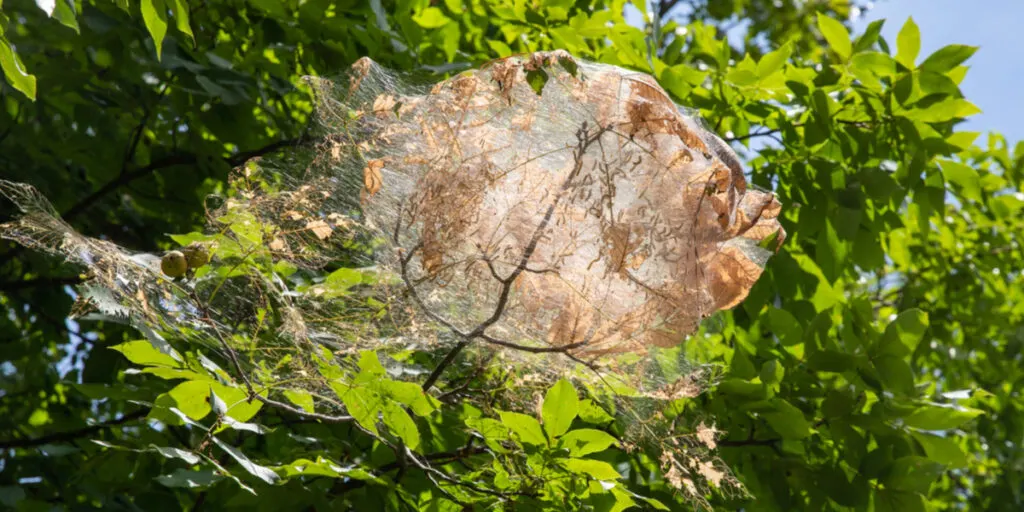
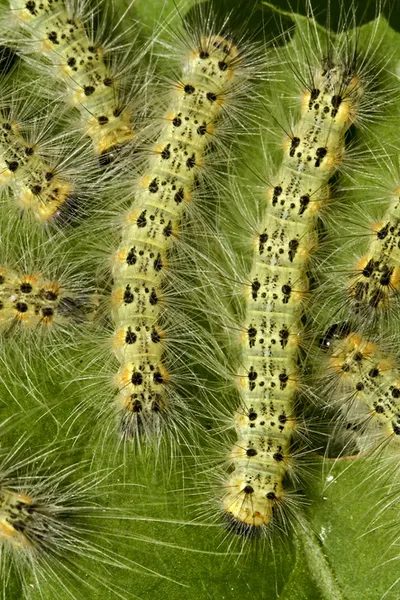
When it comes to controlling webworms from damaging the foliage on your trees and shrubs, it all about early detection and intervention.
Webworms are the foliage-eating pest responsible for creating the silky, web-like nests often found in trees and shrubs.
Although they are rarely fatal to healthy trees, they do create a lot of unsightly damage to the landscape.
There are actually two types of webworms. And each build their nests a different way, at two separate times of the year.
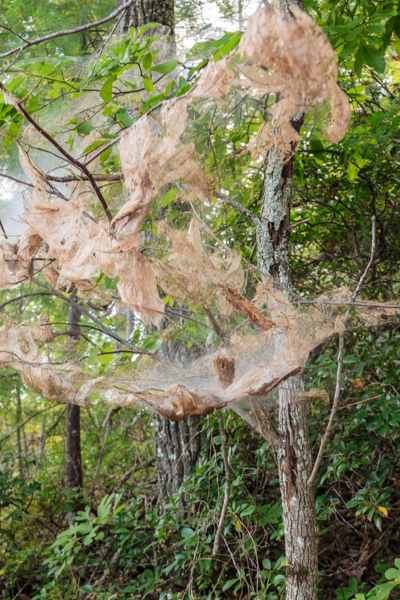
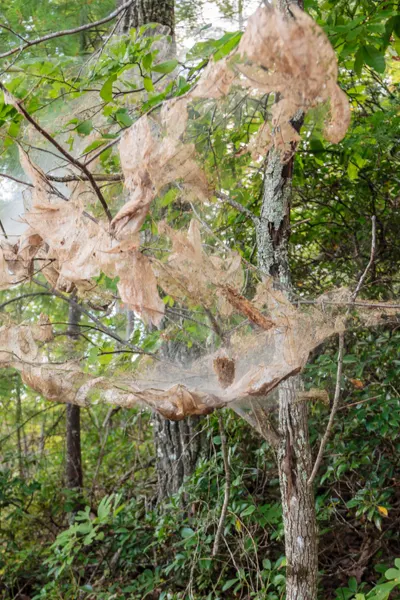
In the spring, the Eastern Tent caterpillar emerges from eggs laid on the tree the previous year.
They feed on the foliage for a few days and then form extremely thick and dense nests.
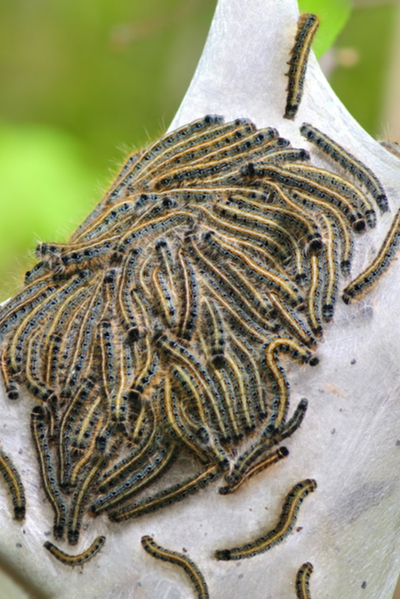
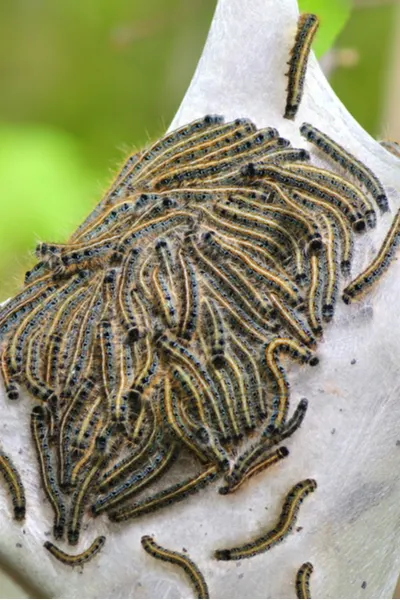
As the larvae in the nest hatches, the resulting worms then repeat the cycle of worm to moth.
They complete the circle by laying more eggs on the branches for the following year.
The second type of worms are known as fall webworms. As their name implies, they create a webbed nest in late summer and early fall as opposed to spring.
And, unlike the dense and thick nest of the Eastern Tent Caterpillar, the fall webworms nest is usually quite sporadic and untidy.
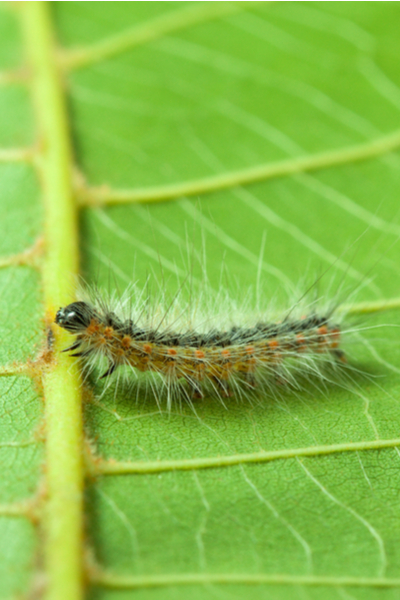
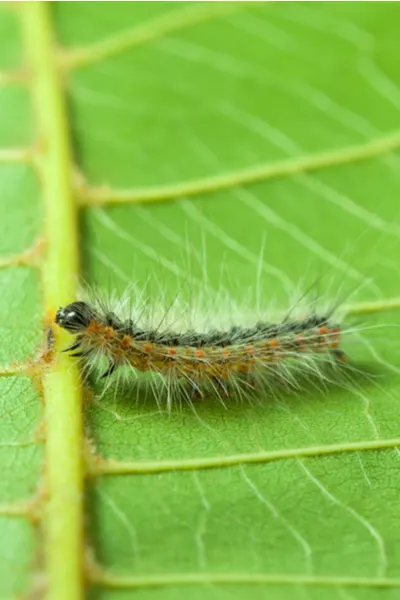
Fall webworms emerge as moths from eggs laid in the soil the previous fall.
The moths then head to the trees to form nests filled with new larvae. The larvae then hatches, and the young feed on the foliage of the tree.
To complete their cycle, the fall webworms then head to the ground to repeat the process all over again.
Knowing which of these pests you are dealing with is the key to preventing and controlling webworms.
The first line of defense, and one of the most effective for both spring and fall webworms, is hand pruning the nests from trees.
Early detection is the key here! This helps to eliminate the cycle by not allowing the next generation to develop.
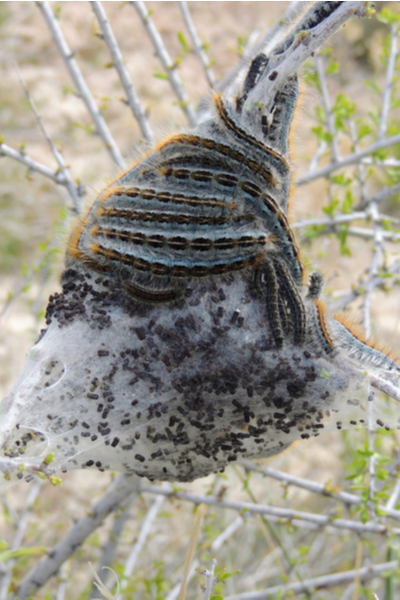
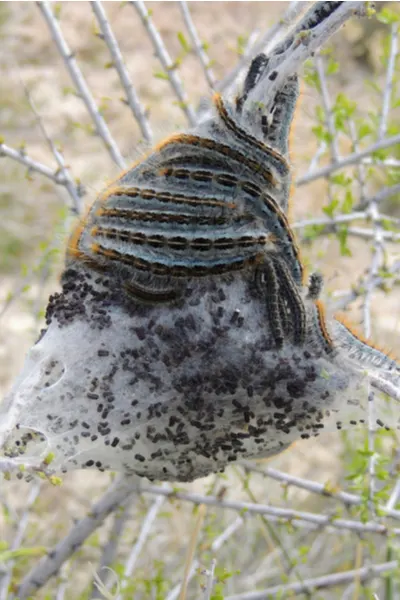
If allowed to hatch, both the spring and fall webworms will quickly feed and head out to create a new cycle of worms.
As soon as you see a nest, simply cut out the affected branch or branches. Next, either burn the nest or wrap it up tightly in plastic to dispose.
One extra step for helping eliminate spring webworms is to look for their eggs in the fall.
The Eastern Tent caterpillar will lay it’s eggs on branches in small clusters. By simply removing these in the fall, you eliminate next year’s issues.
Some folks opt to burn the nests out in place in the trees.
Although effective, it can also be a bit dangerous. Especially in the fall, when leaves can be dry and easily catch fire to the whole tree.
Believe it or not, by simply removing nests and eggs as you see they form, you can usually control the problem with relative ease.
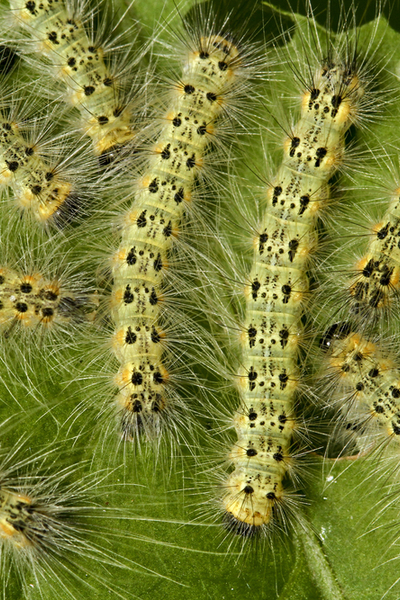
In severe cases or heavy infestations, organic-based horticultural oils can be used to help control webworms in a more systematic approach.
To be effective, the entire tree needs to be coated with the oil to smother and kill the eggs or moths.
The key to success with horticultural oil is all about spraying at the right time.
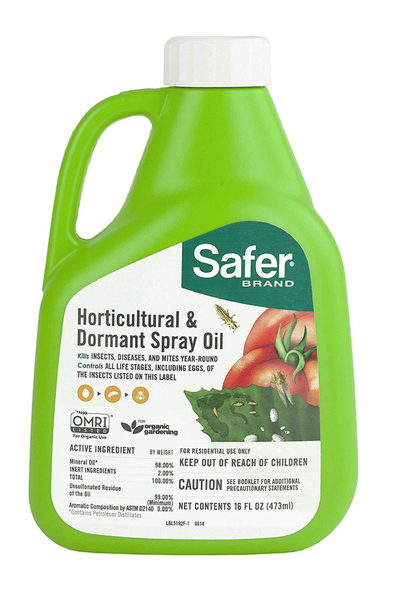
For this option, it is always best to check with your local extension office to find out the best time and options for spraying.
So keep your eyes peeled to your trees, and be on the lookout for the first signs of webworms. Remember that early detection and removal is the key to success!
For more on pest control in the landscape, check out our Pest Category Page.
This Is My Garden is a website dedicated to spreading the love and knowledge of gardening around the world. We publish two new garden articles each week. This article may contain affiliate links.
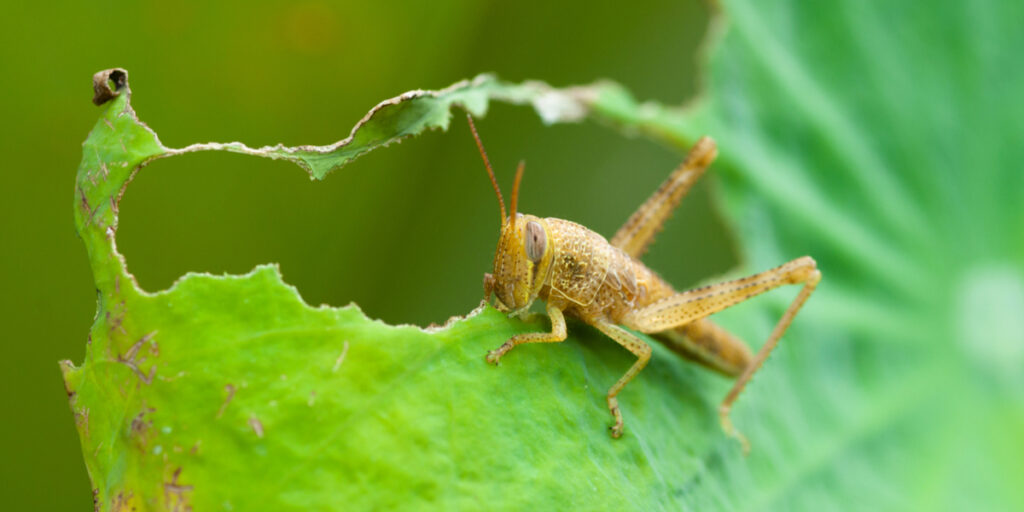
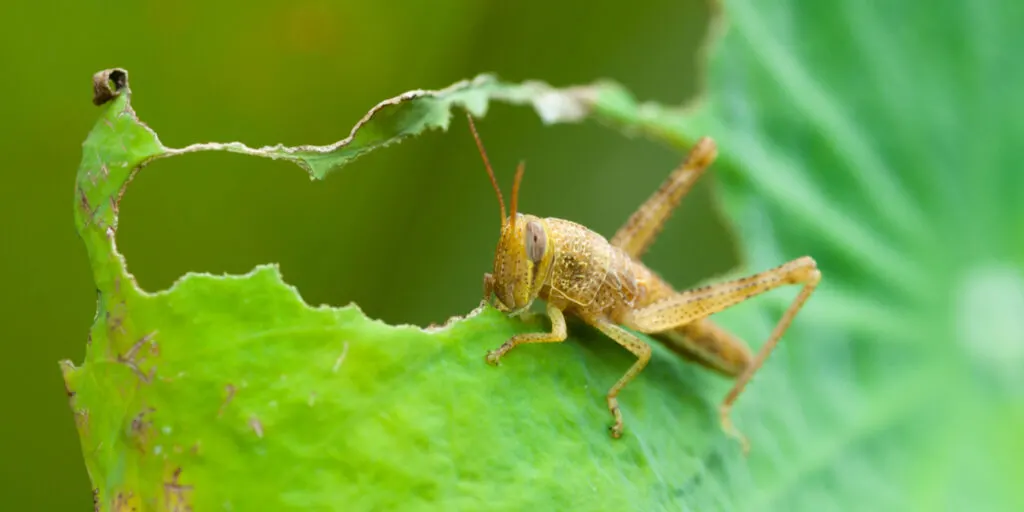
So just how can you stop grasshoppers from devouring your vegetable plants, flowers and perennials?
An invasion of grasshoppers can spell serious problems for a home garden and landscape.
The voracious plant-eaters can quickly decimate crops, perennials and annual flowers.
But with a few home remedies, and the help of a few predatory friends, they can be held in check.
Here are 3 of the best ways to keep grasshopper populations under control, and keep your garden and landscape safe from damage.
Yes, believe it or not, grasshopper control is just one more reason for every backyard gardener to raise a few chickens.
And of course, you even get a farm-fresh eggs as an added bonus!
Not only do chickens search for and devour adult grasshoppers, they also feed on the grasshopper larva. And that of course, eliminates the following year’s population.
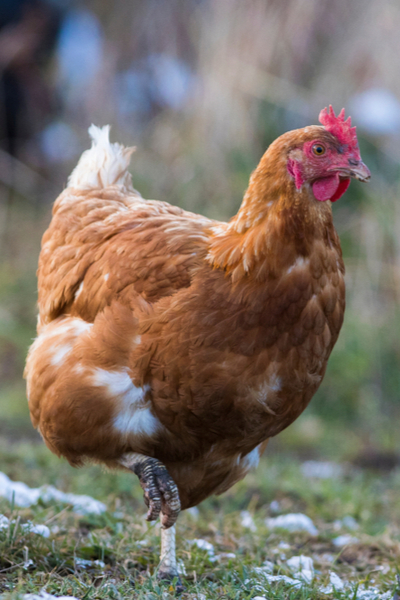
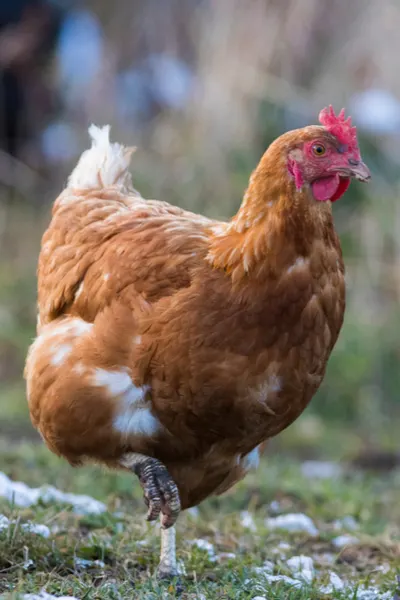
Grasshoppers deposit larva in the fall to hatch the following spring. As chickens scratch and move about, they unearth the larva and feed on it.
Chickens are actually an incredible way to control all kinds of insect and pest populations. (See : The Chicken Chicks Guide To Raising Backyard Chickens)
You may have to fence off a few areas of flowers and vegetable plants, but a few hours of free-ranging about the yard, even if it ‘s only for a few days each month, will do wonders in keeping insect populations in check.
One of the more effective and natural methods that can be used to deter grasshoppers is to coat plants in a homemade spray made of garlic and hot peppers.
Grasshoppers do not like the smell of garlic, or the fiery taste of peppers.
By combining the two garden ingredients into a liquid that can be sprayed onto the foliage of plants, it deters the grasshoppers from dining on the leaves.
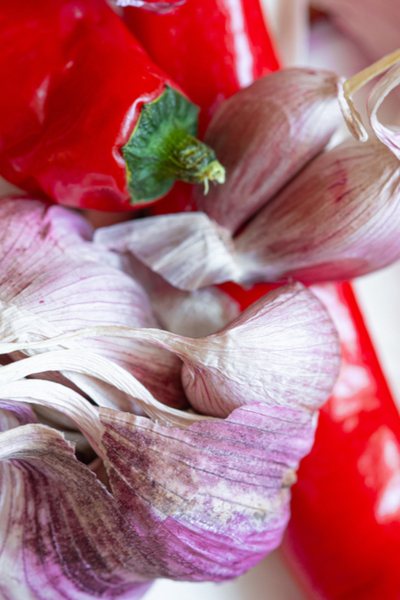
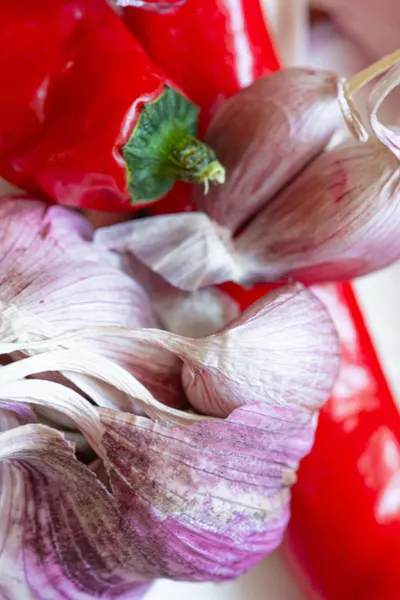
To make, mince four cloves of garlic and three to four medium sized cayenne (or similar hot pepper variety) peppers. Next, add 6 cups of water and the minced peppers and garlic into a sauce pan.
Simmer for about 20 minutes on medium heat, and then let the mixture cool and soak overnight.
Strain, and then use the hot pepper / garlic concentrate at a rate of 1 cup per gallon of water to apply to plant foliage with a hand or pump sprayer.
Be sure to re-apply after every rain or watering to retain maximum effectiveness.
Hot pepper spray is also a great way to keep rabbits from nibbling on your crops as well! See : How To Deter Rabbits With Hot Pepper Spray.
Believe it or not, a dusting of your plants with ordinary all-purpose flour will do wonders in stopping grasshoppers.
When ingested by the grasshoppers, flour acts as a natural insecticide, interfering with their digestive system.


To apply, simply dust the foliage of plants with a light coating of flour. As with the hot pepper / garlic spray, you will need to re-apply after any rain or watering.
Be sure to use only all-purpose flour and not any baking mixtures that may contain added salt or sugar. These added ingredients can be harmful to both the plants and the soil.
This Is My Garden is a website dedicated to spreading the love and knowledge of gardening around the world. We publish two new garden articles each week. This article may contain affiliate links.
When it comes to adding an explosion of color to the landscape, its hard to beat growing marigolds.
From giant blooming “puff-ball” styles to dainty miniatures, and everything in between, there are well over 50 varieties of marigolds available.
And with their high tolerance to both sunlight, drought and heat, it’s easy to see why they have long been a go-to choice when planting flowerbeds, containers, hanging baskets and more.
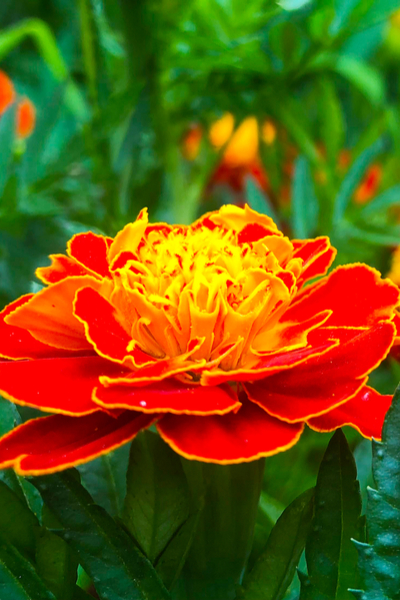
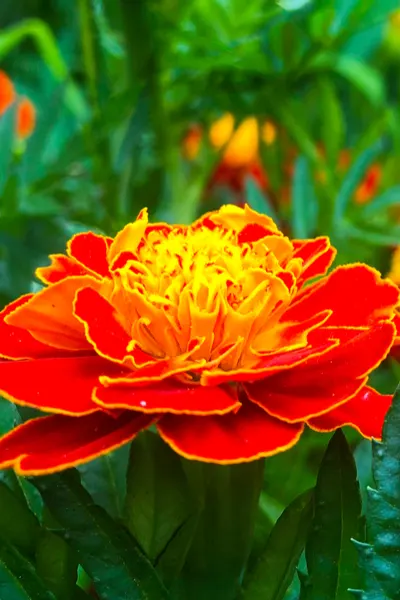
But beyond their bright blooms, marigolds have some pretty amazing additional benefits when grown in or near vegetable gardens.
Benefits that can help defend against pests and disease, and lead to a more productive harvest.
Heading up the list of benefits is the ease with which marigolds can be planted.
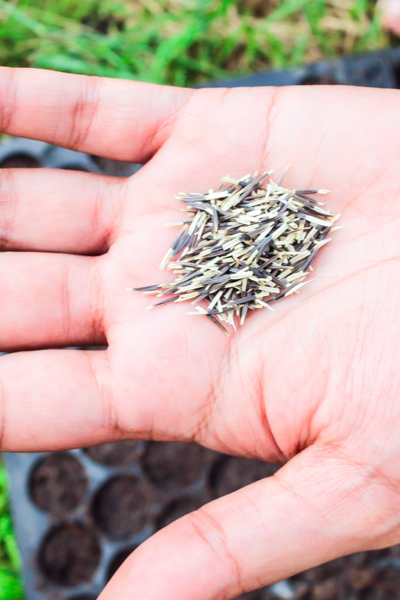
Although marigolds can be grown and planted as transplants, there is simply little need to do so.
Marigolds seeds are among the easiest to plant, and the fastest to germinate.
In fact, once the soil has warmed, they can sprout in as little as 3 days. And within 6 to 8 weeks, be thriving and blooming in full color.
Adding to their allure, marigolds will grow in almost all soil conditions. To plant, simply sow seed 1/8 deep. Cover lightly with soil, water in, and you are all set.
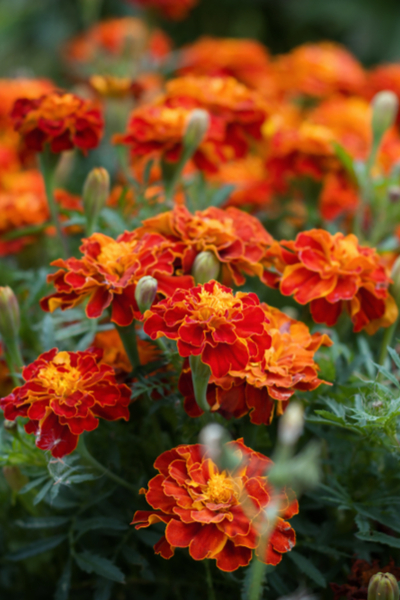
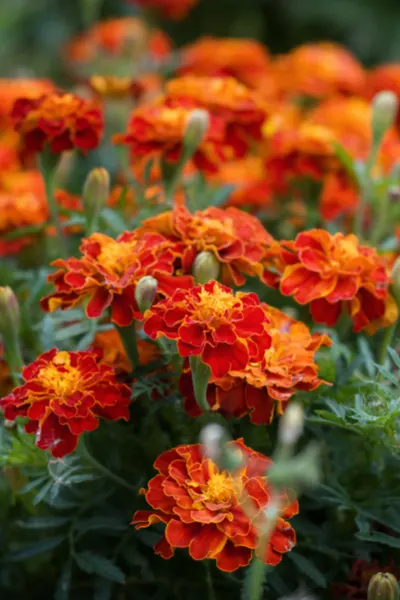
Among the various varieties to grow, Giant Crackerjack Marigolds and French Marigolds are two of the top favorites.
Marigolds bright blooms are wonderful for attracting some of natures best pollinators.
And attracting pollinators to the garden means a better chance for more fruit and vegetables.
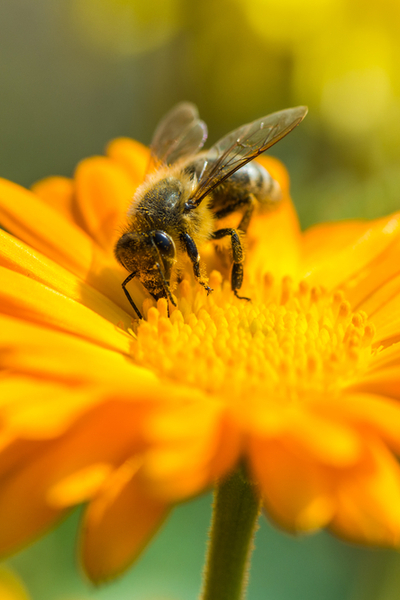
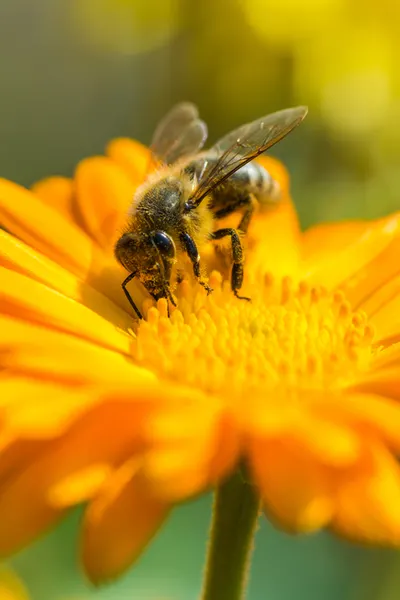
Honey bees, butterflies, moths and wasps are all attracted to marigolds. And all work their magic with vegetable crops as well.
Nematodes can be quite the destructive in the vegetable garden. And marigolds are a great first line of defense against these unwanted pests.
These soil borne enemies feed on the roots of tomato, pepper and various other vegetable plants.
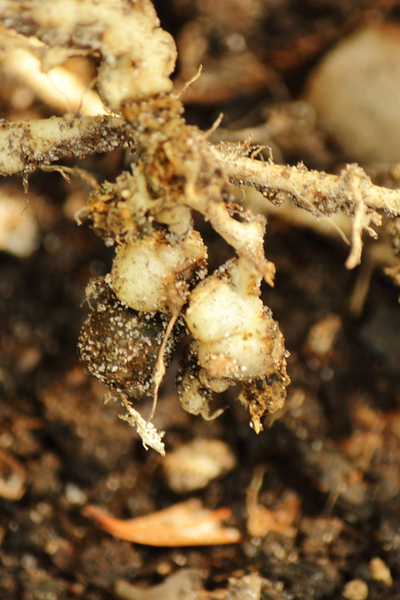
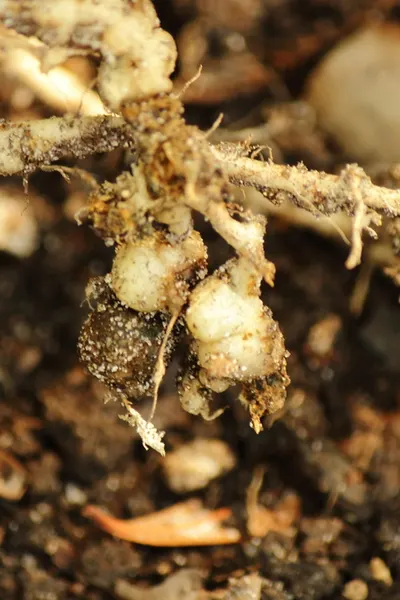
As they feed, they slowly drain and deplete energy from the plant. In the process, the roots decay, and the plant weakens and ultimately dies.
But the roots of marigolds produce a chemical that is toxic to nematodes. And when planted near or in the vegetable garden, can protect plants from these devastating pest.
Beyond their known abilities to attack nematodes, marigolds have long been thought by many gardeners to be a natural repellent against all kinds of additional pests.
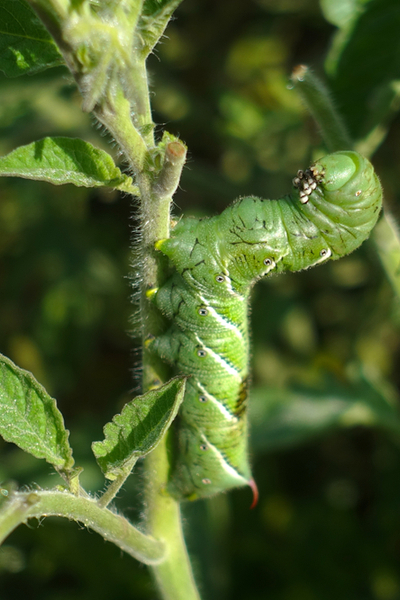
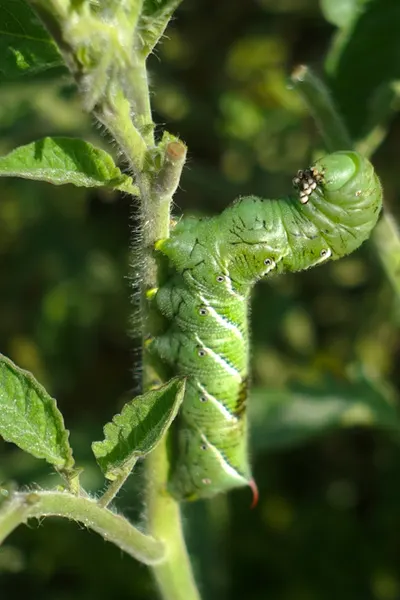
Marigolds pungent scent is said to help deter everything from tomato hornworms, squash bugs and cabbage worms, to rabbits, deer and squirrels from feasting in the garden.
Just all the more reason to plant a few of these beautiful annuals in your garden this year!
This Is My Garden is a website dedicated to spreading the love and knowledge of gardening around the world. We publish two new garden articles each week. This article may contain affiliate links.