The Perfect Homemade Hot Pepper Spray – A Simple & Natural Way To Protect Plants From Garden Pests!
When it comes to protecting plants from insects and animals, many gardeners prefer natural solutions over commercial chemical sprays - and one of the best choice is making your own homemade hot pepper spray!
Not only is making your own spray less expensive, it can also be incredibly effective when used correctly. Made with a few simple ingredients, this easy-to-make hot pepper spray can help deter a wide variety of pests from feeding on your flowers, vegetables, herbs, shrubs, and landscape plants.
Whether you are dealing with rabbits nibbling on young vegetable plants, deer browsing flower beds, or insects chewing holes in leaves, hot pepper spray can provide an extra layer of protection. Best of all, it takes very little time to make and can be applied throughout the growing season whenever needed!
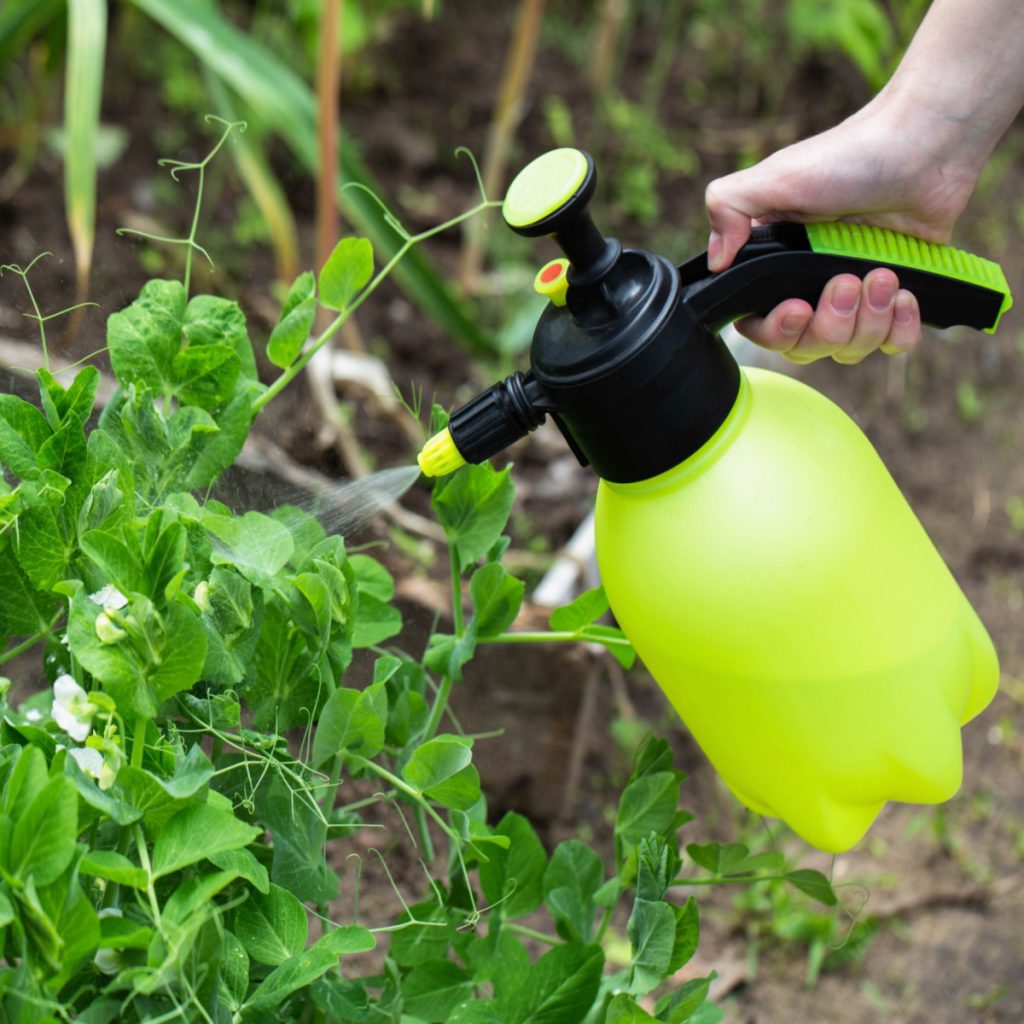
Homemade Hot Pepper Spray
Why Hot Pepper Spray Is So Effective
The secret behind hot pepper spray is capsaicin, the natural compound that gives hot peppers their intense heat. While people may enjoy spicy foods, most insects and animals do not.
When hot pepper spray is applied to plant foliage, it leaves behind a spicy coating that pests find unpleasant. The result is simple: most pests choose to move on and find another food source instead of continuing to feed on treated plants.
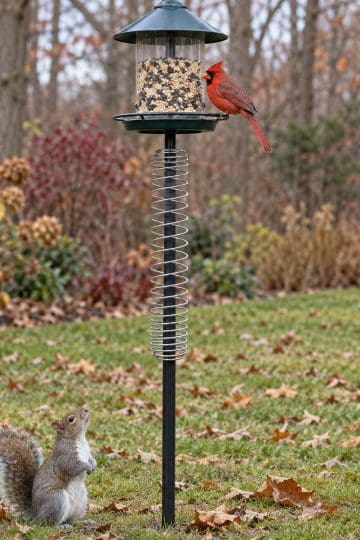
This makes hot pepper spray an excellent deterrent for larger garden pests such as deer, rabbits, chipmunks, squirrels, and groundhogs. These animals often sample plants by taking a few bites. Once they encounter the pepper residue, they typically decide that meal is not worth repeating.
For gardeners who struggle with animals damaging vegetables, annual flowers, perennials, or ornamental shrubs, a regular application of hot pepper spray can help reduce feeding damage significantly.
More Than Just A Deterrent
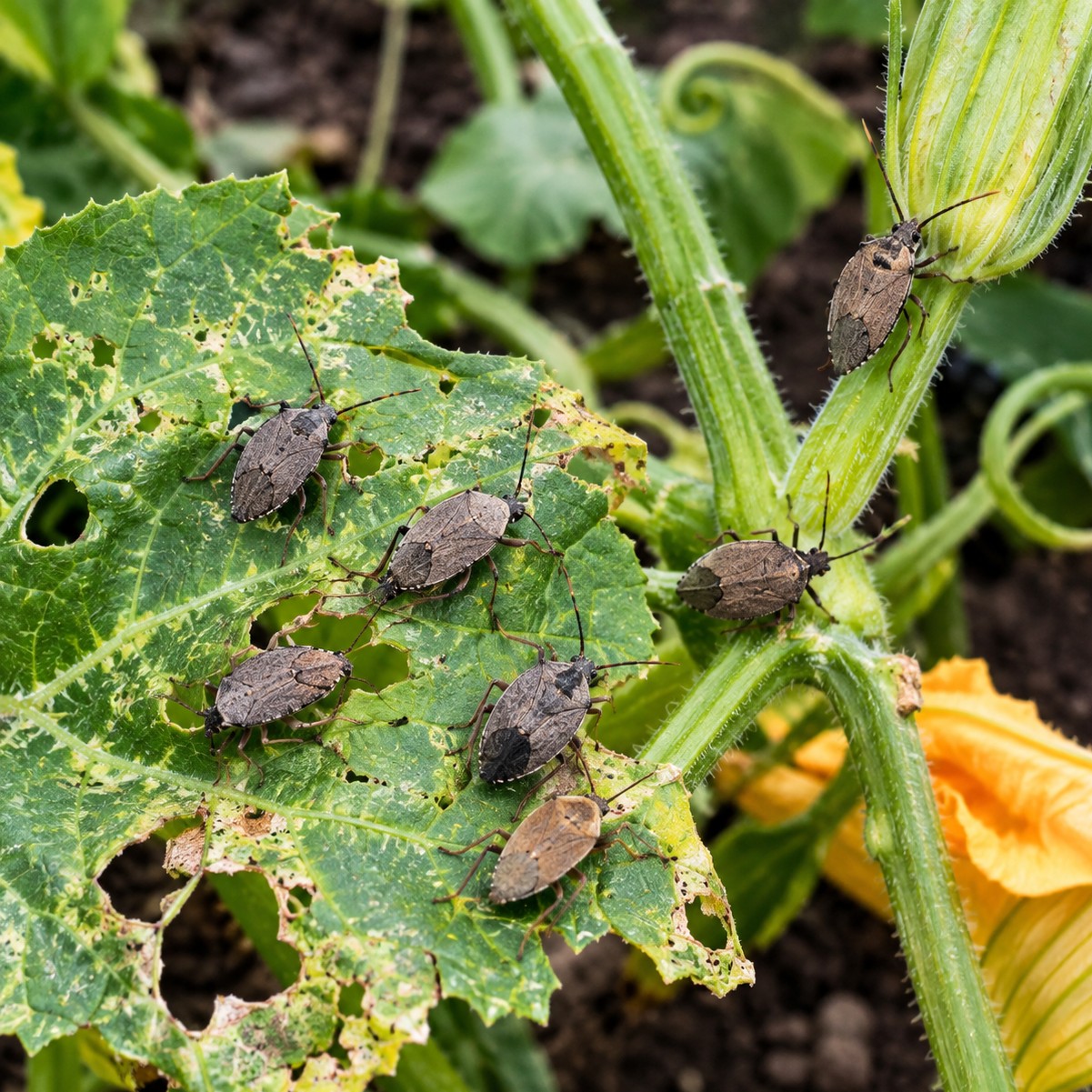
In addition to discouraging larger pests, hot pepper spray can also help with certain insect problems. Although it won't eliminate every garden insect, many pests dislike the strong pepper residue left behind on leaves and stems. This can help reduce feeding damage and make plants less attractive to troublesome insects.

There are also a few pests that are particularly vulnerable to the spray. Spider mites and cabbage worms are two examples. When these pests come into direct contact with the pepper solution, the spray can help eliminate them while also preventing additional infestations.
That combination of protection and deterrence is one of the reasons gardeners have relied on homemade pepper sprays for years.
Choosing The Right Peppers
One of the great things about homemade hot pepper spray is that it can be made using whatever hot peppers you have available. Fresh cayenne peppers are often considered one of the best options because of their high heat level and availability.
However, jalapeno peppers, habanero peppers, ghost peppers, and other hot varieties can all be used successfully. See our article: How To Grow The Hottest Peppers This Year – 5 Peppers That Will Set Your Mouth On Fire!
In general, the hotter the pepper, the stronger the finished spray will be. If fresh peppers aren't available, dried pepper flakes or hot pepper powder can be substituted. These alternatives work well and make it possible to create the spray at any time of the year.
Regardless of which pepper source you choose, the goal is the same - to create a concentrated mixture that leaves behind enough heat to discourage pests from feeding.

Ingredients For Homemade Hot Pepper Spray
Before preparing the spray, it is important to take a few precautions. Always wear gloves when handling hot peppers. The oils found in peppers can remain on your hands long after you finish chopping them.
If these oils accidentally come into contact with your eyes, nose, or face, they can cause intense irritation and discomfort. Wearing gloves throughout the preparation process helps avoid those problems. It is also a good idea to wash all utensils, cutting boards, and containers thoroughly after making the spray.
To make one gallon of hot pepper spray, gather the following ingredients:
- 1 gallon of water
- 10 finely chopped cayenne peppers
- 6 cloves of garlic
If using dried ingredients instead of fresh peppers, substitute with either:
- 5 tablespoons of hot pepper flakes
- 2 tablespoons of hot pepper powder
The addition of garlic is important because it adds even more pest-repelling power to the mixture. Finely chopping or crushing the garlic helps release its natural oils and increases its effectiveness.

How To Make Hot Pepper Spray
The process for creating hot pepper spray is simple and requires only a few steps. Begin by placing the chopped peppers and garlic into a saucepan. Warm the ingredients over low heat for approximately five minutes.
This step helps release the natural oils found in both the peppers and garlic. Those oils play a major role in making the finished spray effective. If you are using pepper flakes or pepper powder, warming them first also helps activate their potency and allows more of their heat to transfer into the liquid.
After warming the peppers and garlic, add the gallon of water and stir thoroughly. Allow the mixture to simmer gently for 30 to 45 minutes. There is no need for a hard boil. A slow simmer works best because it gradually infuses the water with the heat and oils from the peppers and garlic.
As the mixture simmers, more and more of the capsaicin is released into the water, creating a stronger and more effective spray.
Letting The Mixture Rest
Once the simmering process is complete, remove the saucepan from the heat and allow the mixture to cool. Although the spray could technically be used sooner, allowing it to rest for at least 24 hours produces much better results.

During this resting period, additional heat and oils continue to infuse into the water. This creates a more concentrated solution that offers greater pest protection when applied to plants. After the mixture has rested, strain it thoroughly through cheesecloth, a fine strainer, or a colander lined with a filtering material. Removing all of the solids is important because it prevents spray nozzles from clogging during application.
Storing The Finished Spray
Once strained, the hot pepper spray can be transferred into storage containers until it is ready to use. The mixture can be stored at room temperature in a sealed container and will remain effective for up to one month.
Because the ingredients are simple and inexpensive, many gardeners prefer to make fresh batches throughout the growing season to ensure they always have a supply available when pest pressure increases.
How To Apply Hot Pepper Spray
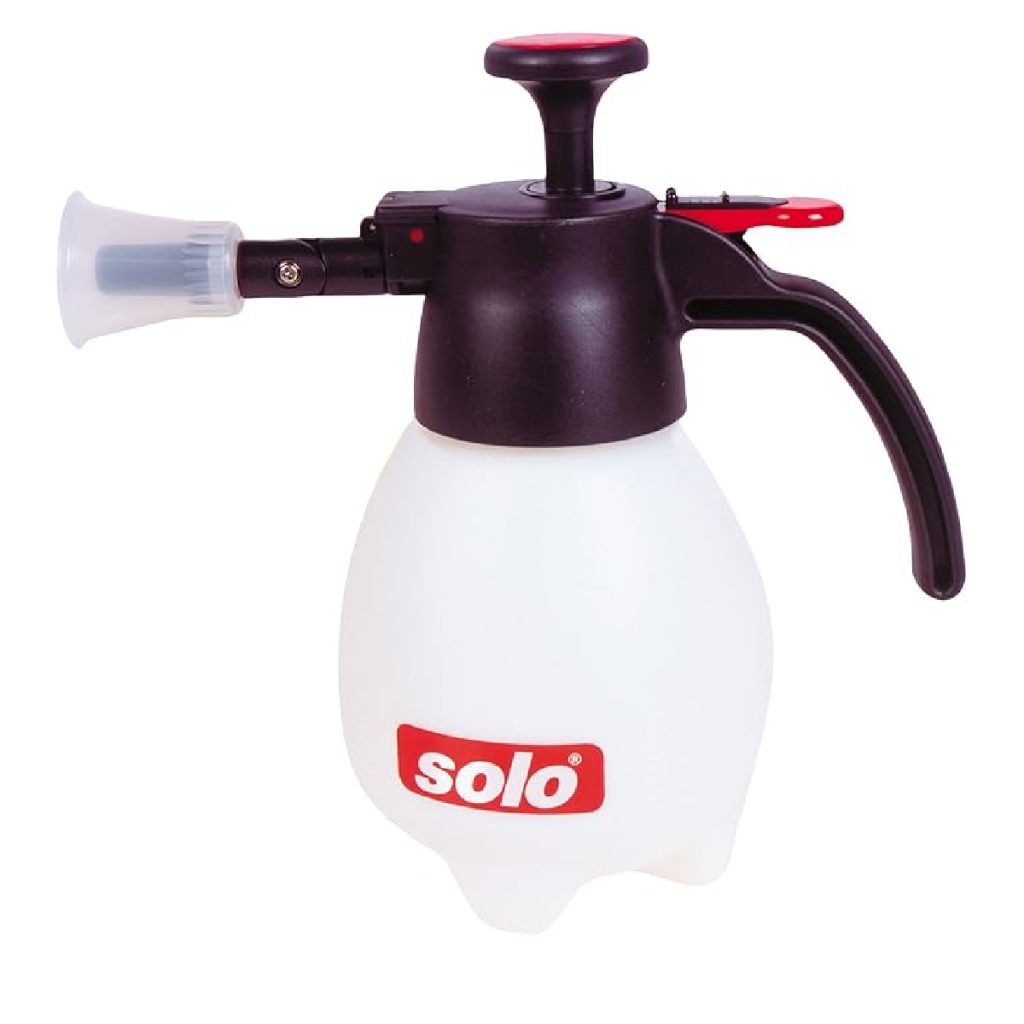
Applying the spray is just as easy as making it. For a few plants or small garden spaces, a simple hand-held spray bottle works perfectly. For larger vegetable gardens, flowerbeds, or landscape plantings, a pump sprayer or backpack sprayer makes the job much easier. Affiliate Link: SOLO 418 One-Hand Pressure Sprayer, 1-Liter, Ergonomic Grip
Before spraying, add a few drops of biodegradable dish soap or a small amount of olive oil to the solution. This small addition helps the spray adhere to leaves and stems more effectively. Without it, much of the liquid can run off the plant surface before it has a chance to dry and create its protective coating.
Once mixed, spray the foliage thoroughly. Cover both the tops and undersides of leaves whenever possible. The goal is to leave a light coating across the plant that pests will encounter when they attempt to feed.
Reapplication Is The Key To Success
Like most natural sprays, hot pepper spray does not last forever. Rainfall, irrigation, dew, and weather exposure gradually wash away the protective residue. As that coating disappears, the spray becomes less effective.
For that reason, regular reapplication is important. After a heavy rain or significant overhead watering, another application will usually be needed. Maintaining that protective barrier is the best way to keep plants protected throughout the season. Fortunately, because the spray is easy to make and inexpensive to produce, reapplying it as needed is simple and affordable.
Whether you are trying to protect vegetables, flowers, shrubs, or landscape plants, this simple homemade spray can provide season-long protection without the need for complicated products or harsh chemicals. With just a little preparation and regular application, hot pepper spray can become an important tool for keeping your garden healthy and thriving.
This Is My Garden
Follow Our Facebook Page For Great Gardening Tips And Advice! This Is My Garden Facebook Page
This Is My Garden is a garden website created by gardeners, for gardeners. Jim and Mary Competti have been writing gardening, DIY and recipe articles and books and speaking for over 15 years from their 46 acre Ohio farm. They publish three articles every week, 52 weeks a year. Sign up today to follow via email, or follow along!

More Pests
- 2 Simple Tricks That Work Wonders To Protect Bird Feeders From Squirrels!
- How To Use Cinnamon To Keep Mice Out Of Your Garage, Sheds & More This Fall & Winter!
- How To Stop Mice Before They Get Inside This Fall – 2 Simple Tricks That Work!
- The Best Way To Stop Squash Bugs In Late Summer - Get Rid Of Squash Bugs Now & Next Year Too!