The Best Way To Stop Squash Bugs In Late Summer - Get Rid Of Squash Bugs Now & Next Year Too!
Looking for a few simple and effective ways to stop squash bugs from invading your garden before fall arrives?
Squash bugs can cause serious trouble throughout the growing season, but their population can really explode as summer begins to wind down. Left unchecked, they can quickly overwhelm squash, zucchini, pumpkins and other plants, weakening foliage and putting any remaining harvest at risk.
But the biggest reason to eliminate squash bugs now is to prevent problems next year. As cooler weather arrives, adult squash bugs begin searching for protected places to overwinter. If they are allowed to remain in and around your garden, they can survive the cold and return in force next spring.
The good news is that with a few simple late-summer and fall steps, you can greatly reduce their numbers now - and stop a major squash bug infestation before it ever has a chance to start next year!
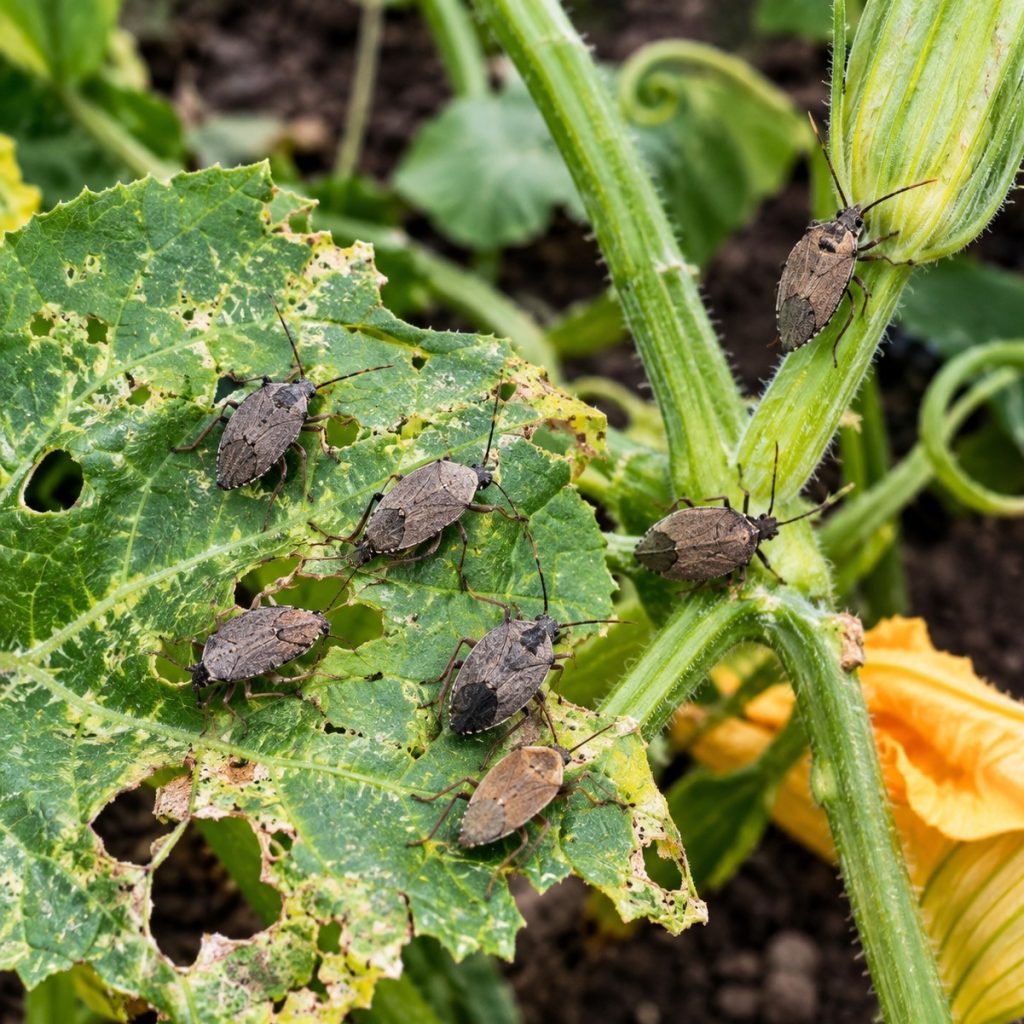
How To Stop Squash Bugs For Good
The Damage Squash Bugs Cause
Sadly, for many who love to grow squash, pumpkins and gourds, the fall increase in population couldn’t come at a worse time. Just as these autumn bearing plants are coming into their own, squash bugs can attack. And once the tell-tale signs of damage occur, it’s often too late to help a plant survive.
Squash bugs and their young (known as nymphs), wreak havoc on vegetable plants. Especially plants with sap-filled vines such as cucumbers, zucchini, squash, pumpkins and gourds. Once on a plant, they feed by biting into the vine and consuming the sap.
That alone will weaken the plant and can hurt its health and productivity. But unfortunately, their bite also happens to contain a deadly toxin. And once the toxin begins to work its way through the plant, the stems and foliage quickly begin to lose their vigor and color.
The real issue is that once you see the plant begin to yellow, it’s often too late to help it. Even if the affected foliage is removed, the toxin continues to spread throughout the entire plant, eventually killing it in the process.
One thing is for sure, if enough squash bugs are present, it can devastate an entire crop in a flash. And without taking action, not only will it affect your current crops, but the pests will then take up permanent residence to come back year after year.
The good news is that with a few simple methods, you can gain the upper hand on squash bugs. And as it turns out, fall just happens to be the perfect time to eliminate them – and to help keep next year’s gardens and plants safe as well!

Why Fall Is The Perfect Time To Stop Squash Bugs
By early autumn, squash bugs become quite numerous and prolific in numbers. They do this for several reasons. The first is the cool weather makes it easier for them to move about and provides the moist conditions they love. They also use this time to build numbers for future generations.
By attacking the problem in the fall, you can keep a large population of squash bugs from becoming even bigger. And most importantly, from overwintering in your soil. Although it can take a dedicated effort over a few weeks, the effort is well worth it – especially the safety of next year’s plants!
Eliminating squash bugs in the fall centers around a three prong approach. The first is treating any existing plants that are currently under attack. In the early to mid-autumn, that usually means pumpkin, squash and late season cucumber plants.
Using Neem Oil
If you have a severe infestation of squash bugs in the fall, neem oil is a great product to use to gain a quick upper hand. Neem oil is 100% organic, so there is little worry about using it in the vegetable garden.
Neem oil is made from the oil within the seeds of a neem tree. and spraying the oil on the foliage of infected plants will work to kill adult squash bugs, as well as young nymphs and eggs.
It is important when using neem oil to make sure you are using pure neem oil. To make your spray, simply mix five tablespoons of neem oil with one gallon of water. You can also put a few drops of natural liquid dish soap to help the mixture adhere to the plant surface.

Spray the affected plants and the surrounding soil. By doing both you ensure that you can take care of all of the stages of squash bugs in the garden. Apply early in the morning or late at night to keep other beneficial insects safe.
You may need to reapply a few times over the course of two to three weeks for total effectiveness. Product Affiliate Link : Captain Jack’s Neem Oil – Ready To Go
Diatomaceous Earth
Diatomaceous earth (DE) is another all natural weapon against squash bugs and is also highly effective. Made from the fossils of ancient marine life, the sharp micro parts of DE slice the outer skin of squash bugs, killing them in the process.
As a powder, it can be sprinkled on both the plants and the ground around infected plants to help control squash bugs. This is especially effective when it comes to the eggs and young nymphs. As with neem oil, you may need to reapply once a week for a few weeks for total control. You will also need to reapply if it gets wet as it loses its effectiveness.
Clear Debris From The Garden
One of the biggest keys of all to keeping squash bugs from becoming an ongoing issue is to clear your garden at the end of the season of all decaying vegetable foliage. Especially when it comes to curcurbit plants such as cucumbers, pumpkins and squash.
Allowing vegetable plants to remain in the garden past their prime is asking for trouble. Pests and disease are easy prey for failing plants. They not only feed on the foliage, but use it for cover and protection.
The female squash bug actually overwinters in the garden, coming back to lay her eggs in the spring. And by leaving plants in the garden, you give her the perfect opportunity to breed the next generation. By simply removing plants and covering your garden soil with a cover crop, you can stop the cycle! See our article: How To Plant Peas As The Perfect Garden Cover Crop
Listen In Below To Our Latest Podcast

The Importance Of Crop Rotation
Last but not least, be sure to make a few notes as to where your squash bugs and the plants they love were growing. Why is this so important? Because you want to be sure to plant these plants in a new location next year.
As with any garden pest, crop rotation is a vital and important strategy to keep squash bugs at bay. By moving crops to a new location from year to year, the eggs, larva and adults are unable to “set up shop” and infest the same area with the plants they love.
Moving all of your crops to new locations within your garden each season is actually a huge aid in the battle against all insects. Here is to eliminating squash bugs this fall, and to a pest-free garden next spring and summer!
This Is My Garden
Follow Our Facebook Page For Great Gardening Tips And Advice! This Is My Garden Facebook Page
This Is My Garden is a garden website created by gardeners, for gardeners. Jim and Mary Competti have been writing gardening, DIY and recipe articles and books and speaking for over 15 years from their 46 acre Ohio farm. They publish three articles every week, 52 weeks a year. Sign up today to follow via email, or follow along!

More Pests
- 2 Simple Tricks That Work Wonders To Protect Bird Feeders From Squirrels!
- How To Use Cinnamon To Keep Mice Out Of Your Garage, Sheds & More This Fall & Winter!
- How To Stop Mice Before They Get Inside This Fall – 2 Simple Tricks That Work!
- Summer Hosta Care - How To Keep Hostas Safe From Insects, Rabbits, Deer & More!