How To Stop Mice Before They Get Inside This Fall – 2 Simple Tricks That Work!
Tired of trying to stop mice from getting inside your garage, shed, vehicles, lawn equipment – or even worse, your home? If so, late summer and early fall are the perfect time to take action before mice begin looking for a warm place to spend the winter!
Mice can cause an incredible amount of damage once they get inside. They chew through wiring, insulation, boxes and other belongings. Even worse, they can contaminate surfaces and stored items with their droppings and urine.
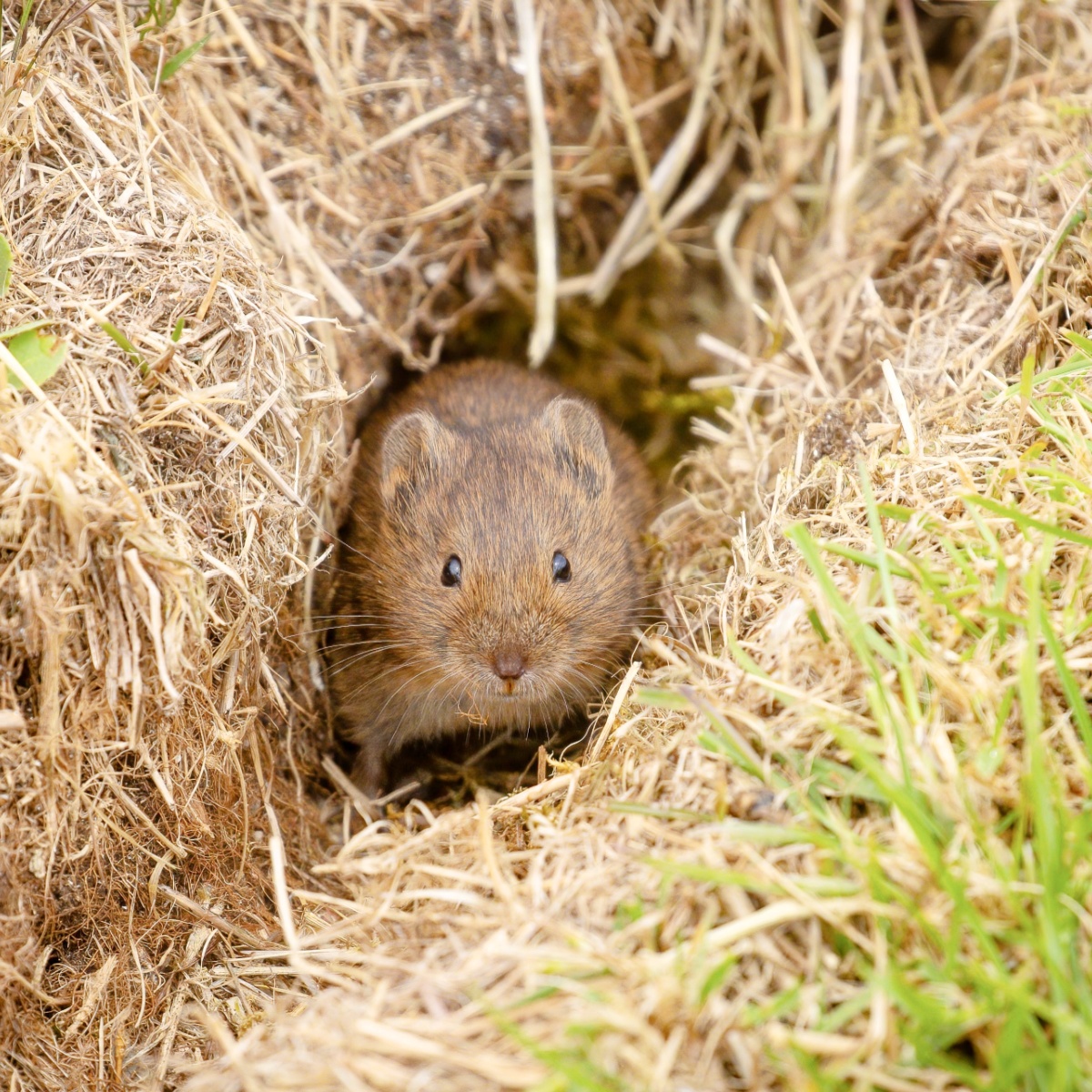
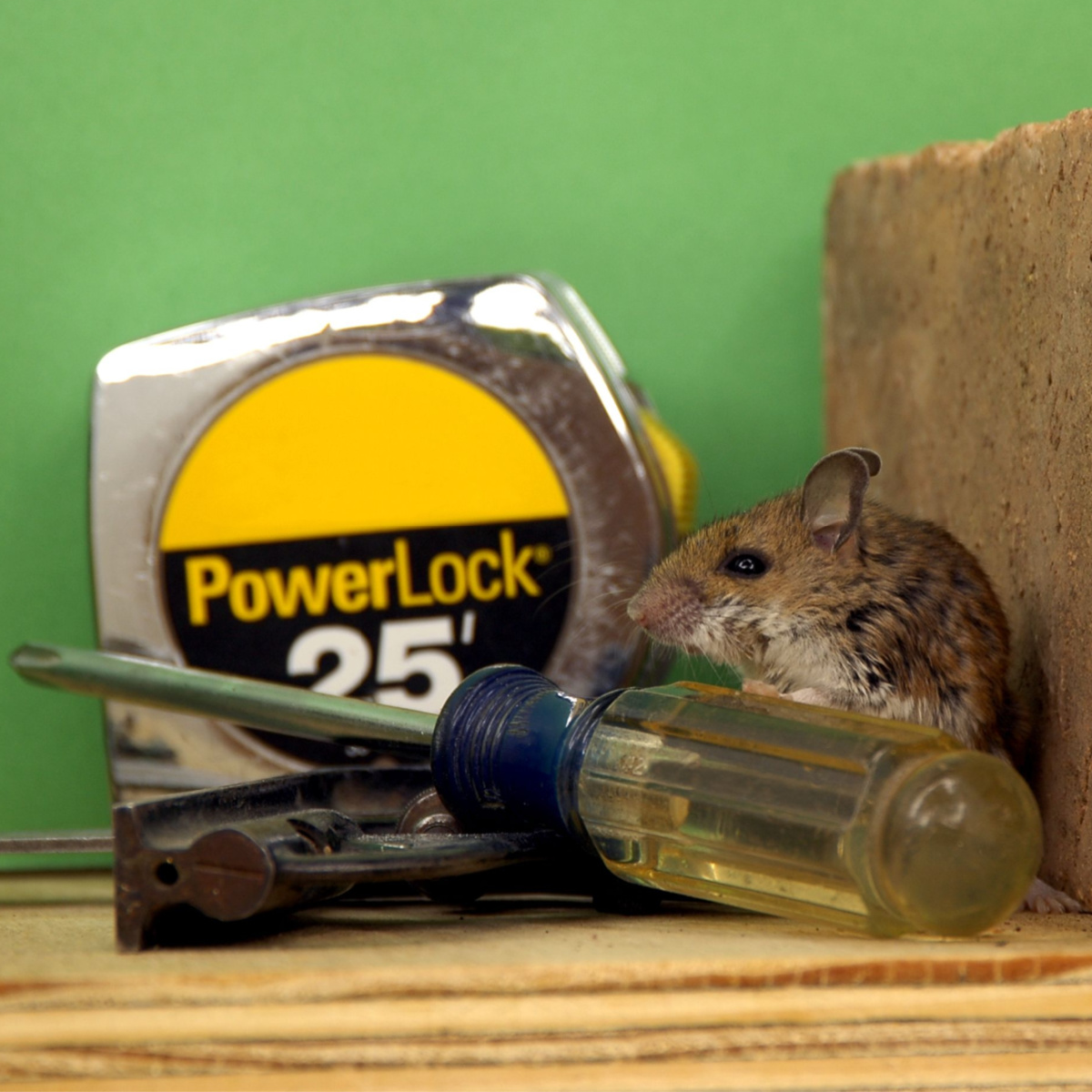
Unfortunately, as temperatures cool in the fall, mice begin searching for warm, dry places to escape the cold. Garages, sheds, barns, basements and even vehicles and lawn equipment can quickly become their winter home – especially since mice can squeeze through surprisingly small openings.
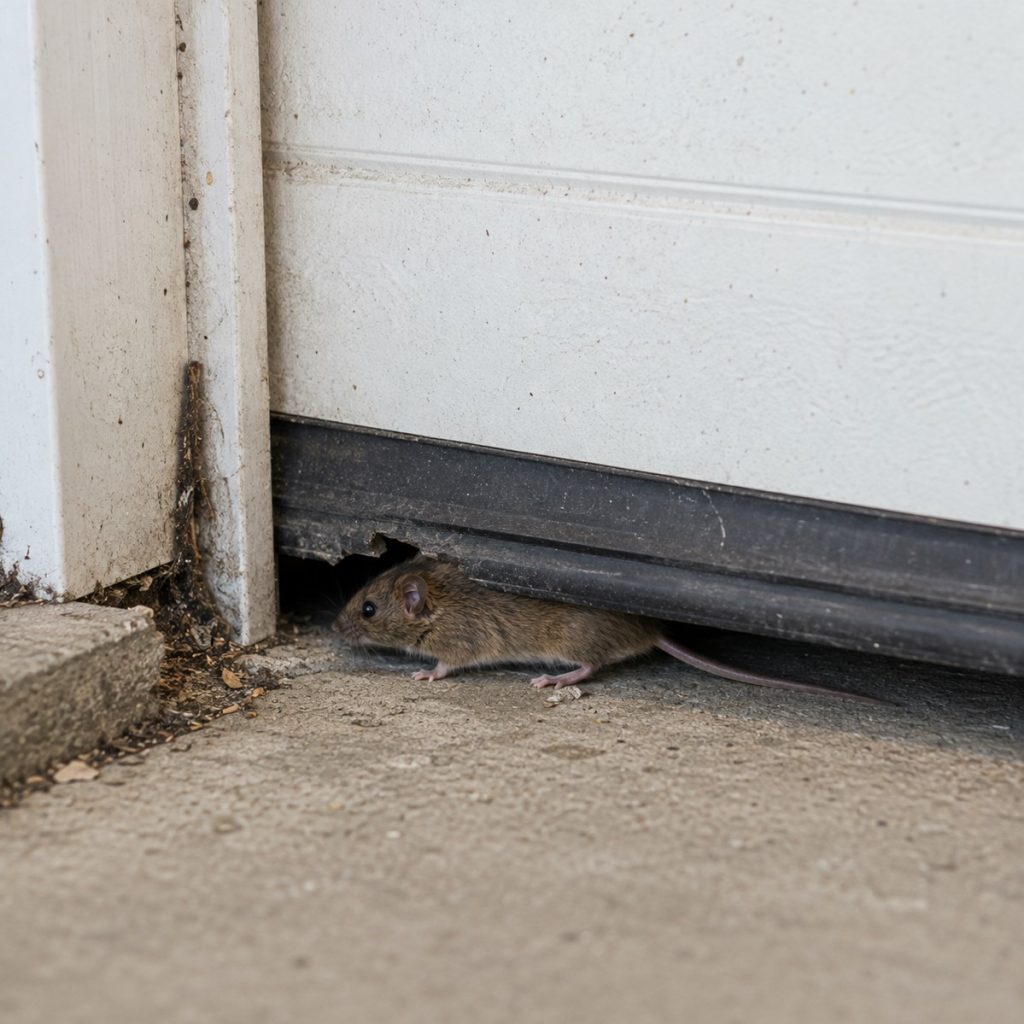
But here’s the good news – keeping mice out doesn’t have to be a constant battle. In fact, two surprisingly simple tactics can go a long way toward stopping mice before they ever get inside. And late summer and early fall are the perfect time to put both into action!
How To Stop Mice Before They Get Inside This Fall
Using Natural Deterrents That Work!
As you will see in a moment, keeping things sealed and closed off is incredibly effective against mice – but sometimes that can be all but impossible. Especially when it comes to sheds, barns or even parked cars and mowers that might not even be in a shelter.
So what do you do? You use all natural mouse repellent packs and sprays. Not only are they incredibly effective against keeping mice out, they are easy and safe to use. And yes, they work everywhere!
They are great for protecting your home and garage - and even more incredibly valuable for placing inside of equipment, vehicles, grills and other items that may be outdoors. If you want to protect against mice setting up a home – these are the way to go!
The Power Of Cinnamon & Peppermint Oil
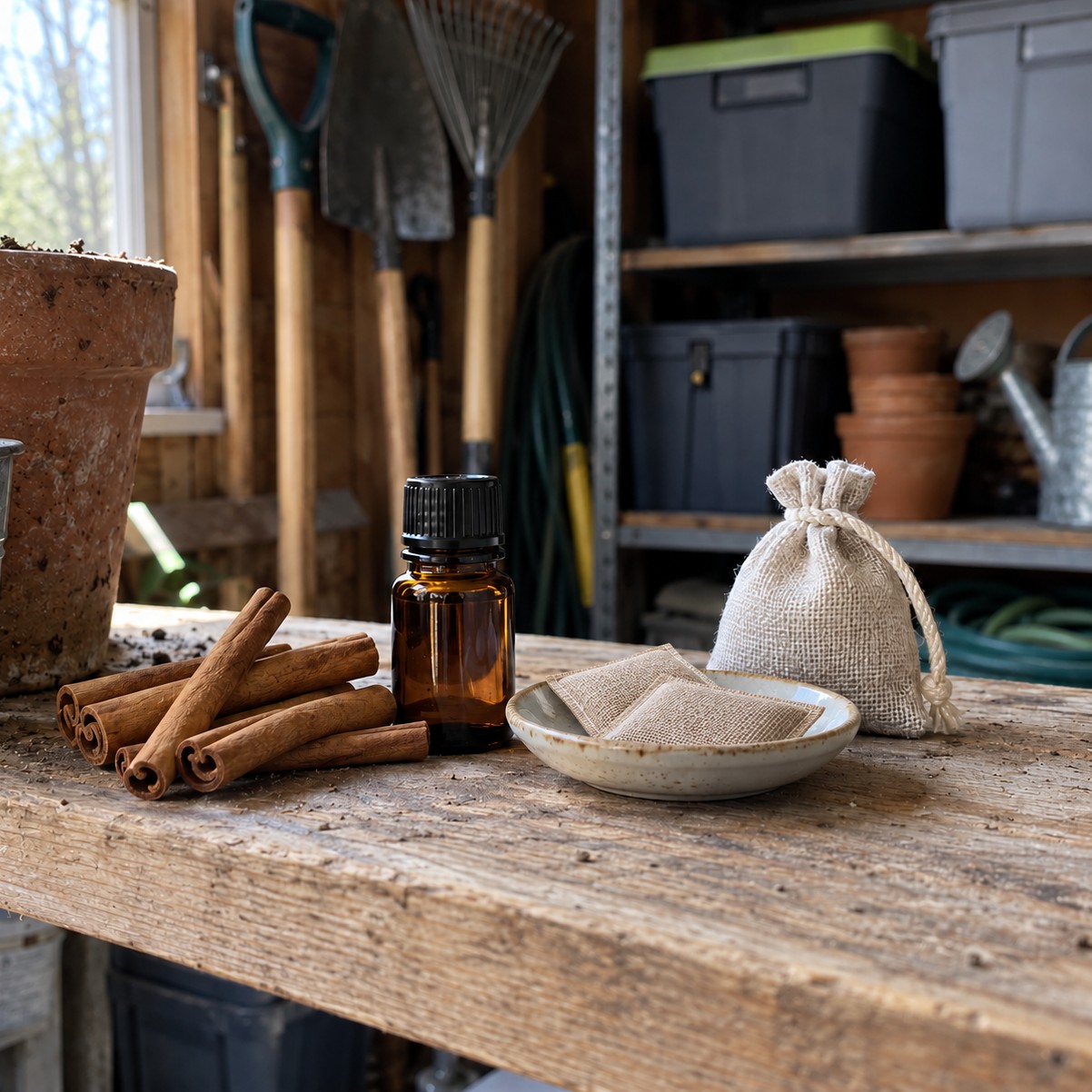
Two of the best all natural repellents of all are peppermint oil and cinnamon oil. Mice simply do not like the strong scent of either. The oils can be used as a spray to scent openings and areas where mice like to frequent. If they do happen to get in – they won’t stay.

Even better, these scents have been made into all-natural packets or sachets that can be placed into engine compartments, vehicles and any small spaces that mice love to live, chew and destroy. Best of all, they are all natural so there is no need to worry about toxic chemicals or poison around pets and children. You just set them in place, and let them work! Affiliate Link: Grandpa Gus's Mouse Repellent Pouches, Natural Peppermint Oil, 10 Pouches
There are also spray versions of the same scent that work just as well and are great to use where pouches can't be used. Affiliate Link: Grandpa Gus's MAX Rodent Repellent Spray, Natural Peppermint Oil, 16 Fl Oz
When using all natural deterrents, the key to success is to keep the scent strong. It’s best to replace pouches or respray oil every month or two to keep the scent strong. Once the scent weakens, the mice will be more than happy to return.
Keeping Everything Closed & Sealed To Stop Mice Before They Come Inside
All natural repellents are a great final defense against mice – but more than anything else, real success comes from sealing everything off and keeping things closed. Especially as the cool weather of fall arrives. Mice are extremely opportunistic. An open garage, barn or shed door is an open invitation to shelter.
Plain and simple, shut doors every time you enter or exit. In early Autumn, mice are on the move looking for winter shelter. If a shed or garage door is left open for hours on end, they can easily enter. Before you know it, they are living in boxes, containers, or inside the hood of your mower or car parked inside.
In addition to keeping your doors closed, take time to inspect the weatherstripping around doors and windows. If you can see light under or through them, mice can and will get in. Now is the time to replace your bottom garage door seals.
Garage door bottoms are one of the easiest entry points of all. Not only will a good seal help keep mice outside, it will help keep drafts and cold out too. Affiliate Link: DGSL Universal Garage Door Seals Bottom Rubber Weather Stripping Kit Seal Strip
Listen In To Our Latest Podcast Below...

Don’t Forget Those Vents To Stop Mice!
Speaking of weatherstripping and sealing, now is the time to take action sealing small entry points too. Make sure dryer and vents have screens in them, especially vents in garden sheds. These are easy entry paths for mice to enter.
In addition, check any and all locations where electric, water or drains may enter a structure. There are often dime to quarter size holes around pipes, all of which are plenty large enough to allow entry. Seal or foam these off to make it impossible for entry.
Seal In Plastic And Avoid Cardboard
Finally, one of the most important things you can do is to seal all vulnerable items within a garage, storage room or shed. And by sealing, it needs to be hard plastic, not cardboard or paper bags.
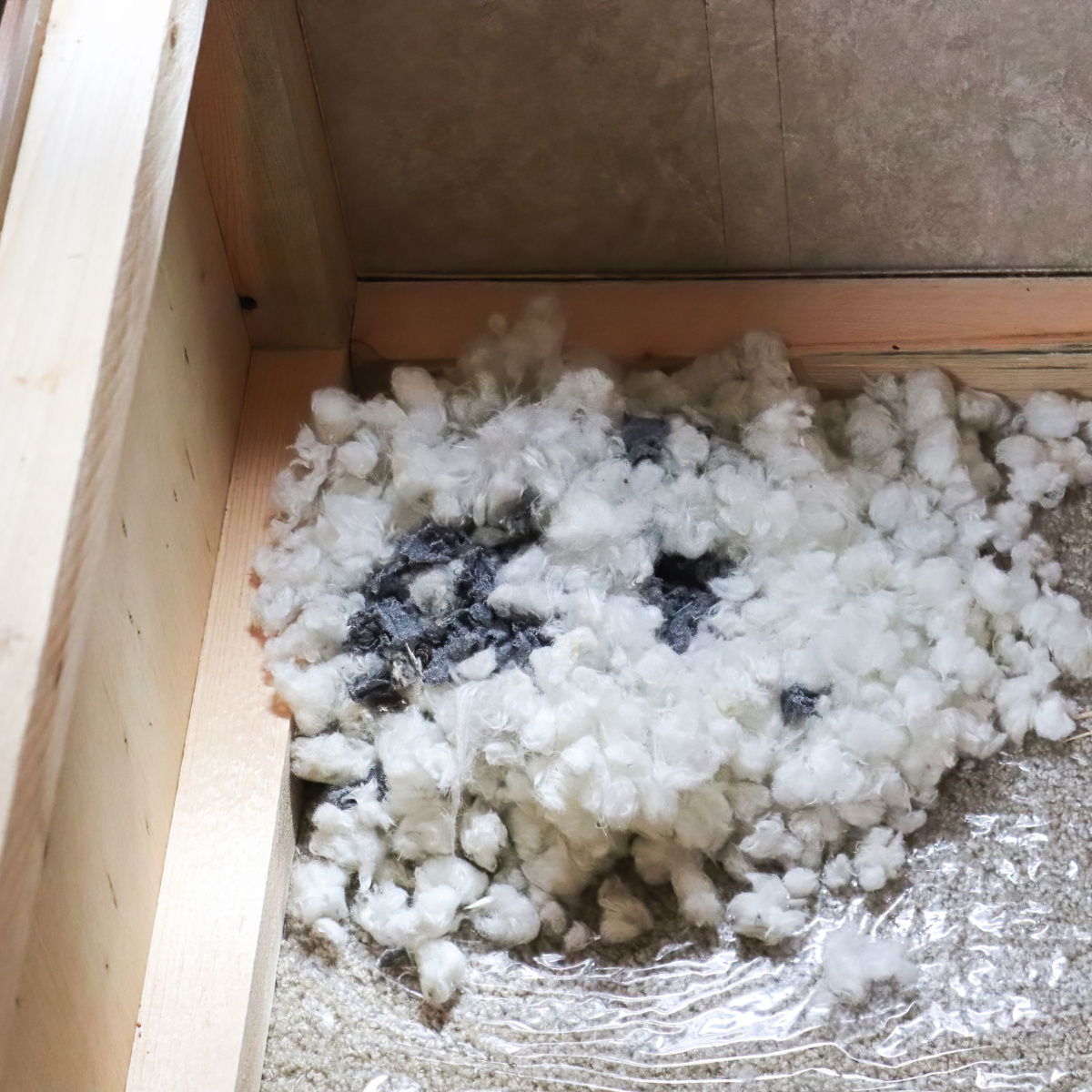
Not only are paper boxes and bags easy for mice to chew through, they become instant homes or home-building materials for them. In fact, they are ideal for mice to build elaborate nests. Plastic totes are the way to go. They make it virtually impossible for mice to find a home.

Store away everything you can in totes, especially sources of food for mice. Bags of dog or cat food, and even bags of grass seed are all wonderful sources of food for mice. By storing these food sources in air-tight containers, they have no food source and can’t survive without moving on.
Here is to finally finding a way to stop mice from getting inside – and to protecting your home, garage, shed and equipment in the process. For more on keeping pests out of your home, check out our article: How To Keep Ants Out Of Your House – 6 Simple & Safe Ways To Stop Ants!
This Is My Garden
Follow Our Facebook Page For Great Gardening Tips And Advice! This Is My Garden Facebook Page
This Is My Garden is a garden website created by gardeners, for gardeners. Jim and Mary Competti have been writing gardening, DIY and recipe articles and books and speaking for over 15 years from their 46 acre Ohio farm. They publish three articles every week, 52 weeks a year. Sign up today to follow via email, or follow along!