Summer Hosta Care - How To Keep Hostas Safe From Insects, Rabbits, Deer & More!
Looking for an easy way to protect your hostas from insects, deer, rabbits, and other hungry pests this summer without relying on harsh chemicals or expensive sprays?
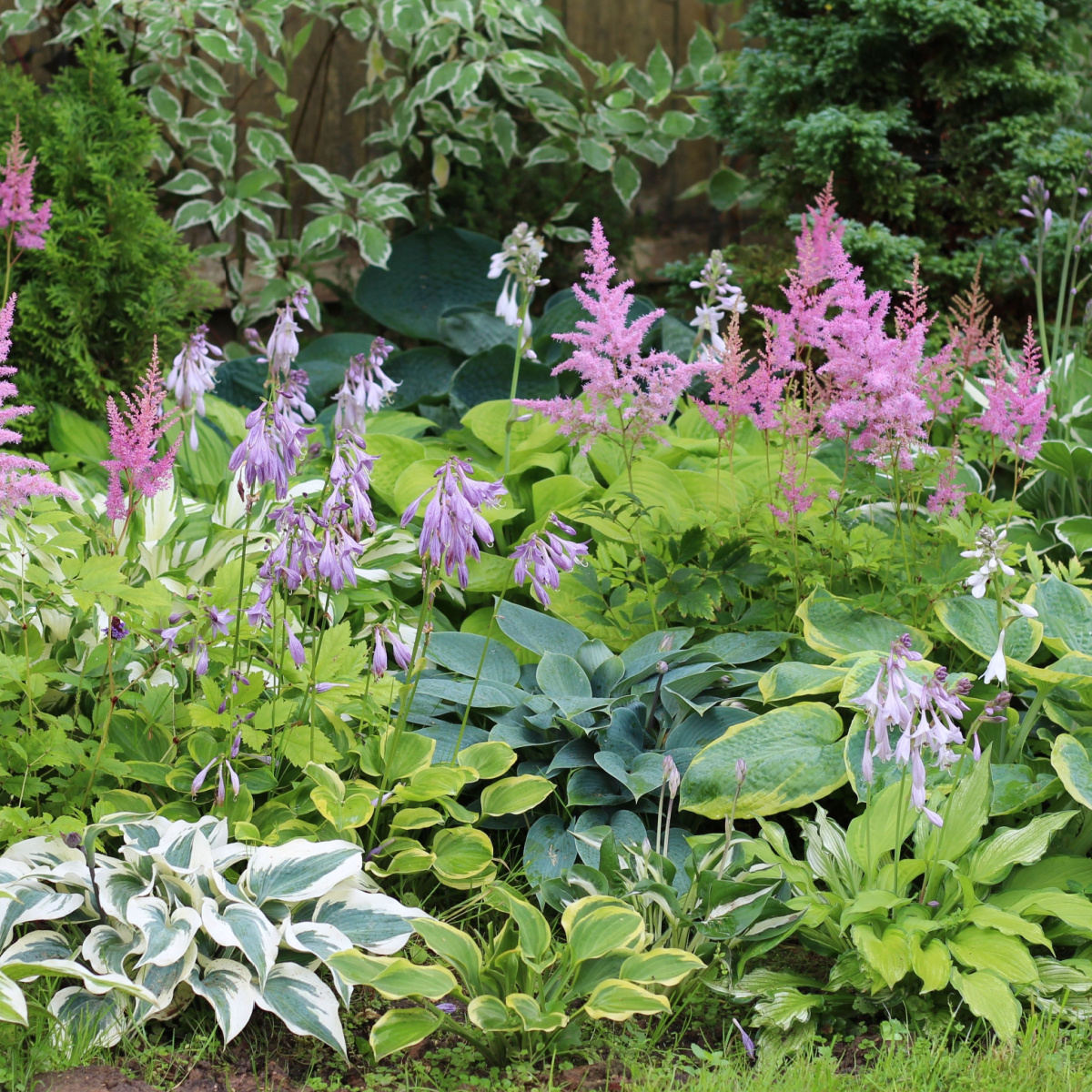
With their beautiful foliage, impressive range of colors, sizes, and textures, and easy-care nature, hostas can provide season-long beauty from spring right through fall. Unfortunately, all of that lush foliage also makes them one of the most attractive plants in the landscape to a wide variety of pests.
While hostas are famous for drawing in deer and rabbits, they are far from the only creatures that enjoy feasting on their leaves. Slugs, snails, grasshoppers, cutworms, and several other insects can quickly chew holes through foliage and leave plants looking ragged in just a matter of days. The good news? A few simple, all-natural strategies can help keep those pests away and your hostas healthy and beautiful all season long.
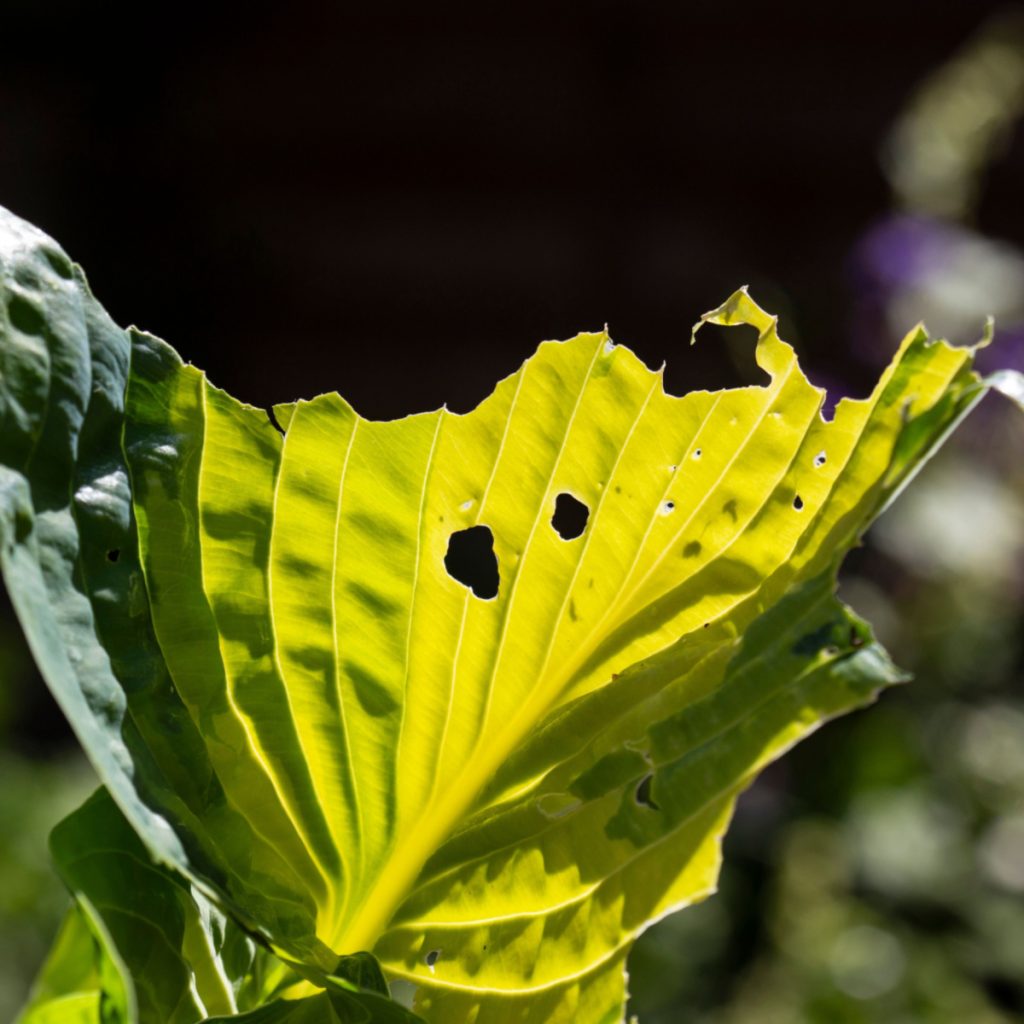
Summer Hosta Care - How To Keep Hostas Safe
When it comes to keeping hostas looking good, it’s best to start treating plants as soon as you first notice any damage. The longer you wait, the bigger your pest problem can quickly become. This is especially the case when you are dealing with insects that tend to reproduce rapidly during the summer months.
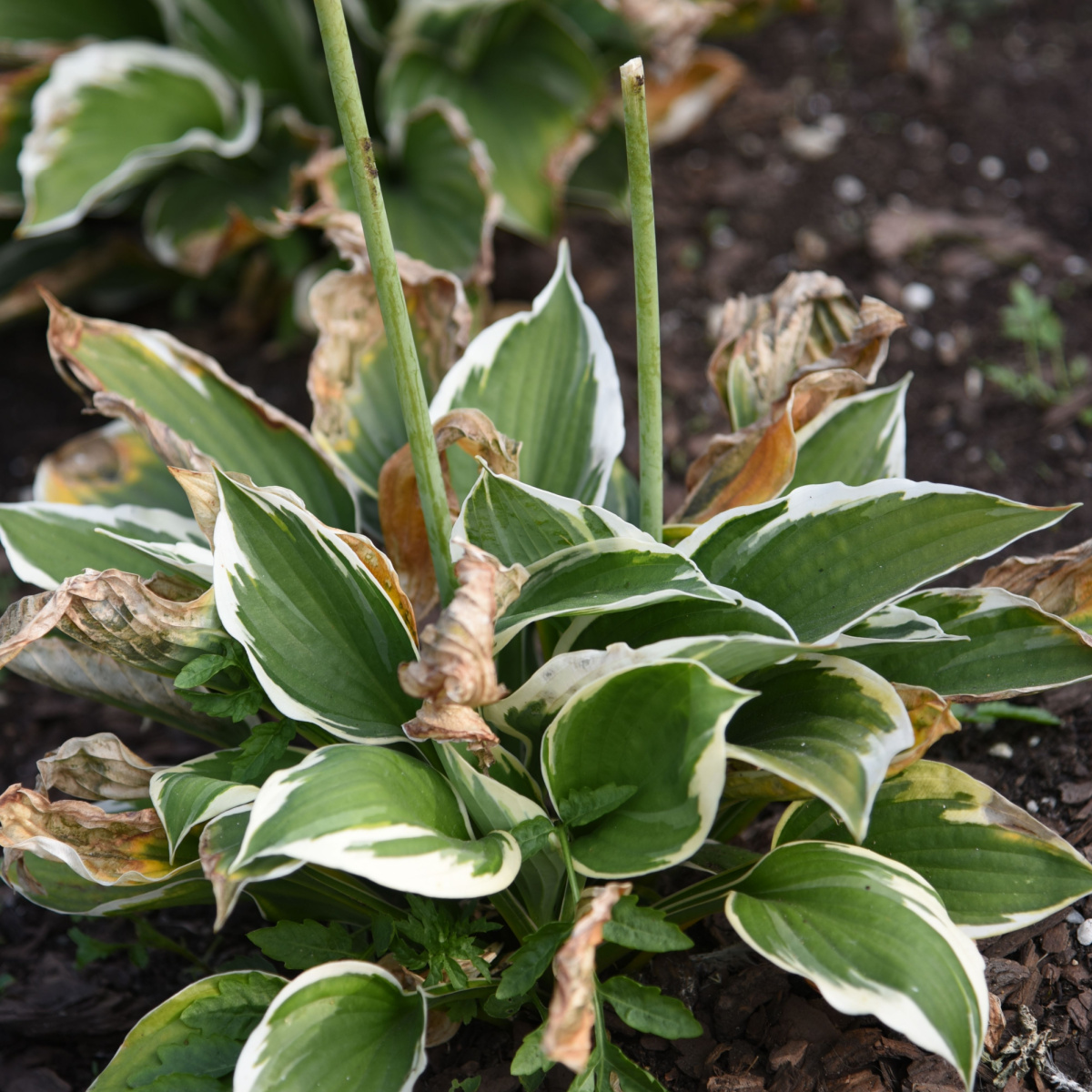
With chewing insects, you will often see holes in the leaves. On the other hand, if the leaves are almost completely gone, you are likely looking at deer or rabbit damage. Wilted plants or foliage that is weak and doesn’t grow well is likely the result of an underground pest.
Depending on what pest or insect you are dealing with will determine what course of action you take below. Let’s first take a look at hot pepper spray, which is one of the best natural ways to keep the foliage of your hostas looking great from deer, rabbits and other hungry animals!
Hot Pepper Spray - The First Line Of Defense
Making a homemade hot pepper spray works great for pests that eat the foliage. It is especially effective at preventing deer and rabbits from causing damage while not harming the plants themselves. You can also dump it around the root zone to discourage hungry voles.
The good news is that to make hot pepper spray, you need just four ingredients: water, hot pepper, garlic and olive oil or liquid dish soap.
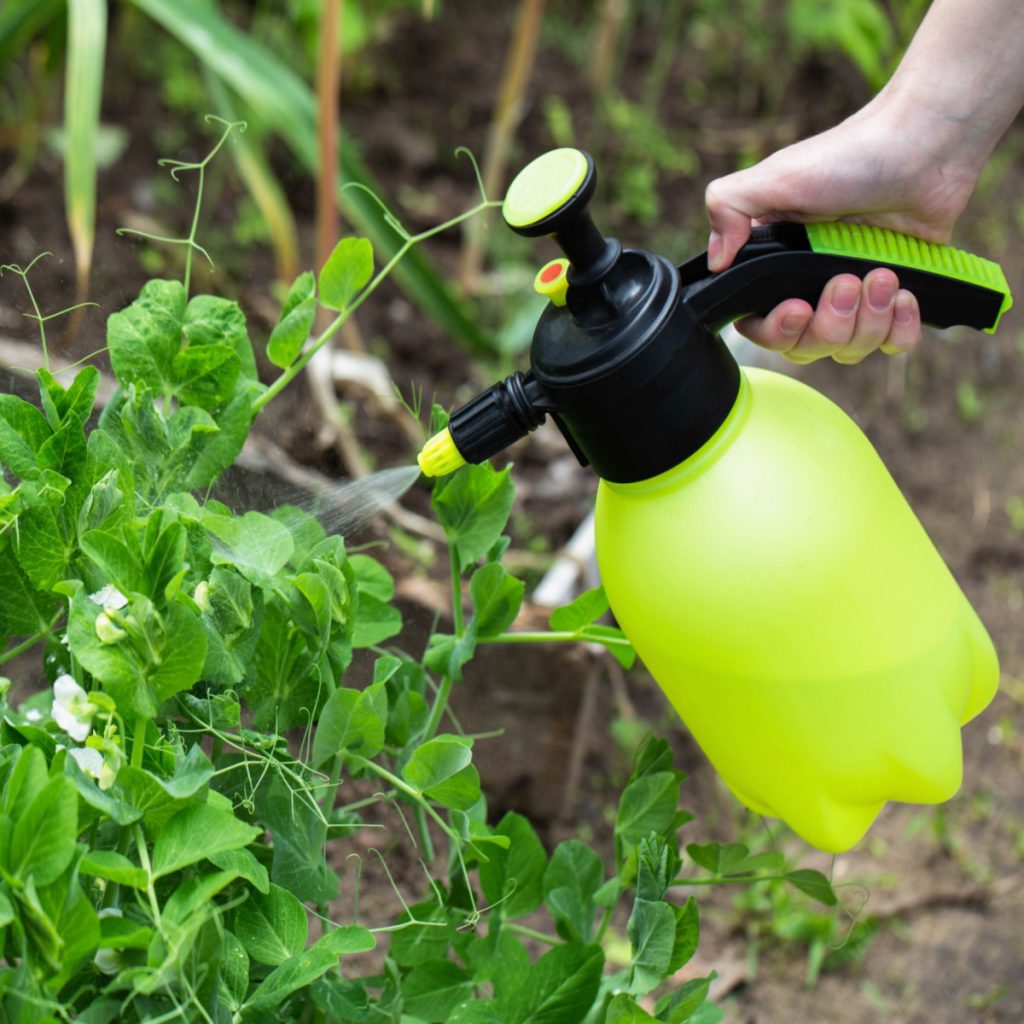
Making The Spray
Start by adding 5 to 6 chopped hot peppers and one half of a gallon of water to a large pan and bring it to a simmer. You can use any hot pepper such as cayenne, jalapeno or even habanero. If you don’t have fresh peppers, add in 3 tablespoons of hot pepper powder for this portion.
Next, add in 3 cloves of chopped garlic for extra heat and scent. Allow the mixture to simmer for about 15 minutes, stirring occasionally. Remove the mixture from the heat and allow it to seep for 24 hours. Then strain the solids from the liquid and add to a spray bottle. Product Link: Half Gallon Handheld Multi-Purpose Garden Pump Sprayer
To finish, add in a couple of drops of olive oil or liquid dish soap into the spray bottle before spraying. This will help the mixture cling to the foliage of the hostas for better protection.
Wearing gloves and eye protection, apply the solution to your hosta plants early in the morning or late at night. Reapply the solution every 3 to 5 days or after rain or hand watering. For more on this, see our article: The Perfect Homemade Hot Pepper Spray – A Simple & Natural Way To Protect Plants From Garden Pests!
Listen In To Our Latest Podcast Below!

Using Diatomaceous Earth (DE)
If you are having trouble with small insects eating your plants, DE is a great way to stop them! DE, otherwise known as Diatomaceous earth, is a superfine substance that you can use to organically eliminate pests of all kinds. It is essentially fossilized remains of tiny aquatic creatures. Affiliate Link: Harris Diatomaceous Earth Food Grade
The best part is that food-grade DE does not work by poisoning creatures so they do not need to consume your hosta plants in order to be effective. Instead, DE has razor-like edges that cut into the body of slugs, snails, aphids, and other insects and dries them out.
You can sprinkle DE directly onto the hostas themselves but it works better to create a path around your plants. When insects and pests travel across to get to your plants, they simply can’t make it there safely. Like the hot pepper spray, reapply DE after a moderate rain or watering of your flowerbeds.
Using Neem Oil - Another Great All Natural Defense For Hostas
Another great way to keep your hostas safe from insects is to use neem oil. This natural product is 100% organic and when used correctly, is safe for pollinators, your pets and your family. Affiliate Link: Neem Oil Spray for Plants (Makes 320 Fl Oz)- Pure Cold Pressed Neem Oil | Indoor & Outdoor
You can purchase neem oil ready-to-use or you can create a simple spray using concentrated neem oil. All it takes is water and a few drops of liquid dish soap. Be sure to read the label to know exactly how to mix your specific solution. Once ready, you can spray neem oil all over your hosta plants.

It works to control insects in three unique ways. First, it eliminates many immature insects, eggs, and larvae immediately upon contact. Second, it also interferes with older insect’s ability to mate and reproduce. But it also keeps insects from eating the leaves that have been sprayed.
It might take a couple of applications, but in just a week or two, with neem oil, you will be able to keep your hostas safe from insects.
Here’s to keeping your hostas safe from damage this summer. And to keeping your hostas looking great right up until the first frost!
This Is My Garden
Follow Our Facebook Page For Great Gardening Tips And Advice! This Is My Garden Facebook Page
This Is My Garden is a garden website created by gardeners, for gardeners. Jim and Mary Competti have been writing gardening, DIY and recipe articles and books and speaking for over 15 years from their 46 acre Ohio farm. They publish three articles every week, 52 weeks a year. Sign up today to follow via email, or follow along!

More Hosta
- How To Divide Overgrown Hostas - And Why Late Summer Is The Perfect Time To Do It!
- What To Do With Hostas In Late Fall - 3 Must Do Chores As Hostas Die Back!
- Late Summer Hosta Care – How To Keep Hostas Strong For Fall & Next Year!
- 3 Popular Perennials You Can Divide In The Middle Of Summer - And Create More Plants For Free!