2 Simple Tricks That Work Wonders To Protect Bird Feeders From Squirrels!
Want to protect your bird feeders this fall and winter from squirrels - and save all of the birdseed for the birds?
Few things are more frustrating than filling a feeder in the morning only to find it empty a few hours later. Especially when the culprit is a squirrel that has spent the day helping itself while the birds wait nearby for a chance to eat.
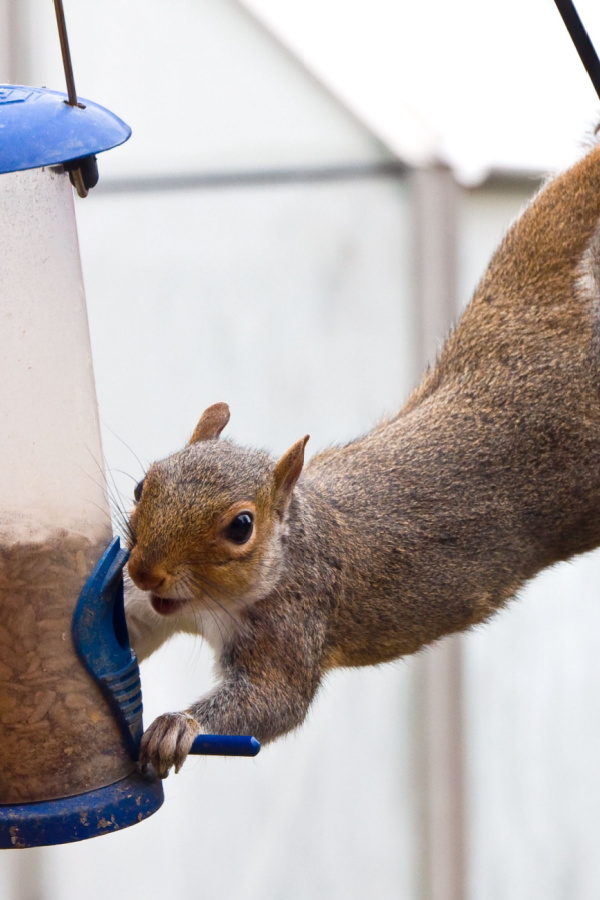
Once squirrels discover an easy meal, they rarely give it up willingly. They climb poles, leap from branches, and even chew through feeder parts to reach the seed inside. As temperatures drop, a well-stocked feeder can quickly become a regular stop on their daily search for food.
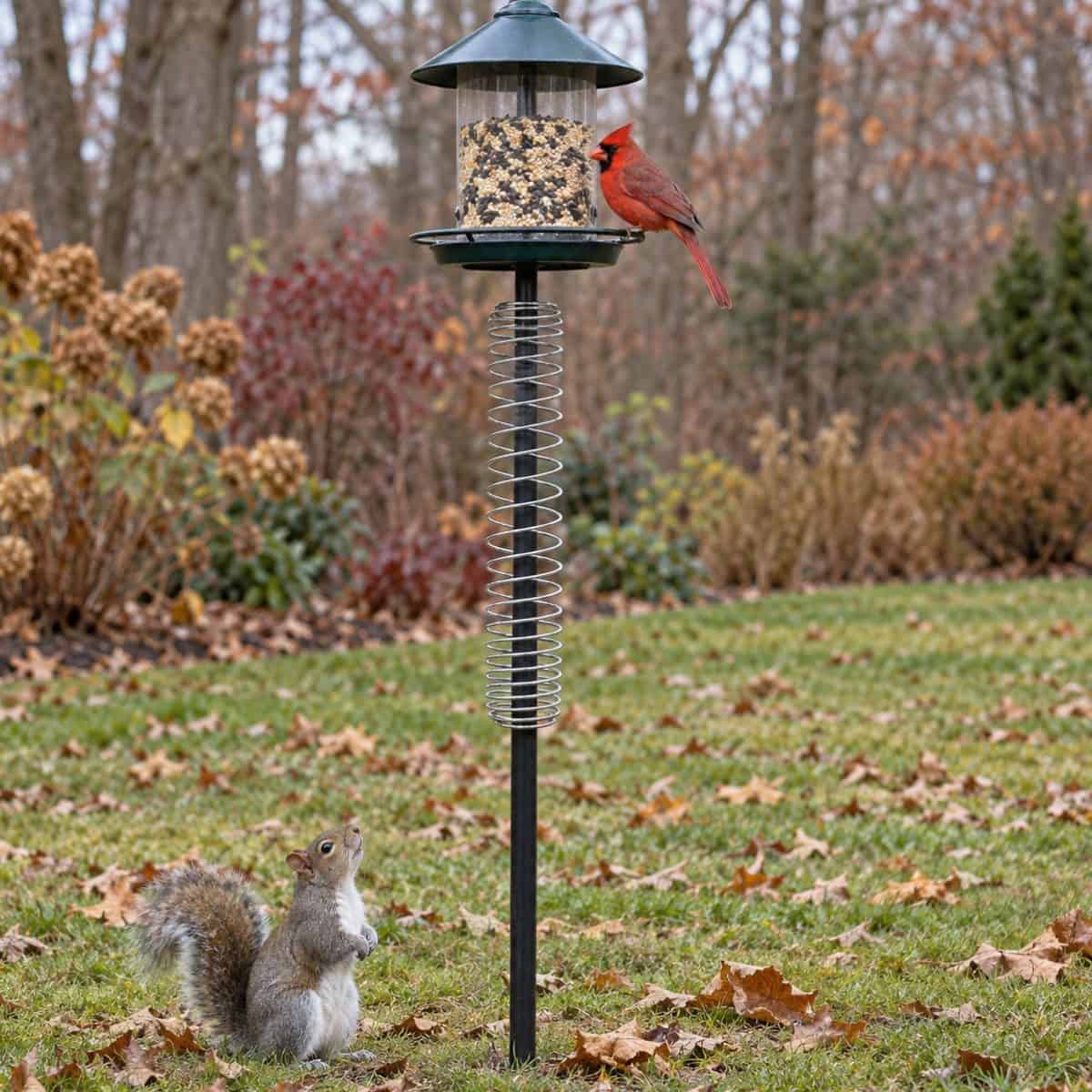
But two simple tricks can help turn the tables. The first uses an ordinary Slinky to make climbing the feeder pole more difficult. The second uses hot pepper to make birdseed less appealing to squirrels. And when you combine them with proper feeder placement, you can greatly reduce those unwanted visits!
How To Protect Bird Feeders From Squirrels!
Why Feeder Placement Comes First
Before adding anything to your feeder, take a few minutes to look at its location. Even a good climbing barrier cannot help if a squirrel can simply jump onto the feeder from somewhere else.
Tree limbs, deck railings, fences, sheds, and outdoor furniture can all provide convenient launching pads. A feeder hanging beside a tree trunk might be easy to fill, but it also gives squirrels a short route to their next meal.
Whenever possible, place your feeding station on a freestanding metal pole with plenty of open space around it. Aim for about ten feet of horizontal clearance from branches and other jumping points. Pay attention to overhead limbs as well.
Keep the feeding ports roughly five to six feet above the ground, while still allowing yourself to reach them safely for cleaning and filling. Nearby shrubs can provide birds with shelter, but they should not create a bridge around your squirrel barrier.
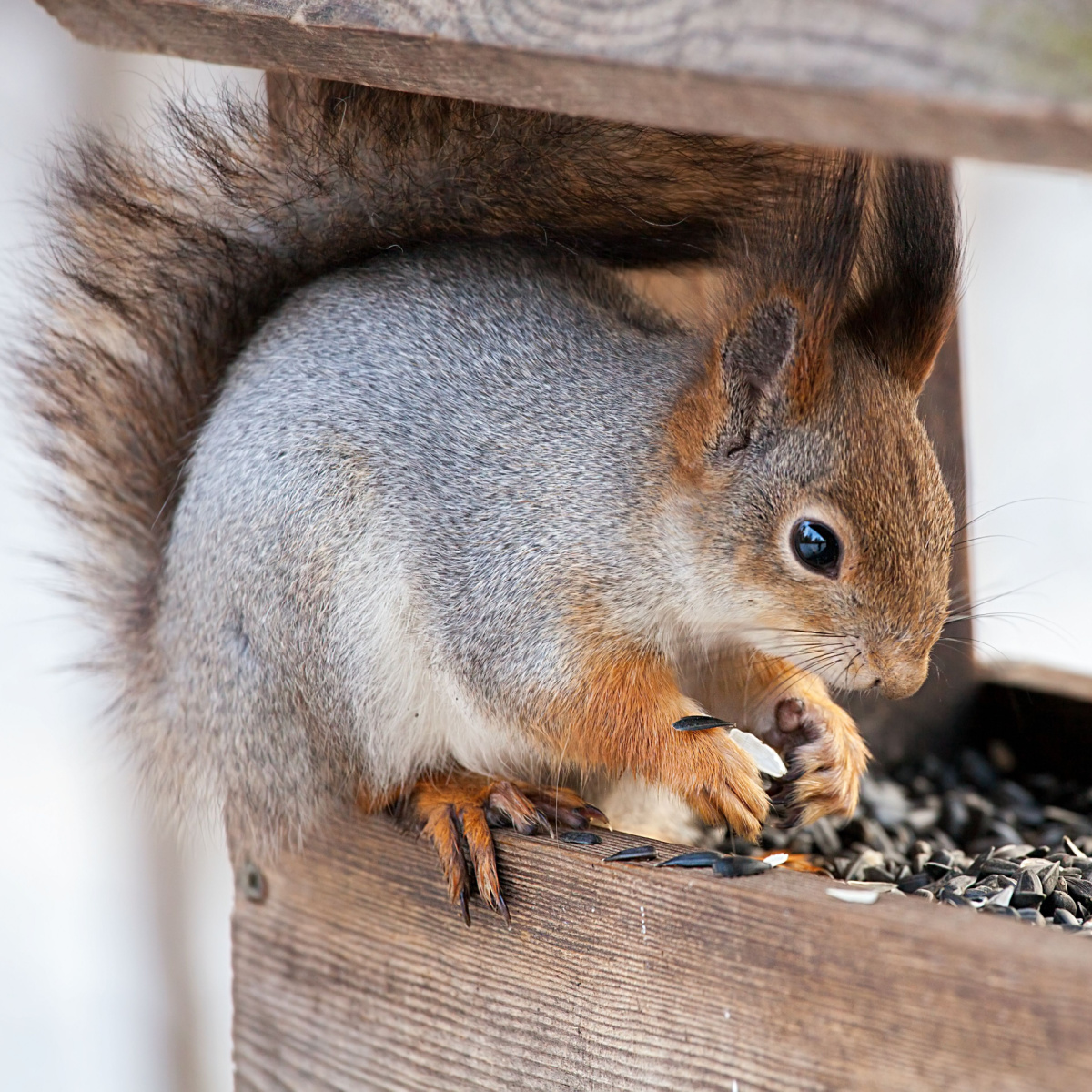
The goal is to make the pole the main route to the feeder. Once you do that, a few simple tricks can really help defend your bird feeders!
Trick #1 - How A Slinky Around The Pole Can Protect Bird Feeders From Squirrels
That familiar spring toy can do more than walk down stairs. Installed around a feeder pole, a Slinky creates a moving obstacle that can frustrate squirrels trying to climb up to the seed.
Instead of finding a solid climbing surface, a squirrel encounters loose coils that stretch and move under its weight. The spring can extend downward as the squirrel grabs it, making upward progress difficult. Affiliate Link: Playbees Metal Slinky Toy 4 Pack, Mini 2-Inch, Slinky for Bird Feeder Pole
This works best on a simple, freestanding pole that fits easily through the center of the spring. The coils need room to move without catching on brackets, bolts, or decorative pieces.
A Slinky is an inexpensive trick worth trying, but it is not a guaranteed squirrel-proof system. Some squirrels learn to climb inside the coils or bypass them. Watch what happens during the first few days so you can see whether your setup needs adjusting.
Listen To Our Garden Podcast Below!

How To Install A Slinky On Your Feeder Pole
Start by taking down the feeder and checking how the pole comes apart. On many feeding stations, you can remove the upper hook assembly or separate a section of pole, allowing you to slide the Slinky over the exposed end.
Guide the pole through the center of the Slinky. Avoid stretching the spring sideways or forcing it around a wide bracket, which can bend the coils and keep them from moving freely.
Secure the top end of the spring near the upper portion of the pole, below the feeder hooks. A suitable clamp or sturdy outdoor cable ties can hold the upper coils in place. Keep the attachment neat, with no sharp ends sticking out.
Leave the bottom end unattached so the spring can extend and rebound. Do not fasten both ends tightly to the pole - the movement is what makes this trick useful.
Before replacing the feeder, gently pull the lower coils downward and release them. They should move freely without snagging. Position the spring so its lower end hangs above the ground rather than resting in leaves or soil.
Trick #2 - Use Hot Pepper To Discourage Seed Stealing
Another great way to protect your bird feeders from squirrels is with hot peppers. Hot peppers contain capsaicin, the compound responsible for their burning sensation. Squirrels feel that heat, which can make treated birdseed much less appealing.
Birds do not experience capsaicin’s burning sensation the way mammals do. That difference is why specially formulated hot pepper birdseed can discourage squirrels while birds continue visiting the feeder.
Crushed hot pepper flakes are a familiar homemade approach, but they have a drawback: loose flakes do not coat seed evenly. They can separate from the mix, leaving plenty of untreated seed for squirrels to select.
For more consistent coverage, choose commercially prepared hot pepper birdseed or an additive specifically labeled for wild bird food. Follow the package directions rather than guessing how much to add. Affiliate Link: Wild Delight Advanced Formula Squirrel Away Zero Waste Wild Bird Food 5 lb
This trick works best as another layer of protection. Making the food less attractive helps, but preventing squirrels from reaching it in the first place remains important.
Keep The Ground Beneath Feeders Clean
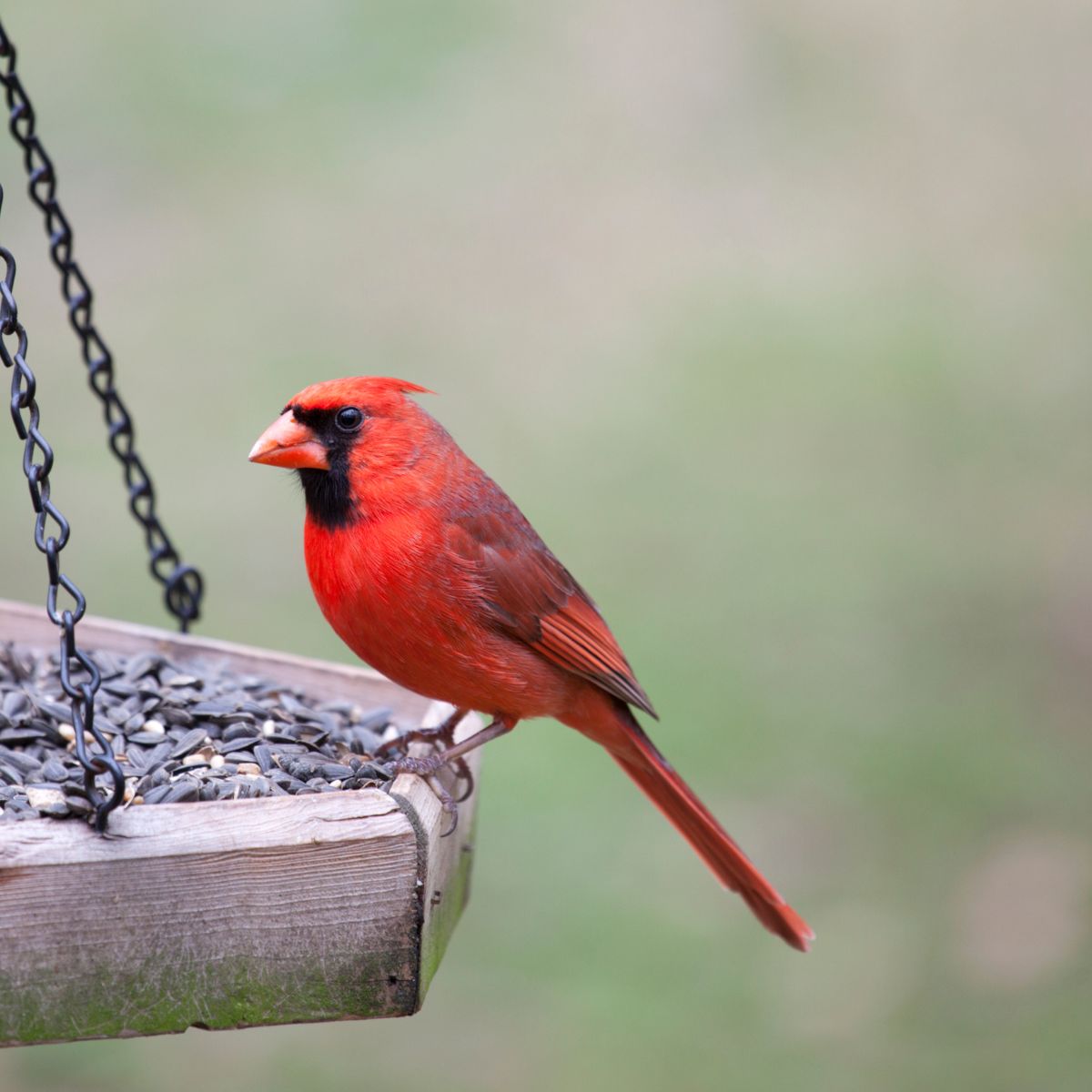
Even a well-protected feeder can attract squirrels if the ground underneath is covered with seed. Once they find food below, they have a reason to keep returning and testing the feeder above.
Clean up spilled seed and discarded hulls regularly. A manageable amount of fresh seed is easier to maintain than a feeder overflowing onto the ground.
Shelled sunflower hearts can reduce hull buildup, although birds may still drop pieces. If you use a catch tray, keep it clean and check that it does not create a convenient platform for squirrels.
Remove damp or moldy seed promptly, and clean feeders regularly. During winter, check that snow and ice have not blocked feeding ports or stopped the spring from moving.
With good feeder placement, a freely moving Slinky, and properly prepared hot pepper seed, you can make your feeding station far less inviting to squirrels - and keep more of that seed available for the birds all fall and winter long!
For more on squirrel control, be sure to check out our article: 4 Secrets To Keep Fall Planted Bulbs Safe From Squirrels & Chipmunks!
This Is My Garden
Follow Our Facebook Page For Great Gardening Tips And Advice! This Is My Garden Facebook Page
This Is My Garden is a garden website created by gardeners, for gardeners. Jim and Mary Competti have been writing gardening, DIY and recipe articles and books and speaking for over 15 years from their 46 acre Ohio farm. They publish three articles every week, 52 weeks a year. Sign up today to follow via email, or follow along!

More Pests
- How To Use Cinnamon To Keep Mice Out Of Your Garage, Sheds & More This Fall & Winter!
- How To Stop Mice Before They Get Inside This Fall – 2 Simple Tricks That Work!
- The Best Way To Stop Squash Bugs In Late Summer - Get Rid Of Squash Bugs Now & Next Year Too!
- Summer Hosta Care - How To Keep Hostas Safe From Insects, Rabbits, Deer & More!