3 Things You Should Never Do To Lavender Plants In November
When it comes to caring for lavender in November - what you don’t do can be just as important as what you do. Especially when it comes to pruning, fertilizing and protecting plants before winter arrives!
Lavender is a favorite for its fragrant flowers, beautiful silvery foliage and ability to attract pollinators. But once its summer blooms disappear and colder weather settles in, it can leave gardeners wondering exactly how to care for it.
Should you cut it back like other perennials? Give it fertilizer to strengthen its roots? Cover it with a thick blanket of leaves to keep it warm?
Although all three might sound helpful, they can actually create problems when done at the wrong time or in the wrong way.
Lavender has different needs than many traditional flowerbed plants. It thrives in sunshine, lean soil and excellent drainage. And as winter approaches, it needs time to settle into dormancy without being pushed into fresh growth or surrounded by excess moisture.
3 Chores To Avoid With Lavender In Novembers
1. Never Give Lavender A Hard Pruning In November
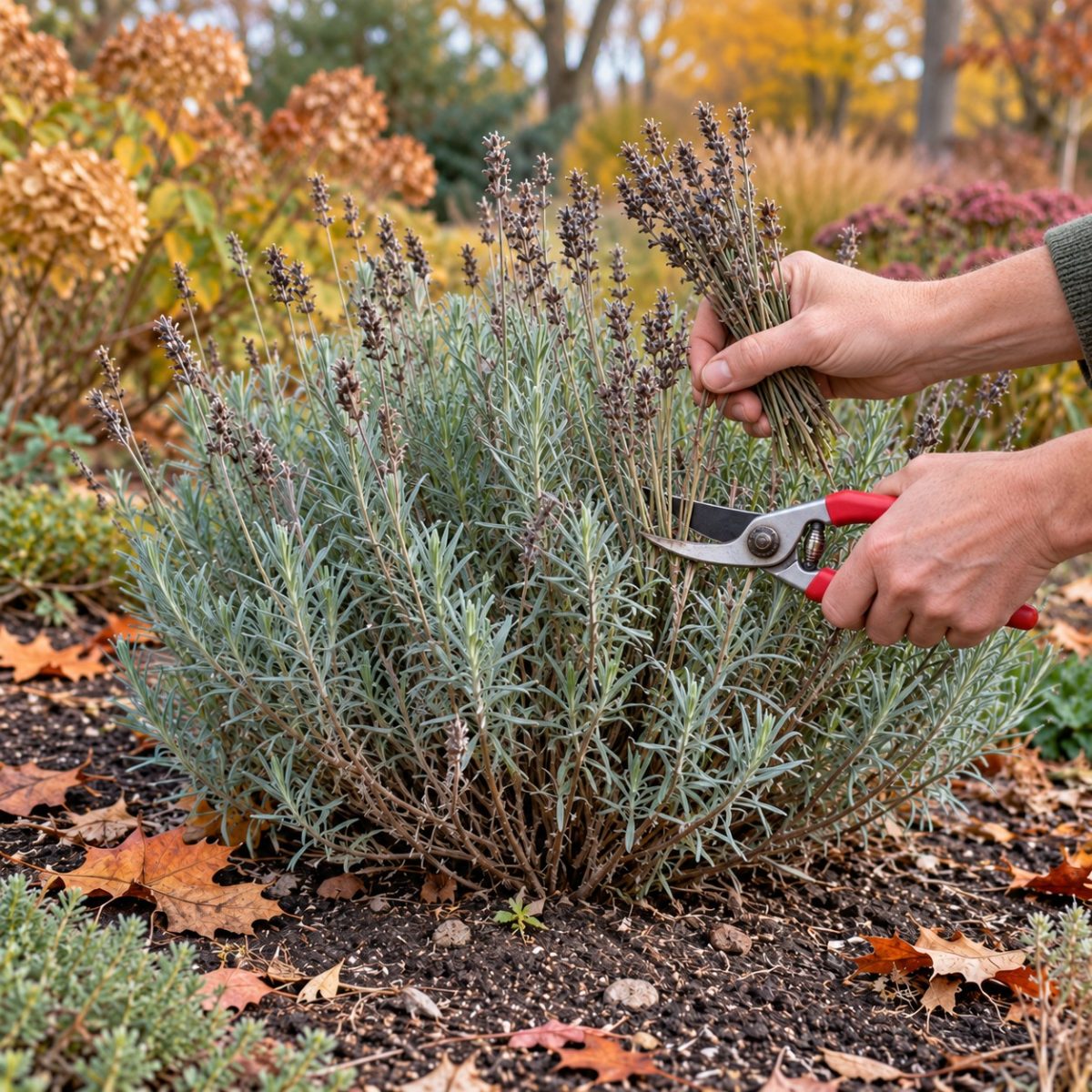
One of the biggest mistakes gardeners make is cutting lavender back hard during their fall flowerbed cleanup.
It is easy to understand why. As other perennials turn brown and collapse, cutting everything back can make a bed look neat and ready for winter. But lavender should not receive the same treatment as plants that die completely back to the ground.
Lavender is a woody subshrub. Its older stems form a permanent framework, with leafy growth developing above and around them. Cutting that framework down severely can leave the plant struggling to recover.

Even during the growing season, lavender often fails to regrow well from bare, old wood. In late fall, there is the added problem of having little time left for recovery before freezing weather arrives.
A heavy trim during a warm spell may also encourage tender growth that has not had time to harden off. That new growth is more vulnerable when temperatures suddenly drop.
Leave The Leafy Framework In Place
For lavender growing outdoors in cold-winter regions, leave the healthy leafy stems standing through November and winter.
The plant may look less tidy than it did during summer, but that does not mean it needs a haircut. Some fading foliage and a few remaining dried flower stalks are normal at this time of year.
There is no need to remove every spent bloom before winter. If you do snip off a stray flower stalk, keep the cut light and above the leafy growth. Save major shaping for the appropriate pruning season.
Listen In To Our Garden Podcast Below!

Wait For Spring Growth Before Pruning
In colder climates, spring is the best time to evaluate your lavender and decide what needs pruning.
Be patient and wait until new growth begins to appear. Lavender can look dull, gray and lifeless before it wakes up, and pruning too early makes it easier to mistake living stems for dead ones.
Once growth is visible, remove winter-damaged portions and shape the plant while keeping healthy leafy growth below your cuts.
The exact pruning schedule varies with lavender type and climate. But for a lavender plant heading into November and upcoming freezing weather, late fall is the time to put away the shears and leave its healthy framework alone. See our article: How To Prune Lavender In The Spring - And Get Bigger Blooms This Year!
2. Never Fertilize Lavender To “Feed It For Winter”
Another common mistake is giving lavender a late-season feeding in hopes of helping it survive winter. Lavender generally performs best without rich soil or heavy feeding. Adding fertilizer when growth is slowing does not automatically create a stronger plant.
Too much fertilizer, especially nitrogen, can encourage leafy growth at the expense of flowers. Excessive feeding can also produce soft growth that is more vulnerable to cold injury.

Late fall is a particularly poor time to encourage that response. Your lavender should be slowing down and adjusting to shorter days and colder temperatures.
Skip The Extra-Rich Soil Treatments
Avoid applying high-nitrogen plant food or concentrated liquid feeds around lavender in late fall.
The same restraint applies to heavy applications of manure or rich compost. Although compost is useful in many garden situations, lavender does not need its crown buried beneath a fresh mound of it.
Repeatedly building up material around the base can also trap moisture against the stems. That creates another problem for a plant that needs good drainage.
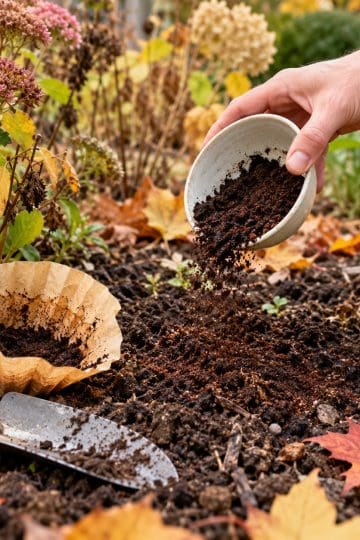
This is also not the time to empty coffee grounds or other concentrated kitchen scraps around its roots. Put those materials into a compost pile where they can break down properly.
3. Never Leave Lavender Sitting In Wet Soil Or Under Soggy Mulch
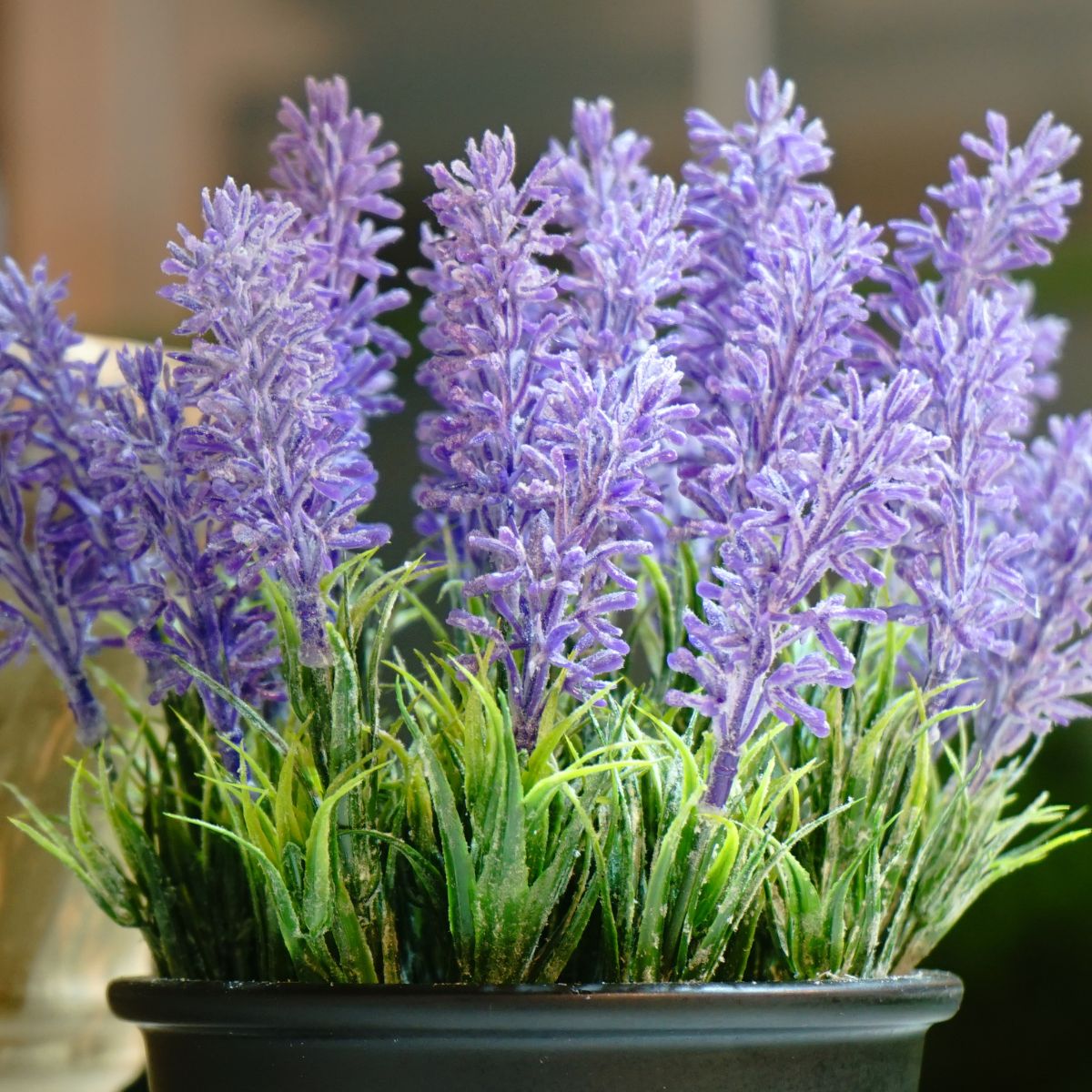
Last but not least, be careful when mulching around lavender in November. Lavender roots need oxygen as well as moisture. When soil stays saturated, roots struggle and become more vulnerable to rot.
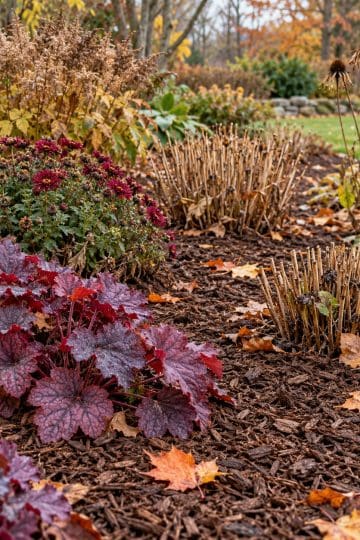
The crown, where the stems meet the roots, also needs protection from prolonged dampness. Packing wet leaves or heavy mulch tightly around that area can hold moisture exactly where you do not want it.
A thick blanket that works well around another perennial may be a poor fit for lavender.
Clear Away Matted Leaves
As leaves fall, check whether they are collecting inside and around your lavender plants. A few loose leaves are not a reason for concern. A dense, wet mat pressed against the crown is different.
Gently remove those accumulations by hand. Take care around the woody stems, which can split or break if pulled aggressively with a rake.
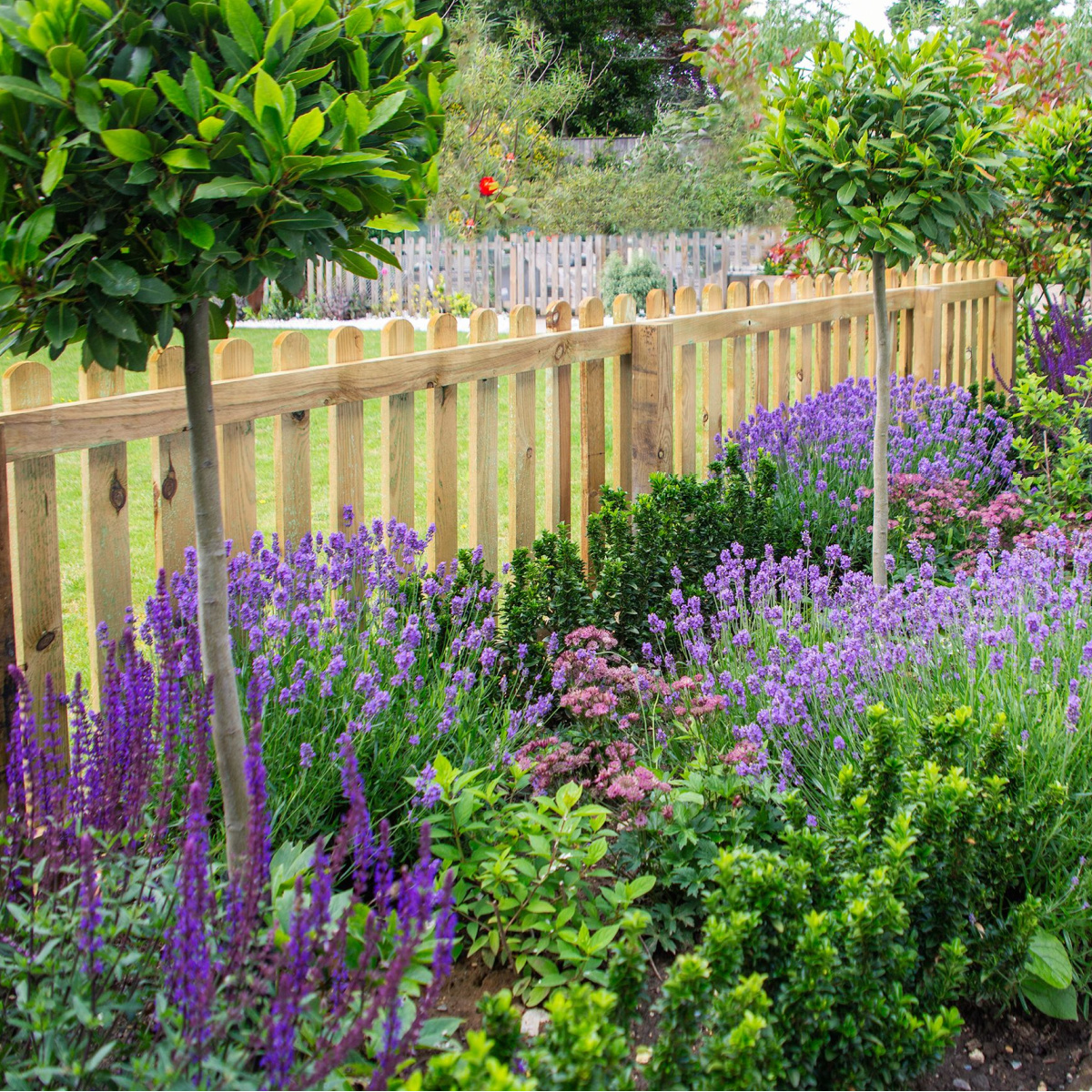
Keep nearby plants and garden debris from collapsing over the lavender as well. An open, airy plant is less likely to remain damp for long periods after rain or melting snow.
Know Which Lavender You Are Growing
Before winter arrives, check the plant tag or variety name if you have it.
English lavender varieties are generally more cold tolerant than Spanish lavender and many types sold as French lavender. A tender lavender cannot be made reliably winter hardy simply by adding more mulch.
If your variety is not hardy where you live, move the container to a suitable protected location before damaging freezes arrive. Choose a bright, cool, frost-free space and water sparingly according to soil moisture.
Container-grown lavender needs extra care. Make sure drainage holes remain open and remove saucers that collect rainwater. A pot sitting in water can become saturated even when the surrounding garden drains well.
Remember that roots in containers are more exposed to cold than roots in the ground. A lavender variety that survives in your garden may need additional protection when grown in a pot. Here is to keeping your lavender safe this November - and all winter long!
This Is My Garden
Follow Our Facebook Page For Great Gardening Tips And Advice! This Is My Garden Facebook Page
This Is My Garden is a garden website created by gardeners, for gardeners. Jim and Mary Competti have been writing gardening, DIY and recipe articles and books and speaking for over 15 years from their 46 acre Ohio farm. They publish three articles every week, 52 weeks a year. Sign up today to follow via email, or follow along!

More Fall Garden And Landscape
- 3 Easy Ways To Use Coffee Grounds This Fall To Recharge The Soil In Your Flowerbeds & Garden!
- 5 Perennials You Need To Mulch In November – Before Winter Arrives!
- How To Put Falling Pine Needles To Good Use This Fall!
- How To Attract More Cardinals To Your Feeders This Fall & Winter - What Cardinals Love To Eat!