3 Great Things To Do With Your Coffee Grounds In December - Help Next Year's Garden Now!
Wondering what you can do with your morning coffee grounds now that it's December?
Even with the vegetable garden put to bed and the hoses rolled up for the year, there are still a few great ways to put those grounds to work to help your soil for next year! December weather has a lot to do with which one makes the most sense.
The great thing about using coffee grounds in December is that you can use a little at a time. One morning's worth might go into the compost pile. A few days later, you might scatter a small handful over an empty raised bed. And when a stretch of cold weather settles in, you can start freezing what you save for spring!
What To Do With Coffee Grounds In December
Use Coffee Grounds To Help Keep Your Compost Pile Working
A compost pile can surprise you in December. The outside might be frosty first thing in the morning, but pull back the top layer and you may find that the center is still soft and warm. As long as the pile is active and you can work the grounds into it, keep adding them.
Used coffee grounds count as a green ingredient in a compost pile because they supply nitrogen. That comes in handy in December, when there's usually plenty of dry material around, such as fallen leaves, straw and shredded cardboard.
The microbes breaking down those materials need nitrogen, too. They generate heat as they work, and adding coffee grounds as part of a balanced mix can help an active pile keep producing some warmth. The grounds also contribute nutrients to the compost as they break down.
Using Coffee Grounds In December In A Compost Pile
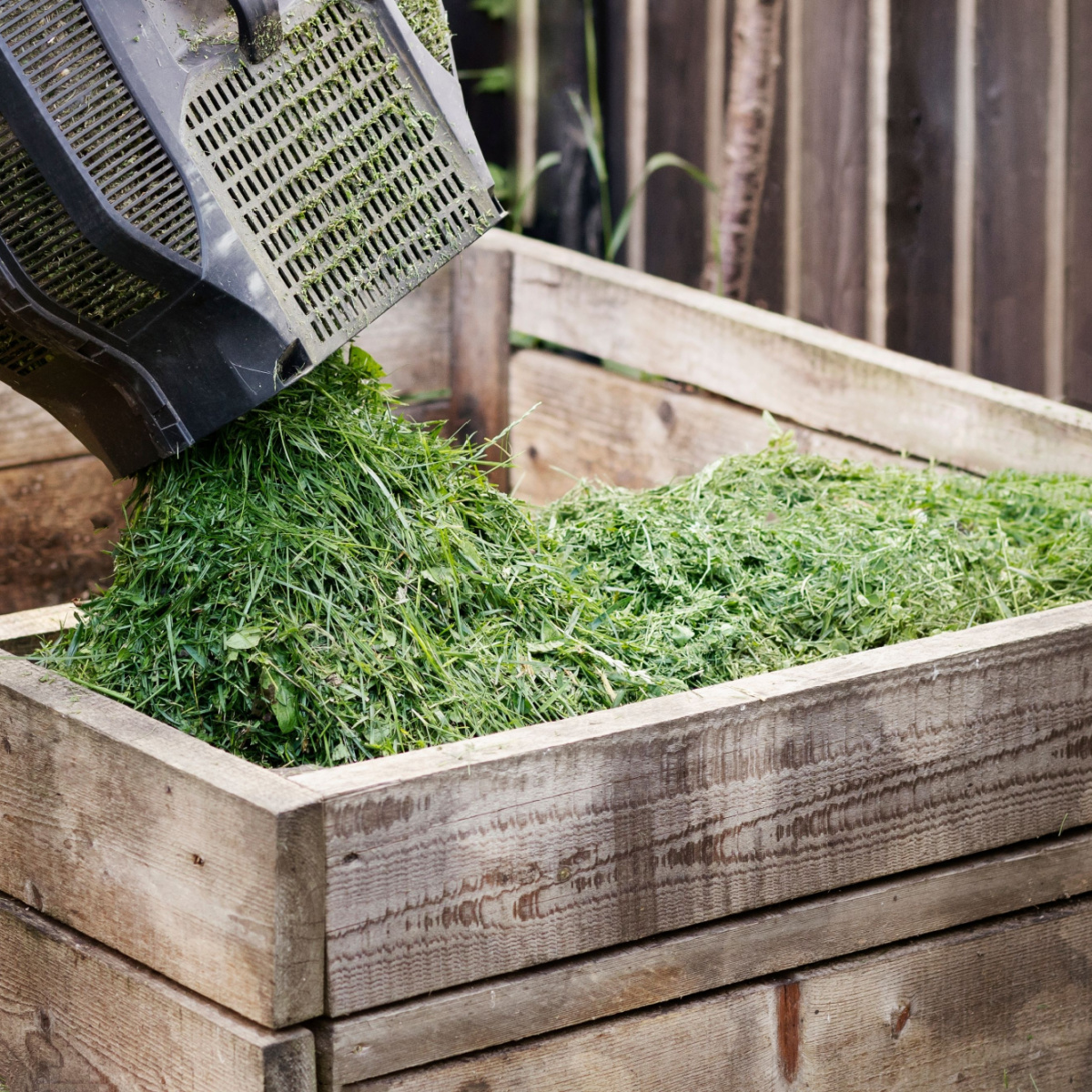
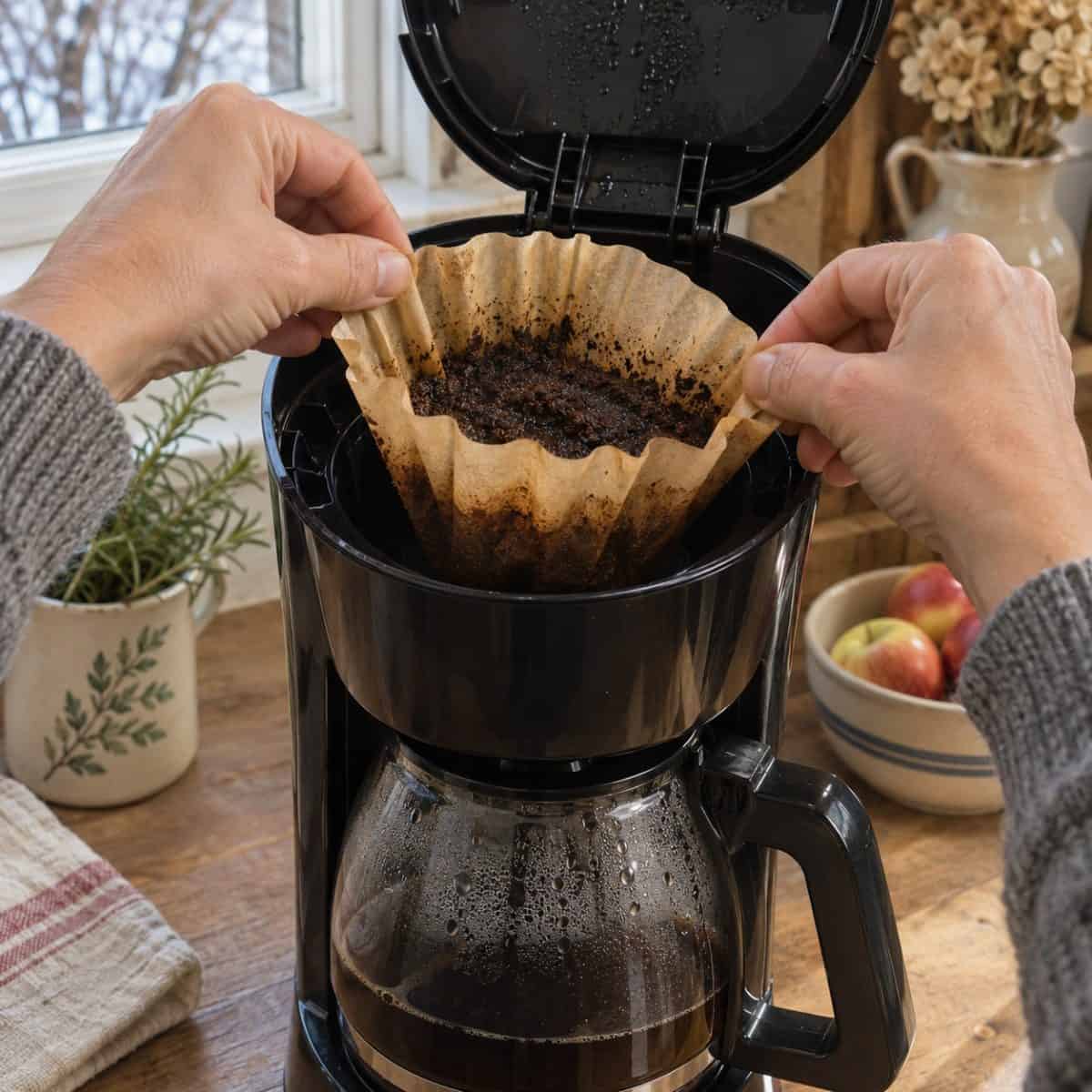
To use, open up a small spot in the pile, sprinkle them in and mix them with a few handfuls of shredded leaves or plain shredded cardboard. Pull some of the surrounding material back over the opening. If you brew with a plain paper filter, tear it into a few pieces and add it along with the grounds.
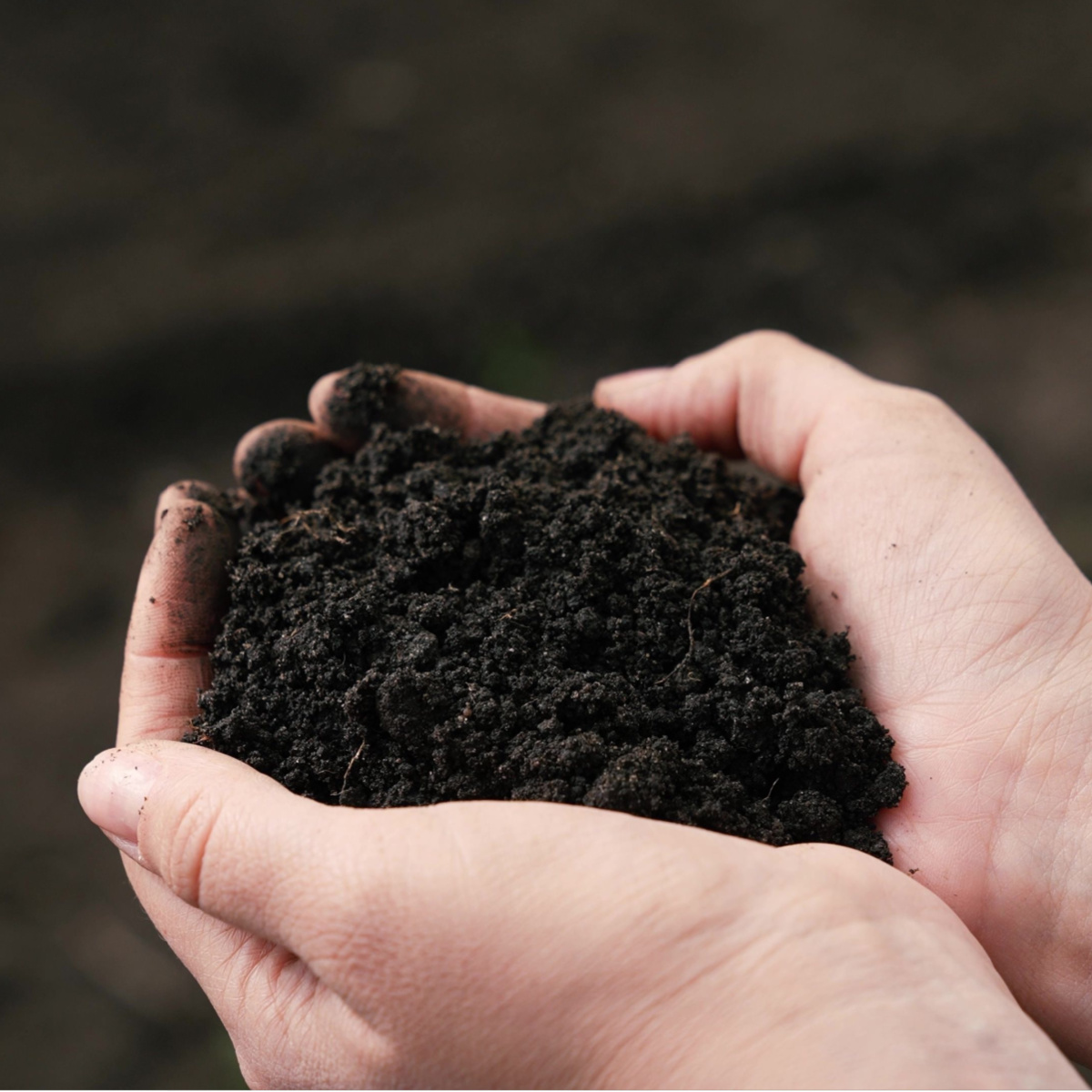
It's worth keeping a bag of dry leaves under cover near the compost bin. When the leaves out in the yard are wet or frozen together, you've still got something dry and loose to mix with each batch of grounds.
Keep coffee grounds to no more than about one-fifth of the pile by volume. A pot's worth of grounds is easy to scatter, but several days' worth can turn into one wet clump.
Break up those clumps as you add them so air can still move through the pile. And once the center freezes and you can no longer mix anything in, switch to saving your grounds in the freezer until the pile thaws.
2. Recharge Uncovered Raised Beds With A Light Application
Using light applications of coffee grounds directly in raised beds is perfect for most gardeners in December. The beds are empty and uncovered and the top layer of soil is still workable in many locations.
Even after a frosty morning, you can sometimes find a window on a sunny afternoon when the surface has thawed enough to rake. The way to do it is to take a small handful of cooled, used grounds and scatter it widely over an empty bed.
Break up any clumps with your fingers as you go. You should still see plenty of soil between the specks of coffee. Then make a quick pass with a hand rake to mix the grounds into the very top of the soil. There's no need to turn the whole bed over.
Listen To Our Garden Podcast Below
A light application adds a little organic matter and nutrients as the grounds break down. The trick is keeping the amount light, especially if you make coffee every day. It's easy to start with a small sprinkle and end up with a dark patch after emptying the filter into the same corner for a few weeks.

Use Lightly
Move around your beds as you go, and once you've lightly treated an area, send the next batch to the compost pile or freezer.
It's also worth thinking about what you'll plant in each bed next spring. Used coffee grounds still contain compounds that can interfere with germination when too much builds up in the soil.
Keep applications particularly light and skip the rows where you plan to sow early crops such as carrots or lettuce. The same goes for beds with garlic already coming up or winter greens still growing. Save your grounds for an empty stretch of soil where you can spread them out.
Take a handful of soil before you start. If it crumbles easily, it's a good day to work. If it sticks together in a wet lump or comes up in frozen chunks, give it another day. One of the nice things about this little December chore is that you can do it whenever conditions are right. There will always be another pot of coffee!
3. Start Freezing Coffee Grounds In December For Spring
December is the perfect time to start saving coffee grounds for spring, especially if you're already waking up to frozen beds or a compost pile you can't get into. A little freezer space is all you need.
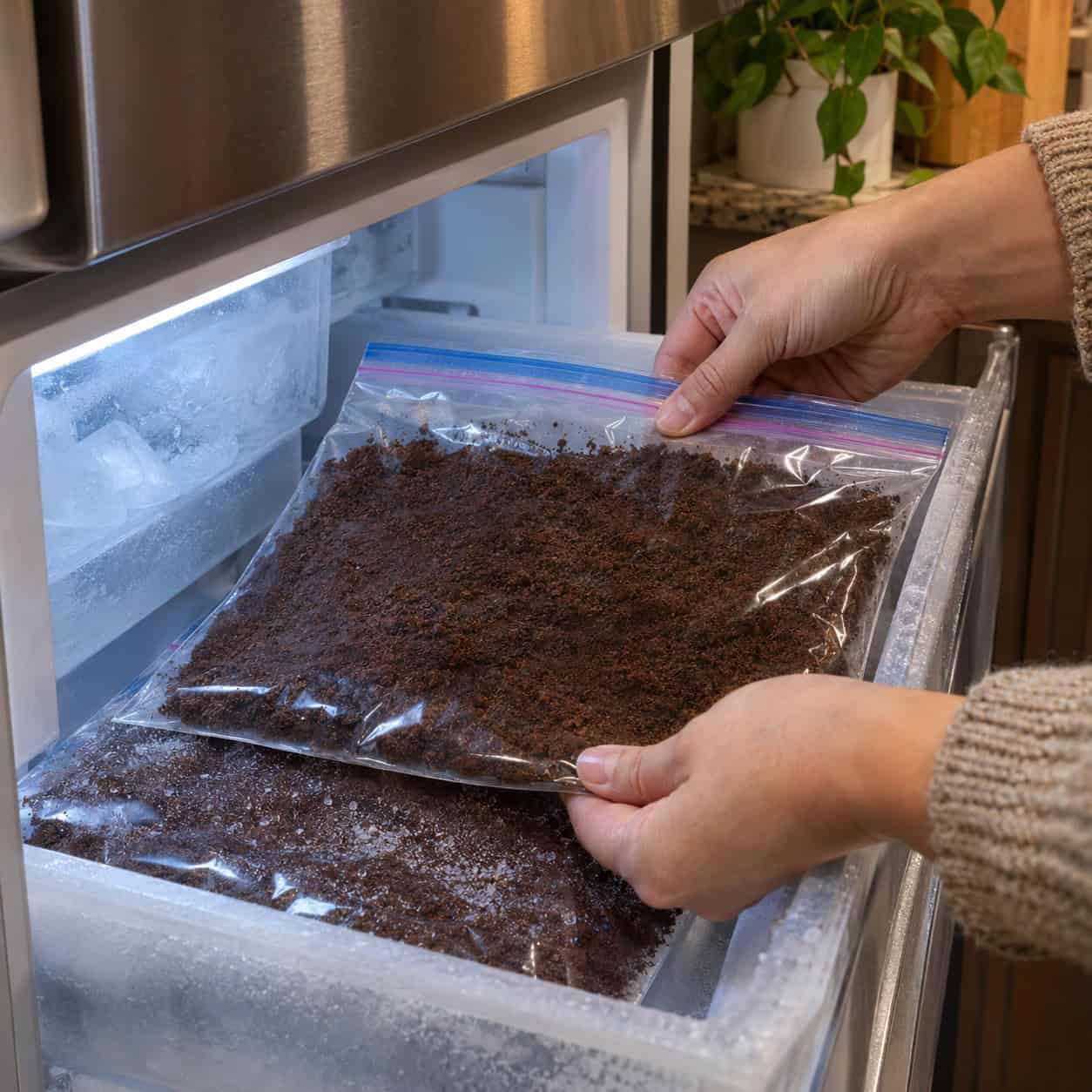
It also takes care of the biggest problem with saving used grounds indoors. Damp grounds sitting at room temperature can grow mold, especially when you keep adding another warm batch to the container. See our article: 2 Easy Ways To Save Coffee Grounds In The Winter - Without Molding!
After brewing, let the grounds cool and give any extra water a chance to drain out of the filter. Then spoon them into a freezer bag or a small freezer-safe container with a lid. Label it for the garden and pop it in the freezer.
Each morning, add the next cooled batch and put the container right back. The grounds can go in damp. As long as they stay frozen, mold won't grow on them.
Freeze Your Grounds Flat
If you use freezer bags, press the grounds flat before they freeze solid. A thin bag takes up less room, and you can break off a piece when you need it. Small containers work well, too. It's much easier to thaw a cup or two than to wrestle with a gallon bucket that's frozen into one solid block.
Come spring, pull out enough grounds for whatever you're doing that day. If you're getting the compost pile going again, let a portion soften just enough to break it apart and mix it with dry leaves or shredded cardboard.
If you're working in an empty raised bed, thaw just a small handful so you can scatter it evenly. Keep the rest frozen until you need it.
Freezing also makes it easy to keep saving grounds through the stretches when you can't get outside. Start with one bag in December and see how quickly it fills. By the time you're ready to clean up the garden and get the compost pile going again, you'll have a supply on hand from coffee you were already making!
This Is My Garden
Follow Our Facebook Page For Great Gardening Tips And Advice! This Is My Garden Facebook Page
This Is My Garden is a garden website created by gardeners, for gardeners. Jim and Mary Competti have been writing gardening, DIY and recipe articles and books and speaking for over 15 years from their 46 acre Ohio farm. They publish three articles every week, 52 weeks a year. Sign up today to follow via email, or follow along!