From how to plant, to fertilizing, pruning and staking – see all of our best tomato advice below!
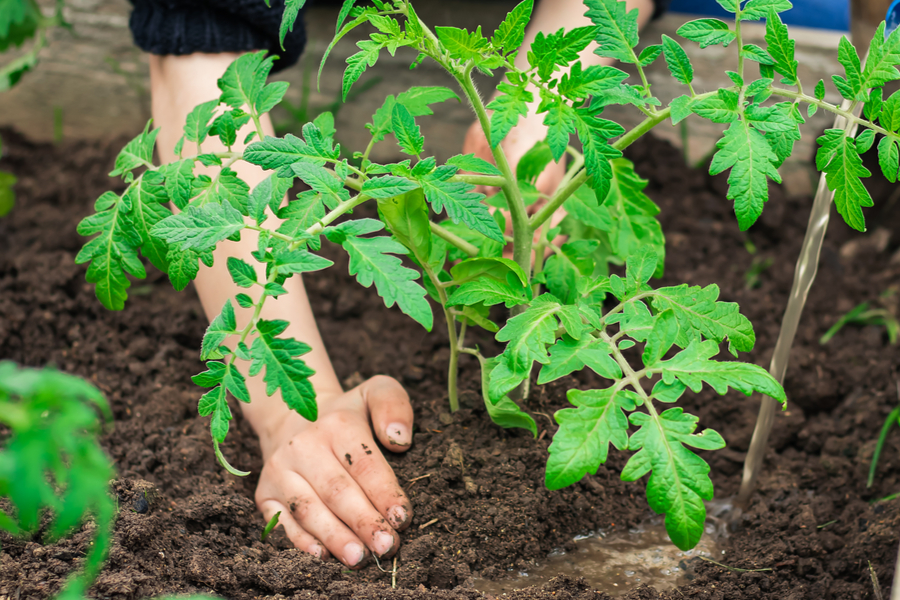
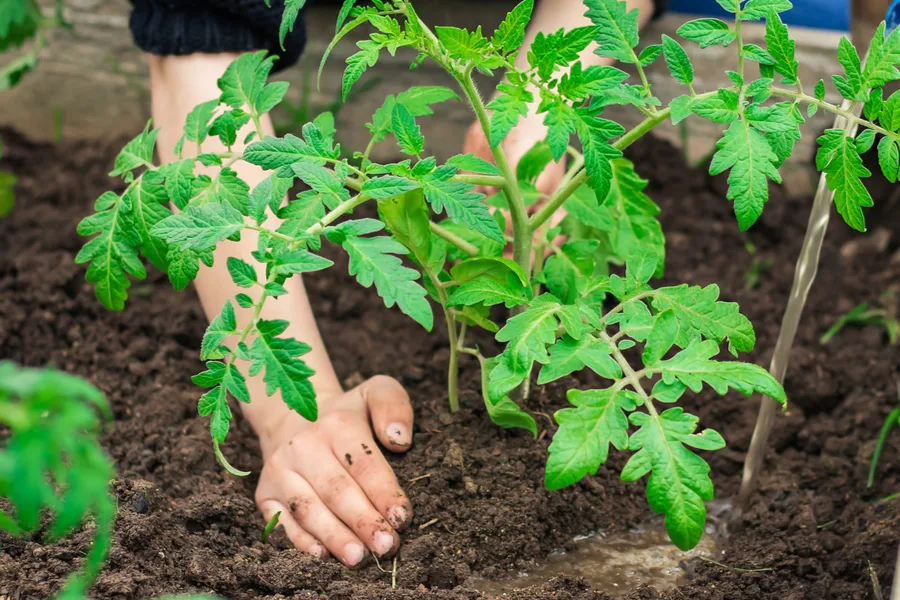
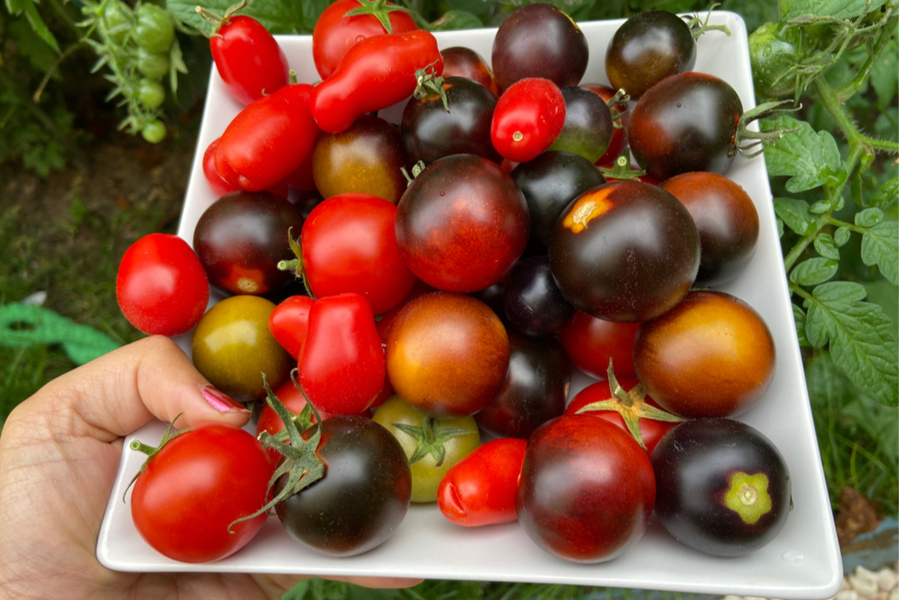
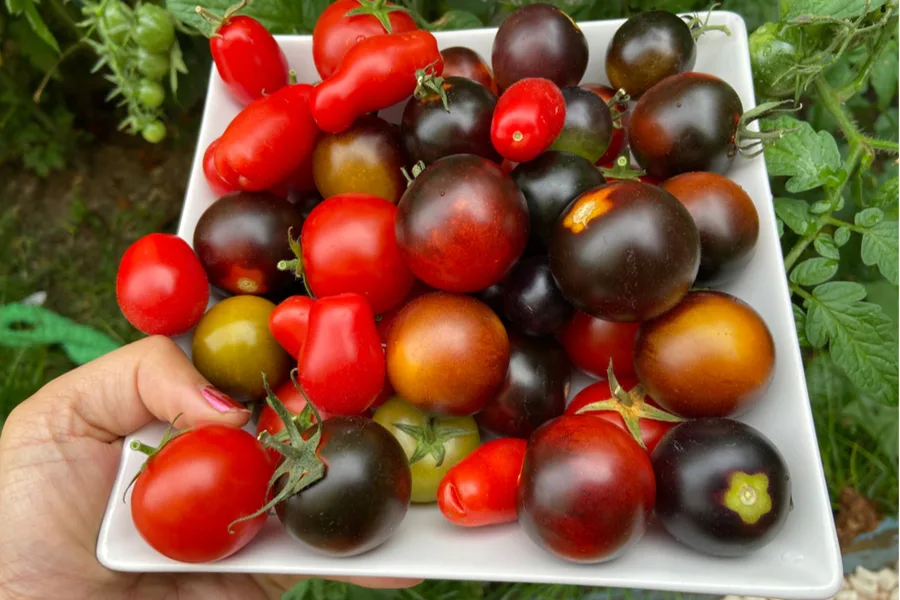
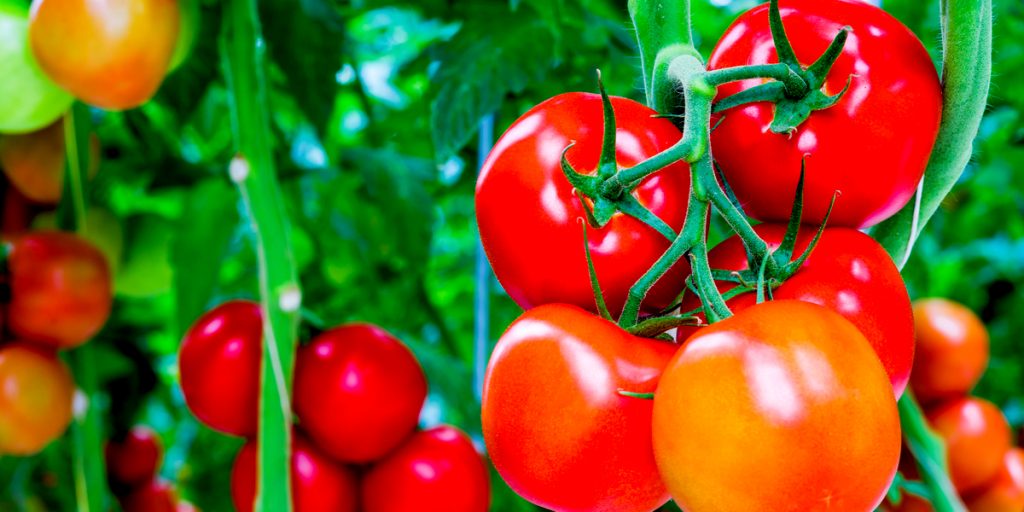
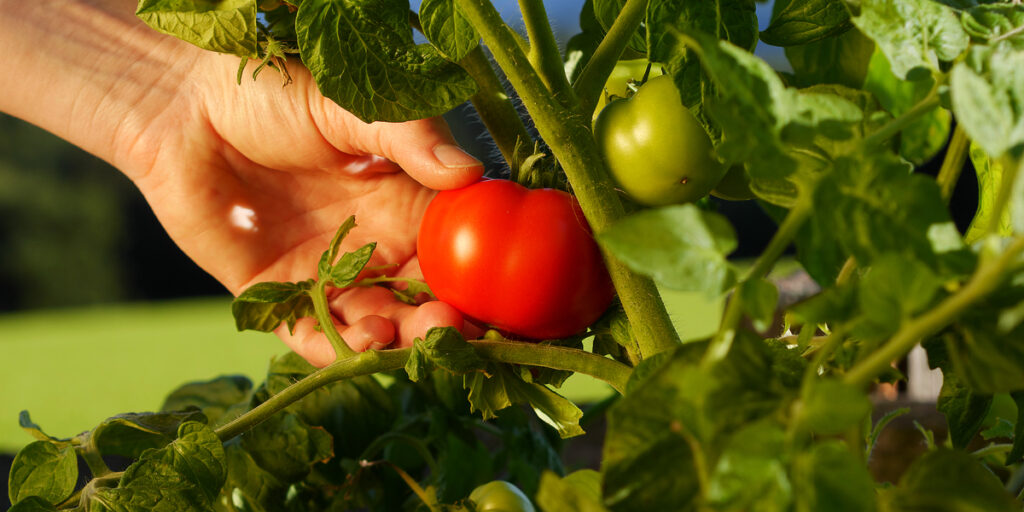
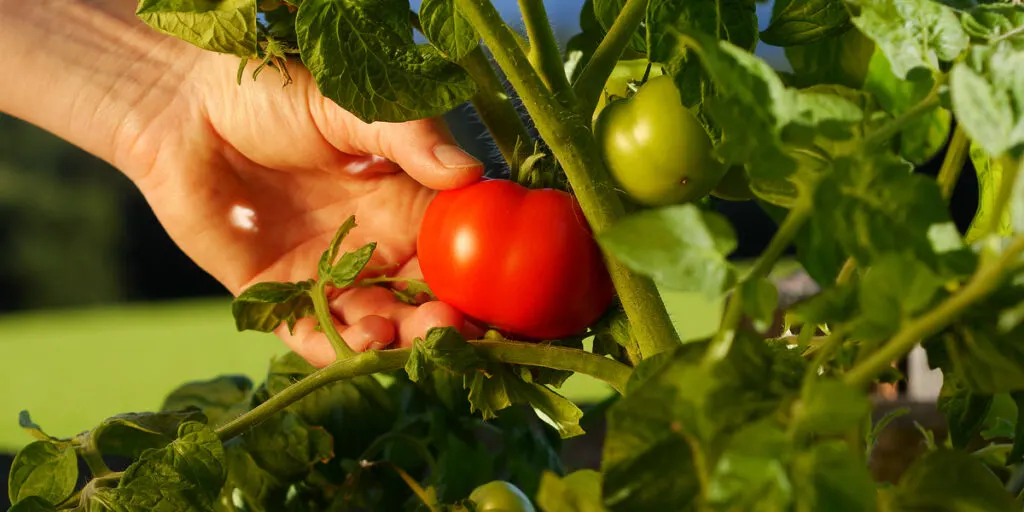
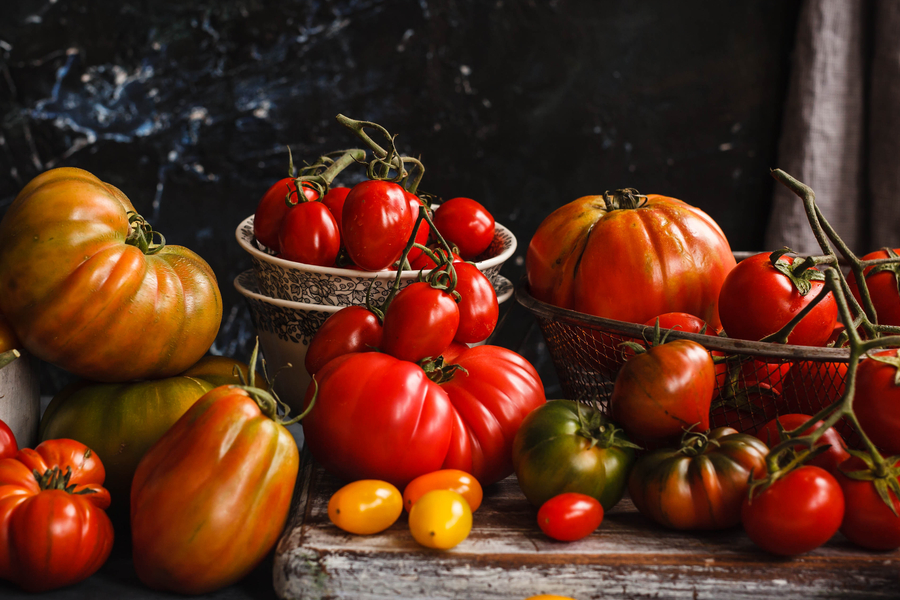
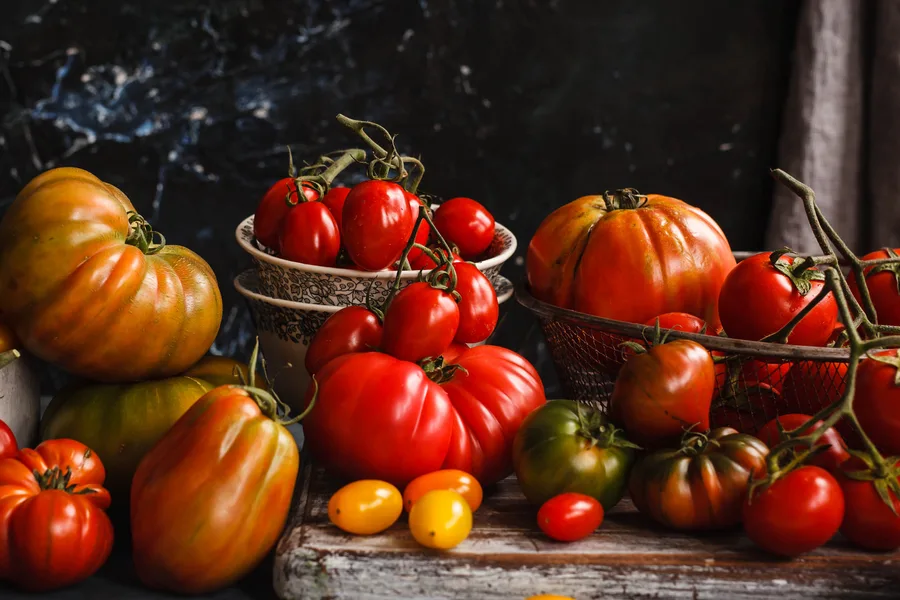


From how to plant, to fertilizing, pruning and staking – see all of our best tomato advice below!
Believe it or not, one of the best ways to help your tomato plants grow healthy and strong is to give them the best support possible – right from the first day you plant your crop!
Tomato plants are certainly one of the vegetable plants in a garden that need good support. They are a fast and wild grower once they take hold. Because of this, as their branches begin to fill with heavy fruit, they can easily crack, snap, or break off from the excessive weight.
Unfortunately, when that happens, the issue of lost fruit is not the only problem. When branches begin to crack or fail entirely, the tomato plant diverts resources to help the injuries heal.
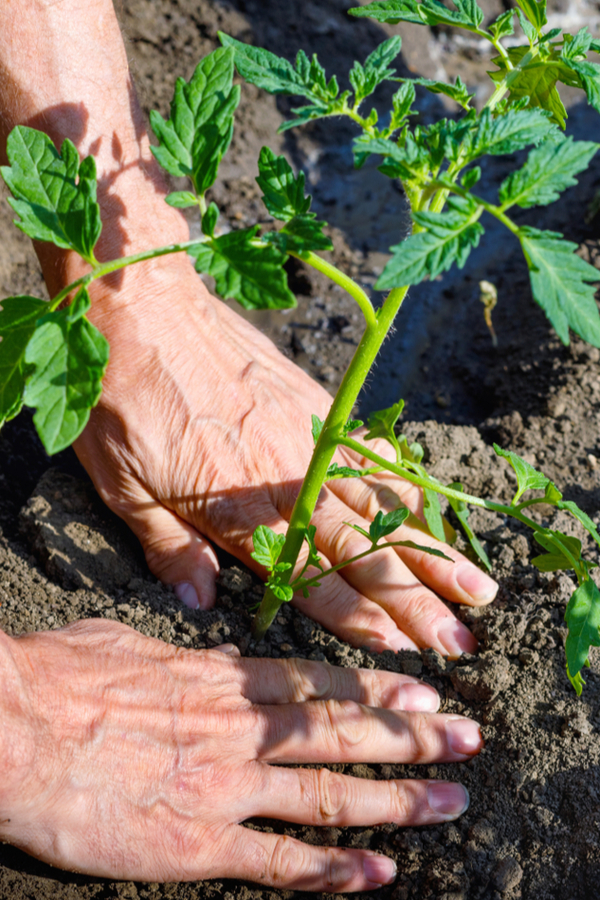
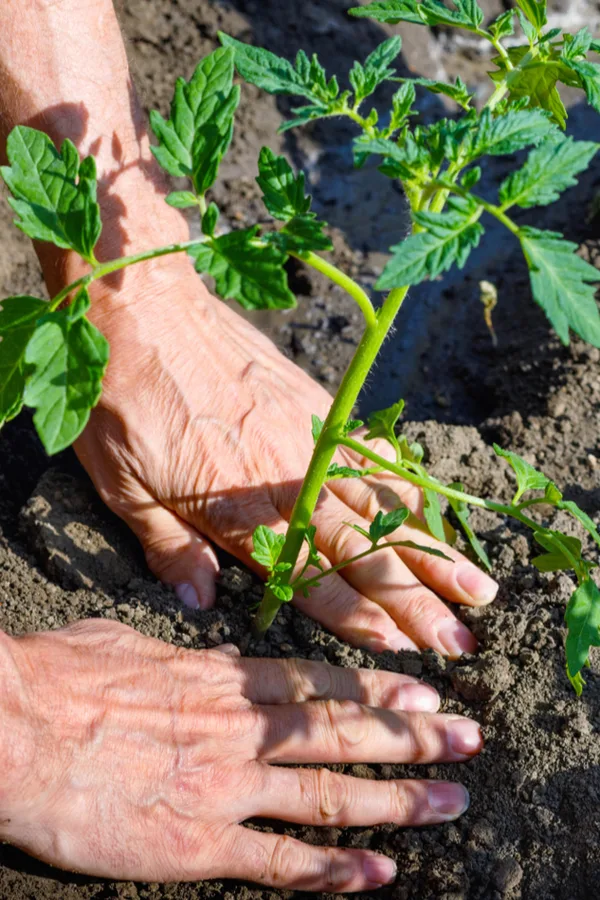
Using those resources for repair takes valuable energy away from where its needed most – to produce new fruit and ripen existing tomatoes on the plant. But that is not the only issue. Damaged and broken limbs also open up the door for pests and disease.
Branches that have toppled to the ground are easy prey for insects and animals to snack on the fruit. Even more, as a plant weakens, it also becomes an easy target for disease to take hold.
All of the above issues are exactly the reason your tomato plants need support. But just as important is to get your supports in early in the growing season, and there are several reasons why.
First and foremost, supporting your tomato plants early helps protect them when they need it most. Small, tender transplants can easily be whipped by the wind or a strong spring storm.
But by simply tying off the single main stem of a newly planted tomato, the plant can handle those issues with ease. (See : How To Tie Off Tomato Plants With Ease)
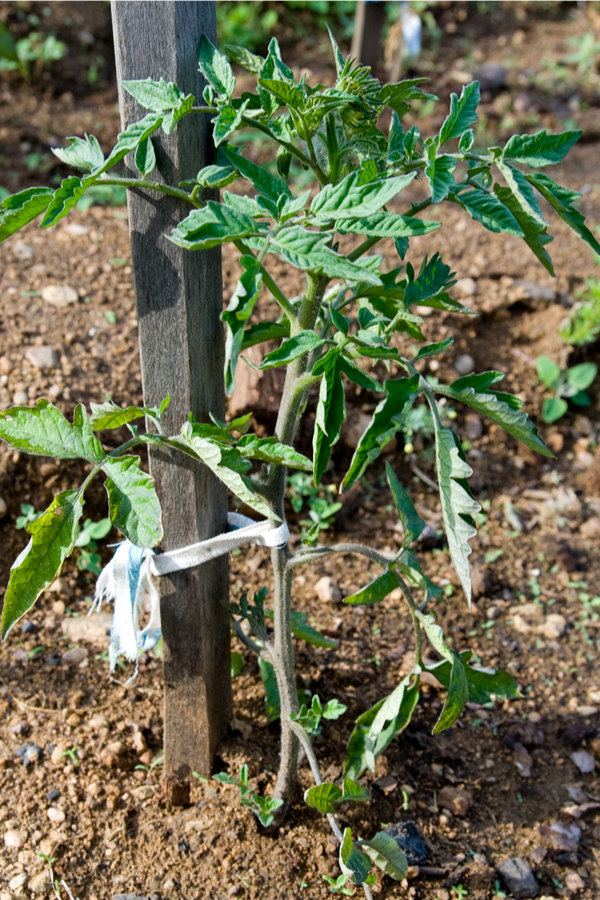
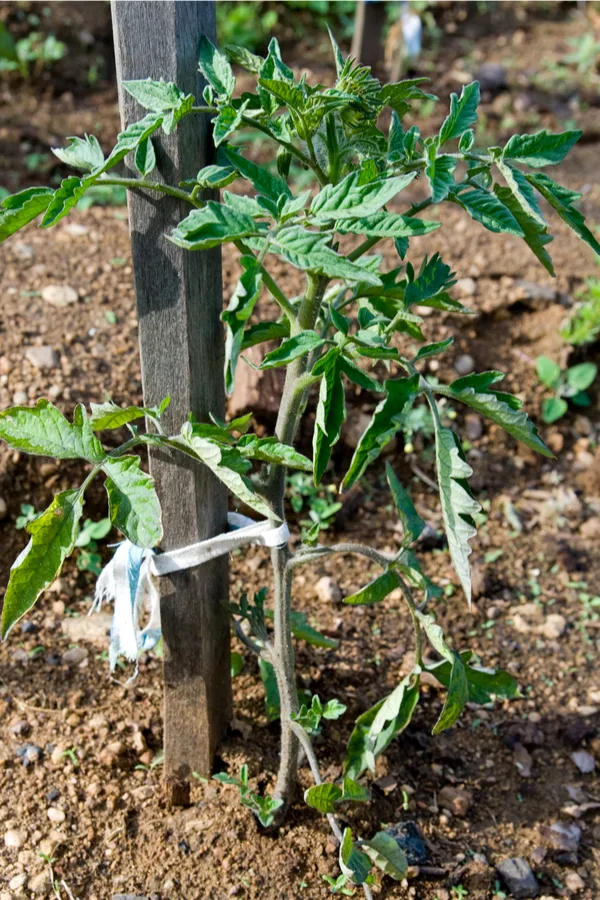
There is, however, another very important reason to put your tomato supports in the day you plant – and it has to do with the long term impact of your tomato plant’s roots.
The roots of a tomato plant are its biggest key to success. They bring in nutrients, air and water to the plant. It is all very simple. The more vibrant the roots of your tomato plant are, the healthier and more productive the plant will be.
Unfortunately, if you wait until your tomato plants are growing larger to drive in your supports, you risk damaging those roots. Once again, the plant will use its resources to attempt to heal the damage in place of growing more tomatoes.
But even more, by waiting until later in the season to support your crop, your risk compacting those roots with your feet as you install the supports.
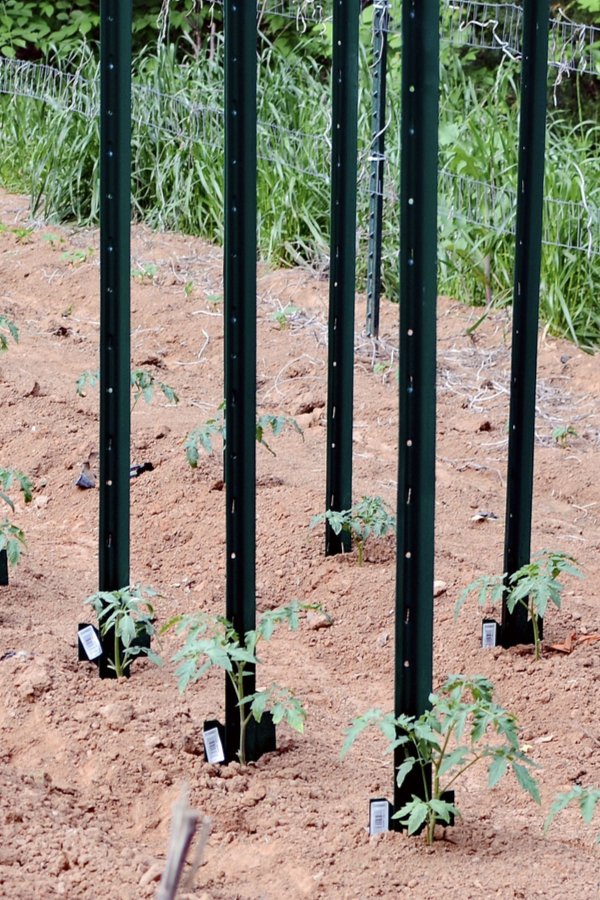
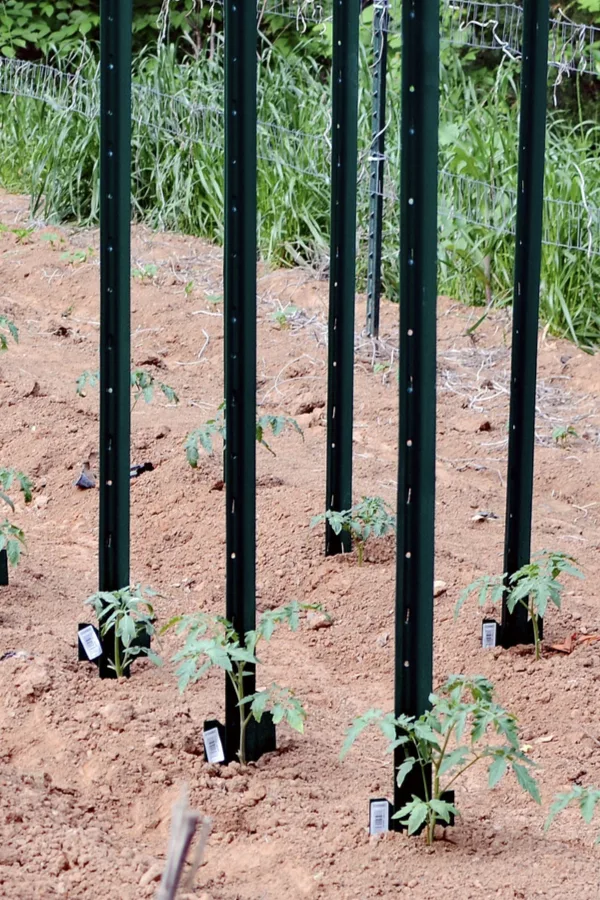
Foot traffic around the base of your plants can be devastating to its root structure. As roots are compressed under the weight of foot traffic, the soil compacts all around them. As it does, it suffocates the roots. This makes it harder for them to draw in the moisture and nutrients they need.
The more loose and undisturbed the soil around your plant remains, the stronger your plant will be. And messing around trying to put supports in the ground mid-season is one of easiest ways to destroy good soil structure.
Now that we have covered the “Why & When” of supporting tomatoes, lets take a look at some of the best methods to employ to reinforce your plants.
For years stakes and small round cages have been the go-to for providing support. Although they certainly can work, both have a few disadvantages that make them less than desirable for use.


With stakes, they simply can be difficult to use. A single point of contact just isn’t enough support to hold up the many branches of a tomato plant. Especially in mid-summer when many heirloom tomatoes grow massive.
If that isn’t enough of a deterrent for the staking method, there is attempting to tie off branches. First off, tying a tomato limb off to a stake be difficult. But it can be even harder to get the tie to stay up on the stake!
As for the small tomato cages, they simply are not strong enough to stay in the ground all season long. If you have ever used one, you have probably had the experience of having your little cage grow out of the ground!
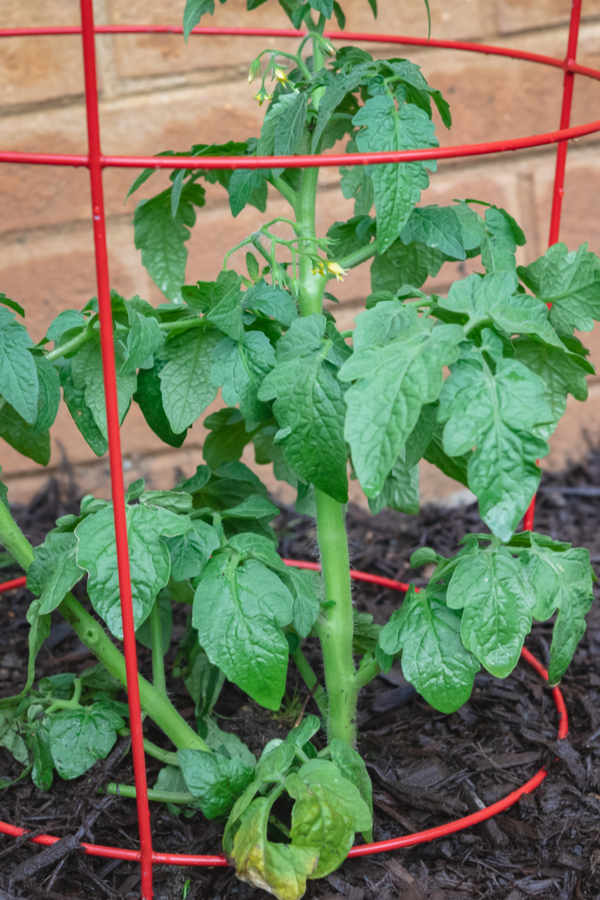
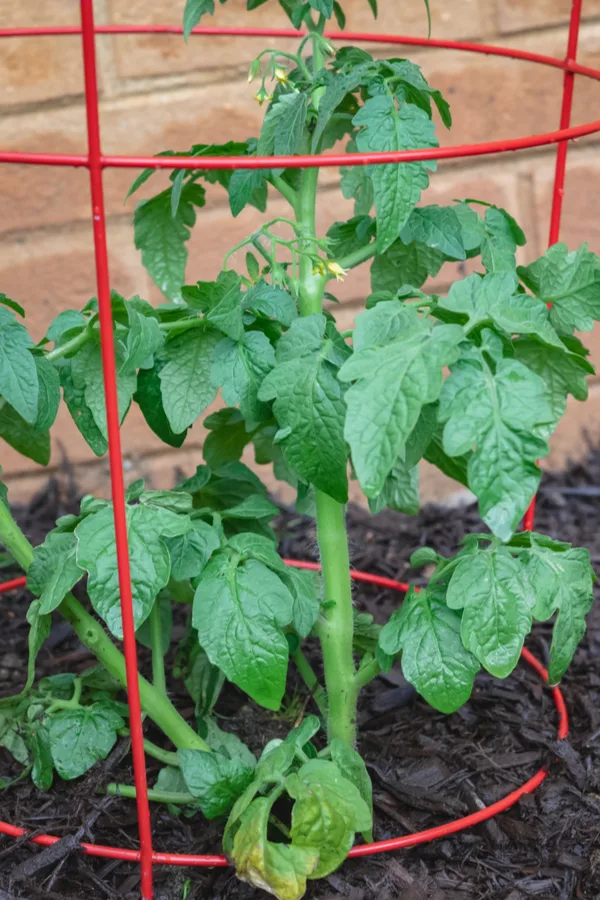
Finally, those cylindrical cages can be incredibly difficult to pick through. There is nothing worse than seeing the perfect tomato inside the cage, and not being able to get to it!
So if stakes and small cages aren’t the answer, what is? Here is a look at 3 methods that work wonders to hold up the biggest of tomato crops!
The Stake-A-Cage method is one we have been employing on our Old World Garden farm for years. They are easy to make, inexpensive, and best of all, make tying up and harvesting a breeze.
The method uses the combination of a simple stake and a piece of an open fence panel. It create a strong support that can hold a wide portion of the plant.
Simply drive in a wood or metal stake behind the plant. Next, you attach a 12 or 18″ wide panel to the post with zip ties or string. We use 5′ high panels for our large plants, and 3′ high panels for our smaller tomato varieties.
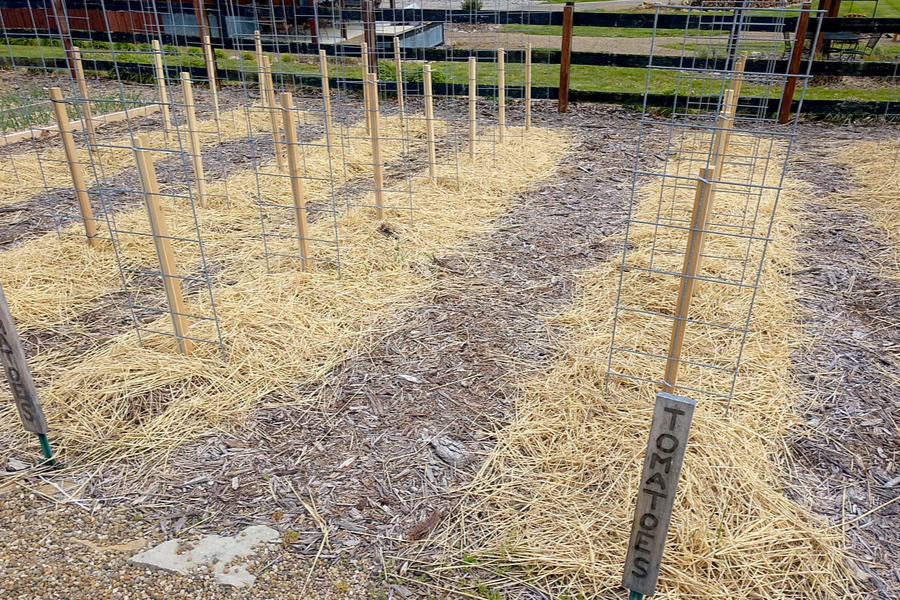
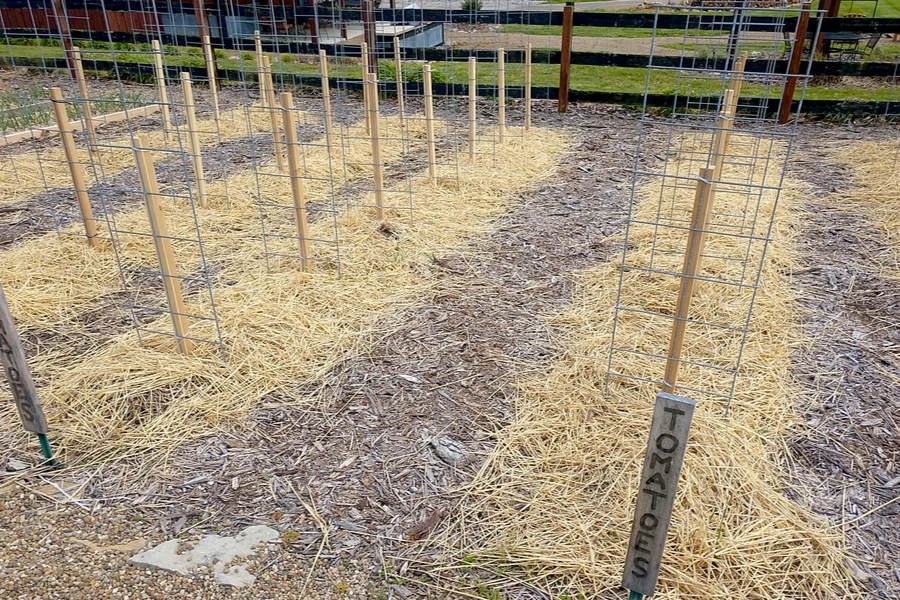
As the plant grows, you simply tie off branches to the fence panels. The open design makes for easy access. Both for tying up plants, and for harvesting tomatoes! (See: How To Create Your Own Stake-A-Cage Supports)
Another option is to use full length goat, cow or even rabbit fencing panels down the length of your rows. The panels can be secured with a couple of stake and multiple plants can be tied up to the panel.
The strength of this method is amazing. And much like the Stake-A-Cage method, it makes tying off branches and harvesting an easy task.
The panels can be a bit pricey up front, but most will last a lifetime. Especially if you purchase galvanized panels that are rust resistant.
If you are looking at purchasing tomato supports, especially for container or smaller tomato plants, one of our favorites is the DoCred Tomato Cage system.
One of the best things about this set is that you can create it into cages or even a vertical trellis. Each stake has a steel core inside of a heavy-duty plastic coating.
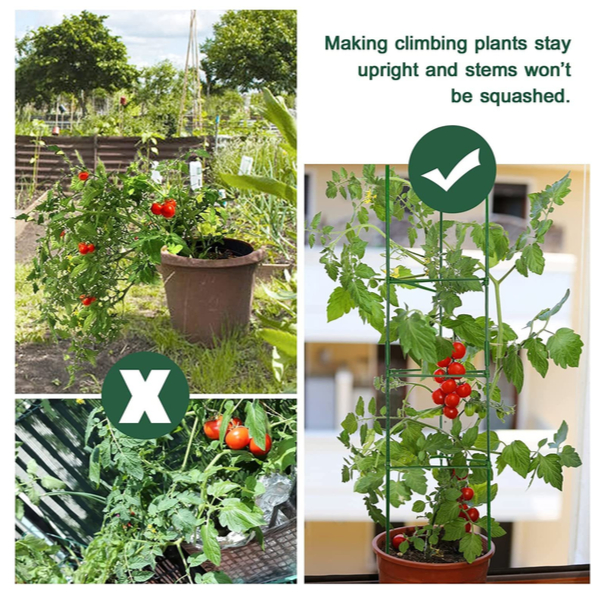
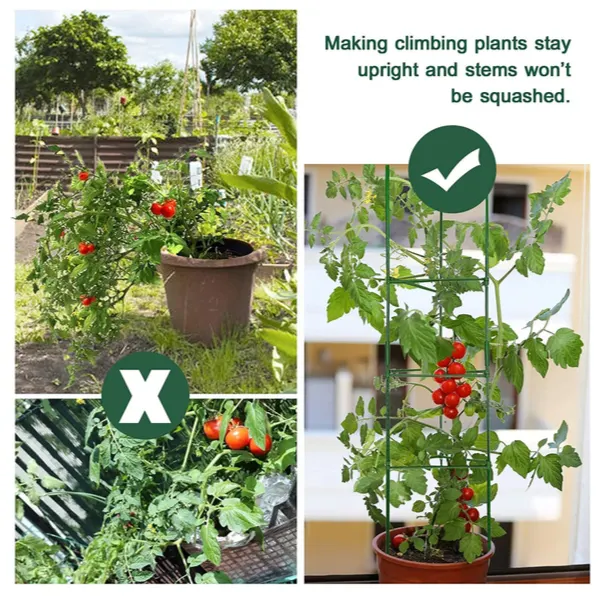
The supports are great because they can be modified to your needs. Even better, because of their construction, they are built to last for multiple years of use. Product Link : DoCred Tomato Cage System
No matter which option you choose, remember to get those supports in early! Here is to supporting your tomato crop this year, and to having a bountiful harvest!
Follow Our Facebook Page For Great Gardening Tips And Advice! This Is My Garden Facebook Page
This Is My Garden is a garden website created by gardeners, for gardeners. Jim and Mary Competti have been writing gardening, DIY and recipe articles and books and speaking for over 15 years from their 46 acre Ohio farm. They publish three articles every week, 52 weeks a year. Sign up today to follow via email, or follow along!


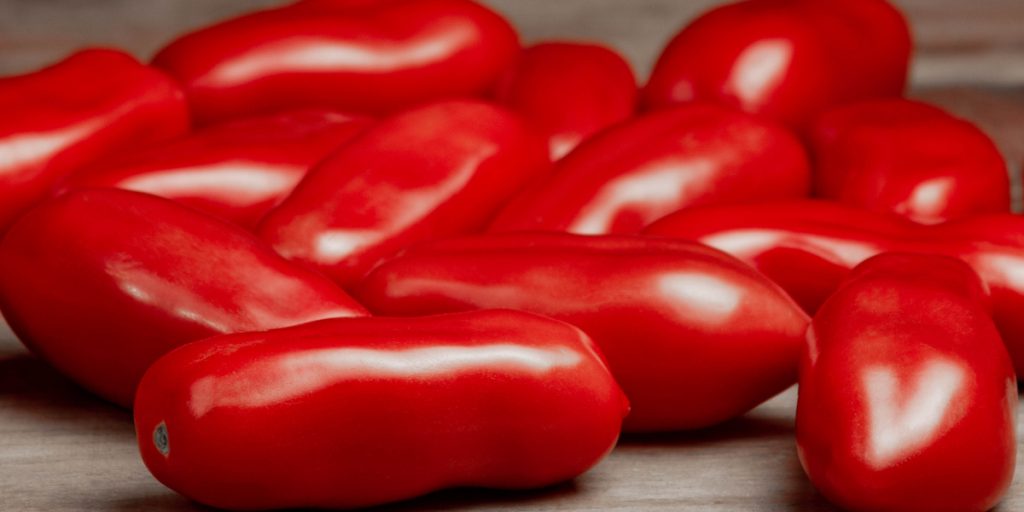
If you are looking for the best tomato to grow for making and preserving salsa, sauces, stewed tomatoes and more – look no further than the San Marzano tomato!
One of the best things about growing your own delicious crop of tomatoes is all of the amazing foods you can create from them. Especially when you can preserve your tomatoes to use the whole year round.
Whether it’s homemade salsa, pizza sauce, marinara, or picante, fresh tomatoes from the garden are the key to it all. But not just any tomatoes. To really make the best canned goods, you need to start with the right kind of tomatoes for canning.
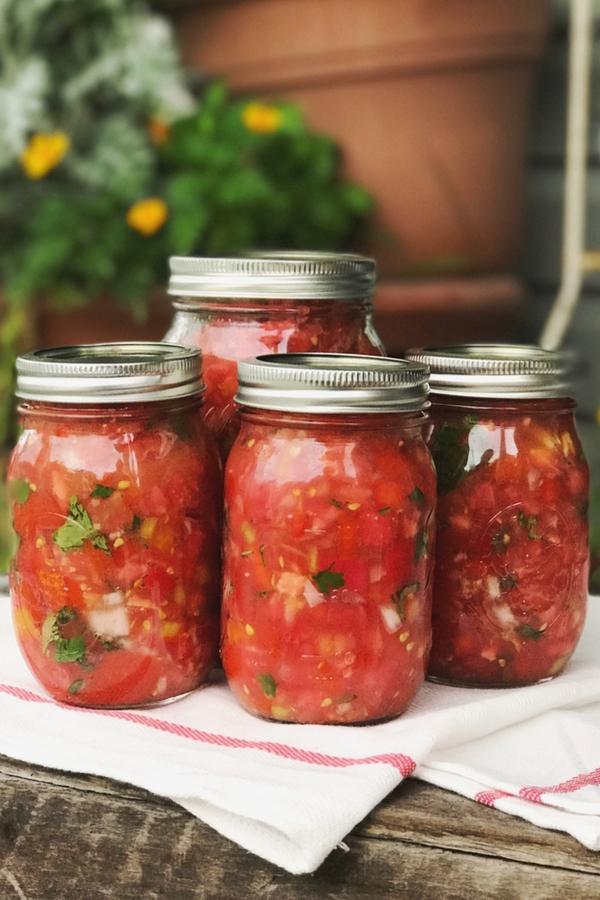
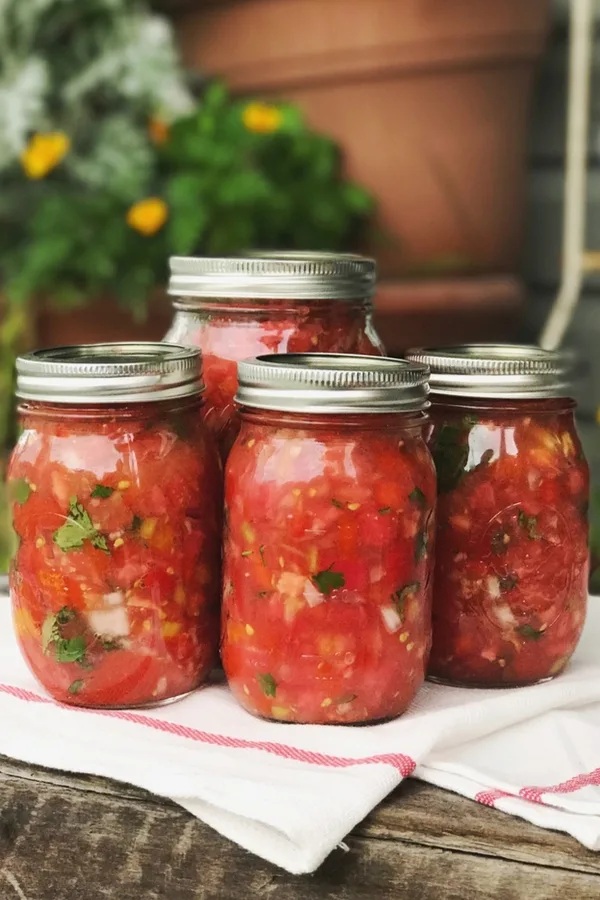
So what makes a tomato good to grow for preserving? For starters it must have great flavor. Without that – nothing else matters! But it’s also important to select a variety that produces plenty of tomatoes on the vine. After all, you are going to need a fair amount of tomatoes to have plenty left over for canning.
Next, the tomato variety needs to be the right consistency for the products you are canning. For a thick, full-bodied tomato sauce, or a tasty, chunky-style salsa, you certainly don’t want a tomato that is watery and thin.
Finally, and just as important, you need to select a tomato that holds up well through the process of preserving. Both for consistency, and for safe canning.
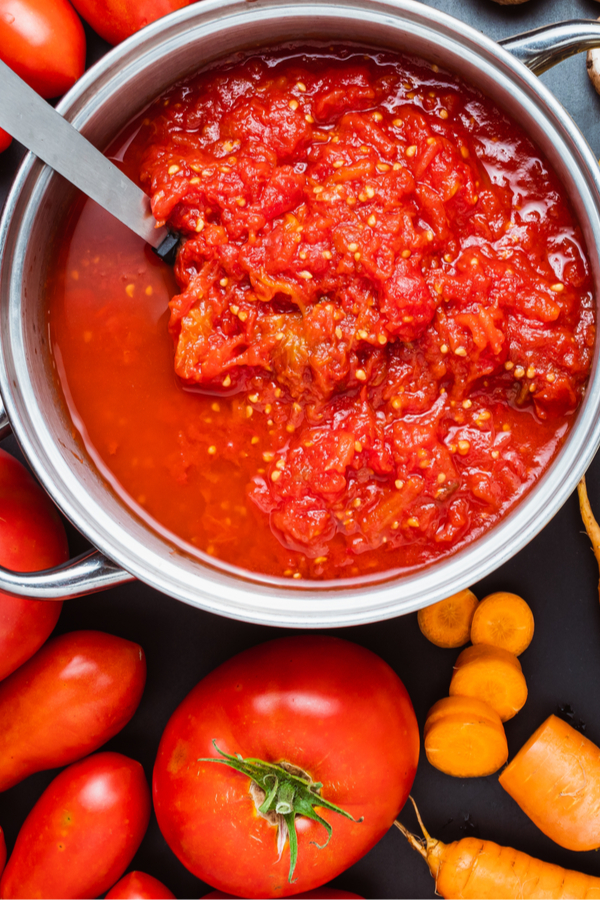
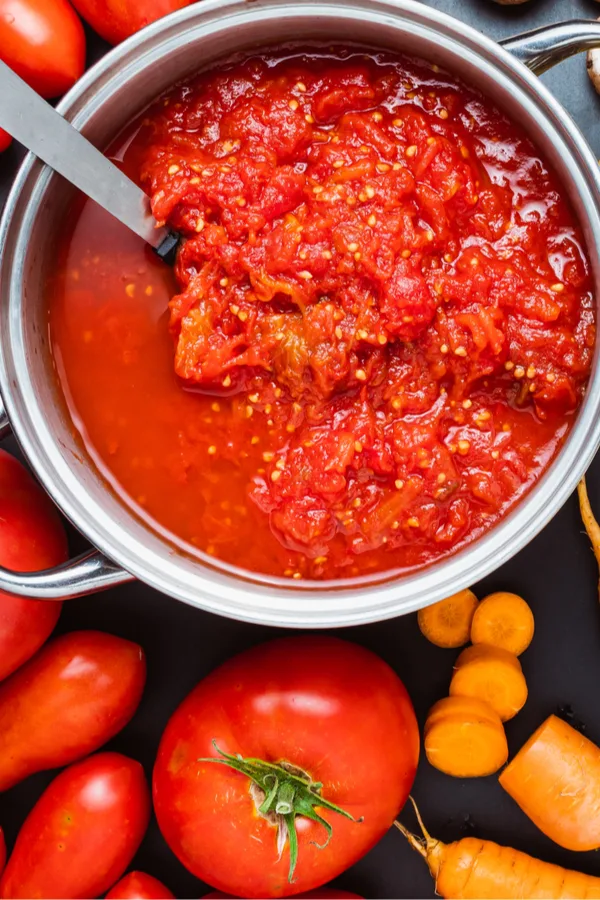
When preserving, and especially when preserving by canning, you want to make sure your tomato has enough acid for safe processing and storage. You also need to know it can handle the high heat of processing, and still retain its flavor.
Now that you know the makeup of a great canning tomato, let’s look at one variety that checks all of the above boxes with flying colors – the San Marzano paste tomato!
First, we’ll take a look at this tomatoes amazing qualities. Then, we will take you through how to plant, maintain and harvest this incredible variety for the biggest and best harvest possible.
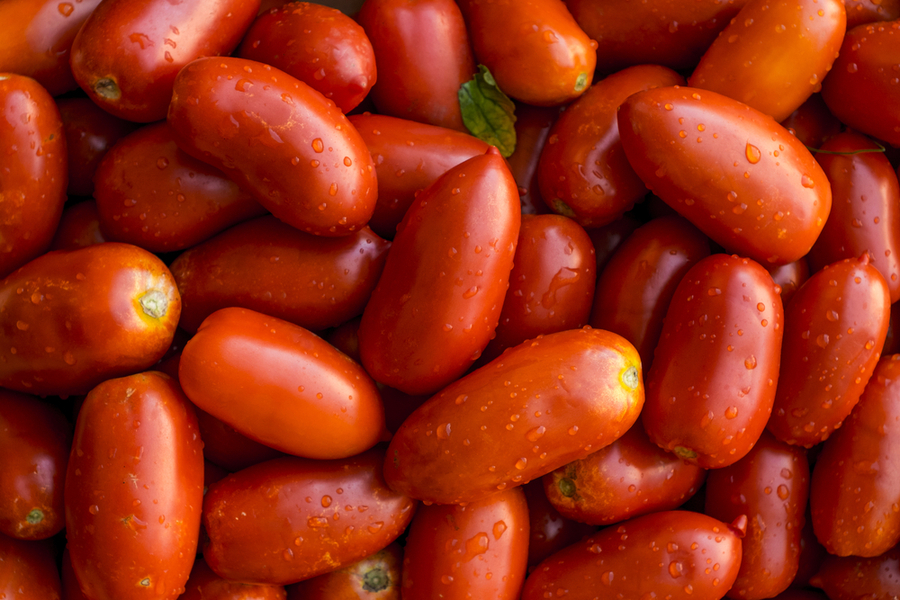
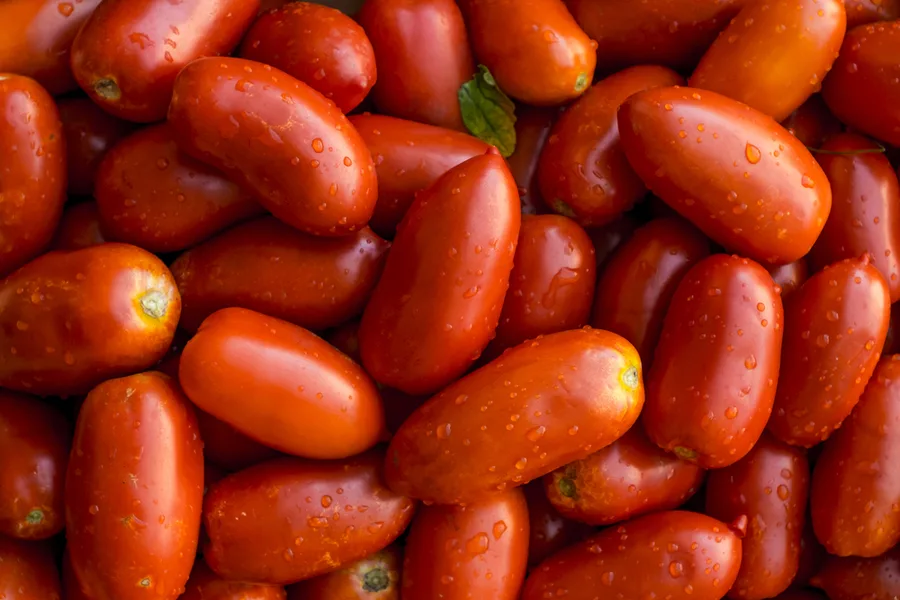
When it comes to flavor, meatiness, acidity and high production levels in the garden, the San Marzano is at the head of the list.
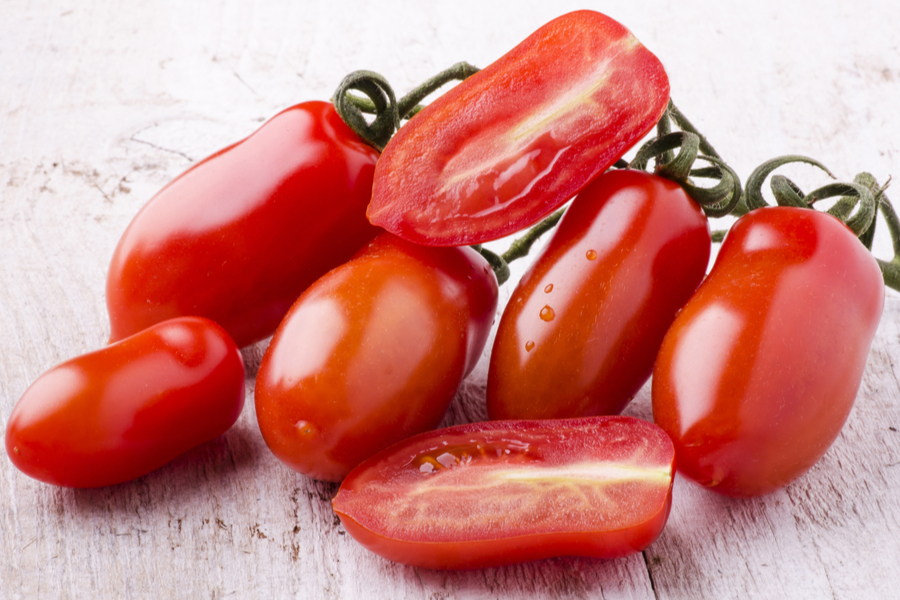
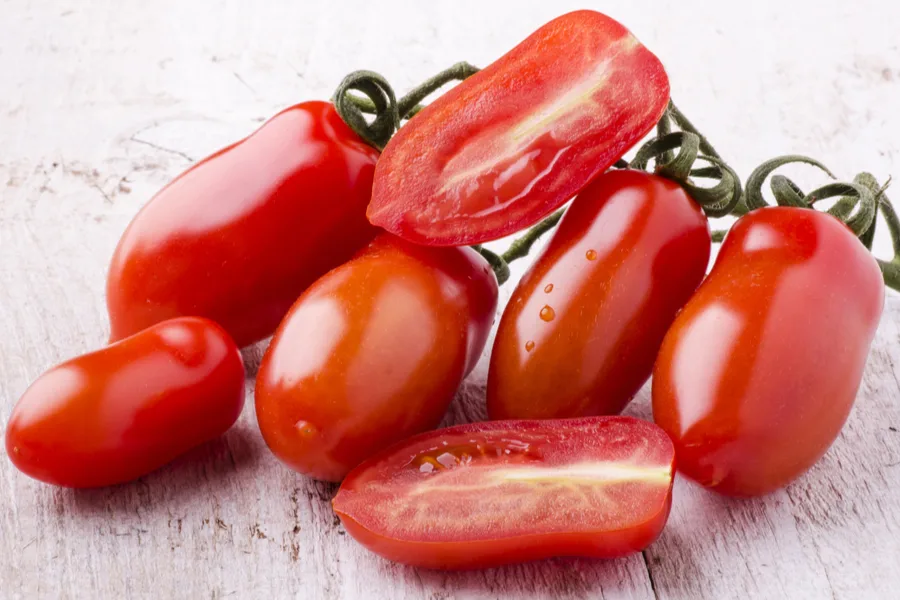
The thick, meaty interior of the San Marzano is perfect for creating salsa and sauces. Its thicker skins make it an easy peel tomato, and with an extremely small seed core, the seeds easy to remove for preserving. As for flavor, it is one of the sweetest paste tomatoes around.
Although the San Marzano has plenty of acid for safe canning, it has a smoother taste profile than other paste varieties. But what really makes this tomato plant special is its ability to produce an abundance of tomatoes!
The San Marzano produces large amounts of fruit on a relatively compact, bush-style plant. Growing an average of 3 to 4 feet in height, the plant is easy to support.
Even better, it is an indeterminate variety, meaning it will produce all season long, right up until the first frost. Talk about getting plenty of tomatoes for fresh eating and preserving! Maybe best of all, the San Marzano is easy to grow and maintain.
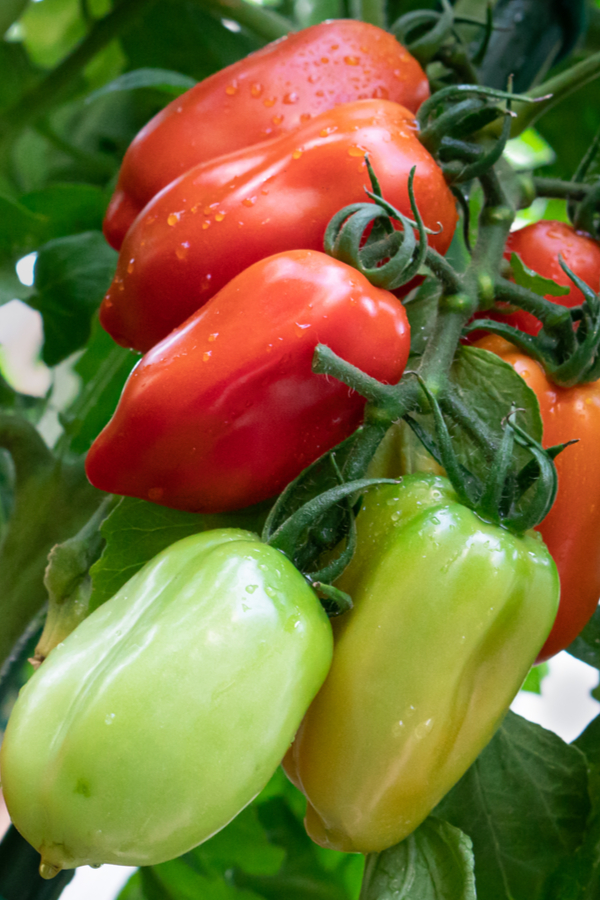
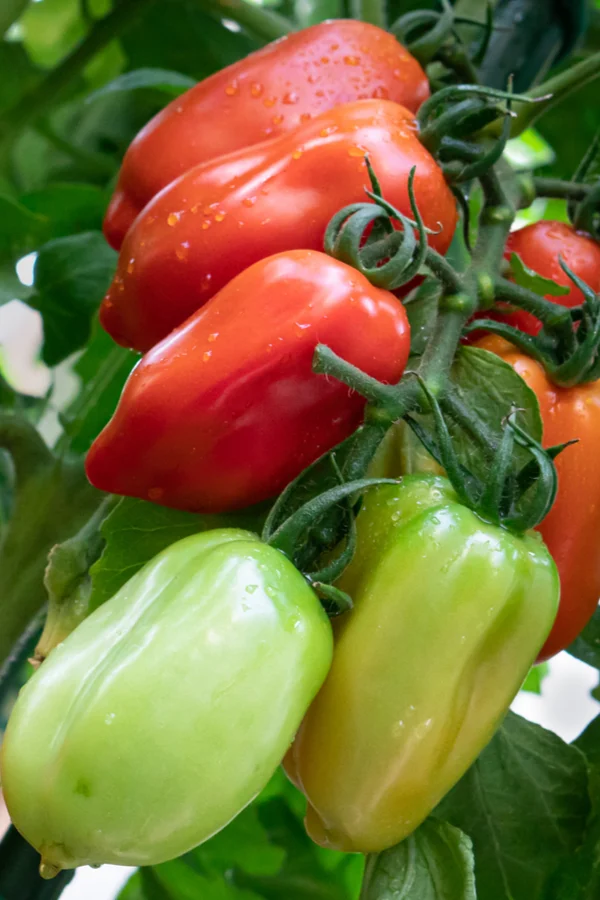
To grow an abundance of San Marzano tomatoes, you need three simple things. Sunlight, good soil, and good support.
This variety is a full-sun loving annual. For maximum production locate in an area that receives at least six to eight hours of direct sunlight each day. Eight to ten is even better as the San Marzano converts the sun’s energy to ripen and sweeten its fruit.
Plant in fertile, well-draining soil that is loose for easy growing of its roots. The more extensive the root system can grow, the more power the plant can put into producing blooms and fruit. Plant deep in the soil to promote strong root growth.
When planting, amend the soil with generous amounts of compost. A mix of 50/50 garden soil and compost is best.
Adding in a few tablespoons of crushed egg shells, worm castings and coffee grounds into the planting holes will supply even more nutrients for strong growth.
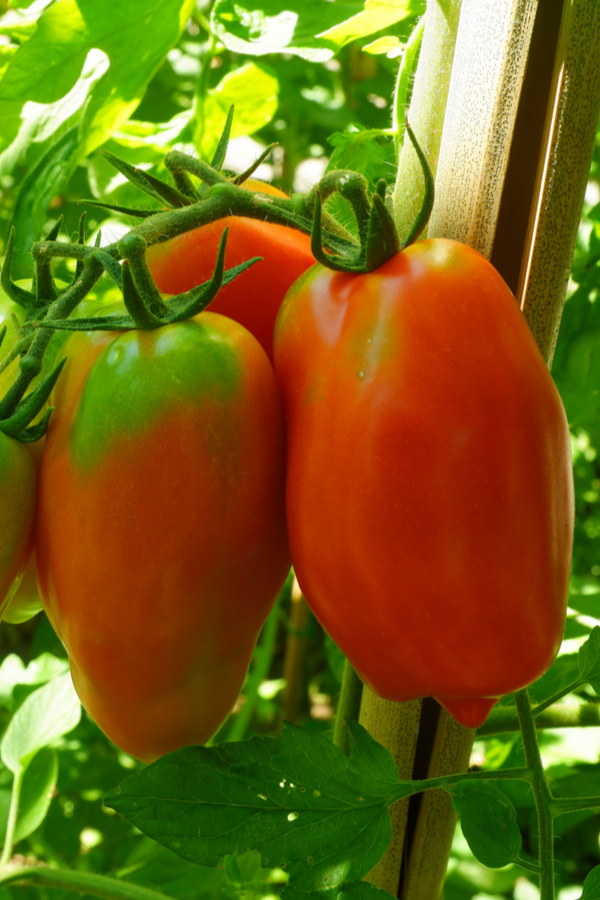
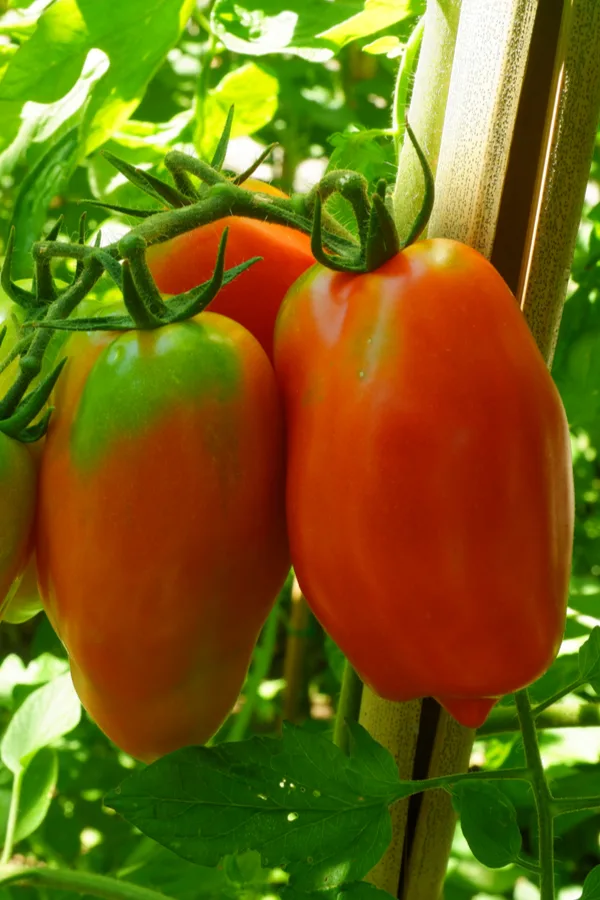
If planting in a containers or pots, use a high quality potting soil. In a confined space, the soil needs to be as strong and nutrient filled as possible. Again, adding in worm castings, egg shells and coffee grounds to the mix will help greatly. See: How To Plant Tomatoes Right
San Marzano tomato plants need support to handle the heavy fruit loads they produce. With their compact growing habits, they can quite easily gain support from a stake, cage or even a small trellis.
It is always best to provide that support as soon as you plant. This helps to secure tender young transplants, protecting them from strong late spring or early summer storms.
More importantly, putting supports in early eliminates damaging the root structures of maturing plants. If you wait until mid-summer to drive in your supports, it is easy to hit and damage existing roots.
Proper watering, fertilizing and harvesting habits all help your plants to produce a better harvest.
Once transplants have established in the soil (7 to 10 days after planting), they should be fertilized every three to four weeks during the early portion of the growing season. Use a high quality liquid organic fertilizer or compost tea for best results. Product Link : Espoma Organic Liquid Tomato Fertilizer
Liquid fertilizers take nutrients to the roots and foliage of the plant quickly. Fertilize a total of 3 or 4 times every 3 to 4 weeks. After that, stop fertilizing to allow the plant to concentrate its power on fruit production and ripening.
Too much fertilizer too late in the growing season will cause the plant to produce new foliage, and not more blooms.
As for watering, as with all tomatoes, plants should be receiving around one 1 inch of rainfall or watering per week. If mother nature isn’t providing it, plants should be watered accordingly.
Finally, whatever you do, keep on harvesting your San Marzano tomato plants to help them to continue to produce.
As an indeterminate variety, the San Marzano will continue to produce new blooms and fruit all season long. However, if the plant becomes overloaded with fruit, it will back off on producing new blooms and fruit.
Here is to growing San Marzano tomatoes this year, and to experiencing for yourself the joys of growing the best preserving tomato around!
Follow Our Facebook Page For Great Gardening Tips And Advice! This Is My Garden Facebook Page
This Is My Garden is a garden website created by gardeners, for gardeners. Jim and Mary Competti have been writing gardening, DIY and recipe articles and books and speaking for over 15 years from their 46 acre Ohio farm. They publish three articles every week, 52 weeks a year. Sign up today to follow via email, or follow along!
Looking for the right way to plant your tomatoes to get them off their best start possible? We have you covered today!
Growing healthy, productive tomato plants that produce a bountiful harvest of deliciously juicy tomatoes all starts with how you put them in the ground on planting day. It really is a simple formula. Start your tomato plants off on the right foot, and good things will follow.
Tomatoes are the most popular vegetable crop of all planted in home gardens. And yet, they also are one of the most misunderstood vegetables when it comes to how to plant and care for them.
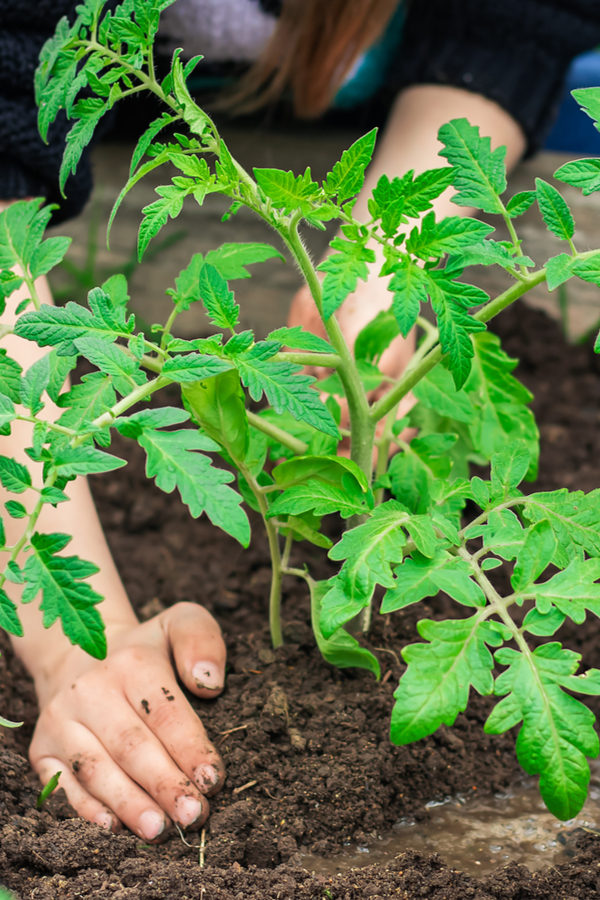
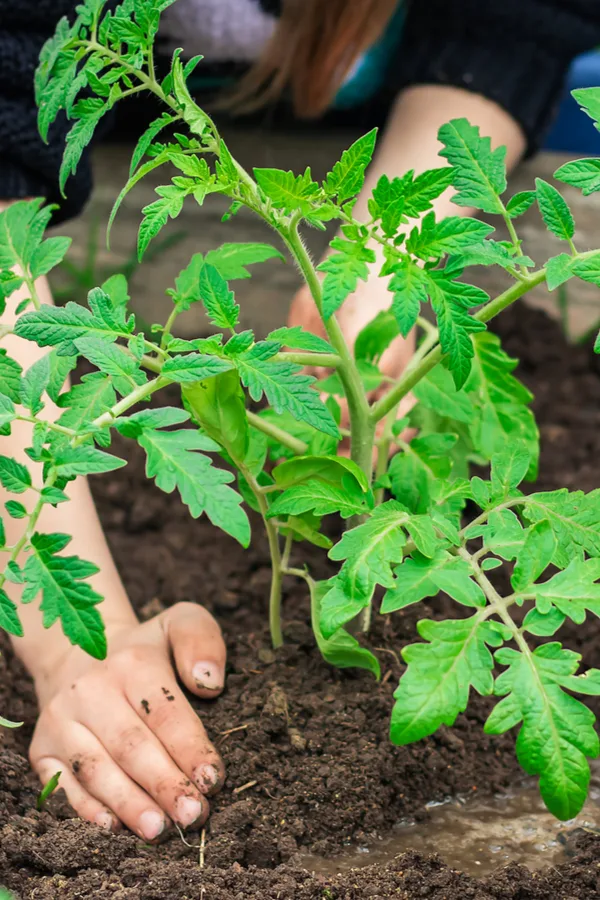
The good news is that having an incredibly successful tomato crop doesn’t have to be a difficult task. Nor does it have to be time consuming. It all comes down to giving them the right space on planting day, and filling that space with the key ingredients and tools they need to grow strong and healthy.
With that in mind, here is a look at 6 simple steps to perform on planting day to get your tomato plants off on the right foot!
One of the biggest mistakes made of all when planting tomatoes is to put them into the garden too early. Tomatoes are a warm weather crop, and they need the soil to be warm right from the beginning. If not, trouble looms.
Cold soil and cool air temperatures will stunt tomato growth. In addition, it can also lead to a whole host of other problems. Issues such as early-season mildew and root rot are all by-products of cold, wet soil.
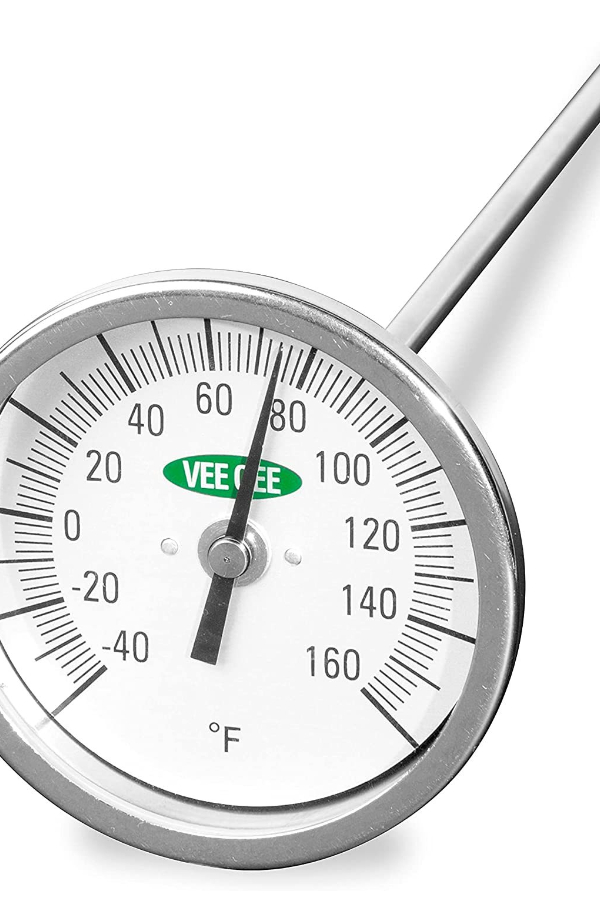
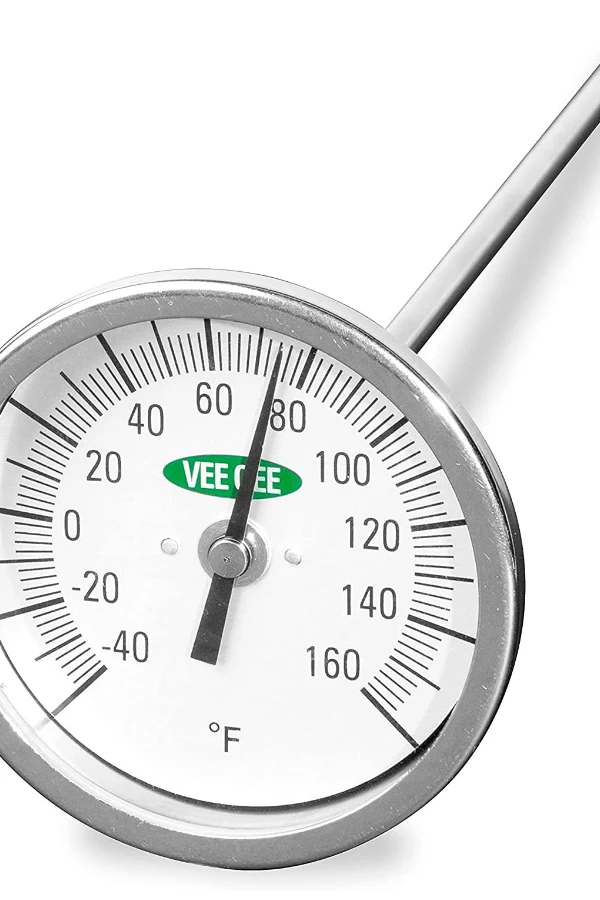
For best growth, wait until your soil temperature has reached at least 60° Fahrenheit. 65°degrees is even better. The key is to not let a few early warm days fool you into planting too early.
Just because you might have a few sunny days where the temperature climbs into the mid-70’s, it doesn’t mean the soil is warm. The best rule of thumb is to wait until you have had a solid week of 70’s in the daytime, and the nightly temperatures are staying in the 50’s.
One of the best and least costly tools (usually under $20) to invest in is a soil thermometer. It can give you an instant read on the soil in seconds, and more importantly, tell you when its time to plant! Product Link : Soil Probe Thermometer
When it comes to preventing disease and giving your tomato plants the best chance of success, rotating your crop from year to year is a must.
Tomatoes are heavy feeders from the soil. They require large amounts of nitrogen, calcium and other nutrients for good growth. But when they grow in the same space year after year, those nutrients become depleted.
When this happens, your tomato plants can’t get the energy and power they need. That results in less growth, fewer blooms, and ultimately, a smaller harvest.
But there are two other very important reasons to rotate your tomato crop with each new season – to prevent disease and pest damage!
Tomato blight is one of the most devastating tomato diseases of all. By simply rotating your crop each season, you can keep this soil-born disease from finding an easy path to your plants.
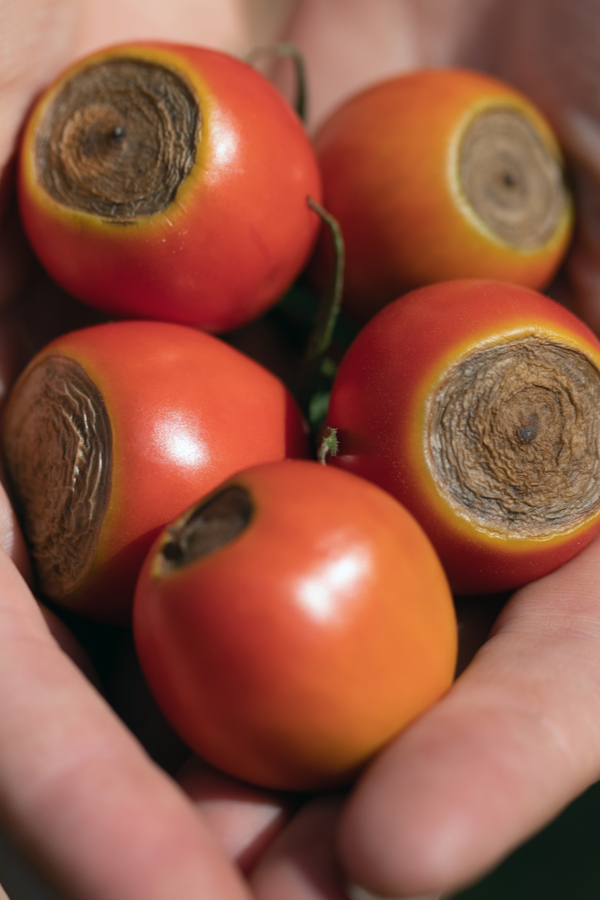
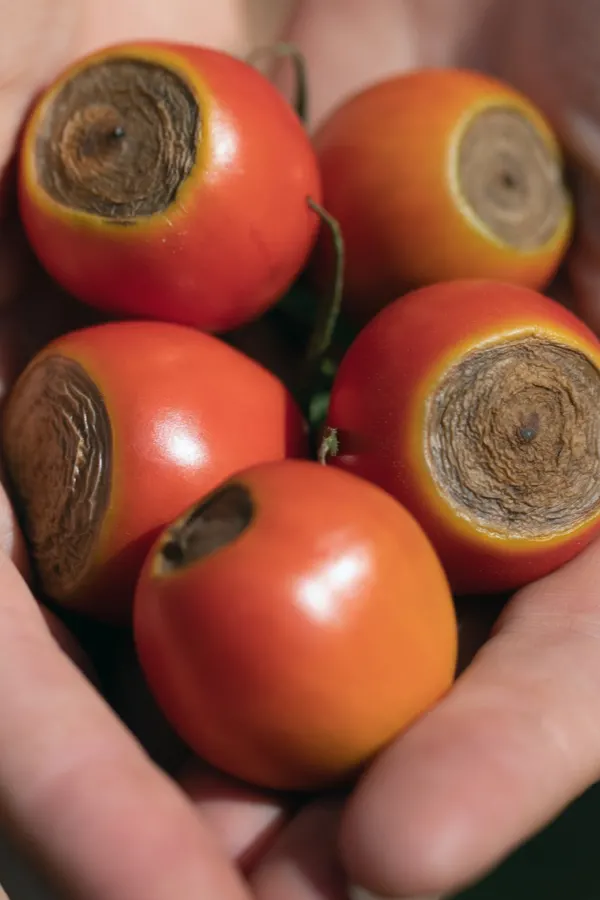
Crop rotation also helps prevent blossom rot, which is not a disease, but a calcium deficiency in the soil. A deficiency that become more pronounced if plants keep being planted in the same space. (See : How To Blossom End Rot)
But if all that wasn’t enough to support rotation, there is the subject of garden pests. When you leave your plants in the same space year after year, common pests can establish in the soil and lie in wait to attack.
For best results, move your tomato plants to a new space in the garden every year. In addition, allow at least 3 years to pass before moving them back to a location they were planted in prior. Finally, if you are growing in containers, the soil needs to be changed out every single year.
Whether using stakes or cages, your tomato supports should always go into the ground before planting. This little tip can help you more than ever when it comes to growing big, healthy tomato plants!
Putting supports in after planting disrupts the roots of plants. And when it comes to tomatoes, that can cause big problems.
Driving stakes or cages into the soil can damage tender roots. And in the process, heavy foot traffic when putting in supports later also compacts the plant’s root zone.
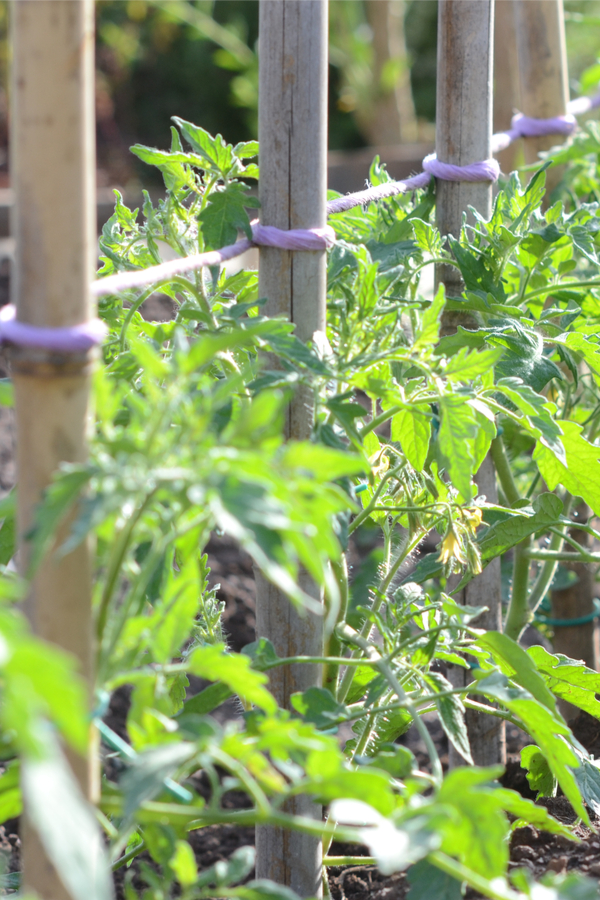
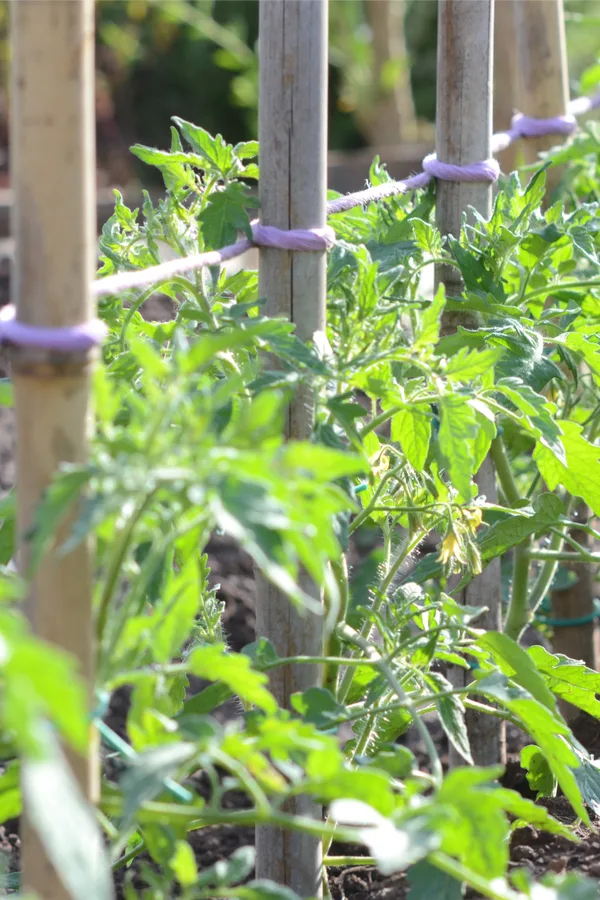
Unfortunately, compacting the soil causes two serious plant issues. First, as the roots are trampled and compressed, they have trouble expanding and growing. In addition, when the soil compacts around them tightly, they struggle to take in nutrients from the soil.
At any point of the growing season, always remember, the less you step near the root zone of any vegetable plant, the better it will perform.
The more roots a tomato plant grows under the soil, the healthier and more resilient it will be. Roots are the mouths of a plant – taking in food, water and air to power the tomato plant to strong growth.
By planting transplants deep, the fuzzy hairs on the stems of plants reach out to grow additional roots. As a general rule of thumb, plant your transplant so that 2/3rd’s of the plant is buried.
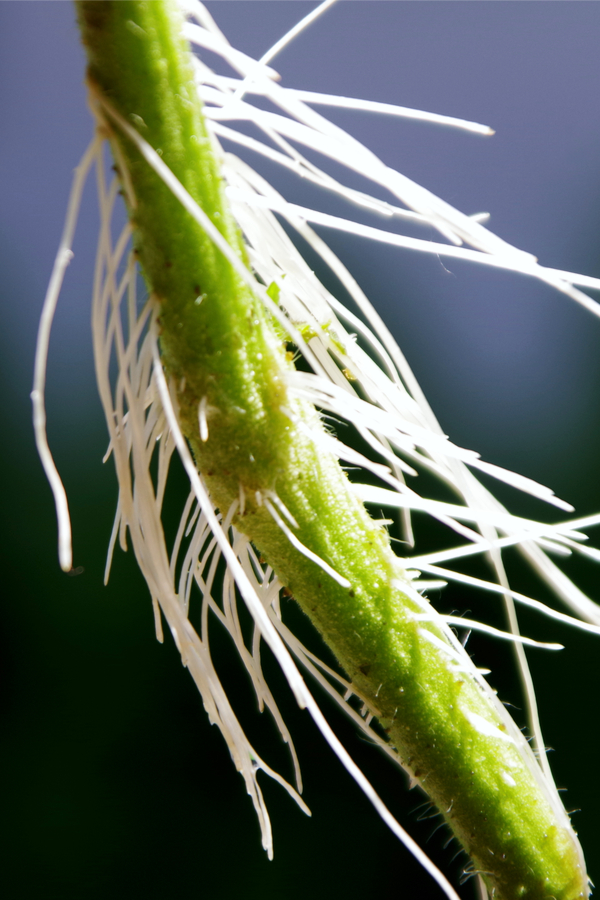
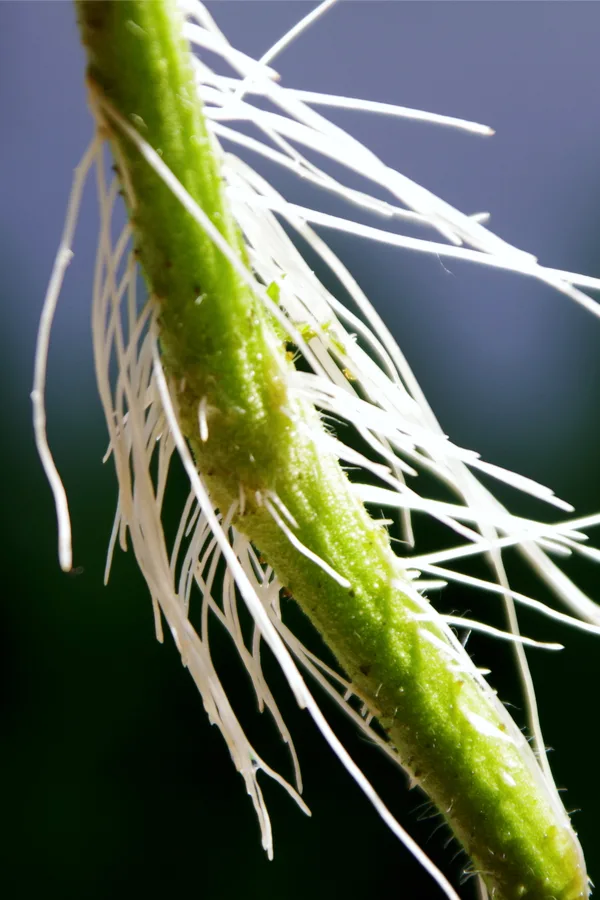
Snip off any large stems that will be buried before planting. If there are small leaves that don’t interfere in the hole, you can leave them attached. All of the little hairs on the main stem will begin to grow roots once under the soil.
Finally, if the transplant’s roots within the soil block are tangled and compacted, gently break them apart before planting. This allows the roots to expand quickly into the soil after planting.
Now that you have dug a deep hole to plant your tomatoes, its time to pack it full of nutrients. As mentioned before, tomatoes are heavy feeders. Therefore, it is important to give them plenty of nutrients as soon as they go into the soil.
Start with a generous feeding of compost in the planting hole. For maximum growth, mix a 50/50 ratio of compost and soil back into the planting hole.
While you are planting, mix in a few crushed egg shells, a quarter cup of worm castings, as well as a quarter cup of coffee grounds to each planting hole too.
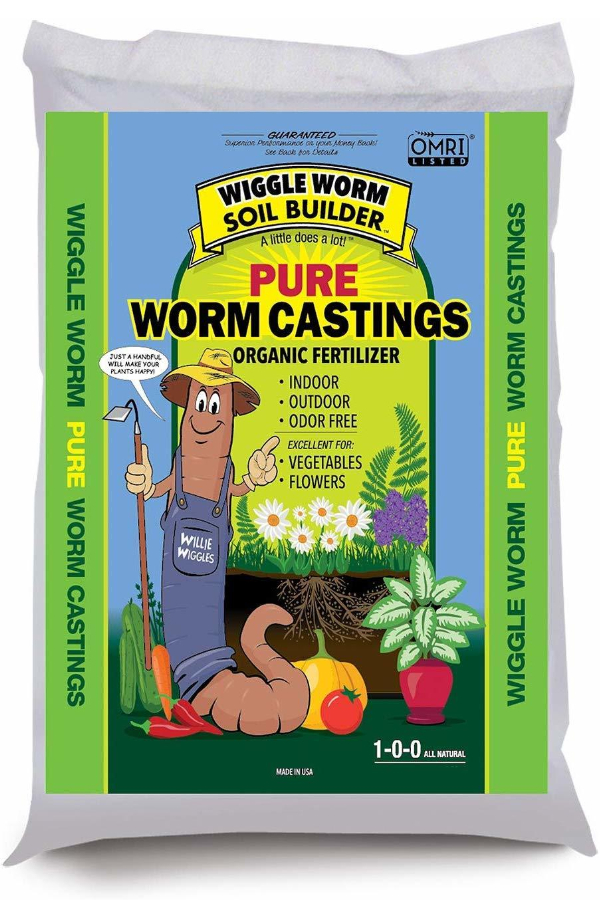
All of these materials are incredible for tomatoes. They set the stage for your plants to have the nutrients they need right away. The compost helps retain moisture and build soil health. The egg shells, meanwhile, add valuable calcium as they break down.
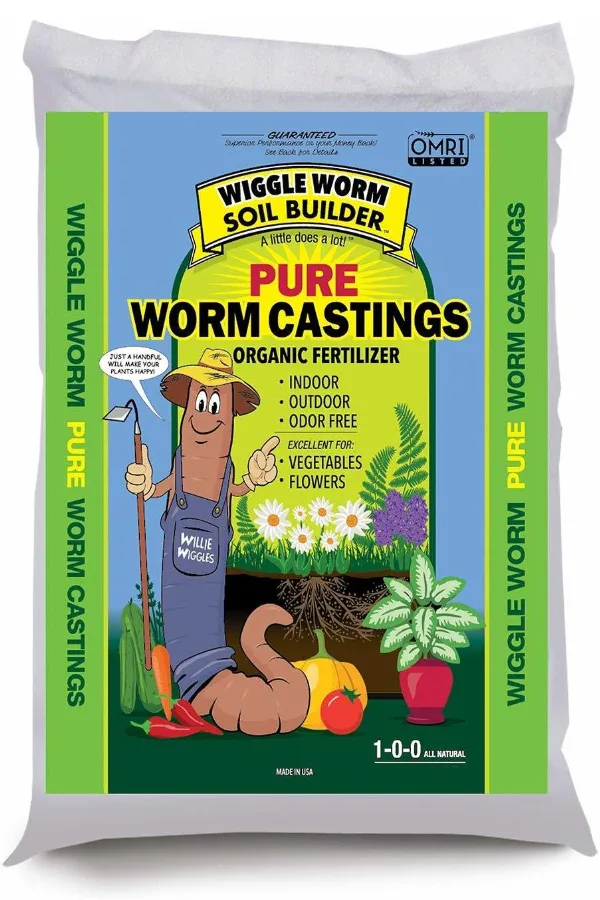
And the worm castings and coffee grounds? They are both incredible sources of slow-release nitrogen and micro nutrients for plants. Product Link : Product Link : 100% Worm Castings
Mulching your plants is one of the best ways to provide a comfortable home for your tomato plants for the entire growing season.
Mulching helps to keep out competing weeds. Weeds that steal the same nutrients your tomato plants need for strong growth. Mulch also keeps dirt from splashing up on plants. Dirt that contain spores that can carry tomato blight.
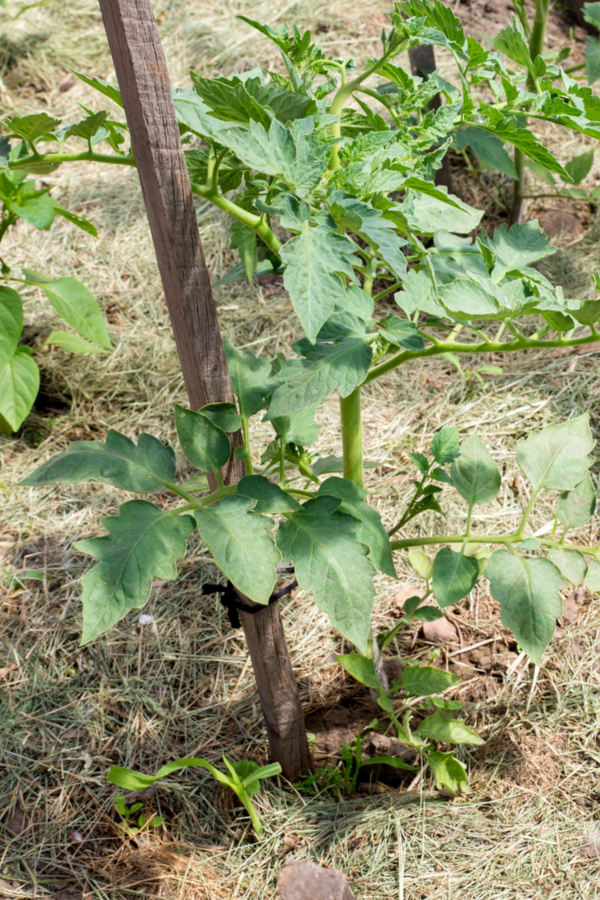
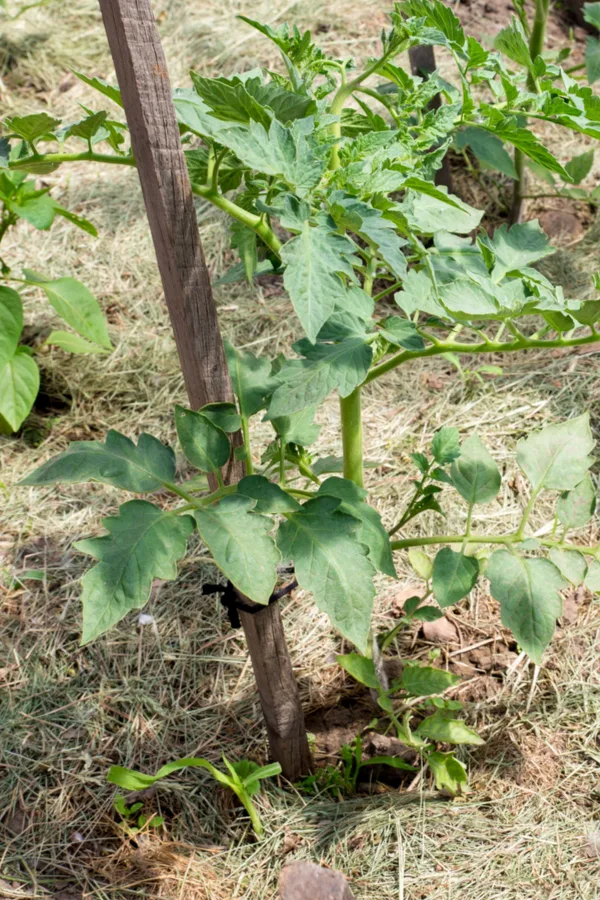
But even more, mulching insulates and regulates soil temperature for tomato plants. It keeps the soil warmer in the late spring and early summer on cool nights. And it also keeps it cooler when the hot summer sun beats down on your plants by mid-August.
Use a thick four inch mulching of loose straw, grass clippings or shredded leaves around your plants. Mulch as soon as you plant as long as the soil has warmed. It will go a long way in helping to keep the garden tidy, and your plants producing!
There you have it – the six simple keys to planting your tomatoes right! Here is to planting your tomatoes for success this year, and to your best harvest ever.
Follow Our Facebook Page For Great Gardening Tips And Advice! This Is My Garden Facebook Page
This Is My Garden is a garden website created by gardeners, for gardeners. Jim and Mary Competti have been writing gardening, DIY and recipe articles and books and speaking for over 15 years from their 46 acre Ohio farm. They publish three articles every week, 52 weeks a year. Sign up today to follow via email, or follow along!
Looking for some of the best cherry tomato plants to grow this year?
Cherry tomato plants are one of the most commonly planted vegetable plants of all. Not only do they produce delicious little tomatoes earlier in the year than their larger counterparts, they keep on producing right up until the first frost.
Even better, you can grow them nearly anywhere. Their smaller nature makes them perfect for pots and containers on a patio or deck. But cherry tomato plants also work incredibly well when planted directly into the garden. In fact, they even work well tucked into flowerbeds too!
But one thing is for sure, no matter where you grow them, they are wonderful to harvest for salads, salsa, juice – and of course, fresh eating! And have the varieties ever come a long way when it comes to big color and flavor.
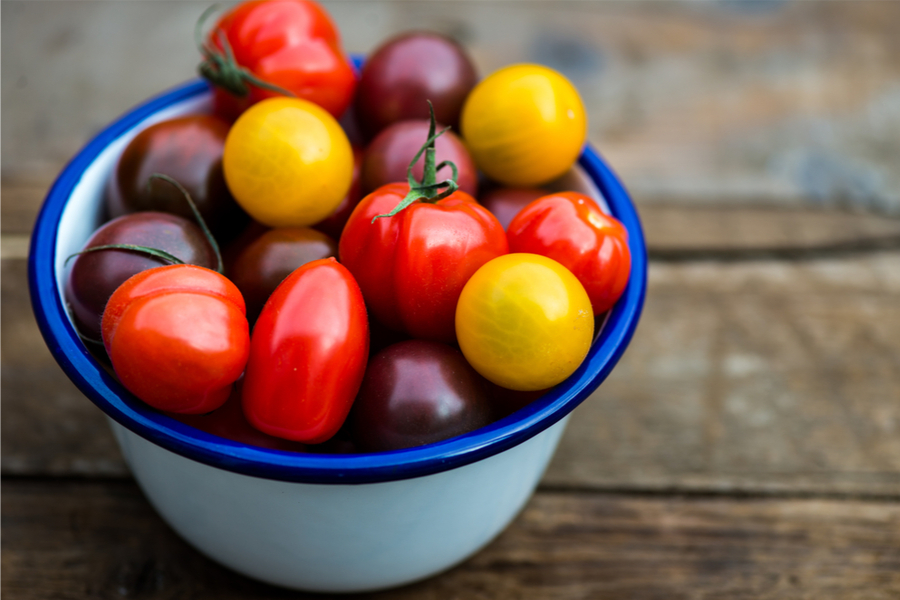
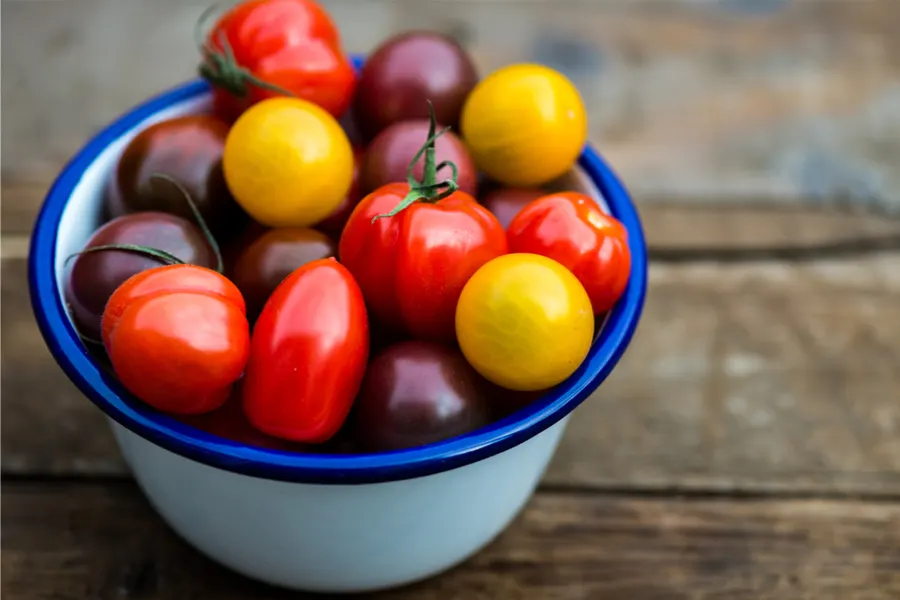
No longer are you stuck having to grow the same boring little red cherry tomato plants you remember your parents growing in their garden. Today, there are hundreds of heirloom and hybrid cherry tomato plants to choose from, all with their own unique flavor and color. And every year, the list continues to grow.
Here is a look at some of the best of the best when it comes to finding tasty and unique varieties to grow. With each variety, we have also included a seed link at the end of the description.
Midnight Snack cherry tomatoes are as pretty to look at as they are to eat. With a super glossy purple-black color, this indigo tomato is simply stunning – whether on the vine or on a plate!
Indigo tomatoes are becoming quite the talk among those looking to eat healthier. Indigo tomatoes contain high levels of antioxidants and are packed full of nutrition. But the proof really is in the taste. A super juicy tomato, Midnight Snack is both meaty and full of intense tomato flavor.
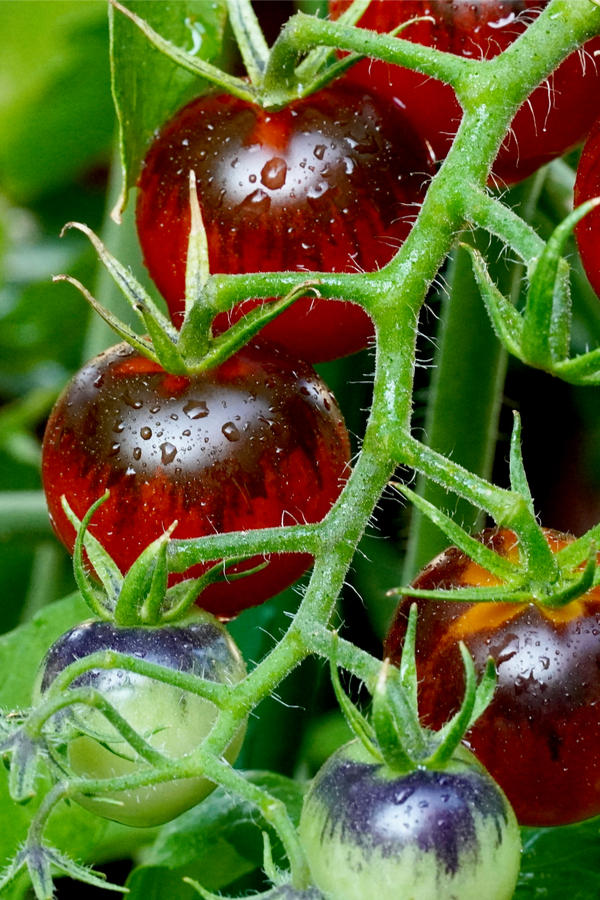
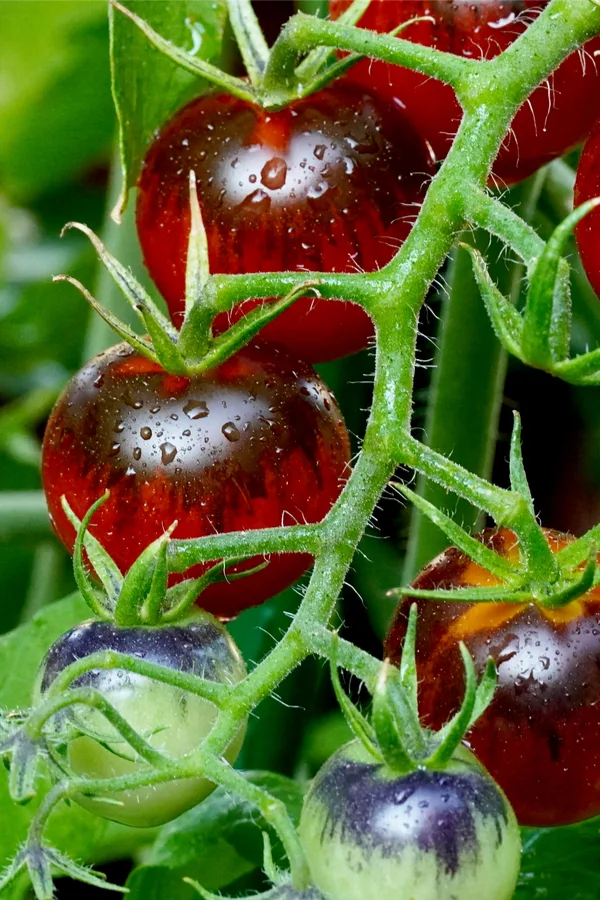
The plant is an intermediate variety, meaning it will keep on producing right up until the first frost. Midnight Snack is best if given a little support, but will sprawl and grow well on the ground if need be.
Be prepared to harvest on a daily basis! This tomato produces huge quantities, making it perfect for making salsa and juice if the harvest becomes too large. Midnight Snack plants usually produce their first harvestable tomato around 70 days after sprouting. Seed Link : Midnight Snack Tomato Seeds
At 62 days from seed to fruit, the Sunsugar tomato plant is one of the earliest tomatoes to ripen its fruit. And is that fruit ever delicious!
Sunsugar, just as its name implies, is an incredibly juicy and sweet tomato. In fact, you might even think someone actually added sugar to it when you first taste it. The winner of several tasting awards, Sunsugar is overflowing with delicious flavor, but also happens to be quite colorful as well.
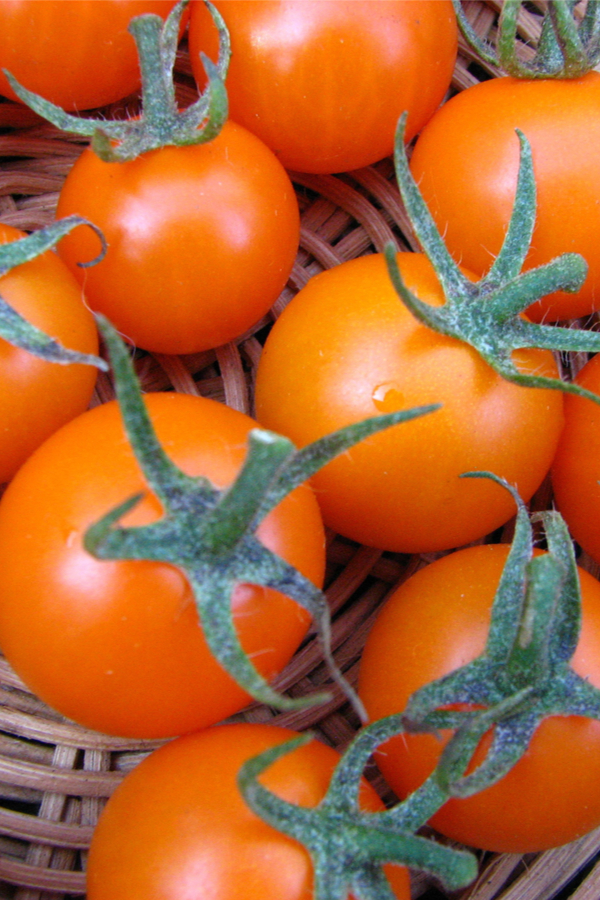
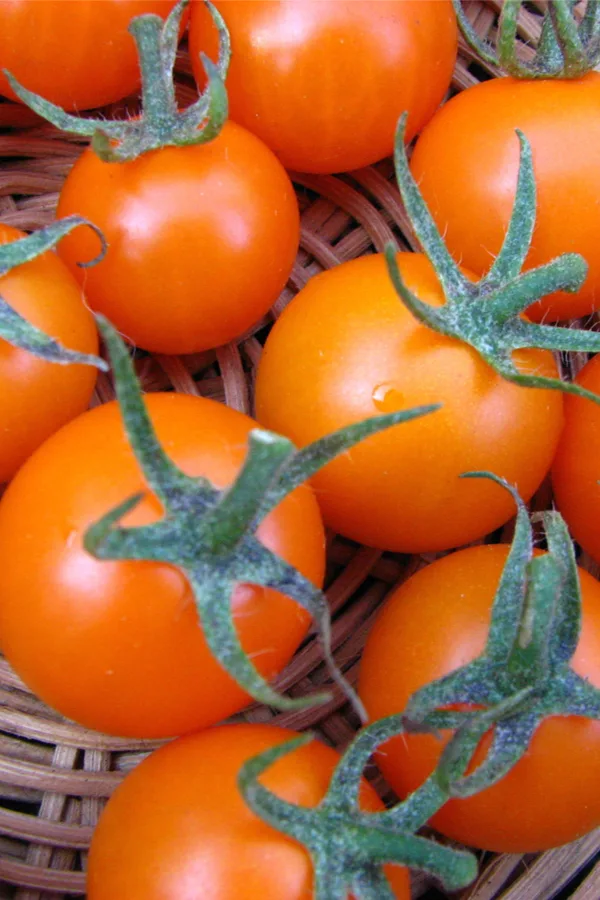
With its bright orange color, it stands out from the crowd. Especially if you grow it around traditional red tomato varieties. Much like the Midnight Snack variety, it also happens to be packed full of nutrition. Not only is the Sunsugar loaded with Vitamin C, it has a high Vitamin A content as well.
Midnight Snack is indeterminate in its growth pattern, and has good crack resistance while still maintaining a thin skin for better taste. Seed Link: Midnight Snack Variety
The black cherry tomato plant was one of the first non-traditional cherry tomato plants to become popular among backyard gardeners. The indeterminate heirloom variety produces some of the most flavorful cherry tomatoes around. And lots of them!
The color can vary a bit depending on the soil, heat and growing conditions, but in general the fruit turns to a beautiful blackish-red color as it ripens. Perhaps the color mahogany better describes the outer skin. One thing is for sure, the taste is an explosion of sweet, sugary perfection.
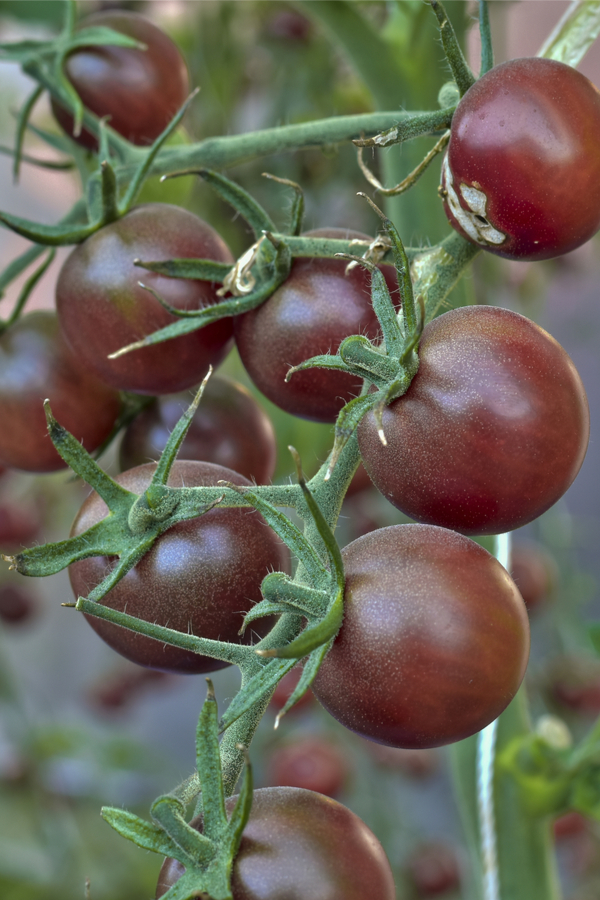
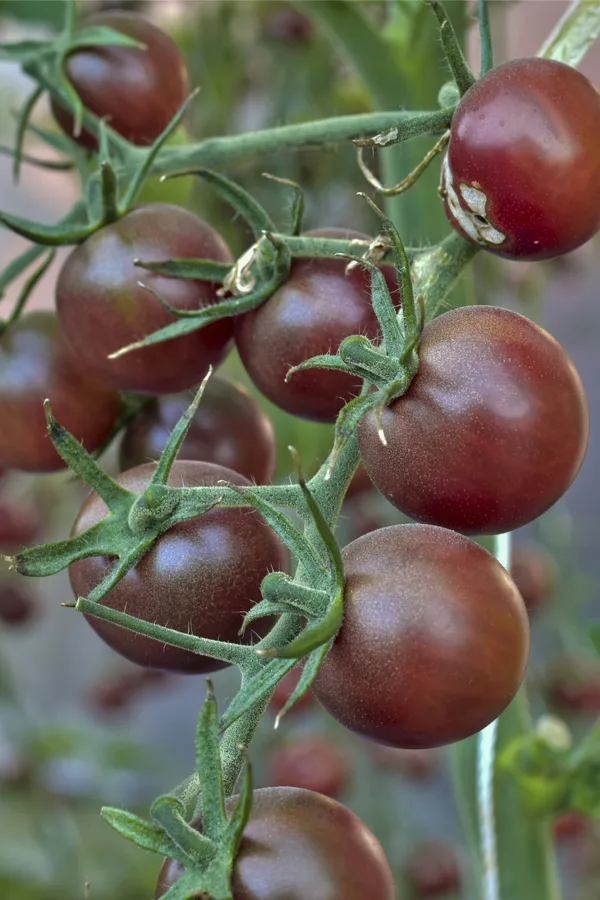
The fruit tends to be on the larger size of cherry tomatoes, usually topping out around one inch in diameter. Give these plants full sun as they can take the heat, and actually thrive in it. They will grow best when getting a full 8 hours of sun each day. Using a good, all-natural fertilizer will also help yields tremendously. (See : How To Fertilize Tomatoes)
Although the black cherry can grow quite successfully in pots and containers, they can grow big! In fact, when growing in a garden setting, they can reach heights of six feet or taller. With that in mind, be prepared to use a stake or cage for support.
Plants usually will begin to have their first harvestable fruit around 70 to 75 days from seed, but it can be faster in warmer climates. Plant one per container, and space 18 to 36 inches apart in a garden setting. Seed Link : Black Cherry Tomato Plant Seeds
The Gold Nugget is a wonderful choice for those looking for a great tasting yellow cherry tomato to grow. The bush-style plant ripens its fruit in around 60 days from seed, also making it one of the fastest producing varieties around.
What really makes the Gold Nugget stand out is its incredible flavor. With a thin, tender skin, the super-sweet flesh is perfect for fresh eating and salads. In fact, the flavor is so good that it has won several international awards!
Its compact growing style can work well for large containers or in a garden setting. With a heavy fruit load, staking or a cage for supporting the limbs and fruit will most likely be necessary. Gold Nugget is an open-pollinated, indeterminate variety that will continue to produce until frost. Seed Link: Gold Nugget Cherry Tomato Seeds
Last but not least, if you love to grow in containers, the Tiny Tim Dwarf cherry tomato plant is the plant for you! With a growing height topping out around 12 to 16 inches, and a width of about 6 inches, it is wonderful for pots, window boxes and even hanging baskets.
The diminutive plant fills its stems with a large quantity of tiny tomatoes. With a flavor profile somewhere between sweet and a bit tart, they are great for salads or snacking. Tiny Tim also happens to make a great conversation piece as well as a true dwarf tomato plant.
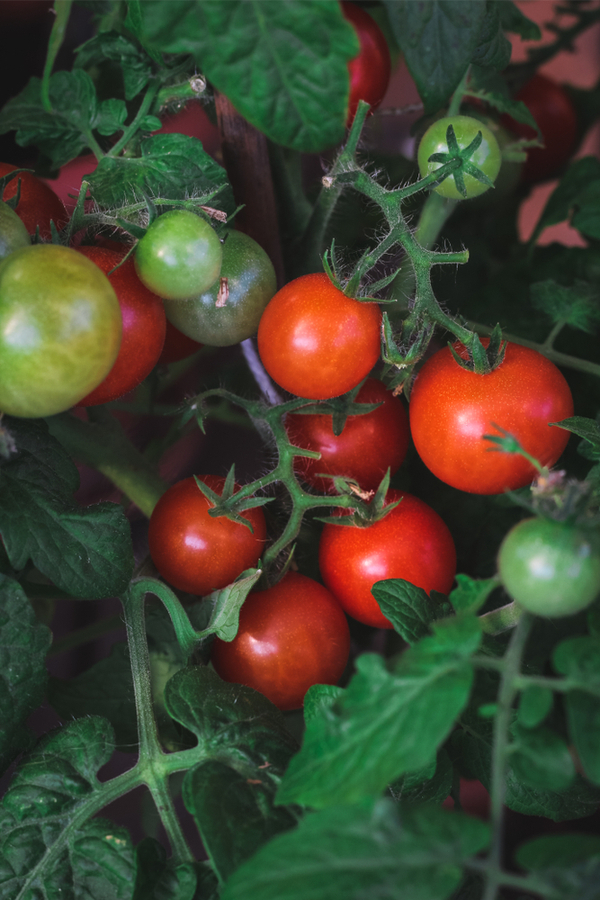
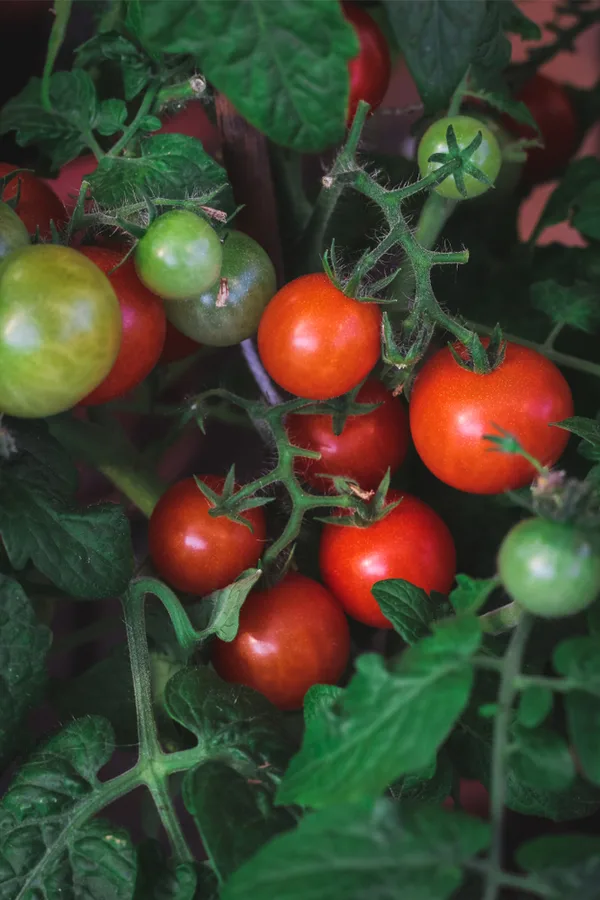
Unlike the other cherry tomato varieties in today’s article, Tiny Tim is a determinate variety. With that in mind, once it has produced its full compliment of tomatoes, it will die off for the season. Seed Link : Tiny Tim Dwarf Tomato Seeds
We hope you enjoyed today’s article on cherry tomatoes. It is safe to say that these five varieties are only the tip of the iceberg when it comes to heirloom cherry tomatoes. Here is to selecting a few of your favorite cherry tomato plants and growing some of the best, most delicious little tomatoes around!
Follow Our Facebook Page For Great Gardening Tips And Advice! This Is My Garden Facebook Page
This Is My Garden is a garden website created by gardeners, for gardeners. Jim and Mary Competti have been writing gardening, DIY and recipe articles and books and speaking for over 15 years from their 46 acre Ohio farm. They publish three articles every week, 52 weeks a year. Sign up today to follow via email, or follow along!
You might just be surprised how easy it can be to grow an entire vegetable garden in containers – no matter where you live!
You don’t need a large backyard or a big garden to grow fresh food. In fact, as long as you have a porch, patio or deck that gets a dose of daily sunshine, you can grow nearly all of your favorite vegetables.
Gardening in containers has many additional benefits besides simply growing in smaller spaces. It also happens to an excellent method to still enjoy gardening for those who might struggle with the physical demands of a traditional garden space.
And, with less weeds and easier access, container gardening is also a wonderful choice for those who are limited on time. After all, containers can be planted quickly. And in most cases, require just mere minutes a day to water and maintain.
But if all that wasn’t enough, growing a few vegetables in pots and containers on your patio gives you easy and fast access to fresh food.
Many gardeners with large backyard gardens still grow vegetables on their patio and decks in containers. Why? To simply have them close by when needed. Not only do they provide instant food, but add a bit of color and greenery to the space as well.
So, just how easy is it to grow vegetables in containers? Actually, success really boils down to following 5 simple, but key tips. With that in mind, here are the 5 big secrets to success when growing vegetables in containers:
Success with container growing all begins by choosing the right plants to grow. With limited soil space, it’s important to select vegetable plants and varieties that have more compact growth patterns. In addition, plants that can be easily trellised or supported work well too.
Of course, it all depends on size and shape of the container (Tip #2) you will be growing in, but as a rule, smaller plant varieties will perform better in pots.
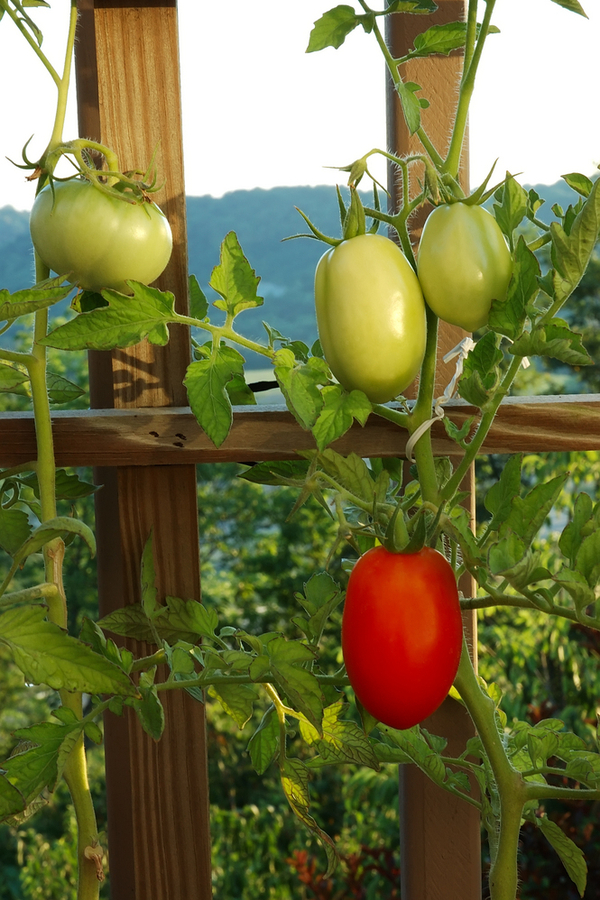
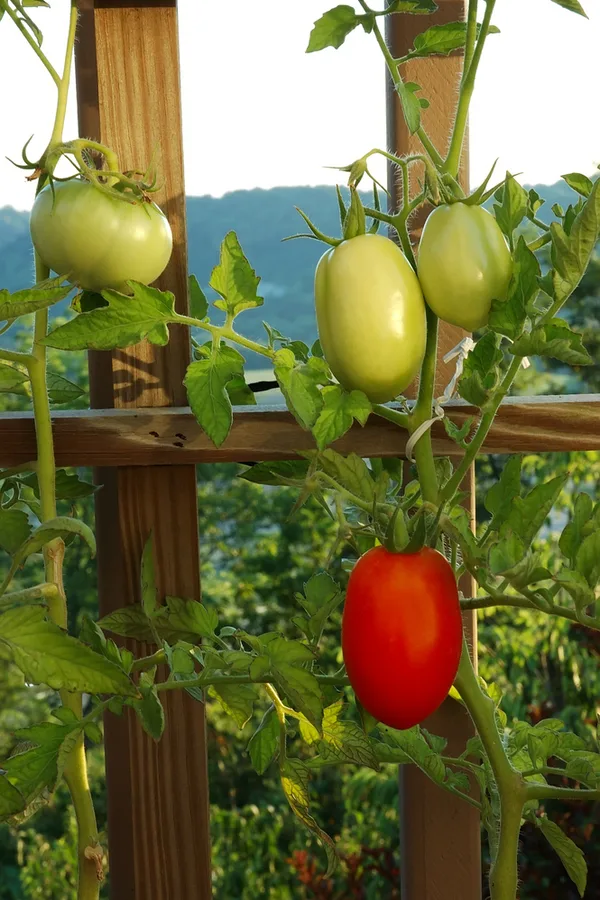
Case in point, tomatoes. By selecting small to medium tomato plant varieties such as San Marzanno, Roma, or cherry style tomato plants, there is enough soil and space to grow with ease.
The same would not be true for large heirlooms like Brandwine or Purple Cherokee. Heirlooms such as these can grow 5 to 8 feet tall. And unfortunately, need a lot of soil and support to do so.
The same advice continues for peppers, cucumbers, zucchini and other vegetables. Select smaller, bush style varieties with compact growth for best success.
What you grow in is as important as the plants you choose to grow. Avoid containers with shallow soil reserves. They simply do not provide enough room for adequate root growing.
Small, shallow pots will require multiple daily watering chores, and creates plants that never full develop from shallow roots.
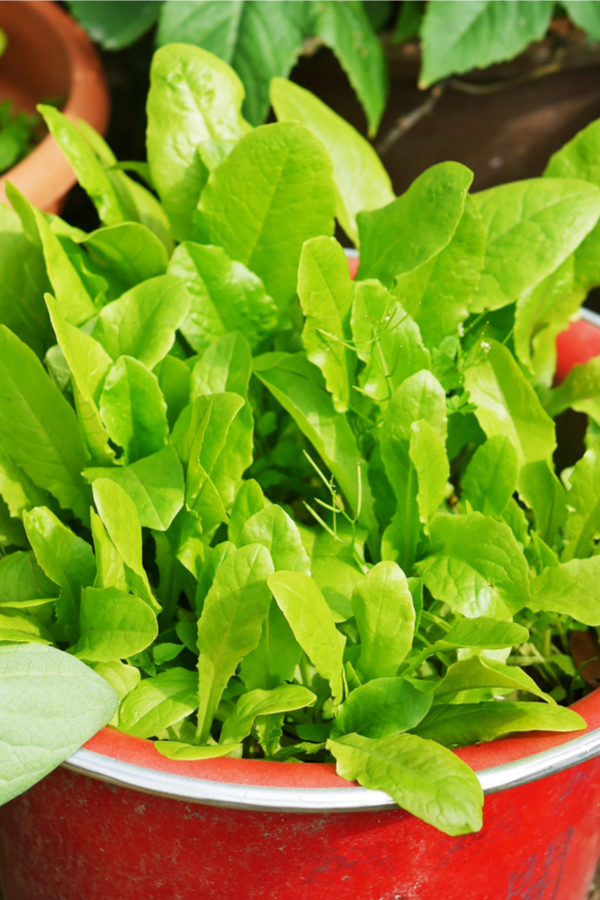
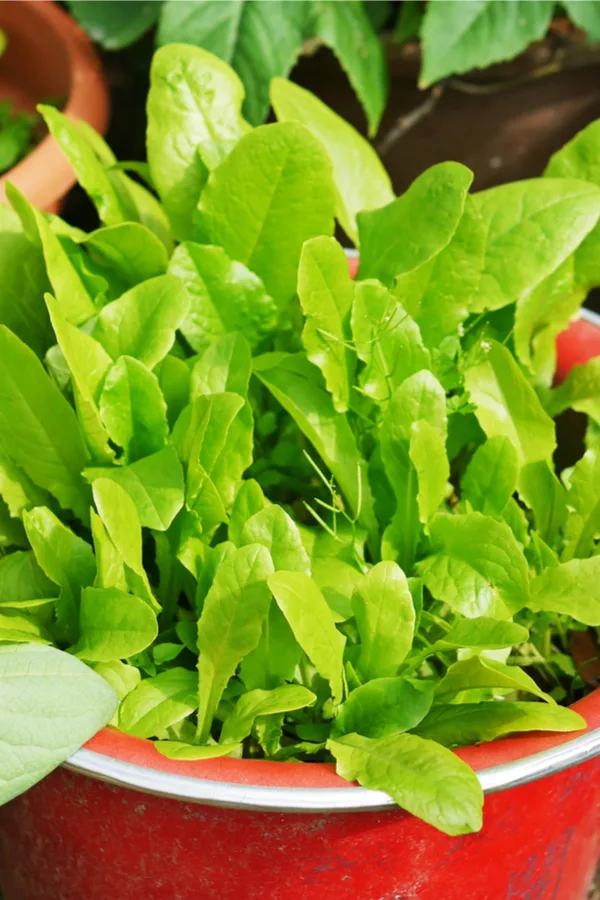
It all again depends on what you will be planting. For growing lettuce and small greens, look for pots and containers at least 6″ to 8″ deep.
Salad and herb crops are among the easiest to grow in pots. They don’t need a lot of depth in the soil, so you can select smaller containers and grow a wide selection of varieties. Just remember to keep harvesting and stagger your plantings in new containers to keep the fresh greens coming all summer long!
When it comes to growing some of the larger vegetables such as tomatoes, peppers and cucumbers, the bigger the container the better. Select pots and containers that have a minimum of 12 inches of depth and 10″ wide for larger plants.
5 gallon buckets and nursery buckets are a great choice for bigger plants, and can be quite economical too. They can also easily be dressed up on patios and porches with a homemade decorative cover or planter box.
Now that you have the right plants and the right size container, it’s all about providing good drainage. In fact, having proper drainage in your containers is one of the biggest keys to success of all.
If the plants can’t shed excess water, they will simply not perform well. Whatever you choose as your container, make sure it has plenty of drainage holes in place.
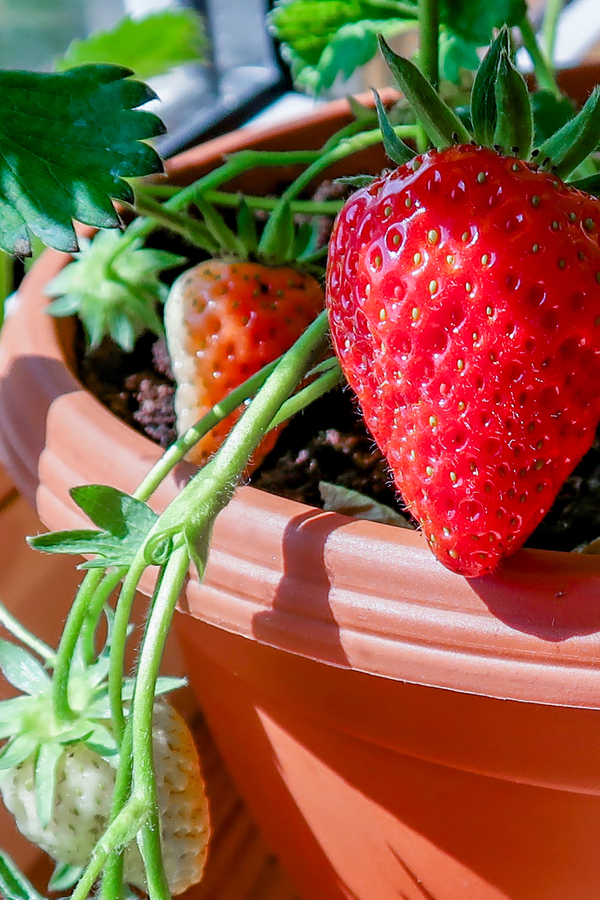
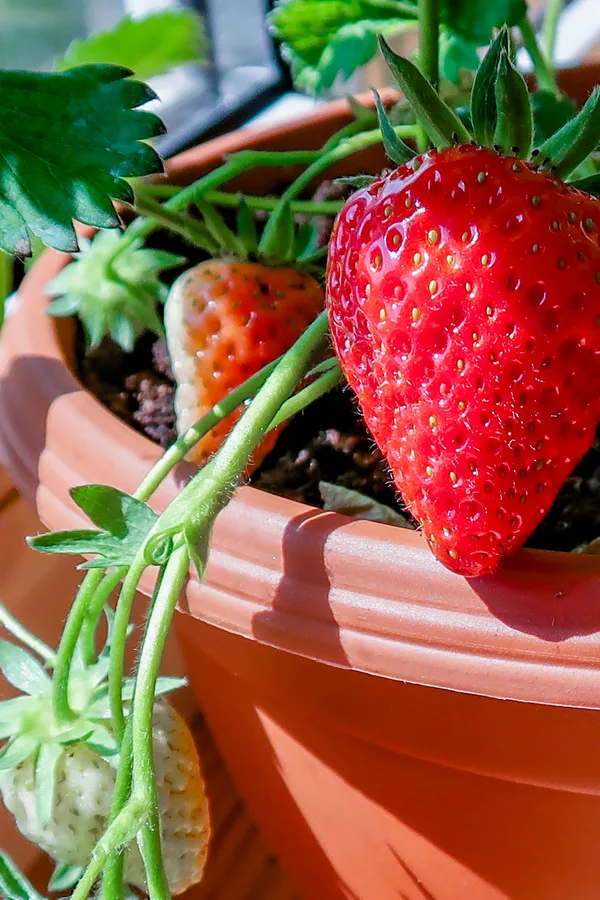
If not, create your own. Use a 1/2″ or 3/4 drill bit to make four to five holes in the bottom of containers. Next, place a bit of gravel, mulch, or bark mulch in the bottom to help keep the holes free.
Pine bark nuggets are one of the best choices for bottom drainage, and can be used for multiple years. They keep the soil from compacting the drainage holes, and keep the buckets lighter than using rocks.
Whatever you do, plant with good soil! Plants in containers simply will not grow well in regular garden soil or top soil. There are just not enough nutrients in regular soil to provide the power vegetable plants need to produce.
Start with a good quality potting mix, or create your own from an equal mix of sand, pulverized topsoil, compost and perlite. See : Homemade Potting Soil Recipe
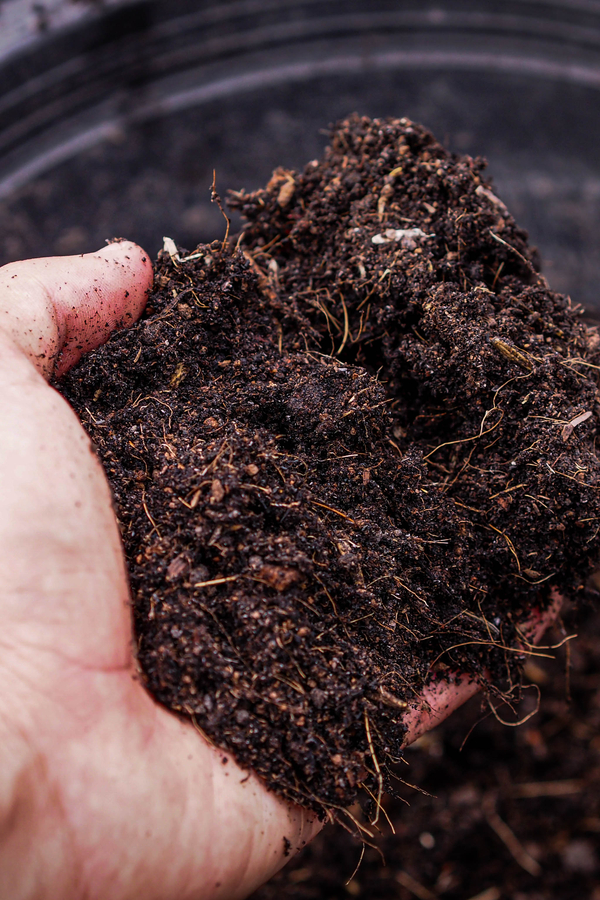
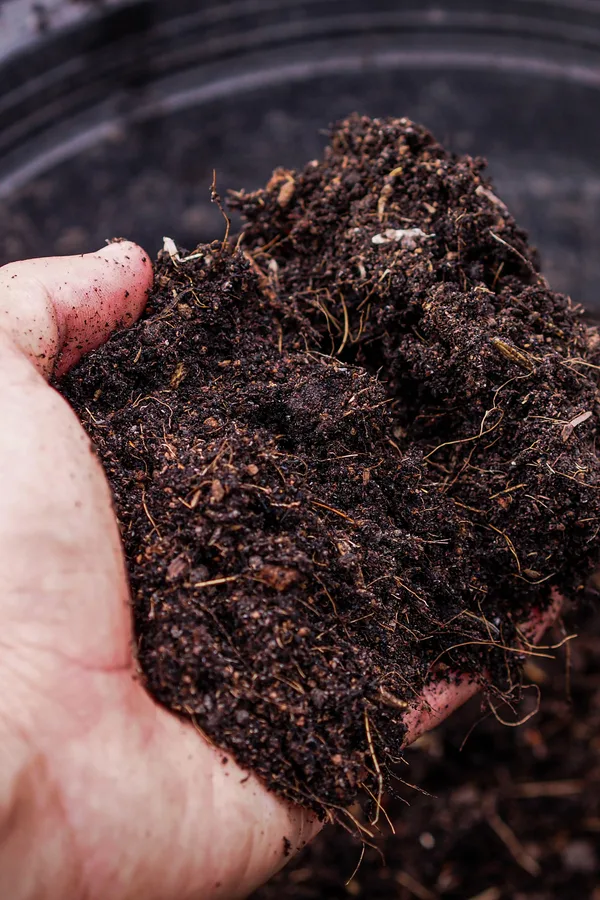
Adding worm castings to the mix is a great idea as well. It provides a perfect slow-release fertilizer that helps to power plants as they grow.
As a final note, when it comes to container growing, you will need to provide a little natural fertilizer every few weeks. For this, compost tea or worm casting tea every few weeks works wonders for plants growth and production.
Last but not least, total success comes down to watering your container plants on a consistent basis.
Container plants tend to dry out much faster than traditional vegetable plants in a garden. The sun and wind can quickly steal away moisture, leaving plants thirsty for a drink.
The key is to be consistent. When plants are allowed to dry out too often and for long periods, the resulting stress can limit bloom and vegetable production. It can also leave the plant more susceptible to disease and pest issues.
But at the same time, it’s also important not to over-water. The key is to get on a regular schedule to check your plants for watering. Most vegetable plants will need to be watered daily, some even twice daily as they grow larger late in the season.
To check, place your index finger down about 1″ into the pot. If it comes back dry, it’s time to water. If there is moisture or dirt is sticking to your skin, then let it be.
Here is to growing in pots and containers this year with smashing success!
Follow Our Facebook Page For Great Gardening Tips And Advice! This Is My Garden Facebook Page
This Is My Garden is a garden website created by gardeners, for gardeners. Jim and Mary Competti have been writing gardening, DIY and recipe articles and books and speaking for over 15 years from their 46 acre Ohio farm. They publish three articles every week, 52 weeks a year. Sign up today to follow via email, or follow along!
Looking for a few unique tomato plants to grow this year to add a little flair and bold flavor to your garden?
When it comes to growing tomatoes in the garden, or in pots or containers for that matter, there is no need to settle for planting the same old typical varieties year after year.
Not when you can shake it up by planting a few out-of-the ordinary heirlooms!
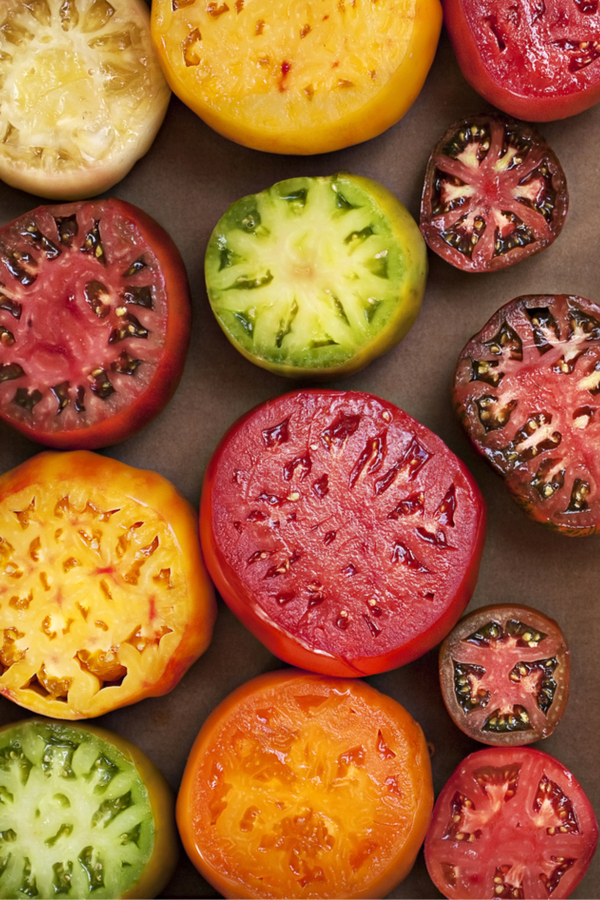
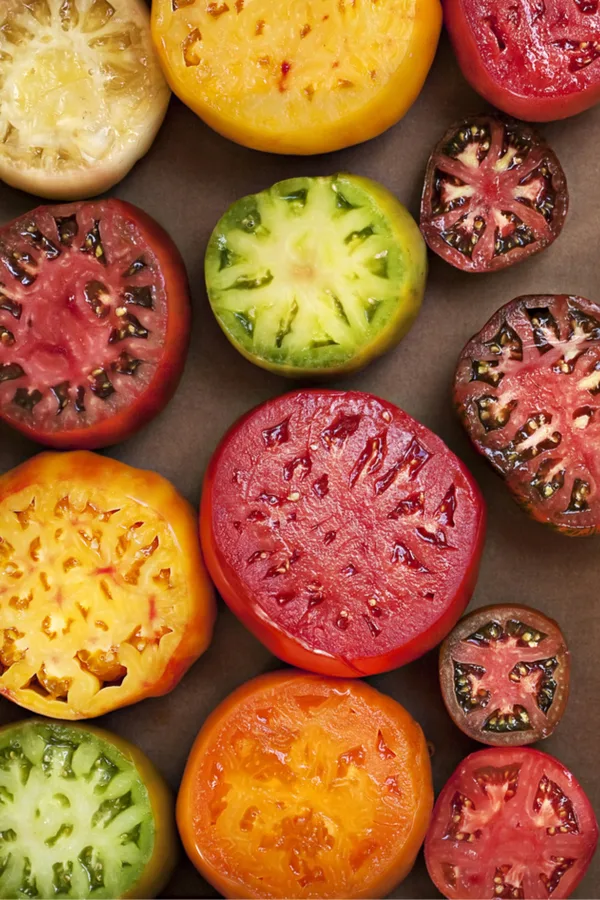
Heirloom tomatoes have become all the rage in recent years. And for good reason. Not only are there varieties with bold flavors, many have unique shapes and color too. In fact, some so much that many who see them are not even sure it’s a tomato.
From green and red striping, to chocolate, purple, orange and pink flesh, there are heirloom tomato varieties that run the entire color gamut of the rainbow. And can they ever add big interest to your garden or patio vegetable plantings!
Here is look at 3 such one-of-a-kind tomato plants that are sure to have your neighbors and fellow gardeners wondering just what you might be growing this year. And best of all, all 3 are determinate varieties, so they will keep producing all summer long!
The Chocolate Stripes tomato almost looks to good to pick when growing in the garden.
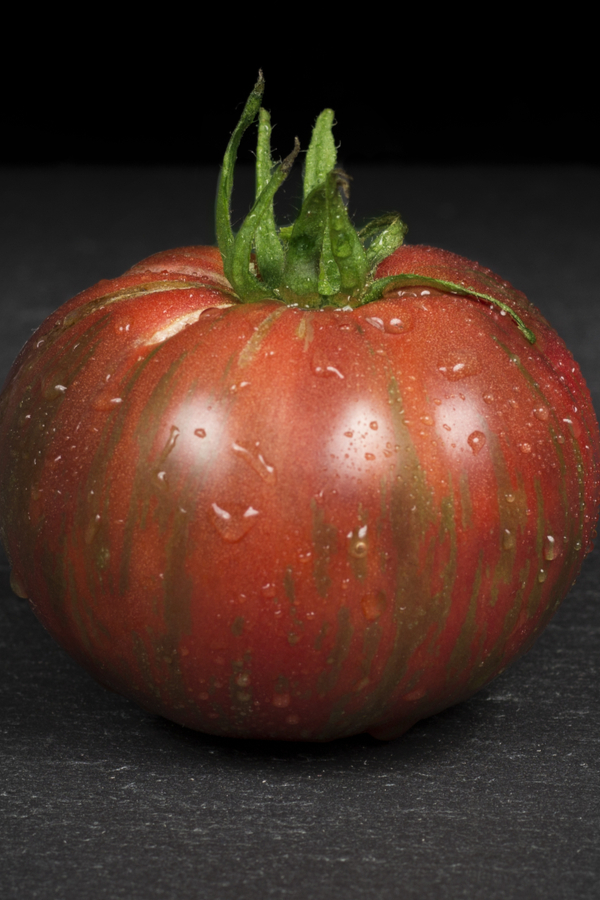
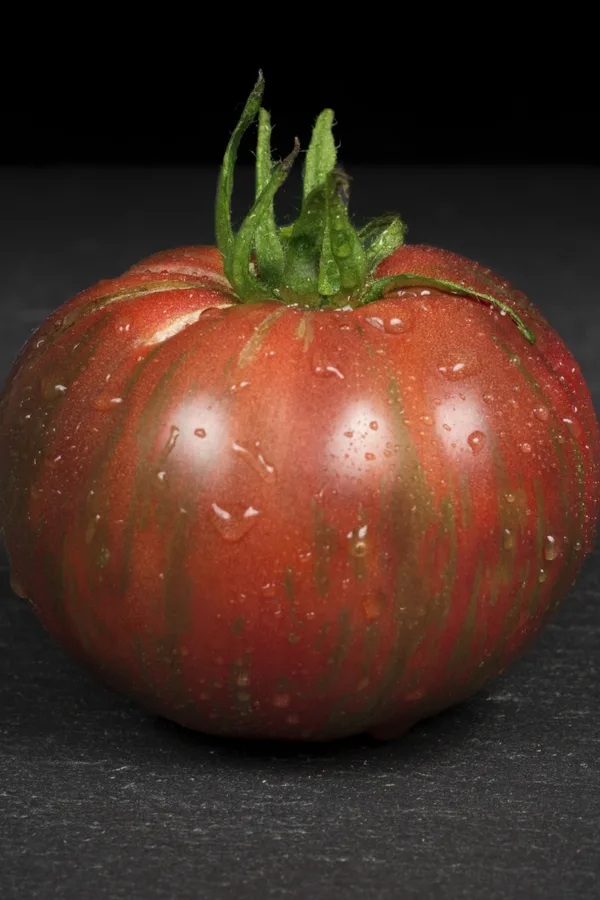
This heirloom is sure to raise a few eyebrows from fellow gardeners. Whether they see in it in your garden, or once they taste its amazing flavor. Plants produce thick, dense 3 to 5″ inch fruits that ooze with deliciousness.
Excellent for topping sandwiches, using in salads, or simply for slicing and eating, the rich, meaty flavor is one-of-a kind. In fact, so much so that it has won several national “best tasting tomato” contests.
But what really makes this tomato unique is the beauty of its flesh. With olive / brown stripes and a deep, dark red skin, it is simply beautiful to behold. Seed Link : Chocolate Stripes Tomato Seeds
Looking for a tomato with a unique shape? Then the Oxheart Pink is the tomato for you!
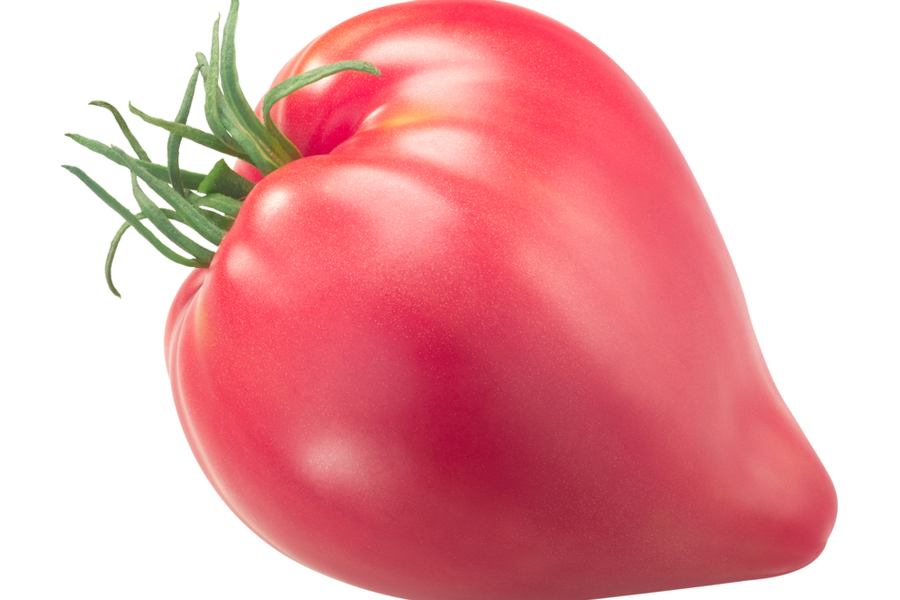
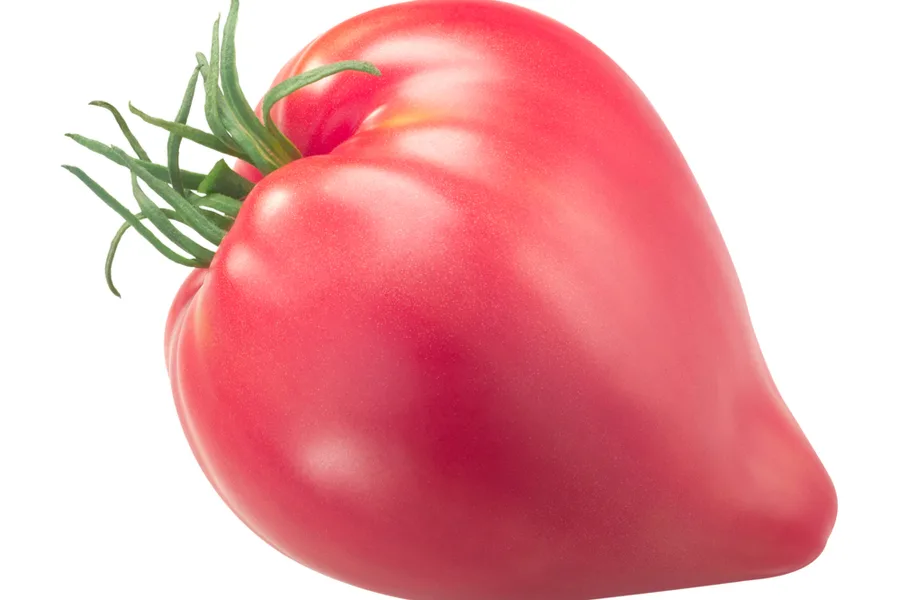
The heirloom produces a large crop of heart shaped fruits perfect for fresh eating, juicing or preserving. And with a complex balance of rich, deep and sweet flavors, the taste is one that will have you coming back.
The Oxheart Pink is a vigorous grower. An as an indeterminate, it keeps on growing and producing until the first frost. Although this variety has been around for ages, it has recently soared in popularity. Seed Link : Oxheart Pink Tomato Seed Link.
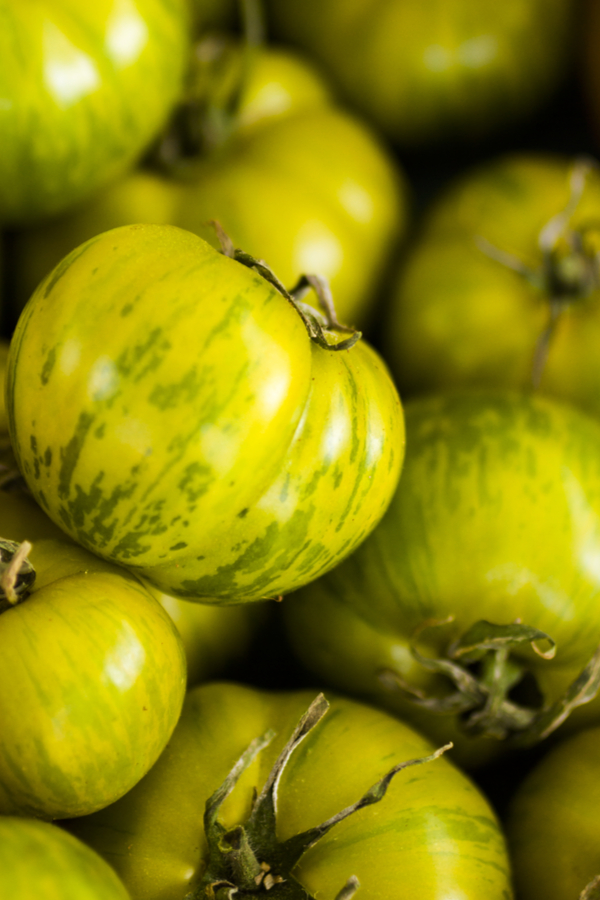
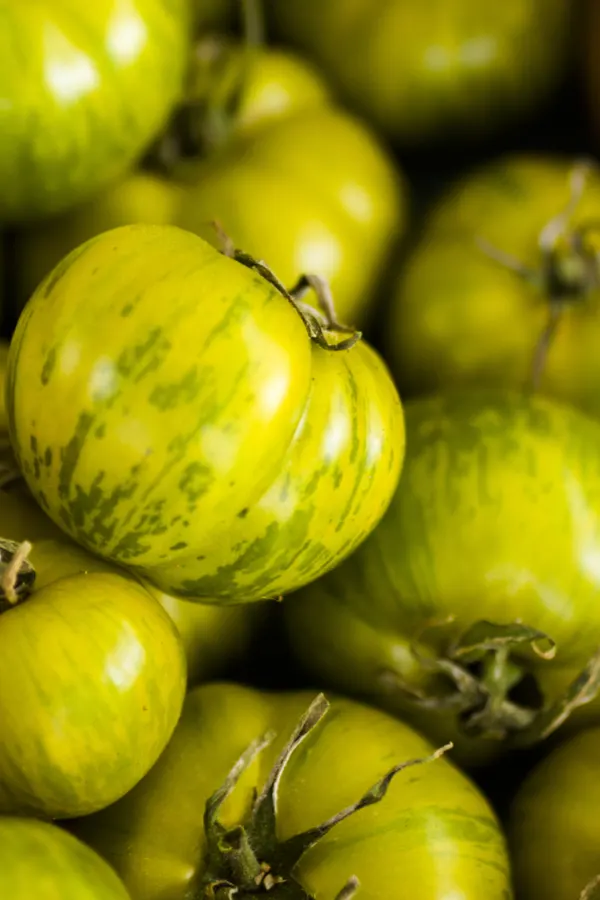
Talk about a bit out of the normal when it comes to tomatoes, this variety ripens green!
Aunt Ruby’s is an heirloom tomato variety that hails from Germany. The seeds were carried to the United States by a family living in Tennessee. And yes, you guessed it, Aunt Ruby was part of that family!
As the story goes, Aunt Ruby passed the seeds along to friends, neighbors and family. And the tomato became a local and then regional favorite.
The plant produces large half-pound to one pound fruits that are excellent for slicing. Considered a beefsteak variety, what sets it apart is that it matures as as green tomato, and not the usual red.
So how do you know when it’s ripe? Beyond getting to the proper size, Aunt Ruby’s can be harvested when the fruit softens and the tomato turns a slightly yellowish shade of green. It is certainly an eye-opener when growing in the garden.
This Is My Garden is a website dedicated to spreading the love and knowledge of gardening around the world. We publish two new garden articles each week. This article may contain affiliate links.
One of the biggest secrets to growing big, healthy, and productive tomatoes is knowing how and when to fertilize your plants.
Tomato plants are heavy feeders from the soil. And unfortunately, no matter how rich and fertile your soil might be, they can quickly deplete it’s nutrients.
That is why fertilizing plays a vital role in a tomato plants overall health and vitality. And of course, at harvest time, helps create a more bountiful harvest.
But as you will see below, the secret to success lies is knowing when to fertilize, and just how much to use on your plants. And in addition, when to stop fertilizing all-together.
Tomato plants benefit from fertilizing at several key points of their life cycle. Here is a look at just when and how to fertilize tomato plants.
For those that start their own seeds indoors, it is a great idea to fertilize lightly from the get-go.
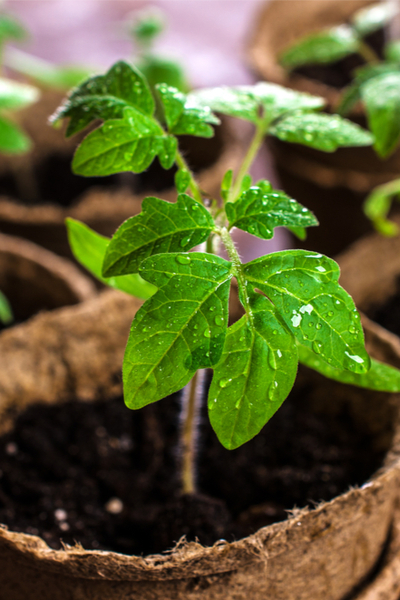
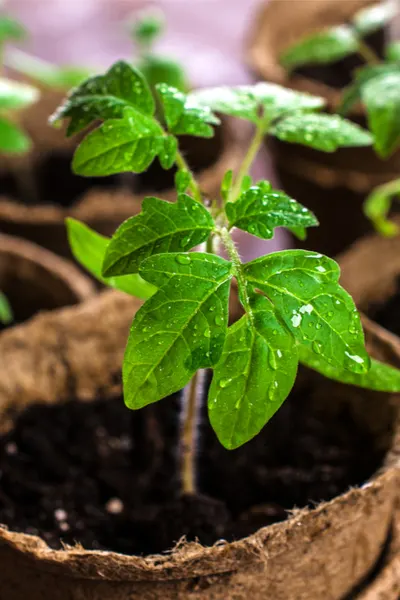
This can be done easily by adding worm castings or slow-release organic fertilizer to the seed-starting mix when planting. It can also be provided when watering seedlings with a weak mixture of compost, worm casting, or liquid fertilizer tea weekly when seeds mature beyond the 4 week mark.
For those that purchase transplants from their local greenhouse or garden center, chances are the plants have been fertilized a bit already. But giving them a weak dose when you bring them home is a great idea. (See : How To Make Compost Tea)
Giving plants a boost of slow-release fertilizer at planting time is extremely important. During their first 4 to 8 weeks in the ground, tomatoes need a slow, steady diet to build a strong root structure.
The best way to do this is to fill planting holes with a power-packed punch of nutrients. Begin by adding in a few cups of compost to each planting hole.
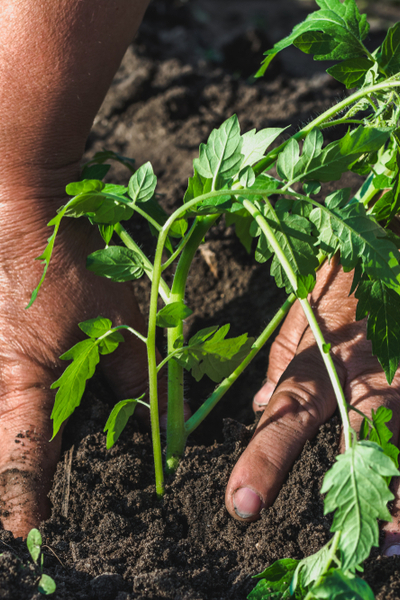
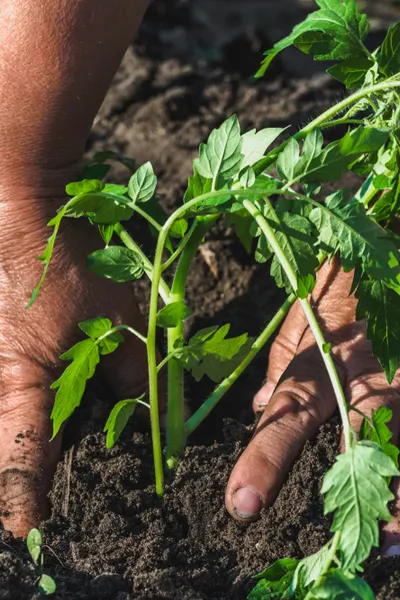
Compost is filled with a great balance of nutrients that release their power slowly over time. Likewise, adding in 1/4 cup of worm castings to the planting hole provides even more long-term, slow-release nutrients.
If you don’t have compost or worm castings available, you can also use an all-purpose, organic, slow release fertilizer. See: Jobes Organic Tomato Fertilizer
Once transplanted, young tomato plants need a few weeks to adjust to the soil before fertilizing again. The shock of transplant can be hard on plants, and adding fertilizer too early can actually harm them.
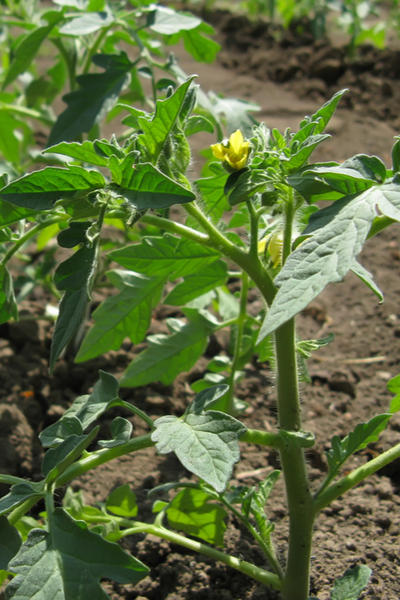
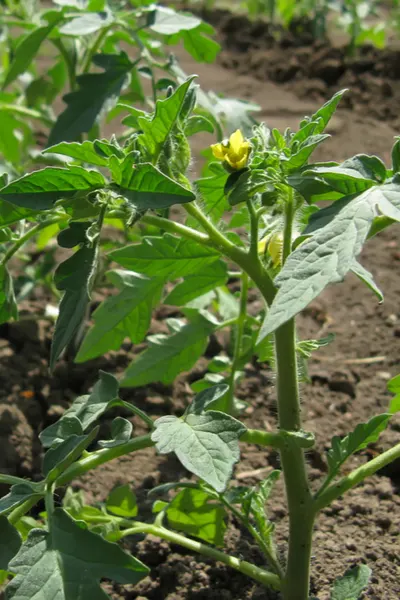
Once tomatoes have been in the ground for 3 to 4 weeks, it’s time to start fertilizing again. At this point they are established, and ready to take off.
The key when fertilizing growing tomato plants is to add nutrients in a low and slow method. Adding too much fertilizer all at once can create major long term issues.
For one, using too much fertilizer can burn and damage plants. But it can also put the plant into overdrive producing only foliage and growth – and not blooms.
Using a liquid fertilizer like compost or worm casting tea every 14 days is the way to go. Fertilizing tomato plants with liquid helps in two distinct ways, absorbing nutrients through the plant’s roots, and the leaves.
Again, if compost or worm casting tea are not available, you can use liquid organic fertilizer as an alternative. Use the fertilizer at half of the recommended strength every two weeks. This helps keep a slow, steady supply of nutrients coming to the plants.
Although tomato plants benefit greatly from fertilizer, as mentioned earlier, too many nutrients can be a problem. And that includes fertilizing too late in the growing season.
As soon as plants have begun to set a large portion of their fruit and harvesting is about to begin in earnest, fertilizing should cease.
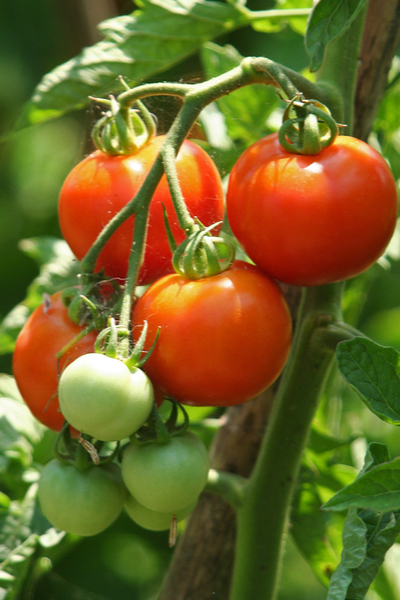
Fertilizing late in the growing season can cause plants to stop producing blooms to concentrate on more foliage growth. In addition, the fertilizer is simply not necessary nor helpful to creating more blooms.
One final way to help your plants produce more is to pick ripe fruit daily. By picking on a regular basis, nutrients can go toward helping new fruit develop instead of over-ripening old fruit.
Here is to fertilizing your tomato plants this year for a bigger, better harvest!
This Is My Garden is a website dedicated to spreading the love and knowledge of gardening around the world. We publish two new garden articles each week. This article may contain affiliate links.
If you are looking to grow your own delicious tomatoes this year, you are going to love these 3 great all-purpose tomato plant varieties!
For many gardeners limited on space or time, growing an endless amount of tomato varieties is impossible. It can be challenging to find space for tomato plants that are good for eating, canning, or perhaps for those needing a variety without so much acid.
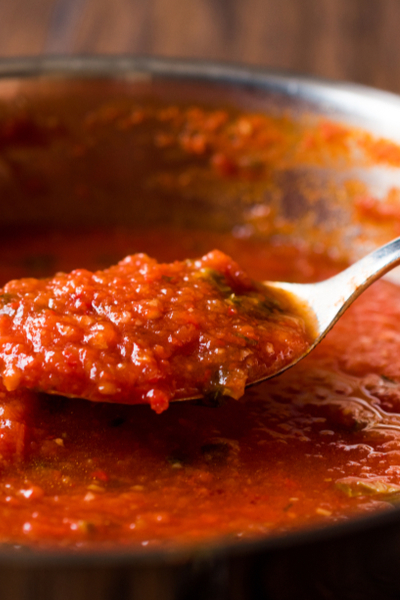
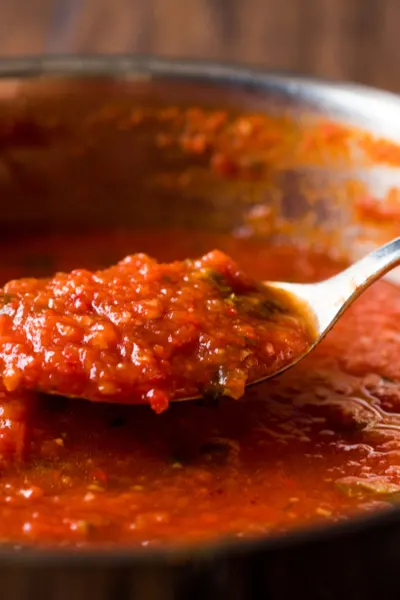
But with these 3 great varieties below, you can cook, can, juice and eat until your heart is complete!
When it comes to the perfect all-purpose tomato plant, the Celebrity might just be the best of all!
The Celebrity variety produces medium to large 6 to 10 ounce tomatoes with a near perfect globe shape.
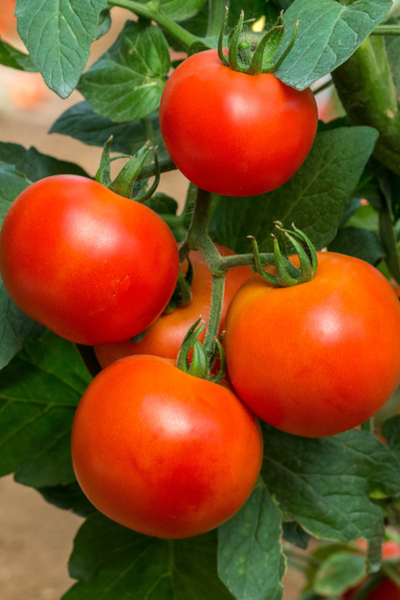
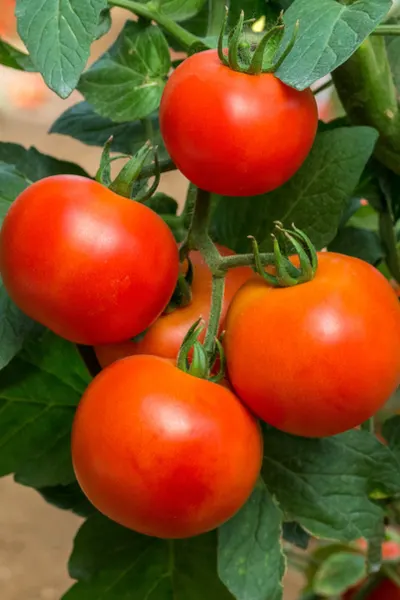
This hybrid’s sweet, balanced flavor is wonderful for fresh eating, canning and juicing. But it’s meaty flesh is just as delicious on top of your favorite hamburger as well. And Celebrity’s versatility doesn’t stop there, it’s also an excellent choice for creating salsa and sauces too.
Perhaps best of all, at just 72 days to average maturity, the Celebrity will be one of the first tomatoes to ripen in the garden. Seed Link : Celebrity Non-GMO Hybrid Seeds
Number two on our list is the San Marzano. This highly productive variety is an absolute must for those who love to make homemade salsa and pasta sauces.
The San Marzano produces heavy loads of oblong shaped fruits on sturdy vines. And with their meaty thick flesh and small seed core, they are a chef’s delight in the kitchen.
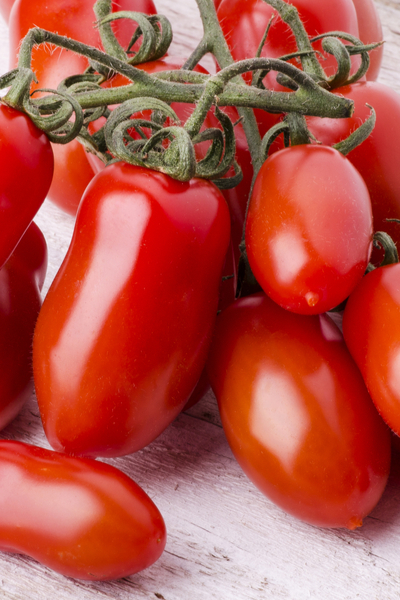
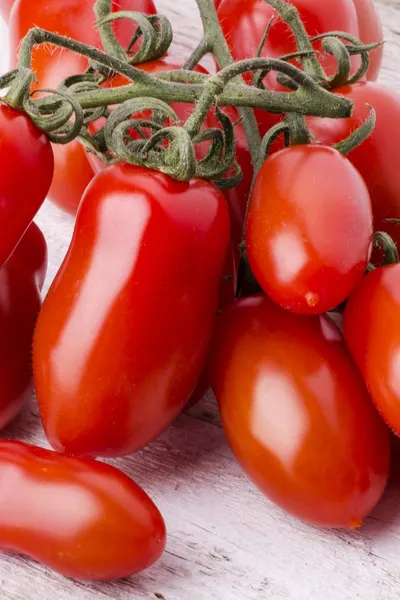
With an almost sugary sweet taste, they are wonderful for cooking down into delicious sauces. But the thick walled fruits are a sturdy ingredient for fresh salsa and Pico de Gallo too.
The San Marzano is an indeterminate, which means it will keep on producing right up until the first frost. Seed Link : Non-GMO San Marzano Seeds
Not all great tomatoes have to be red, and the Gold Medal tomato is proof of that for sure. One of the best pure fresh eating tomatoes around, it’s flavor is outstanding!
It is perfect for salads, brightening up salsa, or simply eating fresh. But even better, it is a low-acid tomato, so it is a great choice for those who have to keep an eye on digestive issues.
And that juicy, bold flavor is exceptional for making fresh tomato sauce too! The Gold Medal can be preserved by freezing, but is not suitable for canning due to the low acid content.
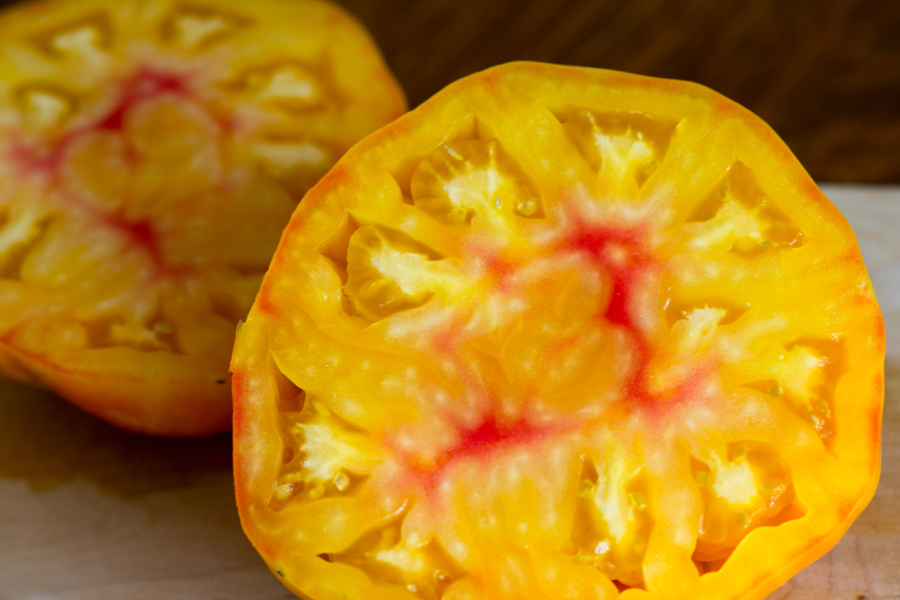
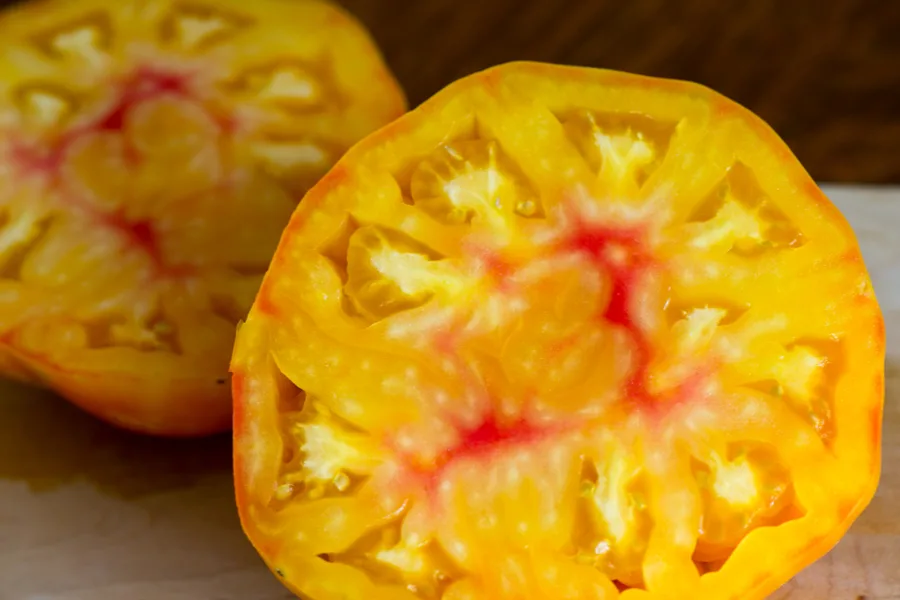
This indeterminate tomato produces beautiful bi-colored tomatoes with hints of pinkish-red throughout its yellow flesh. Gold Medal tomatoes mature in 80 to 90 days, producing large fruits up to 2 pounds. Seed Link : Gold Medal Tomato Seeds
Here is to growing a few of these all-purpose tomato plants in your garden this year! For more on growing tomatoes, check out our article: The Secret To Planting Tomatoes.
This Is My Garden is a website dedicated to spreading the love and knowledge of gardening around the world. We publish two new garden articles each week. This article may contain affiliate links.
When it comes to how to best harvest a garden, when and how you pick your produce makes a huge difference.
And not just for how much plants will produce, but for how long they will stay in production as well!
With the exception of determinate vegetable plants that bear their fruit all at once over a short period, most vegetable plants will continue to produce fruit all season long.
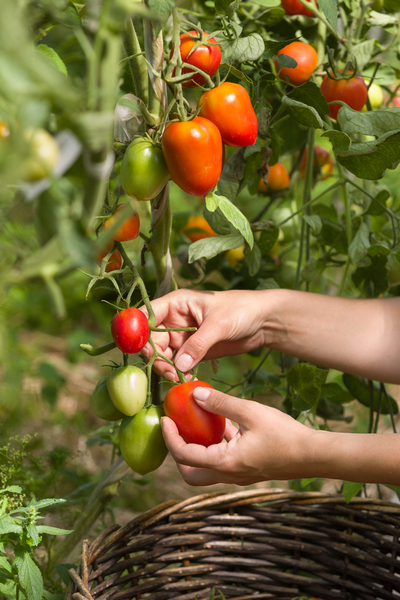
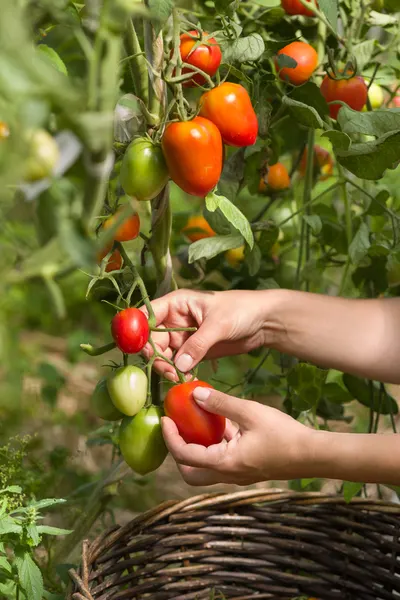
That is, as long as the conditions remain “right” for the plant to produce new blooms.
And that is where how and when you pick can matter the most!
Although that very first tomato, pepper or tiny cucumber that appears is always exciting, it can also hold the rest of the crop back.
The first few fruits or vegetables a plant produces are usually the slowest to ripen. A plant is not quite in “production” mode early on, and initial fruits struggle to mature.
In fact, many times, the first fruit on a plant ends up rotting before it can ever make it to the table.
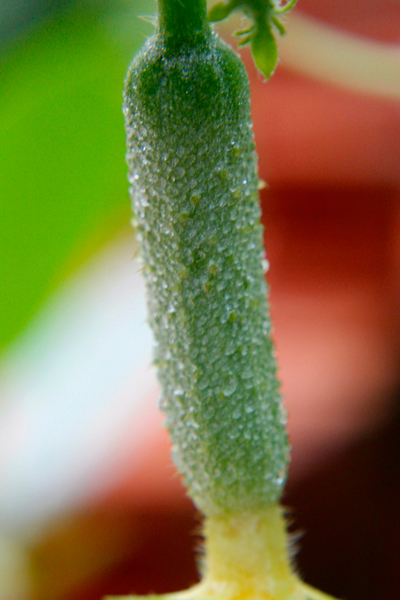
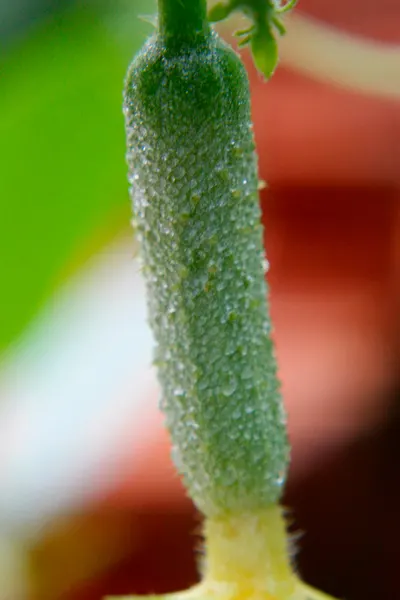
If early fruits fail to start ripening in a timely matter, they should be removed. This allows the plant to better use it’s resources for growing and ripening subsequent fruit.
One of the biggest mistakes gardeners make is to allow too much fruit to remain on plants.
A successful harvest begins and ends with picking early, and picking often!
Plants such as cucumbers, zucchini, peppers and indeterminate tomatoes can all suffer from being overloaded with fruit.
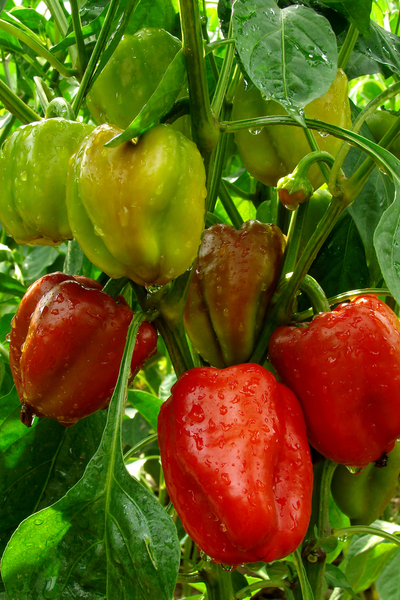
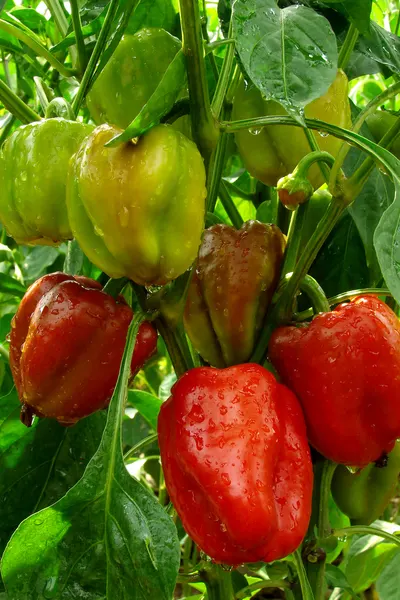
When a plant’s “fruit load” becomes too heavy or excessive, it signals the plant to stop producing new blooms.
And without additional blooms, there of course, will be no new fruit.
Frequent harvesting is vital to encourage indeterminate varieties of vegetable plants to keep on producing blooms.
Again, this is only for indeterminate varieties, not determinate. ( See : Indeterminate vs. Determinate Tomatoes)
Another issue with fruit & vegetable overload is that it slows the overall ripening process.
By picking ripe or nearly ripened vegetables regularly, it allows the plant to use it’s limited resources to ripen the remaining produce.
In addition, plants that are overloaded with too heavy of a fruit load become more susceptible to damage from winds and storms.
And if that isn’t enough of a reason to harvest regularly, an overripe and overloaded garden is more likely to be attacked by insects and small animals.
After all, all of those ripe vegetables are a delicious and easy target for rabbits, raccoon and deer.
And finally, as you harvest, inspect plants for damaged or diseased fruit and foliage. And as soon as you see it, remove it!
Plants use a tremendous amount of resources to attempt to heal broken branches or damaged fruit.
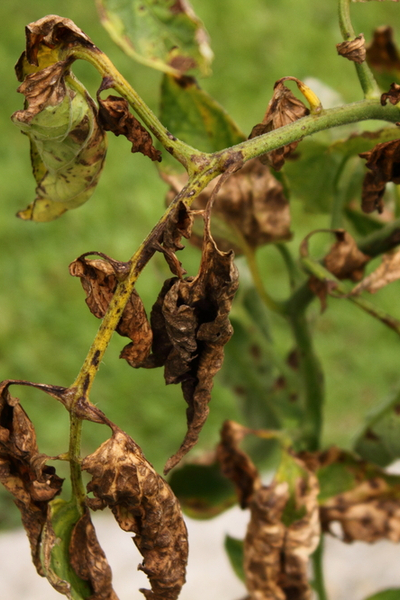
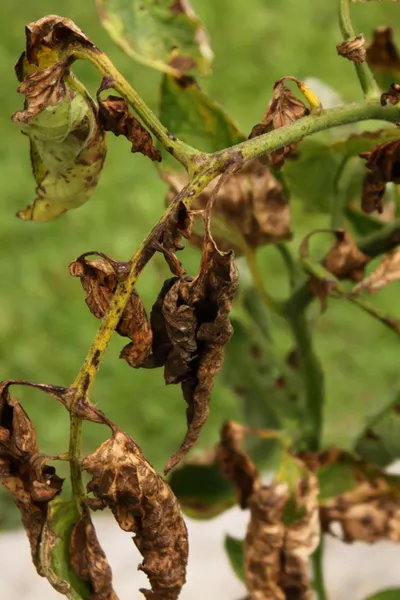
Resources that should be going towards producing and ripening more fruit and vegetables.
Removing diseased foliage and fruit also helps keep deadly diseases from spreading.
And nothing can put a stop to a harvest like disease running rampant!
Here is to getting the most from your plants when you harvest the garden this year.
This Is My Garden is a website dedicated to spreading the love and knowledge of gardening around the world. We publish two new garden articles each week. This article may contain affiliate links.
When growing heirloom tomatoes, gardeners need to prepare themselves for a bit of an explosion.
As in an explosion of flavor!
Heirloom tomatoes have taken the vegetable gardening world by storm over the last decade.
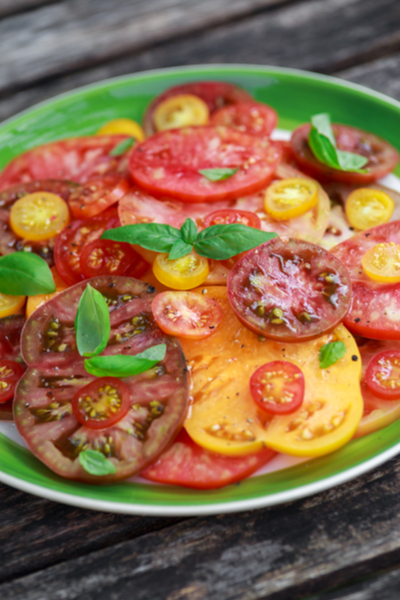
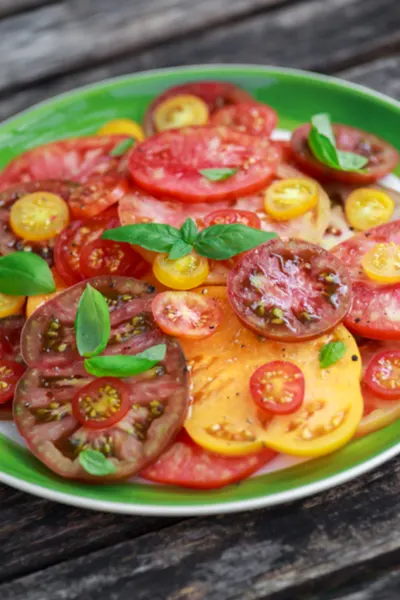
Old-time varieties, once phased out in favor of more “standardized” commercial tomatoes, are now being rediscovered and grown again.
Many of the best tasting varieties of tomatoes were weaned out of the mainstream gardening world during the last 50 years.
Why? Because they were not pretty enough to display at the market. Or, because they didn’t have a long shelf life.
But times have changed for the good. And growing heirloom tomatoes in the backyard garden is now a passion for many.
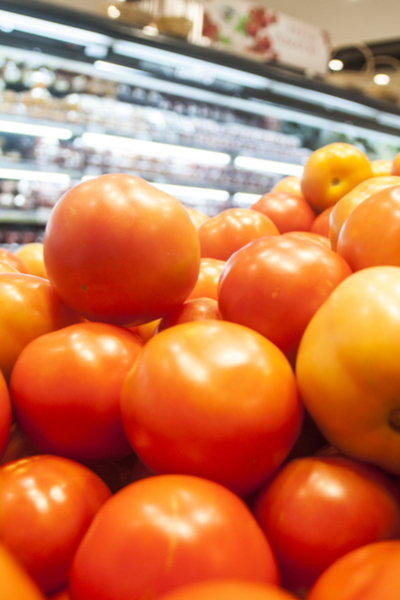
Heirloom varieties like Brandywine, Copia and Purple Cherokee ooze with style and flavor. ( Be sure to see our six great varieties to grow below)
And in the process, have relegated the boring, tasteless “supermarket” tomato to near extinction.
Adding to their allure for the home gardener, heirloom seeds are also easy on the garden budget.
By nature, heirloom tomatoes are open-pollinated. These stabilized varieties can easily be saved to use again and again. See : Saving Heirloom Tomato Seeds
So, are you ready to start growing heirloom tomatoes in your garden thsi year?
Here is a look at six great varieties that will rock your flavor taste buds!
The Tigerella is a gorgeous tiger striped heirloom with bright red and orange stripes.
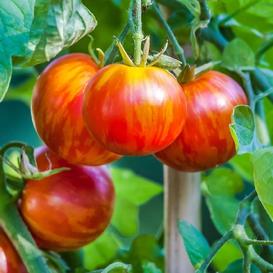
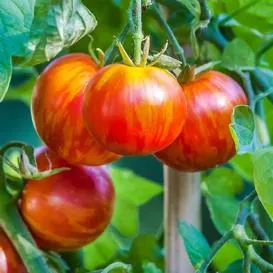
Beyond their intense beauty and flavor, Tigerella tomatoes mature early. They are a great way to enjoy tomato flavor fast!
The Tigerella is a big producer. As an indeterminate, it will keep on producing until frost.
Seed Link : Tigerella Heirloom Tomato
This tomato is unique and simply beautiful. It is a must try!
The Hillbilly produces yellow and red striped tomatoes on large plants. The tomatoes are almost neon in color.
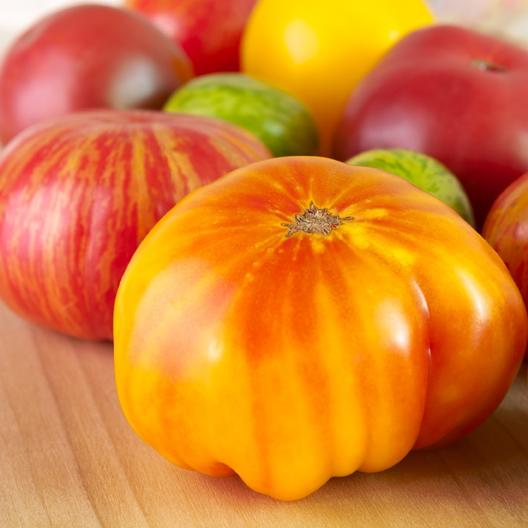
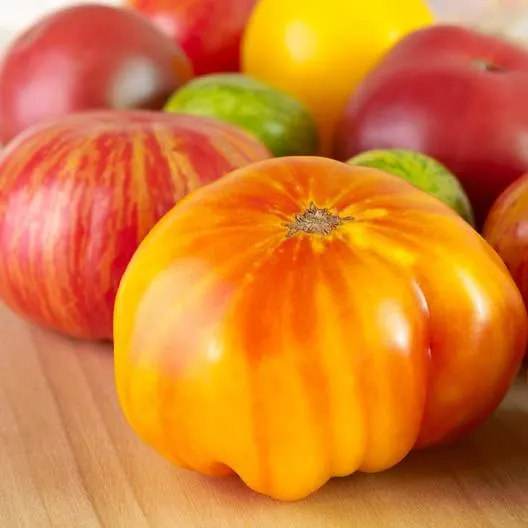
The Hillbilly tomato is perfect for slicing and eating.
It also adds wonderful flavor and color to salads. They are also a great conversation starter!
The Costoluto is one old-time tomato!
With roots from Italy, the Costoluto Genovese is a tomato with a past in the United States since the early 1800’s.
In fact, it was one of Thomas Jefferson’s favorite tomatoes to grow.
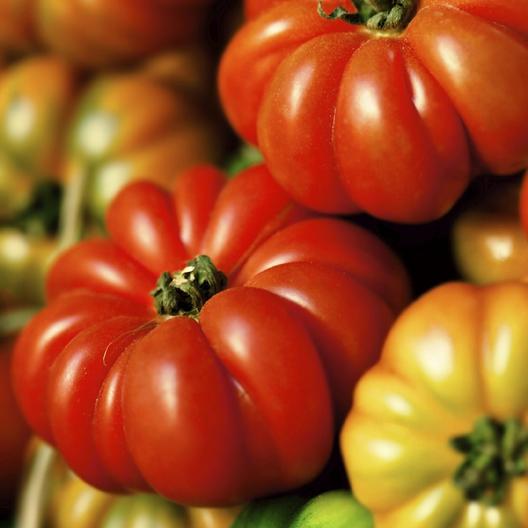
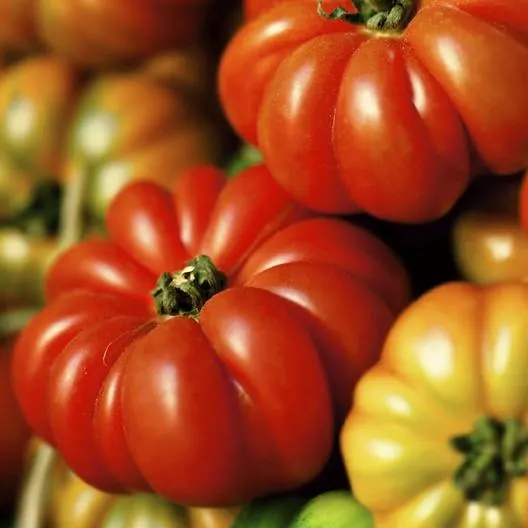
The tomato is unique for sure. It has deep red ridges that form a near pumpkin-type shape.
And the flavor is meaty and intense.
Not surprisingly, it remains one of the most well-known and grown tomatoes in Italy for eating and preserving.
Seed Link : Costuluto Genevese
Next up is the Golden Jubilee.
And when it comes to growing heirloom tomatoes of the yellow variety, it is a perfect choice.
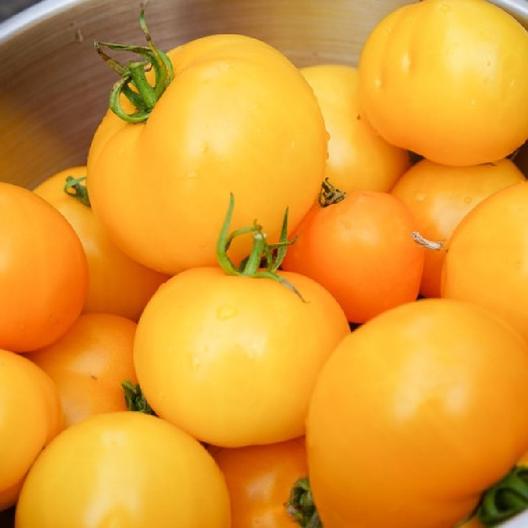
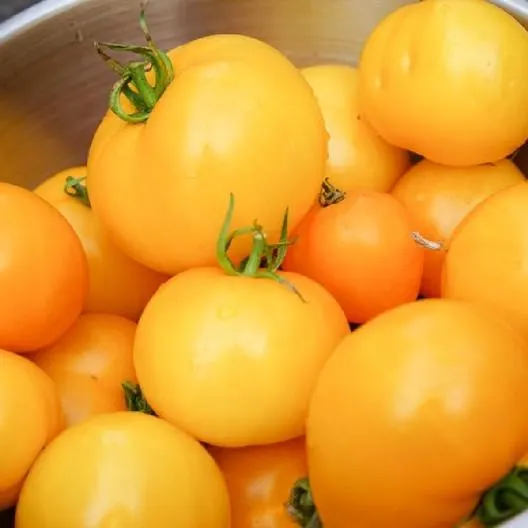
The Golden Jubilee produces a heavy harvest of 3 to 5 oz. yellow tomatoes. They add wonderful color to salads. And are perfect for slicing and eating too.
Dating back to the 1940’s, this award-winning tomato is juicy, meaty, and sure to please.
Seed Link : Golden Jubilee Tomato
If you like salsa or you like to can – then you need to grow San Marzano!
They are an amazing paste, puree and canning tomato.
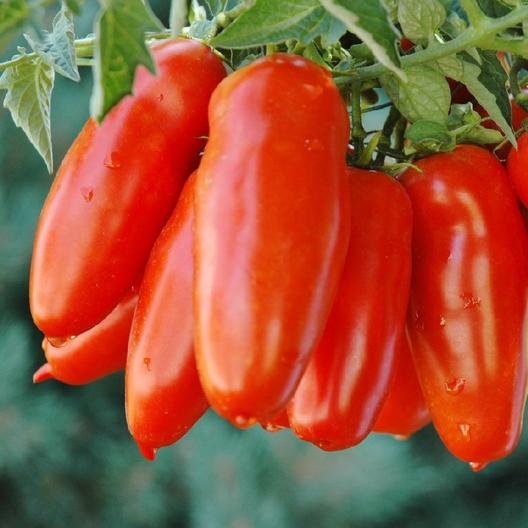
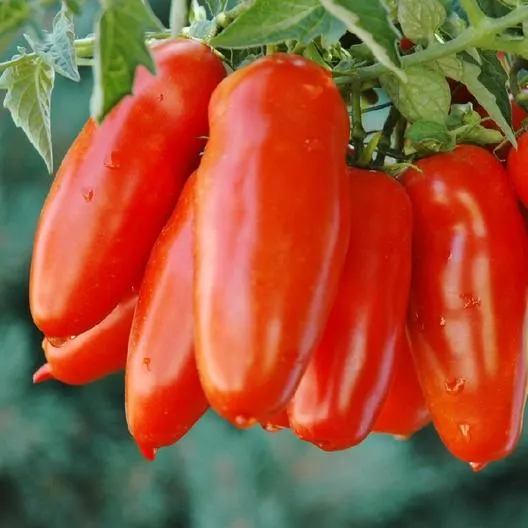
The San Marzano is a big producer. It has a meaty flesh that lends itself to making sauce, salsa and more.
As an indeterminate, it will continue to produce until frost.
Seed Link : San Marzano Tomato
For cherry tomato fans – the black cherry heirloom variety is a must!
The Black Cherry produces an over abundant crop of small round black and reddish fruits.
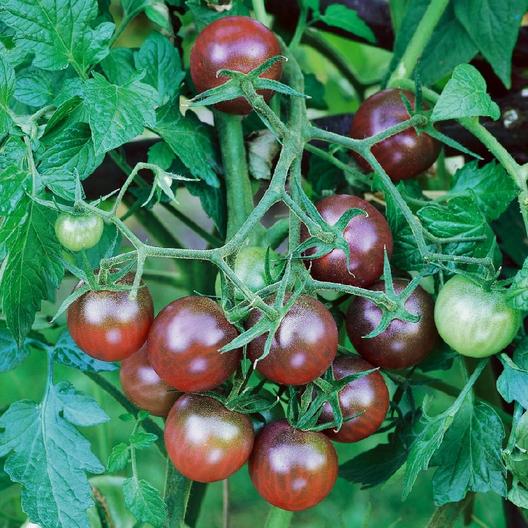
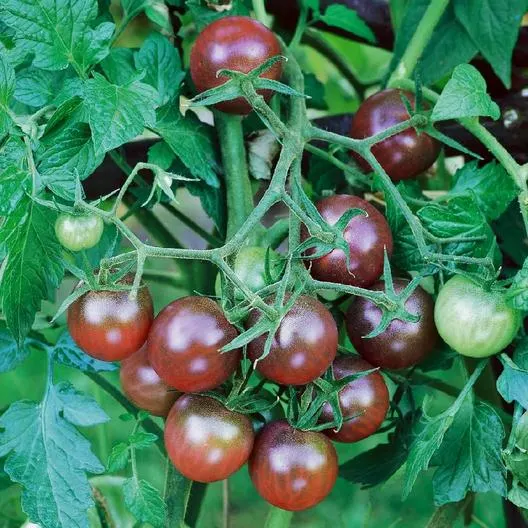
They are perfect for salads, salsa – or simply eating.
Black Cherry Tomatoes have a super-sweet rich flavor. Quite simply, they can’t be compared to the bland red cherry tomatoes you find at the grocery store.
As for production they grow and produce til frost. So whatever you do, be prepared to have plenty on hand.
The Black Cherry variety certainly makes growing heirloom tomatoes fun and easy!
Seed Link : Black Cherry Tomato
Looking for more unique tomatoes to grow? Then you need to check out 4 Unusual Tomato Plants To Grow This Year – Add Color, Beauty & Big Flavor To Your Garden!
This Is My Garden is a gardening website created by gardeners – for gardeners!