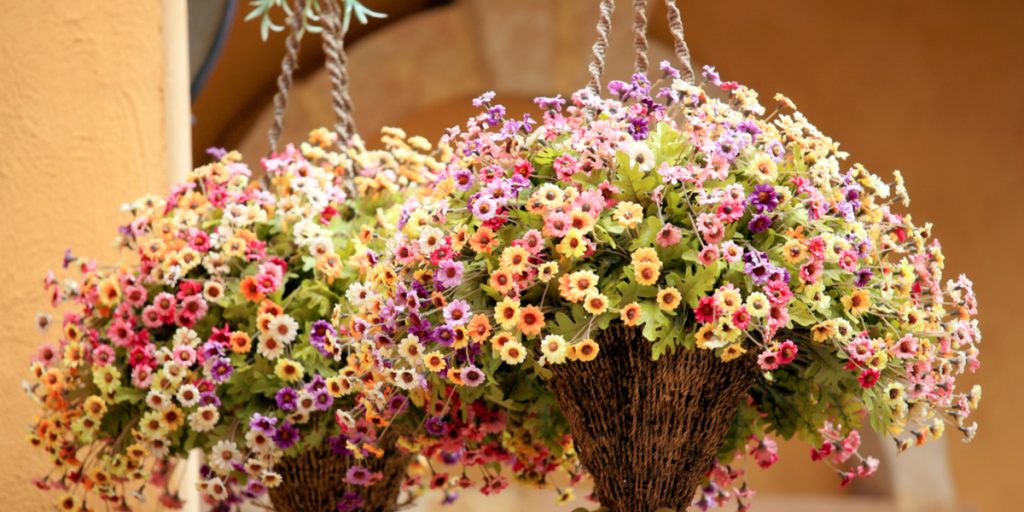
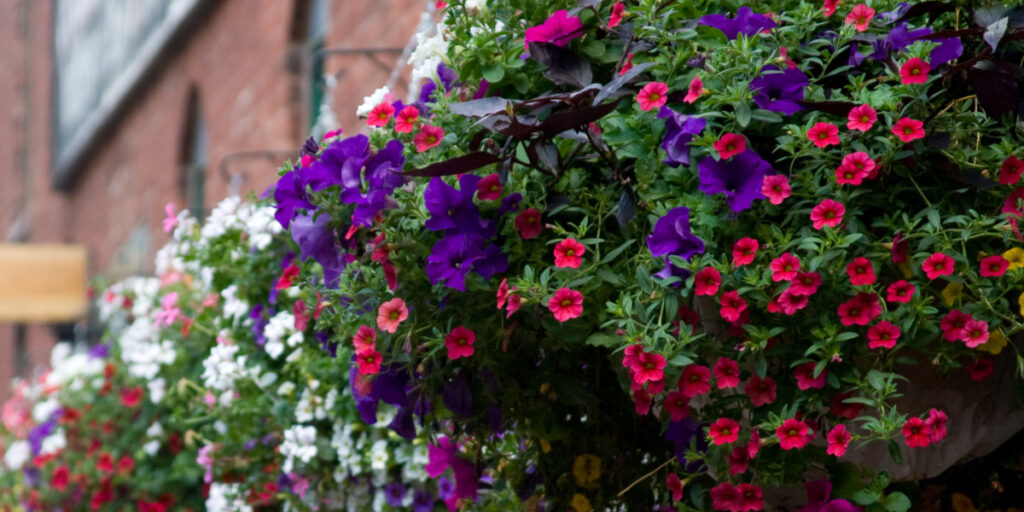
Have the best hanging baskets on the block! Want to know what the best plants for hanging baskets are? Or the best soil to grow them in? We have you covered below with all of our best articles on hanging basket care!


Have the best hanging baskets on the block! Want to know what the best plants for hanging baskets are? Or the best soil to grow them in? We have you covered below with all of our best articles on hanging basket care!
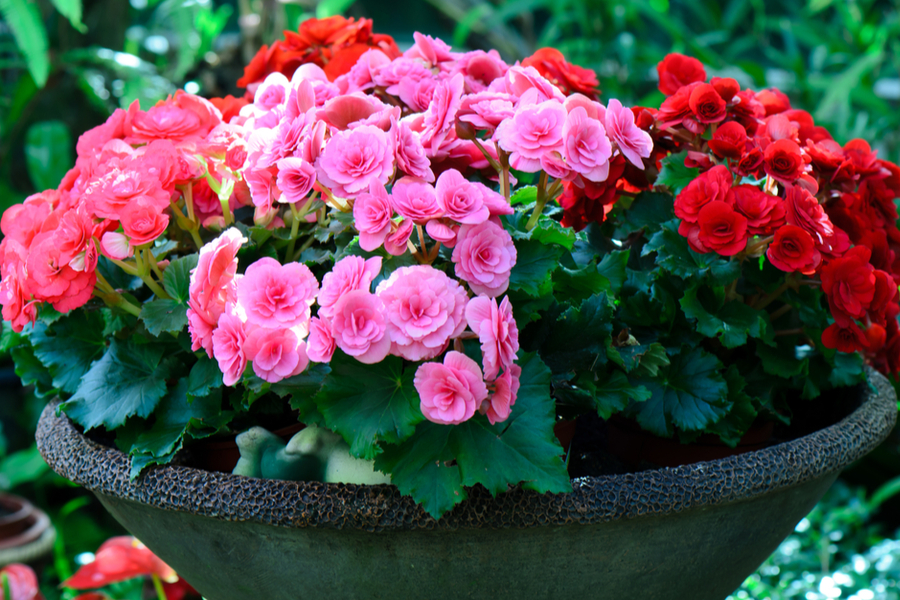
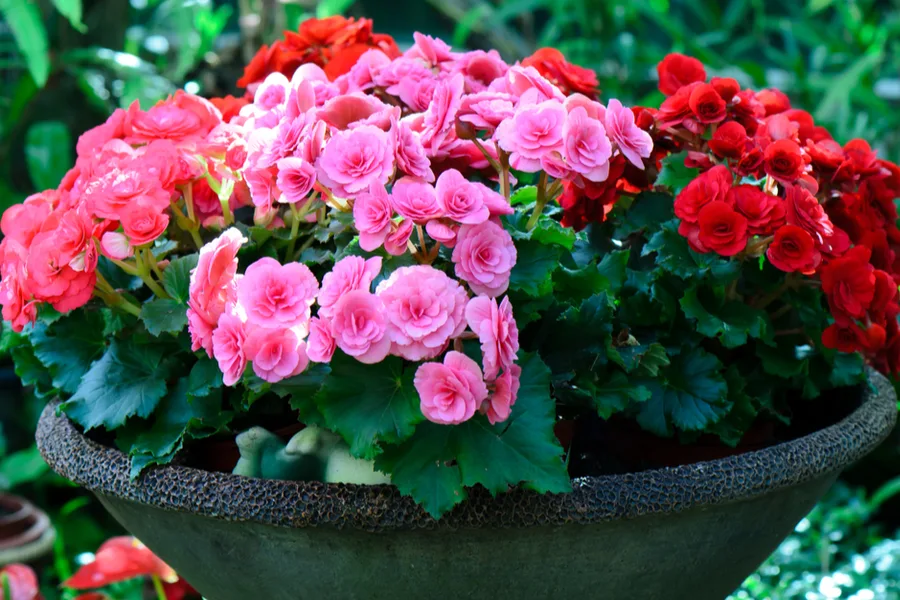
Begonias are the perfect choice for adding big color to your flowerbeds, pots and containers, especially when you can keep them blooming strong from late spring to late fall.
With their beautiful canopy of leaves, and a wide array of colorful bloom and foliage options, begonias are becoming widely popular once again. And with good reason – this old-time classic flowering annual has all-season lasting bloom power!
Unlike many other annual flower selections, begonias have a slower, more controlled growth pattern. As their foliage fills with early season flowers, the plants tend to keep on producing massive bloom sets without running out of steam by late summer or fall.


But even more, begonias hold up well to the rigors of summer’s heat and often dry conditions. This durable plant can handle a fair amount of sun or shade. And all without losing it’s covering of blooms. It’s just one of the many features of this gorgeous plant that makes it perfect in so many locations around the home.
So how do you keep begonias growing and blooming strong all summer long?
Quite simply, it all comes to down to taking care of four key elements :
If those four needs are met, your begonias are almost certain to flourish! Here is a look at each, and how to provide the perfect environment for great looking plants.
Whether planting begonias in pot, flowering baskets, or directly into flowerbeds, soil quality is vital to strong growth.
Begonias will not perform well in overly wet soil. Their tuberous root systems are highly susceptible to rot when unable to dry out between rainfall or hand watering.
In fact, when and if begonias struggle, it’s almost always due to poor soil conditions. Because of this, it’s important to provide them with loose, fertile and well-draining soil when you plant.
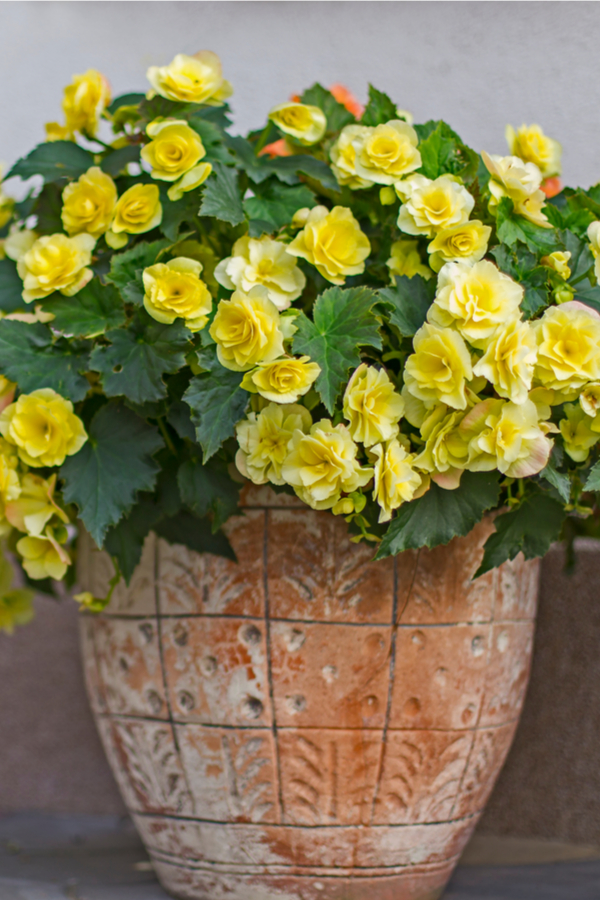
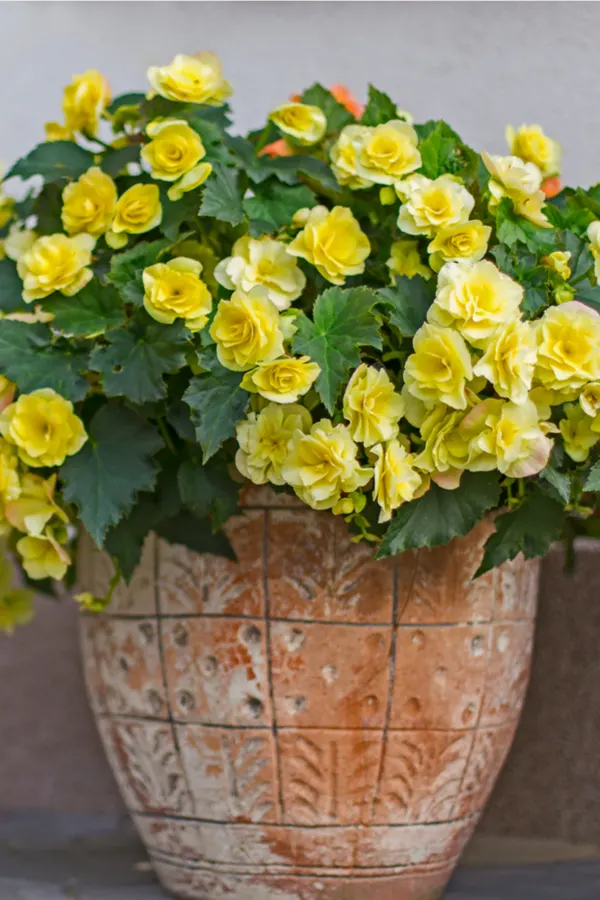
For pots and containers, use a high quality potting mix that has plenty of vermiculite or perlite to help drain excess water away. When planting directly into flowerbeds, work in generous amounts of compost to build in nutrients and better drainage.
Begonias can handle a bit of direct sun each day, but need to have a fair amount of shade as well. And that is exactly why where you locate your plants can have a big impact on their success.
Select a location receiving more direct morning or evening sunlight than mid day sun. Early morning / late day sunlight is much cooler with less intense rays. By keeping begonias out of the mid-day direct sun, the plants have less stress, and will produce more blooms.
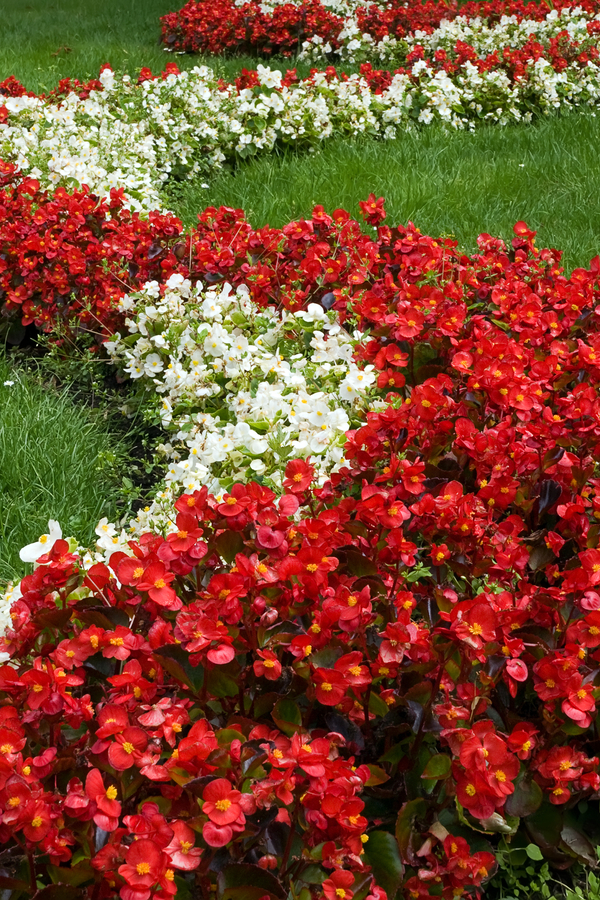
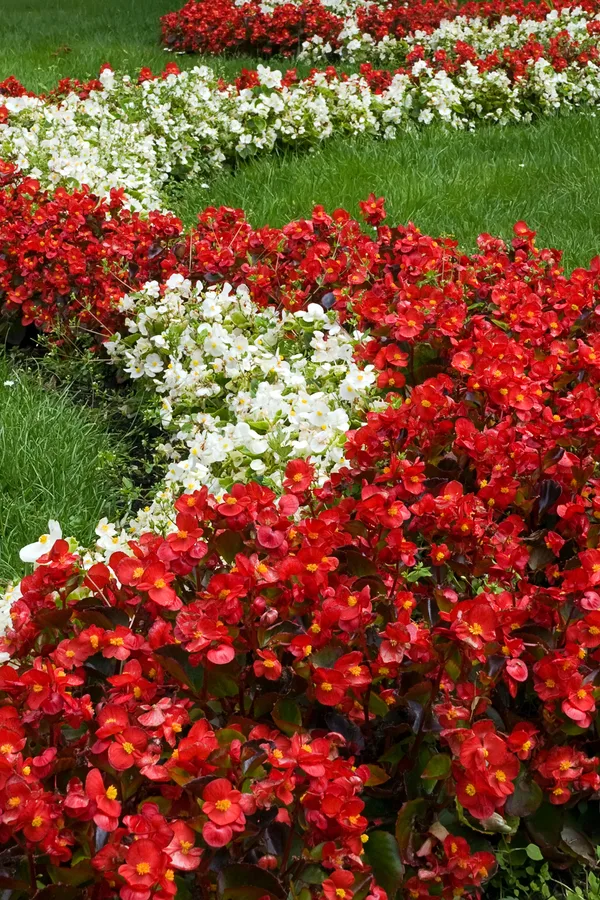
With that said, there are a few newer varieties that have been developed that can handle more full sunlight and heat. Be sure when purchasing to read the planting label carefully to know which variety you have.
As for spacing, in beds, allow about 6″ to 8″ between each plants. In a flowerbed setting, this allows enough room for plants to grow together. Spacing in pots can be closer at about 2″ in between plants for a more compact, full look.
Begonias rely on moisture in the soil to keep their tuberous roots healthy and active. However, as noted earlier, too much water can cause their roots to rot and decay.
When planted in flowerbeds, begonias require about an inch of water per week to thrive. One or two light rainfalls per week are usually more than enough to provide that amount.
If there is a need to water, water in the early morning. This allows time for the soil to dry a bit through the heat of the day, preventing any chance of root rot from standing or pooling water.
For containers and hanging baskets, the key is to allow the soil to dry out between waterings. Place your index finger down into the soil to check for moisture. If dry to the touch down an inch or so into the container, it’s time to water.
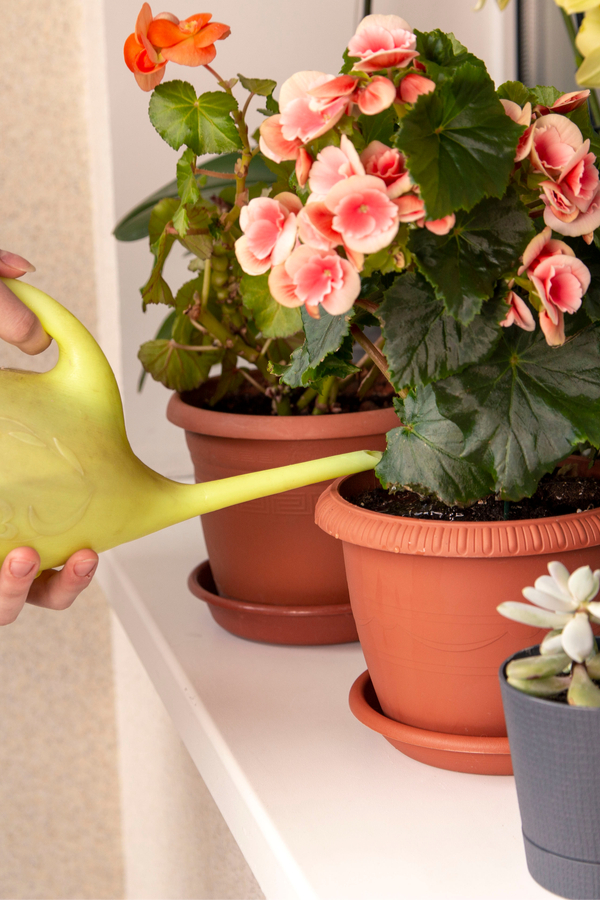
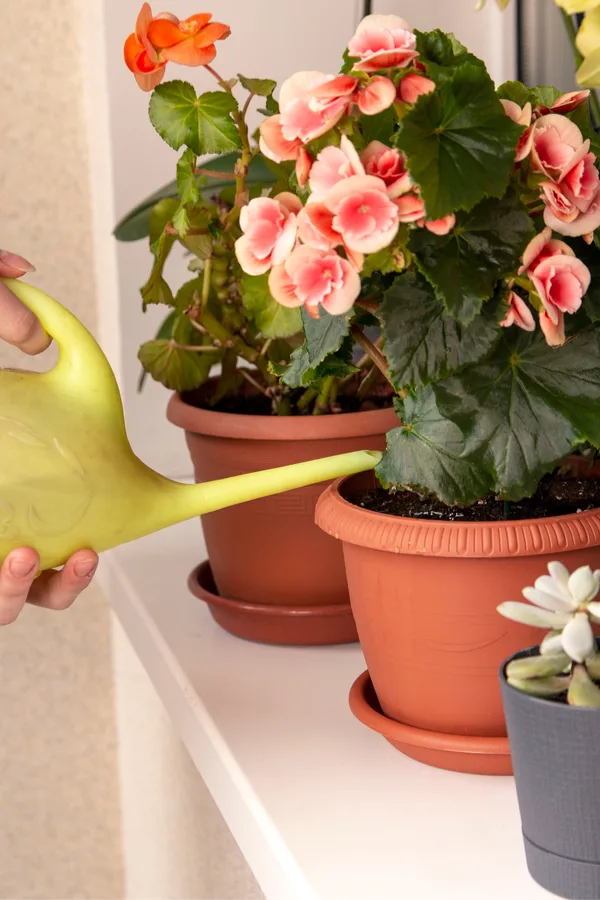
Most planters and containers will need to be watered daily or every other day depending on your climate. Again, it is always best to water in the early morning to allow plants to dry out some during the day.
Providing a steady, low dose of nutrients is one of the biggest secrets of all to keeping begonias blooming big from spring til fall.
Whether you are growing in flowerbeds, containers, or hanging baskets, the constant flowering slowly depletes the soil of the resources needed to create and grow new blooms. And that is exactly where providing a little help makes all the difference!
For maximum blooms, begonias should be lightly fertilized every 10 to 14 days when grown in pots and containers. For bedding plants, fertilizing every three to four weeks is enough to do the trick.
But the real key is to use a light dose of nutrients in place of full strength applications. As with nearly all annual flowers, if given too much fertilizer too quickly, begonias will use the energy to grow more foliage and roots, and not produce blooms.
In addition to leading to less blooms, large doses of fertilizer also cause container plants to outgrow their space long before summer comes to an end.
Instead, use a a weak solution (1/2 to 1/4 of the recommended dose) of a liquid fertilizer when applying to plants. Even better, use compost or worm casting tea at a diluted rate to provide the energy. Not only are both 100% organic, they are by their very nature the perfect slow release fertilizer.
Here is to enjoying the amazing beauty of begonias this year, and to keeping them blooming strong all season long!
This Is My Garden is a website dedicated to spreading the love and knowledge of gardening around the world. We publish two new garden articles each week. This article may contain affiliate links.
If you want to spice up your flowering pots, containers and hanging baskets this year, you need try your hand at planting and growing ornamental peppers.
If there is one plant that has soared in popularity over the last decade, it is the ornamental pepper. And it’s only growing hotter and more popular every year. Especially when it comes to using them to grow incredible container plants!
Not only is it a fresh new approach to the flowering annuals typically used in containers and baskets, ornamental peppers also happen to be among the most durable, heat tolerant plants around. Even better, they can last from spring to summer without fading in the least.
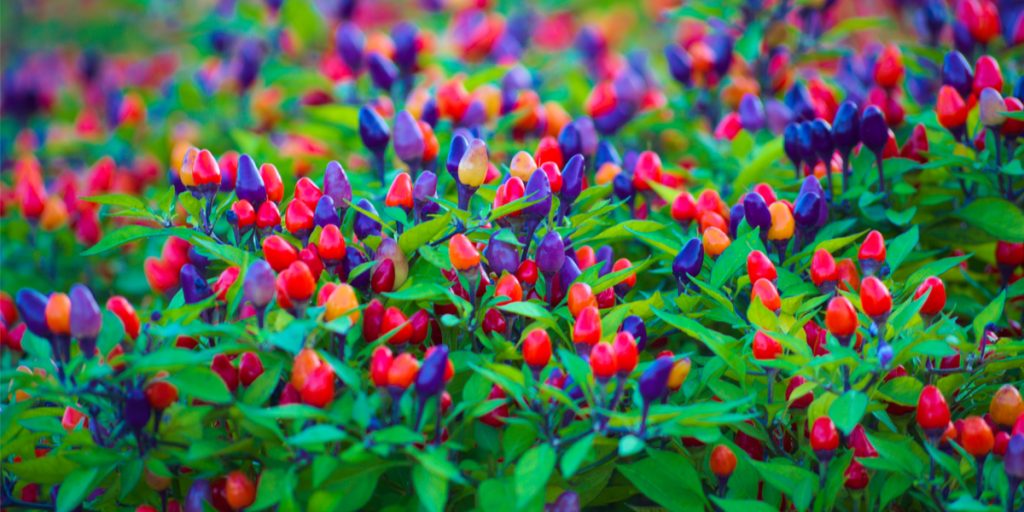
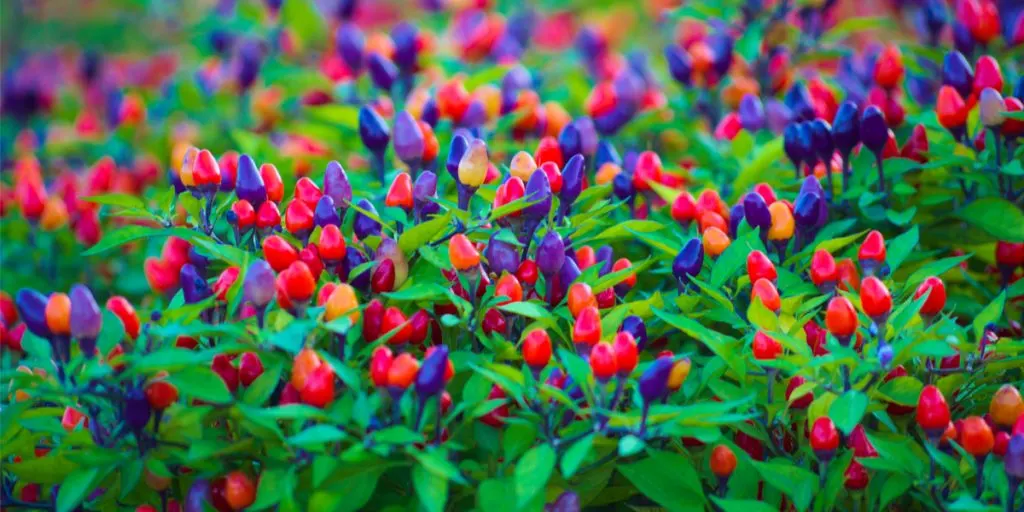
But what makes ornamental peppers truly unique is that although they do sprout tiny flowers, their real showy “blooms” are the hundreds of tiny colorful peppers they continually produce throughout the growing season. And do they ever produce a ton of them!
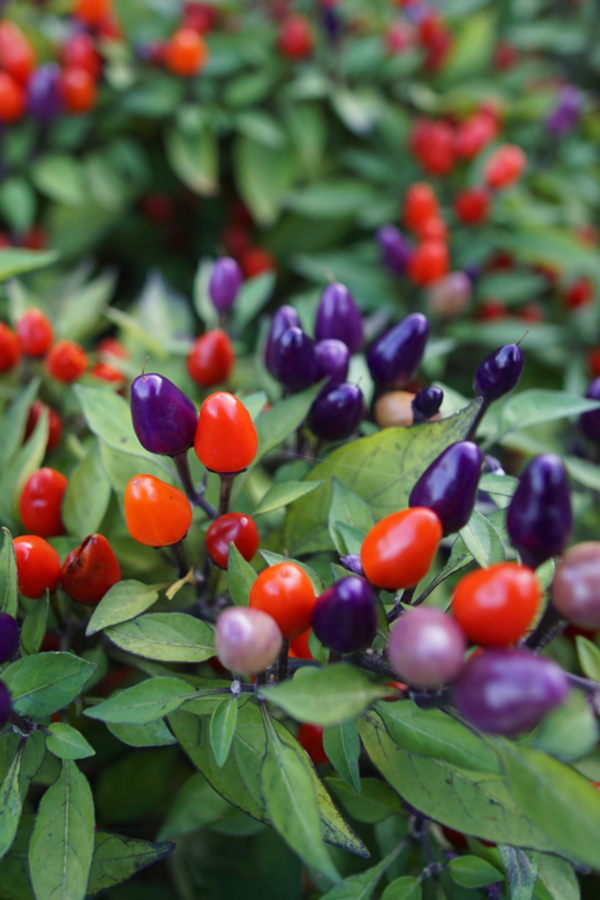
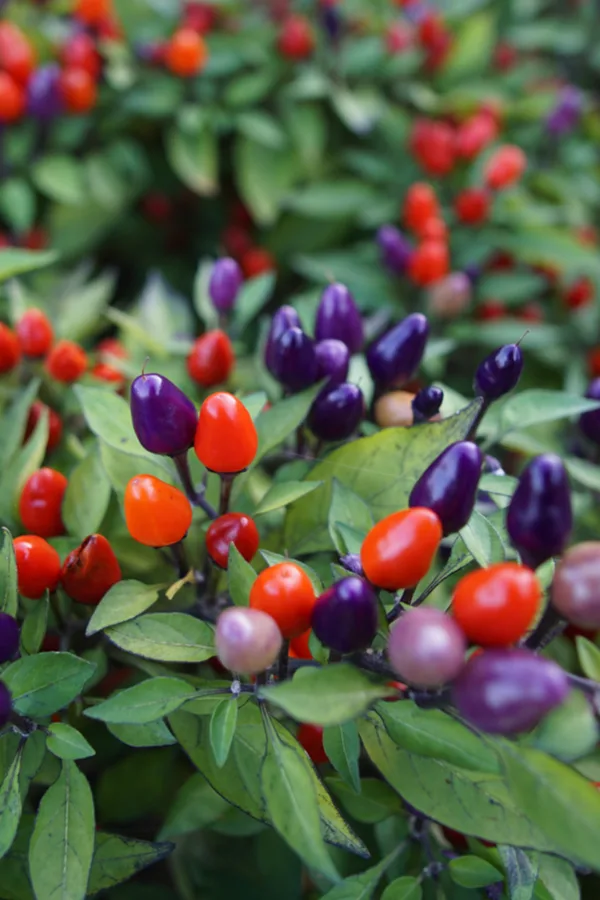
Depending on the variety chosen, ornamental peppers can be found in all types of interesting shapes and colors. From red, yellow, orange, cream, purple – and every color in between, the display of color is hard to beat when in full bloom.
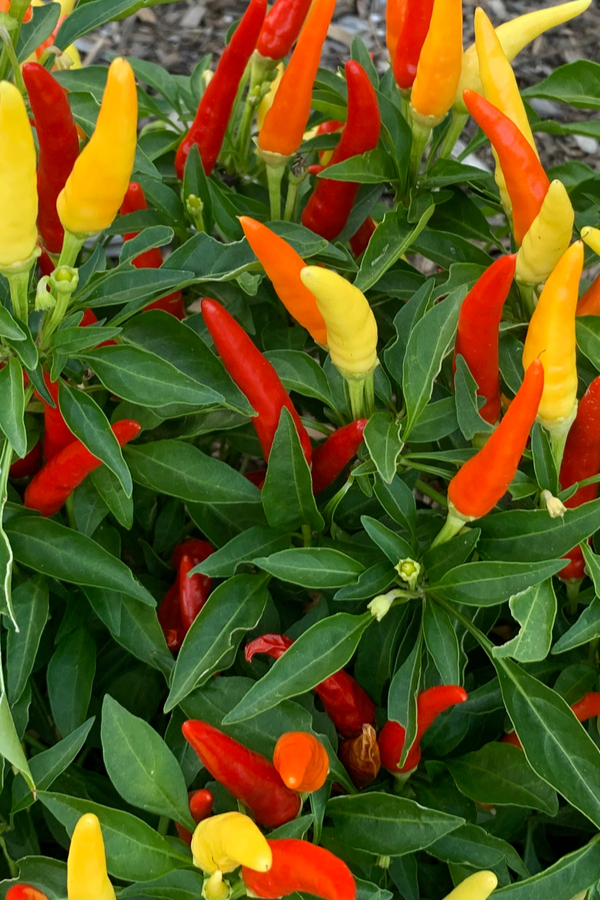
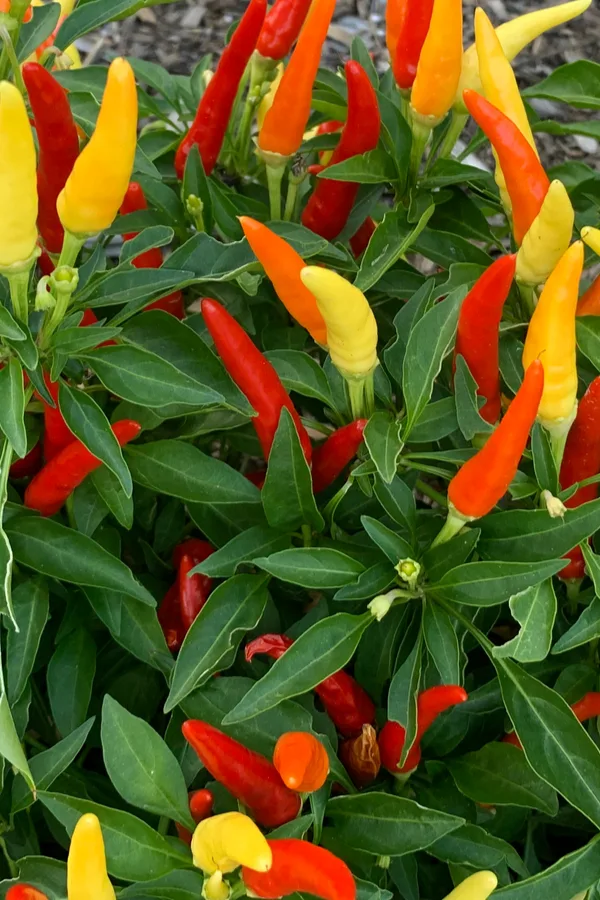
But ornamental peppers don’t just add massive color and texture, they can also bring big flavor to your taste buds. That’s because many of these beautiful ornamental varieties are also edible. And the flavor and spice they add to salsa, soups and dishes is simply divine.
The advantages of growing ornamental peppers goes far beyond beauty and taste. They truly are the ultimate low-maintenance flowering plant. Ornamental peppers are naturally drought, disease, and pest resistant. In fact, so much so, they can help keep pests from bothering other vegetable and flowering plants nearby.
While many traditional annual flowering plant varieties can struggle in the hot, scorching sun, ornamental peppers thrive in it. Best of all, they don’t show the droop or fatigue that is common for annuals that dry out during the day.
Even better, the seeds of all of these are easy to save from year to year. Simply take off a few ripe peppers, let them dry, and you can grow them all over again next year! Here is a look at how to plant, grow and maintain ornamental peppers in pots and hanging baskets, along with a few great varieties that work well in containers.
Although more and more nurseries and stores are carrying ornamental plants each year, growing from seed is the best method to ensure getting the varieties and plants you need. Growing from seed indoors is easy, and allows you to have container plants that are ready to go come early spring. See : Starting Seeds Indoors
Sow seeds 8 to 10 weeks before your last frost date to ensure time for adequate growth. Transplant into containers or hanging baskets as the weather starts to warm. As with all potted plants and container plants, use a high quality, lightweight potting soil for best results.
Because of their compact, dense foliage, plants can be crowded into pots and container plantings like flowering annuals would be. For a typical 14 to 16 inch pot or hanging basket, you will use 5 to 6 transplants.
When growing in containers and baskets, ornamental peppers will benefit from occasional fertilizing. Once plants have been transplanted into their containers, fertilize every 14 to 21 days with a light dose of liquid fertilizer to keep blooms and peppers coming on.
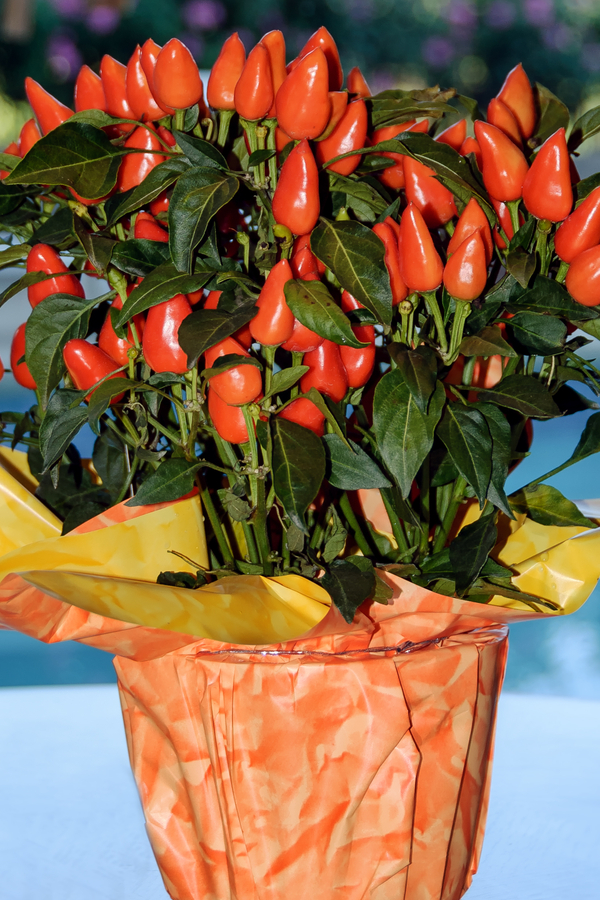
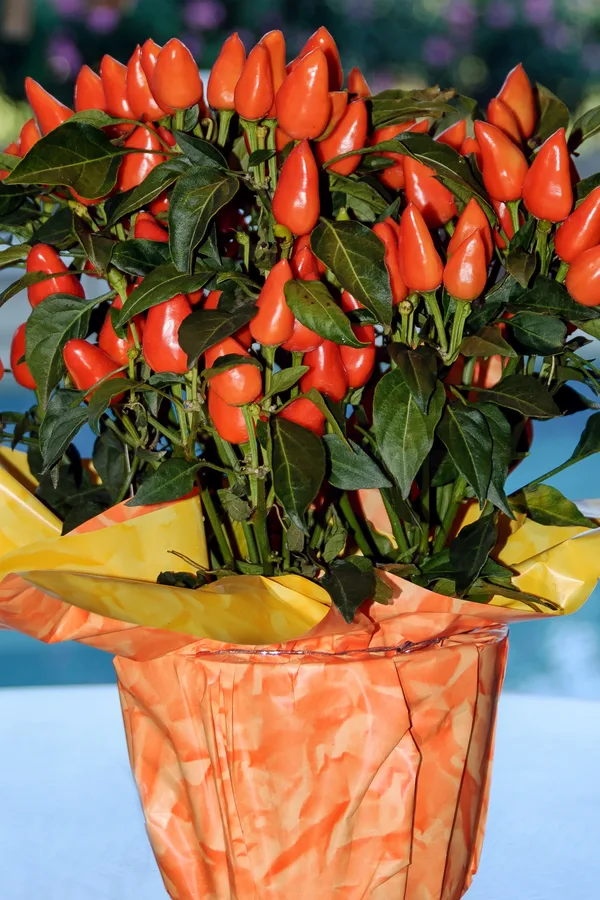
Depending on the variety and location, plants will most likely need to be watered once a day as traditional potted plants are. You will notice however that ornamental peppers can survive a “missed” watering much better than other annual flowers.
Here is a look at three of our favorite ornamental peppers for planting in hanging baskets and containers:
Chili chili peppers are the ultimate multi-purpose ornamental pepper for growing anywhere.Their compact nature makes them ideal for planting in containers and hanging baskets. Or, plant them in clusters in flowerbeds to give a big pop of color anywhere it’s needed.
These compact plants produce hundreds of hot, fiery, colorful little yellow, orange and red peppers. But they also happen to be delicious for flavoring salsa with their intense heat and color. Seed Link : Chili Chili Ornamental Pepper Seeds
An all-time favorite and one incredibly versatile plant in the landscape. Sangria are an extremely hardy and tolerant plant, and get by with less watering than other annuals. There are also the ultimate three-in-one plant!
You get beautiful dark green foliage in the early sprig, followed by hundreds of slim dark purple peppers by early to mid summer. As the fall comes on, they turn to a brilliant red and orange for incredible new color to the landscape. The seeds are easy to save for the next year’s planting as well.
Sangria, although edible, have very little taste, so this one is mostly grown for show.
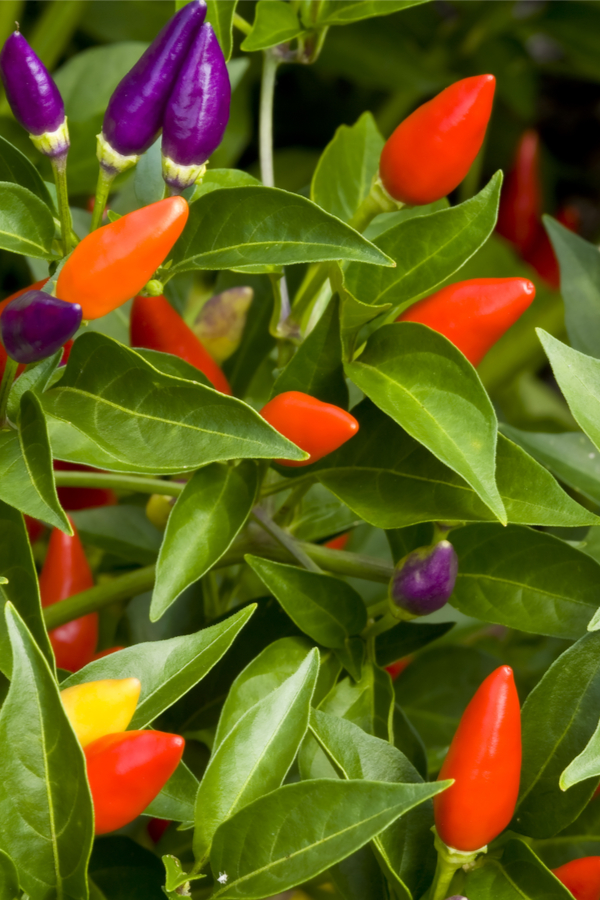
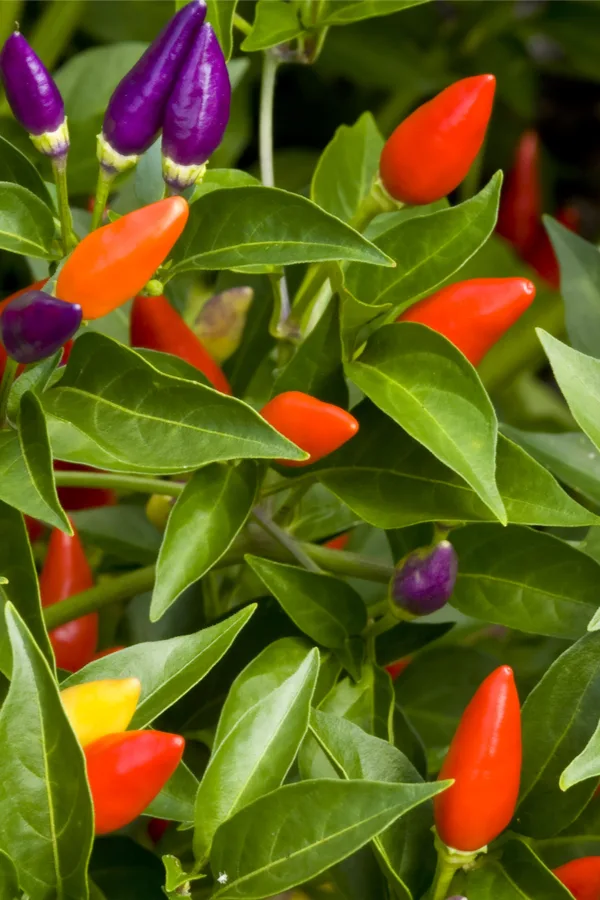
For larger pots and containers, it is hard to beat growing the Chinese Five Color ornamental peppers. This plant grows hundreds of 1″ peppers per plant. Over time, peppers turn to a beautiful array of cream, orange, red, yellow colors as well.
Chinese five color plants grow to about 18″ to 24″ in height depending on the size of the container used. The plants are simple amazing to behold when in full color pepper bloom. Best of all, these plants will keep on producing right up until the first hard frost for all season color.
But Chinese Five color has a big-time added bonus – their hot, spicy flavor is simply to die for! With a spicy zing that doesn’t linger on the tongue, they are great for using fresh, or chopping into salsa. But they also dry to make a delicious hot pepper flake or powder. They are truly hard to beat for putting on top of your favorite slice of pizza! Seed Link: Chinese 5 color seeds
Here is to growing ornamental peppers in containers and hanging baskets this year!
This Is My Garden is a website dedicated to spreading the love and knowledge of gardening around the world. We publish two new garden articles each week. This article may contain affiliate links.
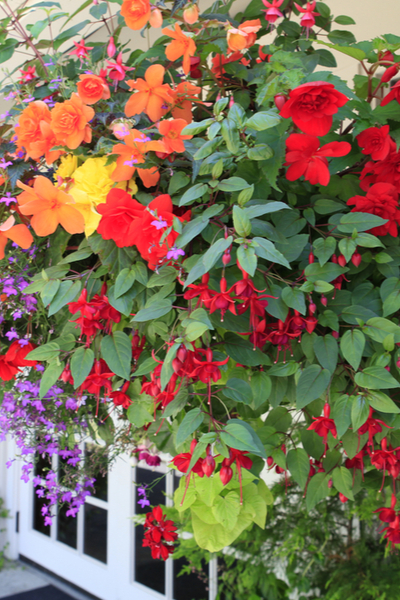
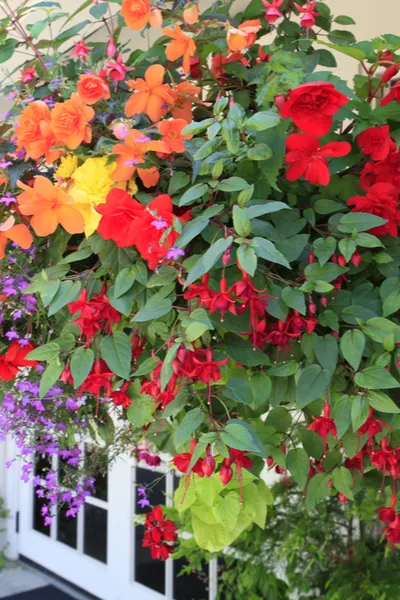
Growing your own hanging baskets from seed is a great way to create stunning flowering baskets and save big on the budget – all at the same time!
Lets face it, hanging baskets are expensive. And every year, the prices only seem to rise.
But by growing your own plants directly from seed, you can create baskets for a fraction of the cost. Even better, they can be unique and stunning varieties that simply can’t be found in local stores and greenhouses.
And the entire process is easier than you might think, and doesn’t require special or expensive equipment.
Growing hanging baskets successfully from seeds begins with starting seeds early indoors. And it needs to be much earlier than when other flower and vegetable seeds are usually started.
For hanging baskets, plants need to be full and thick by early spring. Seeds for hanging baskets should be started indoors 10 to 12 weeks before the last usual frost date in your area.
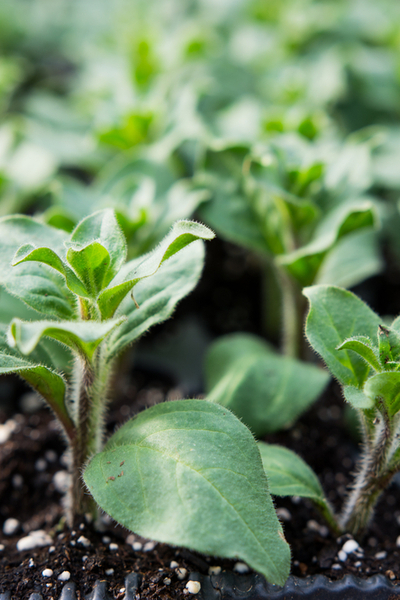
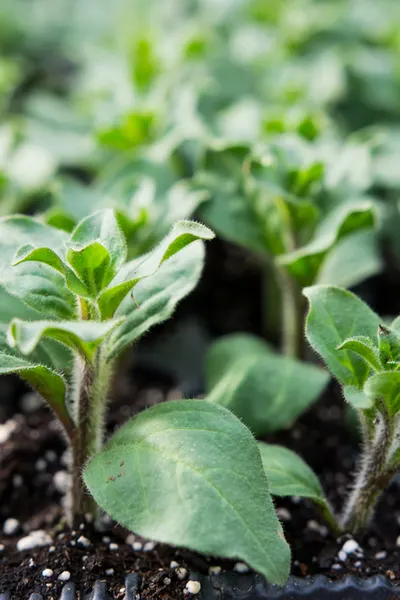
Unlike bedded flowering annuals and vegetable garden plants, hanging baskets are easy to bring indoors when frost threatens. This means they can be started much earlier in the year indoors to take advantage of the warm and sunny days in between frosts.
Many greenhouses actually start growing their hanging baskets in December or even November to make sure plants are big enough for early spring selling!
Seeds can be started first in traditional seed trays and then transplanted at the 4 to 6 week mark. But if you have the room, they can also be started directly into the baskets.
Always select high quality flower seeds. And be sure to order or pick up seeds early to insure good selection – and to have them on hand in time to start.
And what about required light and heat for your seedlings? There is no need for special equipment or heating pads to start flower or vegetable seeds.
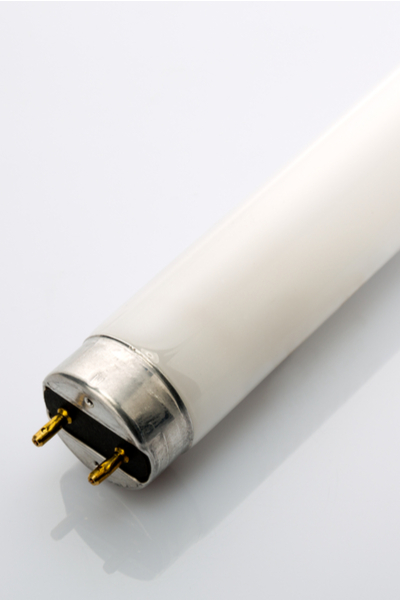
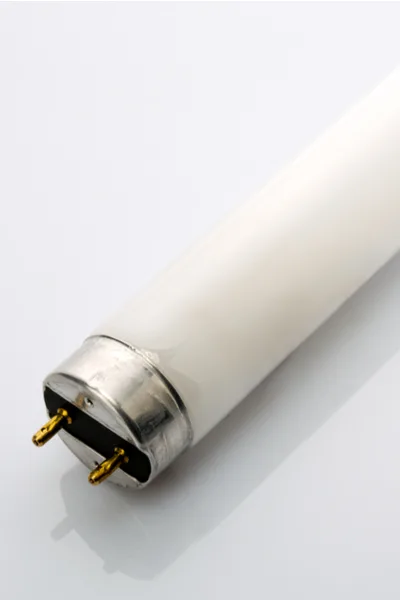
A few inexpensive 4′ florescent shop bulb fixtures will provide more than enough light for plants to grow well indoors. Simply keep the bulbs 1 to 1 1/2″ from the top of the plants as they grow. If starting directly in baskets, you can hang them right underneath the lights.
It keeps plants growing strong and bushy, both big keys for great hanging basket plants!
One thing you don’t want to do when growing hanging baskets from seed is to start plants in a windowsill. There is simply not enough light, and plants will grow leggy and weak.
As for heat, seeds will grow and germinate indoors as long as the temperatures are above 60 to 65 degrees in the room. As the plants grow larger and daytime temps start to warm, set baskets out in increasing intervals so they can adjust to outdoor life.
Taking plants out during warm stretches will also help the grow and fill out at a much faster pace.
When it comes to growing and raising your own hanging baskets, a few additional tips will go a long way to keeping plants healthy and blooming.
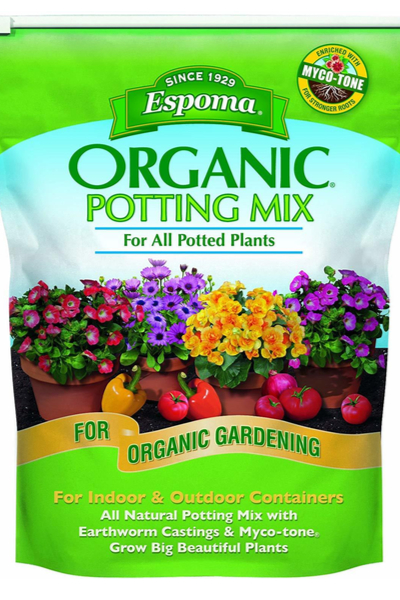
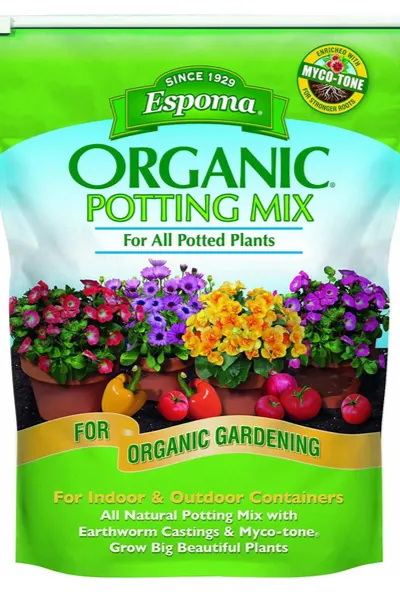
The most important of which is to always use a high quality potting mix. A great potting soil needs to be lightweight, loose, and filled with nutrients as plants grow. (Affiliate Link : Espoma Organic Potting Soil)
There are many great choices now on the market, but you can also make your own incredibly fertile and healthy mix with a few simple ingredients. (See : How To Make Great Potting Soil At Home)
No matter how great your potting soil is, hanging baskets need to be fertilized to stay strong and beautiful all year long. After all, the nutrients in any soil will only last so long.
But the key here is applying a low and slow rate of fertilizer on a consistent basis.
If you provide too much fertilizer at one time, plants use the energy to grow too much foliage and roots. Too little, and they won’t keep blooming.
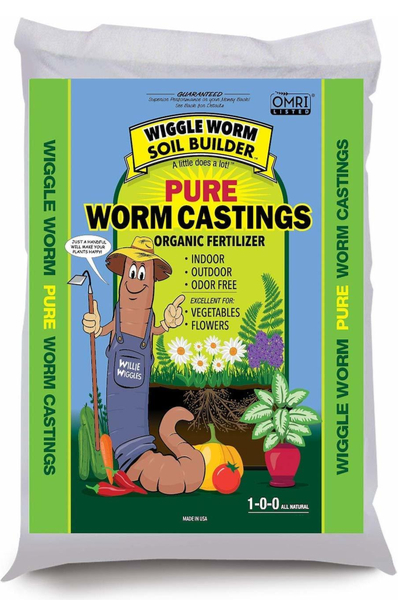
Fertilizing with a weak solution of organic fertilizer, compost tea or worm casting tea will all give fantastic results. A light solution applied every two weeks works well to keep plants at their best all season long! See : The Best Way To Fertilize Hanging Baskets
So get those seeds ordered early, and get ready to grow your own stunning hanging baskets from seed this year!
This Is My Garden is a website dedicated to spreading the love and knowledge of gardening around the world. We publish two new garden articles each week. This article may contain affiliate links.
Planting hanging baskets and containers at home is the perfect way to create gorgeous flowering displays that best fit your home and landscape.
And, a great way to save on the budget too!
Let’s face it, purchasing ready-made baskets and planters can be pricey. And often, selections are limited to just a few boring choices.
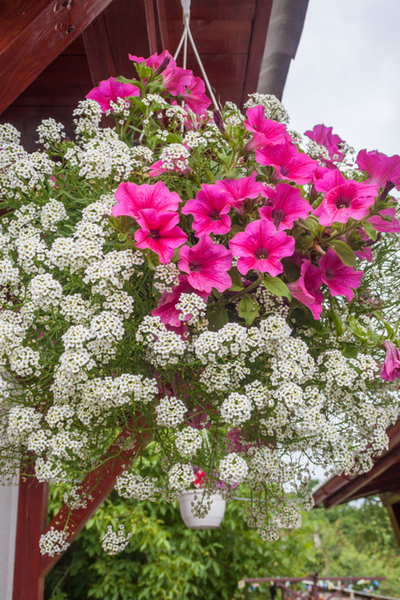
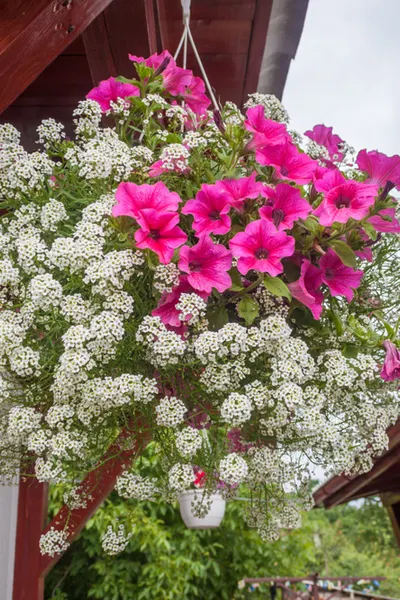
But planting hanging baskets at home can change all of that.
And, in the process, help create unique baskets with stunning colors that will be the envy of the neighborhood.
Here are five annuals that are perfect for baskets – providing both big color and long-lasting blooms.
The wispy, colorful blooms of verbena make for interesting, beautiful and durable hanging baskets.
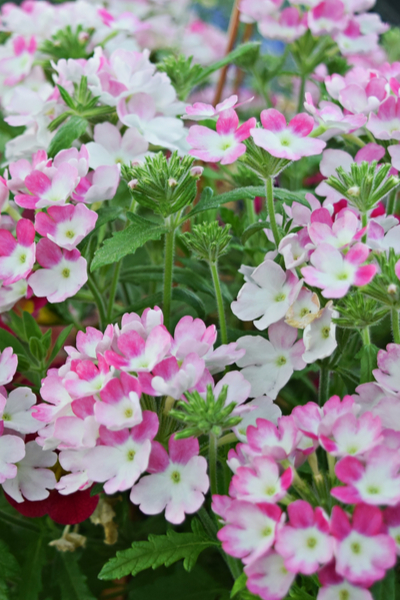
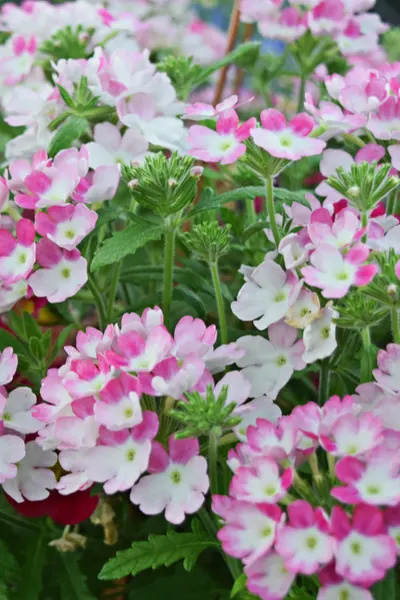
It’s ability to flow and cascade over the top of planters make it ideal for hanging baskets.
Available in colors ranging from blue and pink, to purple, red and white, verbena’s light foliage contrasts well with its showy blooms.
Verbena is also somewhat deer and drought resistant. Two great qualities when it comes to container plants!
Lantana is actually a broadleaf perennial shrub in tropical climates.
However, when grown as an annual, it provides loads of overflowing blooms. And, to boot, in a wide range of near-fluorescent colors.
Lantana plants fill their foliage with long-lasting, tiny clusters of colorful blooms.
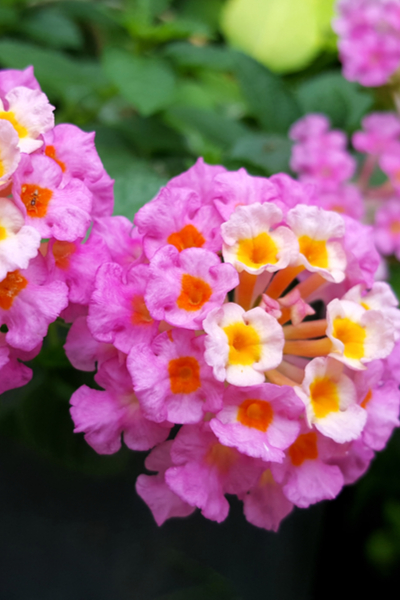
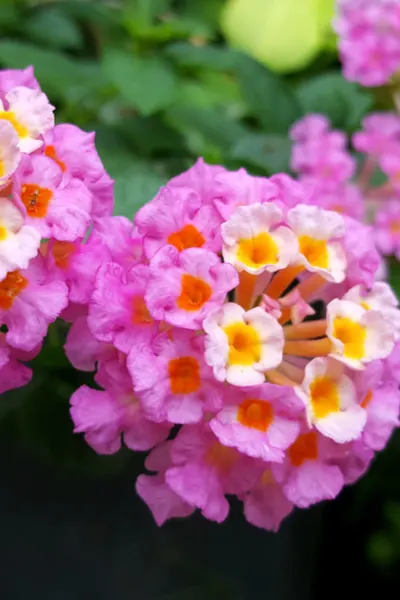
And those blooms range from white, orange and yellow, to vibrant purple and red.
The plant is extremely sturdy and holds up well in the summer heat. The sturdy branches almost appear to flow over the edges of baskets as they grow.
Have a shady area that needs a big pop of color? Then impatiens are the choice for you!
Impatiens thrive in the shadier parts of the landscape. They make an excellent choice for patios and porches.
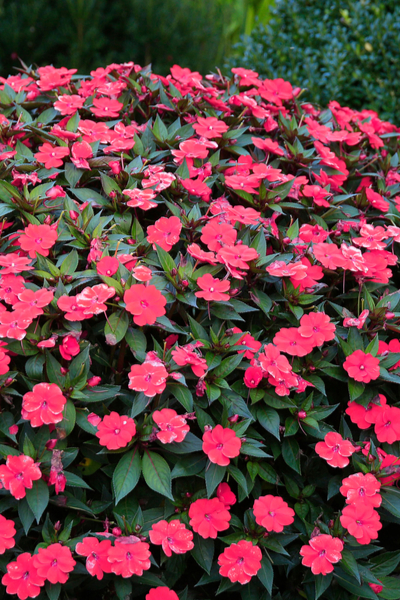
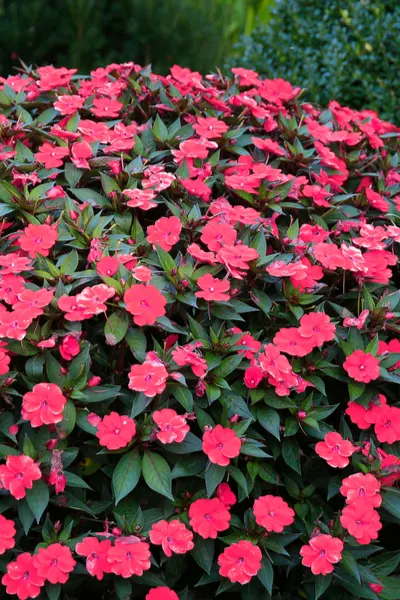
Impatiens are available in a wide array of colors, from white, red and pink, to violet, coral and various shades of purple.
For sunnier locations, try the New Guinea varieties. They have similar blooms, but handle sunlight in higher doses.
When it comes to planting hanging baskets in a unique style, here is a chance to think outside the box!
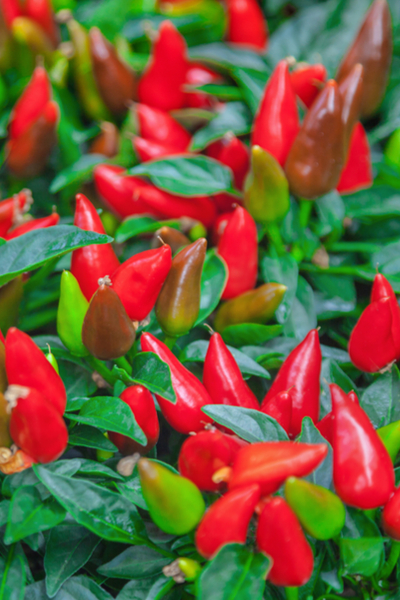
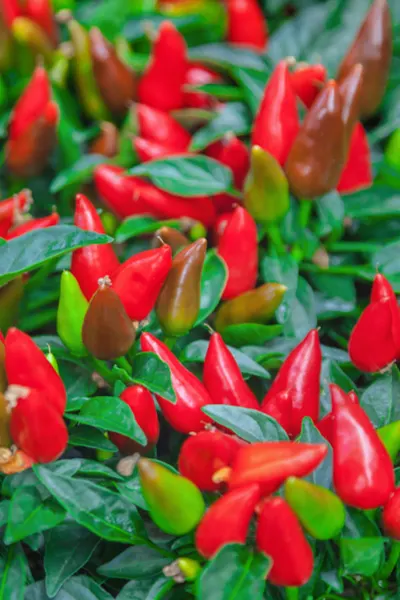
Many varieties of ornamental varieties, with their tiny colorful “blooms” of peppers, are excellent for hanging baskets. See : Creating Gorgeous Hanging Baskets From Ornamental Peppers
Sangria, and McMahon Bird Pepper are two hot pepper varieties that exceptional for container planting.
Ornamental hot peppers stand up to intense sunlight and heat. It makes them ideal for full-sun locations.
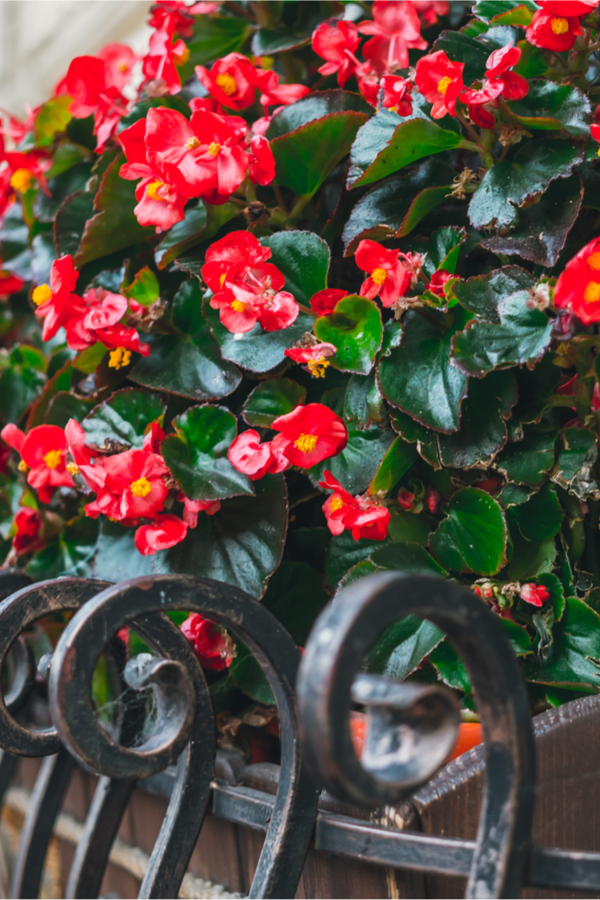
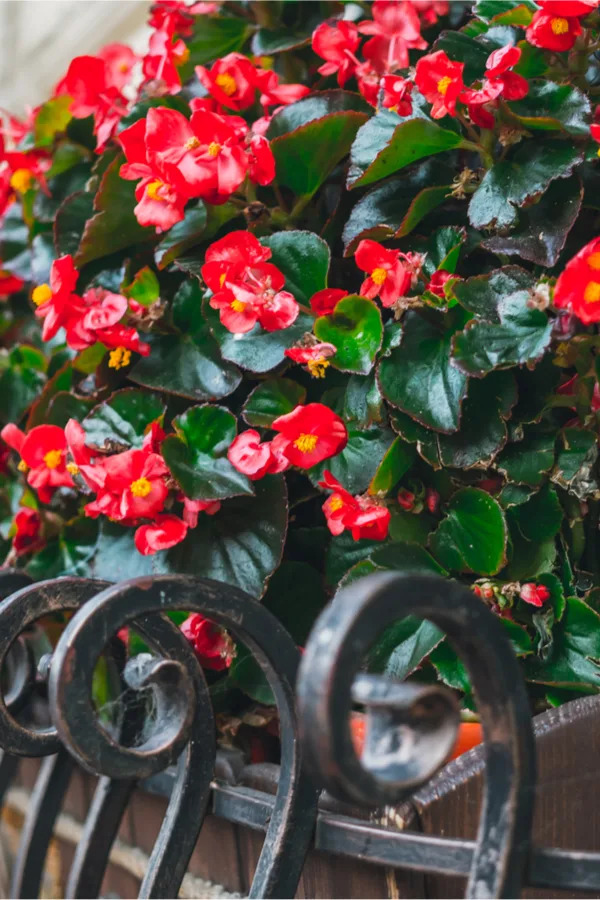
When it comes to planting hanging baskets, begonias are a great choice for tough conditions.
They stand up well to both full sun and high heat.
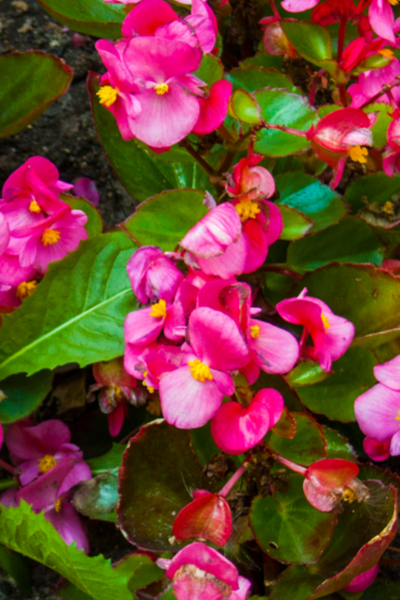
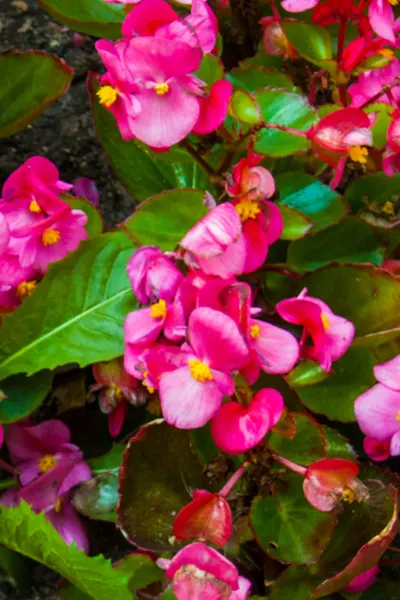
Begonias deep waxy foliage is a beautiful contrast against its showy and colorful blooms.
Begonias will continue blooming up until the first hard frost.
Here is to planting your own hanging baskets this year!
This Is My Garden is a website dedicated to spreading the love and knowledge of gardening around the world. We publish two new garden articles each week. This article may contain affiliate links.
Autumn is just around the corner, and its time to think about creating beautiful fall containers!
Fall containers and flowering baskets are a great way to add color when summer’s blooms begin to fade. As the autumn air turns crisp, there are a wide variety of great-looking plants that actually thrive in the cooler conditions.
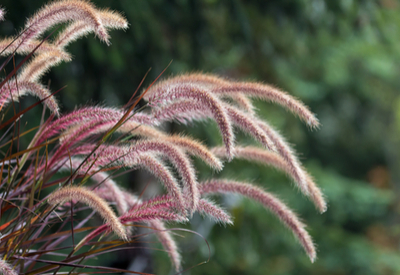
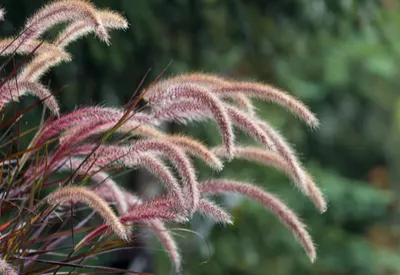
The wispy, deep red color of purple ornamental fountain grass
Many of which happen to be perfect for planting in containers and baskets!
Although mums are the perennial go-to when it comes to selecting plants that bloom in the fall, they are not the only choice.
In fact, there are a whole slew of additional varieties to select from that will give your patio, porch, or outdoor living area a unique autumn feel.
Not only can they bring fall color – they can serve as a great conversation piece for visitors!
Here are 4 great choices that can brighten up fall planters, hanging baskets, containers and more.
Purple Fountain Grass
Although purple fountain grass is grown as a perennial in warmer climates, it is perfect as a potted annual everywhere. And it makes a wonderful choice to use as a centerpiece for fall planters!
The vertical growth, bright purple grass, and showy plumes that bloom in the fall form the perfect centerpiece.
Purple fountain grass is extremely drought tolerant, and stands up to the rigors of container planting. It also holds its color and shape deep into fall.
Ornamental cabbages and kales are a great way to add unique fall color to any planter.
The selection of red, purple, green, and near-white foliage is stunning when used in pots and containers.
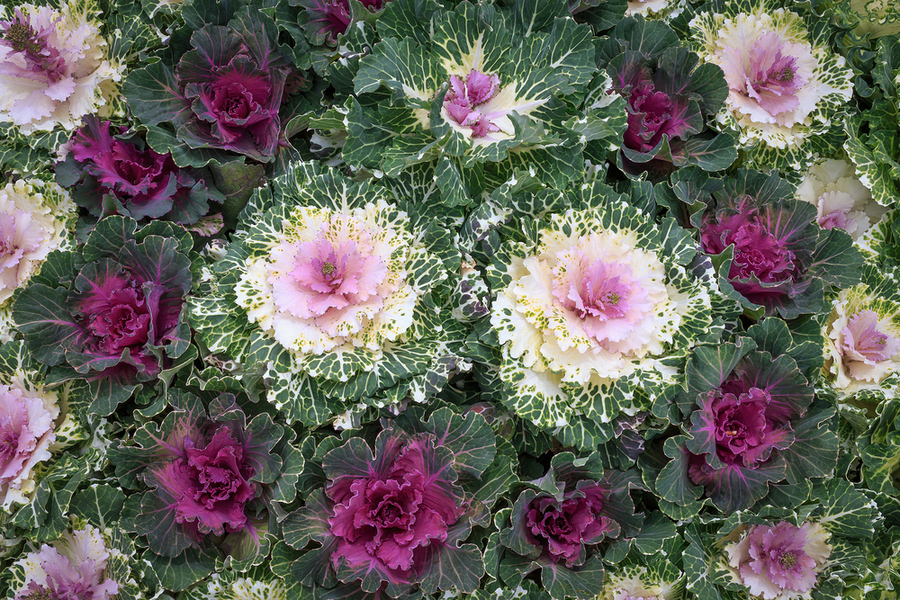
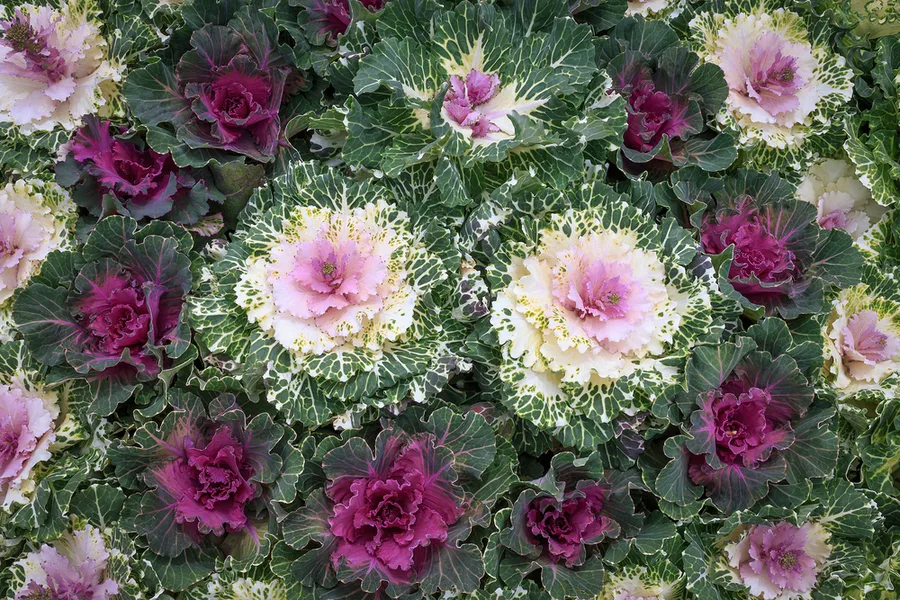
Ornamental cabbages and kales (pictured at the top of the article) are bred for their color and unique foliage – not their taste. In fact, although the leaves can be consumed, they are quite bitter to the taste.
They are wonderful when planted in single pots, or grouped in large pots and containers around a focal point.
Most varieties grow between 6 and 12″ in diameter, depending on the climate where they are grown. The warmer the climate, the larger the growth.
Ornamental cabbages and kales are extremely hardy. They stand up to frost and freezing temperatures well, and stay crisp and fresh-looking deep into winter.
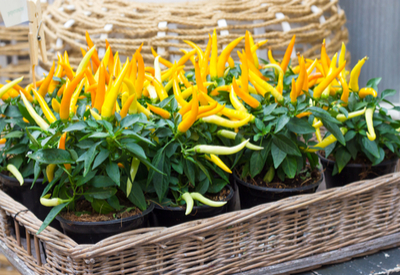
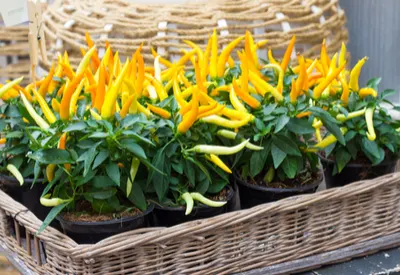
The stunning color of peppers makes ornamental peppers perfect for container plants, especially in the fall.
Ornamental peppers are wonderful for containers anytime of year.
The compact nature and heavy bloom load of ornamental peppers make them ideal for baskets and planters. But in the fall, they really come to life!
Most ornamental peppers are at their peak of blooming as the cooler temperatures of fall arrive.
Varieties such as sangria, chili-chili and poinsettia are overloaded with multi colored blooms, bringing life and color to any planter.
Plants will continue to produce up until the first hard frost. But long after they stop producing, the peppers look stunning as they dry on the plants.
It can give a unique and beautiful look to any container. See : Creating Gorgeous Hanging Baskets And Containers With Ornamental Peppers
Sedum is a tough and hardy perennial, that also doubles as a perfect choice for fall containers.
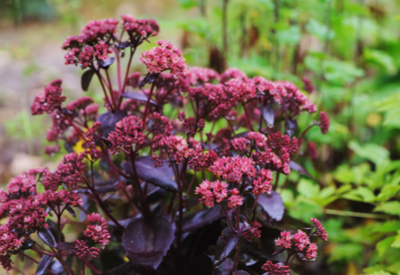
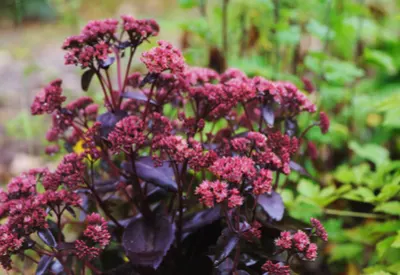
Purple Emperor Sedum blooming in late fall
It blooms from late summer to late fall, and the thick foliage and compact bundles of blooms that form on top of the leaf canopy make it ideal for planters.
And when it comes to selection, there is a lot to choose from! Autumn Joy is one of the most popular, with it’s lime green foliage and faded red blooms.
It subtle beauty is nearly perfect for any fall planting.
Two more varieties good that are great for planters are Black Jack and Purple Emperor.
Black Jack’s stems soar 20″ or more and are loaded with dark purple leaves and pink flowers. Purple Emperor is has beautiful deep purple foliage, along with purple and pink blooms.
Best of all, you can overwinter the plants in the garage or basement, and plant them into the landscape early next spring. It makes for a great “double-duty” plant!
Share your backyard garden or gardening tip on This Is My Garden! Email us today at info@thisismygarden.com, and you could be our next feature! This article may contain affiliate links.