Why You Need To Pick The First Tomatoes Off Your Plants - The Reason Early Tomatoes Need To Go!
Did you know that the best thing you can do for your tomato plants is to pick off the first early tomatoes that form on your plants?
After weeks of planting, watering, mulching and caring for young plants, the first tomatoes that form are very exciting for gardeners. Those tiny green tomatoes feel like proof that harvest season is finally on the way. It’s hard not to want to let every single tomato grow and ripen as quickly as possible.
But surprisingly, allowing those very first tomatoes to stay on a young tomato plant can actually slow the plant down. And even more, reduce future production. In fact, one of the best things gardeners can do early in the growing season is remove the first few tomatoes that appear on their plants.
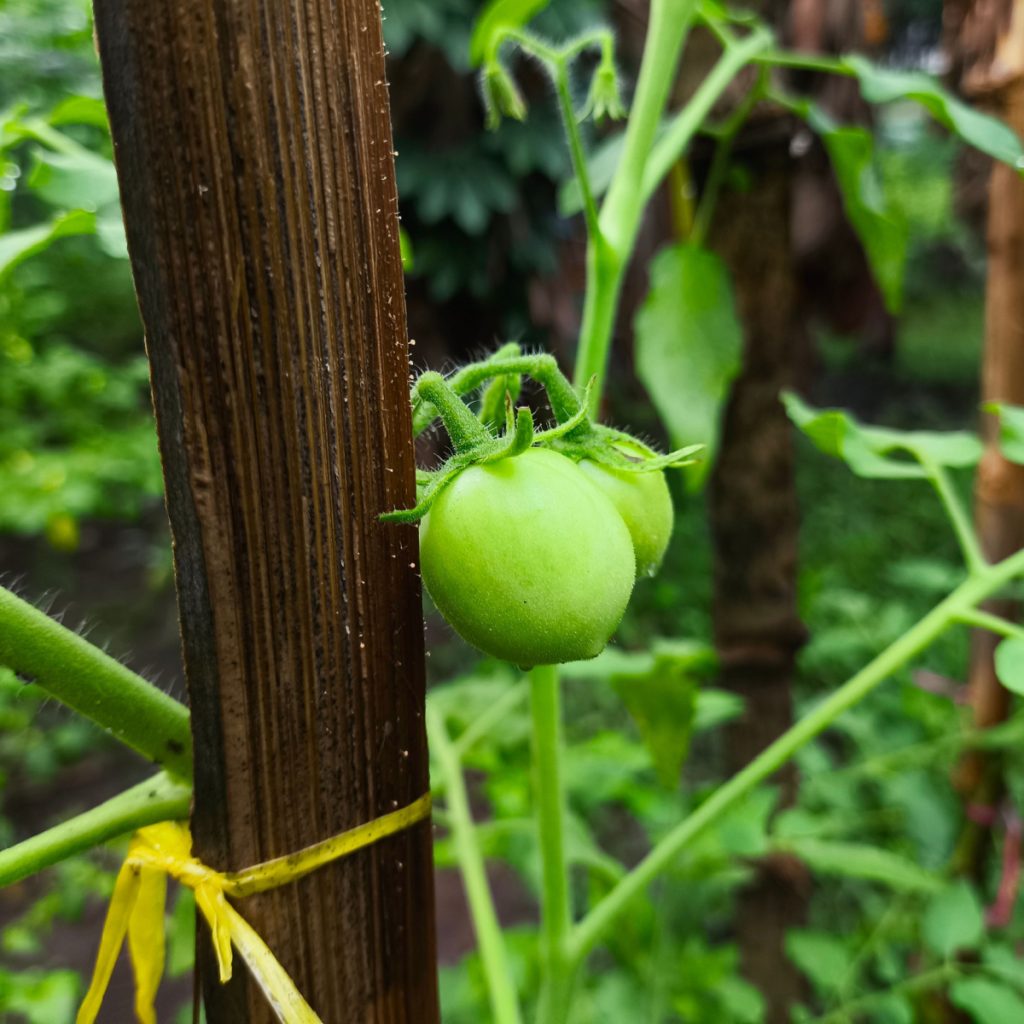
Although it may seem backward at first, picking off those early tomatoes can help tomato plants grow stronger, healthier and far more productive over the course of summer. As you will see below, the secret lies in how tomato plants use their energy.
Why You Need To Pick The First Tomatoes Off Your Plants
Why Tomato Plants Struggle When Fruit Forms Too Early
When tomato plants are young, they need to focus most of their power on growing deep roots, thick stems and plenty of foliage. Strong growth early on is what eventually supports heavy flowering and large harvests later in the season. But when a young plant begins producing fruit too early, it diverts huge amounts of energy into ripening tomatoes instead of building strength.
That one small decision can affect the overall health and production of the plant for the entire season. Tomato plants only have so much energy available at any one time. Every bit of that energy has to be divided between root growth, stem growth, foliage production, flowering and fruit production.
When tomato plants are small or newly transplanted, their main goal should be building a solid foundation. Unfortunately, the moment fruit begins to form, the plant changes priorities.

Instead of putting energy into growth, it suddenly starts pouring nutrients and moisture into producing and ripening fruit. This can slow overall plant development dramatically.
Young plants that begin ripening tomatoes too soon often stay smaller throughout the season. Their root systems remain weaker, their stems thinner and their foliage less dense. That means fewer flowers later and far fewer tomatoes overall. But removing those first tomatoes solves that problem immediately!
Why Removing Early Tomatoes Helps Plants Grow Faster
When the first fruit is removed, tomato plants shift their energy back toward growing. Instead of slowing down to ripen tomatoes, they continue building strong stems, healthy foliage and larger root systems. This extra growth pays off in a huge way later in the season.
Larger tomato plants can support more flowers and more fruit clusters. They also handle heat and dry conditions far better because their roots reach deeper into the soil for moisture and nutrients. Most gardeners who remove the first tomatoes notice their plants quickly become fuller, greener and much more vigorous within a few weeks.
It’s especially important for indeterminate tomato varieties. Indeterminate plants continue growing and producing all season long. The bigger and stronger they become early, the more tomatoes they can produce over time.
Determinate varieties benefit as well, although not quite as dramatically since their growing season is shorter and more concentrated.
Listen In Below To Our Latest Garden Podcast!

How Many Tomatoes Should You Remove?
The good news is you do not need to remove dozens of tomatoes from every plant. In most cases, removing just the first two to four tomatoes is enough to make a big difference.
Some gardeners prefer removing the first flower clusters entirely. Others simply remove the first fruits once they begin to form. Either method works well. The key is giving the plant a little extra time to grow before it begins focusing on fruit production.
For newly transplanted tomatoes, it is often best to remove any blossoms or fruit for the first couple of weeks after planting. This allows the plant to settle into the soil and establish roots without stress. Once the plant reaches a good size and begins growing rapidly, it can then handle fruit production much more easily.
The Best Time To Pick The First Tomatoes Off Your Tomato Plants
Timing matters when removing early tomatoes. The best time is when the tomatoes are still very small. Tiny green tomatoes only require a little energy from the plant at that stage, so removing them early allows the plant to redirect energy quickly.
If gardeners wait until the tomatoes are nearly ripe, most of the plant’s energy has already been spent producing them.

Small fruits can simply be pinched off with fingers or removed using small garden snips. Be careful not to damage stems or nearby blossoms during removal. It may feel difficult the first time. But the temporary sacrifice almost always leads to healthier plants and larger harvests later.
This is also the time to start pruning your tomato plants as well. See our article: Why You Need To Prune Tomato Plants Early – And How To Do It With Ease!
The Connection Between Early Fruit And Blossom End Rot
One major issue caused by early fruit production is blossom end rot. Blossom end rot appears as a black or brown sunken area on the bottom of tomatoes. It is usually caused by inconsistent calcium uptake, not necessarily a lack of calcium in the soil.
Young plants with limited roots often cannot absorb enough moisture and nutrients consistently. When early fruit begins developing, calcium uptake can become even more uneven. Removing early tomatoes gives plants time to develop larger roots capable of handling future fruit loads much more effectively.
Pairing Early Fruit Removal With Proper Fertilizing
When you pick the first tomatoes off your tomato plants and fertilize correctly - good things happen. Avoid heavy doses of nitrogen early in the season. Too much nitrogen can create huge leafy plants with few flowers. Instead, focus on balanced feeding that supports both growth and root development.
Compost, worm castings and light applications of organic fertilizer work extremely well for young tomato plants. Once plants begin flowering heavily later in the season, switch to fertilizers that contain higher phosphorus and potassium levels than nitrogen. This helps support flowering and fruit production without encouraging excessive leafy growth. Affiliate Link: Farmer's Secret Tomato Booster Fertilizer - Super Concentrated - 3:8:7 Ratio
Consistent watering is equally important. Tomato plants perform best when soil stays evenly moist but never overly saturated. Heavy fluctuations between dry and wet soil conditions can create stress and reduce production.
So if those first little tomatoes have already appeared on plants this year, do not be afraid to pinch a few off. That small early sacrifice can lead to the biggest and best tomato harvest your garden has ever produced.
This Is My Garden
Follow Our Facebook Page For Great Gardening Tips And Advice! This Is My Garden Facebook Page
This Is My Garden is a garden website created by gardeners, for gardeners. Jim and Mary Competti have been writing gardening, DIY and recipe articles and books and speaking for over 15 years from their 46 acre Ohio farm. They publish three articles every week, 52 weeks a year. Sign up today to follow via email, or follow along!

More Tomatoes
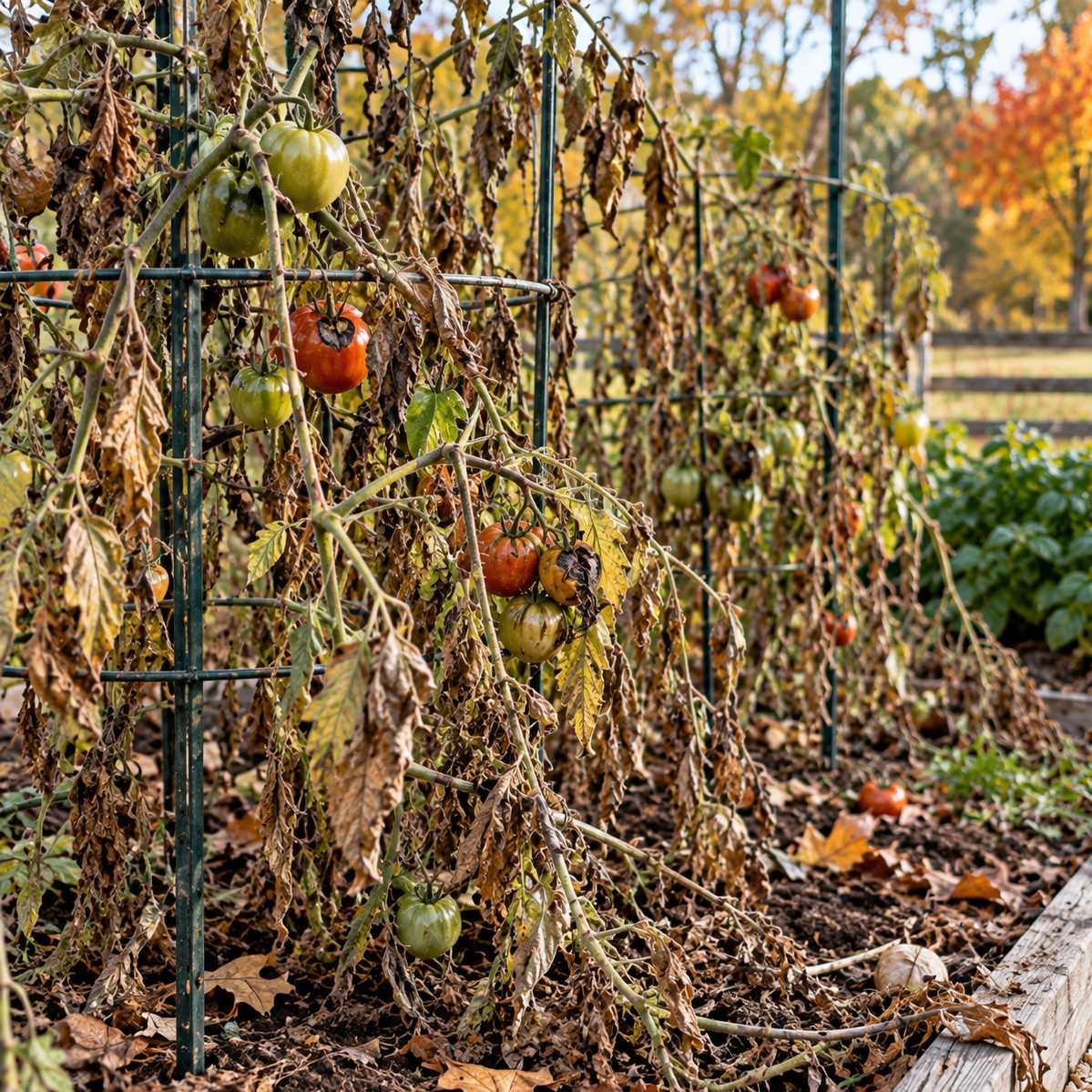
- Why To Never Leave Old Tomato Plants In Your Garden – And The 3 Best Ways To Safely Get Rid Of Them!
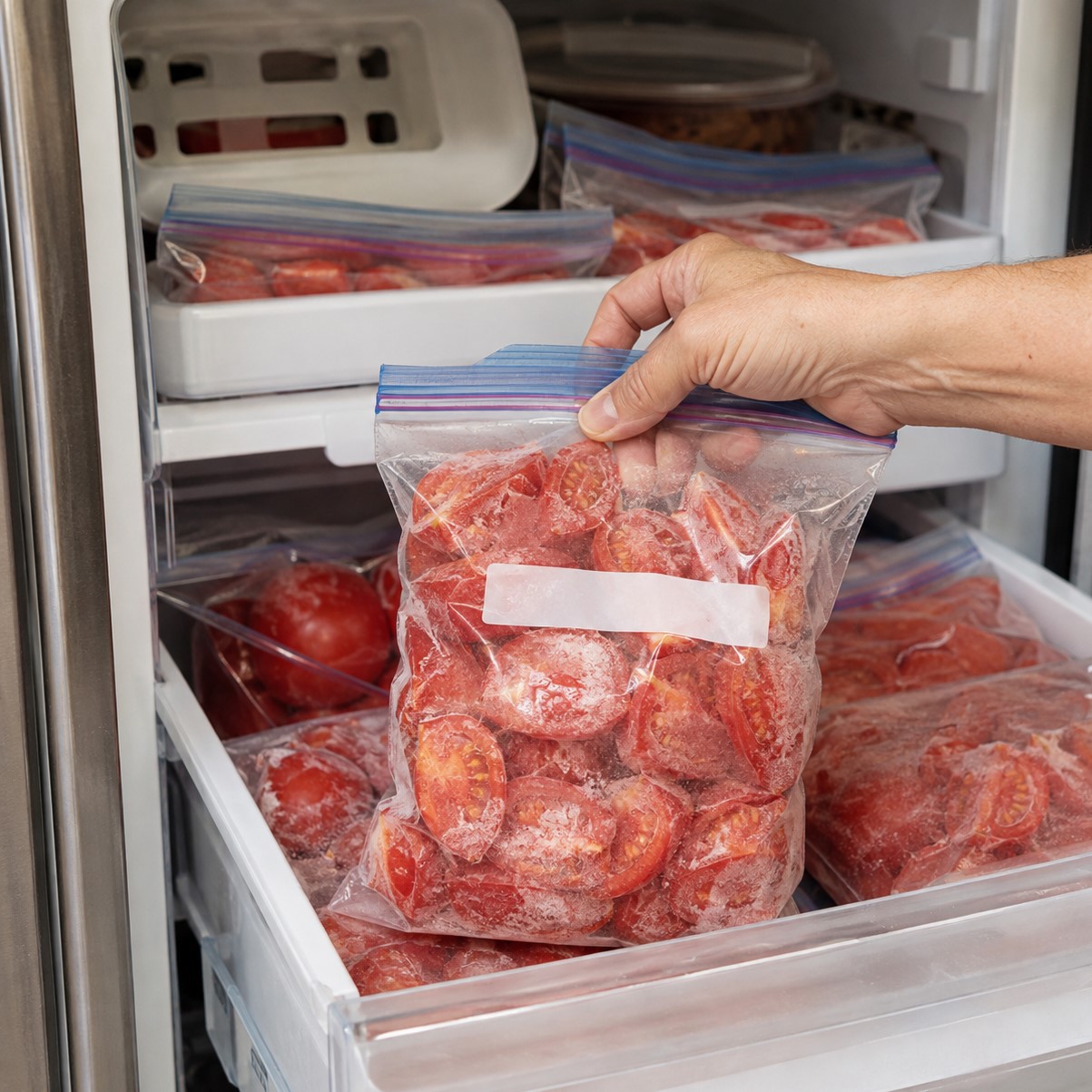
- Too Many Tomatoes? 3 Easy Ways To Freeze Tomatoes For Later!
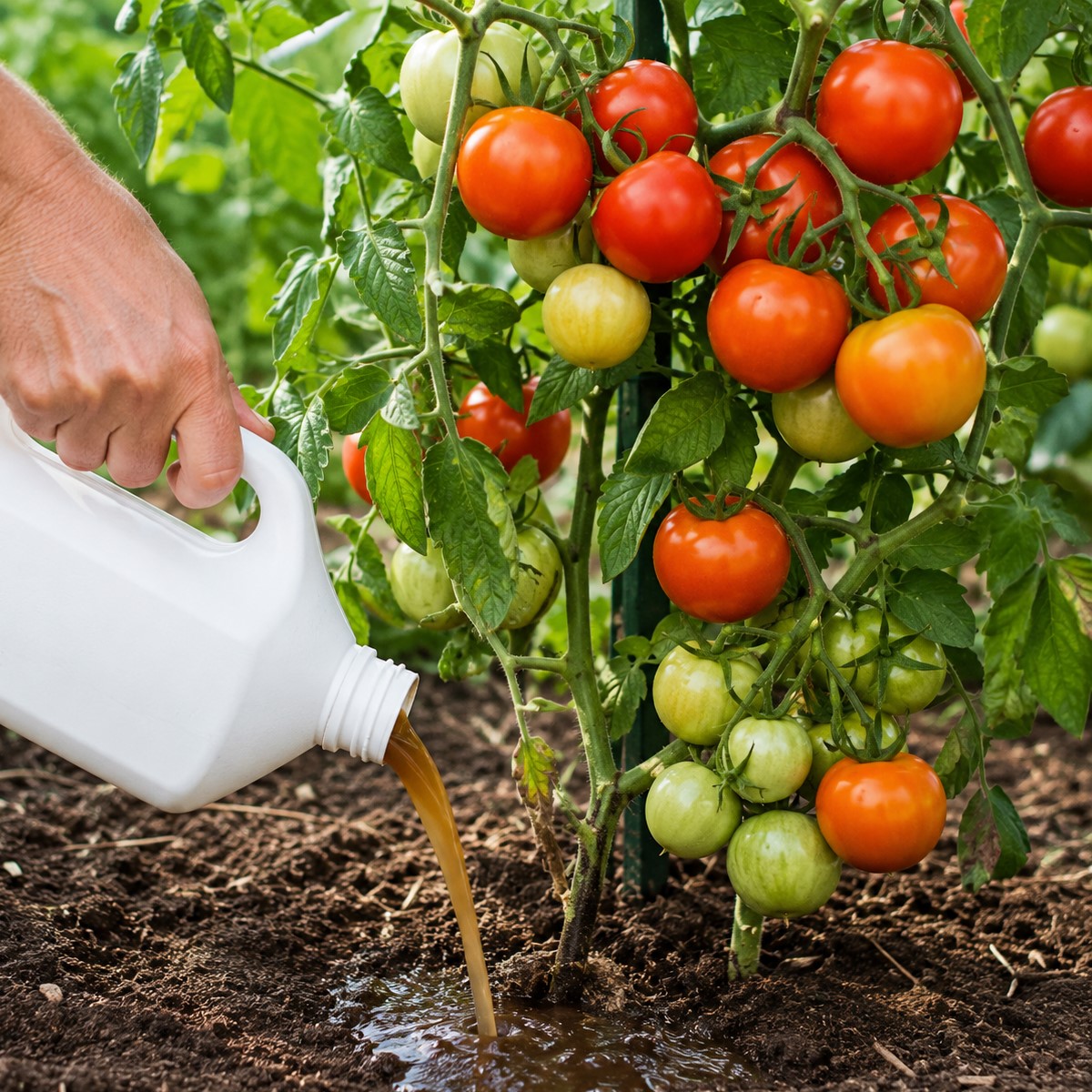
- 5 Things To Do To Your Tomato Plants In Late Summer To Get More Tomatoes
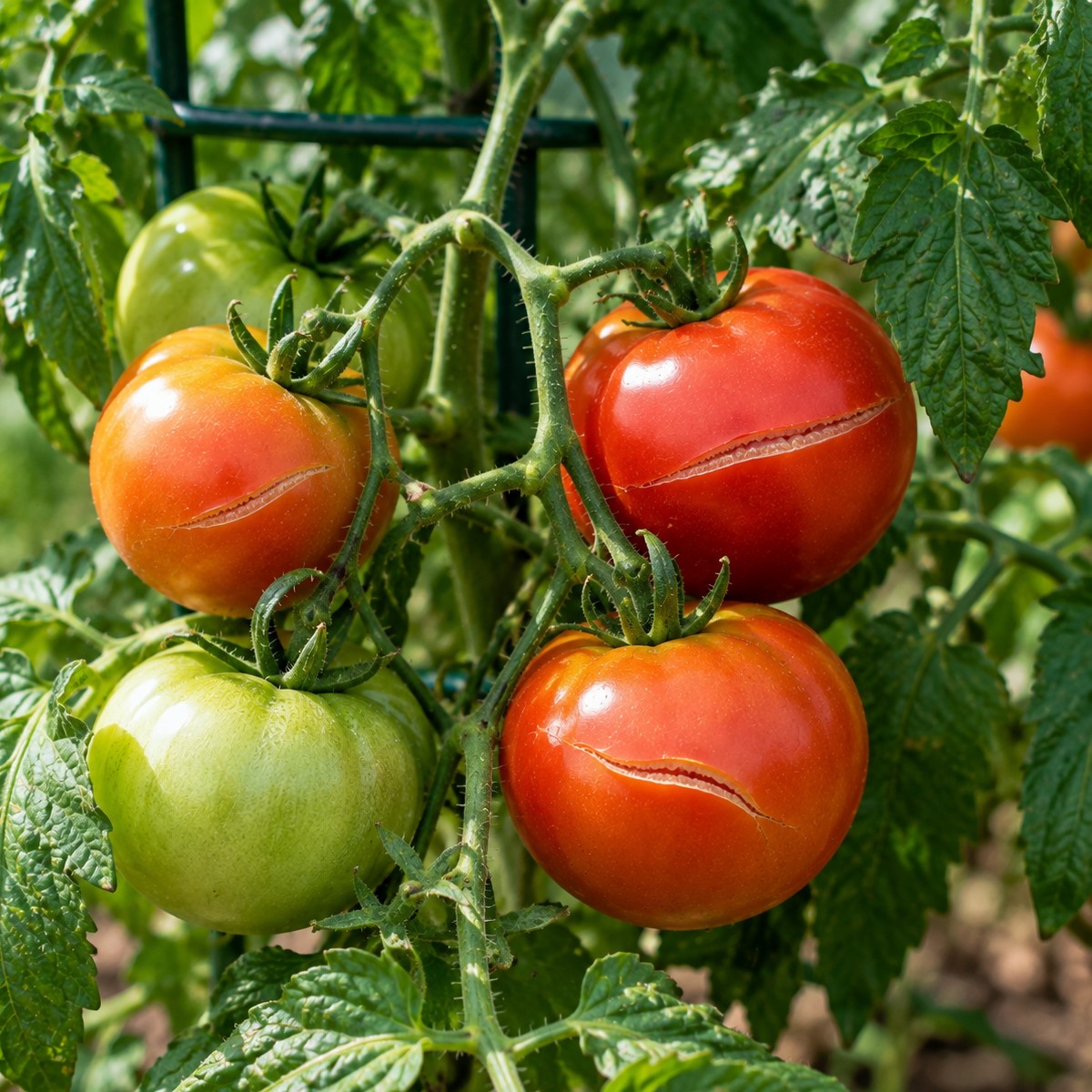
- Why Tomatoes Split As They Ripen - And How To Stop It From Happening This Summer!