7 Plants To Never Plant Near Tomato Plants - Keep Your Tomatoes Safe This Year!
Did you know that there are some vegetables and herb that you should never plant near your tomato plants in the garden?
Unfortunately, while gardeners often focus on sunlight, watering, and fertilizer, many forget one important factor that can make a huge difference in how well tomato plants perform – companion planting.
Some plants help tomatoes thrive. But others can quietly create problems that lead to poor growth, lower yields, more pests, and even disease issues. As it turns out, certain plants compete too heavily for nutrients. Some attract harmful insects. Others can interfere with tomato growth altogether.
That is why knowing what not to plant near tomatoes is just as important as knowing what to plant beside them!
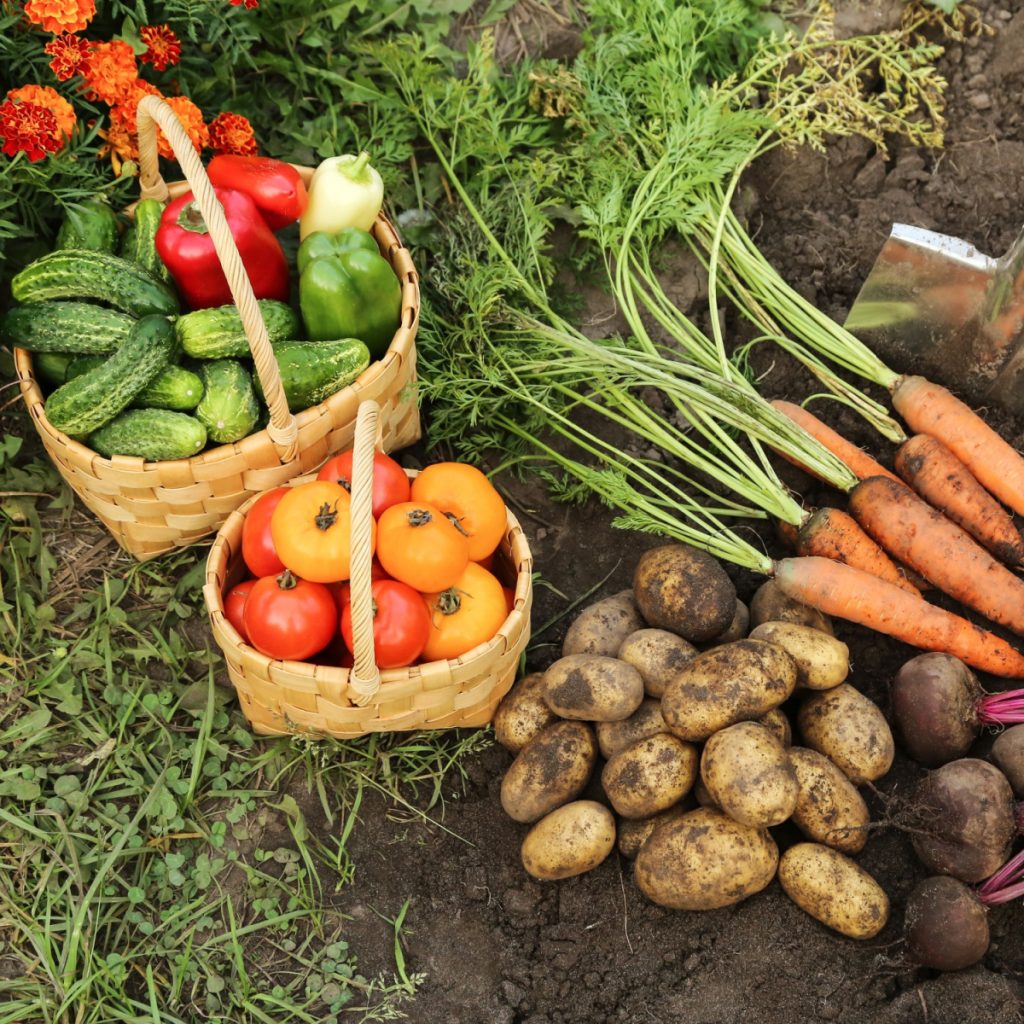
Plants To Never Plant Near Tomato Plants
Companion planting has been used for centuries by gardeners to improve plant health naturally. Good companion plants can help repel pests, improve soil conditions, and even increase harvests. But bad companions can do exactly the opposite.
When tomatoes are paired with the wrong neighbors, they often struggle to grow their best. Plants may become stunted, produce fewer blooms, or develop more disease problems throughout the season. In some cases, nearby crops can even increase the chance of blight, mildew, or insect infestations.
The good news is that avoiding a few troublesome plants can go a long way toward keeping tomato plants healthy and productive all summer long. Here is a closer look at seven plants you should never grow near tomatoes – and exactly why they can create problems in your garden.
Cucumbers
At first glance, cucumbers and tomatoes seem like perfect garden companions. They both love warm weather, rich soil, and sunny growing conditions. Unfortunately, they also share many of the same diseases and pest problems.
One of the biggest issues with planting cucumbers near tomatoes is disease spread. Both crops are highly susceptible to fungal diseases such as powdery mildew and blight. When grown close together, these diseases can move quickly from one plant to the next.

Once fungal spores begin spreading through crowded plants, it becomes much harder to stop the infection. Leaves often yellow early, plants weaken, and harvest production drops dramatically.
In addition, cucumbers and tomatoes compete heavily for nutrients and moisture in the soil. Both are fast-growing, heavy-feeding crops. When planted too close together, one crop usually suffers from lack of nutrients or inconsistent moisture levels.
If you want to grow both crops successfully, it is best to separate them into different sections of the garden. This simple step can greatly reduce disease problems while improving airflow and productivity for both plants.
Why To Not To Plant Potato Plants Near Your Tomato Plants
Potatoes are one of the worst companion plants for tomatoes because the two crops share many of the same diseases and pest problems. In fact, both plants belong to the nightshade family, which means they are highly vulnerable to issues such as early blight, late blight, and various fungal diseases.
When tomatoes and potatoes are planted close together, these diseases can spread rapidly from one crop to the other. What may begin as a small issue on one plant can quickly move through an entire section of the garden and ruin both harvests.
Check Out Our Latest Podcast Below

Late blight is especially concerning when potatoes and tomatoes grow near each other. This disease spreads fast during warm, humid weather and can destroy plants in just days. Since potatoes often develop blight first, nearby tomato plants become easy targets once spores begin traveling through the air or soil.
Potatoes and tomatoes also compete heavily for nutrients in the soil. Both crops are considered heavy feeders and require a steady supply of nitrogen, phosphorus, potassium, and moisture to grow well. When planted side by side, the competition for these nutrients can weaken both plants. Tomatoes may produce fewer flowers and fruit, while potato plants may develop smaller tubers underground.
Cabbage
Cabbage and other members of the brassica family are another poor companion for tomatoes. This includes broccoli, cauliflower, Brussels sprouts, and kale as well.
One of the biggest reasons cabbage should not grow near tomatoes is nutrient competition. Cabbage plants are extremely heavy feeders and can quickly drain nutrients from the soil. Tomatoes also require a steady supply of nutrients to produce strong vines and large fruit.
When these crops grow side by side, tomato plants often end up struggling to get the nutrients they need. This can lead to slower growth, smaller fruit production, and weak plants.

Cabbage can also interfere with tomato root growth. Tomato plants prefer loose, well-balanced soil with plenty of room for roots to spread. Large brassica crops can crowd the root zone and limit tomato development.
Another issue is pests. Cabbage attracts insects such as cabbage worms, loopers, and aphids. These pests can easily spread through nearby garden plants and create additional problems for tomatoes. While cabbage pests may not always directly attack tomato plants, large pest populations in one area of the garden rarely lead to healthy growing conditions overall.
Dill
Dill can be a bit confusing when it comes to companion planting. Young dill plants can actually help tomatoes early in the growing season by attracting beneficial insects such as pollinators and predatory wasps. However, mature dill becomes a completely different story.
As dill plants age, they begin producing compounds that can inhibit tomato growth. Mature dill can stunt tomato plants and reduce overall vigor. This is especially true when dill grows too close to the root zone of tomato plants.
Another issue is that dill attracts tomato hornworms. Hornworms are one of the most destructive pests for tomato plants. These large green caterpillars can strip leaves from plants almost overnight. Because dill attracts these pests, growing mature dill near tomatoes can sometimes increase the chances of hornworm infestations.

If you enjoy growing dill in your garden, it is best to keep it planted away from tomatoes once the plants mature. Young dill seedlings are usually less problematic, but mature plants should not remain close to tomato crops for long-term growth.
Sweet Corn
Sweet corn and tomatoes should also stay far apart in the vegetable garden. The biggest problem between the two crops is pests. Both tomatoes and corn attract the tomato fruitworm. Interestingly, this pest is also known as the corn earworm.
These insects feed on both crops and can spread rapidly between nearby plants. When tomatoes and corn grow side by side, the chances of a major infestation increase dramatically. The worms damage tomatoes by boring into fruit and feeding from the inside out. Once damaged, tomatoes quickly begin to rot and become unusable.
Corn also creates shade issues for tomatoes. Tomato plants need full sunlight for maximum fruit production. Tall corn stalks can easily block sunlight during key parts of the day. Reduced sunlight often leads to fewer blossoms, slower ripening, and smaller harvests.

Sweet corn is also a heavy feeder. It pulls large amounts of nitrogen from the soil, leaving less available for nearby tomato plants. This nutrient competition can weaken tomato growth significantly over the course of the season.
Carrots
Carrots may seem harmless around tomatoes, but they can create a few important issues when planted too closely together. The main problem is root disturbance and competition.
Tomatoes develop extensive root systems that spread widely through the soil. Carrots grow deep underground and need loose, undisturbed soil for proper development. When the two crops share the same growing area, carrots often struggle to develop straight, healthy roots.
Tomato roots can crowd carrot roots and reduce the overall size and quality of the carrot harvest. At the same time, harvesting carrots near mature tomato plants can disturb tomato roots. Tomato plants dislike root disturbance once established. Even minor disruptions can temporarily stress plants and reduce fruit production.
Carrots also prefer slightly different soil conditions than tomatoes. Tomatoes thrive in nutrient-rich soil with regular feeding. Carrots generally perform better in lighter soil with lower nitrogen levels. Too much nitrogen often results in leafy carrot tops with poor root formation.
Fennel
Fennel is widely considered one of the worst companion plants for nearly every vegetable crop, and tomatoes are no exception. This herb releases compounds into the soil that inhibit the growth of nearby plants.
Tomatoes are especially sensitive to fennel’s growth-suppressing effects. Plants growing near fennel often appear stunted, weak, and less productive. Fennel also competes aggressively for nutrients and moisture. Its large root system can quickly dominate nearby garden space and interfere with tomato root development.
Unlike many herbs that help repel pests and improve plant growth, fennel tends to create problems instead of benefits in the vegetable garden. Because of its strong negative effects on neighboring crops, fennel is best planted in its own isolated section of the garden away from vegetables.
By avoiding crops like cucumbers, potatoes, cabbage, dill, sweet corn, carrots, and fennel near tomato plants, you can keep your tomatoes stronger, healthier, and more productive. Sometimes the secret to better tomatoes is not just what you plant beside them – but what you avoid planting nearby in the first place.
If you are looking for what to grow right beside them - check out : Growing Marigolds With Tomato Plants – Grow Your Best Tomatoes Ever This Year!
This Is My Garden
Follow Our Facebook Page For Great Gardening Tips And Advice! This Is My Garden Facebook Page
This Is My Garden is a garden website created by gardeners, for gardeners. Jim and Mary Competti have been writing gardening, DIY and recipe articles and books and speaking for over 15 years from their 46 acre Ohio farm. They publish three articles every week, 52 weeks a year. Sign up today to follow via email, or follow along!

More Tomatoes
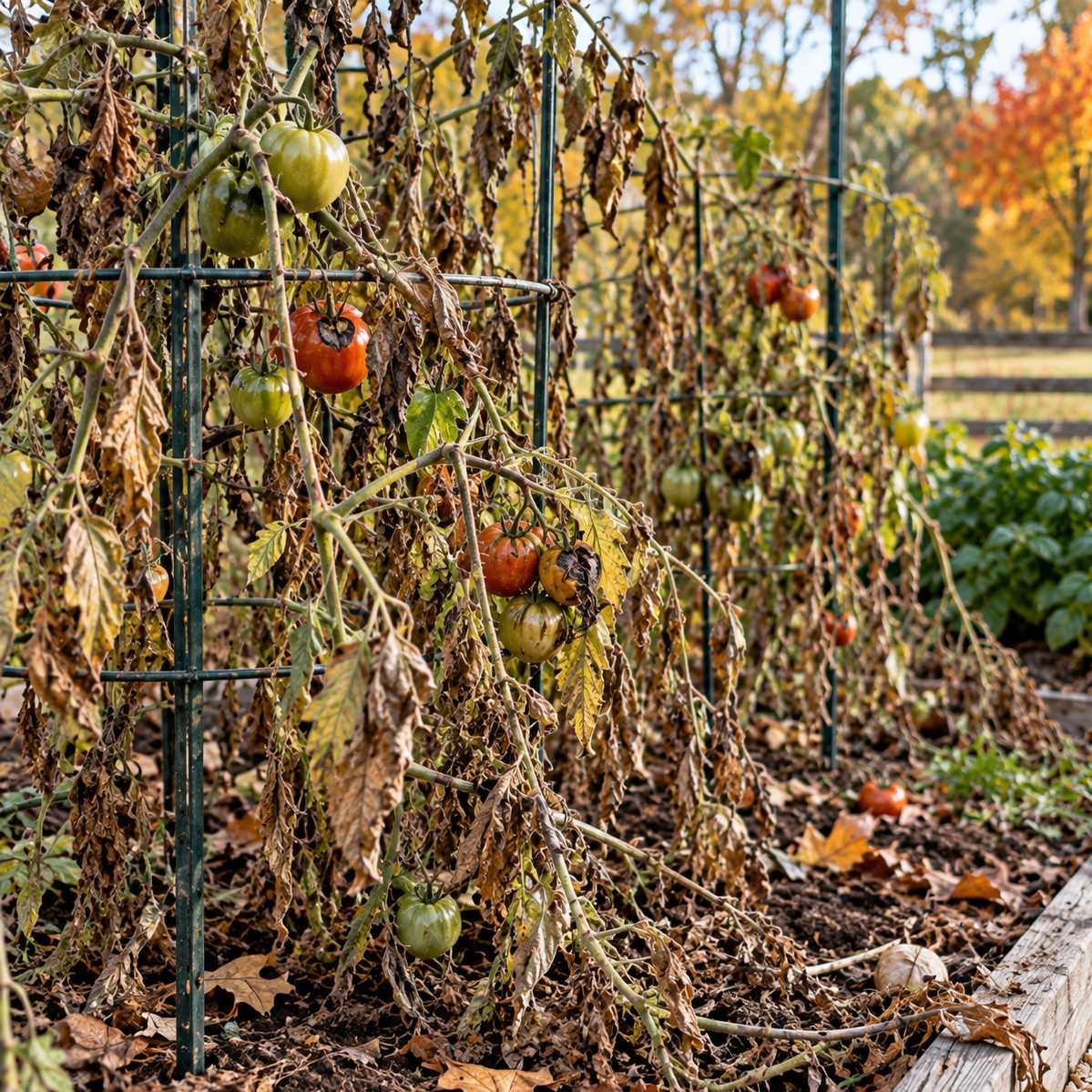
- Why To Never Leave Old Tomato Plants In Your Garden – And The 3 Best Ways To Safely Get Rid Of Them!
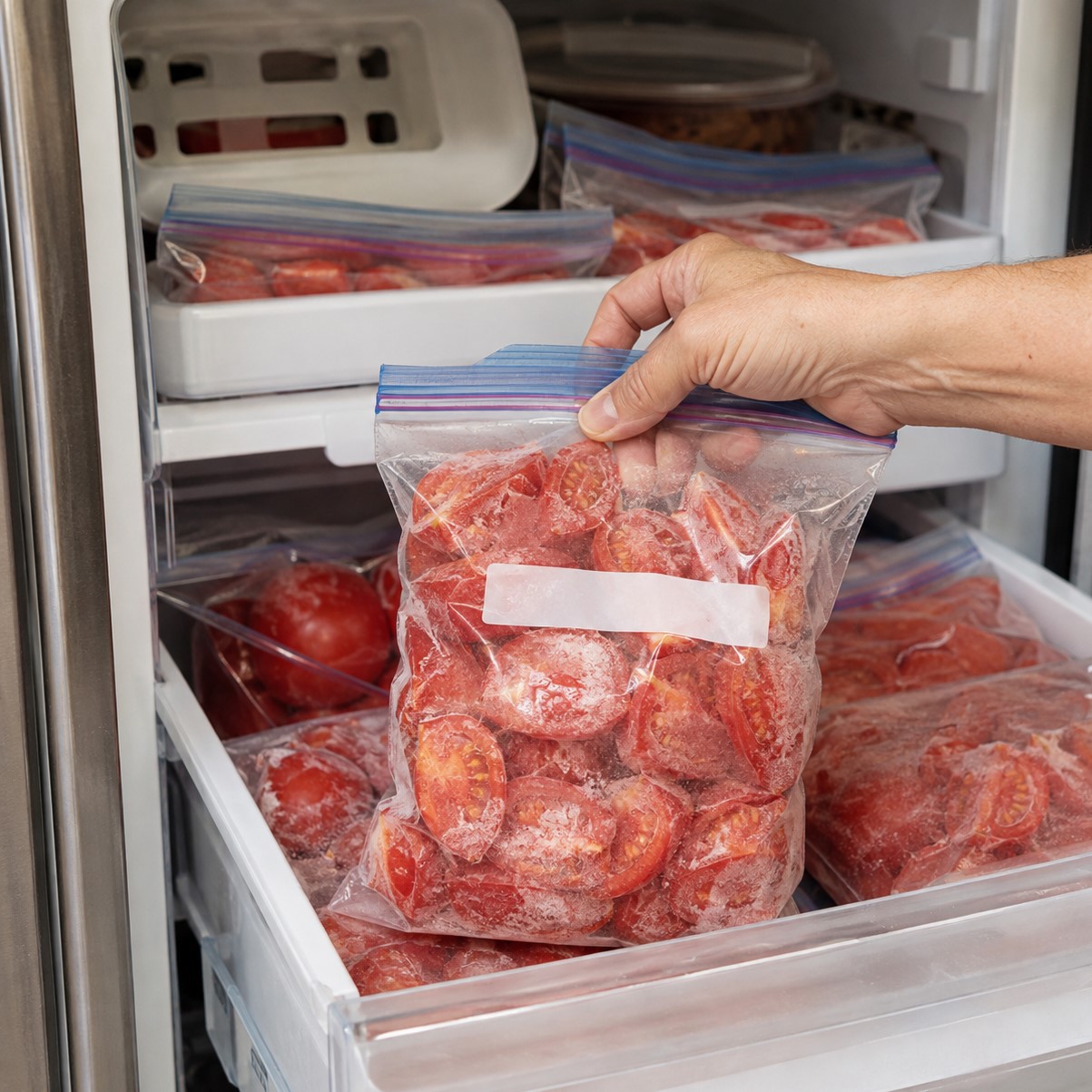
- Too Many Tomatoes? 3 Easy Ways To Freeze Tomatoes For Later!
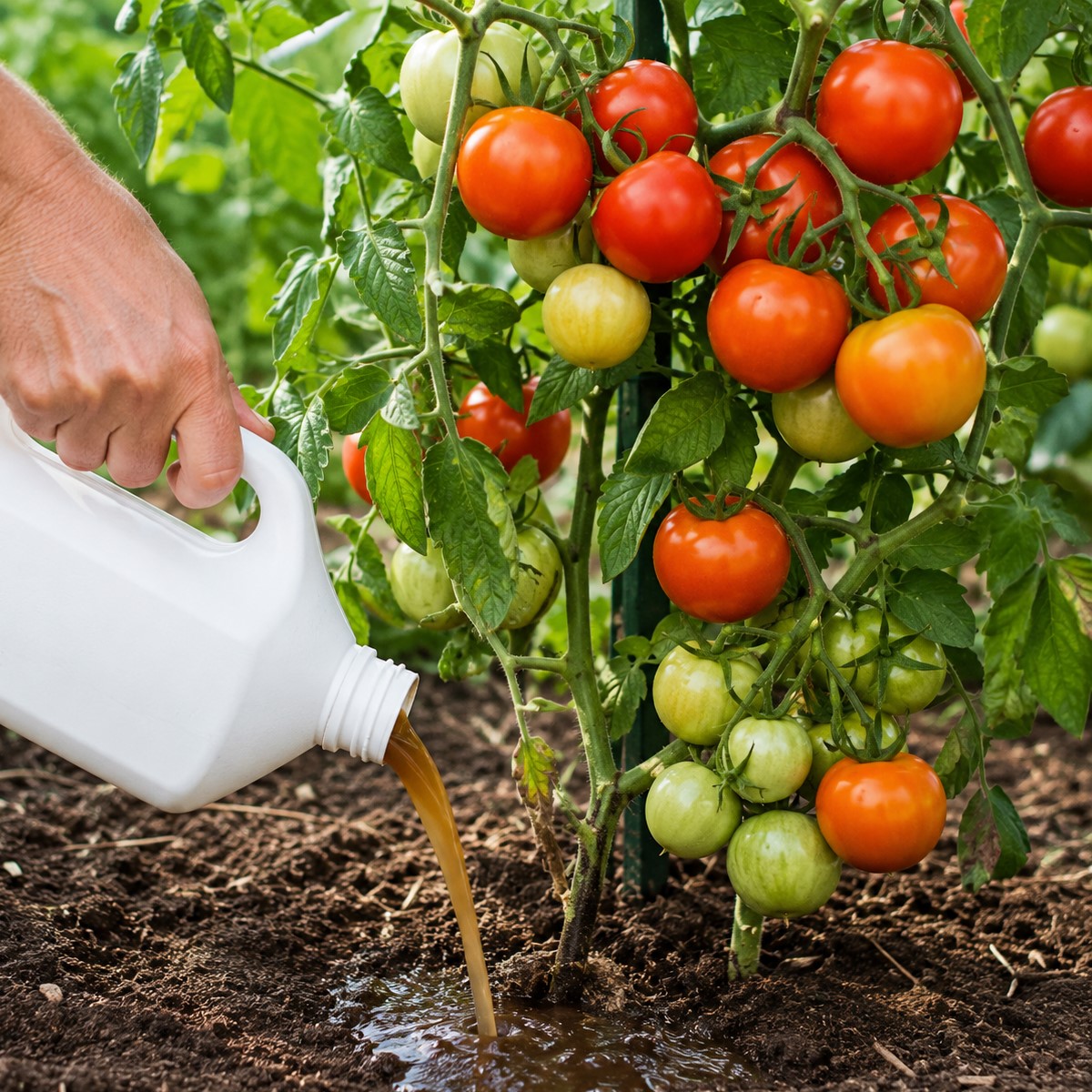
- 5 Things To Do To Your Tomato Plants In Late Summer To Get More Tomatoes
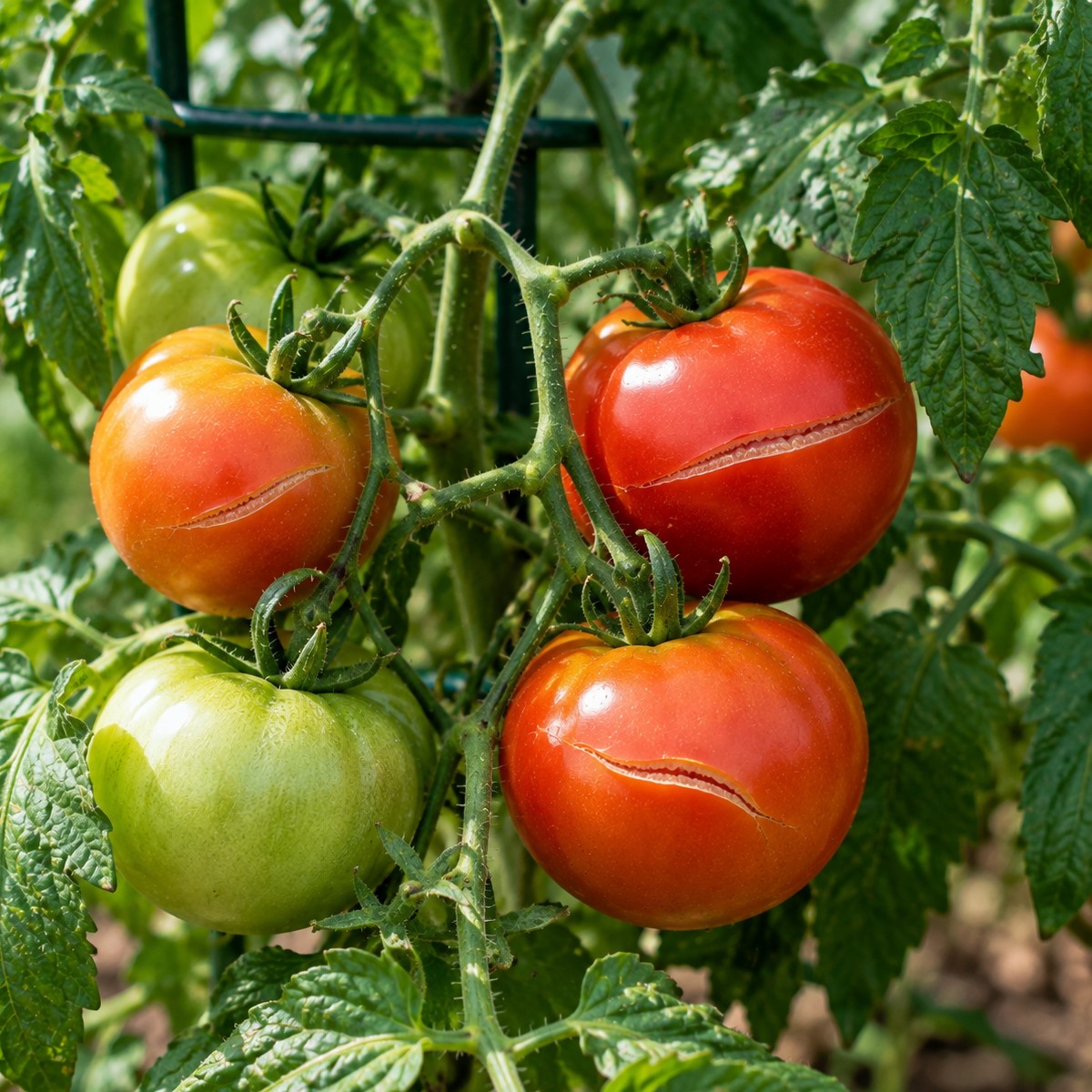
- Why Tomatoes Split As They Ripen - And How To Stop It From Happening This Summer!