
Looking for some of the best perennials to plant in September to add big fall color this year – and every year that follows?
By late summer, many spring and summer perennials have started to fade. Unfortunately, that can leave flowerbeds looking a little tired and bare just as cooler temperatures make spending time outdoors more enjoyable. But that is exactly where fall-blooming perennials can save the day.
With their bright flowers and colorful foliage, these hardy plants can keep beds full of life well beyond the end of summer. Even better, many provide an important late-season food source for bees, butterflies and other pollinators.
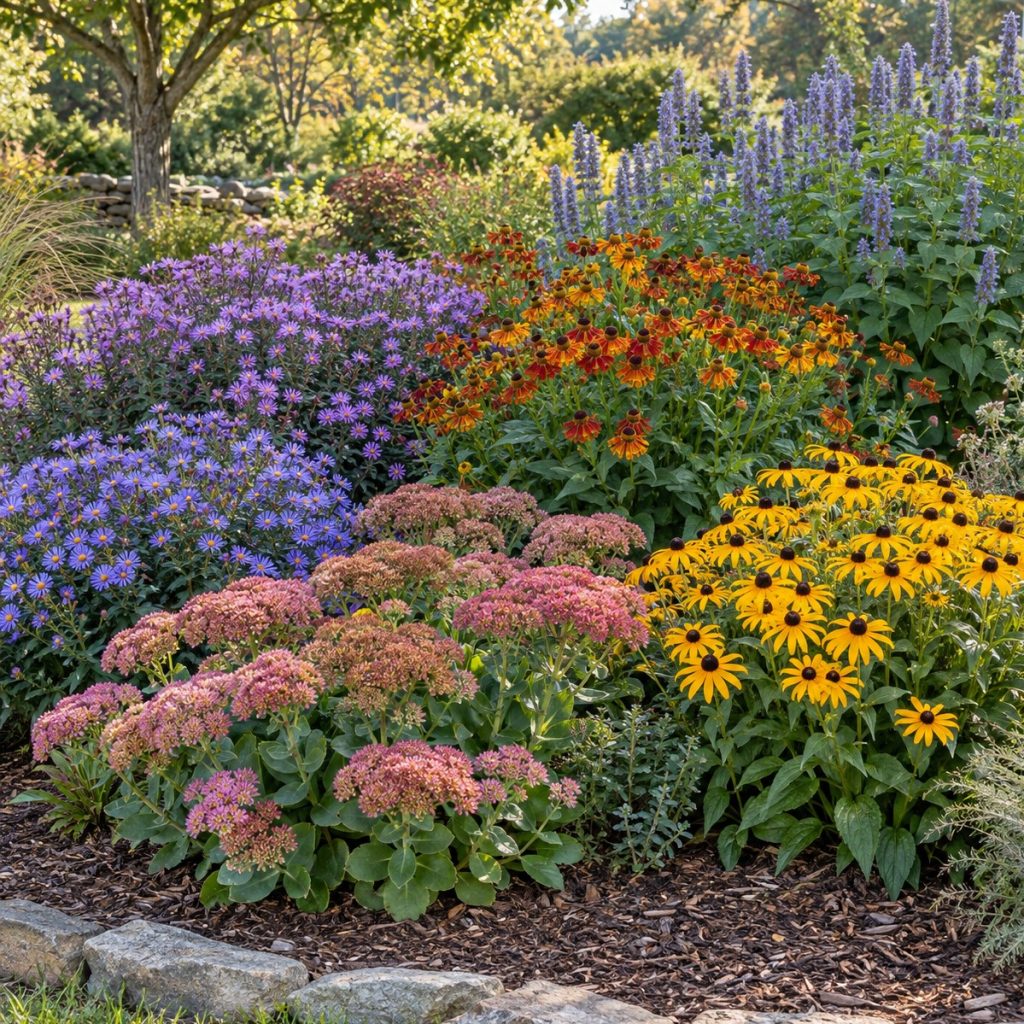
September also happens to be an excellent time to get perennials in the ground. The combination of warm soil and cooler air allows plants to establish their roots with far less stress. And by planting varieties that are already blooming in fall, you can enjoy instant color now – and even bigger displays for years to come!
The 5 Best Perennials To Plant In September
Why Early Fall Is Great For Planting
The soil is still warm from summer, which helps new roots grow quickly. At the same time, cooler daytime temperatures reduce the strain on leaves and stems. Plants lose less moisture and can spend more of their energy developing a healthy root system instead of trying to survive intense summer heat.
As long as perennials go into the ground several weeks before it freezes hard, they usually have plenty of time to begin settling in. They may not put on much new growth above the soil, but their roots can continue developing until the ground turns cold.
Here is a look at five of the best perennials to plant in September for adding dependable fall color to your flowerbeds.
1. Why Asters Are At The Top Of The List
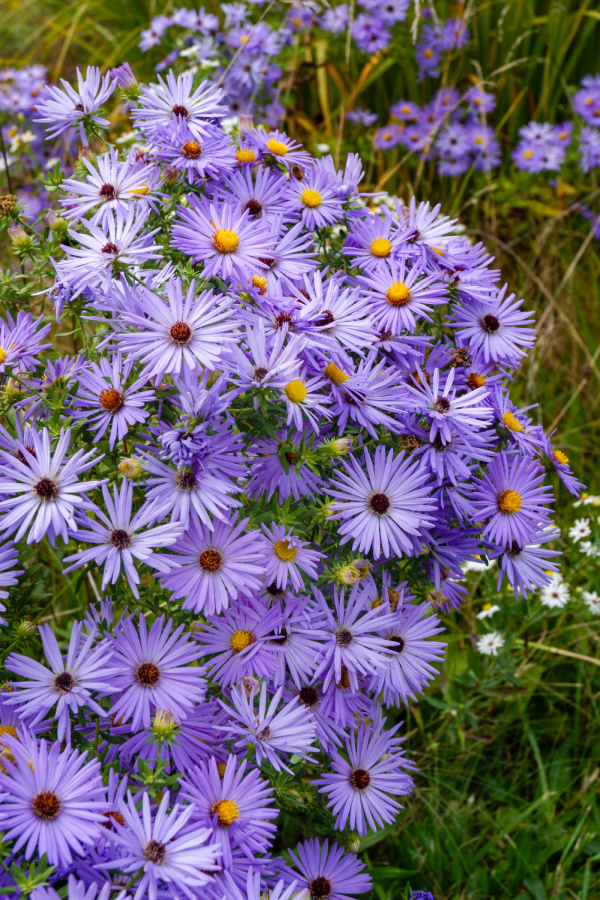
Few perennials brighten the autumn landscape quite like asters. Their daisy-like blooms appear in shades of purple, blue, pink and white, often covering the plants from top to bottom when many other flowers have finished blooming.
Asters are also wonderful for pollinators. Their late flowers supply nectar and pollen at a time when food sources are beginning to disappear. It is common to see their blooms covered with bees and butterflies on warm September and October afternoons. Most asters grow best in full sun and loose, well-draining soil. Depending on the variety, plants can range from compact mounds under two feet tall to towering specimens reaching four feet or more.
2. The Fall Beauty Of Sedum – Autumn Joy
Autumn Joy sedum is one of the most reliable fall perennials you can grow. It looks attractive throughout the entire season, and its sturdy flower heads only become more colorful as summer gives way to fall.
In spring, the plant produces neat mounds of thick, blue-green foliage. Large clusters of pale green buds appear in summer before gradually opening to soft pink. As the weather cools, the flowers deepen to rose, red and finally a rich coppery bronze.
Sedum thrives in full sun and soil that drains well. In fact, wet soil is one of the few things this tough perennial does not tolerate. Once established, its fleshy leaves help it handle hot, dry weather with ease.
Plant Autumn Joy near the front or middle of a bed, along walkways, or in groups of three or more. Avoid rich soil or heavy fertilizing, which can cause the stems to become weak and flop. Leave its dried flower heads standing for winter interest.
3. Long Lasting Garden Mums – One Of The Best Perennials To Plant In September
September is a great time to plant garden mums, especially if you want to add an instant burst of color to tired flowerbeds. The cooler temperatures put less stress on newly planted mums, while the warm soil helps their roots begin establishing quickly. For the best results, plant them as early in September as possible so they have several weeks to settle in before the ground freezes. See our article: 4 Big Secrets To Keep Your Mums Blooming Longer Than Ever This Fall!
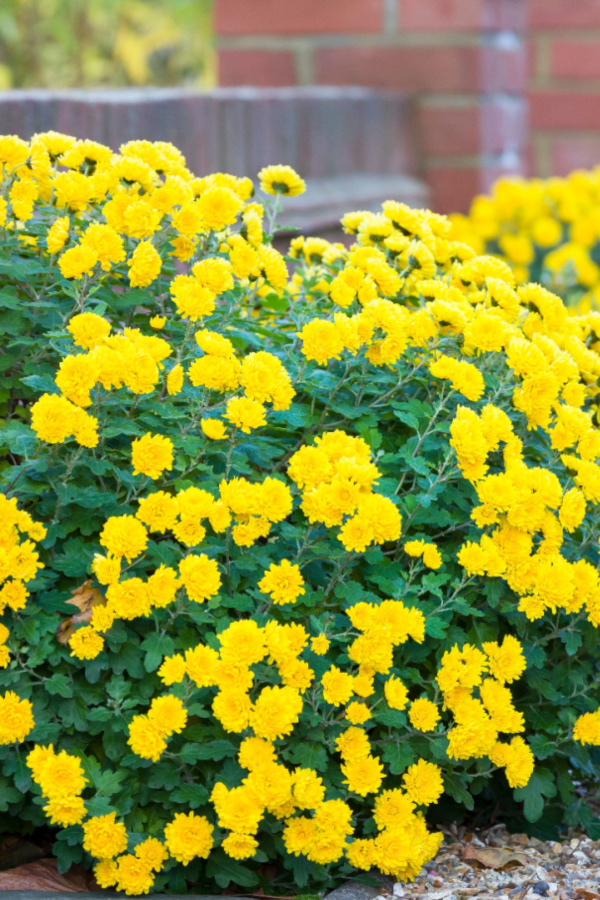
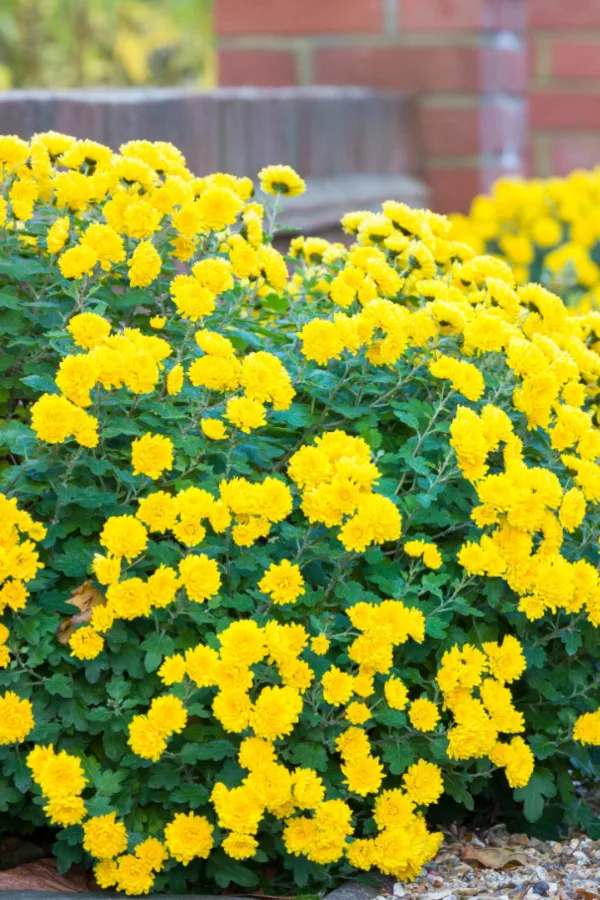
Choose a location that receives at least six hours of sunlight each day and has loose, well-draining soil. Dig the planting hole slightly wider than the root ball, but no deeper. Set the mum in the hole with the top of its root ball level with the surrounding soil. Water deeply after planting and continue watering whenever the top inch of soil becomes dry.
Finish by adding two to three inches of mulch around each plant to retain moisture and protect its roots during winter. Avoid fertilizing mums in the fall, as this can encourage tender new growth that is easily damaged by cold weather.
4. Helenium – The Late Season Bloomer!
Helenium, often known as sneezeweed, is a true late-season showstopper and another one of the great perennials for planting in September. Its masses of daisy-like flowers bloom in rich shades of yellow, orange, copper and red – all perfect for an autumn landscape.
Despite its common name, the flowers are not a major cause of seasonal allergies. The name comes from the plant’s historical use in making snuff, not because its pollen commonly makes people sneeze.
Helenium grows best in full sun and fertile, well-draining soil that retains some moisture. Consistent watering keeps plants upright and flowering heavily. Varieties range from about two to five feet tall, so place taller selections toward the back of the border.
Pinching tall heleniums back by about one-third in late spring encourages bushier growth. Divide established clumps every three or four years to keep them flowering strong.


5. Anise Hyssop – A Flowering Surprise In Autumn
Anise hyssop is a beautiful, fragrant perennial that offers far more than color alone. Its upright spikes of blue-purple flowers rise above aromatic green foliage and continue blooming from summer into early fall.
The flowers are magnets for bees, butterflies and hummingbirds. Few plants can match the amount of activity an established patch attracts. Later, if the seed heads are left standing, they can also help feed birds through fall and winter.
Anise hyssop prefers full sun and well-draining soil. Once established, it is drought tolerant and rarely needs fertilizer. Its upright two- to four-foot form looks especially striking beside yellow black-eyed Susans or coppery Autumn Joy sedum. Its licorice-scented foliage also tends to discourage deer.
How To Plant Perennials In September
No matter which perennial you select, proper planting will help it survive winter and take off quickly next spring. Begin by choosing a location that provides the right amount of sunlight and the proper drainage for the plant.
Dig the planting hole about twice as wide as the root ball, but no deeper. Gently loosen any circling roots, then position the top of the root ball level with the surrounding soil. Fill the hole and lightly firm the soil with your hands.
Water deeply immediately after planting. Continue watering whenever the top inch or two of soil becomes dry until cold weather arrives. Fall rain can help, but newly planted perennials should never be allowed to dry out completely.
Finish with a two- to three-inch layer of mulch to conserve moisture and protect roots from repeated freezing and thawing. There is no need to fertilize – doing so can push tender growth when plants should be concentrating on roots and preparing for dormancy.
Planting a few fall-blooming perennials this September is an easy way to give tired flowerbeds new life. More importantly, those same plants will return bigger and stronger each year – filling the landscape with beautiful color and bringing pollinators to your property long after summer flowers have faded.
This Is My Garden
Follow Our Facebook Page For Great Gardening Tips And Advice! This Is My Garden Facebook Page
This Is My Garden is a garden website created by gardeners, for gardeners. Jim and Mary Competti have been writing gardening, DIY and recipe articles and books and speaking for over 15 years from their 46 acre Ohio farm. They publish three articles every week, 52 weeks a year. Sign up today to follow via email, or follow along!