
Think you missed your chance to divide your perennials now that October has arrived? The good news is that there can still be time to turn those oversized plants into beautiful new starts – and fill your flowerbeds without spending a penny!
By October, it’s easy to see which plants have outgrown their space. Some are crowding neighboring flowers. Others have developed thin centers or simply become too large for their location. Dividing those plants can help bring your beds back into balance while giving you more plants to use elsewhere.
Even better, cooler temperatures make the work easier on both you and your perennials. Without the intense heat of summer, newly planted divisions lose less moisture and have a better opportunity to settle into their surroundings. But success comes down to two things – choosing the right plants and dividing them early enough to establish roots before winter.
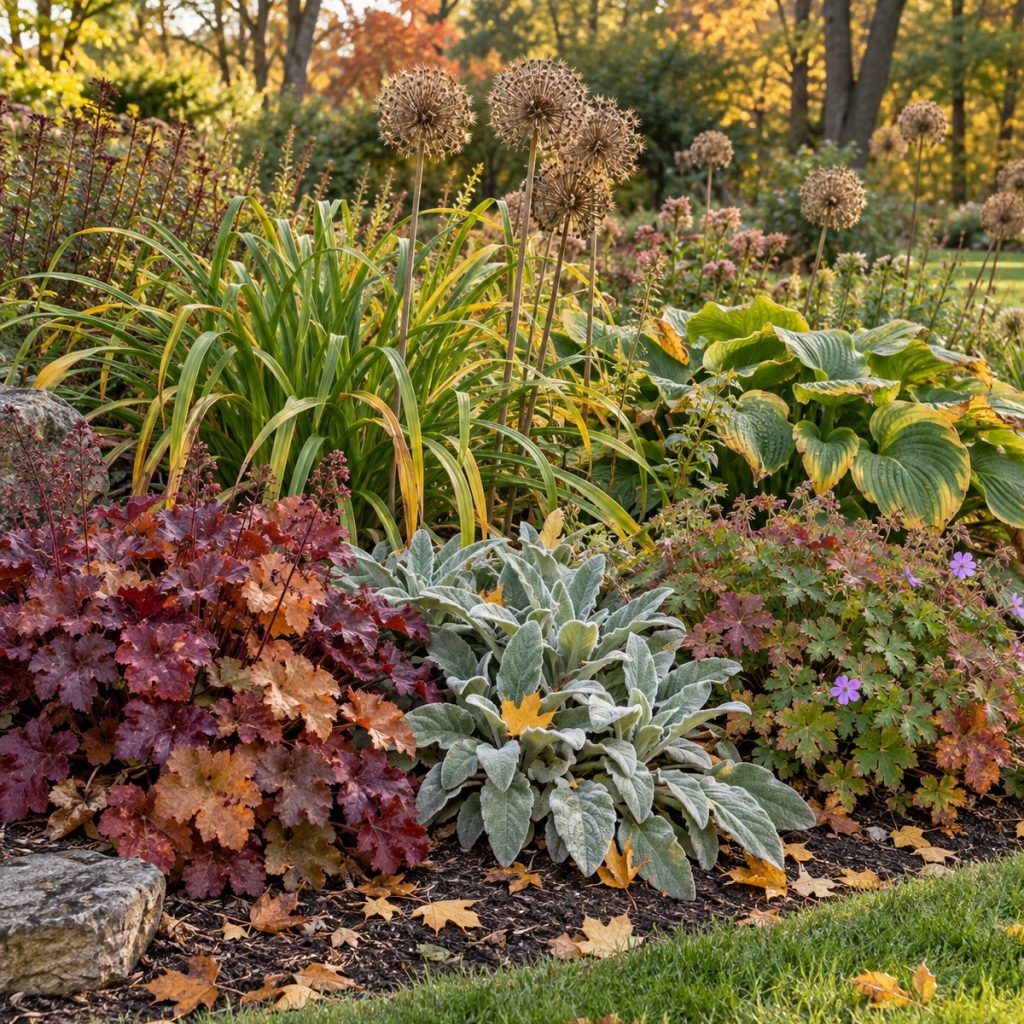
The Best Perennials To Divide In October
How Late Can You Divide Perennials In October?
The biggest factor in October division is how much growing time remains where you live. Ideally, newly divided perennials need at least four to six weeks before the ground freezes to begin establishing their roots. That makes early October quite good for many locations. The later you get into October, the more important it becomes to consider your local conditions.
Remember that a light frost and frozen ground are two different things. A frosty morning does not automatically mean roots have stopped growing. Soil can remain workable long after the first frost touches the foliage.
Before digging, if the soil is dry, water the plants the day before. Prepare their new planting spaces before digging so the roots can go right back into the ground. And when dividing this late in the season, think bigger. A few substantial divisions with plenty of healthy roots are better than lots of tiny pieces that will struggle to establish. Now let’s take a look at 6 of the best perennials to divide in October – starting with coral bells!
Coral Bells – Add More Foliage Color
Coral bells are wonderful for adding long-lasting color to flowerbeds. With leaves in shades of burgundy, caramel, lime green and silver, they can brighten a planting even when there isn’t a flower in sight. As coral bells mature, they often develop smaller crowns around the original plant. Those separate growing points make it possible to divide an established clump into several new plants.
Start by carefully digging around the root ball and lifting it from the soil. Look for sections that have their own crown and attached roots. Gently pull those sections apart, using a clean, sharp knife where needed.
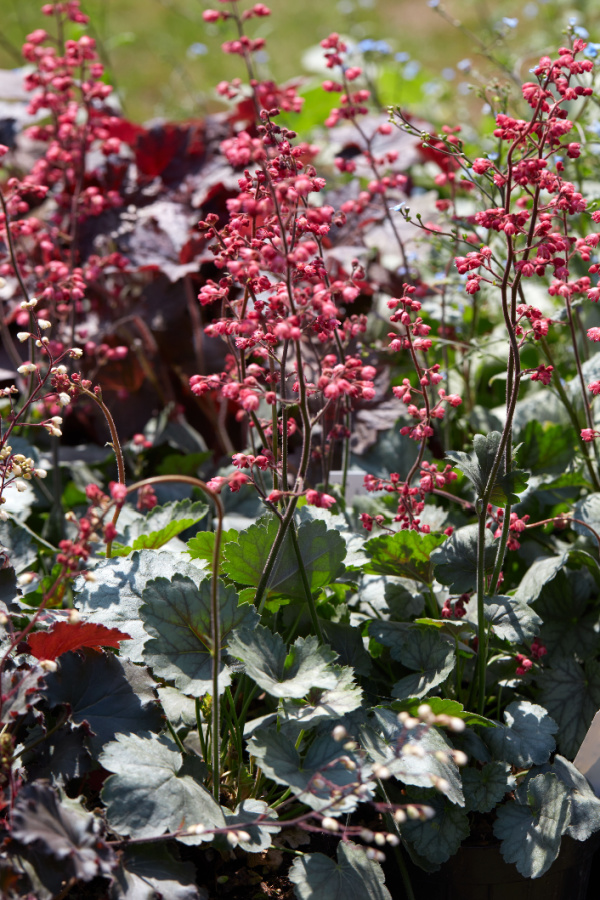
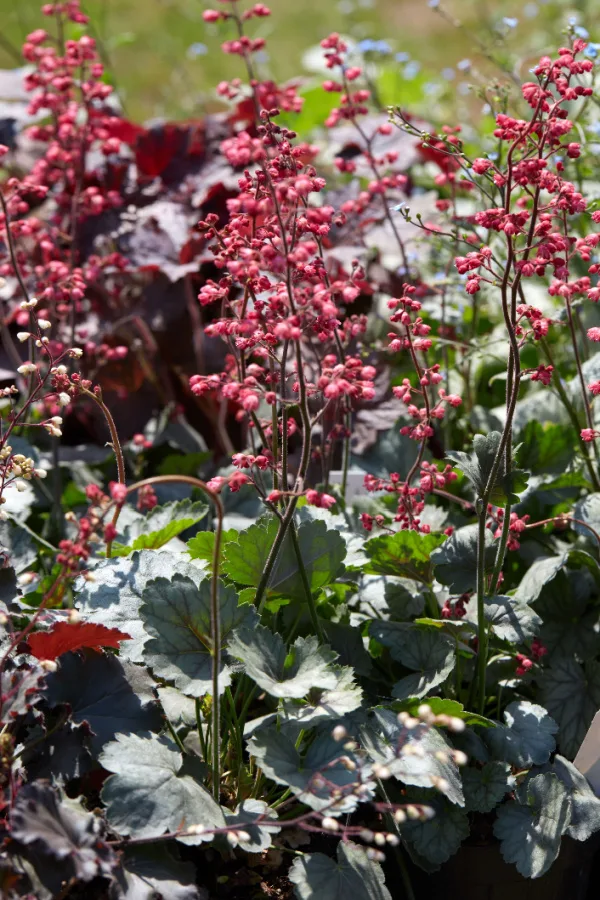
Avoid creating divisions from bare, woody pieces without healthy growing points. You want each new plant to have enough roots and foliage to support itself. Replant with the crown at the soil surface. Burying the growing point too deeply can lead to rot, especially during wet fall and winter weather.
Coral bells are excellent for repeating color along a partially shaded walkway or border. A few divisions placed throughout a bed can help connect the entire planting.
Daylilies – One Of The Best Perennials To Divide In October!
Daylilies are among the most rewarding perennials to divide. An established clump can produce several sturdy new plants, making them an economical choice for expanding borders or filling larger spaces.
Over time, their thick roots and tightly packed fans can form a crowded mass. Dividing gives those fans more room to grow and makes an oversized planting easier to manage.
Begin by digging around the outside of the clump. Lift it from the ground and gently shake or brush away loose soil so you can see where the fans connect. Pull the fans apart where possible, or use a sharp spade or knife to separate dense sections. For October division, keep several fans together with a generous portion of roots.
Trim long foliage back to roughly six to eight inches to make the plants easier to handle. Remove damaged leaves and any soft or rotting roots. Replant with the crown about an inch below the soil surface. Choose a sunny location, water thoroughly and give each division enough room to develop into a full clump.


Lamb’s Ear – Fill Your Borders With Silver Foliage
If your lamb’s ear has spread across a walkway or started crowding other plants, October is the perfect time to divide these spreading perennials and get them back under control.
Lamb’s ear spreads into rooted sections that can be lifted and separated. Select healthy pieces from the outside of the planting, where growth is often strongest. Dig beneath those sections and lift them with their roots attached. Separate the pieces by hand or with a sharp knife, removing dead leaves as you work.
Discard sections with soft, rotting crowns. Moving unhealthy plants into another bed will only bring the problem along with them.
Replant in a sunny location with excellent drainage. Water thoroughly after planting, but check the soil before watering again. New roots need moisture, yet lamb’s ear can struggle badly in soggy ground. Keep mulch around the planting rather than piled over the crowns and fuzzy leaves.
Hardy Geraniums – Create More Flowering Clumps
Hardy geraniums, also called cranesbills, are useful for filling spaces between larger perennials. These are the perennial garden geraniums that return each year, rather than the tender geraniums commonly grown in summer pots.
Established, clump-forming types can be divided in fall when enough rooting time remains. Division is especially helpful when a plant has become too large or you want to repeat it in another part of the garden. Dig around the clump and lift the root ball carefully. Brush away enough loose soil to locate the growing points, then separate the plant into substantial sections.
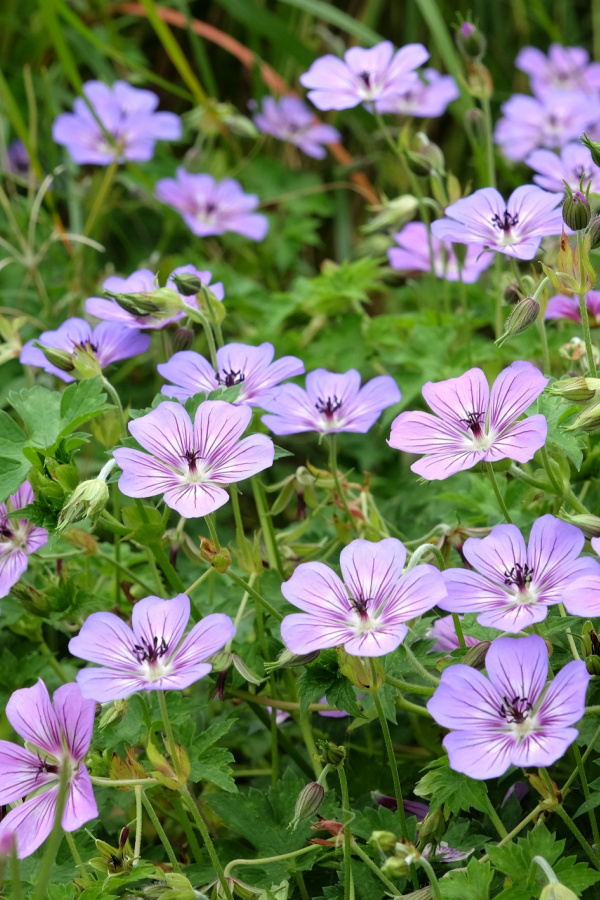
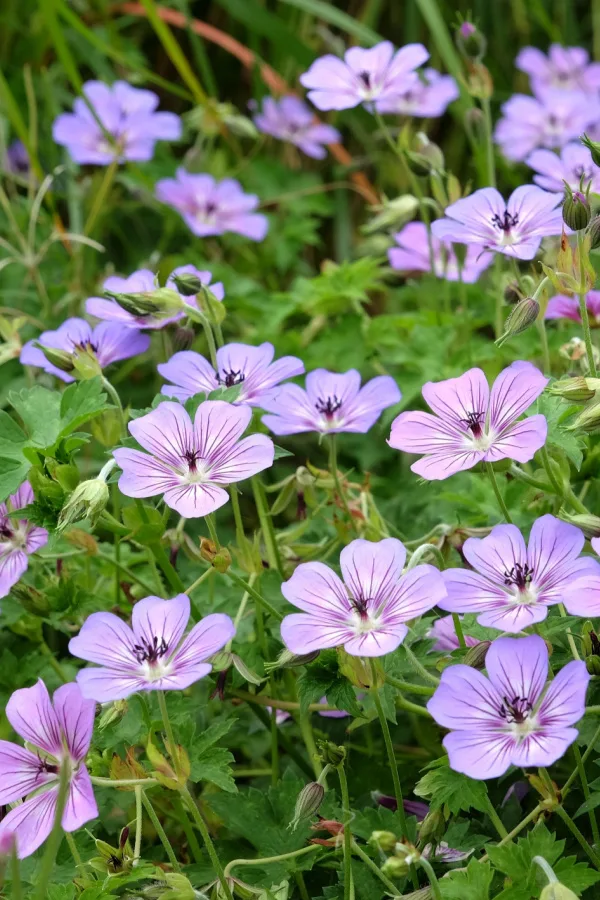
Each division should have healthy roots and several buds or shoots. Avoid cutting a large plant into too many small pieces this late in the season. Replant at the same depth the original plant was growing. Choose a location suited to your particular geranium, since some prefer partial shade while others perform well in sunnier beds.
Hostas – Refresh Crowded Shady Beds
By October, hostas may have yellowing leaves, pest damage or tattered foliage. Although they might look worn above ground, their established crowns can still provide healthy divisions for new plantings.
Hostas do not need to be divided every year. Healthy clumps can remain undisturbed for a long time. But if yours have outgrown their space or you want more plants, early October may still offer a suitable window.
Dig well around the clump to preserve as much of the root system as possible. Large hostas can be heavy, so take your time lifting them. Use a sharp spade or sturdy knife to cut the crown into sections. Each piece should have several growing points and plenty of attached roots.
Remove yellowed, dead or badly damaged foliage. Replant the divisions promptly at the same depth they were growing before, keeping the crown from becoming buried too deeply.
Alliums – Multiply Your Flowering Onions
Ornamental alliums offer another way to increase your plants in fall – and they are another of the great perennials to divide in October.
Nodding onion is one useful example. It produces hanging clusters of pink or lavender flowers and gradually expands into larger clumps. Lift the planting carefully and separate the smaller bulbs or rooted sections. Preserve attached roots whenever possible and replant promptly.
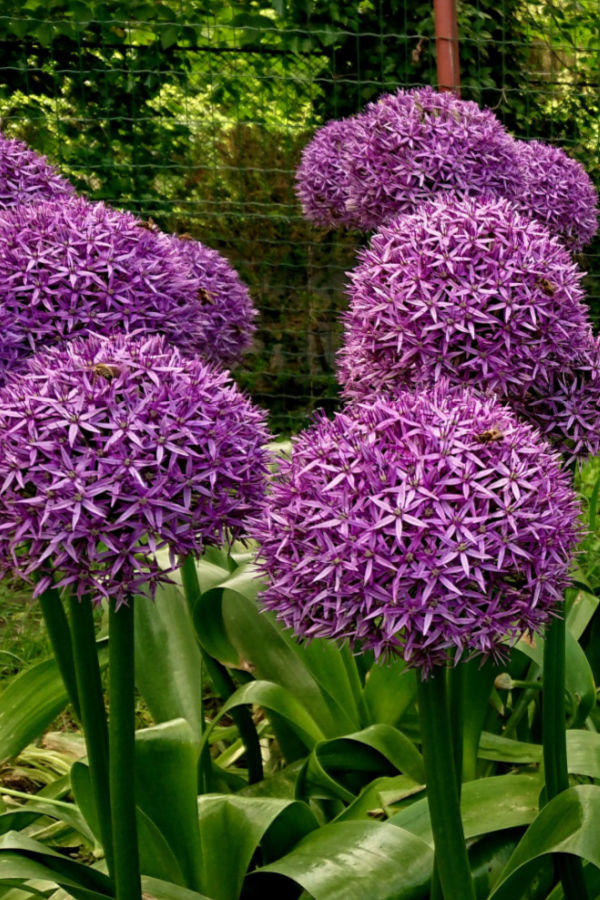
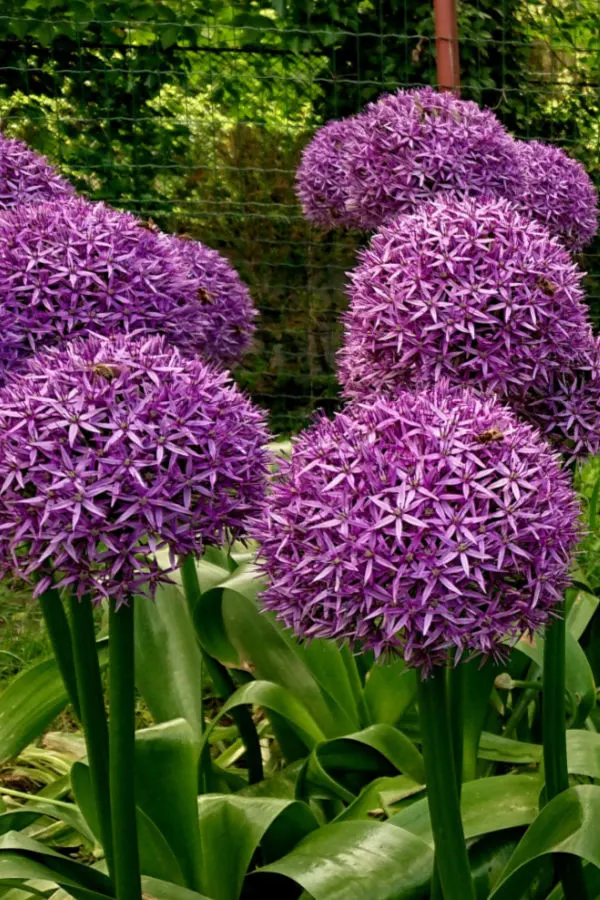
For large, spring-flowering bulb alliums, division means separating bulbs and offsets rather than slicing through the bulbs with a spade. Small offsets may need additional growing seasons before they are large enough to flower.
Finally, mark the planting location. Once dormant foliage disappears, it is easy to forget where the bulbs are tucked away – and accidentally dig into them during another garden project!
Help Your October Divisions Settle In
Water every division thoroughly after planting. Cool weather slows moisture loss, but dry fall conditions can still leave new roots struggling.
Add mulch around the plants to conserve moisture and moderate soil temperatures. Keep it away from exposed crowns, especially on coral bells and lamb’s ear. Loose winter protection can help vulnerable divisions where repeated freezing and thawing lifts plants from the ground.
Skip a fertilizer feeding. The goal now is to help roots establish rather than encourage a flush of tender foliage before winter. With good timing and proper care, a little work this October can give you healthier plantings and more perennials to enjoy for years. Finally, remember that late fall is also perfect for planting spring bulbs like tulips! For more on that, check out our article: The Biggest Mistake Gardeners Make Planting Tulips In The Fall – And How To Avoid It!
This Is My Garden
Follow Our Facebook Page For Great Gardening Tips And Advice! This Is My Garden Facebook Page
This Is My Garden is a garden website created by gardeners, for gardeners. Jim and Mary Competti have been writing gardening, DIY and recipe articles and books and speaking for over 15 years from their 46 acre Ohio farm. They publish three articles every week, 52 weeks a year. Sign up today to follow via email, or follow along!