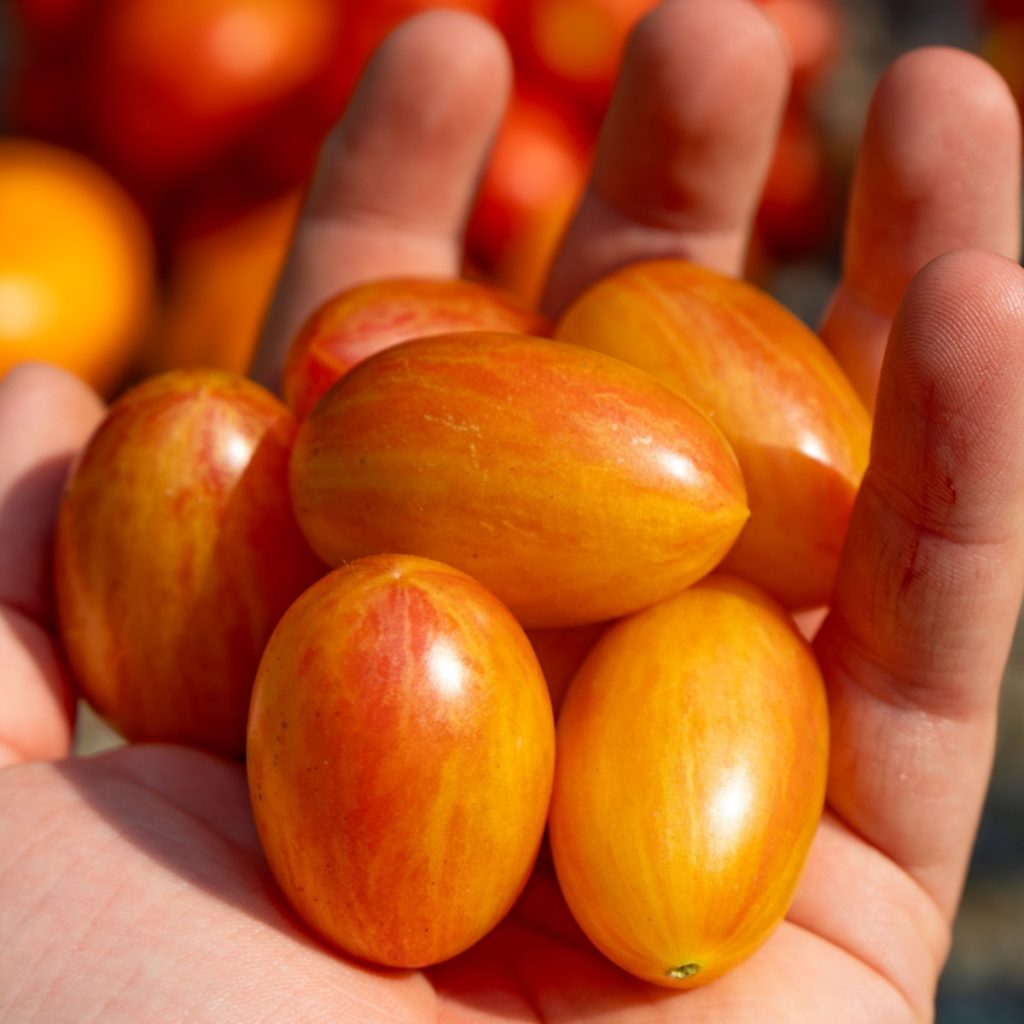
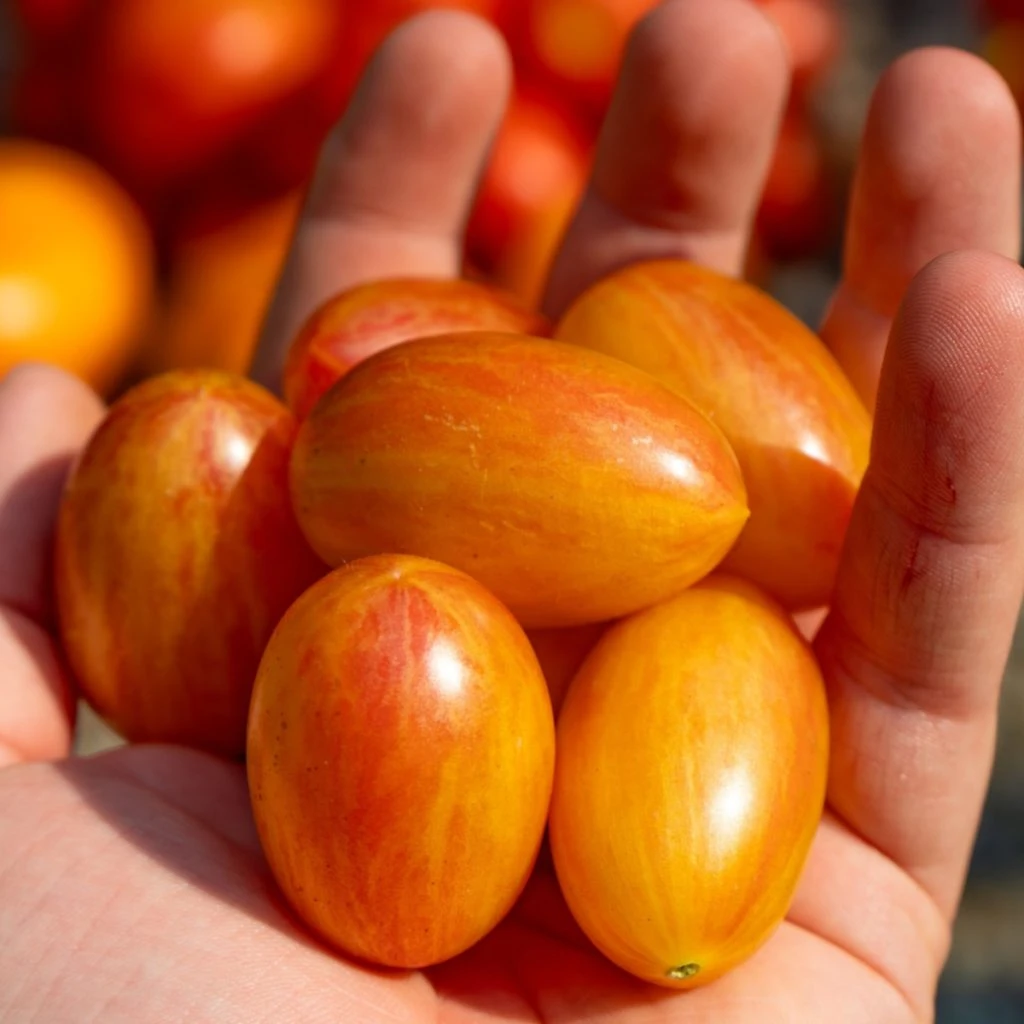
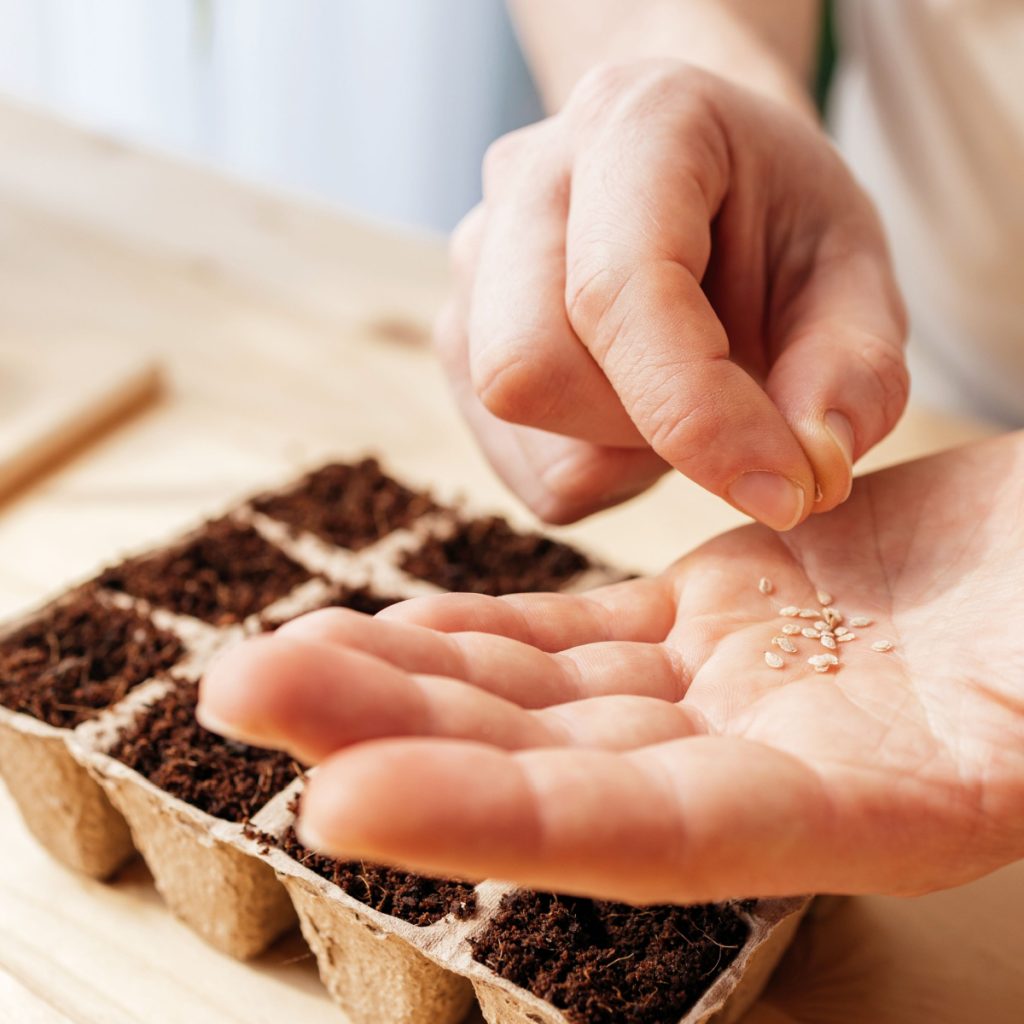
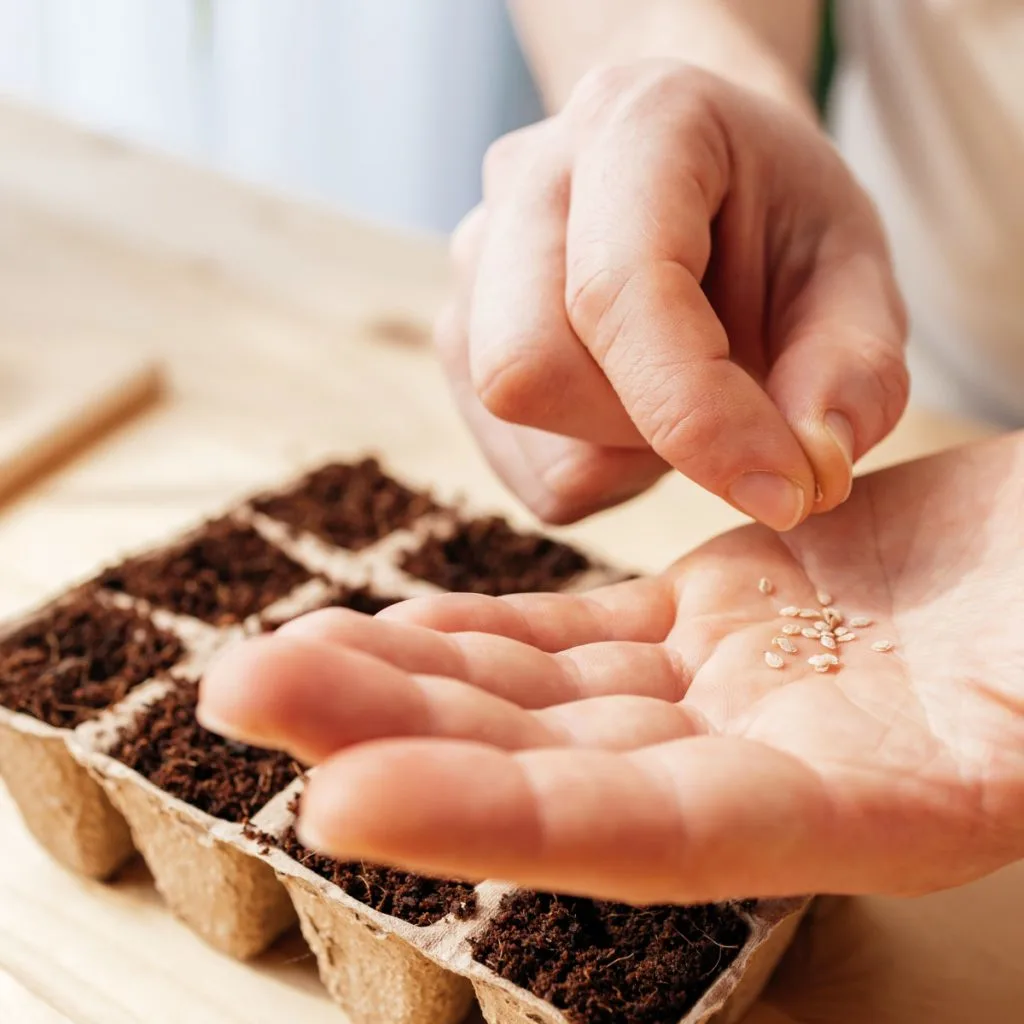
From how to plant, to fertilizing, pruning and staking – see all of our best tomato advice below!
Growing Tomatoes
Tomatoes
Looking for a few simple tips and tricks to recharge your tired and depleted soil where your tomato plants grew this year?
Tomatoes are one of the most rewarding crops to grow in the garden, but they are also one of the most demanding. Anyone who has grown them knows that tomato plants take a lot from the soil. They grow fast, set heavy amounts of fruit, and keep producing for a long stretch of the season. Because of that, the ground where tomatoes were planted usually ends up completely drained of nutrients.
When tomato plants are finished for the year, the soil they leave behind needs special attention. If you plant new crops into that same space the following season without recharging the soil, they will most likely struggle to grow. Especially if you will be planting tomatoes there again!

Why & How To Recharge Tired Tomato Soil
Tomatoes are what gardeners call “heavy feeders.” That means they pull a lot of important nutrients out of the soil as they grow. They use up nitrogen for leaf and stem growth. They also consume phosphorus for root and flower development, potassium for strong plants and healthy fruit, and calcium to avoid issues like blossom end rot.
Without these elements being replaced, the soil is left depleted. Although crop rotation helps – in many raised beds or small backyard gardens, growing often mean tomatoes return to the same spot every season. In those cases, recharging the soil is the only way to keep it productive.
The good news is that rebuilding the soil after tomatoes is not complicated, expensive, or overly time-consuming. In fact, with a few simple steps, you can bring life back to the soil and have it ready for next year’s planting. No matter if you grow in a traditional garden – or raised beds.
Revitalizing Garden Soil After Tomatoes
One thing is for sure, in a garden, recharging tomato soil is best done right after the plants are pulled at the end of the season. Leaving the space bare over winter can lead to erosion, nutrient loss, and compacted soil. Instead, cover crops and soil amendments can work wonders together to restore balance.
Planting A Cover Crop
Cover crops are one of the easiest and most effective ways to heal soil. Crops like cereal rye, oats, and field peas are all excellent choices. As soon as the tomato plants are removed, seeds can be sown directly into the soil. They then germinate quickly and provide a blanket of growth that protects the soil through the fall and winter.
Cover crops don’t just cover the ground. As they grow, they capture nutrients and store them in their leaves and roots. When the plants die back naturally in late winter or early spring, they decompose and release those nutrients back into the soil.
Oats and rye are particularly helpful because they add large amounts of organic matter. Field peas do that too, but they also fix nitrogen, making them especially useful for soils where tomatoes grew. Affiliate Link: Outsidepride Dundale Field Peas Seeds – 10 lbs.
Some gardeners plant a mixture, such as rye with peas or oats with peas. This helps to give the combined benefits of each. Whether you use a single crop or a blend, a cover crop will re-balance soil nutrition, improve structure, and reduce weed growth the following year.

Adding Compost & Calcium
While a cover crop is powerful, the soil where tomatoes grew often needs an extra boost. That’s where compost comes in. Compost contains nearly every nutrient plants need. It also improves soil texture, allowing roots to grow easily and water to drain properly.
To recharge tomato soil, work in a few shovels of compost directly into each planting hole or along the row where your tomatoes grew. This restores much of what was lost during the growing season.
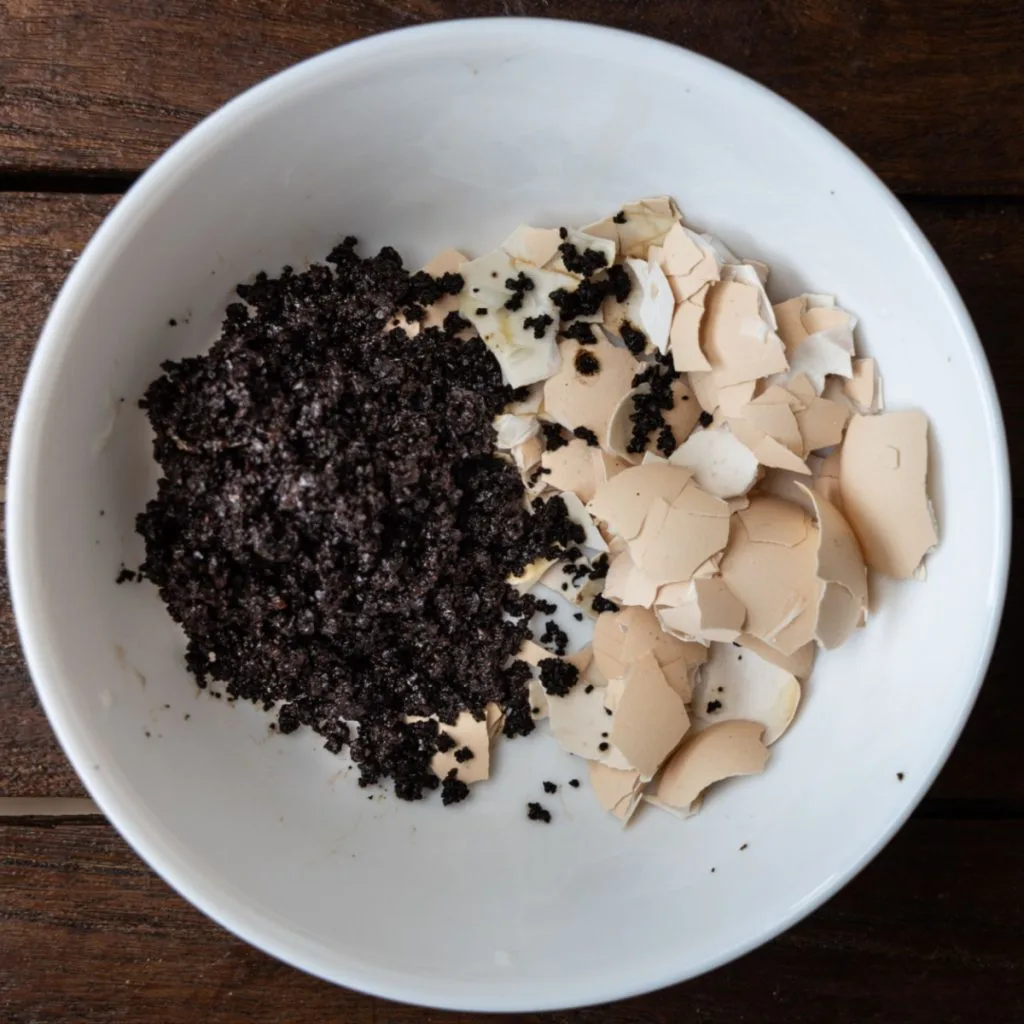
Along with compost, pulverized eggshells are extremely valuable. They release calcium back into the soil, which is one of the nutrients tomatoes consume the most. See our article: The Best Way To Use Egg Shells In Your Garden – And Why!
Sprinkling two to three tablespoons of crushed shells in each hole and then mixing them in with compost can help set the stage for healthier soil. Once compost and eggshells are in place, sow your cover crop seeds. By spring, your garden soil will be rich and full of life again.

Rebuilding Tired Raised Bed Soil
Raised beds are popular for growing tomatoes, but they come with a challenge. Unlike a traditional garden, a raised bed has a limited amount of soil. Once tomatoes pull the nutrients out, there’s no natural way to replace them unless you add them back in. That means recharging raised bed soil is even more important.
Compost, Eggshells, And Worm Castings
For raised beds, it all starts by adding compost. A good rule is to add enough compost to equal about 5–10% of the total soil volume. For example, if you have a 12-inch-deep raised bed, add about an inch of compost across the entire top and then mix it in.
Eggshells should also be added, just like in a traditional garden. For raised beds, sprinkle one to two tablespoons of ground shells for every two square feet of space.
One of the best additions you can make to a raised bed is worm castings. Worm castings are full of beneficial microbes and balanced nutrients. They act as a gentle fertilizer that won’t burn plants, while also improving the soil’s ability to hold moisture. Add ¼ to ½ cup per square foot and work it into the soil along with the compost.

If your raised beds are large enough, you can plant cover crops in them too. Rye, oats, and peas all do just as well in raised beds as they do in open soil. For small beds where a cover crop isn’t practical, adding more compost in the fall and again in the early spring is the best alternative.
Recharging Tired Tomato Container Soil
Tomatoes grown in containers create the biggest soil challenge of all. The limited volume of soil in a pot or bucket becomes quickly depleted during the season.
Unlike garden plots or raised beds, its impossible to recharge the soil in place. Trying to reuse the same soil the following year will almost always lead to weak, unproductive plants. The best practice is to empty the containers into a compost pile. Over time, it will break down, recharge, and become usable again in other garden areas. See: How To Save & Recharge Old Potting Soil – And Reuse It Again Next Year!

For the next growing season, start with a fresh mix of soil. A blend of 50% new potting soil and 50% finished compost works wonderfully. This way, you can still reuse some of the old soil indirectly while ensuring your new plants have everything they need to thrive.
Simple Add-Ins To Boost Soil Health
Beyond compost, eggshells, and worm castings, a few other natural amendments can make a big difference when recharging tomato soil.
- Grass Clippings & Leaves: Adding shredded leaves or dried grass clippings helps improve soil structure and adds organic matter.
- Coffee Grounds: Used coffee grounds add nitrogen to the soil and can be mixed in lightly with compost.
- Aged Manure: Well-rotted manure provides a slow release of nutrients and enriches soil texture.
Here is to taking the time now to recharge your tired tomato soil – and to growing an even better crop next year!
This Is My Garden
Follow Our Facebook Page For Great Gardening Tips And Advice! This Is My Garden Facebook Page
This Is My Garden is a garden website created by gardeners, for gardeners. Jim and Mary Competti have been writing gardening, DIY and recipe articles and books and speaking for over 15 years from their 46 acre Ohio farm. They publish three articles every week, 52 weeks a year. Sign up today to follow via email, or follow along!
Tomatoes
Want to know a few simple ways to ripen all of those green tomatoes still hanging from your dying tomato plants at the end of the season – without having to keep your plants in the ground?
As summers draws to a close, tomato plants quickly start to lose their luster. The once proud plants that were flowering strong and producing tomatoes a few weeks back finally run out of steam and begin to turn pale and weak. But that doesn’t mean they still don’t have a few green or slightly blush tomatoes left on their branches to ripen!
It can be quite the dilemma for gardeners. Do you leave the plants in place and try to get a few more tomatoes to mature? Or do you finally give in to the unsightly plants and pull them out and give up?

The good news is this is one time when your really can have your cake and eat it too. Once your tomato plants take a turn for the worse – it’s actually far better to pull up the dying plants and clean up your garden. But that doesn’t mean you can’t still ripen the green tomatoes that were on the vines. In fact, it’s actually easier than you could ever imagine to simply ripen them off of the plant!
How To Ripen Green Tomatoes Late In The Year
The Advantages Of Ripening Late Season Green Tomatoes Off The Vine
Not only can leaving old tomato plants in your garden or raised beds be an eyesore, it can also cause serious long-term issues for your garden.
Dying and decaying plants are a huge attraction for pests and disease. As the foliage dies off, pests take up residence to increase their populations for the following season. In addition, blight and mildew can take hold and overwinter as well.
Last but not least, all of the rotting and remaining fruit fall to the ground to litter it with seeds. Seeds that next year will become thousands of volunteer “plants” that will take energy from the plants you put in the ground.
That is exactly why pulling old plants as they fail is the best course of action. But when you do, it’s also the perfect time to pick those old plants clean of the remaining green or slightly pink tomatoes – and ripen them off the vine!

Why It’s Best To Always Pick Early
Not only is maturing tomatoes off of the plant easy, it’s actually better for the tomato. Even during the peak of harvest season, it’s best to pick tomatoes before they completely turn.
Why? Because picking tomatoes early in the season helps both the plant and tomato. It helps the plant by conserving energy to use on creating more blossoms and tomatoes. And it helps the tomato by keeping it out of harms ways from pests, heat, sun scald, and more.
The fact is, tomatoes ripen better off the vine that on it. When given the proper air flow, temperature and humidity levels, they will turn faster than ever.
Contrary to popular belief, tomatoes do not need direct sunlight to ripen. In fact, they actually prefer shade over sun. In addition, they also ripen best at around 70 degrees with 80 to 90 percent humidity levels. And last but not least, they need good circulation.
Luckily these are all conditions that can be created off the vine quite easily. And late in the season, it can let you not just ripen tomatoes that have started to turn, but your green tomatoes too!

Two Tricks To Ripen Late Season Green Tomatoes
As you clear out your plants and pick off the remaining tomatoes, there are a few simple tricks to get the most from your remaining harvest.
One thing you don’t want to do is wash or clean off the tomatoes at this point. Doing so can actually cause them to rot before they ripen. Also be careful as you pick the fruit off to keep the tops in tact and damage free. Keep in mind the less you handle the tomatoes, the better.
Begin by discarding any tomatoes with blemishes, bruises or cuts. Also get rid of any that are not firm to the touch. They simply will not be able to ripen without rotting late in the season. Next, you need to separate the remaining harvest into two types – slightly turning tomatoes, and totally green tomatoes.
#1 How To Ripen Green Tomatoes That Have Started To Turn
For tomatoes that have already started to blush or slightly turn, ripening is a breeze. Because they have already started the process of ripening, it will take far less effort.
Find a location that is not in direct sun and that is cooler with at least a slight breeze. Covered porches can be great for this. The next best option is inside in a cool but not cold room. Again, keep them out of direct sunlight. Do not ripen in a basement as the moisture is often too high.

If doing this outside be aware that animals and pests can find them if not protected. It is certainly not past a racoon to visit a ripening station and take the pick of the crop!
Next, use a wire cooking rack or some other rack that allows air above and below the tomatoes. This will help to ripen all around evenly. Do not sit on metal or wood pans directly as the bottoms can rot out. If a breeze is not present, turning on a ceiling fan or small fan. Affiliate Link: Checkered Chef Cooling Rack For Cooking & Baking
Using a fan for four to six hours each day will help give them air to ripen faster. It’s not necessary, but it will speed it up a bit. Turn the tomatoes carefully every day to help promote even ripening. Usually within 5 to 10 days, depending on how much the tomato had already turned, your tomatoes will be ripe.
#2 Ripening Late Season Green Tomatoes Off The Vine
If your late season tomatoes are totally green, you will need to take an extra step to help them out. This is because since they have not “broke” or started to turn, they need to get to that point before the air rack method will work well.

To help your green tomatoes get started, all you need is a brown paper bag and a banana. Simply place the green tomatoes in the bag along with the banana. Next, fold the top of the paper bag so it is closed and let it go for a few days.
The ethylene gas in the banana will help to speed the ripening and start to turn the green tomatoes. Once they have started to blush or slightly turn – then all you have to do is take them out and place them on the wire rack or mesh. And the rest, as they say, is history – as the tomatoes can finish ripening and you can enjoy more tomatoes than ever!
Here is to pulling those old tomato plants and picking the last of your green end of the season tomatoes – and getting them to ripen off the vine. And if you haven’t saved your seeds for next year – now’s the time! See: How To Save Heirloom Tomato Seeds For Next Year.
This Is My Garden
Follow Our Facebook Page For Great Gardening Tips And Advice! This Is My Garden Facebook Page
This Is My Garden is a garden website created by gardeners, for gardeners. Jim and Mary Competti have been writing gardening, DIY and recipe articles and books and speaking for over 15 years from their 46 acre Ohio farm. They publish three articles every week, 52 weeks a year. Sign up today to follow via email, or follow along!
Tomatoes
Looking for the best way to get rid of your tomato plants after they die off in late summer or fall?
As crazy as it sounds, what you do with your tomato plants as they die off this fall – and how you dispose of them – can both have a huge impact on how well your tomato plants grow in your garden next year. And even more, it can also play a major role in the future performance of your other vegetable plants too!
Whether it be in a traditional garden, a raised bed or in a container garden, one of the most important chores a gardener can perform in the fall is to clear away their vegetable plants as they die off. And the faster the better!

Leaving decaying plants in a garden space is the quickest way to create a whole host of future issues. As plants break down, they become easy targets for mold, mildew and disease to find a home. They also become excellent food and cover for a long list of garden pests.
Although this is true for all vegetable plants, it is especially true when it comes to tomato plants. The simple fact is, the longer you leave dying tomato plants in their space, the more danger you bring to next year’s crop.
The Best Way To Get Rid Of Tomato Plants After They Die
The Danger Of Leaving Tomato Plants In The Garden
Whether it be mildew, blight, or a host of other ailments, tomato plants are one of the biggest carriers of disease. Unfortunately, the longer the plants stick around, the more likely they are to become infected. Not only infecting the tomato plants, but the surrounding soil and other vegetable plants in the process.
That is even more true when it comes to the dreaded soil borne disease of blight. As decaying foliage and fruit fall, they drop infected spores onto the soil surface. Spores that can then live for years to infect future tomato crops. See: How To Keep Tomato Blight Away
But rotting tomato plants also attract pests and insects by the thousands. Tomato hornworms, aphids, tomato root nematodes and a long list of other pests love to feast on decaying foliage and rotting fruit. And when they do, they often lay eggs that can come back to haunt next year’s crop even worse.

It’s obvious to see how important it is to get your old tomato plants out of their growing space as they begin to die off. But here’s the kicker – you also have to be careful with the plants once you take them out!
How To Safely Get Rid Of Tomato Plants After They Die Off
One thing you do not want to do with your old tomato plants and rotting fruit is place them in your home compost pile.
For most of the crops you clear from the garden in the fall, the compost pile is the perfect choice. After all, the plants break down, give back their remaining nutrients – and then help to create amazing compost. Compost that can then be used next year to help power a new garden with new plants.
Vegetable crops such as beans, greens and peas are a great example of this. Not only do they add good foliage that breaks down fast, they are also filled with nutrients. In addition, they have little chance of carrying disease to your pile.
But tomato plants are a different story. Because of the likelihood of carrying disease, they are best left far away from a home compost pile. In order to kill blight spores and other pathogens, a compost pile needs to get extremely hot. And for an extended period of time.

Unfortunately, home composting bins and piles simply do not have the size, air flow or ingredients to reach those temperatures. And that means the pathogens survive. And when the finished compost is used next year, they infect other plants as well.
Leave The Tomatoes Out Too!
So why leave out the rotting tomato fruits? For starters, they too can carry blight spores, mildew and other health issues to your compost pile. But even more, it’s best to leave them out to keep volunteer seeds from becoming an issue next growing season.
Just as with the pathogens, a home pile does not get hot enough to kill the seeds from the tomato fruits. And a single tomato can have hundreds of tiny seeds. When those seeds pass through the compost, that means they will sprout wherever it’s used to become next year’s weeding problem.
So with all of those dangers, what exactly is the best way to get rid of dying tomato plants and bad tomatoes? Obviously, the first key is to keep them as far away from your garden space as possible.
At the same time, simply throwing them in your weekly trash is such a waste. Especially when it is needlessly filling landfills with materials that still have value. With that in mind, here are three great alternatives:
3 Easy Ways To Get Rid Of Tomato Plants After They Die
The Trench & Bury Method
Although you should not add tomatoes to your home compost pile, that doesn’t mean you can’t still compost them. After all, like all living plants, they still add valuable minerals and nutrients back to the soil when they break down. And this is exactly where trench composting works!

Trench composting is actually a great way to compost everything if you don’t have a compost pile. And is it ever easy! In fact, it’s as simple as digging a deep hole and burying the plant material. The plants then break down, and add their resources back to the soil.
With non-tomato materials, you can do this anywhere in your garden. But with tomatoes, it’s important to bury the materials away from the garden. It keeps your garden safe and allows you to dispose of your tomato plants with ease!
Community / Commercial Composting Centers
Another great way to get rid of old tomato plants after they die is at a community or local municipal composting facility. These facilities use high heat composting methods that kill off pathogens and seeds. The end result is perfectly safe and blended compost that is great for powering flowers and vegetables.
Simply clear the plants and place into approved compostable yard waste bags. Always be sure to clear any fruit that has fallen down to the soil as well to keep it out of your garden.
If you happen to have leaves and other yard waste and don’t have a home compost pile, these composting centers are a great option in place of simply throwing valuable organic materials to the curb to put in a landfill. Affiliate Product Link: Leaf / Compost Bags
Burning Old Tomato Plants
Burning your plants in a fire pit or outdoor burn pile is another effective way to destroy plants and pathogens that can live in old tomato plants. The important thing here is following all local burn laws and rules.
If you live in an area where fire is a constant danger, this is obviously not a good solution. As for then using the ashes in the garden or in your compost pile, that is a matter of personal debate. Some experts and gardeners consider it completely safe, others play it safe and simply spread the ashes out away from the garden or their compost pile.
Here is to finding the best way to get rid of dying tomato plants from your garden this fall, and to keeping next year’s garden safe and ready to grow!
This Is My Garden
Follow Our Facebook Page For Great Gardening Tips And Advice! This Is My Garden Facebook Page
This Is My Garden is a garden website created by gardeners, for gardeners. Jim and Mary Competti have been writing gardening, DIY and recipe articles and books and speaking for over 15 years from their 46 acre Ohio farm. They publish three articles every week, 52 weeks a year. Sign up today to follow via email, or follow along!
Tomatoes
Looking for the best way to revive and recharge those tired looking tomato plants growing in your garden or containers late this summer?
By late summer, even the healthiest and most productive indeterminate tomato plants can start to slow down. After spending months producing blooms and ripening fruit, plants often begin to look worn out. Leaves turn yellow, lower stems dry up, and fruit production slows.
But just because the plants are looking tired doesn’t mean the harvest is over. With a few simple late-season care steps, you can breathe new life into those tomato plants and keep them producing right up until the first frost!

How To Revive Tired Tomato Plants
Why Tomato Plants Lose Vigor in Late Summer
Unlike determinate tomatoes, indeterminate tomato plants are designed to keep growing and producing fruit until frost kills them. However, by the time late summer arrives, they’ve often put in a lot of effort. Months of producing flowers, setting fruit, and fighting off pests and disease take a toll.
Several factors contribute to late-season slowdown. Plants can start to struggle in late summer for a few different reasons.
The most common is simply a lack of energy. Over time, they use up much of the nutrients in the soil that fuel their growth and fruit production. Without fresh nutrients being added back, the plants simply run out of the energy they need to keep producing.
The heat of mid to late summer also adds stress. Especially when water or nutrients are not supplied consistently. As plants become bushier, the lower leaves and old branches can block airflow. This poor circulation not only makes them more vulnerable to disease but also reduces their ability to absorb sunlight.
Even More Issues…
Last but not least, another common problem by late summer is fruit overload. When too many ripening tomatoes are left on the plant at once, the plant focuses all its energy on ripening those fruits. And it leaves little strength for producing new blooms and setting additional fruit.

Fortunately, all of these issues can be addressed with the right care techniques. The key is to give them the right nutrients at the right time, improve airflow and plant health by pruning – and stay on top of harvesting so plants don’t become overburdened. And here’s how to do just that!
Fertilizing Tomato Plants In Late Summer
One of the fastest ways to revive tired tomato plants in late summer is to feed them with a balanced but targeted nutrient boost. At this point in the season, your goal isn’t to encourage more foliage growth – it’s to keep plants producing flowers and ripening fruit. That means focusing on phosphorus and potassium, not nitrogen.
Nitrogen is great early in the season for strong leaf and stem growth, but too much nitrogen now will cause plants to push out green foliage at the expense of blooms and fruit. Phosphorus helps with strong root systems and better flower production, while potassium improves fruit size, quality, and ripening speed.
Look for a water-soluble liquid fertilizer with a lower nitrogen number and higher middle (phosphorus) and last (potassium) numbers in its N-P-K ratio. Ideally, you want around twice the amount of phosphorus and potassium. Affiliate Link: Farmer’s Secret Tomato Booster Fertilizer (32oz) – Super Concentrated – 3:8:7 Ratio
Applying Fertilizer In Late Summer
Instead of feeding a large dose all at once, give plants a half-strength dose every 5 to 7 days. This steady feeding provides a consistent supply of nutrients without overwhelming plants. A big one-time dose doesn’t always help because the nutrients leach away before the plant can use them fully.
For example, if the label says to use 1 tablespoon of fertilizer per gallon of water, cut that to ½ tablespoon per gallon. Water the base of each plant slowly. Make sure the solution soaks down to the roots. Avoid getting the liquid on the foliage to reduce the risk of disease.
By feeding regularly and lightly, you keep plants energized and ready to keep producing right through the last weeks of the season.
Pruning For Better Airflow & Plant Health
As tomato plants grow, their lower leaves and older branches begin to yellow and die back. Leaving this foliage in place can reduce airflow, shade out new growth. It can also create a humid environment that invites fungal diseases. Late summer is the perfect time to do some selective pruning to help plants recover.

Begin by removing all of the dead, yellowing, or diseased leaves from the bottom 12 inches of the plant. This area is often the first to show signs of stress, and clearing it helps air circulate freely. A clean lower section also allows sunlight to reach the soil, which can help keep it drier and less hospitable to disease.
If you notice stems that no longer have flowers or fruit forming, trim them out. This redirects the plant’s energy to newer, more productive branches. Always use clean, sharp pruners, and disinfect them between plants to avoid spreading disease.
This type of late-season pruning not only refreshes plants but can also help them bounce back with a burst of new growth and flowers.
Avoiding Fruit Overload To Help Revive Tomato Plants
One of the easiest ways to slow a tomato plant’s production is to let too much ripening fruit remain on the vine at once. When plants have to direct all of their energy into ripening dozens of tomatoes, they stop producing new flowers.
Make a habit of harvesting tomatoes as soon as they start to blush. Blushing is the first sign of color change from green to yellow, orange, or red, depending on the variety. Once a tomato reaches this stage, it no longer needs to stay on the vine to ripen. See our article: How To Know When To Harvest A Tomato – The Answer Might Surprise You!

Picking at the blush stage reduces the plant’s workload, freeing it to send energy into producing more flowers and setting new fruit. It also reduces the risk of damage from pests or sudden weather changes, since ripening tomatoes left on the vine are more vulnerable to cracking, rot, and chewing insects.
Ripening Off the Vine
To ripen blush-stage tomatoes indoors, simply place them in a single layer in a warm, dry location out of direct sunlight. A countertop or table works well. You can also place them in a paper bag with a banana or apple to speed ripening, as the ethylene gas these fruits give off encourages faster color change.
By keeping the plant picked clean, you’ll not only protect your tomatoes from damage but also encourage the plant to keep producing right up until frost.
Many gardeners are surprised at how well their tired tomato plants revive and bounce back after a few weeks of this late-season care. Often, you’ll see a fresh flush of blooms followed by another wave of tomatoes that can carry your harvest right up until the first frost hits.
This Is My Garden
Follow Our Facebook Page For Great Gardening Tips And Advice! This Is My Garden Facebook Page
This Is My Garden is a garden website created by gardeners, for gardeners. Jim and Mary Competti have been writing gardening, DIY and recipe articles and books and speaking for over 15 years from their 46 acre Ohio farm. They publish three articles every week, 52 weeks a year. Sign up today to follow via email, or follow along!
Tomatoes
Are the leaves on your tomato plants turning brown? As summer hits full stride and tomato season gets into full swing, many gardeners get worried when some of the leaves on their tomato plants begin turning brown – and in some cases – even begin to die and fall off.
This can be especially true for the lower leaves of tomato plants in mid to late summer. Quite often, when a plant has any issue at all – it will show up first on the lowest leaves. And if the issue is serious enough – it then spreads to the rest of the plant.
One thing is for sure, for tomato growers, the last thing they want is trouble with their plants after nurturing them all spring and early summer. Especially now that they have finally matured enough to start producing a harvest!

Are Your Tomato Leaves Turning Brown?
Why The Leaves On Tomato Plants Turn Brown
So what is the cause? Could it be a lack of water or nutrients? Maybe the start of the dreaded tomato blight or another tomato disease? Or could it be an invasion of pests trying to mount an attack on your plants?
The truth is, there can be a lot of reasons the leaves of a tomato plant start to fail or fade in mid summer. As you will see below, late season blight is certainly a major culprit for the failure of many late season tomato plants. So is a lack of nutrients. But surprisingly, in other cases – the plant dying back is completely natural.
So before you begin to think your tomato crop might be in serious jeopardy, here are a few important things to know about how your tomato plants grow in mid to late summer – and how those yellowing or browning leaves might not be the end of the road for your plants – or your tomato harvest.
When Tomatoes Don’t Get Enough Nutrients
One of the biggest reasons tomato plants suffer in the summer is from a lack of nutrients. Tomato plants are heavy feeders. Because of that, they can quickly use up the available nutrients in the soil. And when they do, the leaves and the plant can begin to suffer.
Summer fertilizing is vital to keep your plants strong, healthy and producing. Fertilize your plants every seven to ten days with a liquid fertilizer that has more phosphorus and potassium than nitrogen. This will help it continue producing blooms and fruit, and not just green up the foliage. Affiliate Link: Jack’s Classic Tomato Feed Fertilizer

When fertilizing, give your plants half of the recommended dose by diluting the mix in half. This allows you to feed more often, but with a steady supply of power for your plants.
When A Lack Of Water Becomes An Issue
Another big reason tomato plants suffer in mid summer and their leaves turn brown is from either too much or too little water. Tomato plants need between 1 and 1.5 inches of rain weekly. If it’s not falling from the sky, watering is vital to keep the foliage strong and the plant producing.
More than anything else, keep plants watered during extended dry periods. When watering, water deeply and not just for a few minutes at the surface. This will help the plant grow its roots deeper, protecting them from drying out easily.
Avoid Fruit Overload
So what if you are growing indeterminate tomatoes and still having a problem with your plants not producing more and starting to look weak? In some cases, your plant might be suffering from fruit overload.
If you allow too many tomatoes on a plant at once, it will cause the plant to stop producing. This is called fruit overload and is common not just on tomato plants, but on many vegetable plants.
Listen In Below To Our Podcast On Feeding Tomatoes For Success!
Tomato plants should be harvested often in the growing season. This will keep the plant’s energy on growing and producing. And don’t worry if those tomatoes are not fully ripe. As it turns out, it is better to pick tomatoes as they barely start to turn and let them ripen off the vine!
Late Season Blight
Tomato blight is certainly a big issue for many tomato plants in late summer. Although blight can occur at any point in the growing season, it is most prevalent near the end of the growing season.
Tomato blight is a spore disease that infects the soil and plants. The spores can spread quickly via the wind, especially as plants grow larger late in the season. Although dying, browning foliage is a symptom, the real tell-tale sign of tomato blight is greasy, oily spots appearing on your tomatoes. When you see this, it is definitely time to pull the plants.

Tomato blight is highly contagious, and controlling it as quickly as possible is extremely important. Do not compost the plants, but instead burn or discard them. In addition, locate next year’s plants as far from the space as possible. For more, see: What To Do If Your Tomato Plants Show Signs Of Blight – Why & How To Act Fast!
Determinate vs. Indeterminate Tomatoes
Last but not least, in some cases, the reason a tomato plant’s leaves may be yellowing and dying off can be 100 percent natural. Why would a tomato plant suddenly begin to die in the middle of summer? Because it may be a determinate tomato!
Tomatoes are either determinate, or indeterminate. Indeterminate tomatoes will grow and produce until killed off by a frost or a freeze. But determinate varieties of tomatoes have a set life span. They produce their entire crop over a three to four week period, and then quickly die off.
A great example of this is with the Roma tomato. Roma tomatoes are quite popular among home gardeners. But Roma tomatoes are determinate plants. So after their main crop has ripened, they will die off – no matter what.

Unfortunately, this plant is often mistaken every year by gardeners as having a late season issue – when in reality, it has simply run its course. So before you think your plant may be in trouble, check to see if it might just be a determinate variety.
Here is to keeping your tomatoes producing this year – and to a great harvest right up until late fall. And if your tomato leaves are turning brown – to finding out why and fixing the issue fast!
This Is My Garden
Follow Our Facebook Page For Great Gardening Tips And Advice! This Is My Garden Facebook Page
This Is My Garden is a garden website created by gardeners, for gardeners. Jim and Mary Competti have been writing gardening, DIY and recipe articles and books and speaking for over 15 years from their 46 acre Ohio farm. They publish three articles every week, 52 weeks a year. Sign up today to follow via email, or follow along!
Tomatoes
Are you worried your tomato plants might be starting to show early signs of blight – and more importantly- want to know what you should do about it?
Tomatoes may be one of the most popular crops to grow in a home garden, but they’re also one of the most susceptible to disease. And one of the most destructive and fast-moving diseases of all that can affect your tomato plants is blight.
Both early blight and late blight can strike tomato plants during the growing season. The disease thrives in warm, humid weather, which makes late July and August one of the most dangerous times of all for tomato plants.

Unfortunately, once blight starts, it can spread quickly. Not just to nearby tomato plants, but to other crops and even into the soil itself. The key to controlling blight is simple – act fast and act smart. If you catch the signs early and follow the right steps, you can sometimes slow or even be lucky enough to stop it to help save some of your harvest. But at the very least – you can save the rest of your garden and future tomato crops!
When Tomato Plants Show Signs Of Blight
Why Blight Is So Dangerous
Blight is a fungal disease that spreads through tiny spores. It can be carried by the wind, by insects and animals, or even by your garden tools. And once on top of your garden soil, the spores can easily splash up on plants whenever it rains or you water.
Unfortunately, July and August often bring the perfect storm for blight to develop. Overnight moisture and high daytime humidity create the ideal environment for the spores to grow. And once they do, they spread fast.
Blight doesn’t just weaken plants – it can completely take away all of their leaves and destroy fruit. It also can spread to other nearby plants and more permanently infect your garden soil for crops in future years. And that is exactly why fast action is critical the moment you see the first signs.
Early Blight vs. Late Blight – How To Know The Signs
Although both diseases are known as “blight,” early blight and late blight are caused by different culprits. And they also have slightly different symptoms.

Early Blight
Early blight usually shows up first in mid to late July, especially on older or lower leaves of the tomato plant. It often starts after a rainy or humid period and will gradually move up the plant if not controlled.
Early blight starts with small brown or black spots on the lower leaves of the tomato plant. These spots usually have concentric rings inside them that look like a target or bullseye. As the infection spreads, the leaves around the spots begin to turn yellow.
Eventually, the affected leaves start to shrivel up and fall off, with the disease moving higher up the plant as it worsens. Long term, early blight can reach stems and fruit, causing rot and weakening the entire plant.
Late Blight
Late blight tends to hit later in the season – in late July or August. It can be far more aggressive. Unlike early blight, it can wipe out a plant in just a few days and quickly spread through most of an entire garden.
Late blight often shows up as large, irregular-shaped spots on the leaves that look greasy or soaked with water. You might also notice white, fuzzy mold growing on the undersides of the leaves, especially early in the morning. As the disease spreads, the stems and foliage can quickly turn black and collapse. The fruit may develop firm brown spots that later begin to rot and ooze.

What To Do When You See Signs OF Blight
No matter which type of blight you suspect, fast and decisive action is your best chance to control it.
As soon as you spot brown, black, or yellowing leaves with blotches or rings, begin removing them from the plant. Even if only one or two leaves show signs, it’s better to remove them than risk the spread.
Use clean garden scissors or pruning shears to snip the leaves at the base. Do not pull them off with your hands, as this can damage the plant and spread spores to nearby leaves. Most importantly, do not throw leaves with blight in your compost pile. Instead, place them in a plastic bag, seal it, and put it in the trash.
This step is often overlooked, but it’s critical to stopping the spread of disease. After cutting infected leaves or working with a blighted plant, immediately sanitize your tools before moving to another plant.
You can do this with a mixture of 1 part bleach to 9 parts water, or by wiping tools down with rubbing alcohol or hydrogen peroxide. Let the tools dry before using again. Also, wash your hands or wear gloves if handling multiple plants.
Watch Your Plants Closely
After removing the infected leaves, monitor the plant daily. If the disease continues to spread up the plant or begins to affect stems and fruit, it may be time to take further steps.

Often, with early blight, removing infected leaves and improving airflow can slow or stop the disease. But with late blight, if conditions are right, the disease can keep spreading even after trimming.
If new leaves begin showing symptoms or large parts of the plant are affected, it’s time to remove the entire plant before it contaminates others.
Removing Severely Infected Plants Entirely
Unfortunately, once blight shows up, it usually takes over. And when it starts to, it’s time to get the plants out entirely. This is the hardest step for many gardeners, but also the most important. If a tomato plant shows extensive signs of blight – especially if fruit is rotting, stems are blackening, or the infection keeps spreading – the best action is to remove the whole plant completely.
One of the most dangerous parts of a blight outbreak is not just the damage it causes to this year’s crop, but what it can leave behind in the soil. Blight spores, especially those from early blight, can survive in the soil for multiple years. If you don’t take steps to protect your garden soil, the disease can return next season. Possibly even stronger than before.
Remove the entire plant and place it into a garbage bag. After removing any infected plants, it’s important to cover the area with a thick layer of mulch, such as straw, shredded leaves, or untreated grass clippings.
This helps stop remaining spores from splashing up onto nearby plants during watering or rainfall. Mulch also protects the soil surface and reduces the chances of any dormant spores becoming active again.

In the fall, once the gardening season is over, make sure to remove all plant debris from your garden, especially anything that might be infected. Don’t leave stems, leaves, or fruit behind to rot. Again, dispose of this waste in the trash – not the compost pile.
Planting Tomatoes Next Year
Blight spores can stay in the soil for up to three to even five years. Because of that, it is best to move your tomato plants to a new area of the garden. Also, avoid planting potatoes, peppers, or eggplant in the same area where you had a blight outbreak the year before. See: How To Avoid The 5 Most Common Tomato Planting Mistakes
These crops are all members of the nightshade family and are highly susceptible to the same blight pathogens. Try rotating with crops like beans, peas, or leafy greens instead.
Last but not least, once you have had blight, try to plant blight resistant tomato varieties. While no variety is completely immune, many have been bred to better withstand common blight strains and may slow the spread or reduce overall damage. For more tips on growing great tomatoes all season long, see: How To Revive Tired Tomato Plants In Late Summer – And Get More Tomatoes!
Here is to acting fast if you see the first signs of your tomato plants getting blight!
This Is My Garden
Follow Our Facebook Page For Great Gardening Tips And Advice! This Is My Garden Facebook Page
This Is My Garden is a garden website created by gardeners, for gardeners. Jim and Mary Competti have been writing gardening, DIY and recipe articles and books and speaking for over 15 years from their 46 acre Ohio farm. They publish three articles every week, 52 weeks a year. Sign up today to follow via email, or follow along!
Tomatoes
How do you know when it’s the right time to harvest a tomato from your tomato plant for maximum quality and taste? The answer to that question is actually quite surprising to many gardeners!
Believe it or not, there is a bit of an art to knowing when to pluck tomatoes from your plants. And doing so correctly can pay big dividends for both you and your tomato harvest. Not only can it have a major impact on the quality and flavor of your tomatoes, it can also play a huge role in your plant’s overall productivity and health.
Although the thought of picking a perfectly ripe red tomato straight from the vine might sound like the ideal answer to the question above, as it turns out, it’s not. In fact, allowing your tomatoes to fully ripen on your plants is actually the last thing you ever want to do!

How To Know When To Harvest A Tomato
Why It’s Best To Harvest A Tomato Early
So when is the best time to harvest a tomato? Surprisingly, the optimum time for harvesting tomatoes from a plant is when they have turned to one-third to one-half of their full ripening color. Not only will picking early will help your tomatoes ripen faster and better, it also helps the actual plant in a myriad of additional ways too.
Let’s first cover the subject of ripening. Once a tomato’s coloring begins to change from green to slightly pink, it naturally stops taking nutrients from the plant. This is what is known as the breaking stage for a tomato.
Once a tomato reaches this stage, it will continue to ripen and flavor off the vine without any issues. At this stage, it’s also important to note that the plant is not helping the tomato ripen in the least. In fact, allowing it to remain past the breaking stage can actually be detrimental to the plant – and the tomato.
Once picked and placed in a proper area (we will cover that in a moment), tomatoes will actually ripen faster and more evenly off the vine than on it. And with far less chance of having the tomato be ruined by other factors.
Another big reason to pick early is that the longer a tomato stays on the vine, the more risk it has of incurring damage from insects, animals and disease. Simply put, the more ripe a tomato becomes, the more inviting it is to everything and everyone. But by picking it early and ripening it in a safe area, you eliminate the risk of damage.
How Picking Early Helps Your Tomato Plants
There are a lot more advantages for your tomato plant when you pick early too. For starters, picking your tomatoes when they first start to ripen helps keep the weight of your tomato vines manageable.

By mid-summer, a fully loaded tomato plant can become quite heavy. Heavy, overloaded vines are easily damaged by small wind and rain storms. Quite often, even without a storm, overloaded branches will easily split and tear from the plant. And when they do, it not only ruins the tomatoes growing on the limbs that tear off, but it can injure the rest of the plant in the process.
In addition to keeping vines safe, picking early and often keeps your plants from suffering from fruit overload. When too many tomatoes are present and ripening, the over abundance of fruit sends a signal to the plant to slow down production of blossoms. And once that occurs, it will diminish your future harvest greatly.
Finally, when you harvest a tomato early, it helps the plant conserve valuable energy. As long as a tomato remains on the plant, the plant will continue sending it energy – even though it doesn’t help it in the least. But by picking early, those resources can instead go towards producing new blooms and developing more tomatoes.
How To Ripen Tomatoes Off The Vine
Equally important to the art of taking time to harvest a tomato early is knowing the best way to allow it to ripen off of the vine. Here again, the answer may surprise you for where and how to best ripen the fruit.
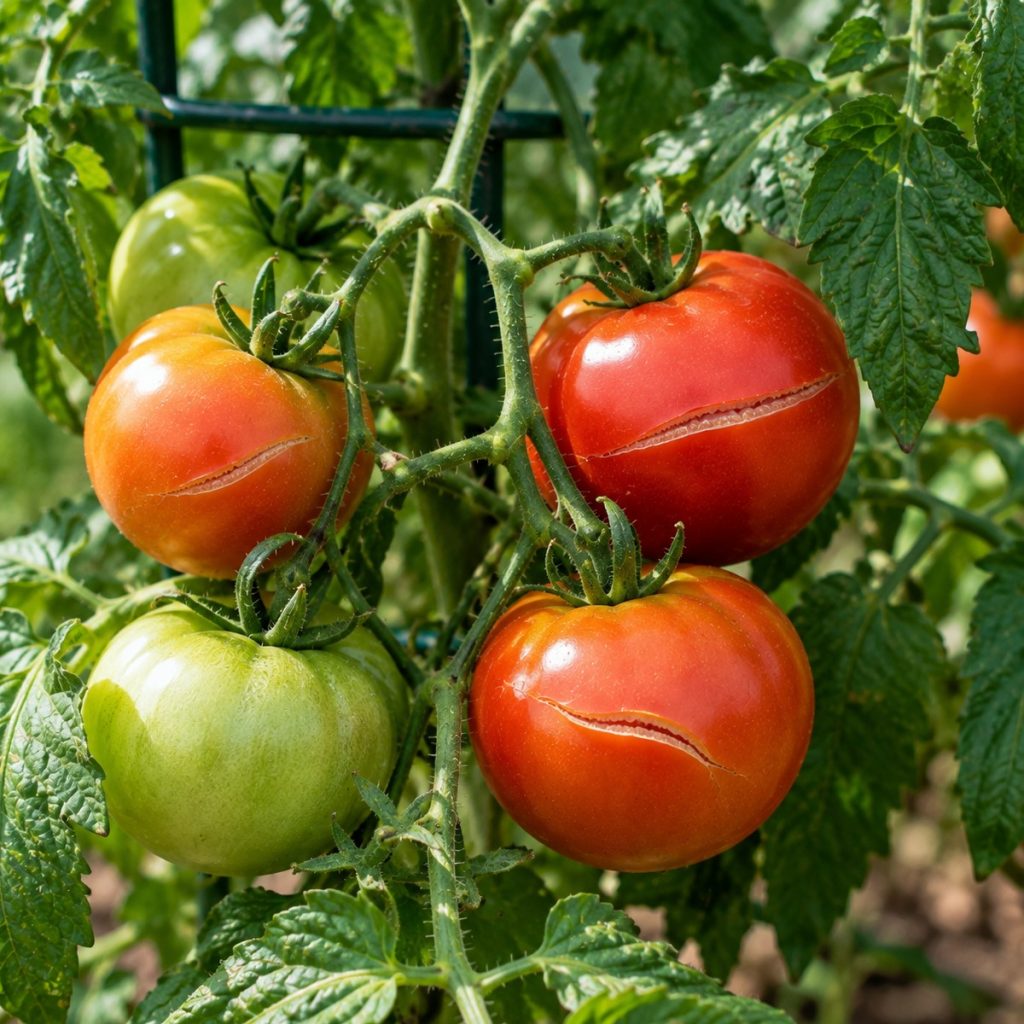
Once the tomato has begun the ripening process, it does not need sunlight to ripen. In fact, too much sun can potentially blister or even injure the fruit. Coincidentally, it’s exactly what happens when over-ripe tomatoes start to split open when on the vine! See our article: How To Stop Tomatoes From Splitting & Cracking As They Ripen!

One thing is for sure, the best place to ripen tomatoes is not on a sunny windowsill. Putting tomatoes on a sunny windowsill can cause the exact same issue. It can make the tomato ripen unevenly. Even worse, the bottom can turn soft as it comes in contact with the warm window sill.
The Best Places To Ripen A Tomato
When it comes to the ideal placement, tomatoes ripen best when stored in a cool, shady location. It’s best to have the temperature between 60 to 70 degrees for ripening. Anything cooler and they will stop turning. Anything hotter and they can turn mushy fast.
One thing that will help tomatoes ripen faster is to make sure they get plenty of circulation. When oxygen circulates around the fruit, it allows for fast and even ripening. Placing tomatoes on a baking rack or bread rack works great for this. It keeps the tomatoes off the ground and air above and below. Affiliate Link: Cooling Rack and Baking Rack with Stainless Steel, 2 – Pack 10 x 15 Inches
You can also create a homemade drying rack with a few 2 x 4’s and hardware cloth stapled on top. The mesh hardware cloth allows the tomatoes to ripen on all sides. It also lets it have optimal air flow from above and below.
If you can’t store your tomatoes indoors, a cool, shady porch, garage or barn is the next best location. As long as the outside temperatures are not too high, your tomatoes will ripen evenly. The important thing is to keep them out of hot, direct sunlight.

Storing Tomatoes In A Refrigerator
Much like when trying to ripen tomatoes in a windowsill, ripening and even storing tomatoes in a refrigerator is not a great option. Unfortunately, a refrigerator will cause the process of a tomato ripening to stop almost entirely.
Storing tomatoes in the refrigerator not only halts the ripening process, it also causes tomatoes to lose flavor and nutrients over time as well. If you want to chill your tomatoes for a few minutes, by all means give them a little time in the refrigerator, but storing them long term will only lead to less and less flavor and nutrients. If you want to find out the best way to save seeds from your tomatoes, see: How To Save Tomato Seeds From Your Tomatoes – And Why Late Summer Is The Time To Save!
Here is to knowing when to harvest that just ripening tomato from your plant – and enjoying your tomatoes more than ever this year! For more summer gardening tips, check out: Why Are My Cucumber Plants Dying In The Summer – And How To Fix It!
This Is My Garden
Follow Our Facebook Page For Great Gardening Tips And Advice! This Is My Garden Facebook Page
This Is My Garden is a garden website created by gardeners, for gardeners. Jim and Mary Competti have been writing gardening, DIY and recipe articles and books and speaking for over 15 years from their 46 acre Ohio farm. They publish three articles every week, 52 weeks a year. Sign up today to follow via email, or follow along!
Tomatoes
Wondering why the leaves on your tomato plant are starting to curl in the middle of summer? And more importantly – what to do about it to fix the problem fast?
If you’ve walked out into your garden and noticed the leaves on your tomato plants curling, you’re definitely not alone. It’s something many gardeners deal with, especially during the summer months. The good news is, even though curled leaves can look concerning, they’re often a sign of stress rather than disease. And even better, the problem can usually be cured with just a little attention.
Tomato leaf curl is when the leaves begin to roll, twist, or fold inward instead of lying flat. Sometimes it only affects a few leaves at the bottom of the plant. Other times, it can impact the newer growth at the top.

So what causes it? It can actually be caused by a number of factors such as watering issues, heat, pests, and over fertilization. And the first key in solving the issue with your plant is determining which of the above might be the cause. Once you do – the problem can usually be fixed before it ever harms the plant’s health long term.
Why Tomato Plant Leaves Curl
Heat & Stress
One of the most common reasons for tomato leaves to curl is heat and stress. And when the stress occurs, the plant curls it leaves trying to protect itself.
When temperatures rise and the sun is intense, tomato plants often curl their leaves to reduce how much moisture they lose through evaporation. It’s a defense mechanism that helps them survive harsh conditions.
How To Help Fix Heat & Stress Issues:
If your plants are otherwise healthy, flowering, and growing well, this kind of curling isn’t something to worry about. To help, apply a thick layer of mulch around the plants to keep the soil cooler and help it hold moisture.
Mulch such as straw, shredded leaves, or dried grass clippings works well. It also helps to water the plants deeply every few days instead of giving them a light watering each day. Deep watering encourages roots to grow down where the soil stays moist longer.
If temperatures get extremely hot, providing some temporary shade using garden fabric or row covers can also reduce stress.

How Watering Can Cause A Tomato Plant To Curl Its Leaves
Another major reason leaves curl is due to watering problems. Both overwatering and underwatering can cause stress that shows up as curling leaves.
When plants get too much water, their roots can become waterlogged and lack the oxygen they need to function. On the other hand, when plants don’t get enough water, especially in hot weather, they begin to curl their leaves to conserve moisture.
How To Fix:
The best way to check if your soil is too wet or too dry is with a long probe soil meter. A soil meter will tell you what the moisture is right at the root level, where it’s most important to the plant’s overall health and well being. Affiliate Link: XLUX Long Probe Deep Use Soil Moisture Meter Sensor
If the soil is overly wet, you need to stop all watering. If it’s dry several inches down, the plant needs more water. Try to keep the soil evenly moist. Use a deep watering method and avoid letting the soil completely dry out between waterings.
For more on watering tomato plants, be sure to check out our article: The Best Way To Water Tomato Plants In Summer!

Over-Fertilizing – Giving Tomato Plants Too Much Nitrogen
One of the most common causes of leaf curl is tomato plants getting too much nitrogen. Nitrogen is important for plant growth, but when tomato plants receive too much of it, they tend to grow big, bushy leaves – all at the expense of flowers and fruit.
The leaves may curl, become thicker, and turn a darker green than normal. If your plants are full of foliage but aren’t producing many flowers or tomatoes, fertilizer is most likely the issue. Many general-purpose fertilizers are high in nitrogen, so it’s a good idea to check the numbers on the package.
How To Fix:
The three numbers listed on nearly all fertilizer bags will show the levels of nitrogen, phosphorus, and potassium. For tomato plants, especially during the summer when they are blooming and fruiting, you want a fertilizer that’s lower in nitrogen and higher in phosphorus and potassium. Affiliate Link: Farmer’s Secret Tomato Booster Fertilizer (32oz) – Super Concentrated – 3:8:7 Ratio
Liquid fertilizer is ideal because it’s absorbed faster by the plants and is less likely to build up in the soil. Apply a diluted, half-strength dose every seven to ten days to keep your plants fed without overloading them.

How Soil Compaction Can Cause A Tomato Plant’s Leaves To Curl
Surprisingly, just walking or stepping too close to your tomato plants can also cause problems. Every time you step on the soil near the base of your plants, you’re compacting it. Compacted soil becomes hard and dense, which makes it difficult for water and air to reach the roots.
This added stress can lead to poor root development and eventually curled or wilted leaves. Roots need loose, well-drained soil to absorb nutrients and moisture. To prevent this, avoid walking in the areas right around your plants.
How To Fix:
Create clear walking paths and try to kneel on boards or stepping stones if you need to get close. You can also use mulch around your plants to protect the soil and reduce compaction. If your soil has already become hard, you can gently loosen it with a hand fork around the base of the plant to help restore airflow.
Pest Damage from Aphids and Whiteflies
Insect problems can also cause tomato leaves to curl. Pests such as aphids and whiteflies feed on the sap of tomato plants and often hide underneath the leaves. As they feed, they cause the leaves to curl or twist. You may also notice a sticky residue, which is a sign of insect activity.
These pests can be difficult to spot at first because they are so small. Look closely under the leaves for tiny green, black, or white bugs. If you spot them, try spraying the plant with a strong stream of water to knock them off. You can also use neem oil or insecticidal soap to get rid of them naturally.

It may take a few treatments to fully eliminate the problem, especially if the weather is warm and the pests are reproducing quickly.
Viral Infections – The Dreaded Tomato Yellow Leaf Curl Virus
Last but not least, in some cases, curling is indeed caused by a virus. Tomato Yellow Leaf Curl Virus is a serious disease that’s spread by whiteflies. If your plant has yellowing leaves, is curling and twisting, and has stopped growing or producing fruit, it may have this virus.
Unfortunately, there is no cure for it, and it spreads easily to other plants. If you suspect this problem, remove the affected plant right away and throw it in the trash. Don’t compost it. To protect your other plants, control whiteflies as quickly as possible using neem oil or insecticidal soap.
While curled leaves on tomato plants can be a cause for concern, the key is to watch for other signs of trouble. If your plant is still blooming and growing strong, a little curl isn’t usually a big deal. By watering properly, feeding with the right fertilizer, avoiding compacting the soil, and keeping an eye out for pests, you can help your tomato plants stay healthy and productive all summer long. For even more tips on keeping your plants healthy, see: What To Do If Your Tomato Plants Show Signs Of Blight – Why & How To Act Fast!
Here is to helping your plants recover from leaf curl – and to having a great harvest this summer of juicy tomatoes!
This Is My Gardening
Follow Our Facebook Page For Great Gardening Tips And Advice! This Is My Garden Facebook Page
This Is My Garden is a garden website created by gardeners, for gardeners. Jim and Mary Competti have been writing gardening, DIY and recipe articles and books and speaking for over 15 years from their 46 acre Ohio farm. They publish three articles every week, 52 weeks a year. Sign up today to follow via email, or follow along!
Tomatoes
Wondering the best way to tie up all of those branches and stems growing wildly from your tomato plants?
As summer begins to hit full stride, tomato plants usually begin to as well. What were once small, floundering transplants suddenly are now fast growing plants that quickly need help. One thing is for sure, when it comes to growing great tomatoes, how, when and what you use to support your plants as they grow can play a major role in their overall performance.
Not just in helping to keep the plant from toppling over when full of fruit, but also to keep them productive and free of pests and disease!

The Best Way To Tie Up Tomato Plants
The Benefits Of Giving Your Plants Good Support
As it turns out, there is actually a long list of benefits to tying up your plants. First and foremost, supporting your tomato crop is vital in keeping branches from snapping under the weight of ripening fruit. Believe it or not, a heavy fruit load can add as much as 25 to 30 pounds per plant.
Unfortunately, without support, that weight can topple plants quite easily as they begin to produce. Especially if a strong summer storm happens to blow through when fully loaded. One thing is for sure, it can ruin a harvest in a flash!
But more than just supporting your tomato plants, tying up branches as they grow also allows for better air flow and light. Good air flow is extremely important in keeping plants healthy and allowing for better pollination. And the more light a plant gets, the better chance it has to ripen its fruit.
Tying up your plants also makes daily chores of watering, weeding and harvesting more manageable as well. But perhaps most important of all, keeping fruit and the branches off of the ground can protect your harvest from the perils of pests and disease.
When branches are allowed to sprawl to the ground, it makes it easy for soil borne diseases to hitch a ride. And, of course, it also allows insects and pests to climb and hide out without trouble as well.

How & When To Tie Up Tomato Plants
When it comes to tying up tomatoes, success begins with supporting the main stem – and it needs to be done as soon as possible! In fact, the best time to put your tomato supports in the ground is the day you plant.
No matter if you use a stake, cage, trellis or any other type of support system, putting them in place before or as you plant will help protect your plants in two key ways.
First, it allows to tie off your main stem from day 1. The main stem, especially early in a plant’s life cycle, is it’s lifeline. The more it moves and ways, the more chances there are for it to be damaged. Providing early stability for the main stem of your plant is critical to anchoring all of the other branches, stems and future growth.
Secondly, and just as important as tying off your main stem, putting your supports in early also keeps you from damaging roots and compacting the ground if you have to drive them in after the plant has been growing. Both of which can severely stunt your plant’s growth!
Supporting The Main Stem
We will cover some of the best materials to use in a moment (along with a few not to use!), but let’s start with how to support your tomato plants as they grow by tying them up at the right time and in the right places.
Listen In Below To Our Podcast On Supporting Tomatoes!
Begin at the base of plant, tying off the main stem a few inches off the ground. Allow a bit of room for the base to grow when tying, as it will thicken as summer progresses. If your plants are tall enough, add a second tie off point six to eight inches above ground level for the main stem.
These two tie-offs will provide the main support for the plant as it grows. As you do this, always be sure to trim off any branches below this point.
How To Tie Up Tomato Plants As They Grow
For the branches above, it is all about keeping the plant under control. Begin by tying the longest branches back to the center post. If you are using a stake, you can weave branches to support each other as you tie them back.
For cages, try to tie branches equally around the supports. Tying these off-shoots back to the main branch area provides much needed support as they begin to bear fruit. Once the plant has four to five main tie off spots in the middle and top, it should have all the support it needs.
As the season progresses, only tie back additional branches when they begin to wane from too much fruit. Quite often, pruning wild branches is the better option than tying up for wild or excessively large branches.

Cutting these back will allow more energy to go to producing and ripening more fruit. If there is one mistake gardeners often make with their plants, it is trying to keep up and tie all of the branches that grow. In this case, less is more! See: Why You Need To Prune Tomato Plants Early – And How To Do It With Ease!
The Best Materials To Use
Selecting the wrong material to tie up your tomatoes can cause serious damage to your plants. Materials that are too rigid will easily cut and damage the plants as they grow. They can also slice and rub tender shoots off in windy conditions.
Stay clear of zip ties, metal wire, and hard plastic ties. Heavy rope can also create issues as well. So what can you use? The key is to select materials strong enough to hold plants, but with flexibility. With that in mind, here is a look at some of the best materials to use:
Velcro Tomato Supports
When it comes to specific products that are made for tying off tomato plants and other vegetables safely and with ease, velcro wraps are one of the best. Not only are they reusable, but they go on with one of the easiest methods ever, velcro!
Simply cut off the desired length from the roll, and then wrap around the stem. The material is weather resistant, and can be re-adjusted and re-used as needed. Affiliate Link: VELCRO Brand ONE-WRAP Garden Ties | Plant Supports
Cotton Yarn
One of the most economical choices around for tying up plants is a thick, all-cotton yarn. Cotton yarn is both strong and flexible. It allows plants to move freely, and more importantly, expands when a stem grows thick against it.
Since it can be purchased in long rolls and cut to size, it is also one of the least expensive ways to tie up tomatoes, peppers, or nearly any plant that needs support. And you can even select it in a natural green color to blend right in with your plants.
One of our favorites of all is cotton t-shirt yarn. It is thicker and easy to work with, and you can usually purchase a 100+ yard roll for under $15. Talk about a lot of tying for a little! Product Link: T-Shirt Yarn Fettuccini Spaghetti Style, 7-9 mm
Jute String / Tomato Twine / Pantyhose / Cotton
Tomato twine or jute string are old-time favorites used by many gardeners to tie up tomato plants. Both are economical, although jute can sometimes be an issue rubbing into plants.
Of course, we can’t forget to mention the old standby of tying up tomatoes – pantyhose! They do work extremely well in supporting plants, and their flexible nature is easy on plants. But they can be hard to find these days, and are certainly quite expensive if purchased new.
Old cotton t-shirts cut into strips are an excellent economical way to tie up your plants. Cut the t-shirts into one inch thick strips and then tie loosely around your plants to allow them room to grow. For more tips on keeping your tomato plants healthy all season long, be sure to check out our article: Why Tomato Plant Leaves Curl – And How To Fix The Problem Fast!
Here is to giving your tomato plants the support they need this year – and to a banner crop of tomatoes!
This Is My Garden
Follow Our Facebook Page For Great Gardening Tips And Advice! This Is My Garden Facebook Page
This Is My Garden is a garden website created by gardeners, for gardeners. Jim and Mary Competti have been writing gardening, DIY and recipe articles and books and speaking for over 15 years from their 46 acre Ohio farm. They publish three articles every week, 52 weeks a year. Sign up today to follow via email, or follow along!
Tomatoes
Wondering how to get rid of the whiteflies on your tomato plants? And how to do it fast? Whiteflies can be devastating to a tomato plant – and unfortunately – in several different ways.
For starters, whiteflies love to feed on the leaves of tomato plants. They do this because they love the sap that is inside of the leaves. When they devour the sap, it causes leaves to yellow, curl, and eventually die. As they feed, they take precious nutrients from the plant.
Not only are the leaves affected, but the entire plant begins to suffer from a lack of nutrition. That can lead to lower bloom and fruit production. It can also leave the plant far more susceptible to disease and pest attacks.

Whiteflies can also cause a fungal infection in tomato plants as well. And if all of that wasn’t enough, the energy whiteflies steal from plants can cause the few tomatoes that do appear to ripen unevenly. Usually, when this occurs, a portion of the tomato rots from over. Most often, it results in the fruit becoming completely inedible.
One thing is for sure, allowing whiteflies to stick around and increase in numbers can be disastrous for your garden. The good news? Battling whiteflies can be done quickly with the right treatments. And even better, without the need for questionable chemical sprays!
4 Simple Methods To Safely Get Rid Of Whiteflies
How Whiteflies Live
What really makes fighting whiteflies tough is that they can be hard to spot when they first arrive. Unfortunately, these tiny little creatures prefer to hang out on the underside of plants. Because of that, they often go unnoticed until it’s too late and damage occurs.
Whiteflies begin by laying eggs on the leaves of the plant. It can take about ten days for the eggs to hatch, but once they do, the young whiteflies (known as nymphs) begin feeding on the plant’s leaves and sap immediately.
As they do this, they continue to find new leaves and new plants to consume. When you consider an adult whitefly can live for an entire month, not only can it cause a tremendous amount of damage, but it can reproduce at an alarming rate.

And although they love tomato leaves, they will attack other nearby plants as well. In fact, whiteflies can actually be incredibly devastating to a long list of plants in the vegetable garden once they appear. So how can you get rid of whiteflies fast? The first line of defense is with a quick spray of soapy water!
Using Soap & Water Spray To Get Rid Of Whiteflies
One of the easiest, fastest and most economical methods to get rid of whiteflies is with a simple homemade mixture of liquid dish soap and water. To make, simply mix four tablespoons of liquid soap to one gallon of water. Affiliate Link: Sonett Organic Dishwashing Liquid
The best way to apply the mixture is with a small hand held spray bottle or a larger sprayer. Simply mix well and spray it on the leaves of the affected tomato plants. Always be sure to hit the undersides of the plants where the whiteflies usually reside and hide.
Whiteflies that come in contact with this solution will be killed instantly. Since liquid soap is mild, there is no worry about harming the tomato plant. Repeat the process daily for at least 7 days to eliminate any that may still be hanging around your plants.
Neem Oil – The Perfect Organic Spray For Whiteflies
Neem oil can not only keep whiteflies at bay but other pests and insects as well. In addition to keeping whiteflies away, a neem oil spray will smother the larvae and eggs, thereby eliminating the entire population of whiteflies all at once. It is especially helpful when there is a heavy infestation. Affiliate Product Link: Neem Oil Spray
To make your neem oil mix, combine four teaspoons of neem oil to 1 gallon of regular water. Some gardeners like to add a few drops of organic liquid dish soap to the solution as it helps the spray adhere better to the whiteflies and leaves of their tomato plants.
Neem oil is 100% organic so there is no worry of using it on vegetable plants. It is made by pressing the seeds of a neem tree for oil. It is an all-natural organic insecticide that can be effective in the fight against many pests – including even ticks! See our article: How To Eliminate Ticks In Your Yard With Neem Oil.
Repelling Whiteflies – Eliminating The Problem Before It Ever Begins
One of the best ways to get rid of whiteflies for good is to make your garden unfriendly to them. And that all starts with having beneficial insects already there. Ladybugs, dragonflies, parasitic wasps and even garden spiders all love to dine on whiteflies.
Although you can often purchase beneficial insects for release, the best and easiest way to bring them in is by planting the plants they love to visit. Marigolds, zinnias and nasturtiums are all flowers that attract the beneficial insects that can feed on whiteflies.
There are also plants you can grow that actually repel whiteflies. Marigolds, basil, thyme, and chives are all known to keep whiteflies far away. To have them work for you, simply plant them as companion plants right along or near your tomato plants and watch whiteflies disappear from your garden!

Using Worm Castings To Eliminate Whiteflies
Did you know that worm castings are not only great for powering your tomato plants as a low and slow fertilizer, they also happen to help get rid of whiteflies away in a big way.
Worm castings help to increase an enzyme in the soil and plants that whiteflies detest. And when plants contain higher levels of this specific enzyme, whiteflies will not feed from them. Simply plant a half cup of worm castings in your planting hole, or sprinkle a cup around your plants.
As the casting’s nutrients soak into the plant, the enzyme levels increase, defending your plants naturally from attack. At the same time, the worm castings fertilize the soil, improving the tomato plant’s yield. It’s a win-win for tomato plants for sure!
Here is to getting rid of whiteflies naturally this year – and to keeping your tomato plants safe!
This Is My Garden
Follow Our Facebook Page For Great Gardening Tips And Advice! This Is My Garden Facebook Page
This Is My Garden is a garden website created by gardeners, for gardeners. Jim and Mary Competti have been writing gardening, DIY and recipe articles and books and speaking for over 15 years from their 46 acre Ohio farm. They publish three articles every week, 52 weeks a year. Sign up today to follow via email, or follow along!