Skip to Content

Pest Control Tips

Whether it be insects or animals, pests can cause big headaches in the garden. Check out our latest articles below on how to handle pests in your backyard!

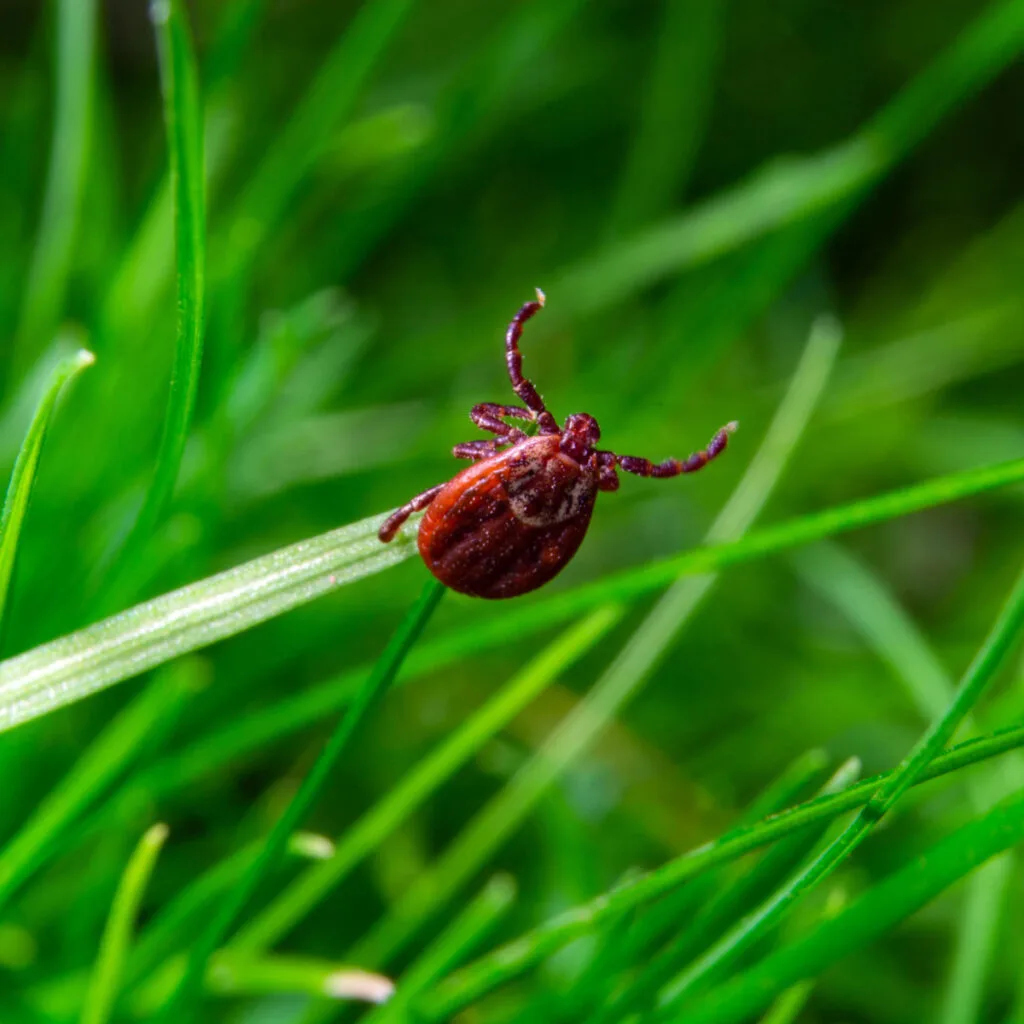
how to get rid of ticks
Are you looking for a few simple, all-natural and highly effective ways to get rid of ticks in your yard
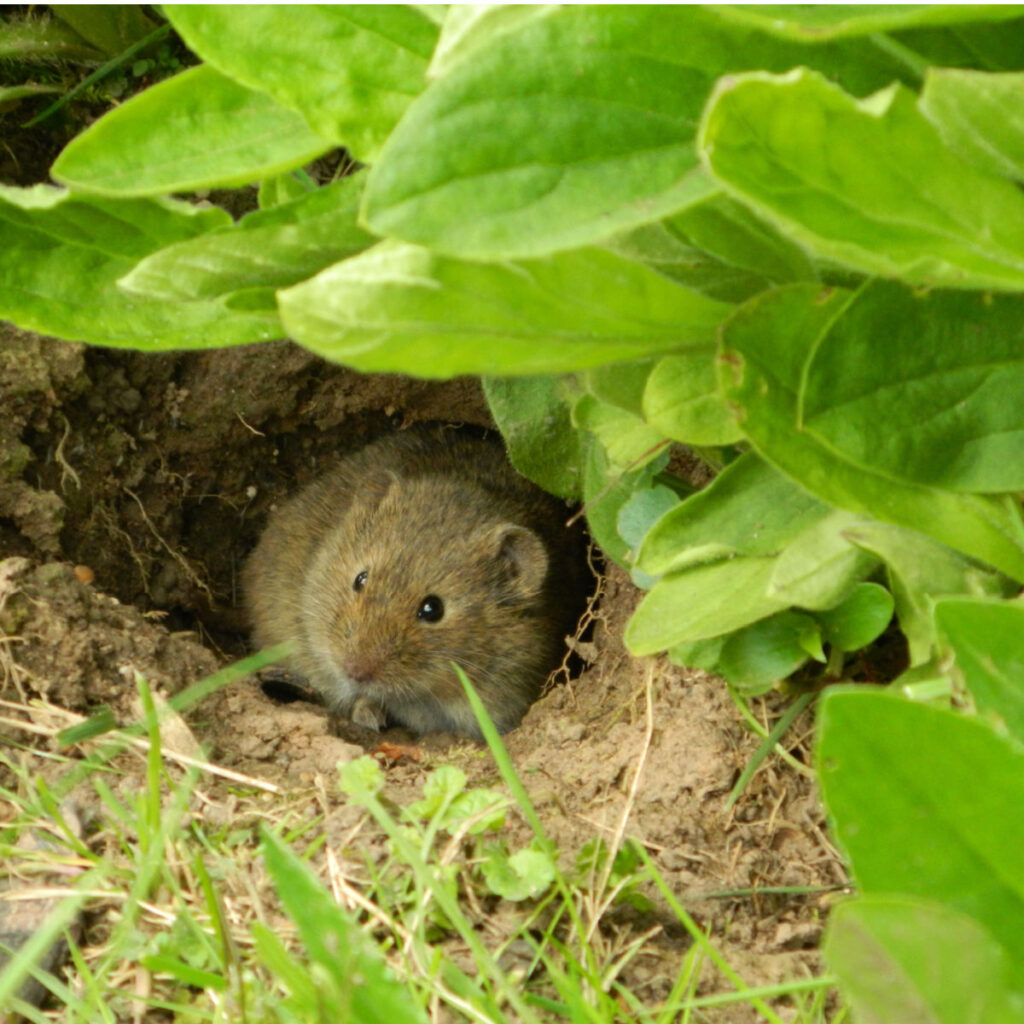
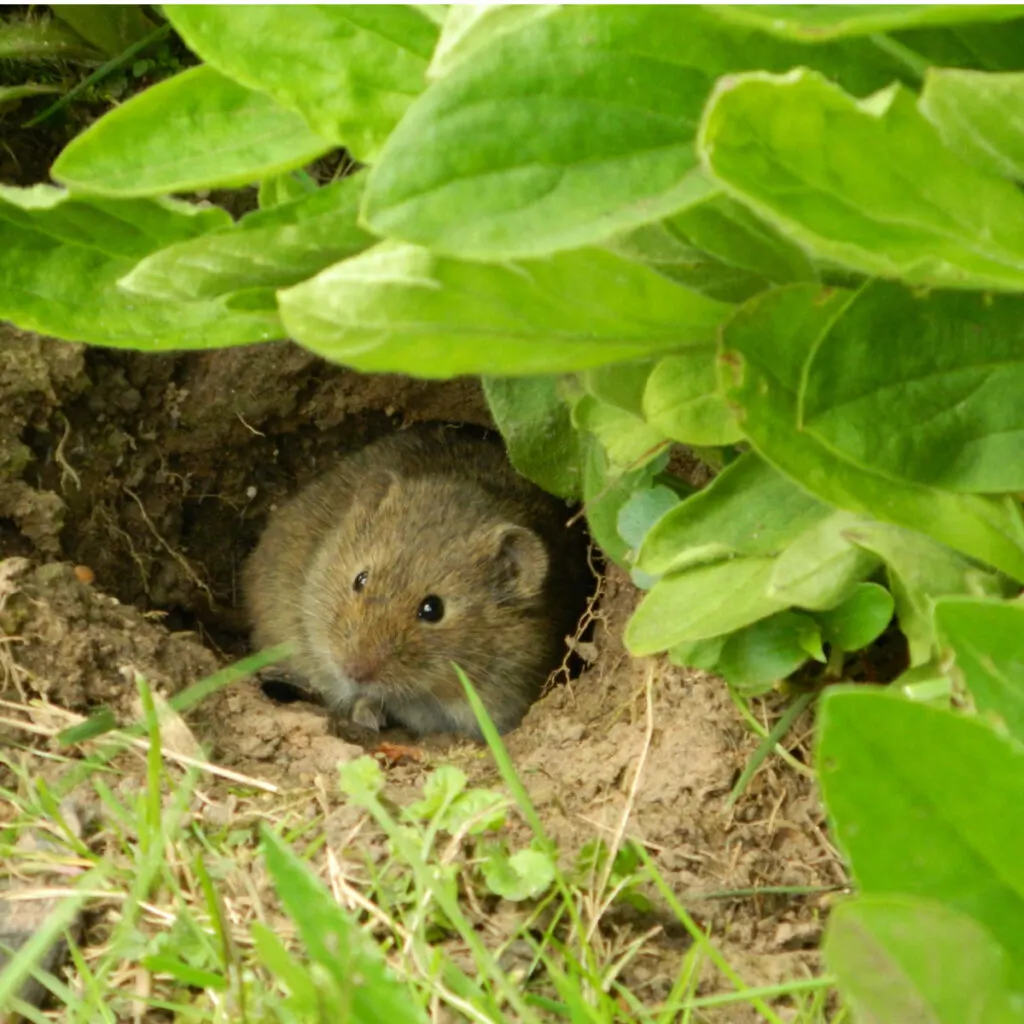
stop mice in the garden
Looking for a way to keep field mice out of your garden and away from your plants and produce? Field
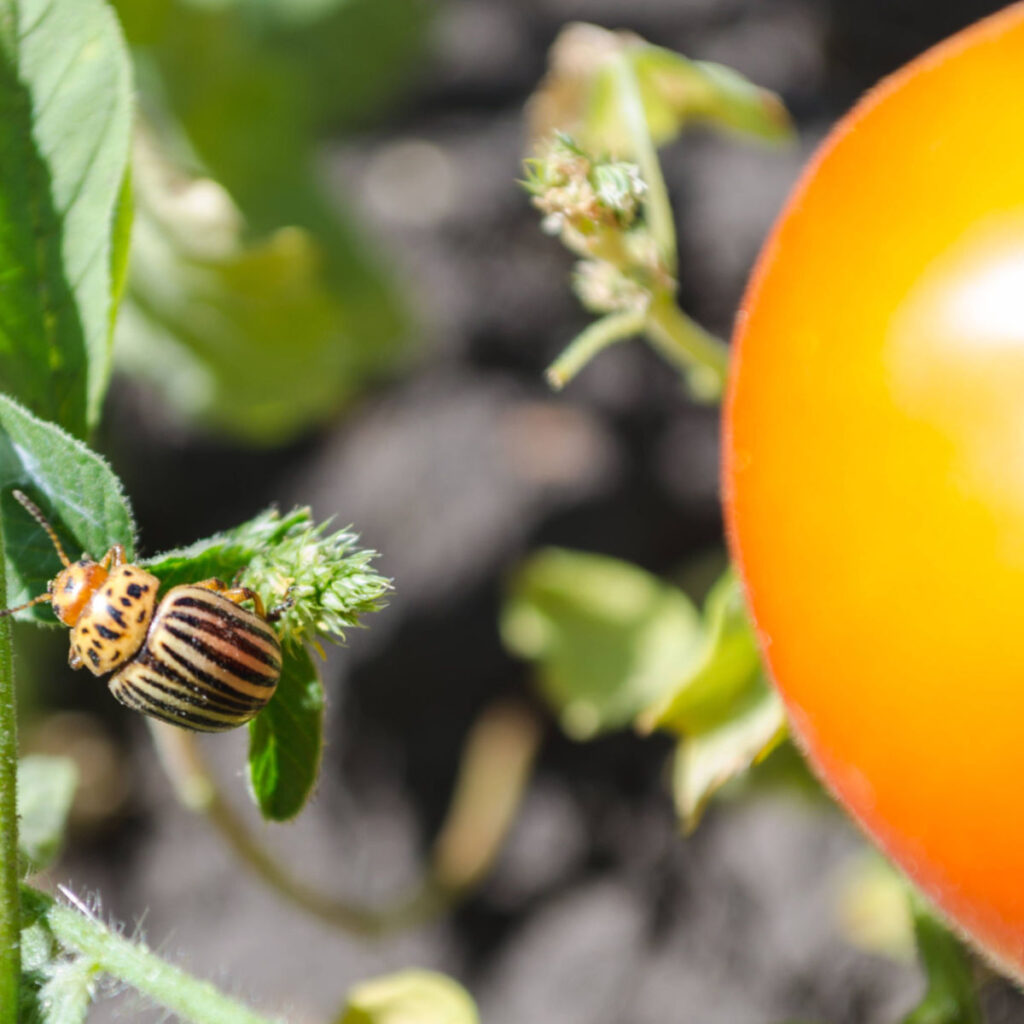
get rid of potato beetles
Looking for a few effective methods to get rid of potato beetles and eliminate them without having to resort to
how to get rid of aphids on vegetable plants
Looking for a fast and easy way to get rid of the aphids on your vegetable plants? And without having
chiggers in yards
Looking for a way to get rid of chiggers from your lawn and landscape - and, more importantly, keep them
how to keep ants off of plants
Looking for a few safe, easy and natural ways to keep ants off of the plants growing in your vegetable
stop asian beetles
Looking for a few tried and true methods to stop those pesky Asian lady beetles from getting inside your home
how to stop sweat bees
Looking for a way to repel sweat bees and stop them from ruining your time outdoors? As late summer arrives,
get rid of earwigs
Are you looking for a few natural and effective methods to get rid of earwigs from your home, garden &
how to attract beneficial insects
Not all bugs are bad to have in your yard - in fact, it can actually be quite beneficial to

Are you looking for a few simple, all-natural and highly effective ways to get rid of ticks in your yard this year – and eliminate them for good?

It’s almost scary how an insect so small in stature can cause such seriously dangerous issues for pets and humans. Not only can a tick’s bite be painful, it can carry and spread along with it a tremendous amount of disease.

One of the most notable illnesses that ticks spread via bacteria from their bite is Lyme disease. Lyme disease can affect both pets and humans alike, and in all kinds of different ways. It symptoms can vary from painful rashes and flu-like complications, to incredibly painful joint pain, itching and weakness all over the body.

how to get rid of ticks
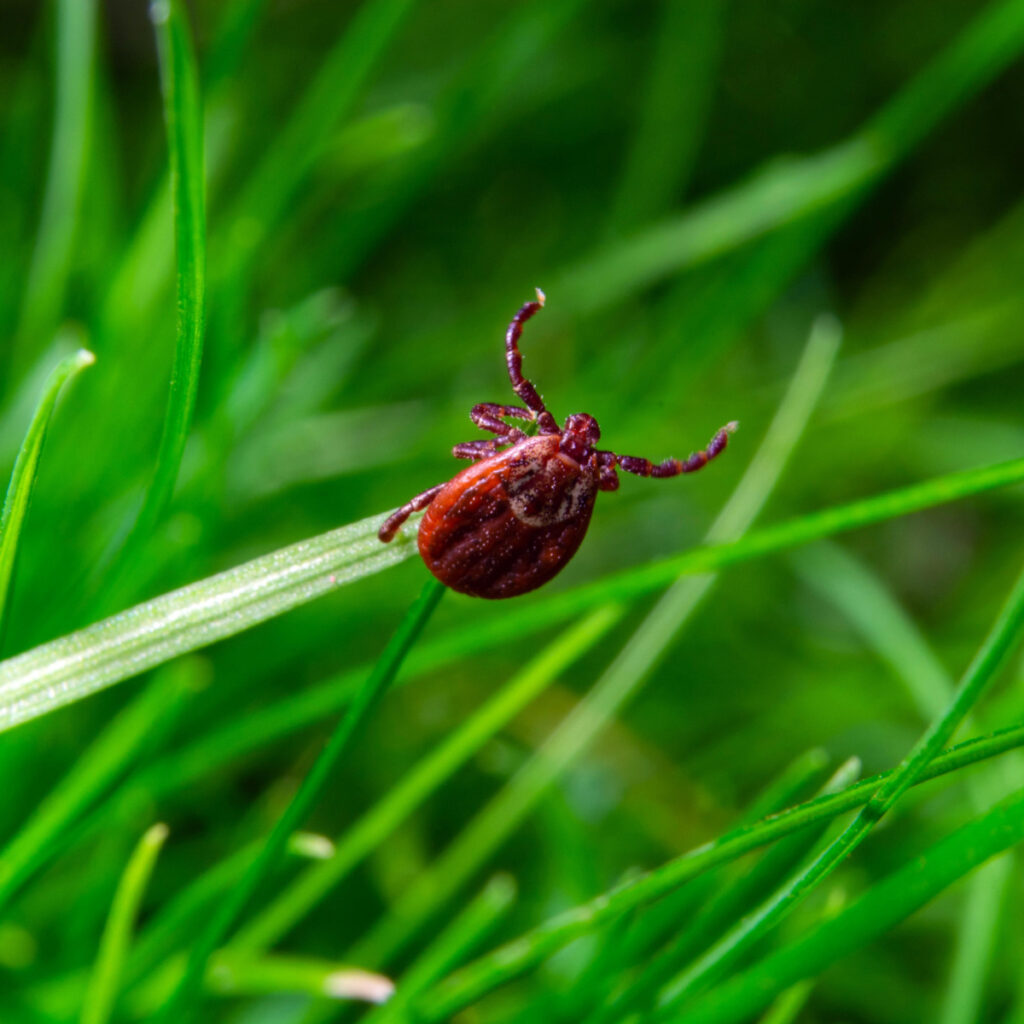
Ticks can hide in tall grass, brush or on the foliage of plants. And when the opportunity arises, they can hitch a ride right on to you and your pets!

But it doesn’t stop with just Lyme disease. There are actually dozens of additional ailments ticks carry and pass on to humans and other animals. And unfortunately, all of them have their own list of unpleasant side effects and symptoms.

Because of those dangers and more, eliminating ticks and keeping them out of the outdoor spaces around your home is one of the biggest key of all for protecting you, your family and pets.

Ticks Live Everywhere – How To Get Rid Of Ticks In Your Yard

Ticks cannot fly or even jump, but they are amazingly diligent crawlers. Once established in an area, they can quickly breed and become an issue. Especially if the conditions and habitat are to their liking.

Although thought by many to only be an issue when visiting the deep woods, ticks are just as likely to set up shop in a city or suburban neighborhood yard as well. In fact, they can often be even more plentiful in residential locations because of having access to two things they love – thick grass and plenty of moisture.

There are quite a few sprays and repellents on the market that can help protect against ticks. And although repellents are important in the fight to stay safe, they don’t eliminate ticks or keep tick populations out of your yard. That of course means they still remain around to reproduce and grow their population even more.

tick bite on a human
Tick bites can be incredibly painful. And the longer the tick remains on your skin, the more likely disease can transfer.

So is it really possible to get rid of ticks from your backyard garden, flowerbeds and lawn? You bet it is!! And best of all, you can do it without harsh chemicals. With that in mind, here is a look at four key methods to eliminate ticks from living in the outdoor spaces around your home!

How To Get Rid Of Ticks From Your Yard

#1 Diatomaceous Earth (DE)

Although it has quite the long and scientific name, Diatomaceous Earth is quite natural and safe to use – and even more, quite effective against ticks!

Diatomaceous Earth is a powdery substance created from the fossilized remains of tiny ocean organisms from long ago. The best part of all – it is wonderful for eliminating all kinds of pests, including ticks – but it is completely natural and safe for pets and humans.

When the powder comes in contact with a tick, it scratches their outer skin. When that occurs, ticks are unable to keep moisture in, and they dehydrate and die. This can happens if the powder lands on them when you apply it, or if they crawl over it later.

One thing is for sure, when applied to lawns, it is extremely effective at killing not just tick populations, but also fleas. Talk about a win-win for pets! Affiliate Product Link: Diatomaceous Earth

diatomaceous earth for tick control
Diatomaceous Earth is highly effective when it comes to killing ticks. In addition, it can help eliminate grubs, fleas and more!

Depending on the size of your lawn, you can apply with a duster or simply by sprinkling it on areas that are active. After applying, you can also sprinkle a thin line as a border around your lawn to keep any new ticks from crawling in.

#2 Neem Oil – How To Get Rid Of Ticks In Your Yard

Neem oil is an amazingly effective weapon against ticks. Not only is it 100 percent organic and all natural, it also is great to have on hand for dealing with all kinds of other garden and lawn pests too! See: How To Use Neem Oil – The Organic Solution To Pest & Disease Control!

Neem oil is made from the oil within a seed from a neem tree. And as it turns out, the oil has some pretty incredible abilities for eliminating many insects such as ticks.

When neem oil makes contact with a tick, it blocks oxygen. And much like humans, without oxygen, ticks simply can’t survive. The good news? It is completely safe for humans and pets. And, when sprayed properly, it can also keep key pollinating insects like bees and butterflies safe as well.

Listen In Below To Our Podcast For More Great Info On Eliminating Ticks!

For tick control, you can make an effective spray with six to eight tablespoons of neem oil mixed into one gallon of water. Adding a teaspoon of mild liquid detergent to the mix will make the spray even more effective, allowing the spray to cling to the tick’s body.

Once your solution is ready to go, you can use a pump sprayer to easily and quickly coat your lawn with the spray. For large yards, a backpack sprayer can really come in handy. You can also purchase neem oil already mixed and ready to go.

You may need to reapply every week for a few weeks to clear the area completely. Always try to spray when there is no threat of rain for 24 to 36 hours. Product Affiliate Link: Bonide Captain Jack’s 64 oz Neem Max Cold Pressed Neem Oil Spray

#3 Keep Your Lawn Mowed – How To Get Rid Of Ticks

Believe it or not, one of the best ways to control the population of ticks is by maintaining a neat and tidy lawn. These tiny blood-sucking creatures love thick cover and moisture. And nothing provides more of both for them than an overgrown lawn!

High grass and tall weeds are the ultimate welcome sign for ticks. Not only does it give them a great place to hide and lie in wait, the dense, thick grass is also perfect for holding in moisture.

Mow your lawn often to keep grass from becoming too tall and inviting. In addition, don’t allow clumps of decaying grass to stay in the yard. Grass clumps hold moisture in, and serve as a wonderful home for ticks to live and thrive.

neem oil - how to get rid of ticks in the yard
Neem oil can be found in ready-to-go sprays. It is an effective and fast acting weapon against ticks!

The same goes for weeds left to grow high around trees, buildings, walkways. walls and woodpiles. All of these locations are typical hideouts where ticks can thrive. The less cover you provide for them, the more they will avoid your lawn. Ticks do not like excessive heat, and with little cover, they move on to better pastures.

#4 Watering Your Plants & Lawn – How To Get Rid Of Ticks In Your Yard

Last but not least, how and when you water your lawn and plants can have a big impact on your tick population too. As mentioned earlier ticks love moisture. In fact, they need it to survive. Especially in the heat of summer.

Watering your lawn, garden and flowerbeds can actually help keep them alive. It doesn’t meant you can’t or shouldn’t water your plants, but how you do it makes all the difference.

When watering flowers and plants, water right at the source. Avoid using large sprinklers that soak entire areas full of water. Remember the more water that is spread around, the more it will help keep ticks alive. When large sprinklers are used – it creates more pools of water for ticks.

In addition to watering smart and keeping your yard tidy, what you plant in your flowerbeds can also have a big impact on the tick population around your landscape. There are certain plants that ticks simply cannot stand to be near or around.

lavender in bloom - how get rid of ticks in the yard
Lavender is one of the best natural defenses against ticks.

By planting these repelling plants in your garden, flowerbeds, or even in pots and containers, it can truly help keep ticks away. A prime example of this is lavender. Ticks absolutely detest the floral scent, and will move far away from wherever it is growing.

The same goes for other herbs such as rosemary, sage and all of the mint family too. Best of all, these plants are perennials. That means they can be planted once, and come back to help every season to keep populations at bay.

What To Do When A Tick Bites – How To Get Rid Of Ticks In Your Yard

Sometimes, no matter how hard you try to keep them away, a tick is going to find its way onto your skin and latch on. And when it does, there are a few things that can go a long way in protecting you against many of the diseases the tick can carry.

First and foremost, check your skin regularly for any sign of a tick. Remember, they are crawlers, and they will often try to locate themselves in a far away and hard to reach location.

The real key is early removal. In fact, by simply removing a tick within the first 24 hours, you can greatly reduce the spread of Lyme disease.

When removing, do not use flames or a hot match to attempt to get it to release. This can actually allow the tick to release more infection into your skin. Instead, use tweezers to pull it out from as close to your skin as possible.

And one final note, contrary to popular belief, if the mouth breaks off, don’t panic. It cannot transmit any disease as long as the body has been removed. It can be safely removed much like a splinter without worry.

Here is to getting rid of ticks from your yard – and keeping them away from your lawn and landscape for good!

Follow Our Facebook Page For Great Gardening Tips And Advice! This Is My Garden Facebook Page

This Is My Garden is a garden website created by gardeners, for gardeners. Jim and Mary Competti have been writing gardening, DIY and recipe articles and books and speaking for over 15 years from their 46 acre Ohio farm. They publish three articles every week, 52 weeks a year. Sign up today to follow via email, or follow along!

Looking for a way to keep field mice out of your garden and away from your plants and produce?

Field mice can be quite a serious issue for gardeners. Not just because of the damage they can do to vegetable plants and the blooms, fruit and vegetables they produce, but also from the disease they can carry and spread in the garden – and to you!

Field mice are one of the smallest of the rodents in the mice family. Although the term field mice can cover several of the smaller species, the most common of all is the deer mouse. A deer mouse has brownish to tan fur and will have hair on its tail – something a common house mouse will not have.

stop mice in the garden
Field mice are tan or brown and like to tunnel and burrow in the soil. They prefer loose soil, which makes garden and raised bed areas a prime target.

Field mice, as their name implies, have little interest in coming indoors. Instead, they prefer to find shelter in the ground, preferably in a location that has loose soil and is near a food source. Unfortunately, because they are primarily vegetarians and prefer tender plant foliage best – a vegetable garden is ideal as a home base.

The Damage Mice Cause – How To Keep Mice Out Of The Garden

The damage mice can cause to a vegetable garden can be extensive. Especially if their population goes unchecked and they begin to overpopulate the space.

Field mice are tunnelers. Although they will sometimes eat leaves and shoots from above the surface, more than not, they like to tunnel under the surface and tug plants beneath to feed on them. The mice prefer the roots of a plant because they are more soft and tender.

It can be quite the strange phenomenon as seedlings and sprouts can literally disappear overnight without a trace above the soil line. Making matters worse, field mice will also hoard food. So not only will they eat the shoots, they will take more back to their home for later!

In addition to consuming your vegetable plants, all of those tunnels the field mice dig can also create major issues for the plants growing in your garden.

keep mice out of the garden
Field mice will often tunnel right under tender shoots, pulling them beneath the soil to eat them. They can destroy an entire row of seedlings in short order.

As the mice dig, the tunnels disturb the roots of the vegetable plants growing above. When this occurs, not only can it hamper and stunt the growth of your plants, the tunneling can leave roots vulnerable to drying out quickly – which in turn harms them even more.

How Mice Can Spread Disease – How To Keep Field Mice Out Of The Garden

Just as disturbing as the damage field mice can cause to your plants, they can also quickly spread disease. Mice are well known to carry and transmit a long list of diseases.

At the top of that list is Hantavirus, which humans can get from inhaling the droppings and urine that mice leave behind. The disease can cause everything from a fever and muscle aches, to nausea, headaches, stomach aches and more.

In addition to Hantavirus, field mice can also carry and spread salmonella. Especially on the plants and soil they come in contact with, or where their feces and urine end up. And because field mice will set up their living quarters right in the garden, they can spread it almost everywhere.

With all of the harm they can cause, it’s easy to see why keeping them out is the safest and best solution of all. With that in mind – here are 3 simple methods for doing just that!

How To Keep Mice Out Of The Garden – 3 Simple Secrets To Success!

#1 Eliminate Natural Habitats

The first step to keeping mice out of your garden is a defensive one – as in eliminating easy hiding places and food sources that make them want to set up shop in your garden. As simple as it sounds, it is actually the biggest key of all to keeping mice out!

Wood piles, piles of leaves, straw and wood chips are all ideal homes for field mice. Unfortunately, many gardeners keep wood piles near their garden. They also often leave bales of straw and piles of leaves and wood chips near the garden as well – and all will attract mice like crazy!

In addition, allowing high weeds or the grass right around the garden to be thick and high will give mice plenty of cover. Keeping the garden and the immediate area surrounding it neat, tidy and groomed is critical. If there is too much cover, the mice will come.

Eliminate Easy Sources Of Food – How To Keep Mice Out Of The Garden

Although field mice will feast on plants, easy sources of food will initially bring them in. One of the biggest of all are bird feeders. The excess food that is spilled out from bird feeders is a haven for mice. For this reason, never locate them in or near your garden.

build a two bin compost system
Compost bins and piles are incredible for the garden – but it is best to locate them away from it to keep mice out.

Compost piles are another big source of “easy” food for mice. It is best to keep compost piles out of the garden. The decomposing food items are a huge attraction for mice. Even more, the cooler areas of the pile make the perfect home for them too!

Last but not least, do not allow vegetables and fruit on your plants to over-ripen and fall on your garden soil. Keeping the garden clean of old and/or rotting fruit is another way to not invite mice to the party.

#2 Companion Planting

Another great way for keeping mice out of your garden is with companion planting. There are certain plants that mice absolutely detest. Not only do they not want to consume them, they don’t even want to be near them. So much so that it can drive them from the garden.

Some of the best plants for this are peppermint, garlic, lavender, rosemary, basil and oregano. By simply planting these in and around your garden, you can do wonders for driving the mice elsewhere.

Companion planting can be used effectively with a couple of different planting methods. Some gardeners like to plant companion crops around the border of the garden as a preventive barrier. Others inter-plant the above companion crops right alongside the crops the mice like to feast on to help keep the plants safe.

lavender in bloom
Lavender is not only beautiful, it can help protect your garden space from mice too. Many gardeners plant lavender as a border plant around their vegetable garden to protect from mice and many other pests as well.

For even more control, using a combination of both companion planting techniques can really do the trick – keeping both the border safe and providing interior plant protection as well. See: How To Grow Lavender – The Blooming Perennial Pollinators Love!

#3 Using Solar Ultrasonic Repellents – How To Keep Mice Out Of The Garden

Finally, you can really turn up the heat on driving mice from your garden space with solar powered ultrasonic repellent stakes. These devices emit ultrasonic sounds audible only to field mice, snakes, moles, and other rodents. Product Affiliate Link : Solar Mouse / Mole / Snake Ultrasonic Repellent Set

The noise scares them away from the device and in the process from the garden. These are solar-powered, which do not require additional power – which can be great for protecting garden spaces that are often far from a power source.

For maximum protection, it is best to install these around the perimeter of the garden to provide a complete barrier. The good news is that most repellent sets come with multiple solar stakes making the process simple and easy.

solar ground mole repellers
Solar spikes emit sounds and vibrations on a regular basis, disturbing mice and other ground dwelling pests in their environment.

Here is to keeping field mice out of your garden – and keeping you and your plants safe in the process!

Follow Our Facebook Page For Great Gardening Tips And Advice! This Is My Garden Facebook Page

This Is My Garden is a garden website created by gardeners, for gardeners. Jim and Mary Competti have been writing gardening, DIY and recipe articles and books and speaking for over 15 years from their 46 acre Ohio farm. They publish three articles every week, 52 weeks a year. Sign up today to follow via email, or follow along!

Looking for a few effective methods to get rid of potato beetles and eliminate them without having to resort to harsh chemicals and insecticides?

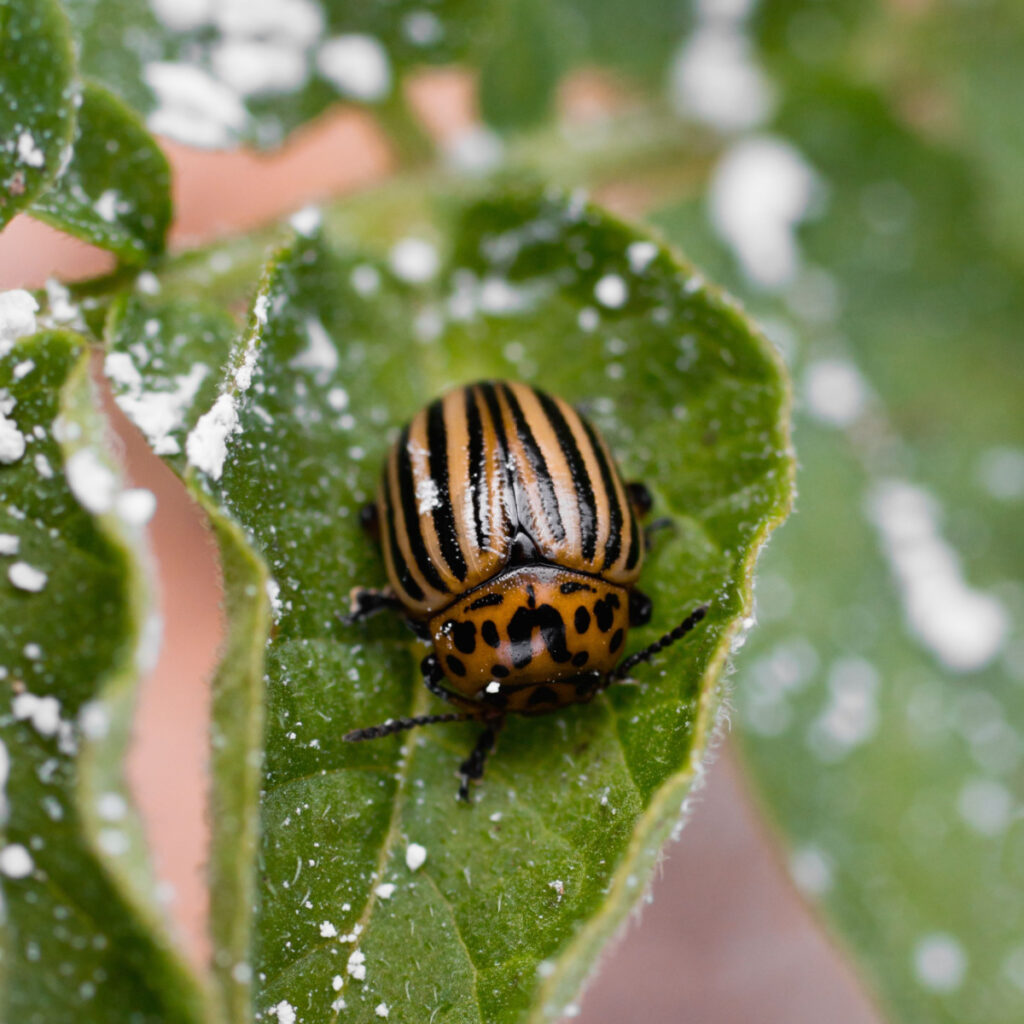
Potato beetles can destroy the leaves of some of the most beloved vegetable plants in a home garden. Although they get their name from their love of attacking the foliage of potato plants, they will go after all of the nightshade family of plants, including tomatoes, peppers and even eggplant.

The damage they can cause can be swift and intense. Potato beetles defoliate plants and in the process stagnate a plant’s growth. Interestingly, it is the larvae of the potato beetles that start devouring the tips of the leaves first.

How To Stop Potato Beetles
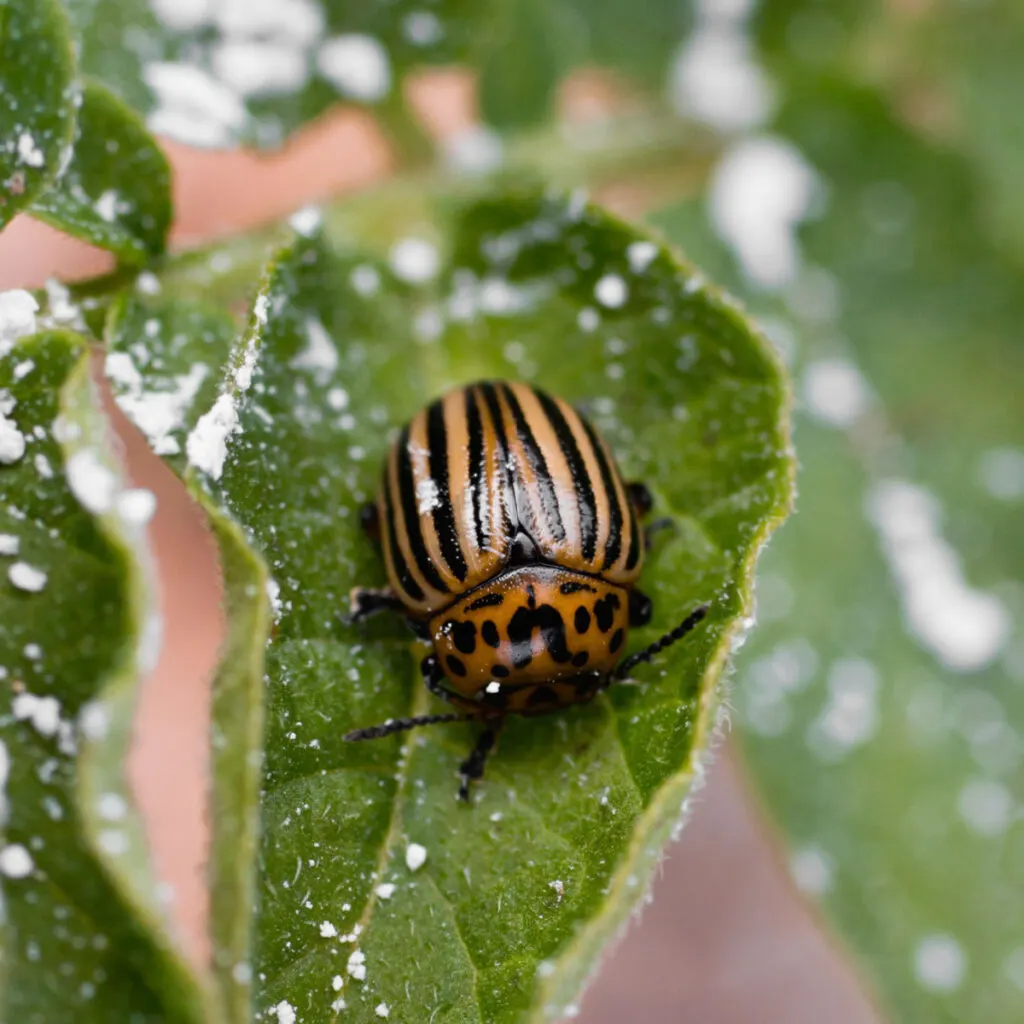
The potato beetle loves to devour foliage from potato, tomato, pepper and eggplants growing in the garden.

From there, the potato beetles then progress towards the entire leaf and the whole plant. Potato beetles will consume almost every part of the leaf, with the only exception being the veins of the leaves. And once leaves are heavily damaged, the plant has little ability to use photosynthesis to create energy for new growth.

Where Do Potato Beetles Come From – How To Get Rid Of Potato Beetles

Potato beetles (adults) hibernate in the ground at a depth of 4 to 12 inches over the winter. Once warmer weather arrives, they then begin to find their way out of the ground.

If potato beetles find a steady diet of vegetable plants, they will often take up permanent residence right in the garden each fall to come back the following spring. But they can also fly to find food. In fact, it is common for potato beetles to fly several miles to find suitable plants to consume.

That means that unfortunately, even if potato beetles do not stay in your garden, they can still make their way in to find your plants. As for timing, in most gardens, beetles begin to appear in late spring to early summer.

If allowed to establish and breed without issue, potato beetles can move from plant variety to plant variety. And as fast as they breed, they can quickly put an entire garden at risk.

get rid of potato beetles
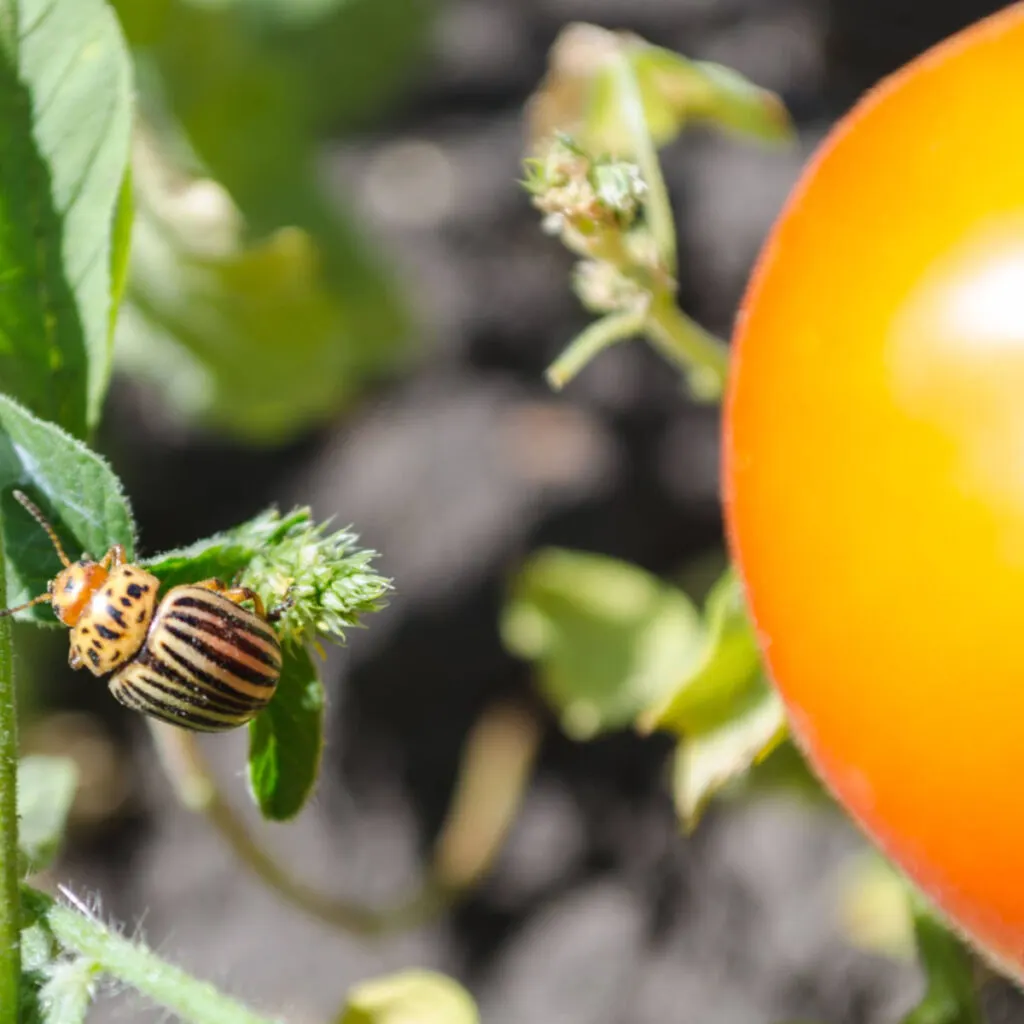
An adult potato beetle foraging on a tomato plant. Once they find a suitable location, potato beetles will overwinter in the soil to come back year after year.

The good news is there are a few simple and more importantly all-natural ways to combat the destructive pest. After all, who wants to spray dangerous insecticides on the very plants that grow the vegetables they will be consuming.

With that safe, organic and all-natural approach in mind, here is a look at some of the best ways to stop potato beetles in their tracks – and save the vegetable plants growing in your garden in the process!

How To Get Rid Of Potato Beetles Naturally – 6 Simple Methods That Work!

#1 Hand Picking – How To Get Rid Of Potato Beetles Naturally

This method requires the most effort, but many argue it is the most effective by far. By removing the adults and larva you put an end to the reproduction cycle in quick fashion. To hand pick, all you need are a pair of gloves and a bucket of soapy water to put the beetles and larva into.

When checking plants, adult potato beetles will be small and yellow. They will also have lines or stripes on their hard shelled backs. Younger potato beetles are reddish with hard shells and two rows of ridges on their backside. Simply pluck the beetles off an put them into the soapy water.

For the larvae, check the underside of the leaves for the collection of bright yellow eggs. Remove these from the leaves and put them in the soapy water as well. Removing the eggs is extremely important as they will be the next generation to attack your plants.

Adult potato beetles live for a year and can colonize a single plant for a month while building up their numbers and moving on to other plants. Continue monitoring your vegetable garden every few days to find and pick off any new beetles or larva that appears.

#2 Soap & Water Spray – How To Get Rid Of Potato Beetles Naturally

Another great way to eliminate potato beetles without having to resort to harsh chemicals is with a spray of soap and water.

To make, simply add two tablespoons of liquid soap (there are some great organic dish soaps that keep the mixture 100% all-natural!) to one gallon of water.

To use, put the mix into a hand help spray bottle or small sprayer and coat the leaves of your plants. When the spray comes into direct contact with the beetles or their larva, it kills them. Affiliate Product Link : Sonett Organic Dishwashing Liquid Soap

#3 Neem Oil – How To Get Rid Of Potato Beetles Naturally

Neem oil is another all-natural liquid that can be mixed with water to make an effective spray to kill potato beetles. Neem oil is made from the oil that is in the seeds of a neem tree. The oil has anti-fungal and antibacterial properties, and also is a natural insecticide to many insects, including the potato beetle.

potato beetle spray
Liquid dish soap or neem oil can make an effective spray against beetles and their larva when mixed with water.

The good news with neem oil is that it can be safe when sprayed correctly for important pollinators like bees and butterflies. Follow the directions on the bottle to mix with water and spray on the affected plants.

It’s important when buying neem oil to ensure that the oil it uses has the name Azadirachta Indica on it. Only that variant is effective against potato beetles. Product Affiliate Link : Cold-Pressed Azadiracthin Neem Oil Concentrate

#4 Companion Planting How To Get Rid Of Potato Beetles Naturally

Companion planting can help eliminate beetles in your garden in three different ways. The first is that by growing plants the beetles can’t stand, it will drive them away in search of better areas to call home.

There are a few plants that highly discourage potato beetles from entering a vegetable garden. Chives, garlic, bush beans, catnip and nasturtiums are all plants that potato beetles are not fond of in the least. By planting these plants near your potato, tomato and other nightshade plants, it can help protect them from a beetle invasion.

The second way companion planting can help protect your plants is by attracting key predators of potato beetles. Lady bugs, lacewings and soldier beetles all love to attack potato beetles. And the more plants you can plant that bring these helpful insects in – the better!

Marigolds, zinnias, cosmos and thyme are all excellent plants to grow to bring in beneficial insects. By simply planting these near crops that can be attacked by potato beetles, you will bring their predators right to them!

plant zinnias in the vegetable garden - companion plants
Zinnias can not only beautiful your garden space, but also bring in beneficial insects to help control potato beetles.

Last but not least, you can also use companion planting to plant trap crops that attract beetles away from the plants you are trying to protect. Ground cherries are wonderful for this. Plant them far away from your garden’s most significant plants to attract them away. See: The Best Companion Plants For Tomatoes

Many people who don’t like eggplant will plant it simple to draw the beetles to it and away from their tomatoes, peppers and potatoes. Trap crops are great for luring the beetles you have to one place. Then you can hand pick them off with ease!

#5 Protecting Plants With Row Covers – How To Get Rid Of Potato Beetles Naturally

Row covers are one of the best natural methods to stop and eliminate potato beetles from ever getting to your plants in the first place. Row covers need to go on before the beetles emerge.

The only caveat is that during pollination, row covers need to be removed in order for pollinating insects to get to the blooms. The good news is that by the time flowers form on the nightshade family of plants, the beetles have already started to head back into the ground until the following season. Product Affiliate Link : Garden Plant Cover Row Cover

#6 Crop Rotation – How To Get Rid Of Potato Beetles

One of the best ways of all to eliminate potato beetles from ever finding a permanent home in your garden is with crop rotation. In fact, it should be every gardeners first line of defense. By changing the physical location of the crops that potato beetles love and planting them in a different section, it reduces the chance of the beetles overwintering in the soil.

Plain and simple, when you plant the same crops in the same space, they never have to leave! While this won’t reduce the damage by 100%, it can greatly keep populations under control. Here is to eliminating potato beetles this year, and to protecting your potatoes, tomatoes and other nightshade plants as well!

Follow Our Facebook Page For Great Gardening Tips And Advice! This Is My Garden Facebook Page

This Is My Garden is a garden website created by gardeners, for gardeners. Jim and Mary Competti have been writing gardening, DIY and recipe articles and books and speaking for over 15 years from their 46 acre Ohio farm. They publish three articles every week, 52 weeks a year. Sign up today to follow via email, or follow along!

Looking for a fast and easy way to get rid of the aphids on your vegetable plants? And without having to resort to questionable commercial sprays that might compromise your harvest?

Aphids can cause major damage to vegetable gardens. Not only can aphid attacks stunt the growth of plants by damaging their stems, leaves and fruit – they can also spread disease, mold and fungus to nearly all of the plants growing in your garden.

As aphids feed on plants, they leave a sticky substance behind on the foliage known as honeydew. As sweet at the term sounds, honeydew actually causes a lot of issues for plants. For starters, the sappy substance is ideal for allowing mold and fungus to develop on the plants.

how to get rid of aphids on vegetable plants
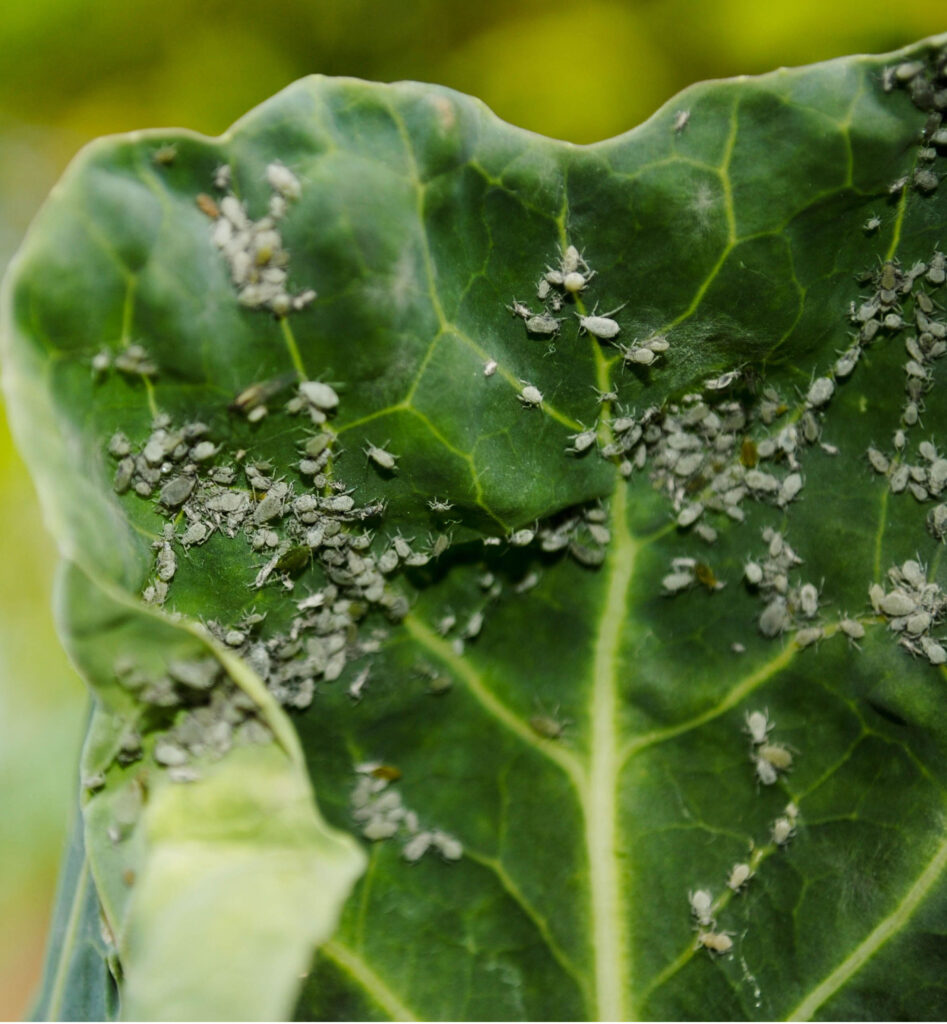
Aphid colonies can multiply seemingly overnight. Because they are small and like to hide on the undersides of leaves, they can be hard to spot. Quite often, they are often not found until serious damage has already occurred.

In addition to helping mold and fungus flourish, aphids also happen to be a major carrier of viruses. As they travel from plant to plant, they can easily infect and spread deadly diseases with incredible efficiency. In fact, when it comes to aphids damaging vegetable plants, the disease and health issues they bring to your garden are far more dangerous and deadly than the small insects simply feeding on your plants.

The Almost Invisible Pest – How To Get Rid Of Aphids

One of the hardest aspects of dealing with aphids is finding them in the first place. Aphids, for the most part, love to hang out on the undersides of leaves. If you are not diligently looking out for them, they can go unnoticed while their population grows. And it grows faster than you might ever think.

Aphids reproduce in the blink of an eye. Without intervention, aphids can grow their population five to six times in just a week to ten days!

How To Get Rid Of Aphids On Vegetable Plants

So now that we know how much destruction aphids bring – and how quickly they can take over – how do you get rid of them quickly and safely? And even better, once you do, how can you prevent them from becoming an issue again?

aphids on pepper plants
Aphids can quickly stunt the growth of vegetable plants. Aphids have all but destroyed this young pepper plant pictured above.

One thing is for sure, it doesn’t take harsh chemicals or insecticides to rid your garden and plants of aphids. Chemical pesticides can be scary to use on vegetable plants. Not only is there a concern for the vegetables you will consume, they also can kill off many of the beneficial insects in a garden as well.

The good news is that it’s easy to create your own 100% organic and highly effective aphid spray. Not only are they safe for plants, they can be safe to other insects as well. With that in mind, here are three of the “best of the best” all-natural aphids sprays to stop aphids in your garden this year!

3 Simple Ways To Get Rid Of Aphids On Vegetable Plants

No matter which spray you choose to use below, the real key to success is persistence and diligence. Check your garden regularly for aphids.

The sooner you find a growing population, the easier it will be to get under control. In addition, it can often take a few applications to really control aphids. Always check plants a day or so after spraying to be sure aphids are completely gone.

#1) Water & Liquid Dish Soap – How To Get Rid Of Aphids On Vegetable Plants

One of the fastest and easiest methods to get rid of aphids is by making a simple homemade spray of water & a mild liquid dish soap. This basic solution works great for small to medium size infestations. By simply spraying it on the leaves of your vegetable plants, it will kill off the aphids in quick fashion.

Although you use any mild liquid detergent, there are some incredibly good organic options on the market if you want to stay with a 100% all natural method. Product Affiliate Link: Pure Castile Soap – 100% Organic Liquid Soap

The oil residue in soap interferes with the outer protective layer of the aphids. Once gone, the aphids dry out and perish. The best thing about using a soap and water mixture is that it will not kill important pollinators like butterflies and bees.

how to get rid of aphids
Liquid dish soap and water together make a highly effective aphid pest control solution.

To make, use two teaspoons of liquid dish soap and mix with one gallon of water. Shake well and apply to the plants. Make sure to hit the underside of the leaves where the aphids like to hide out.

It is important to note that spraying this mixture on plants will not prevent aphids, but it does kill existing populations quite quickly. For bigger infestations, you will need to spray more than once to eliminate the aphids totally.

Cayenne Pepper Spray – How To Get Rid Of Aphids On Vegetable Plants

If you have a severe aphid problem, it might be time to add a little more heat to your water and dish soap spray. As in cayenne pepper heat!

Hot pepper spray is actually effective on many insects. Even better, it can often be sprayed on plants to help small animals from munching on leaves as well. But when added to the dish soap and water mixture listed above, it will take out large infestations of aphids in quick fashion.

To make, create the soap and water spray above, then mix two tablespoons of cayenne pepper powder in with it. Shake or stir and allow the mix to steep for a few hours. You made need to reapply in a few days to get any remaining aphids that are still alive.

Neem Oil – How To Get Rid Of Aphids On Vegetable Plants

If you are looking for a highly effective, ready-to-go and yet still 100% organic spray, neem oil is the answer. See our article: How To Use Neem Oil On Plants – Control Pests Organically

Neem oil has been used for hundreds of years in the battle to control aphids and many other garden insects. It is an all-natural extract derived from the seeds of a Neem tree. When mixed with water and applied to plants, it can be quite effective in eliminating aphids.

Coincidentally, it also works well in repelling beetles, leaf miners, ants and cabbage worms as well. To use, mix 1 teaspoon of Neem oil with 1 quart of water. Apply with hand-held pump or bottle sprayer to the foliage of affected plants.  Product Link : Neem Oil

Don’t Forget Companion Planting! How To Get Rid Of Aphids On Vegetable Plants

Beyond battling active aphid populations, you can also help deter aphids from coming into your garden by strategically growing plants they don’t like. This can be done by planting them directly in your garden soil, or by planting pots and placing them around your garden in areas where aphids are present.

fertilizing marigolds
Marigolds can bring a big flourish of color to your garden and help keep aphids away. Not only are they easy to plant, they are even easier to maintain!

Garlic, onions and chives are all well-known to deter aphids. In addition, dill, fennel, rosemary and chives are four herbs that not only attract beneficial insects to the garden, but also repel aphids as well.

If you want to really brighten up your vegetable garden and keep aphids away at the same time, consider growing marigolds, petunias or lavender. Not only will they add big color, all three are well known to keep aphids far away.

Here is to protecting your vegetable garden from aphids – and to a bigger and better harvest than ever this year!

Follow Our Facebook Page For Great Gardening Tips And Advice! This Is My Garden Facebook Page

This Is My Garden is a garden website created by gardeners, for gardeners. Jim and Mary Competti have been writing gardening, DIY and recipe articles and books and speaking for over 15 years from their 46 acre Ohio farm. They publish three articles every week, 52 weeks a year. Sign up today to follow via email, or follow along!

Looking for a way to get rid of chiggers from your lawn and landscape – and, more importantly, keep them off of you?

If you have ever had an encounter with chiggers, you know just how incredibly monstrous these tiny little creatures can be. One thing is for sure, although they may be hard to notice with the naked eye, the bites and rashes that chiggers leave behind can be painful to deal with!

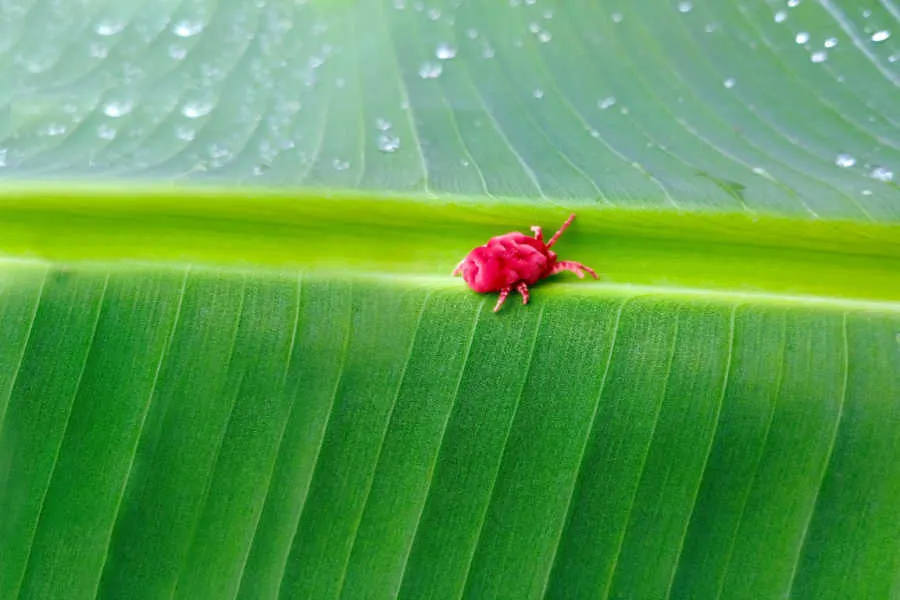
So what exactly are chiggers? Technically, the small insects belong to the arachnid family – the same one that includes spiders and ticks. But chiggers develop differently than their other close relatives – and are actually more of an issue when they are larva and not adults.

chiggers in yards
Chiggers are so small they are hard to see, especially at the larva stage.

For chiggers, it is only the larva stage that bite. The larva bites to inject saliva into the cells to liquefy and feed on them. While feeding, they can remain on their host’s body for a week or more. For humans, it is usually for a shorter time period, but certainly long enough to cause serious blisters, rashes and itching.

We will cover what you can do for chigger bites at the end of the article, but first, let’s take a look at the issues they cause, and how to eliminate them from your yard.

The Tell Tale Signs Of A Chiggers Bite

What makes an attack from chiggers especially bad is that they infest in clusters with multiple bites. Usually, chiggers latch onto the host (including humans) and crawl around to find suitable skin patches. Once they start biting, you will notice symptoms in just a few hours.

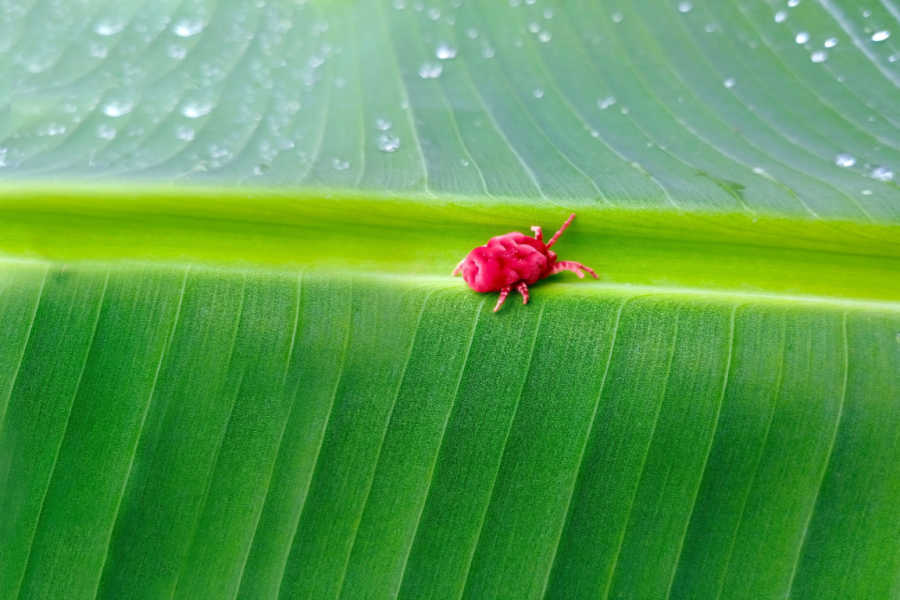
One of the most difficult things about dealing with chiggers is that they are hard to spot. Adults measure around 1/50th of an inch in length, and the larva can be four times smaller than that! Even though their exterior body can be colored in bright red, orange or yellow, at that size, they are nearly impossible to spot.

how to keep chiggers out of your yard
As an adult, chiggers turn into mites and do not bite. As young larva, however, they can cause serious pain and itching!

For most humans and animals, the bites will appear on their legs. This is simply because chiggers cling to vegetation, and legs are always the lowest to the ground. However, if walking through high weeds, they can easily find their way onto open skin anywhere.

Chigger bites do not cause infections, but the skin cracking can make you prone to one. And the itching can become unbearable quite fast. Surprisingly, once the larva matures into adult mites, they do not bite anymore, instead opting to feed on tiny insects and insect eggs.

How To Get Rid Of Chiggers

When it comes to getting rid of chiggers in your yard and landscape, there are two important steps to take for total control. The first is to treat your lawn and plants to kill any existing chiggers that are present. The second is to then eliminate the areas where chiggers like to live and lie in wait.

Eliminating Existing Populations – How To Get Rid Of Chiggers

There are actually a few organic and natural products that are quite effective in controlling chigger populations in lawns and landscapes. Here is a look at each along with how and when to apply them for maximum control.

Neem Oil – How To Get Rid Of Chiggers

Neem oil is a natural insecticide oil that is created when neem tree seeds are pressed. The resulting oil is highly effective at killing chiggers on contact. Best of all, when applied correctly, it can keep important pollinators like honeybees and butterflies safe. See: How To Use Neem Oil

how to keep whiteflies off tomato plants
Neem oil spray is excellent for treating lawns for chiggers.

To use, mix pure neem oil with water at the recommended rate (will vary by product). Next, simply spray your lawn to kill chiggers at every stage – from larva through adult. It is best for protecting other beneficial insects to spray neem oil in the early morning or late evening, when pollinators are not out.

Diatomaceous earth – How To Get Rid Of Chiggers

Diatomaceous earth is another great option for controlling chiggers naturally. The powdery substance, made from the fossilized remains of ancient aquatic micro-organisms, cuts the exterior of chiggers when they come in contact with it. For chiggers, it results in dehydration and death.

Since the powder is natural and non-toxic, sprinkling it in your garden or lawn will not cause any harm, or put any of your flowers, vegetables or other fruit n danger either. Product Affiliate Link : Diatomaceous Earth

Using Sulfur As A Repellent

Probably the most common answer to keep chiggers out of a yard is using sulfur. Sulfur will not kill chiggers, but it will keep them from ever setting up shop.

The best way to put down sulfur is to use powder. Not only does it cover more area and save on cost, it also is not very concentrated. To be effective, you will need to apply it every few days for a total of three applications over a seven to ten day period.

Eliminating Chigger Habitats

Beyond spraying to eliminate or deter chiggers, you can also greatly reduce their population by eliminating the areas they love most.

Chiggers don’t travel much on their own. After hatching, they will usually stick to the grass and leaves nearby. The taller the grass, the more cover it will provide for chiggers. They also happen to prefer moist areas, and taller stands of grass keep moisture in.

Mow your grass frequently so that they don’t have a shaded and moist area to live in. Don’t forget to use a string trimmer to keep grass edges down against barns, trees and outbuildings. These are favorite hang outs for chiggers as well!

Wood piles are another common outdoor area that chiggers love. Not only does the wood pile provide plenty of shade and protection, they also hold in plenty of moisture for them too. To help prevent infestations, keep woods stacked neatly and covered.

best way to plant grass seed
Keeping your lawn mowed regularly is one of the best ways to keep chiggers from setting up shop.

Finally, remove any dead or decaying shrubs and plants and keep existing bushes trimmed often. The more foliage and vegetation that exists, the more likely it will be that chiggers will make it their home.

Chiggers Indoors – How To Get Rid Of Chiggers

Chiggers can become an issue inside your home as well if you happen to bring them in. The good news is chiggers can’t survive indoors for long, but you can do a few things to hasten their departure.

For starters, it is important to vacuum any carpeted surfaces. Chiggers can often infest carpets and rugs indoors as they provide shade. Vacuuming them will eliminate this issue quite quickly. In addition, treat any hard surfaces with alcohol-based disinfectants.

Any linen that has come in contact with affected surfaces or your body should be washed with hot water and soap. This includes sheets or any clothes that you might have been wearing when outside around chiggers.

How To Deal With Chigger Bites – How To Get Rid Of Chiggers

As explained prior, rashes and inflammation of chigger bites usually appear a few hours after the actual bites. Rather than waiting for these symptoms to appear, if you have been in areas likely to be infested by chiggers, it is important to take a shower as soon as possible.

Chiggers can fall off your skin even with the slightest force. A strong stream of water from a shower will dislodge them and greatly reduce any chiggers that may be clinging to you. Use soap and water to thoroughly clean the affected bite area. Do so while taking a hot shower to eliminate any leftover larva.

Antihistamine ointments (for example calamine lotion) can come to your rescue in case of chigger bites as well. These are readily available over the counter and can work well to reduce the pain from bites and rashes.

Handling Severe Bites – How To Get Rid Of Chiggers

If the bites are severe, you can also use a cold compress on the inflamed area. Usually, chigger bites don’t cause infection and go away within four days. If that doesn’t happen, you might need to seek medical help.

Of course, it goes without saying, if you have had issues with chiggers in your yard, always try to wear protective clothing whenever heading out to areas where they might be. Protective clothing is also important if you are venturing out to wooded areas or parks where chiggers might be as well.

Full sleeve shirts/t-shirts, tall socks and high boots with your pants tucked in them are the best defense of all. Here is to getting rid of chiggers in your yard this year, and to keeping your skin safe from attack!

Follow Our Facebook Page For Great Gardening Tips And Advice! This Is My Garden Facebook Page

This Is My Garden is a garden website created by gardeners, for gardeners. Jim and Mary Competti have been writing gardening, DIY and recipe articles and books and speaking for over 15 years from their 46 acre Ohio farm. They publish three articles every week, 52 weeks a year. Sign up today to follow via email, or follow along!

Looking for a few safe, easy and natural ways to keep ants off of the plants growing in your vegetable and flower gardens – and stop them from building damaging nests in the soil underneath?

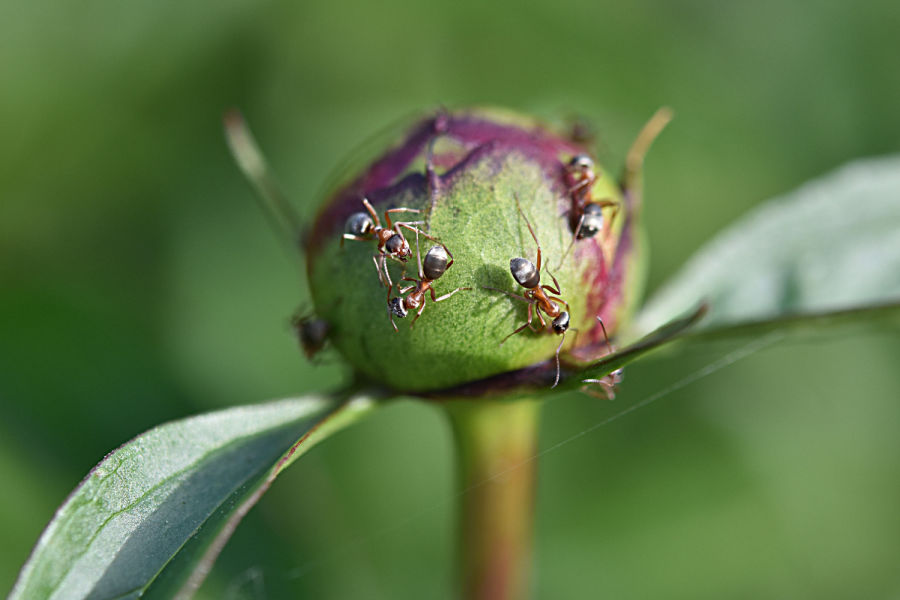
Ants can cause a number of serious issues for plants. When in large numbers, they will cluster on plants, often eating or damaging stems, foliage and even blooms. They have also been known to wreak havoc on small seedlings just emerging from the ground. Especially when fire ants are on the scene.

Unfortunately, it is underground where large colonies of ants can really do damage on the plants growing above. As they tunnel under the soil, they injure the root structures of plants. Many times, they will even feed on the roots.

ants on zucchini bloom
Ants will feed on the nectar of vegetable and flower blooms. In some cases, they actually help pollinate. However, when in large enough numbers, they can damage and kill blooms in the process.

When this occurs, it takes away a plant’s ability to absorb valuable moisture and nutrients. Even worse, although smaller ant tunnels can actually help improve soil drainage, when large colonies form a massive network under the soil, it can collapse the roots and drain all of the moisture as well.

How To Keep Ants Away Safely – How To Keep Ants Off Your Plants!

Even though there are a wide range of commercial insecticides available to combat ants, they have their drawbacks. Not only can they be potentially hazardous to household pets, they also kill beneficial insects as well.

In addition, if using near where you grow vegetable crops, there is always the concern of contaminating your fruits and vegetables. The good news is that you simply don’t have to go down that road. Especially when there are quite a few excellent all-natural options that can do the job without the worry.

With that natural approach in mind, here are four great methods to safely keep ants off of your plants in your garden and flowerbeds this year!

How To Keep Ants Off Of Your Plants – 4 Simple Ways To Safely Stop Ants!

Cinnamon

Cinnamon has all kinds of amazing helpful uses in the garden – and one of the best just happens to be deterring large colonies of ants from taking up residence.

ground cinnamon
One of the best of the best when it comes to natural ant deterrents is cinnamon. You can sprinkle it around any plant base to safely stop ants from climbing on board.

Ants do not like the smell or texture of cinnamon. In fact, they will go well out of their way to avoid it. That quality makes cinnamon perfect to use when trying to protect tender young seedlings from ants. But even more, it can also keep them away from large perennials like peony bushes, which they happen to love.

To protect plants, simply sprinkle cinnamon around the base of the plant. For large flowerbed or garden spaces, sprinkle it all throughout the garden area. You can also sprinkle it around the entire perimeter of bed spaces to keep ants from crossing into the space.

For extremely bad infestations, mix the cinnamon directly into the soil. This will keep the ants from digging into the soil to create new tunnels.

Finally, if you have a large ant hill beginning to form, a few tablespoons down the main entrance can have them packing up shop in quick fashion. For even more on cinnamon in the garden, check out our article: How To Use Cinnamon In Gardens & Flowerbeds

Boiling Water – How To Keep Ants Off Of Your Plants

One of the safest and most effective ways to control ants naturally is with boiling hot water. Not only is it highly effective, it’s completely free – and easy to do!

By simply pouring hot, scalding water down the entrance of an ant hill, the water will quickly penetrate the channels of the underground colony. As it does, it kills the ants on contact as the water passes through the chambers below the soil.

safely stop ants
Pouring boiling water down the entrance to an ant hill is one of the easiest and least expensive ways to safely stop ants in gardens and flowerbeds.

Water works well because it will automatically find its way into the tunnels, meaning it can reach far down into the colony to kill it off. By adding in a tablespoon of mild dish detergent to the water before using, the water becomes ever more effective.

The oil in detergent soap helps to increase the effectiveness of the water sticking to the ants. Once you have flooded the hill, wait a day or two after applying and re-check the hill. If you still see a few signs of life, re-apply again until all signs of life have vanished.

Always wear protective gloves when using hot water. Carry the water to your location in a safe container and pour down the hill slowly to avoid scalding any part of your body. When using this method, do not allow the hot water to touch the foliage of plants as it can injure them in the process.

Baking Soda & Powdered Sugar Mix – How To Keep Ants Off Of Your Plants

When it comes to homemade remedies to kill ants in your garden or flowerbeds, mixing together baking soda and powdered sugar can really do the trick!

Baking soda is deadly to ants when they consume it. By itself, ants will leave it alone. But by mixing it with powdered sugar and placing it in and around the ant hill opening in your soil, the ants consume the mixture. When they do, the colony is killed off.

There are a few things to consider if you are using this method. The first is that regular granular sugar will not have the same results as powdered sugar. The grains of traditional granulated sugar are large enough that the ants can tell the difference. Because of that, they will almost always leave the baking soda alone.

Powdered sugar on the other hand is quite fine and similar to baking soda’s makeup. Once mixed with the baking soda, it is nearly indistinguishable to tell the two apart. Because of that, the ants will dive right in to the sugar/basking soda mix.

Lemon Juice and Water – How To Keep Ants Off Of Your Plants

Finally, a little lemon juice and water can take care of ant issues on plants in the garden with ease. Ants simply do not like citrus! Not only is the oil from lemons toxic to them, the liquid also destroys their scent trails, keeping additional ants from finding their way back to plants.

To make your lemon juice and water spray, mix up a 50/50 solution of each ingredient. Shake it well and put into a hand held spray bottle. Apply a light spray to the plants where the ants are, and watch them disappear! Re-apply as needed until the ants stop coming back.

powdered sugar - safely stop ants
Powdered sugar is a great weapon against ants. It has a very similar makeup to baking soda. When the two are blended together, it is hard to tell them apart.

Don’t let ant and ant colonies take over your garden space this year – safely take control of your bed spaces with an all-natural approach, and rest easy knowing your ant problems are a thing of the past!

Follow Our Facebook Page For Great Gardening Tips And Advice! This Is My Garden Facebook Page

This Is My Garden is a garden website created by gardeners, for gardeners. Jim and Mary Competti have been writing gardening, DIY and recipe articles and books and speaking for over 15 years from their 46 acre Ohio farm. They publish three articles every week, 52 weeks a year. Sign up today to follow via email, or follow along!

Looking for a few tried and true methods to stop those pesky Asian lady beetles from getting inside your home this fall? You know, the ones that are often confused with the much more helpful ladybug.
As the leaves start to turn and temperatures begin to dip in mid-Autumn, Asian lady beetles seemingly appear out of nowhere. And when they do, it feels as though their sole purpose is in finding a way to get inside your living space!

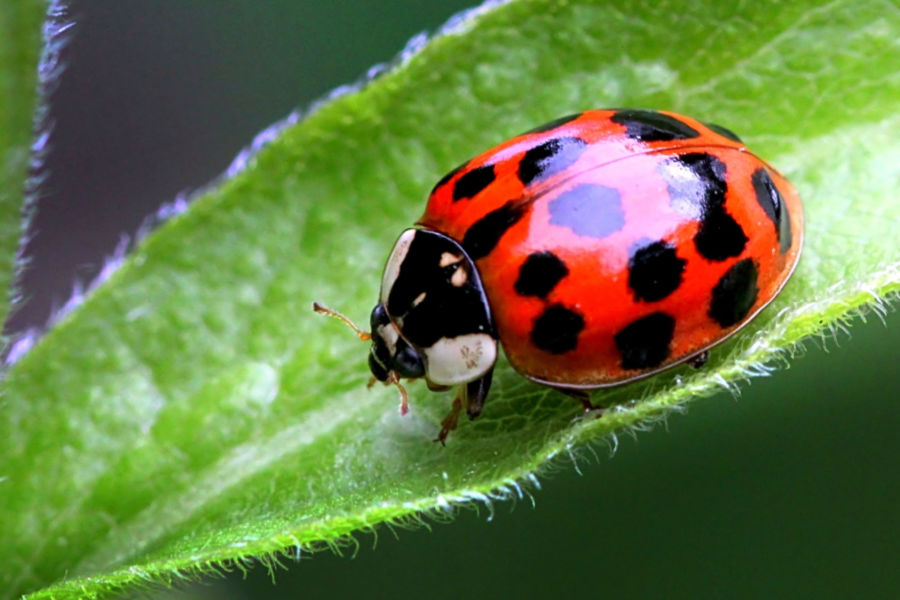
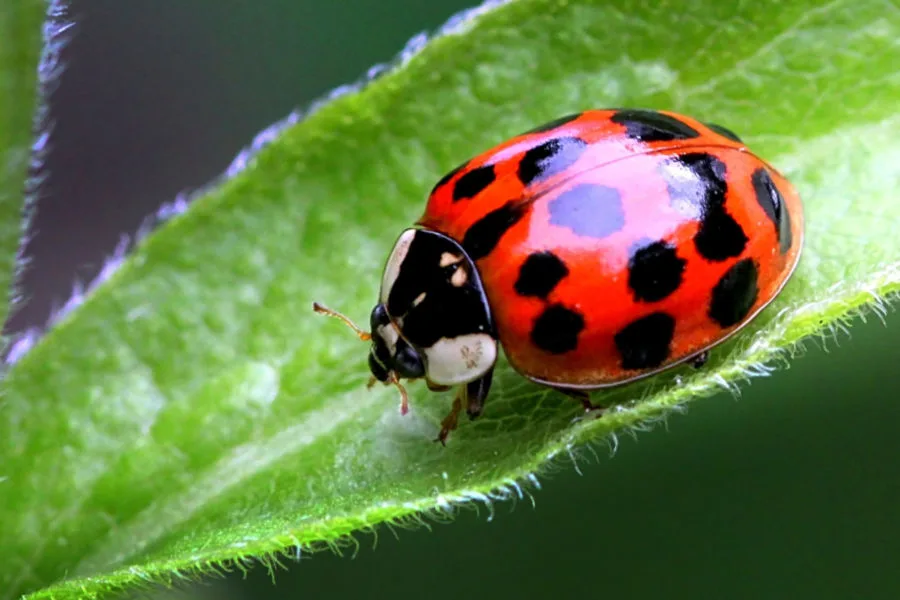
Often confused with native ladybugs, Asian lady beetles are quite different when it comes to their behavior. Although they look quite similar to one another and both enjoy dining on mites, aphids and other potential garden pests, Asian lady beetles have a much more sinister side.

Asian lady beetles - stop
Asian lady beetles like to congregate in large numbers. Once they find a way indoors, they will quickly gather together in windowsills, attics and any cracks or crevices where they can hide together.

Asian lady beetles will actually bite when they feel threatened. The biting is actually more of a scraping action across your skin, but it certainly isn’t a friendly one. And when they do bite, they also emit a foul smelling odor to boot.

Perhaps the biggest difference of all when it comes to Asian lady beetles vs. native ladybugs is in their overwintering habit. Native ladybugs overwinter outdoors in trees, plants and bushes. But Asian lady beetles prefer warmth for overwintering.

Because of that, they look to head inside and huddle together as winter approaches. And that is why Autumn is the time that everyone seems to find them crawling and flying everywhere into their home!

A Growing Population – How To Stop Asian Lady Beetles From Getting Inside Your Home

One thing is for sure, the Asian lady beetle population is not slowing down or going away. And with each passing year, they continue to spread into more and more regions across the country. With no real predators to keep them in check, they have free reign when it comes to expansion.

Birds will rarely if ever try to consume them. With their brightly colored shell, they assume Asian lady beetles are inedible. Even more, the insect is extremely adept at “playing dead” – meaning most would-be predators simply leave them alone as they prefer only live sources of food.

Although some insecticides can work to help control Asian beetles outdoors, those same insecticides also kill off a massive array of beneficial insects as well. And of course, who wants to spray insecticides indoors in the fall and winter with everything closed up.

stop Asian lady beetles
Asian lady beetles will huddle together in windowsills, attic crawl spaces and more. And once they find a location, they can emit an odor to attract even more.

Even worse, it has been found that if Asian lady beetles are sprayed and killed inside the attic or walls of a home, it can bring on an invasion of carpet beetles looking to feed on the dead beetles. The joy never ends!

The good news is there are several natural and quite effective methods to keep Asian lady beetles from getting inside your home in the fall. As you will see below, the real key to success is getting your defenses up early, before the beetles start trying to head in!
How To Stop Asian Lady Beetles From Getting Inside

There are factors that can make your home more attractive to a lady beetle invasion. If you happen to live near a wooded area or have dense foliage around or near your home, you will be more likely to experience higher numbers of beetles.

They also seem to be attracted to light or white sources. So if you happen to have light colored siding and lots of windows, you will see more than your fair share of the pest as well. But no matter where you live, prevention truly is the key to success!

#1 Prevention – How To Stop Asian Beetles From Getting Inside Your Home

As with almost any home pest, prevention is the absolute best first line of defense. When dealing with Asian lady beetles, that means sealing off any and all small cracks, holes or entry points.

A huge entry point for Asian lady beetles in under the eaves, overhangs and roof lines of houses and garages. These areas can often rot out or have gaps in trim that allow thousands of beetles to easily find their way into attics, crawl spaces and more. And once in, they will continue their journey deeper into your home.

Also check the trim around all exterior windows and doors. Caulking these areas on a regular basis can eliminate much of the problem. Check any and all screens to make sure they are free of holes or rips. Also be sure they fit and close tightly. Screen tape works great in these areas to seal off screen tears quickly! Product Link: Screen Tape

broken vents
Broken vents can leave gaping holes where all kinds of pests can enter your house.

Finally, check dryer vents, stove vents and any house vents around your home to make sure they are secure. All of these vents should have small mesh screening in them to prevent an easy path indoors. Asian lady beetles can fit through the tiniest of cracks, so keeping these tight and secure it critical.

And if you do happen to see a few Asian lady beetles inside? Vac them up as quickly as you can! Asian lady beetles, much like stink bugs, will emit an odor letting others know where they are. And the problem will only multiply faster! See: How To Keep Stink Bugs Out!

Citrus Oil – How To Stop Asian Lady Beetles From Getting Inside Your Home

In addition to sealing off entry points, there are several methods and scents that can help repel or even confuse the beetles from taking up residence.

Because Asian beetles emit a scent for other beetles to follow, eliminating that smell from your home can keep others from journeying inside to join their mates. And one of the best ways to eliminate a beetle’s scent happens to be with the scent of citrus oil.

Not only do Asian beetles not like the smell of citrus, the scent also blocks their own smell from other beetles. Spray doorways, windows and entry points as an effective deterrent, and also to keep any beetles present from attracting others! As always, test any spray on a small area to make sure it will not harm a surface before using. Product link : 100 Citrus Oil Spray

The Power Of Mums! – How To Stop Asian Lady Beetles From Getting Inside Your Home

Did you know that Asian beetles are not fond of the smell of mums either? Chrysanthemums emit a strong scent that keep beetles far away. They can be great for growing strategically around your home to help keep them out!

Citrus Oil - Pest Control
Citrus oil is one of the best natural weapons against Asian lady beetles. Not only do they not like the scent, the smell also blocks their scent from attracting more.

Keep potted plants near entry doors for added protection. And, if you happen to have a sunny facing wall of your home that attracts lots of beetles during the day, fill the flowerbeds on that side with mums.

Not only will it beautify your home, it can keep the beetles from congregating on your outside walls while they look for a way in! Here is to keeping Asian beetles out of your home this fall. And even more, to enjoying a pest-free home all winter long!

Follow Our Facebook Page For Great Gardening Tips And Advice! This Is My Garden Facebook Page

This Is My Garden is a garden website created by gardeners, for gardeners. Jim and Mary Competti have been writing gardening, DIY and recipe articles and books and speaking for over 15 years from their 46 acre Ohio farm. They publish three articles every week, 52 weeks a year. Sign up today to follow via email, or follow along!

Looking for a way to repel sweat bees and stop them from ruining your time outdoors? As late summer arrives, so does the onslaught of sweat bees. And can they ever be annoying!

The tiny glowing-green bodied bees seem to always find you – no matter where you are. It can be bad enough as they hover all around your arms, legs and face. But they are also certainly capable of stepping it up a notch with an occasional little sting as well.

One thing is for sure, sweat bees can certainly be a problem. Especially if you happen to be trying to enjoy outdoor activities or a nice meal on your back patio or deck.

how to stop sweat bees
Sweat bees seem to come alive in late summer and early fall. Not only is their constant hovering annoying, their occasional stings can be quite painful too.

So is it really possible to keep them away? Believe it or not, with a bit of preparation and a few simple repelling methods and techniques, you can. And in the process, learn to co-exist with these tiny creatures that actually serve as a huge benefit to Mother Nature.

Sweat Bees, Nature’s Pollinating Machines – How To Stop Sweat Bees

The first thing to realize is that sweat bees serve a huge purpose in nature. Especially when it comes to pollination. So spraying to eliminate them can actually cause way more harm than good.

There are actually more than 1200 hundred species of sweat bees. And they all belong to the Halictidea family of bees. One of the most beneficial aspects of the sweat bee is that they are non-discriminatory when it comes to pollinating flowers.

Where some bees or pollinators choose only a select few plants, sweat bees pollinate any and all flowers they come upon. In doing so, they help to keep thousands upon thousands of flowers viable and flourishing from year to year.

And it’s exactly why they are important to keeping our habitat and wildlife blooming. Especially with the current struggles of the honey bee. So instead of spraying or trapping the sweat bees to eliminate them, it’s far better to simply find ways to repel sweat bees from the outdoor spaces you want to enjoy.

sweat bees pollinating asters
Sweat bees are one of nature’s best pollinators. Here, a sweat bee is pollinating an aster flower

Here’s the good news – there are actually some pretty easy ways to keep them away from your outdoor space – and still allow them to continue their pollinating ways far away from your activities.

How To Repel & Stop Sweat Bees

Why do sweat bees happen to love humans so much? The biggest reason of all is that sweat bees are attracted to salt. And there is no easier and more available source of salt than human sweat. It is, after all, how sweat bees first obtained their name!

That is exactly why, as soon as the weather turns warm and humid, sweat bees emerge to begin spoiling outdoor activities. But there are a few things that work well to repel sweat bees once the “hot season” has arrived. And here are 3 of the best:

#1 Fans / Air Movement – How To Stop Sweat Bees

One of the best ways of all to repel sweat bees is with good air circulation. And the more air the better!

As mentioned earlier, the Halictidea family of bees are highly attracted to humidity, sweat and salt. And by providing good air flow and a breeze, all three of the above are reduced greatly. Even more, if the breeze is strong enough, the tiny flying bees have great difficulty navigating to your skin.

fans on a porch
A ceiling fan placed over a patio dining area can greatly reduce sweat bees and all insects.

If you will be dining outside, a strategically placed fan can keep your table and the food on it clear of bees. Patio and outdoor ceiling fans are another great investment to greatly reduce the number of sweat bees that will congregate in the area.

#2 Keeping The Ground Covered Around Patio And Outdoor Spaces – How To Stop Sweat Bees

Believe it or not, one of the best ways to keep sweat bees away is by keeping the ground covered around where you enjoy the great outdoors. In fact, it is the absolute best first line of defense when it comes to repelling sweat bees.

Unlike the honeybee, which lives in a colony, the sweat bee is a solitary insect. And they create their nests in bare, exposed soil. Keeping flowerbeds full of plants and covered in a thick coat of mulch around your porch, patio and other outdoor living spaces will keep them from having their “home” right next to you.

Another great way to keep them from living in your backyard is to keep your lawn mowed at a higher level. Mowing your grass higher encourages thicker grass, which means less open soil spaces below for them to nest. As an added benefit, of course, it also creates a healthier lawn!

By keeping any and all exposed soil away from where you enjoy the outdoors, you force the sweat bees to nest far away. And the farther away they nest, the less likely they will become a problem!

One final important note on this topic – don’t forget your potted plants and hanging baskets! Sweat bees love to reside in the soil in container plants. To keep them away, top coat your container plants with an inch or two of mulch.

Not only will it help keep them from nesting, it will also help to conserve moisture in your plants as well. See : 5 Simple Tips To Keep Your Hanging Baskets Blooming All Summer Long

#3 Mint, Mint, And More Mint To Repel & Stop Sweat Bees!

When it comes to repelling sweat bees – mint can be your best friend. There is a long list of insects that simply do not like the smell of mint. And sweat bees are at the top of the list! You can actually use mint in a wide variety of ways to help keep them away from you and your outdoor spaces:

  • Growing Mint Pots – Grow pots of mint on your porch, patio or deck. The strong smell of mint will help to create a natural barrier as the sweat bees shy away from the scent. You can even place small pots on tables to help repel sweat bees when dining outdoors. Peppermint is one of the most effective, with spearmint a close second.
  • Mint Rub – Crush a few mint leaves and rub on the exposed areas of your skin. Not only will you smell “minty-fresh”, the sweat bees won’t come near you!
  • Mint Oils / Sprays – There all types of natural mint and oil sprays available that can help repel sweat bees as well. Many can be used as an all-natural deterrent spray for exposed skin, while others can be sprayed on surfaces or in the air via a mister or diffuser.

Product Links : Pure Peppermint Oil Pure Spearmint Oil

repelling sweat bees with mint
Both peppermint and spearmint are excellent for repelling sweat bees. A small potted plant as a centerpiece can help keep outdoor dining areas sweat bee free.
The Repelling Power of Herbs

In addition to the mint family, there are actually a wide variety of herbs that when grown nearby, can help to repel sweat bees, mosquitoes, flies and more. It is actually quite amazing just how many plants that nature can grow that help us to live better!

Here’s to controlling the sweat bees in your outdoor activity spaces this summer.

Follow Our Facebook Page For Great Gardening Tips And Advice! This Is My Garden Facebook Page

This Is My Garden is a garden website created by gardeners, for gardeners. Jim and Mary Competti have been writing gardening, DIY and recipe articles and books and speaking for over 15 years from their 46 acre Ohio farm. They publish three articles every week, 52 weeks a year. Sign up today to follow via email, or follow along!

Are you looking for a few natural and effective methods to get rid of earwigs from your home, garden & flowerbeds?

Earwigs are certainly not one of the more beloved insects to roam the planet. With their long, slender mid-section and a set of menacing pinchers protruding from their backside, they can look quite intimidating.

The good news is that they are relatively harmless to humans and pets. There are, of course, many legends of the earwigs supposed evil intentions. The one most often bantered about is that they like to enter the ear canal and wind their way right into the brain. Thankfully, that is only a legend!

get rid of earwigs
With their slender body, protruding legs, and a big set of pinchers, an earwig can look quite deadly. Thankfully, they are a harmless insect when it comes to humans and pets.

With over twenty species of earwigs that can inhabit nearly any climate, they can be found in nearly every geographical area. When you add in that they like to live close together and in large populations, they can certainly become a nuisance one they establish in an area.

But even though they may not pose the threat of personal injury to humans, earwigs can cause significant damage in gardens and flowerbeds. Especially if they are allowed the opportunity to build a sizable population.

Earwig Damage – How To Get Rid Of Earwigs

In the vegetable garden, earwigs will tear holes into the foliage a wide range of plants. But they don’t stop there. They also will chew on blooms, flowers, and even the vegetables themselves. In fact, when it comes to sweet corn and popcorn, they are quite adept at chewing off the silk and husk as the corn matures.

Earwigs pose much of the same issues to perennials and annuals as well. They are quite fond of feasting on blooms and flowers, and will chew on the leaves too.

Fortunately, the damage they leave behind in gardens and flowerbeds is not fatal. But with that said, it can certainly cause unsightly foliage and reduce bloom sets on plants. In the case of vegetables, it can also damage a fair number of the fruit if their population is large enough.

Inside Invasions of Earwigs – How To Get Rid Of Earwigs

It would be bad enough if the tiny crawling creatures kept to the outdoors, but unfortunately, when conditions begin to get a little hot and dry outdoors, earwigs love to come inside.

earwigs on flowers
Earwigs will feast on the foliage, blooms and flowers of perennials and annuals. Although they will not kill a plant, they can leave it looking ragged from their foraging.

Earwigs like moist, humid, dark conditions best. Basements, garages and bathrooms usually provide more than enough moisture for their liking. And once inside, they can multiply quickly.

Although they are not carriers of disease or destructive to wood or other materials, they are not exactly “fun” to discover inside the home. There is just something about those pinchers that make most folks jump back a bit upon discovery!

How To Get Rid Of Earwigs – Inside & Out

Although there are commercial pesticides that can be used to control earwigs, they have their limitations. In the garden and landscape, insecticides are non-discriminatory. That means along with killing the earwigs, you are also eliminating many of the beneficial insects as well.

As for inside the home, using pesticides can be a big concern for those living within the home. Especially if children and or small pets live in the residence. With that in mind, here is a look at how to get rid of earwigs naturally, both inside and outside of your home.

How To Get Rid Of Earwigs – Inside

One of the easiest ways to stop earwigs from coming indoors is to eliminate any possible living quarters. Keep basements and garages clear of debris on the floor where they can easily hide. In addition, dehumidifiers work well to eliminate the moisture they need and love. If there is no moisture, there will be no earwigs.

diatomaceous earth - get rid of earwigs
Diatomaceous Earth is a great weapon against the earwig. When it comes in contact with earwigs, it removes their outer protective layer, killing them in the process.

Earwigs love to reside in mulch. So if you happen to have mulch right up to the edge of your house, it gives them easy access to make their way inside. Consider pulling the mulch back from the foundation a few inches to make it more difficult. You can also add a few inches of stone or gravel next to the foundation to create a barrier.

For even better protection, sprinkle diatomaceous earth (DE) around the perimeter of your foundation. Diatomaceous earth is 100% organic. It is made up of tiny fossilized plankton and algae. (Product Link: Diatomaceous Earth)

The tiny crystals that make up DE are quite jagged on a microscopic level. When they come in contact with an insects outer layer, it removes their protective coating. As it does, the insect can’t retain moisture and eventually dies.

DE will only work when it is dry, so it will need to be applied after rains. The good news is that is not harmful to pets or children, so it is safe to use as a barrier. Even better, it can keep other insects from entering your home too!

How To Get Rid Of Earwigs Outside

As mentioned prior, earwigs love moist, humid, damp and dark conditions. Just as with an indoor environment, the first step to controlling them outdoors is to reduce or eliminate their favorite habitats.

essential garden supplies - mulch
Mulch is a favorite hiding place for earwigs. By keeping it a few inches away from your foundation, it can help to keep earwigs from getting easy access to the indoors.

Start by eliminating brush piles from near the home and garden. In addition, if at all possible, move any stacked wood far away as well. Both of these are prime homes for earwigs to live in comfort. In addition, if you compost, turn your compost pile often to keep it active. Earwigs won’t go near an active compost pile due to the heat.

Using Dish Soap & Water

One of the easiest ways to stop earwigs in their tracks is with ordinary dish soap and water. Three to four drops of liquid soap mixed with a gallon of water makes an effective spray. When the soapy water comes in contact with the earwigs outer skin layer, it has much of the same effect as DE.

Homemade Earwig Traps – How To Get Rid Of Earwigs

You can also make a few simple traps to place in your garden at night to control earwig populations. One of the easiest is to simply roll up newspaper or paper ads into a tube like form. Wet the papers and then place in your flowerbeds at night near plants.

The next morning, simply unroll the paper into a bucket of soapy water. It is amazing just how many earwigs this can trap! To make the trap even more effective, put a little ketchup inside. Earwigs are drawn to the scent and will stay for the moisture.

In Ground Traps

You can also make a trap with a paper cup, soy sauce and olive oil. Mix a few teaspoons of each ingredient and place into the cup. Bury the cup in your soil up to the soil level. The earwigs love the ingredients and the oil will keep them in the trap.

Diatomaceous earth can also be a great way to control earwigs in garden and flowerbeds as well. One thing to remember outdoors is that it also kills the beneficial insects it comes in contact with. With that in mind, only use if a serious infestation is present.

Here is to getting rid of earwigs from the inside and outside of your home this year! For more on battling pests in the garden and landscape, check out our Pests category on the blog.

Follow Our Facebook Page For Great Gardening Tips And Advice! This Is My Garden Facebook Page

This Is My Garden is a garden website created by gardeners, for gardeners. Jim and Mary Competti have been writing gardening, DIY and recipe articles and books and speaking for over 15 years from their 46 acre Ohio farm. They publish three articles every week, 52 weeks a year. Sign up today to follow via email, or follow along!

Not all bugs are bad to have in your yard – in fact, it can actually be quite beneficial to attract a few varieties of insects that help keep your garden, flowerbeds and landscape healthy and thriving.

When gardeners start talking insects, it’s usually not a positive conversation. Quite often, it’s about slugs attacking their hostas, cabbage worms riddling their vegetable plants in the garden, or Japanese beetles devouring their roses.

But although all of those scenarios involve the bad side of insects and pests – there are actually many insects that can be quite helpful to the home gardener. Not only can these beneficial insects help to control the “bad” pests, but many even help to pollinate crops and flowers as well, providing even more beauty and interest to your landscape.

praying mantis - good insects
If you see a praying mantis in your yard – allow it to carry on! They are one of the most beneficial of all insects to have wondering around the landscape!

One thing is for sure, a healthy balance of insects in your garden can keep the need for pesticides at bay. Creating an inviting environment for helpful insects can help keep invasions from aphids, hornworms and other pests in check. And more importantly – 100 percent naturally!

The simple truth is, the “good” insects need a fair amount of the “bad” insects as a food source. And unfortunately, when you begin to eliminate one or more entirely by spraying, it simply paves the way for an invasion of other insects that now have no predators.

How To Attract Beneficial Insects To Your Landscape

Attracting helpful insects to your landscape isn’t difficult. In fact, it’s quite easy. What it really boils down to is providing the food and shelter these insects need for survival.

In most cases, that means planting varieties of plants and flowers that can either be a food source, or a host to the insects they like to dine on.

In addition, if you make sure they have a reliable water source and create an environment where they can live – they will start visiting your landscape. And quite often, begin calling it home!

With that in mind, here is a look at 5 of the best of the best of beneficial insects – and what it takes to attract them to your yard. Not only can they help keep your pest population under control, but many can aid in helping to keep your plants blooming and booming too.

attracting insects with marigolds
Marigolds repel many bad pests, but also attract beneficial insects like the praying mantis. Just one more reason to include them in your planting plan.

5 Beneficial Insects To Attract To Your Landscape

The Praying Mantis

With its awkwardly lanky, stick-like body and triangular head, the praying mantis can look quite menacing. But this harmless-to-humans insect is actually a gardener’s best friend. The praying mantis is one high-powered insect eating machine!

Praying mantis are incredibly adept at disguising their long body, and then pouncing on their prey in an instant. They dine on everything from beetles, mosquitoes and slugs – to crickets, spiders and grasshoppers.

Unfortunately, the praying mantis will not discriminate in the garden. They are pure predators, and will eat all kinds of bugs – both good and bad. But it’s important to note, they are great for keeping all insect populations under control. That is true of even there own species, as they will even attack other praying mantis!

To attract praying mantis, plant plenty of low growing, shady ground cover. Hostas work well, as do sedum and ornamental grasses. Mantis also love both dill and marigolds and are attracted to their unique scents.

Braconid Wasps – How To Attract Beneficial Insects

Braconid wasps are one of the most under-appreciated heroes of the garden. Although they have somewhat of a bad reputation from the danger of their sting, for the most part, these flying beauties really don’t want to mess with humans

One thing is for sure, the benefits they bring to your yard are impressive. Wasps are actually an incredible dual-ally of the gardener.

For starters, they are a big help in the fight against caterpillars and hornworms. Wasps lay their eggs on the backs of these garden pests. The resulting larvae then slowly feed on them, killing them in the process.

But above and beyond their pest control, wasps also help to increase pollination levels of many self-pollinating crops. Two of their favorites are tomato and pepper plants. In fact, a surprising fact to many gardeners are that wasps are the leading pollinator of tomatoes!

attracting beneficial insects - wasps
Wasps are wonderful for helping control the population of the dreaded tomato hornworm. They lay their eggs on the backs of the hornworm, which then feed off the hornworm, killing it in the process.

Wasps love to drink nectar from flowers. As they work the flowers of self-pollinating plants, they scatter pollen with their fast flapping wings. Some call it flipping, others call it buzzing. But in the end, all of that movement creates more chances for crops to become pollinated and produce.

Lady Bugs – How To Attract Beneficial Insects

Not to be confused with the Asian beetle, lady bugs are one of the most beneficial insects of all to attract to your garden and flowerbeds.

Although they look quite methodical as they mosey along, ladybugs have a voracious appetite for aphids, whiteflies, mealybugs, potato beetles, mites, fleas and more.

If you want to attract more ladybugs to your garden, plant a little dill or yarrow along the edges. Both of these plants are highly attractive to the spotted creatures, and will have them visiting often. See: How To Attract Ladybugs To Your Garden – And Control Pests Naturally!

Green Lacewings – How To Attract Beneficial Insects

Green lacewings are another great addition to have visiting your flowerbed and garden areas. Often confused by many to be an enemy of the garden, they actually help keep a large number of pests in check.

green lacewing
The green lacewing is quite graceful in appearance, bud deadly to many bad garden pests.

Green lacewings love to dine on aphids, mealybugs, whiteflies and leafhoppers – all of which can cause serious garden damage. With their bright green, neon-like color and their compound eyes, they are easy to spot.

They are especially attracted to herbs, and will visit dill, coriander and coreopsis plants frequently. They also love cosmos, sunflowers and even dandelions.

Ground Beetles – How To Attract Beneficial Insects

Ground beetles are incredible for controlling all kinds of garden enemies. Not to be confused with many other species of beetles that attack plants (Japanese beetle, cucumber beetle, etc.), ground beetles are quite helpful in gardens and flowerbeds.

They love to eat cutworms, snails, caterpillars, and one of the ultimate garden and flowerbed pests – slugs!

To attract ground beetles, it is important to provide them plenty of cool, moist, protective cover. They love to take up residence in thick ground mulch, or underneath plants with heavy foliage. Most ground beetles are glossy black with a groove on their backs. If you see them patrolling the ground – let them be – they are certainly a welcome sight!

Here is to attracting more beneficial insects to your yard this year, and keeping the balance of nature on your side!

Follow Our Facebook Page For Great Gardening Tips And Advice! This Is My Garden Facebook Page

This Is My Garden is a garden website created by gardeners, for gardeners. Jim and Mary Competti have been writing gardening, DIY and recipe articles and books and speaking for over 15 years from their 46 acre Ohio farm. They publish three articles every week, 52 weeks a year. Sign up today to follow via email, or follow along!